
 Women's leadership in housing improvements: a review and analysis of data on social technologies and technical assistance in social housing
Abstract
This study investigates the state of the art regarding women’s roles in social housing contexts, with an emphasis on capacity-building through social technologies, based on a systematic literature review combined with an analysis of empirical data obtained through questionnaires administered to female residents of housing complexes. The analysis revealed that despite the growing discussion about women’s participation in housing, in housing rights movements and in self-managed processes, there is a gap in the literature regarding the relationship between the technical empowerment of women through digital tools and their direct involvement in the renovation and adaptation of their homes. It is also observed that the collected data indicate a positive perception of the potential of renovation and capacity-building activities as an alternative for generating income and making improvements to their own homes. Recognizing that women’s capacity-building is essential for promoting more adequate housing highlights the importance of strategies that expand access to technical assistance, directly linking to Sustainable Development Goals 3, 5, 10 and 11.
Keywords
Housing improvements; Social Housing; Technical training; Digital tools
Resumo
O estudo investiga o estado da arte, sobre a atuação de mulheres em contextos de Habitação de Interesse Social, com ênfase na capacitação por meio de tecnologias sociais, a partir de revisão sistemática da literatura articulada à análise de dados empíricos obtidos por meio de questionários aplicados em moradoras de conjuntos habitacionais. A análise revelou que apesar da crescente discussão sobre a participação feminina na habitação, em movimentos por moradia e em processos autogeridos, há uma lacuna na literatura no que tange a relação entre a capacitação técnica, por meio de ferramentas digitais, de mulheres e sua atuação direta nas reformas e adaptações de suas moradias. Observa-se, ainda, que os dados coletados indicam uma percepção positiva do potencial das atividades de reforma e capacitação como alternativa de geração de renda e melhorias nas próprias casas. Compreender que a capacitação das mulheres é essencial para promover habitações mais adequadas, evidenciando a importância de estratégias que ampliem o acesso à assistência técnica, relacionando diretamente aos Objetivos do Desenvolvimento Sustentável 3, 5, 10 e 11.
Palavras-chave
Melhorias habitacionais; Habitação de Interesse Social; Capacitação técnica; Ferramentas digitais
1 Introduction
In Brazil, the right to housing is guaranteed in Article 6 of the Brazilian Constitution, whose wording was amended by Constitutional Amendment No. 90 of 2015: “Social rights include education, health, food, work, housing, transportation, leisure, security, social security, protection of motherhood and childhood and assistance to the destitute, as provided for in this Constitution […]” (Brazil, 1988, p. 18). Furthermore, Law No. 11,124 of 2005 established the National Social Interest Housing System, considered a landmark for the implementation of housing policies aimed at low-income populations. Among its objectives, Article 2, item I, stands out, aiming to “[…] enable access to urbanized land and dignified and sustainable housing for the lower-income population […]” (Brazil, 2005).
Currently, the Minha Casa Minha Vida Program is one of the largest housing policy initiatives in Brazil, with a direct impact on the lives of millions of Brazilians seeking access to decent housing. The program’s implementation has brought about significant changes in the urban fabric and social dynamics. However, the program is not without its critics and challenges, particularly when considering issues related to the location of housing developments, access to basic services and the potential disconnect between the proposed architecture and the cultural values of residents.
However, the continued construction of housing under the Minha Casa Minha Vida Program maintains the construction and dimensional standards that have historically faced criticism due to the low quality of materials, typological rigidity and failure to meet residents’ needs. The recent expansion of the program to include municipalities with up to 50,000 inhabitants (Ministério das Cidades, 2024) has not brought about any changes in the design or construction model of the units. This perpetuates existing problems and results in standardized units that often require subsequent modifications by residents to address deficiencies in environmental comfort and the functionality of the spaces.
According to the Tamietti (2024a), the housing deficit can be understood in terms of two main dimensions: the quantitative dimension, related to the need for new housing to serve families without adequate access to housing; and the qualitative dimension, associated with the inadequacies of existing housing, such as infrastructure problems, excessive density and substandard construction. The calculation of the housing deficit considers various components, notably substandard housing, family overcrowding, excessive density and excessive rent burdens. Consequently, in 2022, Brazil’s housing deficit totaled 6,215,313 households, representing 8.3% of all occupied dwellings in the country. From 2019 to 2024, there was a 4.2% increase in the total number of households experiencing a housing deficit, according to Tamietti (2024b).
Maps provided by the João Pinheiro Foundation (2022) present an analysis showing that women constitute the majority (62.6%) of household heads living in precarious housing conditions. The data demonstrates that women bear the greatest responsibility for managing households in inadequate conditions. In this context, according to a document published by UN Women (2024a), there are many gender-related gaps, such as: barriers to the delivery of benefits, a lack of integration with complementary public policies, underfunding and unequal access to resources, inadequate coverage of gender-specific needs, the absence of a comprehensive intersectional approach and limitations in the use of disaggregated data.
Because of these inadequacies, according to De La Jara, Hidalgo and Hansen (2011), residents of social housing, dissatisfied with the conditions of their homes, undertake renovations and expansions on their own initiative. These interventions aim to adapt the space to their specific needs and accommodate changes in family profiles that occur over time or are anticipated for the future.
Families make various types of alterations to their homes, such as changing surface materials, adding significant objects, or painting the facade to personalize it and assert territoriality, as well as adding high walls and window bars to enhance the appearance of security (Brandão, 2011; Marroquim; Barbirato, 2007). Health problems are also among the most significant negative consequences that can arise from self-designed expansions, such as the lack of ventilation and natural light creating problems related to humidity (Jorge et al., 2017; Palermo, 2013; Marroquim; Barbirato, 2007; Parlato; Santos; Medvedovski, 2020; Estevão; Medvedovski, 2017).
Furthermore, interventions carried out without technical oversight that aim for the complete densification of a lot significantly compromise aspects such as access to natural light and ventilation, thereby adversely affecting thermal comfort and health conditions in low-rise social housing (Simões; Leder; Labaki, 2021). Thus, in line with Faria and Villa (2023), regarding the construction techniques available to residents, there is a certain limitation, as some services can only be performed by licensed professionals. Given this, the authors concluded that greater involvement of architects and urban planners/service providers is necessary.
According to the Council of Architecture and Urbanism (Conselho de Arquitetura e Urbanismo do Brasil, 2015), 54% of people have already undertaken some type of construction or renovation; however, among these, 85% did not hire specialized labor, performing the work independently, while only 15% sought the services of architects or engineers (Figure 1).

Also according to data provided by Council of Architecture and Urbanism (Conselho de Arquitetura e Urbanismo do Brasil, 2015) on the hiring of architects and urban planners, only 7% of people have ever used the services of an architect or urban planner, while 70% state that they would use them, demonstrating a high intention to use such services but a low rate of access or practical experience. These figures point to a barrier to access, whether due to financial issues, lack of awareness regarding the role of these professionals, or a lack of public policies that encourage the hiring of architects, urban planners, or engineers, especially in low-income housing projects for housing improvements.
And despite the Technical Assistance for Social Housing Act, between 2007 and 2015, the Federal Government allocated 86.2% of housing policy resources to the construction of new housing, primarily through the Minha Casa Minha Vida Program, while only 13.8% was allocated to housing improvements, covering infrastructure, basic sanitation and residential renovations
( Conselho de Arquitetura e Urbanismo do Brasil, 2020 ).
The inadequacy of social housing is closely associated with the absence of Technical Assistance for Social Housing as an effective public policy. This issue is particularly evident in low-income housing developments, which are often implemented through simplified processes characterized by limited oversight and regulation. In these contexts, housing improvements are frequently carried out informally and rely primarily on bricklayers rather than qualified technical professionals. Such informality further contributes to housing inadequacy, as it creates uncertainty in the built environment and results in construction practices undertaken without professional technical assistance (Conselho de Arquitetura e Urbanismo de Santa Catarina, 2020).
Thus, the lack of adequate technical support for housing improvements not only compromises thermal comfort and health but also directly affects the energy efficiency of dwellings. In this context, the role of women becomes particularly important, as they often play a central role in household management and energy consumption practices. According to Sunikka-Blank, Bardhan and Haque (2018), women are key agents in domestic energy use, and their participation is crucial for addressing energy poverty, promoting the adoption of new technologies and improving living conditions.
Women play a central role in family dynamics and decisions regarding home expansions and renovations. In a context where women lead households, especially in socioeconomically vulnerable areas, it is essential that housing improvement initiatives consider their demands as key planning issues, given the urgent need for policies that recognize gender leadership
( De Freitas Otoni; Leite; Barbosa Villa, 2025 , p. 14).
The legislation governing the current version of the Minha Casa Minha Vida Program establishes priority for female-headed households in beneficiary selection processes and resource allocation. This guideline is reflected in the program's outcomes, as women accounted for many contracts signed in 2024, representing 85% of contracts under the subsidized modality and 50% under the financed modality, according to Brasil (2025).
Given this, policies related to what are currently called Social Technologies aim to promote social inclusion, targeting families, cooperatives and associations. These technologies seek to contribute to processes of social transformation and the strengthening of autonomy, leading to an improvement in the quality of life of the population, according to Soffner (2014). Thus, the term “technologies” should be understood broadly, as the result of applying knowledge to solve practical problems. This generic concept of technology allows us to understand Social Technologies as inclusive, emancipatory, distributive and so on (Dagnino, 2009; Garcia, 2014).
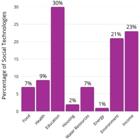
The Banco do Brasil Foundation (Fundação Banco do Brasil, 2024) organizes certified social technologies into thematic areas such as Food, Education, Energy, Housing, Environment, Water Resources, Income and Health. They are described as adaptable solutions for different communities, promoting significant social transformations. Although sectors such as education and income have high percentages, representing approximately 30% and 23%, respectively, housing has a much lower percentage, 2%, indicating a lack of certified social technologies aimed at improving housing conditions.
The low representation of housing among certified social technologies highlights a gap in the development of solutions aimed at improving housing conditions, especially in contexts of vulnerability. This scenario suggests that while housing is a central element for quality of life, there is limited prioritization of initiatives that combine technical knowledge, social participation and innovation in the housing sector. Figure 2 represents and indicates the percentage of social technologies registered with the Banco do Brasil Foundation.
Therefore, social technologies should be encouraged when they emerge as the best solution for specific problems, enabling both community involvement and the community’s appropriation of knowledge, rather than as a “cheap” substitute to serve the most needy and vulnerable, according to Zucoloto, Pereira and Szigethy (2021).
In this regard, as Gonçalves (2015) points out, the coordination between participatory processes and technical assistance contributes to the improvement of housing conditions, promoting better living standards for residents. Furthermore, Barros (2011) highlights the importance of proper resource management, combined with practices that integrate the participation of the various stakeholders involved, such as funding agencies, associations and advisory teams, as well as raising awareness about their responsibilities in the process.
This information reinforces the need for policies and initiatives that promote gender equity, such as those advocated by UN Women, an organization that works to formulate strategies and actions to guarantee women’s rights in adverse social and economic contexts. The Beijing Declaration and Platform for Action are considered the most significant documents in promoting gender equality and women’s rights. It was adopted in September 1995 during the Fourth World Conference on Women, held in Beijing, China and updated in 2015. This document established broad and ambitious commitments to achieve gender equality and women’s empowerment globally, according to UN Women (2024b).
From this perspective, “[…] at this moment, as the Beijing Declaration and Platform for Action mark their 30th anniversary, we can take stock and reinvigorate our efforts. To this end, UN Women calls for action in three key areas to accelerate progress and achieve equality […]” (UN Women, 2024b). These actions are divided into promoting locally focused change; support and empowerment for people; and making the multilateral system the most powerful force for gender equality.
Given this scenario, it becomes evident that the discussion about social housing demands approaches that go beyond the strictly physical dimension of dwellings, incorporating social, economic and cultural aspects that directly influence the living conditions of residents. The complexity of the housing phenomenon therefore requires consideration of multiple agents, practices and forms of appropriation of space, especially in contexts marked by structural inequalities. In this sense, understanding the dynamics of housing improvement in Minha Casa Minha Vida Program units necessarily involves analyzing the strategies adopted by the residents themselves, who, faced with institutional and technical limitations, develop solutions based on empirical knowledge and everyday experiences.
This article, through a systematic literature review, aims to gather and analyze scientific evidence on strategies that promote women's autonomy in housing reform and intervention processes, with an emphasis on social technologies, technical assistance and capacity-building initiatives. It also seeks to identify gaps in the field of study, to support the development of future research and guide the proposal of guidelines applicable to the context of social housing. Complementarily, the study incorporates empirical data from questionnaires administered to residents of social housing, with the objective of bridging the gap between theoretical evidence and observed reality and strengthening the analysis of housing improvement dynamics in Minha Casa Minha Vida Program units from a gender perspective.
This research is part of a broader study linked to the [MORA] - Housing Research* and falls within the context of the investigation titled [RES_TEC] - Resilience in the Built Environment and Social Technology through Digital Tools for Post-Occupancy Evaluation and Technical Assistance in Social Housing, which aims to analyze design strategies for adaptations in single-story social housing units, with a focus on promoting the resilience of the built environment. Currently, the research group is investigating the challenges faced by residents of social housing complexes in the municipality of Uberlândia (MG), in both horizontal and vertical housing types, analyzing factors that directly impact their capacity for adaptation, permanence and resilience.
Developed within this institutional framework, the research is currently funded by Conselho Nacional de Desenvolvimento Científico e Tecnológico (CNPq). This project continues the investigations initiated in [MORA] - Housing Research*, cited previously, broadening the focus to the use of digital tools and social technologies to support housing improvements in Minha Casa Minha Vida Program units.
2 Method
This study employs a quantitative and qualitative approach, combining elements of ethnographic and phenomenological analysis, with the aim of understanding the experiences and social practices related to the built environment. According to Groat and Wang (2015), the ethnographic strategy emphasizes direct engagement with specific contexts, primarily through detailed observation. This approach aligns with the qualitative strategy, characterized by a holistic analysis of the environment, seeking to capture contextualized aspects of the phenomenon under investigation. Furthermore, it prioritizes data collection and active observation, complemented using additional sources, such as interviews, records of artifacts and consultations of historical documents.
In their phenomenological approach, Groat and Wang (2015) focus on understanding the essence of human experiences in relation to a specific phenomenon, seeking to investigate how people experience and attribute meaning to certain events or environments, with an emphasis on subjective perception and individual experiences. This perspective contributes to the interpretation of the perceptions and experiences of the research participants.
In this regard, this article adopts a systematic literature review as its methodological approach, with the aim of identifying, analyzing and synthesizing the main scientific contributions on women’s leadership in housing development, emphasizing the use of social technologies, technical assistance and capacity-building initiatives focused on housing renovations. The choice of this method is justified by the need to gather evidence from the literature, thereby enabling a more comprehensive and structured understanding of the state of the art on the subject.
A systematic review, as defined by Kitchenham (2004), is a rigorous and replicable methodological procedure based on systematic steps for searching, selecting and analyzing studies, enabling the construction of a comprehensive overview of the existing scientific literature. In this sense, a systematic literature review contributes to the organization of knowledge and to the identification of patterns, trends and research gaps, elements that are fundamental to advancing research in the field. Additionally, data collected in the field, obtained from questionnaires administered to residents of the residential complex Pequis (RP) and residential complex Monte Hebron (RMH), were incorporated to bridge the gap between theoretical evidence and observed reality and to strengthen the analysis of housing improvement dynamics from a gender perspective.
This section of the article constitutes the Post-Occupancy Evaluation in this case study; such an evaluation has established itself as an essential methodology for understanding the performance of built environments based on users’ real-life experiences, making it possible to identify shortcomings, potential and opportunities for improvement in these spaces. The Post-Occupancy Evaluation serves as a mediating tool between the design and everyday life, promoting active listening to residents and informing more informed decisions in design cycles and public policy (Ono et al., 2018; Villa; Ornstein, 2013). Especially in the context of social housing, Post-Occupancy Evaluation reveals aspects often overlooked in traditional planning processes, such as the use of spaces, adaptations made by residents and their perceptions of comfort, safety and a sense of belonging. Methodological experiences applied to the Minha Casa Minha Vida Program demonstrate that Post-Occupancy Evaluation can be incorporated in a participatory manner, valuing families’ knowledge and improving housing quality based on criteria that are more sensitive to the diversity of ways of living (Villa; Saramago; Garcia, 2015).
Furthermore, the adoption of these approaches makes it possible to establish connections between different fields of study, such as gender, housing and social technologies, thereby facilitating an integrated analysis of the topics under investigation. The methodological diagram presented in Figure 3 illustrates the stages carried out in this study and their interrelationships. The article is structured around two main stages: the systematic literature review and the administration of questionnaires, which form the basis for the analyses presented.

In this context, the systematic literature review forms the theoretical basis of the research, providing the foundation for defining the methodological procedures and analyzing the results obtained subsequently. The following sections present the methodological procedures adopted in each of these two stages. They describe the strategies used to conduct the systematic literature review and to plan the administration of the questionnaires.
2.1 Data collection for the systematic literature review
Data collection was conducted in databases recognized for their relevance and scope in the fields of Architecture and Urbanism, Social Housing and Gender Studies, namely: Springer, Scopus, Web of Science, Google Scholar and ScienceDirect. The selection of these databases aimed to ensure the inclusion of high-impact scientific publications, as well as to broaden the search to different types of academic output.
To structure the search strategy in a systematic and comprehensive manner, four thematic axes were defined:
-
object of study;
-
conceptual framework;
-
gender framework; and
-
methodological approach, in order to organize the main concepts related to the research topic and guide the definition of the keywords used in the searches.
It should also be noted that the different axes analyzed do not appear in isolation but are interrelated. Gender issues, for example, cut across discussions on technical assistance, self-management and the use of technologies, although they are not always explicitly treated as a central category.
The definition of the keywords was based on the main concepts that structure the research gap and, on the terminology, identified in the national and international literature on social housing, gender and social technologies. In axis 1, the terms "popular housing," "social housing," "social interest housing" and "housing policy" were adopted because they represent different approaches to the housing field, encompassing the physical space of the dwelling up to public policies. In axis 2, the keywords "resilience", "adaptation" and "adaptability" were included because they relate to the capacity of dwellings to respond to the needs of their residents over time, while "housing improvement" and "housing renovation" refer to the physical interventions carried out in them. The term "user-centered design" was incorporated due to its association with participatory approaches and the consideration of residents' demands. In axis 3, the terms "female protagonism", "gender", "woman" and "female leadership" were selected to analyze studies that address different perspectives on women's participation and gender relations in the built environment. Axis 4, "social technology", "digital platform", "digital tool", "technical assistance" and "technical training", were chosen because they represent strategies, instruments and mechanisms to support the promotion of these improvements.
The searches were conducted in Portuguese and English to broaden the coverage of the studies and minimize potential linguistic biases. To formulate the search strategies, Boolean operators, “and” and “or”, were used, enabling the structured combination of terms. Axis 1 (subject of study: housing) was systematically linked with the other axes (axes 2, 3 and 4), allowing for the construction of different search combinations and ensuring a multidimensional approach to the topic investigated. Figure 4 presents the structure of the combinations among thematic axes, as well as the quantitative results obtained at each stage of the search and filtering process.

The following inclusion criteria were considered:
-
articles published between 2004 and 2024;
-
studies available in Portuguese or English; and
-
publications that directly or indirectly addressed women’s leadership in housing or housing improvement contexts.
As exclusion criteria, duplicate studies were discarded, as were works that were unrelated to the proposed topic after reading the title and abstract and publications without access to the full text.
The chosen time frame is justified by the need to encompass both productions prior to and following the implementation of structural housing policies in the Brazilian context. The selection of 2004 as the starting point is linked to the availability of relevant studies on self- construction, self-management and informal practices of spatial production, which are fundamental to understanding the historical dynamics of housing improvements. The time frame extending to 2024, on the other hand, allows for the inclusion of more recent research, covering the contemporary context and the developments of the Minha Casa, Minha Vida Program, established in 2009 and still in effect.
The selection process took place in three stages: first, the titles were reviewed, followed by an analysis of the abstracts and finally, a full reading of the selected texts. At the end of this process, of the 356 studies initially screened, 298 were excluded for failing to meet the established criteria, resulting in a final corpus of 58 articles. The selected studies were organized in a spreadsheet, including information such as title, year of publication, keywords, abstract, methodological approach, main results and conclusions, which enabled the structuring of an analytical database for the systematic processing of the information.
The analysis of the materials was conducted through thematic categorization to identify patterns, recurrences and gaps in the literature. At this stage of organization, the main lines of discussion regarding women’s agencies in housing improvements were observed, as well as an understanding of the predominant approaches and existing limitations in the field. Based on this organization, it was possible to understand how the themes interrelate, given the predominance of certain perspectives over others. In this sense, the analysis proceeds to a critical reading of the scientific literature, highlighting convergences, divergences and varying levels of depth in the investigated themes. The results of this systematic literature review will be presented in section 3.1 of this article.
2.2 Planning the administration of the questionnaires
Based on the gaps and directions identified in the systematic literature review, the empirical phase of the research was then conducted. For the purposes of administering the questionnaires, the study will include women residing in the case study areas of RMH (subdivision 3C5) and the RP neighborhood (subdivision 2A4), who are 18 years of age or older and capable of understanding the questions in the questionnaire. Participation will depend on the resident’s presence at home at the time of the visit, as data collection will be conducted in person. Those who do not reside in the selected areas, minors and those over 18 who are unable to understand the questionnaire will be excluded.
In this context, the subdivision corresponding to plots 3C5 and 2A4, where 175 plots were selected in each area, configuring a universe of 350 units for investigation. To ensure balanced representativeness between the two cases, the same number of participants was defined in each set. Once the population (or universe) was defined, aiming to approximate knowledge of its parameters (unknown characteristics), it was necessary to define a sufficiently representative sample capable of providing calculated statistics with a certain degree of precision and reliability. It was decided to statistically define a sample for the number of households where the Post-Occupancy Evaluation instrument should be applied, with a confidence coefficient of 95% and a margin of error of 9.99%. The method used to calculate the sample size for finite populations (n) is given by Equation 1:
n is the required sample size (number of households to be surveyed);
Z is the abscissa of the standard normal distribution (1.96);
p. q. is the variability of the data ¼ (0.25);
N is the population size (350); and
d is the sampling error 0.099 (9.9%)
This Equation 1 resulted in a sample of 76 respondents, equally distributed, with 38 questionnaires administered in each location.
After approval by the Ethics Committee (CAAE: 86618225.9.0000.5152), for the preliminary stage of the research, a pre-test of the questionnaire was carried out in the two case studies: the RMH and RP neighborhoods. The objective was to assess the clarity of the questions, the average time required to complete the questionnaire and the residents’ receptiveness to the data collection instrument. In the pre-test, 8 questionnaires were administered, distributed as follows: 5 in RMH and 3 in RP. This stage allowed us to adjust the approach and refine the data collection process, especially given the differences in participants’ availability and openness in each area, as well as to identify areas for improvement in the instrument, resulting in the reformulation of some questions and the reorganization of certain thematic sections.
Following this stage, the survey was administered to the residents. Accordingly, the materials for the fieldwork were organized, each pair received a bag containing a clipboard, pens, a map of the neighborhood sector designated for the study and the Informed Consent Forms. Gifts accompanied by informational pamphlets from the [MORA] group were also included, as well as vests and badges for researcher identification (Figure 5). Data collection was conducted through home visits, organized into teams composed of researchers and volunteers who had been previously briefed on the research objectives and how to administer the questionnaire. To ensure better organization and safety during fieldwork, the teams were divided into pairs for data collection at each residence.

The questionnaires were administered on pre-scheduled days, with an average of four hours of fieldwork each day. In the RMH neighborhood, data collection took place on March 9 and 11, totaling eight hours of fieldwork. In the RP neighborhood, the survey was scheduled for March 17, 18, 20 and 21, also with four hours of fieldwork each day. During the visits, the researchers explained the objectives of the study to the residents, answered questions and administered the questionnaire after the residents signed the informed consent form (Figure 6).

The results obtained from the questionnaires will be presented in section 3.2 of this article.
3 Results and discussions
3.1 Results of the systematic literature review
An analysis of Figure 7, regarding keywords, reveals that the most recurrent terms are directly related to social housing. Terms associated with social housing total 40 occurrences, standing out significantly from the rest. Next, we observe the presence of resilience/resilience in the built environment, with 14 occurrences and post-occupancy evaluation, with 10, indicating an intermediate concentration in these themes. Next come housing policy, with 6 occurrences and the terms self-management and social movements, with 4 occurrences each. The least frequent terms include women, user-centered design and self-construction, each with 3 occurrences, representing the least recurring groups in the analyzed set.

This overview reveals a predominance of approaches focused on the structural and technical aspects of social housing, with an emphasis on themes well-established in the literature, such as resilience and post-occupancy evaluation. These results indicate that scientific research prioritizes the analysis of the built environment’s performance and the physical conditions of the housing units. On the other hand, it is observed that themes related to the social dimension and the daily practices of residents, such as self-management and social movements, although present, still appear less frequently, suggesting a more recent or less established presence of these approaches in the field of housing.
Of note is the low incidence of terms directly related to the gender perspective, such as “women,” as well as user-centered and self-construction approaches. This result highlights a significant gap in the literature regarding the understanding of women as active agents in the processes of transforming domestic space, indicating that, despite their recurring role in practice, their presence remains under-explored in academic studies.
In this sense, the data reinforce the need to expand research that integrates the gender perspective into discussions on social housing, especially those that consider women’s leading role in decisions related to housing renovations and improvements. This gap also points to the importance of approaches that value the practical knowledge and everyday strategies adopted by female residents, which are often overlooked in traditional studies. Regarding the general characterization of the selected studies, a diversity of methodological approaches is noted, including qualitative research, case studies, documentary analyses and applied investigations.
The systematic analysis resulted in the selection of the studies presented in Figure 4, which were organized into six thematic categories, defined based on the recurrence of terms, methodological approaches and objects of study identified in the literature. The category of social housing predominates, with 52 documents, indicating the consolidation of this field within the scope of research on housing policies, spatial production and housing conditions.
The categories “collective efforts and self-construction” (19) and “gender and housing” (16) show intermediate frequency, indicating the presence of approaches focused on social practices and the agents involved in housing production, even though they do not constitute the central focus of most studies. The category “technical assistance” (17), on the other hand, reveals a developing field associated with discussions on institutional support and the quality of interventions in the built Environment.
In turn, the categories “digital tools and artifacts” (9) and “social technology” (5) have a lower incidence, suggesting that the incorporation of innovative solutions and technological strategies applied to housing improvements is still in its infancy in the analyzed literature. This overview shows a concentration of studies on structural and institutional approaches to housing, to the detriment of research that explores, in an integrated manner, the relationship between gender, social technologies and processes of spatial transformation.
It is also observed that a significant portion of the studies presents an articulation between different thematic perspectives, simultaneously addressing aspects such as gender, technical assistance and self-construction, thereby acknowledging the inherent complexity of Housing improvement practices, which cannot be analyzed in isolation (Figure 8).

Initially, an analysis was conducted of studies related to the theme of gender and housing, highlighting home ownership as an important instrument for women’s empowerment and integration with social policies (Costa, 2023). However, despite the observed progress, structural barriers that limit women’s autonomy in the housing context persist (Barros, 2024).
Women’s participation in housing movements has proven fundamental to challenging patriarchal relations and strengthening political and community identities (Oliveira, 2012; Helene, 2019), although it still faces challenges related to public recognition of gender agendas (Levy; Latendresse; Carle-Marsan, 2017). Added to this scenario is the growth of single- parent families headed by women (Macedo, 2008), as well as the expanding understanding of housing as a right that involves not only access to shelter but also social participation (Martínez, 2009).
The COVID-19 pandemic has highlighted and intensified preexisting inequalities, reinforcing the need to rethink urban and domestic spaces from a more inclusive perspective (Sarmiento; Tavares; Ferradás, 2022). In this context, Khalid and Sunikka-Blank (2020) note that women are more active in the housing sector, which reinforces the need for broader, intersectional approaches that link housing and gender practices. There is, therefore, a tension in the literature between women’s active role in practice-widely documented in empirical studies and it’s still limited institutionalization in public housing policies.
Digital platforms and technical tools have established themselves as key allies in housing improvement processes within Social Housing, directly impacting participatory dynamics. However, the literature points to a still limited systematization of data regarding the impacts of Technical Assistance for Social Housing in Brazil, as evidenced by Faria and Villa (2023) and Kowaltowski et al. (2024).
In this context, different approaches to the use of technical assistance support tools can be identified, ranging from printed materials, as noted by Pina et al. (2004), to the development of websites and applications aimed at guiding users, as discussed by Lenoir and Andrade (2021).
The incorporation of these digital platforms and technical tools represents a significant advance, especially regarding the expansion of access to information and support for housing improvement practices. However, the results indicate that such initiatives still lack greater systematization and more consistent evaluations of their impacts, which limits the understanding of their effectiveness and their potential for application.
According to Balbim et al. (2023), investment in public housing improvement policies linked to Technical Assistance for Social Housing is essential, especially given the inequalities in access to information, technical services and technologies between residents and professionals. In this context, Moreno, Cavalcante and Mafaldo (2023) highlight that women, who are predominantly affected by housing precariousness, play a central role in housing renovation and diagnostic processes, demonstrating the existence of legitimate empirical knowledge.
Faria and Villa (2023) also highlight the urgent need for accessible digital solutions, the strengthening of public architecture and the recognition of self-management as a practice of empowerment, particularly for women. Complementarily, Mussi et al. (2018) indicate that housing self-management constitutes a relevant strategy for promoting community leadership, while Villa et al. (2020) highlight that the use of digital tools can expand residents’ autonomy and strengthen participatory practices. Despite these advances, limitations persist regarding unequal access to technical assistance and the necessary resources for carrying out safe interventions, which highlights the need for greater coordination between public policies, technical training and social technologies in the context of social housing.
The literature presents various approaches to housing improvements and self-management, highlighting advances in the use of technological solutions applied to the management, renovation and maintenance of housing, which are increasingly integrated into construction processes. The studies analyzed also reinforce the potential of technical training, especially given the recurrence of interventions carried out by the residents themselves. However, significant limitations persist, such as insufficient technical assistance and the rigidity of construction systems, which hinder the implementation of safe and adequate interventions.
Despite these advances, it is observed that research that integrates women’s leadership, gender reflections and the use of digital platforms for technical training remains scarce. The literature indicates that, although women’s leadership is a well-established reality in everyday housing improvement practices, its treatment in the academic field remains fragmented, with little emphasis on the relationship between gender, social technologies and self-construction processes.
It should be noted, however, that the results of this review are conditioned by the search and selection criteria adopted, as well as the databases consulted. Although efforts were made to ensure comprehensiveness and methodological rigor, it is possible that certain relevant studies were not included. Thus, the findings should be understood as an analytical snapshot of the field, subject to further exploration in future research.
3.2 Results of the data collection via questionnaires
This section presents the results of the questionnaires administered to residents in the case studies RMH (3C5) and the RP (2A4), with 38 respondents in each neighborhood. The data were analyzed using descriptive statistics and organized into graphs to highlight the housing conditions and improvement practices adopted in the contexts under investigation. The results most relevant to the research, obtained from the surveys conducted in the two neighborhoods, are presented here, organized in the order in which the questions were asked and comparing the results of each neighborhood (Figure 9 through 17). Figure 9 shows the distribution of responses regarding the need for renovations in the housing units shortly after the residents received their homes.

Among residents of RP, 60.5% stated they had carried out renovations, while 39.5% indicated that no interventions were necessary. In RMH, this trend was even more pronounced, with 63.2% of residents reporting the need for renovations, compared to 36.8% who did not make any modifications. These results highlight a significant demand for post-occupancy interventions, as well as a perception of inadequacy or insufficiency of the housing units delivered in these neighborhoods (Figure 9).
In the RP survey, 42.1% of respondents reported having hired paid professional support, which constituted the primary form of assistance, while 13.2% received free help; on the other hand, 26.3% received no support at all and 18.4% indicated that the situation did not apply to them. In RMH, a similar pattern is observed regarding the predominance of paid support (42.1%), though with a more fragmented distribution among the other categories, including free support (15.8%), lack of support (26.3%) and 15.8% of respondents selected “Does not apply” (Figure 10).

Analysis of the graph indicates that female residents face difficulties making changes to their homes, with a strong concentration of responses at the lower end of the scale. In RP, the perception of difficulty is pronounced, with 68.4% of respondents rating it as “very difficult” (score 1). In RMH, although difficulty is also predominant (57.9% at level 1), there is a slightly greater dispersion across the other categories, including more significant percentages at levels 3, 4 and 5 (Figure 11).

In the RP neighborhood, the hiring of professionals predominates (43.5%), indicating a greater reliance on skilled labor, followed by the involvement of a partner (25%) and the resident herself (15.9%). In contrast, in RMH, the leading role of the residents themselves stands out, with 40% stating that they carry out the renovations on their own, followed by support from other family members (24.4%) and a lower participation of hired professionals (20%), reflecting self-managed strategies (Figure 12).

The results indicate differences in the degree of autonomy of the residents in carrying out housing improvements. Among the respondents in the RP study, a relative balance is observed, with 52.6% stating that they do not carry out interventions on their own and 47.4% reporting that they have already carried out improvements autonomously. In RMH, on the other hand, most residents (55.3%) stated that they carry out housing improvements without external assistance, while 44.7% reported not adopting this practice. These results suggest greater individual protagonism among the residents of RMH in conducting interventions in their homes (Figure 13).

These graphs show the distribution of residents’ responses regarding their interest in learning more about home renovations and repairs. In both cases, the “Yes, very interested” category predominates, with a higher percentage in RMH (60.5%) compared to RP (55.3%). This result indicates a high demand for technical training among female residents, suggesting potential for training initiatives focused on home improvement. The intermediate categories, such as “Maybe” and “Little interest,” show low percentages, while the “No interest” option appears more frequently in RP (26.3%) than in RMH (18.4%) (Figure 14).

In the RP neighborhood, half of the respondents (50%) stated that they would participate in such courses. In addition, a significant proportion (21.1%) indicated that their interest depended on factors such as time and location (“maybe”), while 28.9% stated they had no interest. In RMH, however, the level of interest is even higher, with 71.1% of residents stating that they would participate in training programs. The “maybe” category shows very low participation, while 26.3% indicated they had no interest (Figure 15).

Interest in participating in training courses aimed at women for carrying out home renovations and improvements
In the RP neighborhood, 47.1% of the women interviewed stated that they could see themselves providing this type of service, indicating a significant level of openness to working in this field. In addition, 29.4% said they would perform such activities only in their own homes, while 20.6% stated they had no interest. The intermediate category, corresponding to the possibility contingent on support or equipment, shows low participation. In RMH, the proportion of residents who state with certainty that they would provide this type of service is even higher, reaching 50%. The share indicating that they would only work within their own homes corresponds to 26.3%, while 18.4% stated they had no interest. As in RP, the category contingent on support has low representation (Figure 16).

Residents' perception of the possibility of professional work in the construction industry
In the RP neighborhood, there is virtually unanimous agreement, with 97.4% of the respondents stating that they believe it is possible for other women to earn an income through these activities, while only a small minority (2.6%) answered in the negative. In RMH, however, agreement is total (100%), indicating absolute consensus among the participants regarding this possibility (Figure 17).

Perceptions about the potential of housing reforms as a source of income generation for other women
Overall, the results show that, despite the previously mentioned difficulties in carrying out reforms, there is a significant interest among residents in acquiring technical knowledge, which reinforces the importance of technical assistance and training initiatives as strategies to strengthen autonomy in the production and improvement of housing.
Furthermore, the data indicate that, although there are material limitations, there is significant recognition of the potential of reform and capacity-building practices for both improving housing conditions and generating income. This result is like the discussions of Moreno, Cavalcante and Mafaldo (2023), who highlight the centrality of women in housing reform processes, evidencing empirical knowledge often made invisible by public policies.
At the same time, there is agreement with Balbim et al. (2023), reinforcing the need for integrated policies that articulate technical assistance, social technologies and the reduction of inequalities in access to information. In this sense, the literature also indicates that such inequalities are structural and persistent, requiring more systematic actions in the field of Technical Assistance for Social Housing, as discussed by Faria and Villa (2023) and Kowaltowski et al. (2024).
Finally, although there are restrictions related to access to technical and financial resources, there is significant recognition of the potential of reform and empowerment practices among women in improving housing conditions and generating income. These results directly align with the evidence identified in the literature, contributing to the empirical validation of theoretical discussions and highlighting the need for more integrated strategies that combine technical assistance, social technologies and empowerment in the context of social housing.
4 Conclusions
The objective of this study was to identify and analyze the main scientific contributions regarding women’s leadership in housing development, with an emphasis on strategies related to housing improvements, technical assistance and the use of social technologies, combining a systematic literature review with empirical data obtained through questionnaires. Overall, the results show that women play a central role in the processes of transforming the domestic space especially in contexts of social vulnerability, where they frequently take on the management and execution of housing improvements. It is observed, however, that this leading role is primarily driven by the absence of adequate technical support and the insufficiency of public policies that address gender-specific issues.
The analyzed literature also reveals the existence of specific initiatives focused on training and the use of social technologies, indicating a growing field that remains fragmented and lacks systematization. In this regard, significant gaps are identified regarding the low level of integration between housing policies and strategies to strengthen women’s autonomy, as well as the limited availability of accessible technical assistance.
This underscores the urgency of integrating a gender perspective into public housing policies, recognizing women as central agents in the processes of transforming the domestic space. By highlighting existing experiences and practices, the research contributes to the development of policies that are more sensitive to gender-specific issues, encouraging the creation of programs that combine technical training, access to information and qualified support. This expands the possibility of establishing housing that is safer, more adaptable and aligned with the real needs of women in vulnerable situations.
From a scientific perspective, the study contributes to advancing discussions on gender and housing by systematizing scattered evidence in the literature and highlighting gaps that require further investigation. Furthermore, it offers practical contributions by informing the formulation of public policies and actions aimed at promoting women’s autonomy in housing improvements. As such, it also provides relevant insights for the next stages of the thesis by highlighting the importance of expanding women’s access to technical training in HIS contexts.
Finally, it is emphasized that progress in the field of housing improvements, from a gender perspective, requires an increase in the volume of studies, particularly in the development of methodological approaches capable of integrating different dimensions of the housing phenomenon. This direction points to the need for applied research that goes beyond the theoretical realm and contributes to the proposal of operational solutions capable of supporting residents’ decision-making processes and improving interventions in the built environment. As a corollary, it is recommended that future studies deepen the investigation of methodologies, digital tools and social technologies that promote residents’ autonomy in the processes of renovating and adapting their homes, as well as explore ways to facilitate access to technical assistance. In this way, the role of research as an instrument of mediation between academic production and social transformation is reinforced.
Acknowledgments
To the Graduate Program in Architecture and Urban Planning at the Federal University of Uberlândia; to the [MORA] group - Housing Research; and to the women in the neighborhoods included in the study.
Declaration of Generative AI and AI-Assisted Technologies in the Writing Process
Financial Support
Data Availability Statement
The data underlying this study are available upon request from the corresponding authors.
References
- BALBIM, R. N. et al. Melhorias habitacionais e assistência técnica de habitação de interesse social (ATHIS): diretrizes e estratégias para uma política nacional. Brasília: IPEA, 2023.
- BARROS, M. C. Autogestão na implementação de políticas habitacionais: o mutirão autogerido Brasilândia B23. São Carlos, 2011. Dissertação (Mestrado em Arquitetura e Urbanismo) - Escola de Engenharia de São Carlos, Universidade de São Paulo, São Carlos, 2011.
- BARROS, T. P. N. Evolução histórico-jurídica do direito das mulheres ao acesso à posse da terra urbana no Brasil. Novos Cadernos NAEA, v. 27, n. 1, 2024.
- BRANDÃO, D. Q. Disposições técnicas e diretrizes para projeto de habitações sociais evolutivas. Ambiente Construído, Porto Alegre, v. 11, n. 2, p. 73-96, abr./jun. 2011.
- BRAZIL. Constituição da República Federativa do Brasil de 1988 Brasília, DF: Senado Federal, 1988. Atualizada pela Emenda Constitucional, n. 90, p. 18, 2015.
-
BRAZIL. Lei nº 11.124, de 16 de junho de 2005. Dispõe sobre o Sistema Nacional de Habitação de Interesse Social, cria o Fundo Nacional de Habitação de Interesse Social e institui o Conselho Gesto do FNHIS, 2005. Available: https://www.camara.leg.br/proposicoesWeb/prop_mostrarintegra;jsessionid=C0F669056BF3C54B405994E449A3DE67.proposicoesWebExterno2?codteor=656147&filename=LegislacaoCitada+-PL+5207/2009. Access: 24 jul. 2024.
» https://www.camara.leg.br/proposicoesWeb/prop_mostrarintegra;jsessionid=C0F669056BF3C54B405994E449A3DE67.proposicoesWebExterno2?codteor=656147&filename=LegislacaoCitada+-PL+5207/2009 -
BRAZIL. Minha Casa Minha Vida prioriza a segurança de moradia e amplia protagonismo feminino Brasília, DF: Ministério das Cidades, 2025. Available: https://www.gov.br/cidades/pt-br/assuntos/noticias-1/noticia-mcid-n-985 Access: 20 jan. 2026.
» https://www.gov.br/cidades/pt-br/assuntos/noticias-1/noticia-mcid-n-985 -
CONSELHO DE ARQUITETURA E URBANISMO DE SANTA CATARINA. ATHIS - Guia da assistência técnica para habitação social: o passo a passo. Como fazer? [recurso eletrônico]. Florianópolis, 2020. Available: https://www.causc.gov.br/wp-content/uploads/2020/08/Guia-de-ATHIS-o-passo-a-passo-1.pdf Access: out de 2025.
» https://www.causc.gov.br/wp-content/uploads/2020/08/Guia-de-ATHIS-o-passo-a-passo-1.pdf - CONSELHO DE ARQUITETURA E URBANISMO DO BRASIL. Assistência Técnica em Habitação de Interesse Social (ATHIS): kit de informações para profissionais. Brasília, 2020.
-
CONSELHO DE ARQUITETURA E URBANISMO DO BRASIL. Pesquisa CAU/BR Datafolha Brasília: CAU/BR, 2015. Available: https://caubr.gov.br/pesquisa2015/como-o-brasileiro-constroi/ Acess: 20 nov. 2025.
» https://caubr.gov.br/pesquisa2015/como-o-brasileiro-constroi/ - COSTA, E. M. Protagonismo das mulheres na construção e integração das políticas sociais de educação e habitação em Governador Valadares: autonomia, empoderamento e mobilidade social. São Paulo, 2023. Dissertação (Mestrado em Estado, Governo e Políticas Públicas) - Faculdade Latino-Americana de Ciências Sociais; Fundação Perseu Abramo, São Paulo, 2023.
- DAGNINO, R. P. Introdução. In: DAGNINO, R. Tecnologia social: ferramenta para construir outra sociedade. Campinas: Unicamp, 2009.
- DE FREITAS OTONI, M. E.; LEITE, N.; BARBOSA VILLA, S. Entre gênero e território: dinâmicas de participação e autonomia feminina em ampliações de habitações sociais. Revista Thésis, Rio de Janeiro, v. 10, n. 20, 2025.
- DE LA JARA, J. J.; HIDALGO, M. T.; HANSEN, R. S. A cidade na perspectiva dos determinantes da saúde. In: DETERMINANTES ambientais e sociais da saúde. Organização Pan-Americana da Saúde. Washington: OPAS, 2011.
- ESTEVÃO, M.; MEDVEDOVSKI, N. S. Entrevista com Mariana Estevão: a prática da Arquitetura e Urbanismo com a promoção à saúde da população brasileira. Expressa Extensão, v. 22, n. 1, p. 06-09, jan./jun. 2017.
- FARIA, J. G.; VILLA, S. B. Assistência técnica para habitação de interesse social em ambiente digital: pesquisas centradas nos usuários. Revista Educação Gráfica, v. 27, p. 59-78, 2023.
-
FUNDAÇÃO BANCO DO BRASIL. Transforma, redes de tecnologias sociais: valorizamos soluções para transformar o Brasil. Available: https://transforma.fbb.org.br/ Access: 25 nov. 2024.
» https://transforma.fbb.org.br/ -
FUNDAÇÃO JOÃO PINHEIRO. Déficit Habitacional no Brasil 2022. Belo Horizonte Fundação João Pinheiro, 2022. Available: http://repositorio.fjp.mg.gov.br/handle/123456789/4262 Access: 13 jan. 2026.
» http://repositorio.fjp.mg.gov.br/handle/123456789/4262 - GARCIA, S. G. A tecnologia social como alternativa para a reorientação da economia. Estudos Avançados, v. 28, n. 82, p. 251-275, 2014.
- GONÇALVES, L. S. Avaliação de qualidade de habitação de interesse social por meio de estudo de caso de mutirão autogerido: inserção urbana, implantação e unidades habitacionais. Revista Nacional de Gerenciamento de Cidades, v. 3, n. 22, p. 01-13, 2015.
- GROAT, L. N.; WANG, D. Architectural research methods 2nd Ed. New York: Wiley, 2015.
- HELENE, D. Gênero e direito à cidade a partir da luta dos movimentos de moradia. Cadernos Metrópole, v. 21, n. 46, 2019.
- JORGE, L. O. et al. A transformação espontânea das unidades habitacionais do loteamento Anglo em Pelotas/ RS: Reflexões sobre a urgência do conceito de Habitação Social Evolutiva. Cadernos Proarq, v. 29, p. 122-153, 2017.
- KHALID, R.; SUNIKKA-BLANK, M. Housing and household practices: practice-based sustainability interventions for low-energy houses in Lahore. Energy for Sustainable Development, v. 54, p. 148-163, 2020.
-
KITCHENHAM, B. Procedures for performing systematic reviews Keele University; National ICT Australia (NICTA), 2004. Technical Report TR/SE-0401. Available: http://www.inf.ufsc.br/~aldo.vw/kitchenham.pdf Access: 10 jan. 2025.
» http://www.inf.ufsc.br/~aldo.vw/kitchenham.pdf - KOWALTOWSKI, D. C. C. K. et al Living labs for user empowerment and value delivery in social housing upgrading processes. Habitat International, v. 145, 103019, mar. 2024.
- LENOIR, J. A. F.; ANDRADE, L. M. S. Um aplicativo de mapeamento online participativo como ferramenta de assessoria técnica em arquitetura e urbanismo. Interdisciplinar, v. 7, n. 1, p. 272-295, 2021.
- LEVY, C.; LATENDRESSE, A.; CARLE-MARSAN, M. Gendering the urban social movement and public housing policy in São Paulo. Latin American Perspectives, v. 44, n. 3, p. 9-27, may 2017.
- MACEDO, M. S. Mulheres chefes de família e a perspectiva de gênero: trajetória de um tema e a crítica sobre a feminização da pobreza. Caderno CRH, v. 21, n. 53, 2008.
- MARROQUIM, F. M. G.; BARBIRATO, G. M. Flexibilidade espacial em projetos de Habitações de Interesse Social. In: COLÓQUIO DE PESQUISAS EM HABITAÇÃO, Belo Horizonte, v. 4, 2007. Anais [...] Belo Horizonte, 2007.
- MARTÍNEZ, Z. M. Reflexiones sobre las mujeres y el derecho a la vivienda desde una realidad con espejismos. In: EL DERECHO humano a la vivienda: perspectiva nacional e internacional sobre la vivienda adecuada. Barcelona: Plataforma Interamericana de derechos Humanos, Democracia y Desarrollo, 2009.
-
MINISTÉRIO DAS CIDADES. Ministério das Cidades lança primeira seleção do MCMV para municípios com até 50 mil habitantes. Brasília, 2024. Available: https://www.gov.br/cidades/pt-br/assuntos/noticias-1/ministerio-das-cidades-lanca-primeira-selecao-do-mcmv-para-municipios-com-ate-50-mil-habitantes Access: 5 fev. 2025.
» https://www.gov.br/cidades/pt-br/assuntos/noticias-1/ministerio-das-cidades-lanca-primeira-selecao-do-mcmv-para-municipios-com-ate-50-mil-habitantes - MORENO, T. M.; CAVALCANTI, F. B. S. V.; MAFALDO, J. B. Análise crítica de uma experiência de assessoria técnica (em edital) com mulheres. In: ENCONTRO NACIONAL DA ASSOCIAÇÃO NACIONAL DE PÓS-GRADUAÇÃO E PESQUISA EM PLANEJAMENTO URBANO E REGIONAL, 20., Belém, 2023. Anais [...] Belém, 2023.
- MUSSI, A. Q. et al. Trajetória de uma experiência de autogestão habitacional de interesse social: reflexões quanto ao empoderamento da comunidade e soluções adotadas. Cadernos Proarq, Rio de Janeiro, v. 30, p. 115-131, 2018.
- OLIVEIRA, N. As mulheres e os movimentos dos sem-teto no Brasil: análise das relações sociais de classes e sexos. Revista: Lutas Sociais, v. 29, p. 144–159, 2012.
- ONO, R. et al. (org.) Avaliação Pós-Ocupação (APO) na Arquitetura, no Urbanismo e no Design: da Teoria à Prática. São Paulo: Oficina de Textos, 2018.
- PALERMO, C. Avaliação da qualidade no projeto de HIS: uma parceria com a Cohab/SC. In: VILLA, S. B.; ORNSTEIN, S. W. (org.). Qualidade ambiental na habitação: avaliação pós-ocupação. São Paulo: Oficina de Textos, 2013.
- PARLATO, S.; SANTOS, L. H. dos; MEDVEDOVSKI, N. Novos Desafios da Extensão Universitária em Tempos de Covid: Assistência Técnica Em Assentamentos Precários. PIXO Rev. Arquit. Cid. Contemp, 2020.
- PINA, S. M. et al. Rotina e orientações para autoconstrução: em busca da sustentabilidade social. In: ENCONTRO NACIONAL DE TECNOLOGIA DO AMBIENTE CONSTRUÍDO, São Paulo, 10., 2004. Anais [...] São Paulo, 2004.
- SARMIENTO, L.; TAVARES, R. B.; FERRADÁS, M. N. Gestión feminista del hábitat: reflexiones desde la piel doméstica al desafío de la existência Córdoba: Centro de Investigaciones y Estudios sobre Cultura y Sociedad, 2022.
- SIMÕES, G. M. F.; LEDER, S. M.; LABAKI, L. C.; How uncomfortable and unhealthy can social (low-cost) housing in Brazil become with use? Building and Environment, v. 205, 108218, 2021.
- SOFFNER, R. K. Tecnologias sociais e práxis educativa. Revista de Educação PUC, Campinas, v. 19, n. 1, p. 57-62, 2014.
- SUNIKKA-BLANK, M.; HAQUE, A.N.; BARDHAN, R. Gender, domestic energy and design of inclusive low-income habitats: a case of slum rehabilitation housing in India. Habitat International, v. 49, p. 53-67, 2018.
-
TAMIETTI, G. 26 milhões de domicílios urbanos brasileiros apresentam algum tipo de inadequação Available: https://fjp.mg.gov.br/26-milhoes-de-domicilios-urbanos-brasileiros-apresentam-algum-tipo-de-inadequacao/ Access: 27 nov. 2024a.
» https://fjp.mg.gov.br/26-milhoes-de-domicilios-urbanos-brasileiros-apresentam-algum-tipo-de-inadequacao/ -
TAMIETTI, G. Brasil registra déficit habitacional de 6 milhões de domicílios Available: https://fjp.mg.gov.br/brasil-registra-deficit-habitacional-de-6-milhoes-de-domicilios/ Access: 27 nov. 2024b.
» https://fjp.mg.gov.br/brasil-registra-deficit-habitacional-de-6-milhoes-de-domicilios/ -
UN WOMEN. Equal is greater: time to act for gender equality and women’s empowerment and rights. 2024a. Available: https://www.unwomen.org/en/digital-library/publications/2024/09/brochure-equal-is-greater-time-to-act-for-gender-equality-and-womens-empowerment-and-rights Access: 28 nov. 2025a.
» https://www.unwomen.org/en/digital-library/publications/2024/09/brochure-equal-is-greater-time-to-act-for-gender-equality-and-womens-empowerment-and-rights -
UN WOMEN. World survey on the role of women in development 2024: harnessing social protection for gender equality, resilience and transformation. 2024b. Available https://www.unwomen.org/en/digital-library/publications/2024/10/world-survey-on-the-role-of-women-in-development-2024 Access: 28 nov. 2024b.
» https://www.unwomen.org/en/digital-library/publications/2024/10/world-survey-on-the-role-of-women-in-development-2024 - VILLA, S. B. et al. Como você mora: sistema interativo de avaliação pós-ocupação em meios digitais. Gestão & Tecnologia de Projetos, v. 15, p. 33-49-49, 2020.
- VILLA, S. B.; ORNSTEIN, S. W. (org.) Qualidade ambiental na habitação: avaliação pós-ocupação. São Paulo: Oficina de Textos, 2013.
- VILLA, S. B.; SARAMAGO, R. C. P.; GARCIA, L. C. Avaliação Pós-Ocupação no Programa Minha Casa Minha Vida: uma experiência metodológica. Uberlândia: Universidade Federal de Uberlândia, 2015.
- ZUCOLOTO, G. F.; PEREIRA, L. S.; SZIGETHY, L. de M. Tecnologias sociais e habitação: análise das tecnologias habitacionais certificadas pela Fundação Banco do Brasil. Mercado de Trabalho: conjuntura e análise, n. 71, p. 117-127, 2021.

 Source: adapted from Council of Architecture and Urbanism (


