 Vaccination coverage in children up to 2 years old born in 2017 and 2018 in the municipalities of São Paulo and Campinas, Brazil: comparison of the results of a national survey and the National Immunization Program Information System
Objective To estimate and compare vaccination coverage among children born in 2017-2018 in São Paulo and Campinas, according to the Vaccination Coverage Survey (ICV 2020) and the National Immunization Program Information System (SI-PNI).
Methods ICV 2020 analyzed vaccination card records. Coverage was calculated and compared to doses recorded on the SI-PNI, divided by the target population.
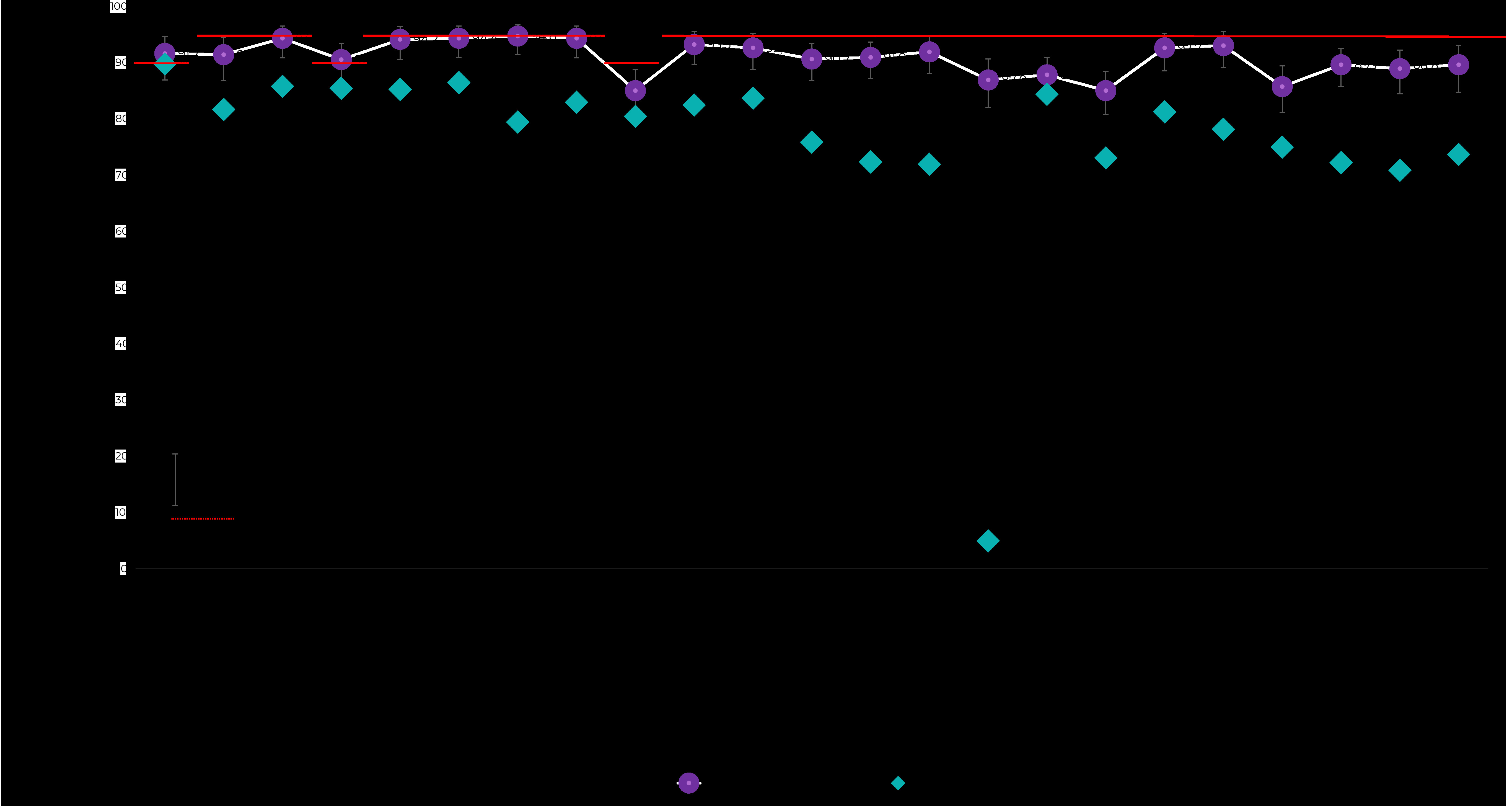
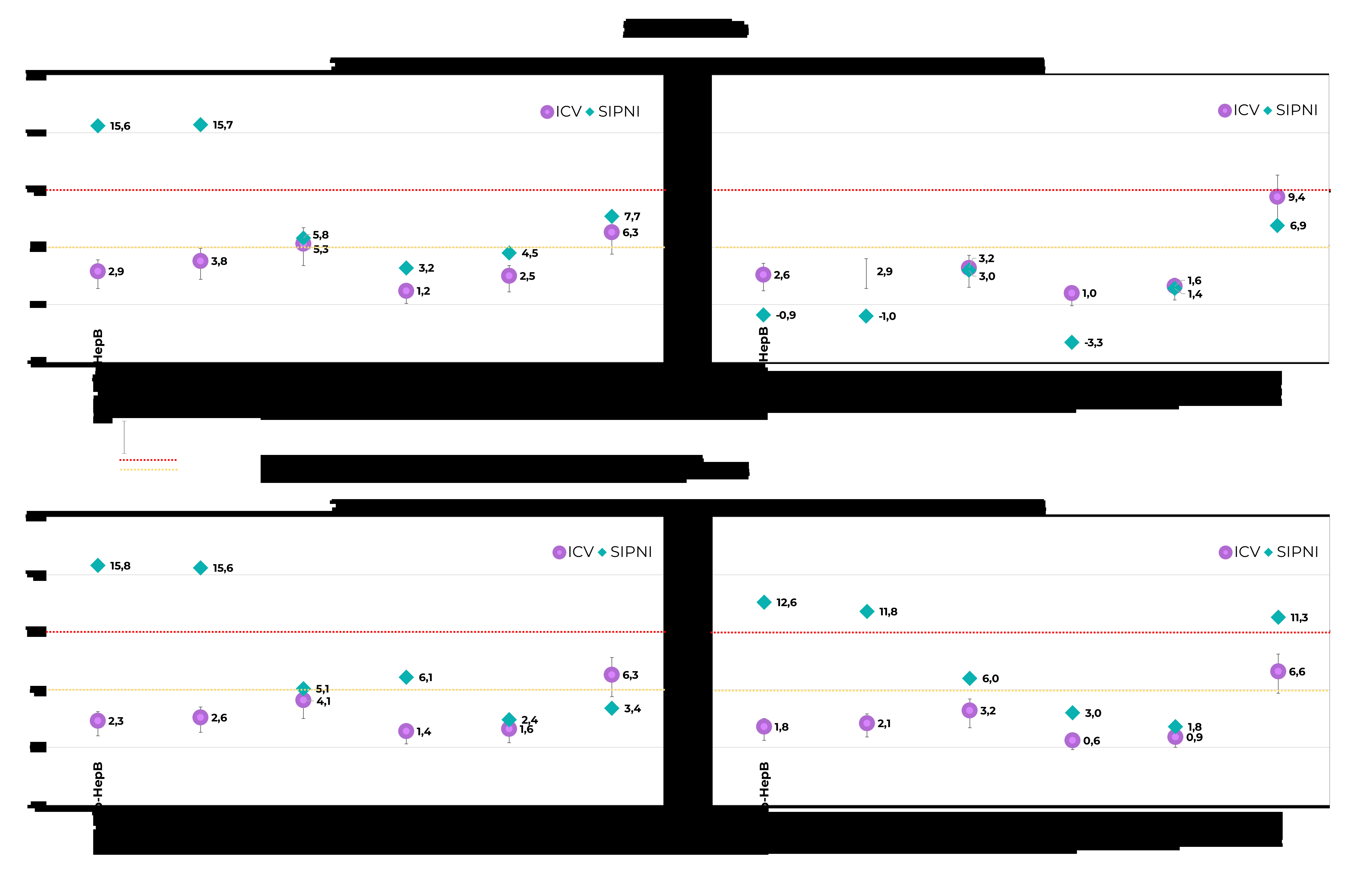
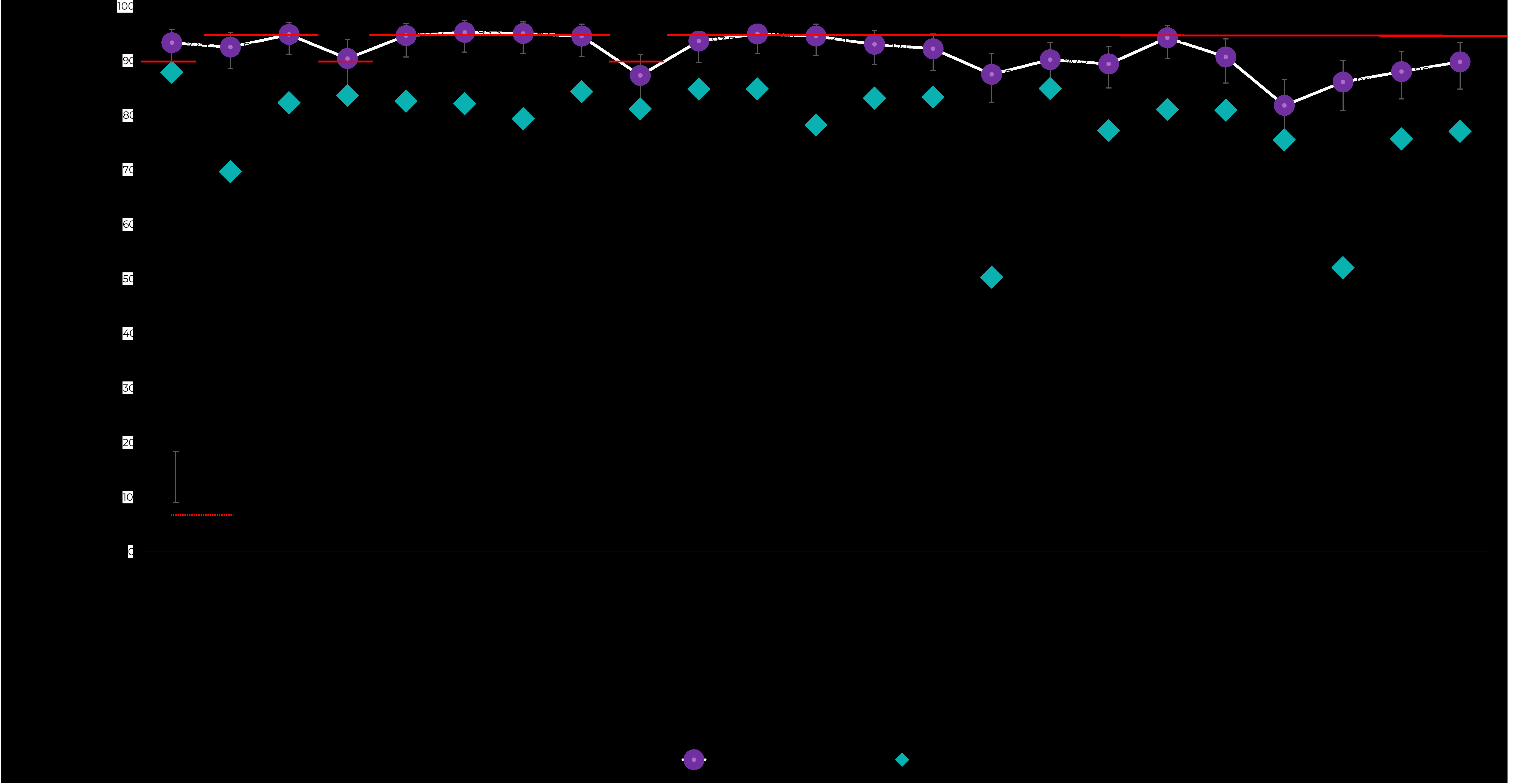
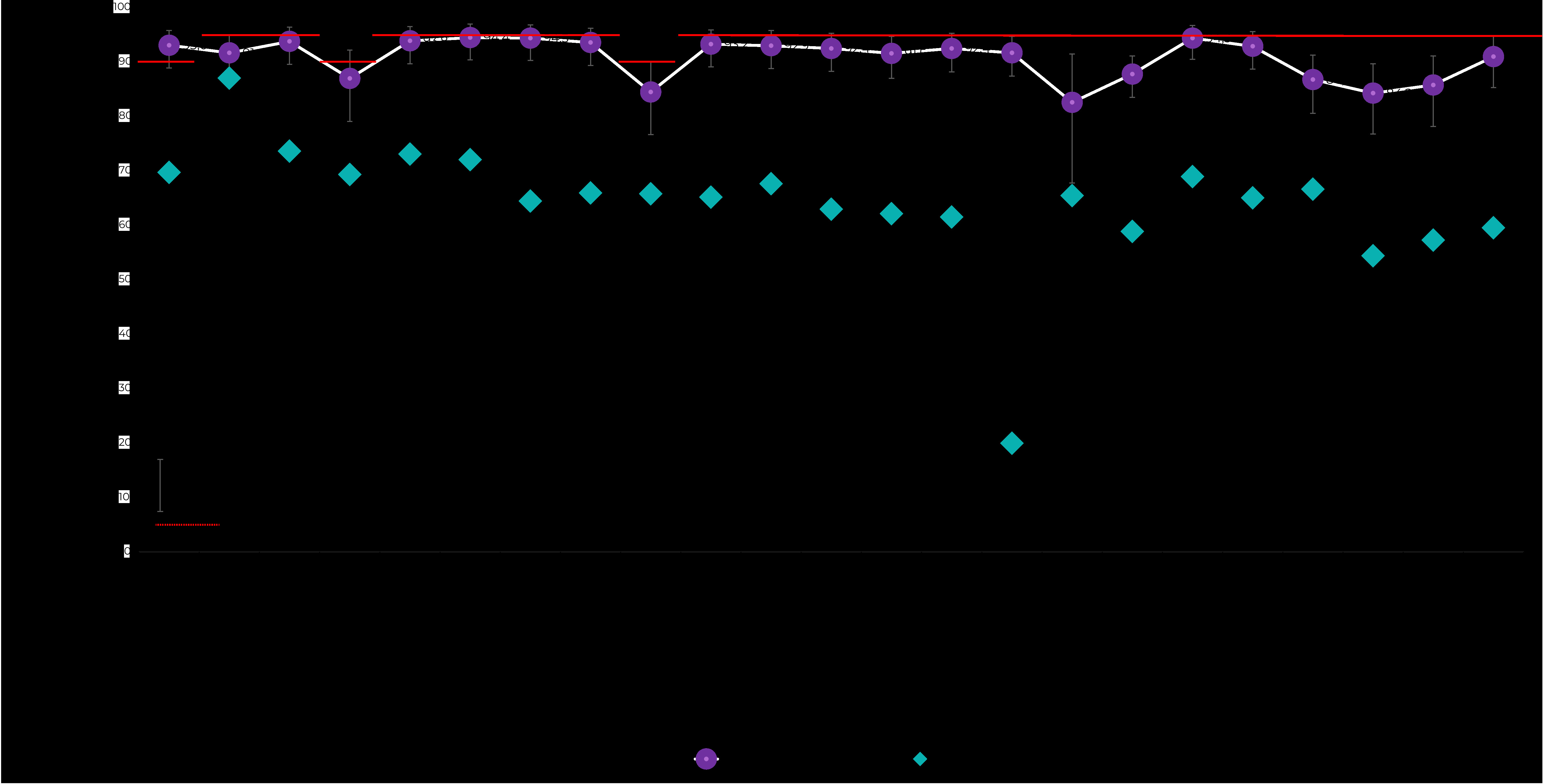
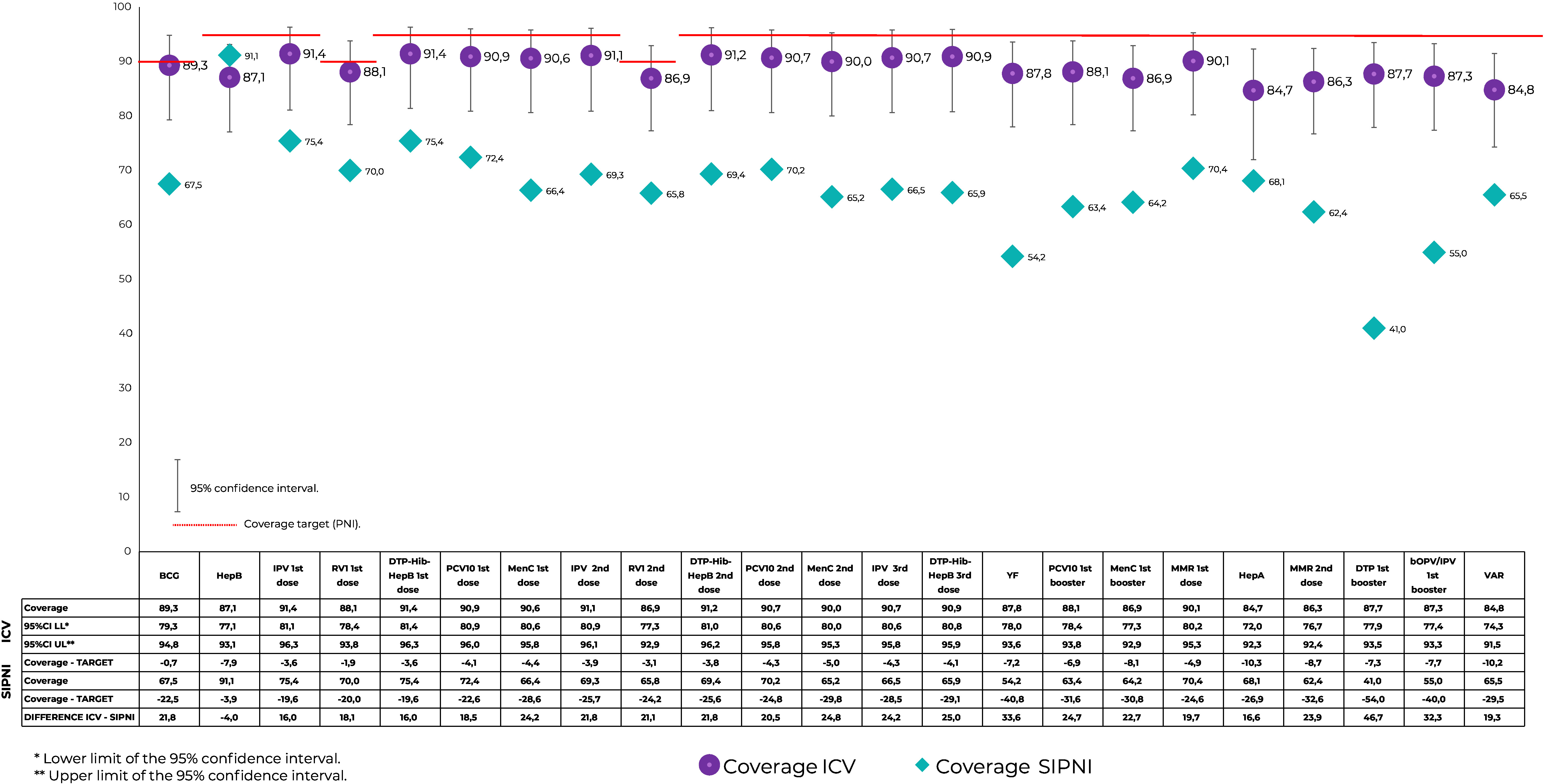
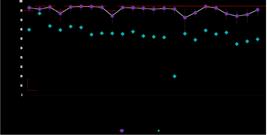
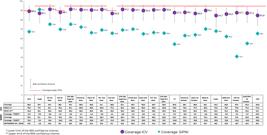
Results In São Paulo, according to ICV, in 2017 only BCG (91.7%; 95%CI 87.0;94.7) and rotavirus first dose (90.6%; 95%CI 86.5;93.5) achieved the goals; in 2018, BCG (93.4%; 95%CI 89.5;95.8), rotavirus first dose (90.5%; 95%CI 85.3;94.0), pneumococcal first dose (95.3%; 95%CI 91.7;97.4), meningococcal C first dose (95.1%; 95%CI 91.5;97.2) and pneumococcal second dose (95.0%; 95%CI 91.4;95.0). In Campinas, only BCG achieved the target in 2017 (93.0%; 95%CI 88.8;95.7) and none in 2018. According to the SI-PNI, no vaccine achieved the target in either city.
Conclusion Vaccination coverage was lower than expected and more precise estimates are necessary for adequate monitoring of childhood vaccination status.
Keywords
Vaccination Coverage; Child Health; Health Surveys; Immunization Programs
Main results Vaccination coverage fell short of targets in both data sources (vaccination survey and information system), which puts control of vaccine-preventable diseases in both cities at risk.
Implications for services Highlighting the importance of accurate monitoring for control of vaccine-preventable diseases and enabling strategies to maintain high vaccination coverage.
Perspectives It is essential to provide more incentives for implementation and/or addressing information system shortcomings in order to achieve adequate monitoring of vaccination status.
 Thumbnail
 Thumbnail
 Thumbnail
 Thumbnail
 Thumbnail