Healthy classroom: validation of a device for monitoring the air change rate
Abstract
The increase in outdoor temperatures resulting from global warming, together the intensive use of HVAC systems without an adequate air change rate in schools have highlighted the need to monitor indoor air quality. This study presents the validation of a low-cost IoT (Internet of Things) device, named Healthy Classroom, developed to estimate the air change rate and indicate, in real-time, the need for corrective actions such as the controlled opening of doors and windows. The validation experiment was conducted through measurements of carbon dioxide (CO₂), air temperature, and relative humidity, which were compared with those obtained from a reference instrument. The results demonstrated a strong correlation between the measurements, confirming the reliability of the device as an accessible and applicable solution for continuous monitoring of indoor air quality in educational settings, supporting informed ventilation management and the promotion of health-promoting indoor environments.
Keywords
Indoor air quality; Air change rate; Air conditioning; Classroom; IoT
Resumo
O aumento das temperaturas externas decorrente do aquecimento global e o uso intensivo de sistemas de climatização sem taxas adequadas de renovação do ar interior em escolas evidenciam a necessidade de monitoramento da qualidade do ar interior. O presente estudo apresenta a validação de um dispositivo IoT (Internet of Things) de baixo custo denominado Sala de Aula Saudável, desenvolvido para estimar a taxa de renovação de ar por hora e indicar, em tempo real, a necessidade de ações corretivas como a abertura controlada de portas e janelas. Este experimento de validação foi conduzido por meio de medições de dióxido de carbono (CO₂), temperatura do ar e umidade relativa, que foram comparadas com aquelas obtidas por um instrumento de referência. Os resultados demonstraram elevada correlação entre as medições, o que confirma a confiabilidade do dispositivo como solução acessível e aplicável ao monitoramento contínuo da qualidade do ar em ambientes educacionais, apoiando a tomada de decisão na gestão da renovação do ar interior e contribuindo para a promoção de ambientes internos mais adequados à saúde.
Palavras-chave
Qualidade do ar interior; Taxa de renovação de ar; Ar-condicionado; Sala de aula; Internet das coisas
1 Introction
Poor air quality in school environments, exacerbated by the absence of mechanisms capable of ensuring an adequate air change rate, has been associated with increased absenteeism rates and insufficient air renewal in classrooms (Shendell et al., 2004). Prolonged exposure to elevated concentrations of CO₂ and other contaminants impairs concentration, promotes fatigue, and triggers respiratory symptoms and airway irritation. These effects become more pronounced in spaces with high occupancy density and low air change rate, as typically observed in poorly air-conditioned classrooms.
With the rise in global temperatures and the intensification of extreme weather events (Reis Junior et al., 2023), the use of heating, ventilation, and air conditioning (HVAC) systems, particularly split-type units, has become increasingly widespread. However, the continuous operation of these systems increases energy consumption and does not necessarily guarantee adequate indoor air renewal. Studies reviewed by Du et al. (2020) reveal cognitive responses to elevated indoor CO₂ concentrations, with effects depending on study design, exposure protocol, and the type of cognitive assessment employed. Some investigations report performance declines in complex decision-making tasks at concentrations near 1,000 ppm, whereas others observe negligible effects under comparable conditions.
Hi-wall split air-conditioning units, commonly used in educational buildings, are primarily designed for thermal comfort control and seldom include integrated ventilation mechanisms. The absence of such features often requires complementary strategies, such as periodic window opening or the use of auxiliary ventilation systems. However, in the pursuit of higher energy efficiency, these practices are frequently neglected, leading to enclosed spaces where carbon dioxide, volatile organic compounds (VOCs), and bioaerosols accumulate at concentrations exceeding recommended levels.
This condition has been associated with an increased incidence of respiratory diseases and with the impairment of students’ well-being and concentration, as insufficient ventilation is directly linked to elevated CO₂ levels and higher school absenteeism rates (Shendell et al., 2004; Kubba, 2012; Du et al., 2020). The lack of control and monitoring strategies for indoor air quality contributes to recurrent respiratory problems (Winck et al., 2022). In addition, the rising CO₂ concentrations in classrooms are associated with inadequate air change rate, and reduced environmental comfort, reinforcing the need for effective indoor air renewal strategies in educational spaces (Deng; Lau, 2019; Martins et al., 2025).
Adequate indoor air renewal, therefore, extends beyond thermal comfort considerations. It represents an important factor in promoting health and improving teaching and learning processes. Studies by Shendell et al. (2004), Du et al. (2020), Deng and Lau (2019), and Silva et al. (2022) have shown that cognitive performance, attention, and school attendance are closely associated with indoor air quality, highlighting the relevance of continuous monitoring and control mechanisms in air-conditioned environments.
In this context, Brazilian legislation establishes strict parameters aimed at maintaining indoor air quality in buildings intended for collective use. Ordinance GM/MS No. 3.523/1998 (Brazil, 1998) defines guidelines for the maintenance and control of air quality in HVAC systems, while Law No. 13.589/2018 (Brazil, 2018) makes the Maintenance, Operation and Control Plan (PMOC) mandatory as a management tool designed to preserve occupants’ health and ensure the operational efficiency of the equipment.
The Brazilian standard NBR 17037 (ABNT, 2024) establishes that indoor CO₂ concentration should not exceed 700 ppm above the outdoor concentration and defines recommended ranges of temperature and relative humidity to ensure thermal comfort and indoor air quality. In addition, the standards NBR 16401-3 (ABNT, 2008), Standard 62.1 (ASHRAE, 2022) and EN 13779 (ECS, 2007) provide technical guidelines for estimating indoor air change rate, recommending minimum outdoor airflow rates between 5 and 7.5 liters per second per person, depending on occupancy density and the type of space usage.
The convergence among these guidelines highlights the international alignment of technical criteria aimed at energy efficiency and the preservation of occupants’ health, well-being and environmental comfort.
Considering these aspects, there is an increasing need to develop technological solutions capable of continuously monitoring indoor air quality and providing real-time information about ventilation performance. The application of the Internet of Things in this context represents a tangible opportunity to integrate technological innovation, environmental sustainability and the management of indoor air quality. The use of intelligent sensors allows continuous observation of variables such as carbon dioxide concentration, air temperature and relative humidity, producing reliable data that support both corrective and preventive actions aimed at maintaining healthy and energy efficient indoor environments.
Although commercial instruments exist for measuring individual parameters such as CO₂, temperature and relative humidity, no devices were identified at the time of this study with embedded functionality to estimate the indoor air change rate, compare it with normative reference values and provide continuous user feedback. This technological gap motivated the development of the proposed device, which aims to integrate accuracy, accessibility and regulatory compliance, promoting healthier, more efficient school environments aligned with contemporary requirements for environmental comfort and well-being.
In this context, the present study proposes the development and validation of a low-cost IoT device designed to measure and estimate the indoor hourly air changes rate in air-conditioned classrooms. The equipment provides instantaneous and accessible information on environmental conditions, enabling users to take simple corrective actions such as the controlled opening of doors and windows.
2 The monitoring prototype
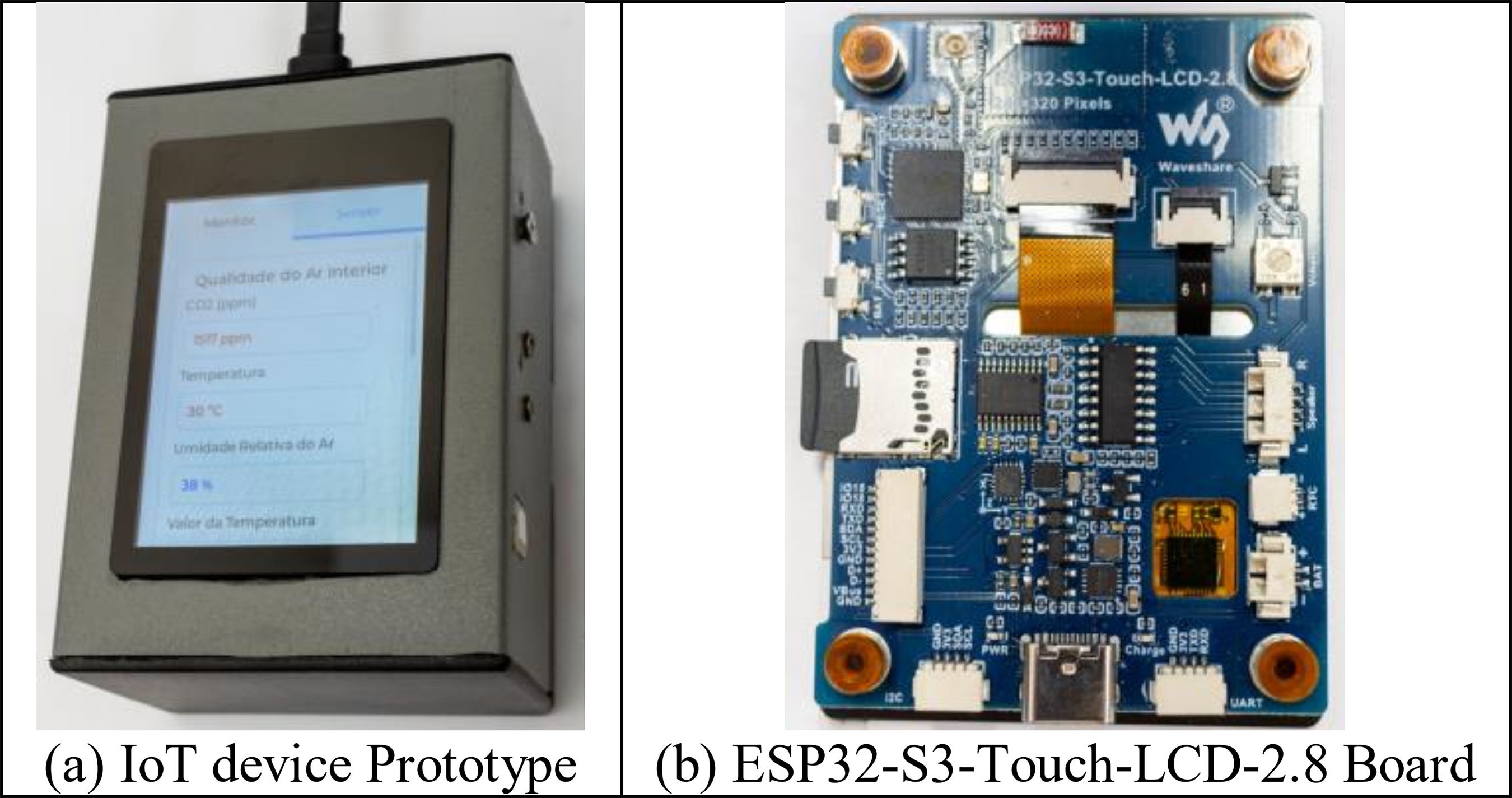
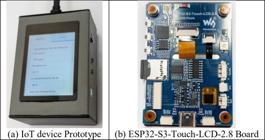
The prototype device, shown in Figure 1(a), was developed to monitor the ACH (air changes per hour), with emphasis on low cost, operational efficiency, and ease of replication, enabling its application in various educational settings. The processing unit adopted is the ESP32-S3-Touch-LCD-2.8 microcontroller, presented in Figure 1(b), chosen for its dual-core architecture with a 240 MHz clock frequency, which provides high computational performance and low energy consumption, ensuring stable operation in real-time embedded applications. The module integrates Wi-Fi and Bluetooth Low Energy connectivity, in addition to supporting embedded artificial intelligence algorithms, expanding its versatility in IoT systems. The unit also includes a 2.8-inch (240×320) color TFT touchscreen display, used to display, in real-time, the values of air changes per hour (ACH), CO₂, temperature, and relative humidity, allowing users to immediately monitor the environmental conditions of the observed space.
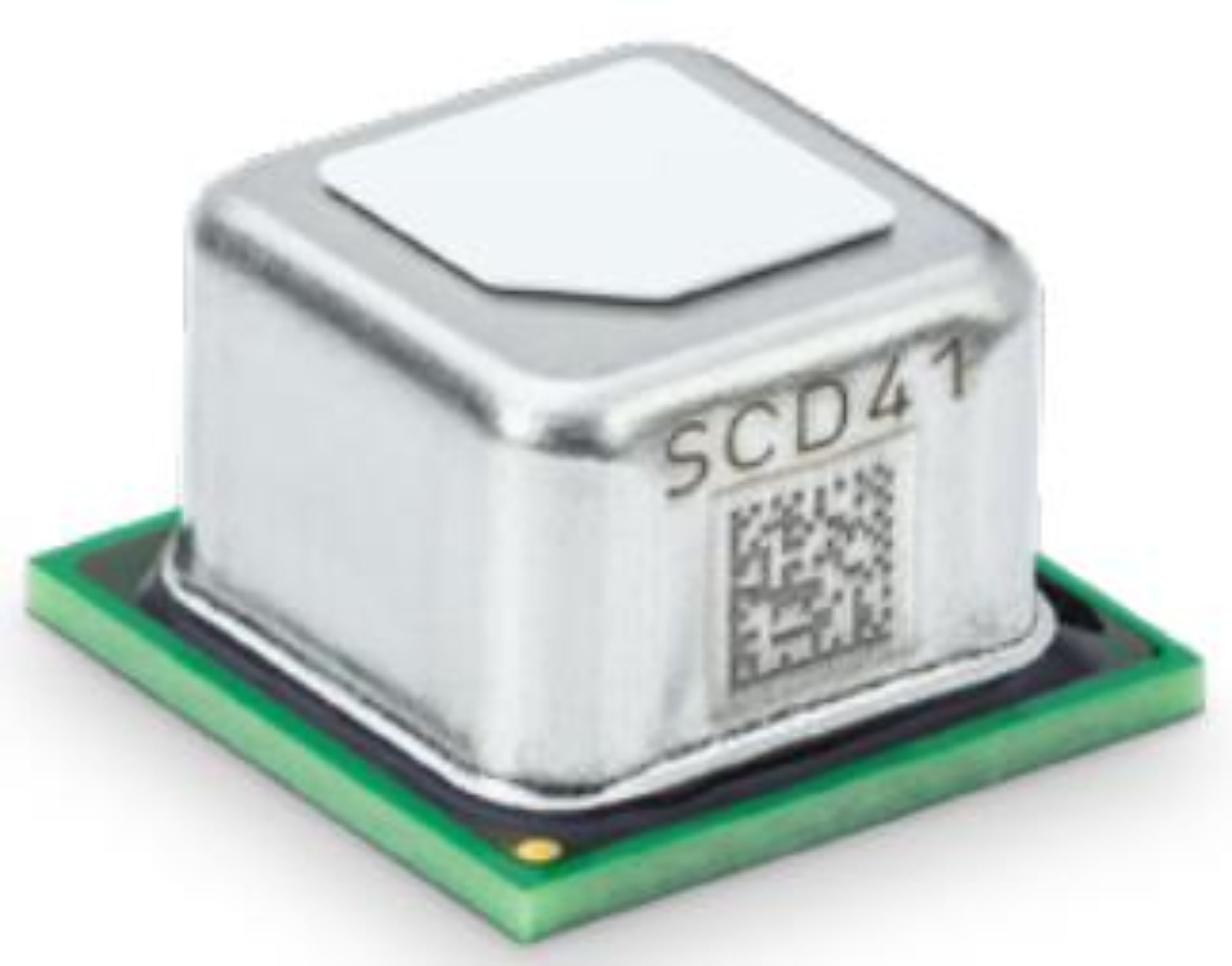
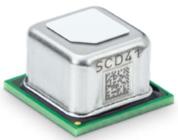
The monitoring of environmental variables is performed by a set of sensors, each responsible for a specific function in the assessment of indoor air quality. The Sensirion SCD41 sensor (Figure 2) serves as the primary component for measuring carbon dioxide, employing photoacoustic NDIR technology with a stated accuracy of ±50 ppm. It incorporates automatic temperature and pressure compensation, ensuring stable and reliable CO₂ readings under varying environmental conditions. Due to its compact design and low power consumption, the sensor is well suited for integration into IoT devices intended for continuous indoor air quality monitoring.
The Sensirion SHT41 sensor is used for precise measurement of air temperature and relative humidity, providing stable and reliable data without thermal interference generated by the SCD41, whose internal temperature and humidity sensors are intended only for carbon dioxide measurement compensation and are not recommended for direct environmental measurements. This sensor presents uncertainties informed by the manufacturer, with a typical variation for relative humidity of ±1.8 %RH at 25 °C, hysteresis of ±0.8 %RH, and annual drift lower than 0.2%RH. For temperature, it presents a typical variation of ±0.2 °C and annual drift lower than 0.03 °C. These parameters demonstrate that the SHT41 represents the real environmental conditions with greater fidelity and avoids deviations resulting from the internal heating of the CO₂ sensor.
The equipment incorporates the Bosch BME680 sensor to measure atmospheric pressure and provide data that enable correction of the SCD41 readings according to altitude. This integration compensates for barometric variations that affect air density and the accuracy of carbon dioxide measurements. Thus, the BME680 functions as a complementary calibration sensor, ensuring greater stability and reliability of the results.
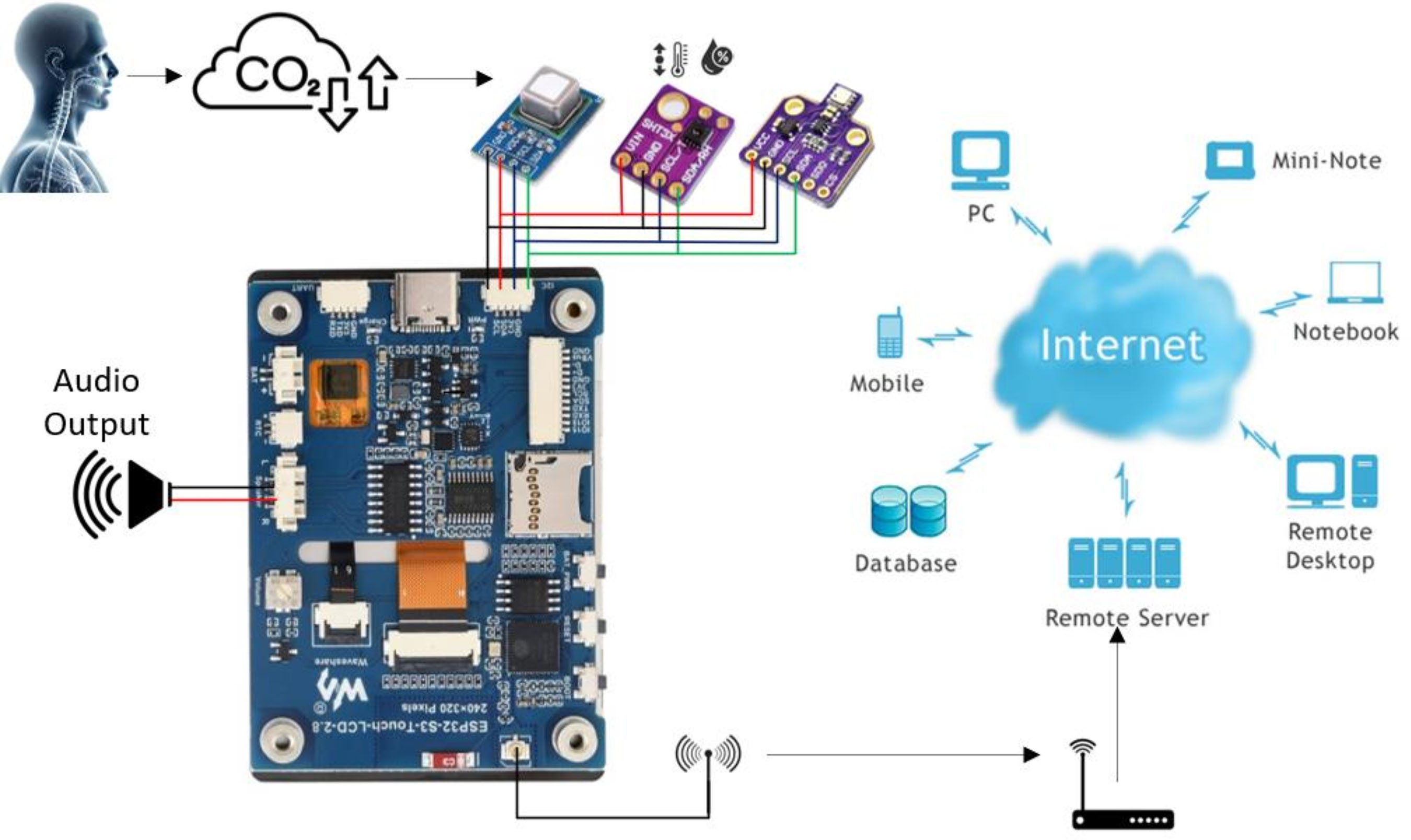
Figure 3 illustrates the system’s operational flow, showing the stages of data collection, processing and transmission. The process begins with the reading of carbon dioxide concentrations and the associated environmental variables, obtained from sensors connected to the microcontroller via the I²C bus, which ensures efficient bidirectional communication and reduces wiring complexity. This modular architecture facilitates the integration of new sensors without the need for hardware reconfiguration.
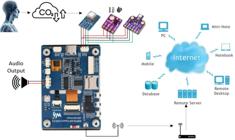
The collected data are processed by an embedded algorithm that estimates the indoor air change rate and compares the results with the reference values established by NBR 16401-3 (ABNT, 2008), Standard 62.1 (ASHRAE, 2022) and EN 13779:2007 (CEN, 2007). When the measured values exceed the recommended limits, the system issues audible and visual alerts, guiding the user toward corrective actions such as opening windows and doors or adjusting the ventilation system. The processing occurs locally within the microcontroller, which applies smoothing filters, performs automatic sensor calibration, stores results in a temporary memory buffer and displays them in real-time on the screen. The device also includes sound accessibility features, enabling use by visually impaired individuals.
After local processing, the data are transmitted to external platforms using the REST API protocol, ensuring compatibility with different systems and databases. This communication architecture allows the transmission of information to both local servers and cloud services, facilitating the integration of the prototype with data analysis platforms, web dashboards and mobile applications. In this way, it becomes possible to remotely monitor indoor air quality conditions, generate reports and consolidate historical records of environmental performance.
The design of the device also prioritized flexibility for integration with air-conditioning and building automation systems, allowing the collected data to support assisted ventilation strategies and guide decisions related to the operation of air-conditioning units and other environmental control equipment. This integration capability enables the development of automated responses when air quality parameters deviate from normative limits, representing an advancement in the intelligent management of indoor environments.
The device prototype, therefore, represents a practical, scalable and accessible solution for continuous monitoring of indoor air quality. Its modular and low-cost architecture, combined with sensor accuracy and the reliability of embedded processing, makes it suitable for use in both research projects and institutional applications aimed at promoting health and ensuring the efficient use of energy in air-conditioned buildings.
The investment required for the construction of the prototype, detailed in Table 1, demonstrates its economic feasibility when compared to the HOBO Data Logger MX1102A, whose acquisition cost during the same period was approximately US$ 650.00. The values presented for the prototype correspond to components imported in April 2024, already including shipping and taxes, providing an estimate of the total investment.
The analysis of the results obtained from the experimental validation of the IoT device demonstrated its operational consistency and measurement accuracy when compared to the reference equipment HOBO MX1102A, which served as the calibration standard. The study included simultaneous measurements of carbon dioxide concentration, air temperature and relative humidity, variables recognized by the Brazilian standard NBR 17037 (ABNT, 2024), the American Standard 62.1 (ASHRAE, 2022) and the European EN 13779 (ECS, 2007) as parameters for assessing indoor air quality and essential for evaluating environmental comfort and health conditions in occupied spaces.
The structure presented, combined with the detailed description of the components and compliance with national and international technical standards, provides the necessary foundation for the experimental validation stage of the device. The information regarding the investment, system architecture and monitored variables establishes the methodological context that supports the subsequent analysis of the results.
3 Methods
The methodology used in this study was structured into two complementary phases. The first phase involved the implementation, in the device firmware, of the Newton-Raphson numerical method, as described by Batterman (2017), to estimate the indoor air change rate based on the transient mass balance equation of carbon dioxide. Subsequently, the second phase focused on the calibration and experimental validation of the device in a real classroom environment through direct comparison between the measurements obtained and those recorded by a laboratory-calibrated reference instrument.
3.1 Air change rate estimation
The IoT device employs an embedded algorithm in the microcontroller, responsible for processing measurements, applying statistical filters, and calculating the air change rate based on the room volume and the CO₂ generation rate per occupant. The system continuously monitors CO₂ concentration, using samples collected at regular intervals to represent the temporal behavior of the environment. This approach enables the analysis of the balance between metabolically generated carbon dioxide and its removal through natural or mechanical ventilation, providing continuous and reliable results of the air change rate.
The air change rate estimate is based on the Transient Mass Balance Method, which allows the modeling of dynamic variations in airflow and occupancy over time. This method, recognized in the scientific literature, is identified by Batterman (2017) as one of the most reliable approaches for estimating the ACH in indoor environments, as it simultaneously accounts for the generation, accumulation, and decay of CO₂ concentration. The general formulation of the model is represented in Equation 1, which mathematically describes the behavior of indoor CO₂ concentration over time as a function of ventilation and occupancy conditions.
Where:
In the equation, Ci(t) represents the indoor carbon dioxide concentration at time t, expressed in parts per million (ppm). The term “nt” denotes the number of occupants in the space, while “Gp” indicates the average metabolic CO₂ generation rate per person, measured in liters per minute (L·min⁻¹). The variable Q represents the volumetric airflow rate, expressed in cubic meters per hour (m³·h⁻¹), and V corresponds to the total volume of the space, in cubic meters (m³). The initial CO₂ concentration is given by Ci(0) and the outdoor concentration by Cout, both expressed in ppm. The variable t is expressed in hours (h) and represents the observation period of the variation in indoor CO₂ concentration.
The model considers three interacting mechanisms, the metabolic generation of CO₂ by occupants, the reduction of indoor concentration through ventilation and the influence of outdoor air as the reference baseline. Together, these mechanisms provide an estimation of the dynamic behavior of carbon dioxide in occupied and air-conditioned spaces, forming a robust basis for estimating the air change rate.
The carbon dioxide generation rate per person was estimated according to the methodology proposed by Li et al. (2024), which provides reference values associated with different levels of metabolic activity. In the present study, a value of 0.36 L/min per person was adopted, corresponding to the activity level of adults in a seated position, a typical condition in school and university environments. The outdoor carbon dioxide concentration was estimated at 420 ppm, based on averages observed in urban areas with low vehicle density. These parameters were used in the calculation of the generation component of the model and in the calibration of the air change rate estimates obtained by the device. It is important to note that both the CO₂ generation rate and the outdoor CO₂ concentration can be configured in the device according to the occupants’ metabolic profile and the specific characteristics of the space, enabling more precise estimation of the air change rate under varying conditions.
During the calculation process, the embedded algorithm performs an iterative routine based on the measured carbon dioxide values, aiming to numerically solve the transient mass balance equation and determine the outdoor airflow rate that best represents the dynamic behavior observed in the time series. The implemented method successively compares the theoretical concentrations, calculated from preliminary estimates of airflow rate, with the actual values measured by the sensors, adjusting the parameter until the difference between the results is minimized. The process continues until the residual error between the modeled and observed concentrations falls below the tolerance threshold defined in the system, ensuring numerical convergence and stability of the obtained estimates. This tolerance value can be adjusted according to the desired level of precision or processing time.
The equation is solved through a successive approximation method inspired by the Newton–Raphson technique, as proposed by Batterman (2017), which provides high computational efficiency and rapid convergence even on devices with limited processing capacity, such as microcontrollers. At each iteration, the algorithm computes the sensitivity gradient of the CO₂ concentration with respect to the air change rate, adjusting the value of volumetric ventilation rate until the error function, defined as the difference between the modeled and measured concentrations, approaches zero. This process is executed continuously, updating the estimates as new data are acquired and enabling real-time operation while tracking variations in ventilation and occupancy within the space.
The final estimate is then converted into ACH, a unit expressed as the number of air changes per hour, representing the ratio between the outdoor airflow rate and the total volume of the space. This conversion allows direct comparison of the results with the reference parameters established by national and international standards, such as NBR 16401-3 (ABNT, 2008), Standard 62.1 (ASHRAE, 2022) and EN 13779 (ECS, 2007), which specify minimum air changes per hour for different occupancy levels and space uses.
The implementation of this model in the device microcontroller was optimized to balance accuracy and energy efficiency, allowing continuous execution of calculations without compromising system performance. The algorithm also incorporates statistical and exponential smoothing filters, used to eliminate noise and outlier values from the time series while preserving the real trends of CO₂ behavior. This filtering improves the numerical stability of the iterative process and mitigates abrupt fluctuations in the estimated air change rate, ensuring greater robustness and reliability of the measurements under real operating conditions.
Furthermore, the system was designed to store ACH results at regular intervals, enabling the creation of historical records of air change rate variations over time. These records can be used for environmental performance analyses, comparisons across different occupancy periods and assessments of the impact of interventions such as window opening or adjustments to air-conditioning operation. Therefore, the device not only estimates the instantaneous ACH but also operates as a diagnostic and continuous monitoring tool for indoor air quality, providing valuable information to support the efficient management of air-conditioned educational spaces.
The Brazilian standard NBR 16401-3 (ABNT, 2008), the American Standard 62.1 (ASHRAE, 2022) and the European EN 13779 (ECS, 2007) establish minimum air change rate according to occupancy density and the type of space, serving as technical references for the design and performance assessment of ventilation systems. For classrooms, the typical recommended rate is 5 liters per second per person, which corresponds approximately to an air change rate of three to four air changes per hour in the analyzed environment. By continuously calculating the air change rate, the device verifies whether the air changes rate meets these reference parameters and, when noncompliance is detected, emits audible messages and visual alerts to inform users about the need for immediate corrective actions such as the controlled opening of doors and windows. This functionality ensures that indoor air quality remains consistent with the parameters established by both national and international standards.
The functionality implemented in the device also enables real-time notifications to be sent to room occupants, indicating the need for increased ventilation. This operational capability allows the system to actively support the maintenance of appropriate health and comfort conditions, ensuring that the environment remains in compliance with the parameters established by current national and international standards.
3.2 Calibration and validation
To evaluate the accuracy of the IoT device, its performance was compared to that of the HOBO MX1102A, a reference instrument calibrated by ELUS Instrument. The selection of the HOBO MX1102A was based on its reliability in measuring CO₂, air temperature and relative humidity, allowing continuous and precise monitoring of environmental parameters.
The instrument records CO₂ concentrations ranging from 0 to 5000 ppm with an accuracy of ±50 ppm, as well as temperature between 0 °C and 50 °C (±0.21 °C) and relative humidity from 1% to 90% (±2%). These specifications allowed for a detailed comparison with the device, ensuring measurement consistency and the reliability of the results obtained in the tests.
The validation of the device measurements was carried out in a classroom located in the municipality of Vila Velha, in the state of Espírito Santo, Brazil, within the Metropolitan Region of Vitória. The field experiment took place during the Southern Hemisphere spring, between October 11 and November 14, 2024, with data collection performed in the morning period, from 8:00 a.m. to 12:00 p.m.
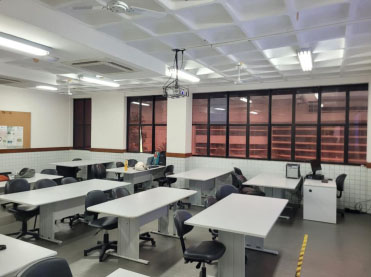
The classroom used for the calibration of the IoT device is located on the third floor, 30 meters above sea level and approximately 900 meters from the coastline. The environment, with a capacity for 50 students, was occupied by 23 people during data collection. It has pivoting windows facing the northwest façade, exposed to a busy avenue and features a floor area of 80 m² with a ceiling height of 3.30 meters (Figure 4).
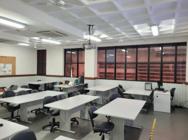
The environment is air-conditioned through a central ceiling cassette system consisting of two ceiling-mounted units, each with a capacity of 24,000 BTU, operating throughout the academic year, including the winter season, mainly during morning and evening sessions. During the measurements, the average temperature was maintained at 23 °C ±1 °C, with relative humidity at 70% ±5%. Throughout the operation, the windows and the door remained closed, ensuring that ventilation was provided solely by the HVAC system.
The monitors were installed at a height of 1.10 m from the floor, in accordance with ISO 7726 (ISO, 1998), which corresponds to the breathing zone of seated occupants, recommended to accurately represent the thermal and environmental conditions perceived by users. The lateral positioning, 1.50 m from the walls and near the teacher’s desk, was chosen to minimize the influence of air currents and thermal variations along vertical surfaces. This configuration simultaneously complied with the definitions of NBR 17037 (ABNT, 2024), which delimits the occupied zone up to 1.80 m in height and away from walls and windows and NBR 16401-3 (ABNT, 2008), which characterizes the breathing zone between 0.80 m and 1.80 m from the floor. The joint observance of these standards ensured reliable and representative measurements of the actual environmental conditions in the occupants’ occupied area.
The Pearson correlation coefficient was used to verify the accuracy of the measurements obtained by the Healthy Classroom IoT device in comparison with the reference instrument HOBO MX1102A. This statistical method is widely used to assess the similarity between data collected by different devices, determining whether the variation patterns are consistent.
Since both instruments monitored temperature, humidity and CO₂ at identical intervals, the Pearson correlation coefficient (Equation 2) was applied to evaluate the correspondence between their measurements. According to Fávero and Belfiore (2017), a coefficient close to 1 indicates a strong correlation, confirming the consistency of the device in reproducing the results obtained by the HOBO MX1102A.
Where:
The variables xᵢ and yᵢ represent the two data sets being compared, corresponding to the paired observations of variables “X” and “Y” for each “i”. The symbol ∑(i=1)n denotes the summation applied over the index “i”, encompassing all n observations included in the sample. The parameter n refers to the total number of observations considered in the analysis, that is, the number of paired values used in calculating the Pearson correlation coefficient.
The numerator of the equation expresses the sample covariance between “X” and “Y”, representing the degree of joint variation between the two variables. The denominator, in turn, consists of the product of the sample standard deviations of “X” and “Y”, which normalizes the measure of association and makes the coefficient dimensionless, with values ranging from -1 to 1.
Although the Pearson correlation indicates the similarity between measurements, it does not assess the accuracy of the recorded values. For this purpose, the Root Mean Square Error (RMSE), presented in Equation 3, was applied to quantify the proximity between the data obtained by the Healthy Classroom device and the HOBO MX1102A.
The measurements showed satisfactory consistency, as the RMSE remained within the variation range specified by the sensor manufacturers and was consistent with the reference values reported in the literature. The RMSE analysis made it possible to verify the coherence between the readings from the IoT device and the reference instrument, identifying occasional discrepancies and assessing the stability of measurements throughout the experimental period.
Where:
The values yᵢ represent the observed measurements, while yᵢ′ correspond to the predicted or recorded values obtained from the device under analysis. The parameter n indicates the total number of observations considered in the study and is used to evaluate the accuracy of the measurements.
4 Results and discussion
The results demonstrate the correspondence between the measurements obtained by the prototype and the reference instrument for carbon dioxide, air temperature, and relative humidity, quantifying the correlation, the residual error, and the stability of the readings. The performance analysis also examines the behavior of the air change rate estimated by the embedded algorithm, allowing the interpretation of the device’s applicability for real-time indoor air quality management.
4.1 Carbon dioxide measurement
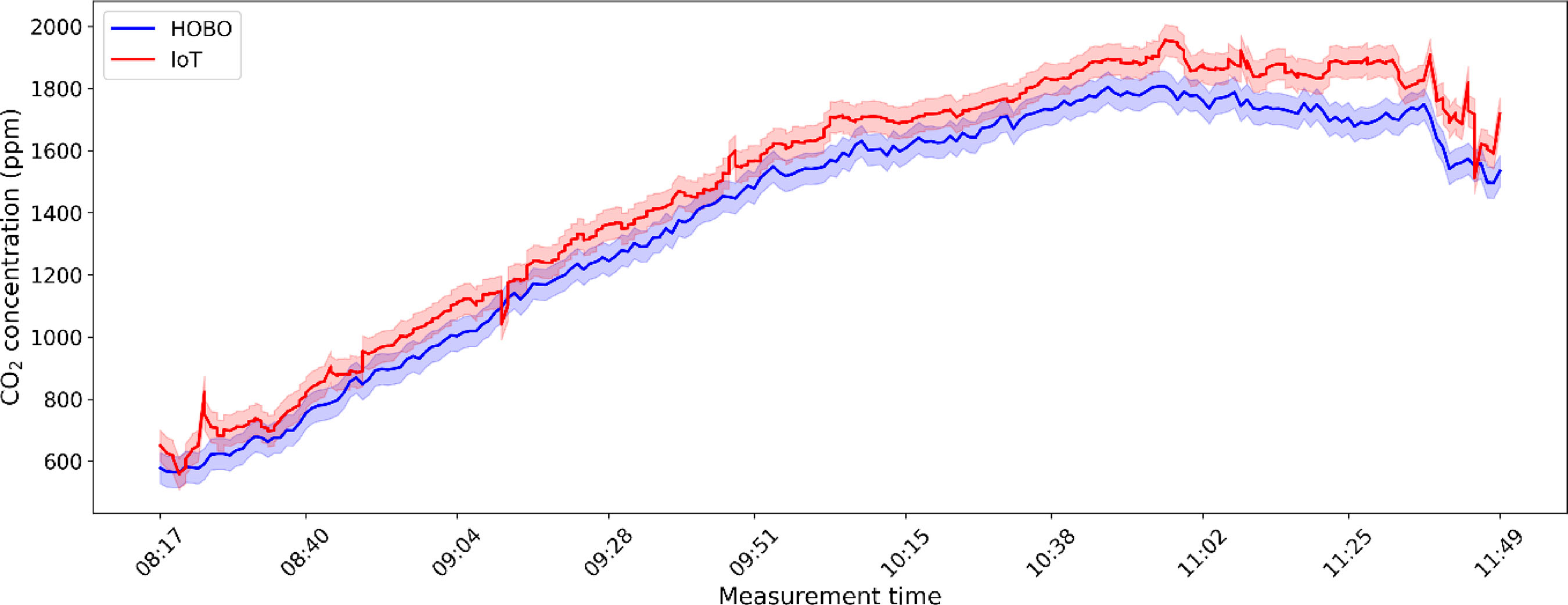
The CO₂ concentration exhibited a strong linear correlation (r = 0.97) between the readings obtained from the IoT device and the HOBO MX1102A, as illustrated in Figure 5. The Root Mean Square Error (RMSE) of 67.4 ppm indicates that the observed differences remained within the expected accuracy range, considering the ±50 ppm margin of the Sensirion SCD41 sensors used. This proximity confirms that the IoT device is capable of estimating the dynamic behavior of CO₂ concentration as a function of occupancy and air changes per hour.
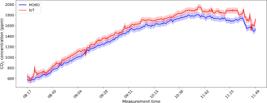
During peak occupancy, CO₂ concentrations averaged above 1,200 ppm, surpassing the threshold of 700 ppm above outdoor levels defined by NBR 17037 (ABNT, 2024). This increase was accompanied by a gradual decline in the air change rate, measured in real-time by the device, demonstrating its ability to detect conditions of inadequate air change rate. After the controlled opening of the windows, CO₂ levels dropped rapidly to approximately 500 ppm, indicating effective dilution of indoor pollutants. This response confirmed the reliability of the embedded algorithm in capturing variations in indoor air renewal and validated the adaptive system performance of the prototype.
These results highlight the potential of the IoT device as an instrument for indoor air quality management, capable of performing continuous monitoring and providing real-time alerts regarding the need for corrective actions. The system also demonstrates the ability to identify occupancy patterns and ventilation dynamics, delivering reliable data that can support both automated control and manual adjustments of airflow. This functionality directly contributes to optimizing energy efficiency in air-conditioned environments, promoting a balance between environmental comfort, occupational health, and operational sustainability.
4.2 Air temperature measurement
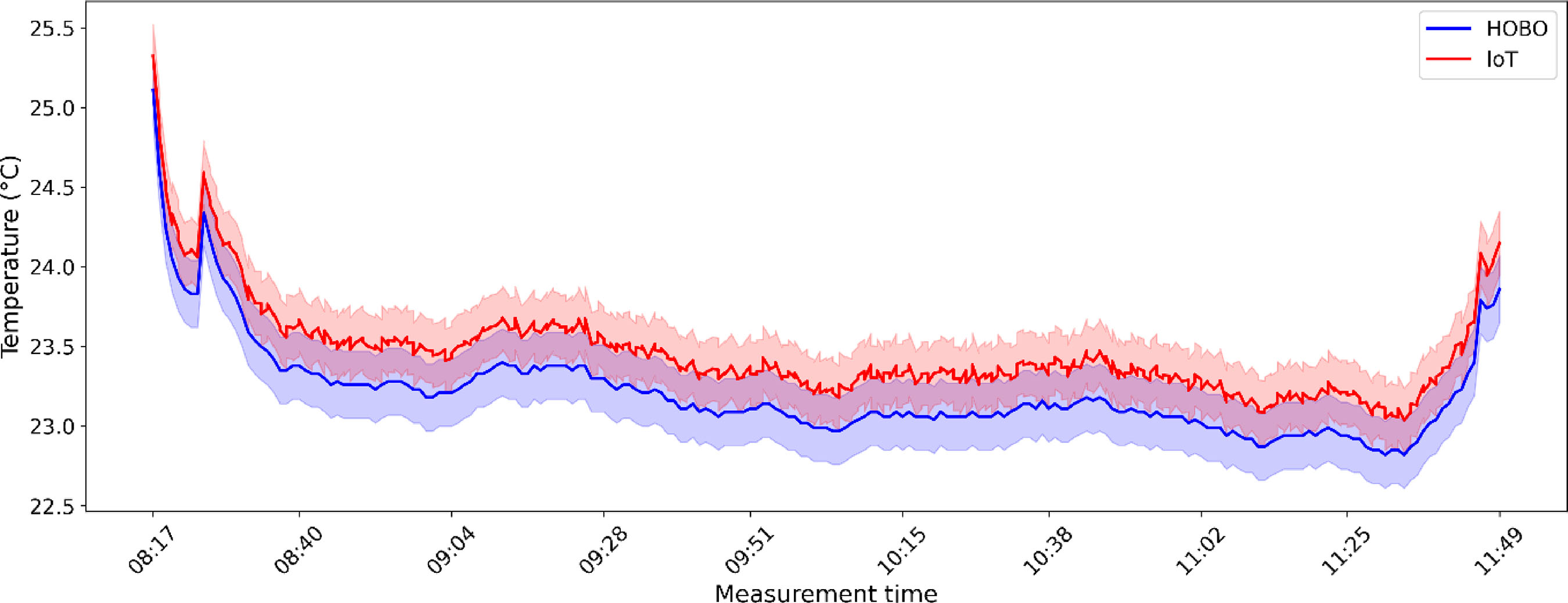
The air temperature exhibited a correlation coefficient of r = 0.96 and a Root Mean Square Error (RMSE) of 0.4 °C, which is compatible with the combined uncertainties of both instruments (Figure 6). Initially, a slight overtemperature tendency of approximately 0.5 °C was observed in the IoT device compared to the HOBO, attributed to the internal heating of the ESP32-S3 board due to thermal dissipation during embedded processing. This effect was corrected by repositioning the SHT41 sensor responsible for temperature and humidity measurement, ensuring that the readings accurately represented the breathing zone as defined by NBR 16401–3 (ABNT, 2018) and ISO 7726 (ISO, 1998).
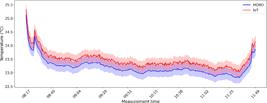
After the adjustment, the readings exhibited stability and uniformity, accurately reflecting the thermal behavior of the air-conditioned environment. The small residual difference observed in the measurements is consistent with the instrumental uncertainty, suggesting that the IoT device is suitable for monitoring ambient temperature in classroom settings.
4.3 Relative humidity measurement
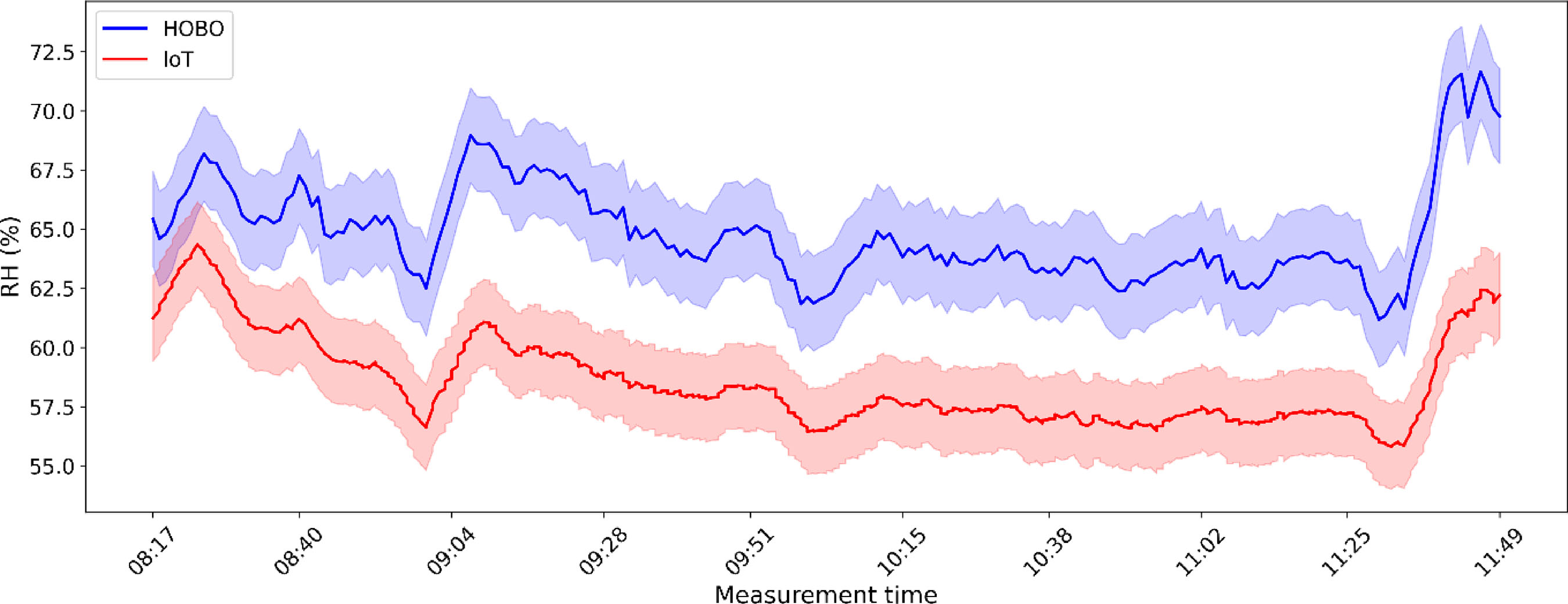
The relative humidity measurements showed a correlation coefficient of r = 0.92 and a Root Mean Square Error (RMSE) of 1.3%, values consistent with the accuracy range of the instrument. The slight variations detected between the devices, as illustrated in Figure 7, occurred mainly during thermal transition periods, when condensation and the internal temperature gradient of the device could slightly influence the readings. Nevertheless, such deviations did not compromise the reliability of the results or the operational stability of the IoT device, which proved capable of consistently and accurately tracking rapid fluctuations in humidity.
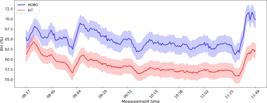
The consistency of the data obtained for carbon dioxide, temperature and humidity indicate that the embedded processing, sensor calibration and data acquisition architecture of the IoT device are properly designed. Furthermore, the system’s performance proved to be robust even during extended periods of continuous operation, with no data loss or degradation in measurement accuracy.
4.4 Overall device performance evaluation and comparative analysis
The consolidated results indicate that the device exhibited stable performance and measurements consistent with those obtained from the reference instrument, maintaining an average error within the variation range specified for sensors of the same class, but at a significantly lower cost. While the HOBO MX1102A has an estimated acquisition cost of US$ 650.00, the IoT prototype was developed with a total investment of approximately US$ 60.00, representing a cost reduction of about 90% in implementation while maintaining accuracy levels comparable to the reference equipment under test conditions.
In addition to its measurement reliability, the IoT device capability to perform embedded estimations of the ACH represents a relevant technological advancement. Under closed-room conditions, the average ACH recorded was 0.4 h⁻¹, a value consistent with enclosed spaces operating exclusively under air recirculation. When the windows were partially opened, the system registered an increase in the rate to 6.0 h⁻¹, indicating an adequate air change rate in accordance with the reference values established by the Brazilian standard ABNT NBR 16401-3:2008 (ABNT, 2018), the American Standard 62.1 (ASHRAE, 2022) and the European EN 13779 (ECS, 2007), which define ventilation and indoor air quality requirements for air-conditioned educational spaces.
This variation indicates the potential of the IoT device to support assisted natural ventilation strategies, promoting a balance between energy efficiency and indoor environmental quality. Furthermore, the findings emphasize the applicability of the device in building automation systems and adaptive ventilation control based on locally collected data.
The results confirm that the IoT device demonstrated stable behavior and consistent measurements, while being economically accessible and operationally versatile, making it suitable for application in educational, corporate and institutional environments. The high correlation between the IoT device and HOBO measurements, combined with the low average error, reinforces that the prototype meets the precision and stability requirements expected of environmental monitoring instruments.
The combination of low-cost, portability and IoT integration provides the IoT device with a strategic advantage over conventional commercial devices, making it a valuable tool for supporting indoor air quality management and ensuring compliance with Brazilian and international standards for ventilation and environmental comfort.
In practical terms, the IoT device enables the implementation of preventive indoor air quality monitoring and control strategies, with potential benefits for occupants’ well-being and thermal comfort. The system has proven suitable for integration into educational and institutional programs aimed at promoting environmental awareness, reinforcing the relevance of adequate air changes rate as a key component of comfort, health and sustainability in air-conditioned spaces.
5 Conclusion
The experiment conducted with the Healthy Classroom IoT system demonstrated the prototype’s accuracy, reliability, and operational stability when compared to the reference instrument HOBO MX1102A CO₂, widely used in indoor air quality research. The simultaneous measurements of CO₂ concentration, air temperature, and relative humidity showed variations within the precision ranges specified by the sensor manufacturers, indicating that the IoT device provided measurements consistent with those obtained from laboratory-grade reference instruments under the test conditions.
The high Pearson correlation observed among the monitored variables, combined with the low mean deviation and quadratic error values, indicates that the system demonstrated coherent performance and consistent results when compared to the reference systems used. The results obtained demonstrate the technical adequacy and operational stability of the IoT device under the test conditions, highlighting its potential as a scientific and educational tool for real-time monitoring of indoor air quality and for supporting decision-making aimed at improving environmental conditions in air-conditioned classrooms.
Despite the results obtained under the evaluated conditions, some limitations of the study must be acknowledged. The estimation of the air change rate is influenced by assumptions related to occupant number, carbon dioxide generation rates per person, and boundary conditions adopted in the mass balance model. In addition, variations in occupant behavior and indoor airflow patterns may affect the measured CO₂ dynamics, which should be considered when interpreting the estimated air change rate values.
The results indicate that the IoT device has strong potential as a low-cost solution for the continuous monitoring of the air change rate in educational spaces. Under the evaluated conditions, the system demonstrated the capability to detect variations in the indoor air change rate and to issue audible and visual alerts that support the immediate implementation of corrective actions, such as the controlled opening of windows or doors. This functionality highlights the educational and preventive role of the prototype, which can contribute to increasing users’ awareness of the importance of adequate air change rate and to encouraging practices that promote healthier indoor environments.
The economical and accessible nature of device expands its application possibilities. With an estimated cost of around US$60.00, the device represents a low-cost solution for schools and public institutions that lack the resources to acquire high-value commercial equipment. Its modular architecture and adaptable embedded code allow adjustments for different room dimensions, occupancy profiles, and air conditioning types, which reinforces its potential for replication in various air-conditioned environments, such as offices, laboratories, and administrative centers.
The IoT device also stands out for its integration with IoT technologies and wireless communication via the REST API protocol, which enables data transmission to local servers or cloud platforms, allowing remote monitoring and historical storage of environmental variables. This feature gives the system an intelligent air quality management dimension, allowing building managers and engineers to monitor, in real-time, the efficiency of ventilation and air-conditioning strategies.
Beyond its technical applicability, the device has educational and social relevance, as it enables environmental awareness actions among students and teachers, demonstrating, in a practical way, the importance of air renewal for well-being and environmental comfort. This characteristic transforms it into an instrument of teaching and environmental citizenship, stimulating the active participation of users in the construction of safer and more sustainable spaces.
For future development, improvements to the IoT device may include the integration of the functionalities already available in the Bosch BME680 sensor for the detection and analysis of volatile organic compounds, thereby expanding the potential scope of monitoring and enabling a more comprehensive assessment of indoor air quality. The incorporation of complementary modules for measuring particulate matter (PM₂.₅ and PM₁₀) could further enhance environmental analysis, allowing for the identification of contaminants that affect occupant well-being and comfort. Moreover, the potential addition of automated ventilation control mechanisms could enable future interaction with building automation systems, allowing for intelligent activation of windows, exhaust fans, or air-conditioning equipment based on real-time measurements. This evolution has the potential to transform the IoT device into a comprehensive indoor air quality management system, capable of integrating monitoring, diagnostic and adaptive response functions, thereby promoting healthier, energy-efficient and sustainable educational environments.
Another area of technological expansion involves the development of advanced predictive analytics algorithms, based on machine learning techniques, for specifying occupancy patterns and predicting situations where carbon dioxide concentrations exceed the limits recommended or where the indoor air change rate is below the reference parameters established by technical standards. This evolution could transform the device into a preventive and adaptive system, capable of acting as a support tool for the continuous improvement of indoor air quality and the management of environmental conditions.
Through the generation of predictive information, the system may anticipate the occurrence of critical scenarios, facilitating the timely adoption of corrective interventions, such as the activation of assisted natural ventilation strategies, the adjustment of external airflow, or the transmission of alerts to users. In this way, the IoT device can evolve from a reactive monitoring platform into an intelligent mechanism for indoor air quality management, aligned with the principles of environmental comfort, occupational health and energy efficiency established by current standards.
The project demonstrates that sustainable and science-based innovation goals can reshape the understanding and management of air quality in air-conditioned environments, contributing to applied engineering, environmental education, and the formulation of public policies focused on building health and sustainability.
-
XAVIER, E. L. M.; PAGEL, E. C.; MARTINS, R. S. Healthy classroom: validation of a device for monitoring the air change rate. Ambiente Construído, Porto Alegre, v. 26, e151622, jan./dez. 2026.
-
Declaration of Generative AI and AI-Assisted Technologies in the Writing Process
Generative artificial intelligence tools were used exclusively to support the linguistic revision and improvement of textual clarity after the translation of the manuscript. The use of these technologies was limited to grammatical correction, terminological consistency, and textual organization, without any involvement in the study conception, methodological design, data analysis and interpretation, or the conclusions presented. All scientific content remains entirely the responsibility of the authors.
Data Availability Statement
The data supporting the findings of this study are available from the authors upon request.
References
- AMERICAN SOCIETY OF HEATING, REFRIGERATING AND AIR-CONDITIONING ENGINEERS. Standard 62.1: ventilation for acceptable indoor air quality. Atlanta, 2022.
- ASSOCIAÇÃO BRASILEIRA DE NORMAS TÉCNICAS. NBR 16401–3: instalações de condicionamento de ar: sistemas centrais e unitários: parte 3: qualidade do ar interior. Rio de Janeiro, 2008.
- ASSOCIAÇÃO BRASILEIRA DE NORMAS TÉCNICAS. NBR 17037: qualidade do ar interior em ambientes não residenciais climatizados artificialmente: padrões referenciais. Rio de Janeiro, 2024.
- BATTERMAN, S. Review and extension of CO2-based methods to determine ventilation rates with application to school classrooms. International Journal of Environmental Research and Public Health, v. 14, n. 2, p. 145, 2017.
-
BRASIL. Lei nº 13.589, de 4 de janeiro de 2018, que dispõe sobre a Manutenção de Instalações e Equipamentos de Sistemas de Climatização de Ambientes. Brasília, DF: Presidência da República, 2018. Available: https://www.planalto.gov.br Access: May 30, 2024.
» https://www.planalto.gov.br -
BRASIL. Ministério da Saúde. Portaria nº 3.523, de 28 de agosto de 1998, que dispõe sobre procedimentos de manutenção de sistemas de climatização. Brasília, DF: Ministério da Saúde, 1998. Available: https://bvsms.saude.gov.br/portaria-n-3-523-de-28-de-agosto-de-1998 Access: May 30, 2024.
» https://bvsms.saude.gov.br/portaria-n-3-523-de-28-de-agosto-de-1998 - DENG, S.; LAU, J. Seasonal variations of indoor air quality and thermal conditions and their correlations in 220 classrooms in the Midwestern United States. Building and Environment, v. 157, p. 79–88, Jun. 2019.
- DU, B. et al Indoor CO2 concentrations and cognitive function: a critical review. Indoor Air, v. 30, n. 6, p. 1067-1082, 2020.
- EUROPEAN COMMITTEE FOR STANDARDIZATION. 13779: ventilation for non-residential buildings-performance requirements for ventilation and room-conditioning systems. Brussels, 2007.
- FÁVERO, L. P.; BELFIORE, P. Manual de análise de dados: estatística e modelagem multivariada com Excel®, SPSS® e Stata®. São Paulo: Elsevier, 2017.
- INTERNATIONAL ORGANIZATION FOR STANDARDIZATION. ISO 7726: ergonomics of the thermal environment: instruments for measuring physical quantities. Genève, 1998.
- KUBBA, S. Handbook of green building design and construction: LEED, BREEAM and Green Globes. London: Butterworth-Heinemann, 2012.
- LI, Y. et al A method for estimating occupant carbon dioxide generation rates. Energy and Buildings, v. 312, p. 114163, 2024.
- MARTINS, R. S. et al Realistic designs of windows and doors as solutions to improve natural ventilation in hot-humid climates: a factorial design approach. Architectural Engineering and Design Management, v. 21, n. 2, p. 268-288, 2025.
- REIS JUNIOR, N. C. et al Mudanças climáticas: efeitos sobre o Espírito Santo. Jundiaí: Paco Editorial, 2023.
-
SENSIRION. SCD4x CO₂ Sensor: datasheet. Version 1.6. Stäfa: Sensirion AG, 2024. Available: https://www.sensirion.com Access: Jun 10, 2024.
» https://www.sensirion.com - SHENDELL, D. G. et al Associations between classroom CO₂ concentrations and student attendance in Washington and Idaho. Indoor Air, v. 14, n. 5, p. 333–341, 2004.
- SILVA, S. V. de O. et al. Ventilação natural e qualidade do ar em salas de aula. PARC Pesquisa em Arquitetura e Construção, v. 13, e022021, 2022.
- WINCK, J. C. et al. A call for a national strategy for indoor air quality. Pulmonology, v. 28, n. 4, p. 245-251, 2022.
Edited by
-
Editor-in-chief:
Enedir Ghisi
-
Guest editor:
Fernando Sá Cavalcanti