
 Direct and indirect effects of electronic nicotine delivery systems on the voice: a scoping review
Abstract
Purpose To conduct an exploratory mapping of the available scientific evidence on the direct and indirect effects of Electronic Nicotine Delivery Systems (ENDS) use on the voice.
Research strategy A scoping review conducted according to the Joanna Briggs Institute guidelines and the Preferred Reporting Items for Systematic Reviews and Meta-Analyses—Extension for Scoping Reviews (PRISMA-ScR), with the protocol registered on the Open Science Framework. The databases searched included Embase, MEDLINE, SCOPUS, Web of Science, CINAHL, and LILACS.
Selection criteria Studies published in Portuguese, English, or Spanish were included, without time restrictions. Studies with restricted access or not available in full text, even after contacting the authors, as well as grey literature, letters to the editor, opinion articles, and reviews, were excluded.
Results Of the 279 studies identified, 6 met the eligibility criteria. Direct findings included dysphonia, changes in acoustic parameters, and impacts on voice-related quality of life. Indirect findings included epiglottitis, supraglottic inflammation, chemical lesions, and cytotoxicity of the vocal folds, which may influence vocal function over time.
Conclusion The exploratory mapping suggests that the use of ENDS may affect the voice due to both direct and indirect effects. Despite these findings, the available evidence remains limited, highlighting the need for longitudinal and experimental studies to better understand the impacts of electronic cigarettes on vocal function and laryngeal health.
Keywords:
E-cigarette; Voice; Voice disorders; Review; Scoping review
Resumo
Objetivo Realizar um mapeamento exploratório das evidências científicas disponíveis sobre os efeitos diretos e indiretos do uso de dispositivos eletrônicos para fumar na voz.
Estratégia de pesquisa Revisão de escopo conduzida segundo as diretrizes do manual do Joanna Briggs Institute e as recomendações do Preferred Reporting Items for Systematic Reviews and Meta-Analyses—Extension for Scoping Reviews, com protocolo registrado na Open Science Framework. Foram utilizadas as bases de dados Embase, MEDLINE, Scopus, Web of Science, CINAHL e LILACS.
Critérios de seleção Foram incluídos estudos publicados em português, inglês ou espanhol, sem limitação temporal. Foram excluídos estudos com restrição de acesso ou não disponíveis na íntegra, mesmo após contato com os autores, bem como documentos provenientes da literatura cinzenta, além de cartas ao editor, artigos de opinião e resenhas.
Resultados Dos 279 estudos identificados, 6 atenderam aos critérios de elegibilidade. Achados diretos incluíram disfonia, alterações em parâmetros acústicos e impactos na qualidade de vida vocal. Achados indiretos incluíram epiglotite, inflamação supraglótica, lesões químicas e citotoxicidade das pregas vocais, que podem influenciar a função vocal ao longo do tempo.
Conclusão O mapeamento exploratório sugere que o uso de dispositivos eletrônicos para fumar pode afetar a voz por meio de efeitos diretos e indiretos. Apesar desses achados, as evidências disponíveis permanecem limitadas, destacando a necessidade de estudos longitudinais e experimentais para compreender com mais precisão os impactos do cigarro eletrônico sobre a função vocal e a saúde laríngea.
Palavras-chave:
Cigarro eletrônico; Voz; Distúrbios de voz; Revisão; Revisão de escopo
INTRODUCTION
Tobacco is recognized worldwide as one of the main causes of human morbidity and mortality(1). This substance is the main risk factor for the development of chronic non-communicable diseases, such as neoplasms and cardiovascular and respiratory pathologies, such as chronic obstructive pulmonary disease(2). In 2019, more than seven million deaths were attributed to its consumption, in addition to more than one million related to exposure to passive smoking(3).
In this scenario, several countries have made global commitments to end smoking through integrated actions to prevent harm and promote health. However, the emergence of new products on the market, such as electronic nicotine delivery systems (ENDS), poses a challenge to these strategies, since their use has been associated with an increased risk of initiating smoking(4).
ENDS differ from conventional cigarettes in that they do not involve the combustion of tobacco. In general, they consist of a lithium battery, atomizer, and liquid reservoir, which may contain nicotine, propylene glycol, vegetable glycerin, and flavorings(5,6).
Although the concept dates back to the 1960s, ENDS were commercially introduced in the early 2000s by a Chinese company and have spread widely under different names(7). These devices can have shapes similar to traditional cigarettes, cigars, pipes, or even everyday objects, such as pens and flash drives(8-10). The market is dynamic, constantly launching new models(11), and the industry often promotes them as products with less impact on health(12).
Despite the ban on marketing in some countries, ENDS continue to be easily acquired over the Internet, which highlights the need to strengthen regulation and control policies. Digital advertising plays a central role in this dissemination; according to a study(13), the Internet favors the promotion of ENDS even in contexts of strong regulation, configuring a relevant challenge for public health.
This popularization has motivated an increase in research on its effects on human health. In this sense, authors(14) observed significant growth in the use of ENDS among both smokers (from 7.8% to 18.3%) and non-smokers (from 1.1% to 2.2%), attributing this increase to the mistaken perception that they are harmless. Data from the Brazilian Surveillance System for Risk and Protective Factors for Chronic Diseases by Telephone Survey (Vigitel) confirm this trend: 6.7% of Brazilian adults have already used ENDS, and 2.32% are currently using them, which corresponds to approximately 2.4 million people with experience of use and about 800,000 habitual or occasional consumers(6).
Several studies have already documented the adverse effects of conventional smoking on the larynx, upper airways, and voice quality(15-17). However, the impacts of ENDS on these structures and on the voice remain poorly understood. At the same time, there is robust evidence of the growing popularity of these devices, especially among young people(18,19).
Given the rapid expansion of ENDS use, their potential association with conventional tobacco, and the possibility of negative effects on general and vocal health, it is essential to understand the current landscape of scientific evidence on the subject. This understanding is essential to support strategies for preventing harm, promoting vocal health, and developing therapeutic approaches aimed at the possible damage resulting from the use of these devices.
OBJECTIVES
To conduct an exploratory mapping of the available scientific evidence on the direct and indirect effects of ENDS use on the voice.
RESEARCH STRATEGY
This scoping review followed the methodological guidelines of the Joanna Briggs Institute (JBI). The manuscript was written and organized according to the recommendations of the Preferred Reporting Items for Systematic Reviews and Meta-Analyses – Extension for Scoping Reviews (PRISMA-ScR). The protocol for this review was previously registered on the Open Science Framework under OSF.IO/DNR3A.
The following steps were defined for the study development: 1) defining the research question; 2) establishing eligibility criteria aligned with the research question and objective; 3) developing the search strategy; 4) identifying and selecting relevant studies; 5) extracting data; 6) summarizing the results.
Based on the acronym PCC (population, concept, and context), where population corresponds to ENDS users and concept refers to the vocal impacts resulting from ENDS use, the following research question was defined: "What is the scientific evidence on the direct and indirect effects of ENDS on the voice?"
As for the context, there was a deliberate decision not to delimit it with specific descriptors. This methodological choice aimed to ensure the maximum scope of the mapping, allowing the inclusion of evidence from any geographical, cultural, or clinical setting, without restrictions that could limit the scope of the results.
SELECTION CRITERIA
The review included studies published in Portuguese, English, or Spanish, regardless of the publication period. It excluded studies with restricted access (available only by subscription) or not available in full, even after contacting the authors by email, as well as documents from grey literature (conference abstracts, event proceedings, book chapters, dissertations, and theses), letters to the editor, opinion articles, and reviews.
It should be noted that the researchers had free access to several scientific journals through the internal network of the University of São Paulo, Brazil. Due to the novelty of the topic and the limited number of studies available, this review adopted an exploratory approach to map existing evidence, identifying gaps in the literature and providing support for future investigations.
The keywords and descriptors used in the search were identified in the Health Sciences Descriptors (DeCS) and Medical Subject Headings (MeSH), in addition to previous searches in the literature. Based on the selected descriptors, a search was conducted in the Embase, MEDLINE, Scopus, Web of Science, CINAHL, and LILACS databases in May 2025 (Chart 1).
Furthermore, the reference lists of the included texts were analyzed to identify and incorporate other studies that addressed the research topic and met the eligibility criteria.
Data analysis
The data were exported and organized on the Rayyan platform(20). Two independent researchers conducted the initial screening, and a third reviewer was invited to intervene in cases of divergence, contributing to the final decision.
The studies selected at this stage were submitted to full-text reading, allowing for careful analysis of their relevance and suitability to the objectives of the review. The following data were extracted, using a standardized form developed by the authors: author(s), year and country of publication, study objective, participants involved, study type, and main results.
RESULTS
The initial search retrieved 279 studies, of which 169 were removed due to duplication. The remaining 110 records were subjected to title and abstract screening, resulting in the exclusion of 93 articles that did not meet the inclusion criteria. Of the 17 studies selected for full-text reading, 11 were excluded after careful analysis.
In addition, the references of the studies read in full were analyzed, resulting in the identification of three potential studies. However, these documents were not counted, as they were already included in the searches carried out in the databases. Hence, six(21-26) articles comprised this review, as illustrated in Figure 1.
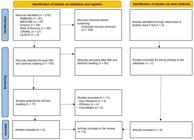
Flowchart of the Preferred Reporting Items for Systematic Reviews and Meta-Analyses—Extension for Scoping Reviews (PRISMA-ScR)
The included studies were published between 2015 and 2024 - one(21) in 2015, one(22) in 2019, one(23) in 2020, one(24) in 2023, and two(25,26) in 2024, distributed across three countries: three(23,24,26) from the United States of America, two(21,22) from Turkey, and one(25) from France. The characterization of the studies is shown in Chart 2.
In summary, the studies had varied designs, from experimental to clinical case reports. In the experimental and laboratory context, authors(24) observed cytotoxicity in human vocal fold fibroblasts in vitro, while others(21) identified morphological alterations (hyperplasia and metaplasia) in the laryngeal mucosa of rats exposed to vapor.
As for clinical and case studies, evidence in humans described severe acute damage, such as epiglottitis in adolescents(23), vocal fold ulceration(25), and thermal burns in the airways(26), manifesting clinically as hoarseness, dysphagia, and throat clearing. Finally, the authors of a cross-sectional study with 81 volunteers(22) demonstrated that, although the acoustic impact is less than that of conventional cigarettes, ENDS users have greater voice handicap and alterations in noise measurements (harmonic-to-noise ratio [HNR]) than non-smokers.
DISCUSSION
This scoping review revealed that the direct and indirect effects of ENDS on the voice constitute a multifaceted phenomenon, in which thermal and chemical aggressions converge to tissue and functional damage. Although the literature on the subject is still emerging, the data suggest that the transition from conventional tobacco to ENDS does not eliminate vocal risk; on the contrary, it introduces new patterns of cytotoxicity and inflammation that challenge contemporary speech-language-hearing practice.
The analysis of the age range of sample participants found a spectrum from adolescence to old age, confirming the early access to ENDS. This finding converges with the current literature, which highlights the popularity of these devices among young people, without neglecting their presence in older age groups(27,28). This early onset represents a critical aggravating factor for public health, requiring the early inclusion of ENDS use screening into clinical and preventive speech-language-hearing care.
Three(23,25,26) case studies identified important vocal manifestations associated with ENDS use, the most frequent being dysphonia, characterized by roughness, breathiness, hoarseness, pharyngeal pain, globus sensation, persistent aphonia, throat clearing, and mucous secretion. These laryngeal alterations directly affected the voice of the individuals evaluated.
A study(29) highlighted that dysphonia can significantly affect people's social and professional lives. According to the authors, regardless of the etiology, quality of life tends to worsen due to negative repercussions that go beyond the field of communication. In parallel, symptoms such as hoarseness, breathiness, and vocal weakness have also been attributed to cannabis use(30).
In the clinical setting, evidence of epiglottic and arytenoid edema, chemical lesions, erythema, and ulcerations in vocal folds is alarming. Authors(31) confirm this severity by describing changes in vocal fold coloration and respiratory impairment associated with vapor inhalation. These findings reiterate the urgency of longitudinal studies that establish precise correlations between ENDS vaporization and permanent laryngeal damage.
The various devices and modes of use pose an additional risk factor; frequent liquid changes and the transition between conventional cigarettes and ENDS can potentiate the damage. In this regard, a study(32) highlighted the magnitude of the problem by identifying more than seven thousand flavors and hundreds of brands on the market, which makes it difficult to standardize toxicological analyses and control damage.
Furthermore, authors(33) warn that ENDS use among adolescents is associated with a greater likelihood of progression to conventional smoking. This finding reinforces the understanding of ENDS as a potential gateway to nicotine dependence, especially in a context marked by attractive marketing strategies, normalized consumption, and appeals directed at young audiences, which increases the epidemiological risk of initiation and maintenance of tobacco use.
The frequency of use reported in a study(23) demonstrated a direct relationship with the diagnosis of epiglottitis, characterized by acute inflammation of epiglottic cartilage, which can progress to obstruction of the upper airways. Pathophysiologically, frequent exposure to ENDS vapor and chemicals can cause direct thermal and chemical injury to the supraglottic mucosa, leading to severe irritation and fluid accumulation in the tissues. This process makes breathing difficult and prevents the vocal folds from vibrating freely, impairing the voice.
A study(22) detected no significant difference in relation to F0, jitter, or shimmer values between the groups (ENDS users, conventional cigarette users, and non-smokers who had never smoked). However, a significant difference was detected in relation to decibel (dB) values and HNR between the groups, which the authors termed "mild vocal effects". These findings reinforce the need for further investigations exploring the relationship between frequency, quantity, and intensity of ENDS use and the vocal manifestations observed. It is known that variables such as frequency of consumption, monthly doses, and levels of intoxication are predictors of respiratory symptoms, social problems, and dependence among cannabis users, and each investigation parameter can produce different results(34).
A study with vocal fold fibroblasts(24) demonstrated that ENDS are not inert to cells: the results indicated that not only nicotine but also other components of the products can cause cell damage. According to another study(35), propylene glycol and vegetable glycerin, when subjected to high temperatures, form carbonyl compounds, chemical substances with acute inhalation toxicity and irritant properties. Authors(36) add that the high temperature can occur intentionally, to produce more aerosol, or accidentally, due to overheating.
In contrast, studies that assessed the laryngeal and vocal effects of ENDS predominantly showed discreet or statistically insignificant changes. In experimental animal models, the authors(37) identified minimal cellular and inflammatory changes in the larynx, while others(21) observed hyperplasia and metaplasia of the laryngeal mucosa in rats, although these findings did not reach statistical significance.
Concerning vocal assessment, the only study that analyzed acoustic parameters(22), as already mentioned, revealed mild vocal effects of ENDS when compared to conventional cigarettes. Conversely, other authors(38) did not identify significant differences in acoustic parameters (F0, jitter, shimmer, and HNR) between smokers and non-smokers. These results suggest that, although ENDS may induce initial or subclinical changes, especially in experimental or short-term contexts, the measurable vocal effects tend to be subtle, which does not exclude the possibility of progressive worsening with continued use or longer exposure.
The Voice Handicap Index (VHI) score varied among study participants(22,25), despite all individuals being healthy and having no previous laryngeal alterations. A study(22) showed that the average VHI values of conventional cigarette users were higher than those of ENDS users (who reported significantly low values) and the control group. In another study(25), dysphonia was perceived as severe, and the VHI was 60 (moderate to severe voice handicap). According to authors(39), VHI can be influenced by subjective aspects, since it is a self-assessment instrument, and individuals can perceive the effects of smoking differently.
The small number of studies limited the findings of this review but showed that this is an emerging and still incipient topic in scientific literature, although of great relevance to public health. Exposure to ENDS may be associated with serious long-term consequences(40). Thus, as suggested by a study(21), ENDS can cause epithelial changes in the vocal folds. However, research with larger samples and prolonged periods of exposure is needed to fully understand its long-term effects.
This study draws the attention of clinical specialists and researchers to some necessary actions. In speech-language-hearing clinical practice in voice, it is essential to investigate ENDS use from adolescence onwards, as well as the type, brand, frequency, and consumption, also approaching older age groups.
Moreover, preventive speech-language-hearing implications of ENDS use must be considered. Speech-language-hearing pathologists can work in vocal health education, guiding individuals on the potential risks of these devices and promoting vocal care habits from an early age. Systematic screening of ENDS users, with periodic assessment of voice and laryngeal structures, allows for the early identification of vocal changes and the implementation of preventive or interventional strategies, helping to reduce damage to vocal health and promote preventive behaviors in the population.
There is a need for research on the relationship between the complexity of vocal production and its interaction with other systems, such as the respiratory system, and the multiple factors involved. Such studies can offer more precise parameters on vocal behavior and its possible modifications resulting from continuous ENDS use.
This review comprised a small number of articles, which had heterogeneous methodological designs, limiting the identification of robust epidemiological, clinical, or therapeutic findings. The design of most research (preventing the analysis of vocal changes over time) and their small sample size stand out among the limitations inherent in the included studies. Furthermore, the non-standardized composition of the liquids (variety of brands and nicotine levels) and the still incipient knowledge about the injury mechanisms make it difficult to generalize the results.
On the other hand, this scenario highlights important gaps and points to the need for more comprehensive and systematic investigations in the area. The gaps observed reinforce the urgency of longitudinal and experimental studies that deepen the understanding of the repercussions of ENDS on the voice, contributing to guiding clinical practices and supporting health policies aimed at raising awareness about the potential harm of these devices.
CONCLUSION
Exploratory mapping suggests that ENDS use can affect the voice through direct and indirect effects. Despite these findings, the available evidence remains limited and fragmented, reflecting the scarcity of studies that systematically investigate the impacts of ENDS on vocal function. These results highlight the need for longitudinal and experimental research capable of clarifying the mechanisms underlying vocal alterations and providing support for clinical practice, prevention, and user guidance regarding the risks of using these devices for laryngeal health.
-
Study carried out at Faculdade de Medicina, Universidade de São Paulo – USP – São Paulo (SP), Brasil.
-
Data Availability Statement:
Research data is available in the body of the article.
-
Funding:
None.
References
-
1 WHO: World Health Organization. Report on the global tobacco epidemic 2021: addressing new and emerging products [Internet]. Geneva: WHO; 2021 [citado em 2025 Out 31]. Disponível em: https://www.who.int/teams/health-promotion/tobacco-control/global-tobacco-report-2021
» https://www.who.int/teams/health-promotion/tobacco-control/global-tobacco-report-2021 -
2 Rasmussen M, Larsson M, Gilljam H, Adami J, Wärjerstam S, Post A, et al. Effectiveness of tobacco cessation interventions for different groups of tobacco users in Sweden: a study protocol for a national prospective cohort study. BMJ Open. 2022;12(1):e053090. https://doi.org/10.1136/bmjopen-2021-053090 PMid:35078840.
» https://doi.org/10.1136/bmjopen-2021-053090 -
3 The Tobacco Atlas. Challenges: deaths [Internet]. Atlanta: American Cancer Society, Vital Strategies; 18 maio 2022 [citado em 2025 Out 31]. Disponível em: https://tobaccoatlas.org/challenges/deaths/
» https://tobaccoatlas.org/challenges/deaths/ -
4 Soneji S, Barrington-Trimis JL, Wills TA, Leventhal AM, Unger JB, Gibson LA, et al. Association between initial use of e-cigarettes and subsequent cigarette smoking among adolescents and young adults: a systematic review and meta-analysis. JAMA Pediatr. 2017;171(8):788-97. https://doi.org/10.1001/jamapediatrics.2017.1488 PMid:28654986.
» https://doi.org/10.1001/jamapediatrics.2017.1488 -
5 Farsalinos KE, Stimson GV. Is there any legal and scientific basis for classifying electronic cigarettes as medications? Int J Drug Policy. 2014;25(3):340-5. https://doi.org/10.1016/j.drugpo.2014.03.003 PMid:24709413.
» https://doi.org/10.1016/j.drugpo.2014.03.003 -
6 Bertoni N, Szklo AS. Dispositivos eletrônicos para fumar nas capitais brasileiras: prevalência, perfil de uso e implicações para a Política Nacional de Controle do Tabaco. Cad Saude Publica. 2021;37(7):e00261920. https://doi.org/10.1590/0102-311x00261920 PMid:34259751.
» https://doi.org/10.1590/0102-311x00261920 -
7 Dutra LM, Grana R, Glantz SA. Philip Morris research on precursors to the modern e-cigarette since 1990. Tob Control. 2017;26(e2):e97-105. https://doi.org/10.1136/tobaccocontrol-2016-053406 PMid:27852893.
» https://doi.org/10.1136/tobaccocontrol-2016-053406 - 8 Kavuluru R, Han S, Hahn EJ. On the popularity of the USB flash drive-shaped electronic cigarette Juul. Tob Control. 2019;28(1):110-2. PMid:29654121.
-
9 NIDA: National Institute on Drug Abuse. Vaping devices (electronic cigarettes) drugfacts [Internet]. Bethesda: National Institutes of Health; 2020 [citado em 2025 Oct 31]. Disponível em: https://nida.nih.gov/publications/drugfacts/vaping-devices-electronic-cigarettes
» https://nida.nih.gov/publications/drugfacts/vaping-devices-electronic-cigarettes -
10 EBC: Empresa Brasil de Comunicação. Comissão adia votação do PL que regulamenta cigarro eletrônico [Internet]. Agência Brasil; 11 jul 2024 [citado em 2024 Out 29]. Disponível em: https://agenciabrasil.ebc.com.br/saude/noticia/2024-06/comissao-adia-votacao-do-pl-que-regulamenta-cigarro-eletr%C3%B4nico
» https://agenciabrasil.ebc.com.br/saude/noticia/2024-06/comissao-adia-votacao-do-pl-que-regulamenta-cigarro-eletr%C3%B4nico -
11 Caponnetto P, Campagna D, Papale G, Russo C, Polosa R. The emerging phenomenon of electronic cigarettes. Expert Rev Respir Med. 2012;6(1):63-74. https://doi.org/10.1586/ers.11.92 PMid:22283580.
» https://doi.org/10.1586/ers.11.92 -
12 Sarin A, Khan A, Seth S. How more than 1000 medical doctors writing for ban on e-cigarettes in India helped. Tob Induc Dis. 2021;19(Suppl 1):A8. https://doi.org/10.18332/tid/140850
» https://doi.org/10.18332/tid/140850 -
13 McCausland K, Maycock B, Leaver T, Wolf K, Freeman B, Thomson K, et al. E-cigarette promotion on twitter in australia: content analysis of tweets. JMIR Public Health Surveill. 2020;6(4):e15577. https://doi.org/10.2196/15577 PMid:33151159.
» https://doi.org/10.2196/15577 -
14 Bertoni N, Szklo A, De Boni R, Coutinho C, Vasconcellos M, Silva PN, et al. Electronic cigarettes and narghile users in Brazil: do they differ from cigarettes smokers? Addict Behav. 2019;98:106007. https://doi.org/10.1016/j.addbeh.2019.05.031 PMid:31247536.
» https://doi.org/10.1016/j.addbeh.2019.05.031 -
15 Pinto AGL, Crespo AN, Mourão LF. Influence of smoking isolated and associated to multifactorial aspects in vocal acoustic parameters. Braz J Otorhinolaryngol. 2014;80(1):60-7. https://doi.org/10.5935/1808-8694.20140013 PMid:24626894.
» https://doi.org/10.5935/1808-8694.20140013 -
16 Pavlovska I, Taushanova B, Zafirova B. Risk for occurrence of laryngeal cancer among current cigarette smokers. J Glob Oncol. 2018;4(13, Suppl 2):13s. https://doi.org/10.1200/jgo.18.34700
» https://doi.org/10.1200/jgo.18.34700 -
17 Byeon H, Cha S. Evaluating the effects of smoking on the voice and subjective voice problems using a meta-analysis approach. Sci Rep. 2020;10(1):4720. https://doi.org/10.1038/s41598-020-61565-3 PMid:32170174.
» https://doi.org/10.1038/s41598-020-61565-3 -
18 Bhutia TD, Mehendale A, Lad N, Vaishnav P. E-cigarettes: gateway to tobacco addiction among adolescents. Tob Induc Dis. 2021;19(1):A48. https://doi.org/10.18332/tid/140847
» https://doi.org/10.18332/tid/140847 -
19 Kaleta D, Polanska K. Trends of e-cigarettes and tobacco use among secondary and high school students from Poland over three years observation. Tob Induc Dis. 2021;19(1):A72. https://doi.org/10.18332/tid/140961
» https://doi.org/10.18332/tid/140961 -
20 Ouzzani M, Hammady H, Fedorowicz Z, Elmagarmid A. Rayyan-a web and mobile app for systematic reviews. Syst Rev. 2016;5(1):210. https://doi.org/10.1186/s13643-016-0384-4 PMid:27919275.
» https://doi.org/10.1186/s13643-016-0384-4 -
21 Salturk Z, Çakır Ç, Sünnetçi G, Atar Y, Kumral TL, Yıldırım G, et al. Effects of electronic nicotine delivery system on larynx: experimental study. J Voice. 2015;29(5):560-3. https://doi.org/10.1016/j.jvoice.2014.10.013 PMid:25704471.
» https://doi.org/10.1016/j.jvoice.2014.10.013 -
22 Tuhanioğlu B, Erkan SO, Ozdas T, Derici C, Tuzun K, Senkal OA. The effect of electronic cigarettes on voice quality. J Voice. 2019;33(5):811.e13-7. https://doi.org/10.1016/j.jvoice.2018.03.015 PMid:29884511.
» https://doi.org/10.1016/j.jvoice.2018.03.015 -
23 Bozzella MJ, Magyar M, DeBiasi RL, Ferrer K. Epiglottitis associated with intermittent e-cigarette use: the vagaries of vaping toxicity. Pediatrics. 2020;145(3):e20192399. https://doi.org/10.1542/peds.2019-2399 PMid:32024750.
» https://doi.org/10.1542/peds.2019-2399 -
24 Martinez JD, Easwaran M, Ramirez D, Erickson-DiRenzo E. Effects of electronic (e)-cigarette vapor and cigarette smoke in cultured vocal fold fibroblasts. Laryngoscope. 2023;133(1):139-46. https://doi.org/10.1002/lary.30073 PMid:35213064.
» https://doi.org/10.1002/lary.30073 -
25 Lechien JR, Papon JF, Pouliquen C, Hans S. E-cigarette vaping-related vocal fold injury: a case report. J Voice. 2024;38(1):195-6. https://doi.org/10.1016/j.jvoice.2021.06.034 PMid:34389219.
» https://doi.org/10.1016/j.jvoice.2021.06.034 -
26 Brophy S, Combs J, Hutchison J. Thermal pharyngeal injury resulting from vaping: a case report. Cureus. 2024;16(6):e61718. https://doi.org/10.7759/cureus.61718 PMid:38975556.
» https://doi.org/10.7759/cureus.61718 -
27 Lucas JH, Muthumalage T, Wang Q, Friedman MR, Friedman AE, Rahman I. E-liquid containing a mixture of coconut, vanilla, and cookie flavors causes cellular senescence and dysregulated repair in pulmonary fibroblasts: implications on premature aging. Front Physiol. 2020;11:924. https://doi.org/10.3389/fphys.2020.00924 PMid:33013432.
» https://doi.org/10.3389/fphys.2020.00924 -
28 Jenssen BP, Walley SC, Groner JA, Rahmandar M, Boykan R, Mih B, et al. Section on tobacco control: e-cigarettes and similar devices. Pediatrics. 2019;143(2):e20183652. https://doi.org/10.1542/peds.2018-3652 PMid:30835247.
» https://doi.org/10.1542/peds.2018-3652 - 29 Hidayat RC, Saragih AR, Zahara D, Adenin LI, Zaluchu F. Dysphonia causative diagnosis linked to voice handicap index of the patients with dysphonia. Int J Sci Stud. 2018;6(1):134-7.
-
30 Balouch B, Alnouri G, Valentino W, Sataloff RT. The effect of marijuana on the voice: a pilot study. J Voice. 2022;36(4):559-62. https://doi.org/10.1016/j.jvoice.2020.07.006 PMid:32868144.
» https://doi.org/10.1016/j.jvoice.2020.07.006 -
31 Meehan-Atrash J, Korzun T, Ziegler A. Cannabis inhalation and voice disorders: a systematic review. JAMA Otolaryngol Head Neck Surg. 2019;145(10):956. https://doi.org/10.1001/jamaoto.2019.1986 PMid:31393535.
» https://doi.org/10.1001/jamaoto.2019.1986 -
32 Zhu SH, Sun JY, Bonnevie E, Cummins SE, Gamst A, Yin L, et al. Four hundred and sixty brands of e-cigarettes and counting: implications for product regulation. Tob Control. 2014;23(Suppl 3):iii3-9. https://doi.org/10.1136/tobaccocontrol-2014-051670 PMid:24935895.
» https://doi.org/10.1136/tobaccocontrol-2014-051670 -
33 Dunbar MS, Davis JP, Rodriguez A, Tucker JS, Seelam R, D’Amico EJ. Disentangling within- and between-person effects of shared risk factors on e-cigarette and cigarette use trajectories from late adolescence to young adulthood. Nicotine Tob Res. 2019;21(10):1414-22. https://doi.org/10.1093/ntr/nty179 PMid:30277535.
» https://doi.org/10.1093/ntr/nty179 -
34 Walden N, Earleywine M. How high: quantity as a predictor of cannabis-related problems. Harm Reduct J. 2008;5(1):20. https://doi.org/10.1186/1477-7517-5-20 PMid:18510745.
» https://doi.org/10.1186/1477-7517-5-20 -
35 Merecz-Sadowska A, Sitarek P, Zielinska-Blizniewska H, Malinowska K, Zajdel K, Zakonnik L, et al. A summary of in vitro and in vivo studies evaluating the impact of e-cigarette exposure on living organisms and the environment. Int J Mol Sci. 2020;21(2):652. https://doi.org/10.3390/ijms21020652 PMid:31963832.
» https://doi.org/10.3390/ijms21020652 -
36 Wang P, Chen W, Liao J, Matsuo T, Ito K, Fowles J, et al. A device-independent evaluation of carbonyl emissions from heated electronic cigarette solvents. PLoS One. 2017;12(1):e0169811. https://doi.org/10.1371/journal.pone.0169811 PMid:28076380.
» https://doi.org/10.1371/journal.pone.0169811 -
37 Easwaran M, Santa Maria C, Martinez JD, Hung B, Yu X, Soo J, et al. Effects of short-term electronic(e)-cigarette aerosol exposure in the mouse larynx. Laryngoscope. 2024;134(3):1316-26. https://doi.org/10.1002/lary.31043 PMid:37698394.
» https://doi.org/10.1002/lary.31043 -
38 Pinar D, Cincik H, Erkul E, Gungor A. Investigating the effects of smoking on young adult male voice by using multidimensional methods. J Voice. 2016;30(6):721-5. https://doi.org/10.1016/j.jvoice.2015.07.007 PMid:26277074.
» https://doi.org/10.1016/j.jvoice.2015.07.007 -
39 Tafiadis D, Tatsis G, Ziavra N, Toki EI. Voice data on female smokers: coherence between the voice handicap index and acoustic voice parameters. AIMS Med Sci. 2017;4(2):151-63. https://doi.org/10.3934/medsci.2017.2.151
» https://doi.org/10.3934/medsci.2017.2.151 -
40 Pepper JK, Gilkey MB, Brewer NT. Physicians’ counseling of adolescents regarding e-cigarette use. J Adolesc Health. 2015;57(6):580-6. https://doi.org/10.1016/j.jadohealth.2015.06.017 PMid:26297135.
» https://doi.org/10.1016/j.jadohealth.2015.06.017
Edited by
-
Editor-in-Chief:
Renata Mota Mamede Carvallo.
-
Associate Editor:
Leonardo Wanderley Lopes.
Research data is available in the body of the article.

