 The efficacy of buprenorphine compared with dexmedetomidine in spinal anesthesia: a systematic review and meta-analysis
Abstract
Background: This study compares dexmedetomidine and buprenorphine as potential adjuvants for spinal anesthesia. Dexmedetomidine enhances sensory block and minimizes the need for pain medication, while buprenorphine, a long-acting opioid, exhibits a favorable safety profile compared to traditional opioids.
Methods: PubMed, Cochrane and EMBASE were systematically searched in December 2023. Eligibility criteria: RCTs with patients scheduled for lower abdominal, pelvic, or lower limb surgeries; undergoing spinal anesthesia with a local anesthetic and buprenorphine or dexmedetomidine.
Results: Eight RCTs involving 604 patients were included. Compared with dexmedetomidine, buprenorphine significantly reduced time for sensory regression to S1 (Risk Ratio [RR = −131.28]; 95% CI −187.47 to −75.08; I2 = 99%) and motor block duration (RR = −118.58; 95% CI −170.08 to −67.09; I2 = 99%). Moreover, buprenorphine increased the onset time of sensory block (RR = 0.42; 95% CI 0.03 to 0.81; I2 = 93%) and increased the incidence of postoperative nausea and vomiting (RR = 4.06; 95% C11.80 to 9.18; I2 = 0%). No significant differences were observed in the duration of analgesia, onset time of motor block, time to achieve the highest sensory level, shivering, hypotension, or bradycardia.
Conclusions: The intrathecal administration of buprenorphine, when compared to dexmedetomidine, is linked to reduction in the duration of both sensory and motor blocks following spinal anesthesia. Conversely, buprenorphine was associated with an increased risk of postoperative nausea and vomiting and a longer onset time of sensory block. Further high-quality RCTs are essential for a comprehensive understanding of buprenorphine’s effects compared with dexmedetomidine in spinal anesthesia.
KEYWORDS
Anesthesia; spinal; Buprenorphine; Dexmedetomidine; Pain; Postoperative nausea and vomiting
Introduction
Local anesthetics stand out for their effectiveness in blocking sensory and motor stimuli. However, their use is not without risks, as it can be associated with systemic toxicity, manifesting through a broad spectrum of signals and symptoms, ranging from neurological to cardiac manifestations, ultimately leading to cardiac arrest and, in severe cases, death. 1 Additionally, when local anesthetics are used in regional anesthesia, they often induce some degree of sympathetic blockade. 2 With a focus on maximizing clinical benefits, researchers are actively exploring adjuvants for local anesthetics in spinal anesthesia. These innovations aim to enhance efficacy, alleviate side effects, and ensure exceptional perioperative analgesia. 3
Morphine was the inaugural opioid employed for intrathecal anesthesia in the early 20th century. 4 It continues to find extensive use as a local anesthetic adjuvant, sharing similar side effects with fentanyl and sufentanil. However, morphine differs in that it has an increased likelihood of inducing ventilatory depression and cephalic spreading due to its increased hydrophilicity (fentanyl and sufentanil are more lipophilic). 1 Theoretically, opting for intrathecal administration of opioids over intravenous delivery offers several advantages, such as the potential for using smaller doses. This approach may effectively diminish pain sensation without inducing autonomic changes or compromising motor function and sensation. Additionally, the specific opioid antagonist naloxone can be administered to counteract any undesired effects.
Buprenorphine, an agonist-antagonist opioid, stands out for having the longest duration among opioids used in clinical settings, with a half-life ranging from 2 to 16 hours after intravenous administration and 24 to 69 hours after sublingual intake. It is capable of producing effects similar to other opioids, including analgesia, sedation, euphoria, and respiratory depression, albeit to a lesser extent than morphine. This characteristic increases the safety margin compared to classical opioids. 2 Furthermore, buprenorphine exhibits local anesthetic properties, capable of blocking voltage-gated sodium channels. While this effect has been observed with other opioids used in neuraxial anesthesia, it is more pronounced with buprenorphine. 5 Some studies have noted systemic absorption and an antihyperalgesic effect, highlighting these as positive characteristics. 6 Intrathecal use of buprenorphine has confirmed significantly longer analgesic effects, albeit with a higher frequency of nausea and vomiting. 7
Dexmedetomidine, an α2 agonist, can be used as an adjuvant in neuraxial anesthesia. When combined with local anesthetics at clinical dosages ranging from 5 to 10 μg, it has been linked to extended duration of sensory block, improved postoperative analgesia, reduced requirement for rescue analgesics, and prolonged motor block duration. However, it is essential to note that this combination may increase the incidence of reversible bradycardia. 7
While there are existing meta-analyses focused on studying the effect of dexmedetomidine as an adjuvant in spinal anesthesia, there is no systematic review directly comparing the effects of buprenorphine as an adjuvant in spinal anesthesia with dexmedetomidine. Therefore, this systematic review aimed to compare the efficacy of buprenorphine and dexmedetomidine as adjuvants to local anesthetics in spinal anesthesia. It is important to note that both buprenorphine and dexmedetomidine have not received official approval for neuraxial use from public agencies such as the FDA (Food and Drug Administration) and are therefore used off-label. 8
Methods
The study protocol was registered and published on January 7th, 2024, on the International Prospective Register of Systematic Reviews (PROSPERO) of the National Institute for Health Research (NIHR) under ID CRD42024498382. We conducted this systematic review and meta-analysis following the Preferred Reporting Items for Systematic Review and Meta-Analysis Protocols (PRISMA) statement recommended checklist. 9 The comprehensive review of literature and RCTs was conducted by the authors between December 2023 and January 2024.
Eligibility criteria
Inclusion in this systematic review was restricted to studies that met the following criteria: (a) Patients scheduled for lower abdominal, pelvic, or lower limb surgeries; (b) Patients undergoing spinal anesthesia with a local anesthetic and one of two adjuvants, buprenorphine or dexmedetomidine; (c) Only Randomized Controlled Trials (RCTs) were considered; (d) Studies that reported any comparable outcome of interest. Studies were excluded if there was no comparison group of interest or if patients were aged under 18 years.
Search strategy and data extraction
We systematically searched for articles meeting the inclusion criteria on MEDLINE, EMBASE, and Cochrane databases. The searches were conducted in December 2023 by two independent investigators. In case of any disagreement regarding the included articles, a third investigator, with better expertise, was consulted to make the final decision. The search strategy was designed to be comprehensive enough to encompass all randomized controlled trials conducted under the aforementioned inclusion criteria. Grey literature and references from all included studies, as well as previous systematic reviews and meta-analyses, were also manually searched.
The search strategy comprised two steps: an electronic search using the terms ((buprenorphine AND dexmedetomidine AND [spinal OR intrathecal]) and a manual search of the reference lists of all studies identified. This manual search process continued until no new articles meeting our inclusion criteria were found.
Endpoints
All endpoints related to time were measured in minutes. The primary outcome was duration of sensory block, defined as the time of regression to S1 from the maximum sensory block level. Secondary endpoints included: onset time of motor block; onset time of sensory block; duration of motor block; duration of analgesia; and time to peak sensory level. Moreover, the following adverse effects during the procedure or immediately after its execution were recorded: Postoperative Nausea and Vomiting(PONV);bradycardia;hypotension;andshivering.
The Modified Bromage Scale was used by studies for standardization in order to evaluate the grade of motor block, defined as follows: Bromage 0 – the patient is able to move the hip, knee, and ankle; Bromage 1 – not able to move the hip but able to move the knee and ankle; Bromage 2 – not able to move the hip and knee but able to move the ankle; Bromage 3 – not able to move the hip, knee, and ankle.
Authors considered the onset time of motor block as the time taken from the injection of the drug into the intrathecal space until modified Bromage 3; the onset time of sensory block was considered as the time between intrathecal injection to the T12 or higher dermatome; the duration of motor block was defined as the time of regression to modified Bromage score of 0; the duration of analgesia or painfree period was defined as the time from intrathecal injection to the first time of complaint about pain or rescue analgesia; the time to peak sensory level was defined as the time to the highest dermatomal level of sensory block (sensory level in the RCTs was measured by the pinprick method).
Subgroup analyses
Variation in buprenorphine, dexmedetomidine and local anesthetics dosing existed among some studies, and this variability was explored in a subgroup analysis when appropriate. To identify potential causes for the elevated heterogeneity in certain outcomes, a subgroup analysis was conducted when heterogeneity fell within the range of 50% to 70% (classified as “substantial heterogeneity”)or greater. 10
Quality assessment and risk of bias
The quality assessment of RCTs was conducted using the Cochrane Collaboration’s tool for assessing the risk of bias in randomized trials (RoB2). Studies were categorized as having a high, low, or moderate risk of bias in five domains: selection, performance, detection, attrition, and reporting biases. Publication bias was examined through funnel-plot analysis, and estimates were determined based on study weights.
Statistical analysis
The statistical analysis for this systematic review and meta-analysis adhered to the guidelines set by the Cochrane Collaboration and the Preferred Reporting Items for Systematic Reviews and Meta-Analysis (PRISMA) statement. 9 Risk Ratio (RR) with 95% Confidence Intervals was employed to compare treatment effects for both categorical and continuous endpoints. A random-effect model was used for outcomes. Heterogeneity was assessed using the Cochrane Q test and I2 statistics, where p-values less than 0.10 and I2 greater than 50% were considered indicative of significant heterogeneity. Review Manager 5.4 (Cochrane Centre, The Cochrane Collaboration, Denmark) was the tool used for statistical analysis.
Results
Study selection and characteristics
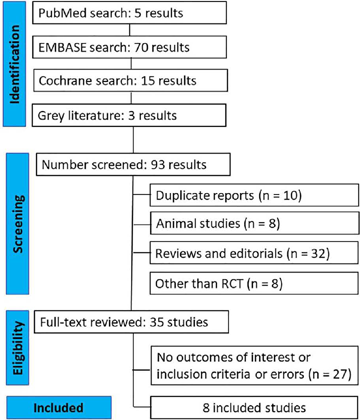
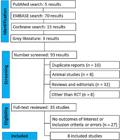
The initial search yielded 93 results, as illustrated in Figure 1 . Following the removal of duplicate records and ineligible studies, 83 records remained, all of which were thoroughly reviewed against the inclusion criteria. After analysis, a total of 8 RCTs were included, encompassing 604 patients ( Table 1 ).
Pooled analysis of all studies
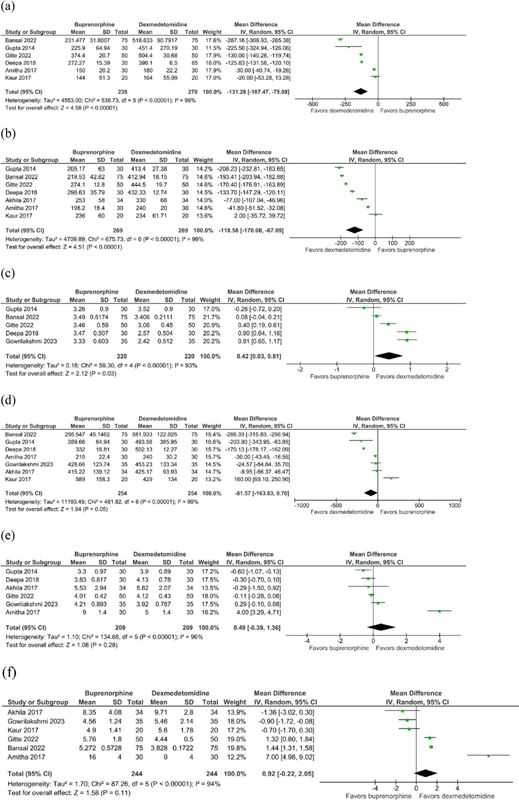
In comparison to dexmedetomidine, buprenorphine was associated with a significant reduction in both the time of sensory regression to S1 (RR = −131.28, 95% CI −187.47 to −75.08; p < 0.00001; I2 = 99%; Figure 2 a ) and the duration of motor block (RR = −118.58, 95% CI −170.08 to −67.09; p < 0.00001; I2 = 99%; Figure 2 b ). Conversely, the onset time of sensory block ( Figure 2 c ) was slightly delayed, yet still statistically significant (RR = 0.42, 95% CI 0.03 to 0.81; p = 0.03; I2 = 93%). Notably, no significant differences were observed in the duration of analgesia (RR = −81.57, 95% CI −163.83 to 0.70; p = 0.05; I2 = 99%; Figure 2 d ), onset time of motor block (RR = 0.49, 95°% CI −0.39 to 1.36; p = 0.28; I2 = 96°%; Figure 2 e ), or time to achieve the highest sensory level (RR = 0.92, 95% CI −0.22 to 2.05; p = 0.11; I2 = 94%; Figure 2 f ).
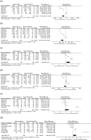
Comparison of time-related variables between the buprenorphine and dexmedetomidine groups: (a) Time of sensory regression to S1; (b) Duration of motor block; (c) Onset time of sensory block; (d) Duration of analgesia; (e) Onset time of motor block; (f) Time to achieve the highest sensory level.
When examining adverse effects, no significant differences between groups were found regarding the risk of developing shivering (RR = 2.05, 95% CI 0.39 to 10.78, p = 0.39, I2 = 50%; Figure 3 b ), hypotension (RR =1.12, 95% CI 0.54 to 2.36, p = 0.76, I2 = 53%; Figure 3 c ), and bradycardia (RR = 1.77, 95% CI 0.94 to 3.31, p = 0.08, I2 = 0%; Figure 3 d ). However, a significant increase in the risk of developing PONV was observed in the buprenorphine group (RR = 4.06, 95% C11.80 to 9.18, p = 0.0008, I2 = 0%; Figure 3 a ).
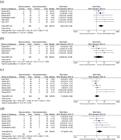
Comparison of the incidence of adverse effects between the buprenorphine and dexmedetomidine groups: (a) Postoperative nausea or vomiting; (b) Shivering; (c) Hypotension; (d) Bradycardia.
Subgroup analyses and heterogeneity
Endpoints such as PONV and bradycardia exhibited an I2 of zero, rendering subsequent subgroup analysis infeasible. Moderate heterogeneity in shivering analysis precluded subgroup exploration. Moreover, subgroup analysis of hypotension failed to establish statistically significant differences among buprenorphine, dexmedetomidine, or local anesthetic subgroups. Thus, categorical variables were not analyzed by subgroups.
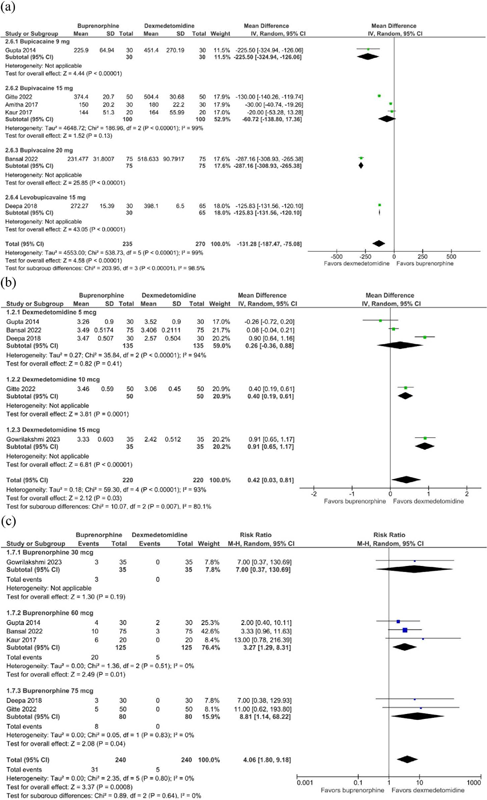
Subgroup analysis of time-related outcomes was also evaluated. In the primary endpoint, sensory regression to S1, subgroups of local anesthetics dosing and type were statistically different ( Figure 4 a ; test for subgroup differences with p < 0.00001, I2 = 98.5%). However, it was not possible to identify a clear interaction between doses of local anesthetics and main outcomes. Conversely, a discernible trend suggested that increasing doses of dexmedetomidine might correlate with a decrease in the onset time of sensory block ( Figure 4 b ; test for subgroup differences with p < 0.007, I2 = 80.1%). Additionally, subgroup analysis of different buprenorphine doses and the incidence of PONV did not demonstrate any difference among groups ( Figure 4 c ; test for subgroup differences with p = 0.64, I2 = 0%). The remaining subgroup analyses performed over time-related outcomes could not identify any reasonable relationship or explanation for the observed elevated heterogeneity. Nonetheless, differences in drug doses between study arms emerged as a potential contributor to the high heterogeneity in some endpoints.
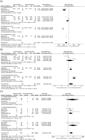
Subgroup analysis: (a) Comparison of different doses of local anesthetics in the time of sensory regression to S1; (b) Comparison of different doses of dexmedetomidine in the onset time of sensory block; (c) Comparison of the dosing effect of buprenorphine in the incidence of postoperative nausea and vomiting.
The limited number of studies included in the meta-analysis may have also played a role in these results. As this meta-analysis features less than ten studies in the screening step, exploration of meta-regression to examine heterogeneity in certain endpoints was not feasible, in line with the existing literature. Additionally, the relatively low number of RCTs precluded the performance of an Egger’s Test to examine funnel plot asymmetry. 10
Quality assessment and publication bias
Individual RCT appraisal is detailed in Table 2 . Of the included studies, four were deemed to have a low risk of bias by RoB2. 11 , 12 , 13 , 14 Conversely, three studies were classified as high risk of bias, with Deepa et al 3 losing a point concerning potential bias in the randomization process. The RCTs of Deepa et al, 3 Gitte et al, 15 and Gowrilakshimi et al 16 incurred points deductions due to possible biases stemming from deviations in intended interventions and probable bias in outcome measurement. Amitha et al 17 lost points related to bias in outcome measurement.
Critical appraisal according to the RoB-2 tool for assessing the risk of bias in randomized controlled trials.
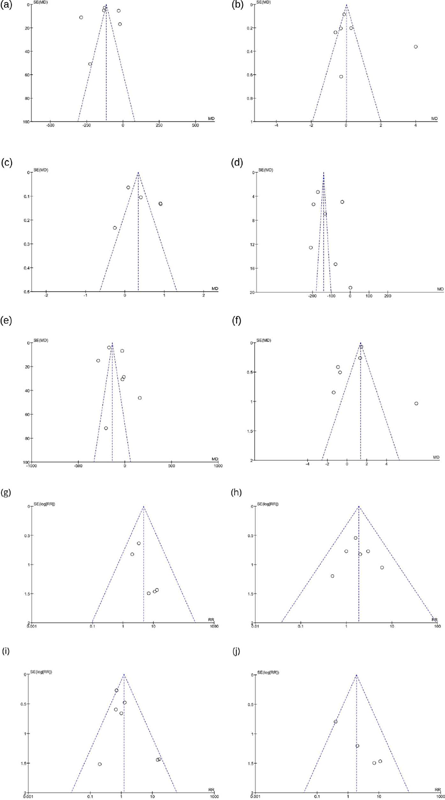
Funnel plots for adverse effects displayed patterns consistent with low publication bias. However, an examination of time-related endpoints revealed a notable tendency toward bias. Comprehensive funnel plots for publication bias analysis are provided in Figure 5 , in the Supplementary Material.
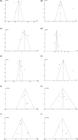
Publication bias assessment (funnel plots) of outcomes: (a) time to sensory regression to S1; (b) Onset time of motor block; (c) Onset time of sensory block; (d) Duration of motor block; (e) Duration of analgesia; (f) Time to achieve the highest sensory level; (g) Postoperative nausea and vomiting; (h) Bradycardia; (i) Hypotension; (j) Shivering.
Discussion
This systematic review and meta-analysis, involving 8 RCTs and 604 patients, compared buprenorphine and dexmedetomidine as adjuvants in spinal anesthesia for lower abdominal, pelvic, and lower limb surgeries. Key findings include: 1) Reduction in the time of sensory block regression to S1 in the buprenorphine group; 2) Shorter duration of motor block in the buprenorphine group; 3) Extended onset time of sensory block in the buprenorphine group; 4) Higher incidence of PONV when buprenorphine was used instead of dexmedetomidine as a neuraxial adjuvant. The deliberate inclusion of only RCTs, excluding observational studies, was aimed at enhancing the overall quality of the meta-analysis. Notably, this meta-analysis appears to be the first to attempt a direct comparison between buprenorphine and dexmedetomidine as adjuvants for spinal anesthesia.
Buprenorphine stands out due to its distinctive profile characterized by a high affinity for the three primary opioid receptors (m, k, and á), coupled with a lower affinity for ORL-1 (Opioid-Receptor-Like-1). 18 , 19 This unique binding pattern is instrumental in reducing the likelihood of tolerance and addiction when compared to full µ-opioid agonists. Particularly noteworthy is its prolonged binding to µ.-opioid receptors and activation of ORL-1, which may contribute significantly to this advantageous effect. 20 Moreover, recent research suggests that its extended duration of action is attributed to its newly discovered local anesthetic properties. 21
In a meta-analysis of White et al, 22 authors compared the efficacy and incidence of adverse effects of intravenous buprenorphine with morphine in acute pain management. They concluded that buprenorphine was an equally effective analgesic agent, capable of being an alternative opioid for this purpose. Although the authors only considered intravenous buprenorphine, the comparison of its analgesic potency with morphine provides a basis for understanding its power as an opioid in perioperative use, including intrathecal use. Still, there was an equal incidence of side effects in the buprenorphine group when compared with patients who received morphine.
Feenstra et al 23 recently performed a meta-analysis comparing opioid-free with opioid-based anesthesia regarding Postoperative Nausea and Vomiting (PONV), concluding that PONV has occurred less in the first group. This adverse effect is directly linked to the rostral spread of opioids following intrathecal administration, which may lead to nausea, vomiting, and respiratory depression, as indicated by previous studies. 11 This aligns with the outcomes of our meta-analysis, where the comparison of adverse effect incidence in the buprenorphine and dexmedetomidine groups revealed a higher prevalence of PONV in the buprenorphine group (RR = 4.06; 95% CI 1.80 to 9.18; p = 0.0008; I2 = 0%; Figure 3 a ). Despite the previous study of Roberts et al 24 that related a strong logarithmic dose-response relationship between postoperative opioid dose and PONV, when scrutinizing subgroups of the present study based on buprenorphine dosing, no discernible trend toward increasing dosing and subsequent rise in adverse effect incidence was evident.
When compared to placebo, intrathecal dexmedetomidine has been associated with prolonged duration of sensory block, greater duration of motor block, and increased time to first analgesic request. 25 Another meta-analysis has found a relationship between increasing the dose of intrathecal dexmedetomidine and prolongation of the action of spinal anesthesia, with the risk of bradycardia increasing at the same time. 26 However, it was not possible to identify in our meta-analysis a statistically different risk of bradycardia between groups with buprenorphine and dexmedetomidine.
Intrathecal dexmedetomidine, through its mechanism of action as an α2 receptor agonist in the dorsal horn of the spinal cord, proves valuable in extending neuraxial and peripheral nerve blocks. This quality positions it as an excellent adjuvant for enhanced analgesic efficacy. 27 Furthermore, it demonstrates ability to prolong the duration of neuraxial blockade and improve postoperative analgesia without inducing significant adverse effects such as hypotension when administered at dosages up to 5 µg. Evidential support indicates a reduction in the need for postoperative analgesic rescue within the initial 24 hours, with 75% of patients not requiring additional analgesia in the dexmedetomidine group. 12 , 28
Another clinical trial has provided support for the efficacy of intrathecal dexmedetomidine as an analgesic, sympatholytic, and sedative drug, all without inducing respiratory depression. 29 In terms of analgesic potency, it has been shown to offer five times more potent analgesia than spinal fentanyl. 30 Additionally, dexmedetomidine exhibits greater hemodynamic stability when compared to buprenorphine. 16 Partially supported by the current systematic meta-analysis, earlier research findings from other studies have consistently shown prolonged analgesia times with dexmedetomidine 29 and extended duration of sensory and motor block, 12 , 16 and a reduction in the onset time of both sensory and motor block. 29
When subgroup analysis was performed to explore potential sources of heterogeneity in time-related outcomes, the primary endpoint “time to sensory regression to S1” did not reveal a clear dose-dependent effect of increasing local anesthetic doses, or a significant interaction with the use of adjuvants (buprenorphine or dexmedetomidine) or type of local anesthetic. We hypothesize that these findings, including high heterogeneity, may be influenced by methodological variation in the measurement of continuous variables and the relatively small sample sizes in some studies. Therefore, definitive conclusions regarding the impact of local anesthetic dose, adjuvants, or type of local anesthetic on time to sensory regression to S1 await further investigation in adequately powered randomized clinical trials.
The present study has certain limitations. There is a notable potential for publication bias, particularly in the analysis of time-related outcomes. Several factors may contribute to this bias, including selection bias, the file drawer effect, or reporting bias. Additionally, the limited number of RCTs for analysis can be attributed to the relatively short period since buprenorphine was firstusedasanoff-labeldrugfor spinal anesthesia. Furthermore, it is crucial to recognize that both buprenorphine and dexmedetomidine have not yet gained full acceptance from public agencies for use as neuraxial adjuvants in intrathecal anesthesia up to the present moment. 8
Conclusion
In conclusion, buprenorphine was deemed inferior to dexmedetomidine in maintaining sensory block, as evidenced by a reduced time to sensory regression to S1. Conversely, buprenorphine was associated with an increased incidence of PONV. Buprenorphine as a neuraxial anesthesia adjuvant may be a viable option when dexmedetomidine is unavailable or contraindicated. Additionally, ongoing research is essential for developing new drugs for spinal anesthesia, providing additional options for anesthesiologists, and bolstering evidence for the use of existing drugs. Further studies are warranted to determine the optimal doses of buprenorphine and dexmedetomidine for spinal anesthesia.
Acknowledgements
We thank the authors of the included studies for providing the data necessary for this analysis. No specific funding was received for this study.
Supplementary materials
Supplementary material associated with this article can be found, in the online version, at doi:10.1016/j.bjane.2024.844557.
References
- 1 Dillane D, Finucane BT. Local anesthetic systemic toxicity. Can J Anaesth J Can Anesth. 2010;57:368–80.
- 2 Kosel J, Bobik P, Tomczyk M. Buprenorphine–the unique opioid adjuvant in regional anesthesia. Expert Rev Clin Pharmacol. 2016;9:375–83.
- 3 DrD T, DrB Gc, DrR R. Comparison of dexmedetomidine v/s buprenorphine as an adjuvant to levobupivacaine in spinal anesthesia for infraumbilical surgeries. Int J Med Anesthesiol. 2018;1:37–41.
- 4 Mugabure Bujedo B. A clinical approach to neuraxial morphine for the treatment of postoperative pain. Pain Res Treat. 2012;2012:612145.
- 5 Leffler A, Frank G, Kistner K, et al. Local anesthetic-like inhibition of voltage-gated Na(+) channels by the partial µ-opioid receptor agonist buprenorphine. Anesthesiology. 2012;116:1335–46.
- 6 Takahashi T, Okubo K, Kojima S, et al. Antihyperalgesic effect of buprenorphine involves nociceptin/orphanin FQ peptide-receptor activation in rats with spinal nerve injury-induced neuropathy. J Pharmacol Sci. 2013;122:51–4.
- 7 Swain A, Nag DS, Sahu S, Samaddar DP. Adjuvants to local anesthetics: Current understanding and future trends. World J Clin Cases. 2017;5:307–23.
- 8 Hermanns H, Bos EME, van Zuylen ML, Hollmann MW, Stevens MF. The Options for Neuraxial Drug Administration. CNS Drugs. 2022;36:877–96.
- 9 Moher D, Liberati A, Tetzlaff J, Altman DG, Group PRISMA. Preferred reporting items for systematic reviews and meta-analyses: the PRISMA statement. PLoSMed. 2009;6:e1000097.
-
10 Higgins JPT, Thomas J, Chandler J, Cumpston M, Li T, Page MJ, Welch VA. Cochrane Handbook for Systematic Reviews of Interventions version 6.4 (updated August 2023) [Internet]. [cited 2024 Apr 25]. Available from: https://training.cochrane.org/handbook.
» https://training.cochrane.org/handbook. - 11 Kaur N, Goneppanavar U, Venkateswaran R, Iyer SS. Comparative Effects of Buprenorphine and Dexmedetomidine as Adjuvants to Bupivacaine Spinal Anaesthesia in Elderly Male Patients Undergoing Transurethral Resection of Prostrate: A Randomized Prospective Study. Anesth Essays Res. 2017;11:886–91.
- 12 Gupta M, Shailaja S, Hegde KS. Comparison of Intrathecal Dexmedetomidine with Buprenorphine as Adjuvant to Bupivacaine in Spinal Asnaesthesia. J Clin Diagn Res JCDR. 2014;8:114–7.
- 13 Akhila S, Manjunath AC, Nagaraj MC. A Comparative Study of Intrathecal Dexmedetomidine and Buprenorphine as Adjuvants to Hyperbaric Bupivacaine for Infraumbilical Surgeries. Indian J Anaesth Analg. 2017;4:457–61.
- 14 DrI Bansal, DrJ Kaur, Goyal A. Comparison of Dexmedetomidine Vs Buprenorphine as Adjuvants to Intrathecal Bupivacaine for Bilateral Total Knee Replacement Surgeries - Randomised Controlled Trail. Sch J ApplMed Sci. 2022;10:1547–52.
- 15 Gitte Santosh, Patange Vivek A, Agale Sangita. Comparative study of analgesic efficacy, hemodynamic stability, and adverse effects of injection Buprenorphine versus Dexmedetomidine as adjuvant with 0.5% hyperbaric bupivacaine in patients undergoing moderate duration surgeries. Eur J Mol Clin Med. 2022;9(7).
- 16 Gowrilakshmi E, Vijay A, Sundari B, Jothi N. A comparative study of dexmedetomidine and buprenorphine as an adjuvant with ropivacaine for spinal anesthesia in infra-umbilical surgeries. Int J Acad Med Pharm. 2023;5:2088–93.
- 17 S A, R P. Comparison of dexmedetomidine and buprenorphine as an adjuvant to bupivacaine during spinal anaesthesia for tibial interlocking nailing surgeries. Int J Adv Med. 2017;4:1653–7.
- 18 Davis MP. Twelve reasons for considering buprenorphine as a frontline analgesic in the management of pain. J Support Oncol. 2012;10:209–19.
- 19 Robinson SE. Buprenorphine: an analgesic with an expanding role in the treatment of opioid addiction. CNS Drug Rev. 2002;8:377–90.
- 20 Lutfy K, Cowan A. Buprenorphine: a unique drug with complex pharmacology. Curr Neuropharmacol. 2004;2:395–402.
- 21 Shah A, Patel I, Gandhi R. Haemodynamic effects of intrathecal dexmedetomidine added to ropivacaine intraoperatively and for postoperative analgesia. Int J Basic Clin Pharmacol. 2013;2:26–9.
- 22 White LD, Hodge A, Vlok R, Hurtado G, Eastern K, Melhuish TM. Efficacy and adverse effects of buprenorphine in acute pain management: systematic review and meta-analysis of randomised controlled trials. Br J Anaesth. 2018;120:668–78.
- 23 Feenstra ML, Jansen S, Eshuis WJ, van Berge Henegouwen MI, Hollmann MW, Hermanides J. Opioid-free anesthesia: A systematic review and meta-analysis. J Clin Anesth. 2023;90:111215.
- 24 Roberts GW, Bekker TB, Carlsen HH, Moffatt CH, Slattery PJ, McClure AF. Postoperative nausea and vomiting are strongly influenced by postoperative opioid use in a dose-related manner. Anesth Analg. 2005;101:1343–8.
- 25 Liu S, Zhao P, Cui Y, et al. Effect of 5-µg Dose of Dexmedetomidine in Combination with Intrathecal Bupivacaine on Spinal Anesthesia: A Systematic Review and Meta-analysis. Clin Ther. 2020;42:676–90. e5.
- 26 Zhang Y, Shan Z, Kuang L, et al. The effect of different doses of intrathecal dexmedetomidine on spinal anesthesia: a meta-analysis. Int J Clin Exp Med. 2016;9:18860–7.
- 27 Al-Mustafa MM, Abu-Halaweh SA, Aloweidi AS, et al. Effect of dexmedetomidine added to spinal bupivacaine for urological procedures. Saudi Med J. 2009;30:365–70.
- 28 Niu XY, Ding XB, Guo T, Chen MH, Fu SK, Li Q. Effects of intravenous and intrathecal dexmedetomidine in spinal anesthesia: a meta-analysis. CNS Neurosci Ther. 2013;19:897–904.
-
29 Comparative study of analgesic efficacy, hemodynamic stability, and adverse effects of injection Buprenorphine versus Dexmedetomidine as adjuvant with 0.5% hyperbaric bupivacaine in patients undergoing moderate duration surgeries | Cochrane Library [Internet]. [cited 2024 Apr 25]. Available from: https://www.cochrane-library.com/es/central/doi/10.1002/central/CN-02515607/full.
» https://www.cochrane-library.com/es/central/doi/10.1002/central/CN-02515607/full. - 30 Mahendru V, Tewari A, Katyal S, Grewal A, Singh MR, Katyal R. A comparison of intrathecal dexmedetomidine, clonidine, and fentanyl as adjuvants to hyperbaric bupivacaine for lower limb surgery: A double blind controlled study. J Anaesthesiol Clin Pharmacol. 2013;29:496–502.