 Virtual reality and play therapy in the management of pain and anxiety in children and adolescents undergoing cancer treatment: quasi-experimental study
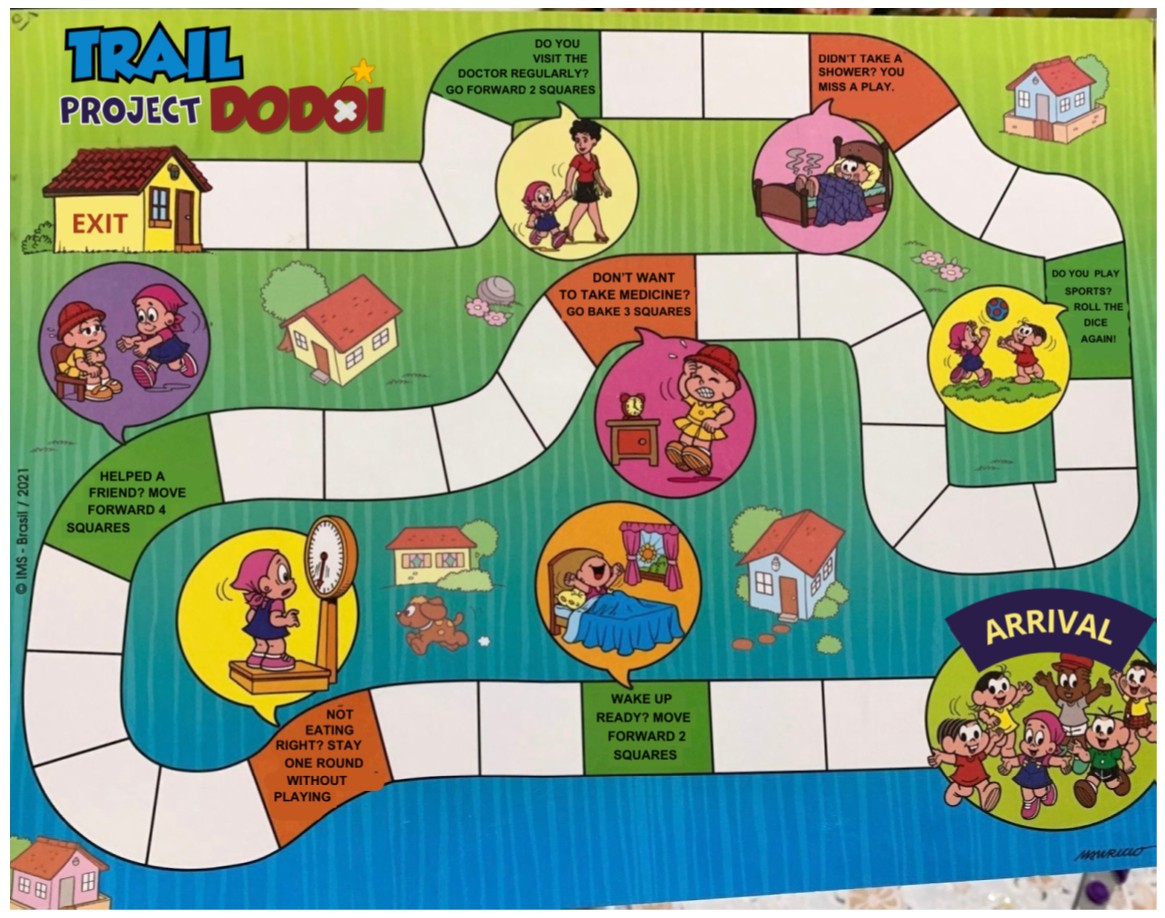
BACKGROUND AND OBJECTIVES Virtual reality (VR) and play therapy represent important methods to be implemented in the face of painful processes faced in the therapeutic path of children and adolescents with cancer. The objective of this study was to investigate the influence of VR and play therapy with board games for pain reduction in children and adolescents undergoing cancer treatment.
METHODS This is a quasi-experimental study, with non-probabilistic sampling. The population consisted of children and adolescents treated at the pediatric oncology unit of a public hospital in Paraíba state. Data collection occurred in the following stages: application of a form with demographic and clinical data of the child; assessment of pain and anxiety in children and adolescents allocated to control, VR and play therapy groups before any procedure during hospitalization, such as medication administration, dressings and afterwards. For data analysis, the Statistical Package for the Social Sciences (SPSS) software was used.
RESULTS Of the 34 participants evaluated, 59% were male, 79% aged between 4 and 10 years and 58% diagnosed with leukemia. As for pain, 3% reported moderate pain before the implementation of the treatments, and after the practices there was a reduction in the pain score in the VR group. 12% of those assessed had symptoms indicative of anxiety. There was a decrease in heart rate (HR) in all groups, with no difference in the control group.
CONCLUSION VR and play therapy have proven to be effective resources for pain relief in children and adolescents, inserting themselves as attractive forms of humanized care.
Keywords:
Cancer pain; Child; Hospitalized child; Play therapy; Virtual reality
Virtual Reality (VR) has proven to be an effective therapeutic intervention for reducing pain levels in children and adolescents undergoing cancer treatment
Strategies such as playfulness and VR were presented as tools that soften the impact of cancer treatment
The VR group was able to significantly reduce the clinical parameters analyzed among the participants

 Thumbnail
 Thumbnail