 Carbamazepine: usage profile, associated medications, adverse events, and treatment adherence - a cross-sectional study
Objective: To describe the profile, associated medications, potential adverse events (AE), anxiety levels, and treatment adherence among carbamazepine (CBZ) users.
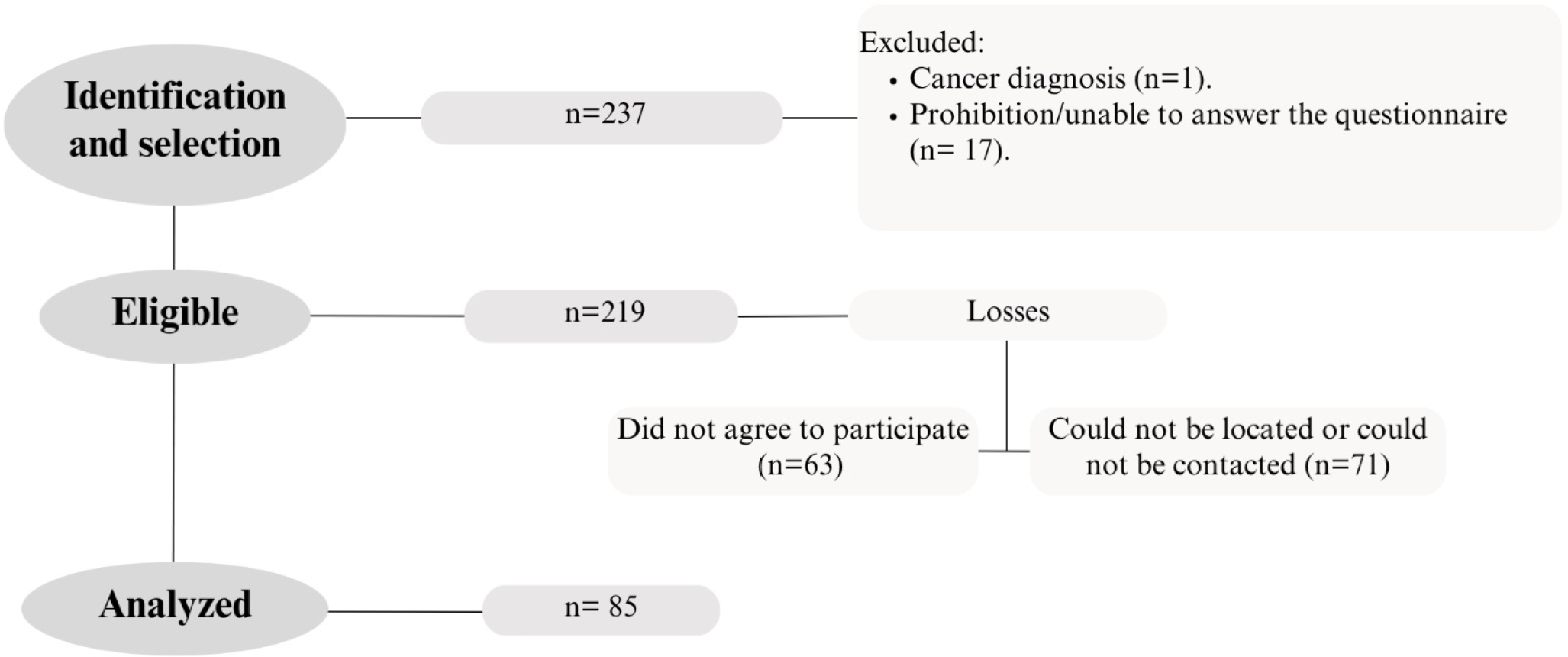
Method: Cross-sectional, descriptive, and analytical study conducted through a questionnaire and consultation of secondary data in medical records. The study was conducted in the public health system of the municipality of Ijuí.
Results: 45.9% of participants used carbamazepine for some mood disorder and 35.3% for epilepsy. 60% of the population reported adverse events, and 20% believed these were associated with the use of carbamazepine. Drowsiness (40%) and dizziness (35.3%) were the most frequent adverse events. 51.8% of participants were considered polypharmacy users. Only 3.5% of respondents were considered fully adherent to treatment.
Conclusion: It was possible to identify the profile of carbamazepine users, contributing to the understanding of the topic, given that there are few studies on this population in the literature.
DESCRIPTORS:
Epilepsy; Patient Health Questionnaire; Prescription Drugs; Polypharmacy; Mood Disorders.
1. Most patients have low adherence to treatment.
2. Adverse events are associated with moderate to severe anxiety symptoms.
3. Most patients used carbamazepine for some type of mood disorder.
4. 60% of participants reported experiencing adverse events.
 Thumbnail