
 A novel snack: terebinth milk slice
ABSTRACT:
The study examined the effects of storage conditions and storage time on certain properties of terebinth milk slices prepared with gelatin and a gelatin/starch mixture. Milk slices were produced using two different methods: gelatinous and gelatinous-starchy. These slices were stored for 90 days under refrigerated and room conditions (both in light and dark environments). Terebinth milk slices had a high total phenolic content and antioxidant capacity, according to analyses. The most common phenolic chemicals were fumaric acid, luteolin, gallic acid, syringic acid, and ellagic acid. According to fatty acid analyses, the amount of terebinth increased proportionately to the levels of oleic, linoleic, and palmitic acids. Also, it was discovered that important quality criteria like pH, color, and antioxidant activity were not significantly impacted by storage conditions or length. The participants preferred the gelatinous milk slices, according to sensory assessments. Beyond just being a conventional coffee ingredient, the results indicate that terebinth can play a substantial role in the creation of functional foods.
Key words:
terebinth; milk slice; phenolic; antioxidant.
RESUMO:
O estudo examinou os efeitos das condições de armazenamento e do tempo de armazenamento em certas propriedades de fatias de leite de terebinto preparadas com gelatina e uma mistura de gelatina/amido. As fatias de leite foram produzidas através de dois métodos diferentes: gelatinoso e gelatinoso-amido. Estas fatias foram armazenadas durante 90 dias em condições refrigeradas e ambientes (tanto em ambientes luminosos como escuros). As fatias de leite de terebinto apresentaram um elevado teor de fenólicos totais e capacidade antioxidante, de acordo com as análises. Os produtos químicos fenólicos mais comuns foram o ácido fumárico, a luteolina, o ácido gálico, o ácido siríngico e o ácido elágico. De acordo com as análises de ácidos gordos, a quantidade de terebinto aumentou proporcionalmente aos níveis de ácidos oleico, linoleico e palmítico. Além disso, verificou-se que critérios importantes de qualidade, como o pH, a cor e a atividade antioxidante, não foram significativamente impactados pelas condições de armazenamento ou pelo comprimento. Os participantes preferiram as fatias de leite gelatinoso, de acordo com as avaliações sensoriais. Para além de ser apenas um ingrediente convencional do café, os resultados indicam que o terebinto pode desempenhar um papel substancial na criação de alimentos funcionais.
Palavras-chave:
terebinto; fatia de leite; teor fenólico; atividade antioxidante
INTRODUCTION
Terebinth, also known as Pistacia terebinthus, is an aromatic medicinal plant from the Anacardiaceae family. It grows mainly in the Mediterranean and Asian regions (ÖZCAN, 2004). Traditionally used in ancient times for spice and medicinal purposes, terebinth fruits contain solid oil, resin and volatile oil (BAYTOP, 1999). In southern Turkey, the fruit is used in cookies, and in rural areas, it is usually mixed with ingredients such as walnuts and dried cloves and used in the production of special village bread baked on a sac (TANKER & TANKER, 1990). While terebinth fruits are considered a food source for humans due to their richness in protein, fiber, unsaturated fatty acids and minerals, different parts of the mastic tree have been evaluated as medicinal aromatic plants (ÖZCAN, 2004; EYTEMIŞ, 2016). In some regions, pistachio fruit is powdered and combined with various spices to produce a breakfast product called “zahter” (HAYOGLU, 2010; HAYOGLU et al., 2016). HAYOGLU et al. (2010) stated that it can also be used as a flavoring in the confectionery sector and in their research on the possible use of terebinth, it was found that the ash, moisture and sugar contents of candies made from roasted and unroasted terebinth were 1.83% and 1.23%, 2.67% and 3.78%, 70% and 60%, respectively. Menengiç coffee is also known as the instant coffee and decaffeinated coffee of the east and southeast (TIRYAKI & AK, 2009; BULUT et al., 2025). In the study conducted by HAYOGLU et al. (2016), they produced ready-to-use functional zaatar by mixing olive oil and terebinth oils and found that the panelists largely preferred products containing terebinth oil. Pistachio, a food rich in aromatic content, has been the subject of many studies due to its antioxidant and flavonoid properties (DOĞAN et al., 2007; TOPÇU et al., 2007; KAVAK et al., 2010; ORHAN et al., 2012; SAMARTH et al., 2017; CEYLAN et al., 2019; ÖZYURT et al., 2021; KÖTEN & ÜNSAL, 2022).
Today, the increasing demand for healthy and practical products has led to the emergence of healthy new and different products. However, studies on milk slices are limited in the literature. The study focused on the production possibilities of terebinth milk slice, a new product, in order to reveal a different application area for terebinth in the food sector and to bring a new food product to the food industry. For this reason, ground terebinth prepared with milk, gelatin and starch was processed into milk slices and stored in various environments (dark, light and refrigerator) for 90 days, and changes in quality criteria were examined over time. Since gelatin and starch are used in the production of chewy confectionery products due to their easy availability, moisture retention, elasticity and texture forming properties, gelatin and starch were also used in the production of milk slices.
MATERIALS AND METHODS
The materials used were sugar (supplied from local markets), milk (supplied from local farm), starch (wheat starch provided from the local market), gelatine (from the regional market) and ground terebinth (from the domestic market) In the production of terebinth milk slices, a preparation based on the traditional method of making terebinth coffee has been applied, which has been determined by preliminary trials.
Terebinth milk slice production
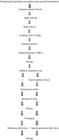
The milk brought to the laboratory in quantities determined for production was placed in a 15-liter container. Ground terebinth and sugar were added to it in the amounts determined in preliminary trials. The products were cooked at 105 ºC for 20 minutes. The prepared product was filtered with a sieve to separate it from the sediments. In order to prevent the product from spoiling, sodium benzoate, a preservative, was added in a ratio of 1000:1. The measured amount of product was transferred to two different 8-liter pots. When the temperature of the product reached 70 ºC, gelatin was added to one of the pots and stirred for 15 minutes. When it reached the desired consistency, it was removed from the heat source. When the product in the other pot also reached 70 ºC, gelatin and starch were added, and heating and stirring continued until it reached the desired consistency, then removed from the heat source. The products were then immediately poured into molds with a thickness of 0.5 cm. The products were allowed to rest for 24 hours. The rested milk slices were cut into slices measuring 0.5 x 0.6 cm. Milk slices of the specified dimensions were packaged with polypropylene packaging material with a thickness of 32 microns. The production flow diagram for terebinth milk slices is given in figure 1. Two different methods were applied for the production of milk slices. While gelatin alone was used in some of the produced milk slices, starch and gelatin were used together in the others. The produced milk slices were stored for 90 days under brightness, darkness, and refrigerator conditions. Analyses were conducted at one-month intervals before and during storage of the terebinth milk slices to monitor changes monthly.
Analyzes of terebinth milk slices
Titration Acidity: 10 mL of the samples homogenized from trellis milk slices were taken into a beaker, 2-3 drops of phenolphthalein were dropped on it and titrated with 0.1 N NaOH solution until it turned slightly pink. The result was calculated according to equation 1 and determined in terms of lactic acid (%) (CEMEROĞLU, 2007).
%Acidity = (Amount of NaOH used (mL) × 0.009 × 100) x Sample amount-1 (1)
pH: pH values of the terebinth milk slice were measured by using a digital pH meter by dipping the probe directly into the terebinth milk slice (CEMEROĞLU, 2007).
Water activity: The amount of water activity was determined using a table type water activity device (Hygropalm Aw1; Rotronic, Basserdorf, Switzerland).
Total dry matter: 10 g of the prepared terebinth milk slice samples were placed in tared drying containers. The samples were dried at 75 ºC for 4-5 hours until they reached a constant weighing weight. The dried samples were kept in the desiccator until they cooled. Then weighing was done. The result was calculated according to equation 2 (CEMEROĞLU, 1992).
% Dry Matter = (m3 - m1) x (m2 - m1)-1 x 100 (2)
m1: Weight of empty drying container and lid (g)
m2: Weight of the drying container containing the test sample and its lid before drying (g)
m3: Weight of test sample, drying container and lid after drying (g)
Ash amount: Terebinth milk slice samples, brought to constant weight, were placed in crucibles by taking a 10 g sample. The samples in the crucible were kept in the muffle furnace at 550 ºC until they turned white and gray ash color. Then the samples were placed in the desiccator to cool. The cooled samples were weighed on a precision scale. The result was calculated according to equation 3 (DIAMANTOGLOU et al., 1989).
%Ash = ((Tare+ Ash)-Tare) x ((Tare+ Example)-Tare)-1 x100 (3)
Color Analysis: The color of terebinth milk slices was calculated using the Color Quest XE model device. L* value indicates whiteness-brightness, a* indicates green-red, b* indicates yellow-blue color (CEMEROĞLU, 2007).
Antioxidant capacity (DPPH): The antioxidant capacities of the samples were measured using the DPPH method.
Reagents
DPPH (1-diphenyl-2-picrylhydrazyl radical; 0.0035 g in 10 mL of methanol)
10 mM Trolox in ethanol (25.0 mg in 10 mL)
Weigh 100 mg sample and 1mL methanol. Vortex and sonicate for 5 minutes. Samples are centrifuged (2000 rpm, 10 min.) and kept on ice. The supernatant obtained was diluted 10-fold and filtered (0.45 µm and 13 mm Ø). Stock DPPH was diluted to 1,000 absorbance with methanol and added to wells in a microplate at 250 µl each. The plate was then uncovered and read at 515 nm. Subsequently, 2 µl of the sample was added to the wells, the plate was covered, and readings were taken after 50 minutes. Calculation was obtained by subtracting the initial absorbance from the final and blank absorbance. The calibration curve is made with Trolox (water-soluble synthetic analogue of vitamin E) in a range between 10-0.1 mmol g-1 and the data are expressed as mmol Trolox g-1 (MENA et al., 2011).
Phenolic substance (Folin-Ciocalteu)
For extraction, 10 g of sample was vortexed and sonicated in 90 ml of methanol for 10 minutes. Samples were centrifuged (2000 rpm, 10 min). The obtained supernatant was diluted (10-fold) and filtered (0.45 µm and 13 mm Ø). The obtained extract was used for analysis. Terebinth milk slices were prepared in 2 parallels for total phenolic substance determination by the Folin-Ciocalteu method. 15 μl extract is added to the micro plate. It is added to 170 μl pure water (Milli-Q). 12 μl of 2N Folin-Ciocalteu solution is added and the plate is mixed thoroughly. 30 μl of 20% Na2CO3 is added and mixed. Then, it is kept in the dark in room conditions for 60 minutes. It is added to 73 μl of pure water and placed in the device. Readings were made based on pure water at 765 nm absorbance. Gallic acid dilutions (1-100 mg 100 ml-1, dissolved in 10 % ethanol) were used for the calibration curve. The results were expressed as mg gallic acid g-1 (MEDINA-REMÓN et al., 2009).
Phenolic fraction: The phenolic matter fractions of the samples were determined using LC-MS/MS.
Device used: Shimadzu LCMSMS-8030
Column: Inertsil ODS 4; 2 um. 2.1X 50 mm
Mode: Binary gradient
Pump A: LC-20ADXR
Pump B: LC-20ADXR
Total Flow: 0.4000 mL(min)-1
Mobile Phase A: %0.1 Formic acid + water
Mobile Phase B: %0.1 Formic acid + Methanol
B Conc.: 5.0%
B Curve: 0
PressMax: 660 bar
Autosampler Model: SIL-20ACXR
Oven (Column Oven) Model: CTO-10ASvp
Oven (Column Oven) Temperature: 40 ºC
Maximum Temperature: 85 ºC
<LC Time Program>>
Time Module Command Value
4.00 Pumps Pump B Conc. 95
7.00 Pumps Pump B Conc. 95
7.01 Pumps Pump B Conc. 5
12.00 Controller Stop
Peroxide Value
1 gram of oil samples extracted appropriately from terebinth milk slices are weighed in an Erlenmeyer flask. To the samples, 10 ml of chloroform is added, and the flask is rapidly shaken to dissolve the fat. Subsequently, 15 ml of acetic acid and 1 ml of potassium iodide are added sequentially to the flask, and the flask is capped and shaken for 1 minute. It is left in the dark for 5-10 minutes. Then, 75 ml of distilled water and 1 ml of starch solution are added. It is titrated with 0.01 N sodium thiosulfate (Na2S2O3) solution. After titration, the black-blue color turns to white-transparent. The peroxide value analysis employs the method recommended by AOAC (AOAC, 2000).
GC-MS Fatty Acid Analysis
Extraction: Oil samples were methylated according to the method specified in TS EN ISO 12966:2. For this purpose, 100 mg of oil sample was placed in a test tube with 2 ml of isooctane and thoroughly mixed. Then, 200 µl of 2 N methanolic (KOH) solution was added and mixed again. After waiting for approximately 30 minutes, 1 µl was taken from the upper phase and injected into the GC (TS, 2017).
Chromatographic Conditions: The composition of fatty acids was determined using a gas chromatography device with a Flame Ion Detector (FID), specifically the Thermo TraceGC Ultra model by Thermo. An HP-88 column (60 m) was used for the separation of fatty acids. The detector temperature was set at 280 ºC, and the injector block temperature was set at 250 ºC. The column temperature program was set as follows: after waiting for 2 minutes at 50 ºC, the temperature was increased to 180 ºC at a rate of 20 ºC per minute, then increased to 230 ºC at a rate of 5 ºC per minute, and held at this temperature for 5.5 minutes. The split ratio was set at 1:50, and the injection volume was set to 1 µl.
Texture Analysis: The texture analysis of the sample, including maximum strength (Fmax) values and hardness tests, was conducted using a TAXT2i texture analysis device (Texture Technologies Corp, Scarsdale, NY/Stable Micro Systems, Godalming, UK) with a 36 mm cylindrical probe. Graphical results were plotted as Fmax (maximum force, N) over time. Maximum force was used to determine the hardness values of the samples.
Sensory Analysis: The sensory analysis of the produced milk slice samples was conducted by panelists consisting of doctoral and master’s students as well as faculty members from the Department of Food Engineering at Harran University. Milk slice samples were evaluated by 10 individuals based on characteristics such as color, appearance, aroma, taste, richness, delayed taste, mouthfeel, and other attributes, rated on a scale of 5 points (KEMP et al., 2009; ONOĞUR, 2011).
Statistical Analysis: The experiments were conducted in two parallels and three replicates. The JMP11 software package was used for data analysis. The data obtained were evaluated using the LSD (Least Significant Difference) multiple comparison test at the significance level of P < 0.05.
RESULTS
The composition properties of terebinth used
The composition properties of terebinth used in milk slice production are as follows: 9.49% protein, 26.74% moisture, 24.57% cellulose, 45.08% fat, L* 30.28, a*-1.55, b* 3.98.
Chemical properties
Table 1 shows that the titration acidity values of the terebinth milk slice made with gelatin increased during the storage period. The highest value was found to be 3.42% in the third month. While the titration acidity value of the terebinth milk slice made with gelatin/starch was 3.10% at the beginning of storage, it decreased to 2.46% at the end. Starch is thought to act as a binding agent, causing the titration acidity value to decrease over time. In gelatin milk slices, the titration acidity value was 1.98% at the beginning of the storage, while in gelatin/starch milk slices, this value was 3.10 % (P < 0.05). In the 3rd month, the value of gelatin milk slices increased to 3.42%, while the titration acidity value of gelatin/starch products decreased to 2.46%, and both changes were found to be statistically significant (P < 0.05). Although numerical differences were found in titration acidity values depending on the storage conditions (brightness, darkness, and refrigerator), these differences were not found to be statistically significant (P > 0.05). This indicated that storage conditions do not have a significant effect on product acidity. Upon examining table 1, a significant difference (P < 0.05) was found between gelatin milk slices (6.01 ± 0.04b) and gelatin/starch milk slices (5.72 ± 0.04b) in the 0th month. This difference is believed to stem from the buffering properties of starch, which affect the pH value. The pH value of gelatin milk slices was 6.01 at the beginning of the storage and increased to 6.23 at the end of the storage period (P < 0.05). For gelatin/starch milk slices, the pH value increased from 5.72 to 6.25 between at the beginning of the storage and third month (P < 0.05). The increase in pH continued from the beginning of the storage to the second month for both types of slices. In the third month, a decrease in pH values was observed for both types. It is thought that this decrease is due to reactions occurring within the structure of milk slices, depending on the storage period.
When examining table 1, a significant decrease in water activity is observed starting from the second month, depending on the storage period. This decrease is believed to be due to the binding function of starch. The highest water activity values were observed in samples stored in the refrigerator, reaching 0.77, depending on the storage method. Regarding the production method, water activity values in gelatinous samples (0.68) were found to be higher than those in gelatin/starch samples (0.63) for those stored in a dark environment.
As seen in table 1, the dry matter content in all samples varied between 76.27% and 82.76%. The method of production, storage time, and method did not have a significant effect on the dry matter content.
An examination of table 1 reveals that the storage period and method have no significant impact on the ash content. However, the production method shows a clear distinction, with gelatinous samples exhibiting a considerably higher ash content compared to those containing gelatin/starch. This difference is likely attributed to the added starch, which dilutes the proportional ash content.
Colour
Changes in color values in terebinth milk slices during storage are given table 2. Examination of table 2 reveals that production method, storage method, and storage duration do not significantly affect the L* color values. This dark color likely stems from the inherent brownish hue imparted by the terebinth to the milk slices. The highest a* values for gelatinous samples at 2.27 ± 0.24 at the beginning of the storage, 2.11 ± 0.24 at the first month, and for gelatin/starch samples at 2.64 ± 0.24 at the second month. While storage type had no significant effect on gelatinous samples, the lowest value (1.72 ± 0.21) was found in gelatin/starch samples stored in the brightness. There were fluctuations in the b values of the samples throughout the storage period. In this regard, the highest b values were obtained in the gelatin samples with 4.21 ± 0.42 at the beginning of the storage and in the gelatin/starch samples with 3.66 ± 0.42 in the second month. The lowest values were obtained in the gelatin samples with 1.03 ± 0.42 in the second month and in the gelatin/starch samples with 2.30 ± 0.42 at the beginning of the storage. While storage type had no significant effect on gelatinous samples, the lowest value (2.34 ± 0.36) was found in gelatin/starch samples stored in the brightness.
Phenolic substance and antioxidant activity
Changes in the amount of phenolic substances and antioxidant activity in terebinth milk slices during storage are given in table 3. Phenolic compounds detected in terebinth milk slices are given in table 4. Accordingly, it can be seen that the phenolic content of the gelatin samples is higher than that of the gelatin/starch samples. While the gelatin samples gave the lowest values under Brightness conditions, they gave the highest values under darkness and refrigerator conditions. In our study, the average total phenolic content in gelatinous milk slices extracted with pure water ranged from 288.25 mg gallic acid 100g-1 to 362.75 mg gallic acid 100g-1. Similarly, the average total phenolic content in gelatin/starch milk slices ranged from 247.83 mg gallic acid 100g-1 to 294.83 mg gallic acid 100g-1. The antioxidant activity of the samples varied between 33.00 mmol Trolox 100g-1 and 41.12 mmol Trolox 100g-1.
Amount of peroxide
During the peroxide determination, peroxide values were obtained for gelatin/starch terebinth milk slices, whereas no value could be determined for terebinth milk slices produced only with gelatin. In gelatin/starch products, the initial peroxide value was 0.133 meq O2 kg-1, and with storage, the peroxide value increased to 0.46 meq O2 kg-1 due to the presence of milk fat in the environment along with fatty acids. The values in gelatin/starch products were below the limits. This indicates that terebinth milk slices can be stored for a long time.
GC MS Fatty Acids
Table 5 shows the changes in fatty acid values of terebinth milk slices during storage. The main fatty acids in these slices are oleic, linoleic, and palmitic acids. Conversely, cis-10-Heptadecenoic Acid, Heptadecanoic Acid, and Capric Acid are the least abundant. These fatty acids originate partly from the terebinth kernel’s structure and partly from the surrounding milk. According to table 5, storage conditions and duration did not affect the fatty acid values (P > 0.05).
Texture
The textural characteristics of terebinth milk slices are given in table 6. The gelatin/starch slices that were kept in the refrigerator had the maximum hardness (6388 ± 210 g), while the gelatinous slices that were kept in the dark had the lowest (5696 ± 210 g). Resilience, which indicates how well the slices bounce back after deformation, varies depending on the storage and production method. In both production methods, samples stored in the refrigerator received the lowest values (from 54 ± 5 to 86 ± 5), while samples stored in bright conditions received the highest values (from 168 ± 5 to 169 ± 5). This result indicated that temperature increases elasticity. Regarding the production method, gelatinous samples (86 ± 5) exhibited higher elasticity values compared to gelatinous/starchy samples (54 ± 5) under refrigerator conditions. This difference might be due to the starch’s effect on elasticity in the refrigerated gelatin/starch slices. According to this result, it indicates that gelatin preserves elasticity more effectively than starch in colder environments.
Sensory Properties
Table 7 provides changes in the sensory properties of terebinth milk slices during storage. As seen in table 7, gelatinous samples were preferred more in terms of appearance and color compared to starchy gelatinous samples. It was observed that storage time or storage method did not cause any decrease in the preference scores of gelatinous samples, and the scores remained at high levels between 4.70 ± 0.08 and 4.90 ± 0.08. Storage time has led to a decrease in values in starchy gelatinous samples. The value at the beginning of the storage was 4.10 ± 0.08, whereas it decreased to 3.56 ± 0.08 and 3.63 ± 0.08 in the first and second months of storage, respectively. Storage in the refrigerator, in darkness, or in brightness did not significantly affect the appearance and color values of starchy gelatinous samples, and the values ranged between 3.63 ± 0.08 and 3.86 ± 0.08. Gelatinous samples have also received high scores as smell, and it has been determined that storage time or storage method did not cause any decrease in liking scores, and the scores remained at high levels between 4.56 ± 0.12 and 4.73 ± 0.12. Starchy gelatinous samples received high scores similar to gelatinous samples at the beginning of the storage (4.50 ± 0.12), while they received lower scores in the first (3.83 ± 0.12) and second months (4.10 ± 0.12) of storage. Starchy gelatinous samples stored in light or dark (4.30 ± 0.12) received higher scores compared to starch gelatinized samples stored in the refrigerator (3.83 ± 0.12). All samples stored in brightness or darkness fell within the same statistical group with scores ranging from 4.30 ± 0.12 to 4.60 ± 0.12, while gelatinous samples stored in the refrigerator (4.73 ± 0.12) received higher scores compared to starchy gelatinous samples (3.83 ± 0.12). At the beginning of storage, taste tests conducted on gelatinous samples (4.50 ± 0.10) and starchy gelatinous samples (4.56 ± 0.10) revealed similar high scores; however, in the first and second months, the starchy gelatinous samples exhibited a significant reduction. In the first and second months of storage, the taste of gelatinous samples was found to be at a good level, at 3.96 ± 0.10 and 4.06 ± 0.10, respectively. Whereas the taste of starchy gelatinous samples was found to be slightly above the medium level, at 3.30 ± 0.10 and 3.43 ± 0.10, respectively. Gelatinous samples were valued somewhat higher than starchy gelatinous samples in brightness, darkness, and refrigerator storage (P > 0.05)
According to storage methods, the highest taste of samples stored in the refrigerator was found to be 4.53 ± 0.10 for gelatinous samples. In both the gelatinous (4.20 ± 0.11) and gelatinous starchy (4.40 ± 0.11) samples, the fullness, which measures the density in the mouthfeel, satiety, and pleasure of the terebinth milk slices, was best at the beginning of the storage. The second month has the lowest value, 3.13 ± 0.11, of all. Gelatinous samples consistently achieved slightly higher scores than starchy gelatinous samples across all storage methods (P > 0.05). The highest value (4.46 ± 0.11) was observed in gelatinous samples stored in the refrigerator. In terms of mouthfeel, which refers to the sandy structure and stickiness in the mouth, gelatinous samples gave higher scores than starchy gelatinous samples throughout the entire storage period. The highest values were obtained with 4.33 ± 0.13 in gelatinous samples and 3.96 ± 0.13 in starchy gelatinous samples at the beginning of storage. Over storage, both sample types showed a decrease, with gelatinous samples reaching their lowest value (3.46 ± 0.13) in the first month and starchy gelatinous samples reaching theirs (2.96 ± 0.13) in the second month. According to storage methods, gelatinous samples stored in the refrigerator (4.23 ± 0.13) gave higher values than starchy gelatin samples (3.36 ± 0.13) (P < 0.05). The delayed taste originating from the unique aroma of the terebinth was more pronounced at the beginning of storage (4.30 ± 0.12 in gelatinous samples, 4.36 ± 0.12 in starchy gelatinous samples). A decrease in this value was observed in the later stages of storage, with the lowest values encountered in the first month of storage, 3.06 ± 0.13 in starchy gelatinous samples, and 3.13 ± 0.13 in gelatinous samples. It was observed that storage methods had no effect on delayed taste (P > 0.05).
DISCUSSION
The composition properties of terebinth used
In POLAT & HAYOGLU (2023)’s study of pistachio, protein was 9.56, moisture in dry matter was 29.77, cellulose was 25.58, fat was 45.05, colour values were L*30.31, a*-1.53, b*3.96. The values stated by POLAT & HAYOGLU (2023) and BULUT et al. (2025) are consistent with the values we found, and small differences between them are thought to be due to the conditions in which the products are grown, as CEMEROĞLU (2007) points out.
Chemical properties
Storage conditions do not have a significant effect on product acidity. Similarly, DOĞAN et al. (2007) stated in our study that acidity in fruit yogurts with added terebinth extract increased depending on the storage period. It is thought that the pH decrease is due to the reactions that occur in the structure of milk slices depending on the storage period. In a study conducted by ALTUNTAŞ et al. (2020), the average pH value in terebinth fruit was 5.70, while it was 6.49 in the seed. The pH values obtained in this study are in these ranges.
Colour
Examination of table 2 reveals that production method, storage method, and storage duration do not significantly affect the L* color values. This finding aligns with POLAT’s (2016) study on terebinth seeds, which reported a similar value near 30.
Total Phenolic Content and Antioxidant activity
In BULUT et al. (2019) study on terebinth coffee, the phenolic content was found to be 361.65 mg gallic acid 100 g-1 in coffees prepared with water, while it was 336.77 mg gallic acid 100 g-1 in coffees prepared with milk. Similarly, the average total phenolic content in gelatin/starch milk slices ranged from 247.83 mg gallic acid 100 g-1 to 294.83 mg gallic acid 100 g-1. We observed the total phenolic content of milk slices with terebinth was similar to the findings reported by BULUT et al. (2019). KAYA & ÖZER (2015) investigated the phenolic content of Pistacia terebinthus fruit in the Elazığ region, identifying vanillic acid, resveratrol, caffeic acid, quercetin, and ferulic acid. The measured values ranged from 9.667 ppm for ferulic acid to 373.5 ppm for resveratrol. DURAK & UÇAK (2015) analyzed the phenolic content of 12 different pistachio nut samples. They found a significantly higher total phenolic content (between 12,189 and 36,392 mg GAE 1000 g-1) compared to the levels reported by KAYA & ÖZER (2015) for Pistacia terebinthus fruit. Additionally, they observed a positive correlation between the total phenolic content and antioxidant activity (DPPH inhibition) of the pistachio nut samples. It was determined that storage time, storage conditions and production methods did not have a major effect on the total antioxidant activity. Similarly, in the study conducted by BULUT et al. (2025) on terebinth coffee, no significant decrease was observed in the amounts of antioxidants and phenolic substances during storage. These findings suggested that potential factors like geographical origin or processing methods can influence the phenolic content and antioxidant properties.
GC MS Fatty Acids
When the degree of effect of storage conditions and duration on fatty acid values is examined, it is consistent with the findings of ÖZCAN (2004), BULUT et al. (2019), KAYA & ÖZER (2015) that oleic acid values ranged from 57.7% to 45.88%, palmitic acid values ranged from 24.66% to 21.1% and linoleic acid values ranged from 23.63% to 16.8%. These reported values are consistent with the fatty acid profile observed in terebinth milk slices. This research focused on the potential for producing terebinth milk slices, a healthier functional food, using terebinth a traditional, naturally occurring beverage with high antioxidant capacity that is popular in our nation. The following conclusions were reached as a result of the study’s findings. It has been determined that terebinth and milk slices complement each other, and the antioxidant capacity increases in terebinth milk slices due to the presence of terebinth. It has been found that they are rich in phenolic compounds, with the highest values being ellagic acid, gallic acid, luteolin, fumaric acid, and syringic acid. These data obtained are similar to the data stated by BULUT et al. (2025). It has been determined that oleic, linoleic, and palmitic fatty acids are more abundant in terebinth milk slices. In sensory evaluations conducted on terebinth milk slices, it was determined that milk slices made with gelatinous were preferred more by panelists compared to those made with starchy gelatinous. It was also found that gelatin milk slices maintained their distinctive appearance, color, aroma, taste, and fullness characteristics throughout the storage period. However, it was observed that starchy gelatinous samples also received above average scores, and moreover, the preference scores at the beginning of production were good or above good. This outcome indicates that products with functional properties like these will play an important role both in introducing new products to the food industry and in promoting healthy nutrition. It has been determined that terebinth, traditionally used in coffee making, particularly complements the milk slice enjoyed by children, indicating the potential for further research and development of such healthy and functional products. This would not only be beneficial for health and nutrition but also for the food industry and added value.
ACKNOWLEDGMENTS
This study was supported by Harran University Scientific Research Projects Unit (HUBAB) within the scope of project no: 21303.
REFERENCES
-
ALTUNTAŞ, E. et al. Determination of physical, mechanical and chemical properties of terebinth fruits and seeds. Kahramanmaraş Sütçü İmam University Journal of Agriculture and Nature, v.23, n.6, p.1518-1528.2020. Available from: <Available from: https://doi.org/10.18016/ksutarimdoga.v23i54846.722274 >. Accessed: Apr 27, 2020. doi: 10.18016/ksutarimdoga.v23i54846.722274.
» https://doi.org/10.18016/ksutarimdoga.v23i54846.722274.» https://doi.org/10.18016/ksutarimdoga.v23i54846.722274 - AOAC. AOAC Official Method 965.33 Peroxide Value of Oils and Fats. AOAC International. 2000.
- BAYTOP, T. Treatment with plants in Turkey. Nobel Medical Bookstore. p.324-325, 1999.
-
BULUT, G. et al. The medicinal and wild food plants of Batman City and Kozluk District (Batman-Turkey). Agriculturae Conspectus Scientificus, v.84, n.1, p.29-36, 2019. Available from: <Available from: https://hrcak.srce.hr/218532 >. Accessed: Mar. 27, 2024.
» https://hrcak.srce.hr/218532 -
BULUT, S. et al. The production of ready to drink terebinth coffee and the changes occurring during storage. Harran Tarım ve Gıda Bilimleri Dergisi, v.29, n.1, p.145-161, 2025. Available from: <http://doi.org/10.29050/harranziraat.1564513>. doi: 10.29050/harranziraat.1564513.
» https://doi.org/10.29050/harranziraat.1564513» http://doi.org/10.29050/harranziraat.1564513 - CEMEROĞLU, B. Food analysis. Society of Food Technology Publications, Ankara, Turkey, 2007, 535 pp.
- CEMEROĞLU, B. Basic analysis methods in fruit and vegetable processing industry, University Book Series, Biltav edition, 1992, n.02-2.
-
CEYLAN, Ş. et al. Determination of antioxidant and antimicrobial activities of some medicinal plants grown in Şırnak region of Turkey. Erzincan University Journal of Science and Technology, v.12, n.2, p.628-638, 2019. Available from: <Available from: https://doi.org/10.18185/erzifbed.461319 >. Accessed: Mar. 27, 2024. doi: 10.18185/erzifbed.461319.
» https://doi.org/10.18185/erzifbed.461319.» https://doi.org/10.18185/erzifbed.461319 -
DİAMANTOGLOU, S. et al. Energy content, storage substances, and construction and maintenance costs of Mediterranean deciduous leaves. Oecologia, v.81, p.528-533, 1989. Available from: <Available from: https://doi.org/10.1007/BF00378964 >. Accessed: Mar. 27, 2024. doi: 10.1007/BF00378964.
» https://doi.org/10.1007/BF00378964.» https://doi.org/10.1007/BF00378964 -
DOĞAN, C. et al. Determination of total phenolic substance contents and antioxidant activities of melengiç fruits from Siirt Region. Harran Journal of Agriculture and Food Sciences, v.21, n.3, p.293-298, 2007. Available from: <Available from: https://doi.org/10.29050/harranziraat.339340 >. Accessed: Mar. 27, 2024. doi: 10.29050/harranziraat.339340.
» https://doi.org/10.29050/harranziraat.339340.» https://doi.org/10.29050/harranziraat.339340 -
DURAK, M. Z.; UÇAK, G. Solvent optimization and characterization of fatty acid profile and antimicrobial and antioxidant activities of Turkish Pistacia terebinthus L. extracts. Turkish Journal of Agriculture and Forestry, v.39, n.1, 2015, p.10-19. Available from: <Available from: https://doi.org/10.3906/tar-1403-63 >. Accessed: Apr. 23, 2024. doi: 10.3906/tar-1403-63.
» https://doi.org/10.3906/tar-1403-63.» https://doi.org/10.3906/tar-1403-63 -
EYTEMIŞ, A. Investigation of the potential of instant coffee production from terebinth (Pistacia terebinthus L.) seeds. Kahramanmaraş Sütçü İmam University-Institute of Science-Department of Bioengineering and Sciences, 2016. Available from: <Available from: https://doi.org/10.18016/ksutarimdoga.v23i54846.722274 >. Accessed: Apr 23, 2024. doi: 10.18016/ksutarimdoga.v23i54846.722274.
» https://doi.org/10.18016/ksutarimdoga.v23i54846.722274.» https://doi.org/10.18016/ksutarimdoga.v23i54846.722274 -
HAYOGLU, I. et al. Cream zahter: a functional food some chemical and sensory properties. Current Research in Nutrition and Food Science, 4 (Special Issue), p.32, 2016. Available from: <Available from: http://www.foodandnutritionjournal.org/vol04nospl-issue-conf-october-2016/cream-zahter-a-functional-food-some-chemical-and-sensory-properties/ >. Accessed: Apr. 23, 2024. doi: 10.12944/CRNFSJ.4.Special-Issue-October.05.
» https://doi.org/10.12944/CRNFSJ.4.Special-Issue-October.05.» http://www.foodandnutritionjournal.org/vol04nospl-issue-conf-october-2016/cream-zahter-a-functional-food-some-chemical-and-sensory-properties/ -
HAYOGLU, I. et al. Menengicin sekerleme uretiminde Kullanım Olanakları. HR.Ü.Z.F.Dergisi, v.14, n.4, p.57-62, 2010. Available from: <Available from: https://dergipark.org.tr/tr/download/article-file/172331 >. Accessed: Apr. 23, 2024.
» https://dergipark.org.tr/tr/download/article-file/172331 -
KAVAK, D. D. et al. Pistacia terebinthus extract: As a potential antioxidant, antimicrobial and possible β-glucuronidase inhibitor. Journal of Molecular Catalysis B: Enzymatic, v.64, n.3-4, p.167-171, 2010. Available from: <Available from: https://doi.org/10.1016/j.molcatb.2010.01.029 >. Accessed: Apr. 23, 2024.
» https://doi.org/10.1016/j.molcatb.2010.01.029 -
KAYA, F.; ÖZER, A. Characterization of extracted oil from seeds of terebinth (Pistacia terebinthus L.) growing wild in Turkey. Turkish Journal of Science and Technology, v.10, n.1, p.49-57, 2015. Available from: from: <Available from: from: https://dergipark.org.tr/en/pub/tjst/issue/29285/313548 >. Accessed: Apr. 23, 2024.
» https://dergipark.org.tr/en/pub/tjst/issue/29285/313548 -
KEMP, S. E. et al. Sensory evaluation: a practical handbook. John Wiley & Sons. 2011. Available from: <Available from: https://onlinelibrary.wiley.com/doi/book/10.1002/9781118688076 >. Accessed: Apr. 23, 2024. doi: 10.1002/9781118688076.
» https://doi.org/10.1002/9781118688076.» https://onlinelibrary.wiley.com/doi/book/10.1002/9781118688076 -
KÖTEN, M.; ÜNSAL, A. S. Nutritional, chemical and cooking properties of noodles enriched with terebinth (Pistacia Terebinthus) fruits roasted at different temperatures. Food Science and Technology, v.42, e47120, 2021. Available from: <Available from: https://doi.org/10.1590/fst.47120 >. Accessed: Apr. 23, 2024. doi: 10.1590/fst.47120.
» https://doi.org/10.1590/fst.47120.» https://doi.org/10.1590/fst.47120 -
MEDINA-REMÓN, A. et al. Rapid Folin-Ciocalteu method using microtiter 96-well plate cartridges for solid phase extraction to assess urinary total phenolic compounds, as a biomarker of total polyphenols intake. Analytica Chimica Acta, v.634, n.1, p.54-60, 2009. Available from: <Available from: https://doi.org/10.1016/j.aca.2008.12.012 >. Accessed: Apr. 23, 2024. doi: 10.1016/j.aca.2008.12.012.
» https://doi.org/10.1016/j.aca.2008.12.012.» https://doi.org/10.1016/j.aca.2008.12.012 -
MENA, P. et al. Phytochemical characterisation for industrial use of pomegranate (Punica granatum L.) cultivars grown in Spain. Journal of the Science of Food and Agriculture, v.91, n.10, p.1893-1906, 2011. Available from: <Available from: https://doi.org/doi.org/10.1002/jsfa.4411 >. Accessed: Apr. 23, 2024. doi: 10.1002/jsfa.4411.
» https://doi.org/10.1002/jsfa.4411.» https://doi.org/doi.org/10.1002/jsfa.4411 - ONOĞUR, T. A. Sensory evaluation of foods. Sidas Publishing, 2011.
-
ORHAN, I. E. et al. Neuroprotective potential of some terebinth coffee brands and the unprocessed fruits of Pistacia terebinthus L. and their fatty and essential oil analyses. Food Chemistry, v.130, n.4, p.882-888, 2012. Available from: <Available from: http://dx.doi.org/10.1016/j.foodchem.2011.07.119 >. Accessed: Apr. 23, 2024. doi: 10.1016/j.foodchem.2011.07.119.
» https://doi.org/10.1016/j.foodchem.2011.07.119.» http://dx.doi.org/10.1016/j.foodchem.2011.07.119 -
ÖZCAN, M. Characteristics of fruit and oil of terebinth (Pistacia terebinthus L.) growing wild in Turkey. Journal of the Science of Food and Agriculture, v.84, n.6, 2004, p.517-520. Available from: <Available from: https://doi.org/10.1002/jsfa.1632 >. Accessed: Apr. 23, 2024. doi: 10.1002/jsfa.1632.
» https://doi.org/10.1002/jsfa.1632.» https://doi.org/10.1002/jsfa.1632 -
ÖZYURT, M. et al. Investigation of Antioxidant Activity in Pistachio, Rhubarb and Wild Clover. Kahramanmaraş Sütçü İmam University Journal of Agriculture and Nature, v.24, n.4, p.733-737, 2021. Available from: <Available from: https://doi.org/10.18016/ksutarimdoga.vi.819974 >. Accessed: Apr. 23, 2024. doi: 10.18016/ksutarimdoga.vi.819974.
» https://doi.org/10.18016/ksutarimdoga.vi.819974.» https://doi.org/10.18016/ksutarimdoga.vi.819974 -
POLAT, S.; HAYOGLU, I. Investigation of Postharvest Drying Processes of Early Harvest (Gray Pistachio) and Normal Harvest (Ben Pistachio) Fruits in Pistachio and Changes in Free Fatty Acidity and Peroxide Value During Storage. Harran University Engineering Journal, v.8, n.1, p.9-16, 2023. Available from: <Available from: https://doi.org/10.46578/humder.1214758 >. Accessed: Apr. 23, 2024. doi: 10.46578/humder.1214758.
» https://doi.org/10.46578/humder.1214758.» https://doi.org/10.46578/humder.1214758 -
SAMARTH, R. M. et al. Medicinally important aromatic plants with radioprotective activity. Future science OA, v.3, n.4, 2017, FSO247. Available from: <Available from: https://doi.org/10.4155/fsoa-2017-0061 >. Accessed: Apr. 23, 2024. doi: 10.4155/fsoa-2017-0061.
» https://doi.org/10.4155/fsoa-2017-0061.» https://doi.org/10.4155/fsoa-2017-0061 - TANKER, M.; TANKER, N. Pharmacognosy. Ankara University Faculty of Pharmacy Publications, v.65, n.2, p.301-302, 1990.
- TIRYAKI, G.; AK, F. Our Local Tastes of Elazığ Province: Çedene Coffee. II. Traditional Foods Symposium (27-29 May 2009. Van). Proceedings Book: 2009, 593-594.
-
TOPÇU, G. et al. A new flavone from antioxidant extracts of Pistacia terebinthus Food chemistry, v.103, n.3, p.816-822, 2007. Available from: <Available from: https://doi.org/10.1016/j.foodchem.2006.09.028 >. Accessed: Apr. 23, 2024. doi: 10.1016/j.foodchem.2006.09.028.
» https://doi.org/10.1016/j.foodchem.2006.09.028.» https://doi.org/10.1016/j.foodchem.2006.09.028
-
CR-2025-0133.R1
-
DATA AVAILABILITY STATEMENT
All data is available in the article and/or supplementary files.
-
DECLARATION OF USE OF ARTIFICIAL INTELLIGENCE
During the writing of this article, the authors used ChatGPT and Deepl Write to check grammar. After using this tool, the authors reviewed and edited the content as needed and took full responsibility for the content of the publication.
Edited by
-
ASSOCIATE EDITOR:
Leandro Souza da Silva (0000-0002-1636-6643)
-
SCIENTIFIC EDITOR:
Melissa Walter (0000-0003-0535-0352)
All data is available in the article and/or supplementary files.

