
 Annotated translation of Graciliano Ramos’ short story “Baleia” into English
The aim of this study was to present an annotated translation of the short story “Baleia”, by Graciliano Ramos, into English. To this end, the annotated translation is guided by the description and discussion of the choices made to deal with elements of the Northeastern hinterland described in the work, which demarcates the Caatinga biome, exclusive to Brazilian territory. The theoretical basis is built on research by Torres (2017), on annotated translation; Berman (2013), exploring the systematics of deformation; Venuti (2019, 2021), on domestication and foreignization; Daghoughi and Hashemian (2016) and Franco Aixelá (2013), in reflections on cultural-specific items and cultural markers; and Gambier (2010), on translation strategies, among other researchers in Translation studies. The translation process described in the comments also draws on studies from other areas of knowledge, denoting the multidisciplinary interface of Translation studies, evidenced in this study by research related to the field of Biology, specifically Botany, Zoology and Phylogenetic Systematics to locate genera and species mentioned in the narrative and understand the distribution and translation possibilities of these elements through the relationship between vernacular name and scientific name. The reflection on the choices presented in the translation commentary makes explicit and theorizes the decisions made and the deliberate choice to conserve, where possible, the elements of the biome in order to finally present the translated short story.
Keywords
literary translation; annotated translation; Graciliano Ramos; caatinga
 Thumbnail
 Thumbnail
 Thumbnail
 Thumbnail
 Thumbnail
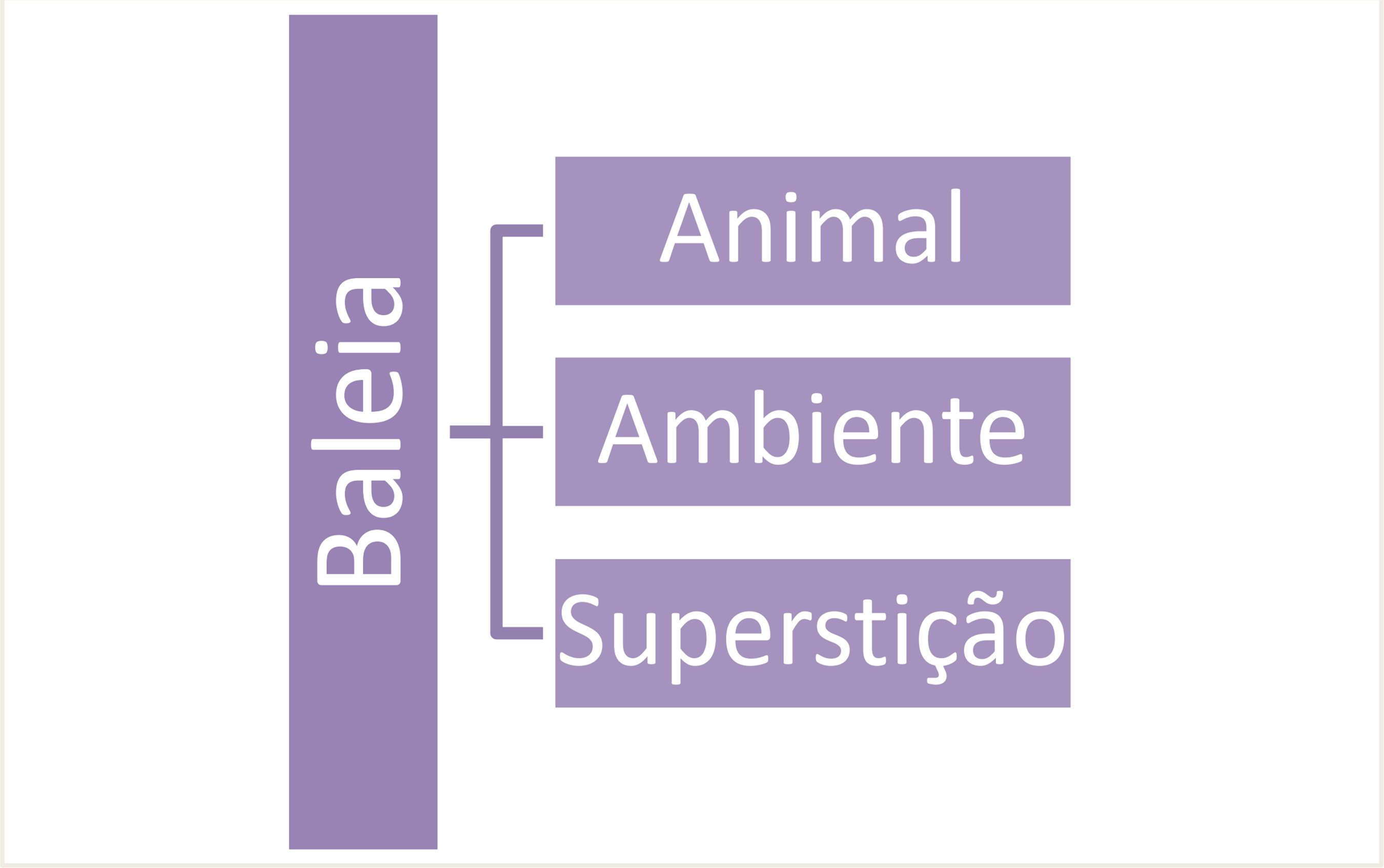 Fonte: Autor (2025)
 Fonte:
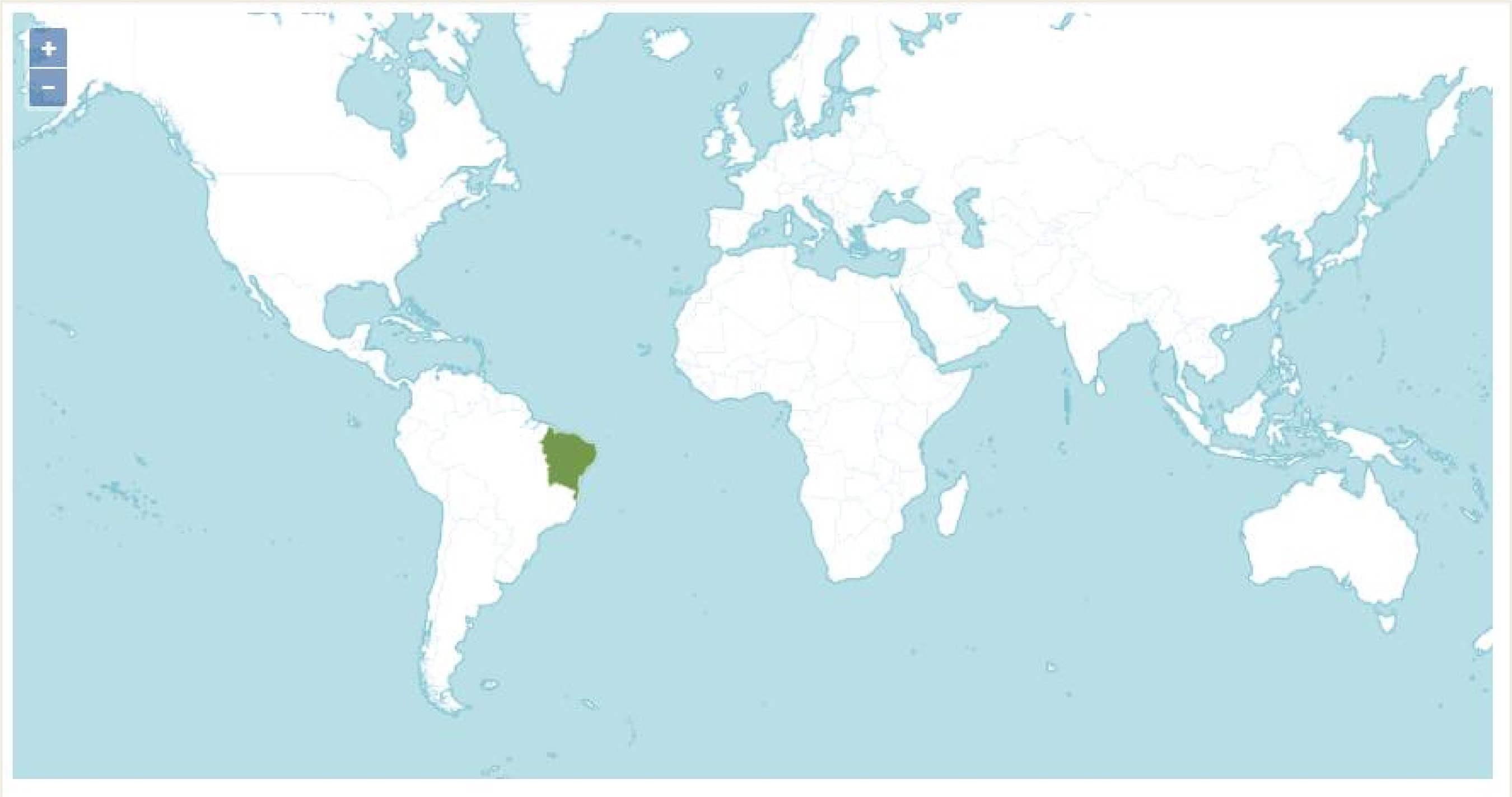 Fonte:
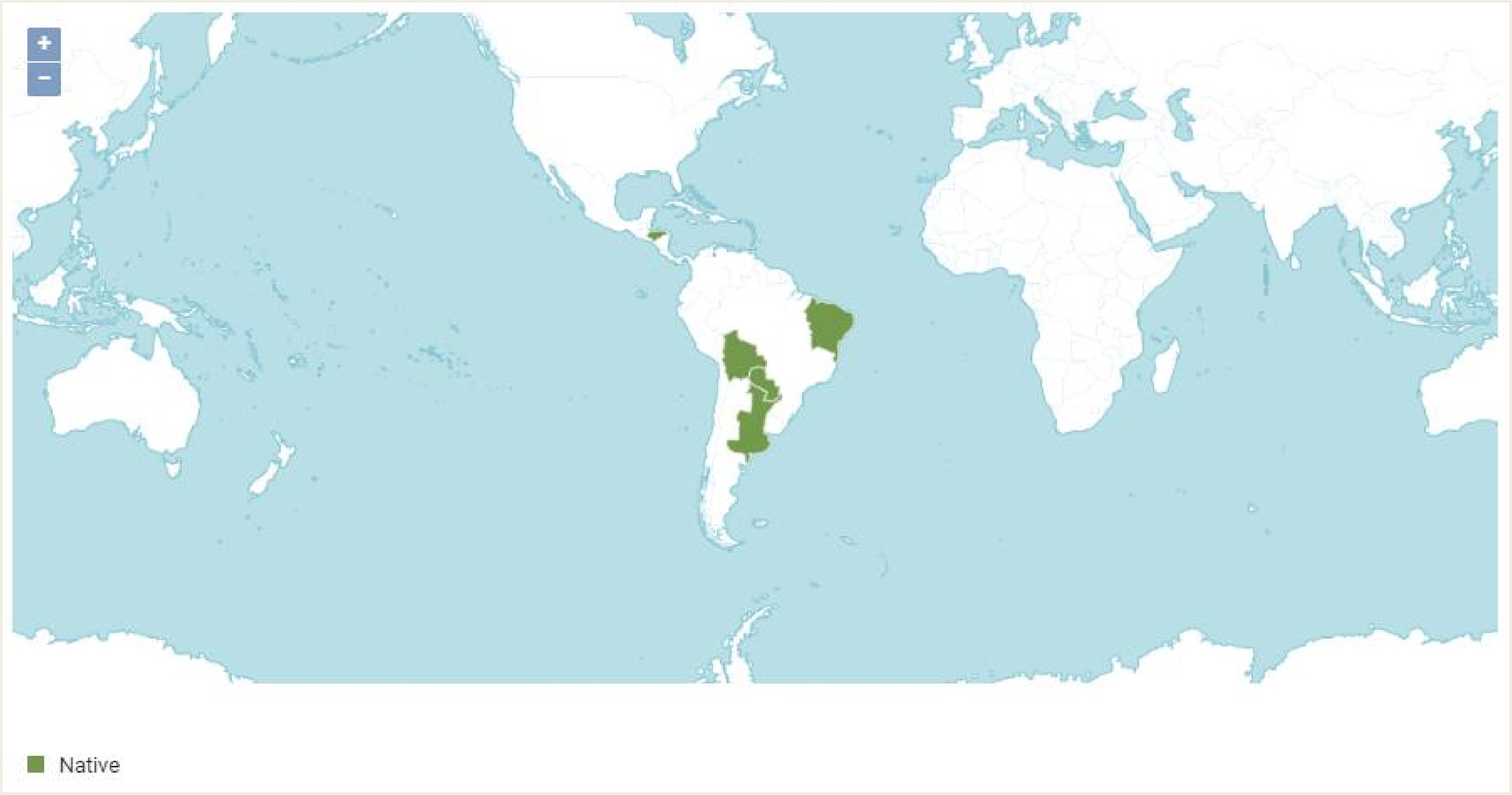 Fonte:
 Fonte: