Kinematic characteristics of perforation and droplet dynamics in oil-based emulsion pesticide sprays
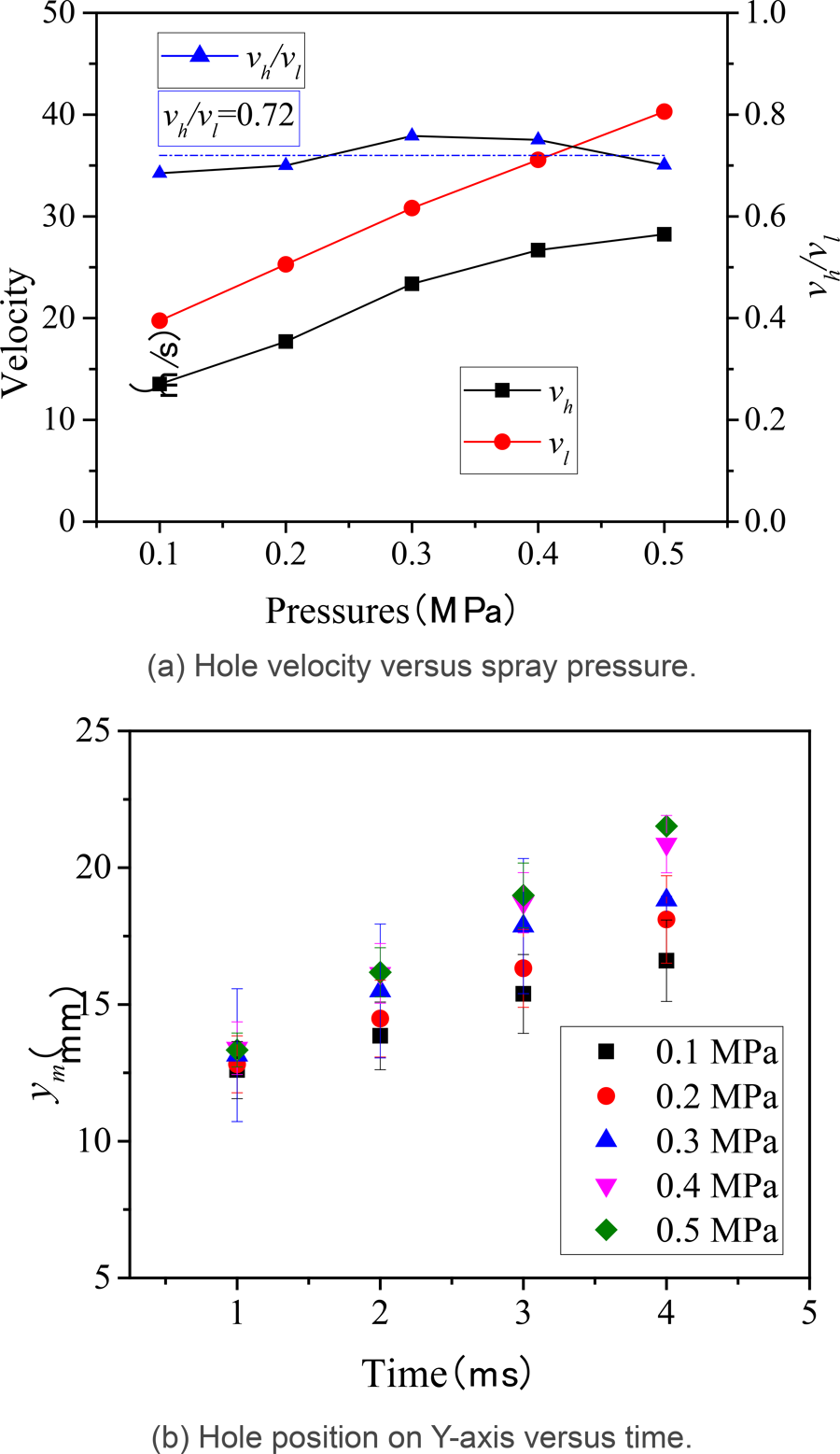
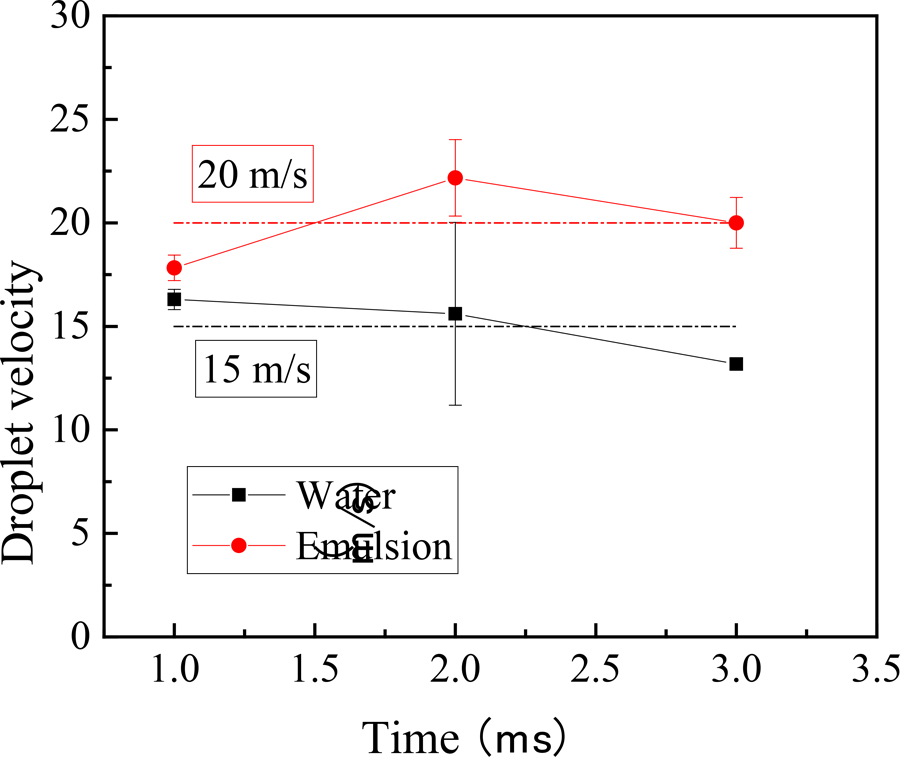
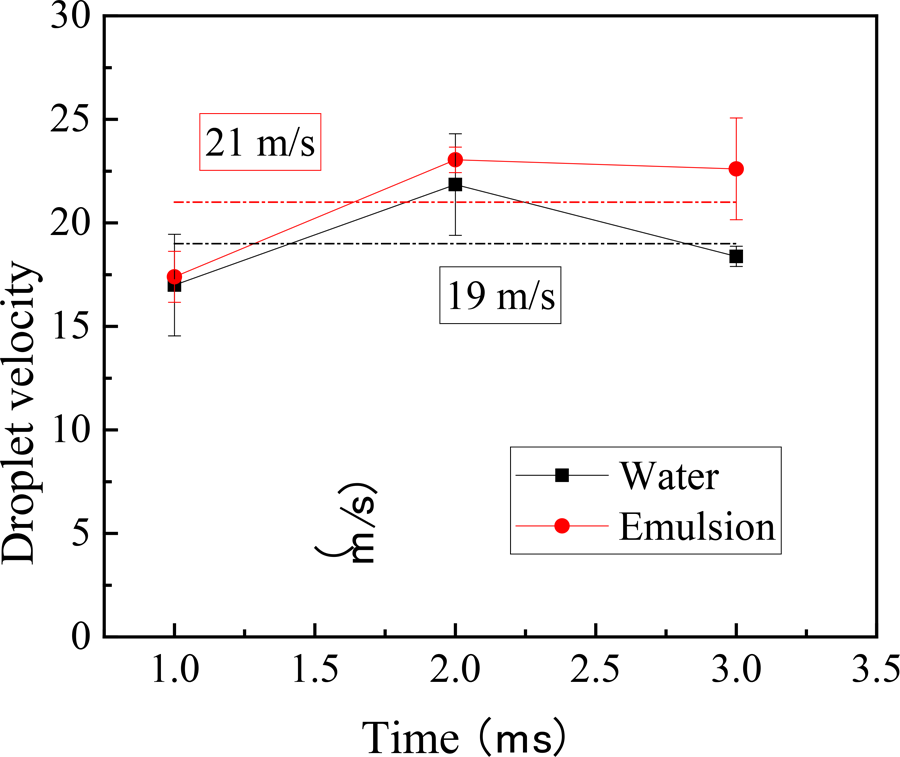
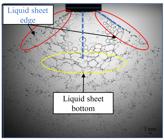
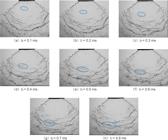
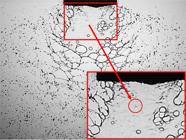
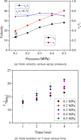
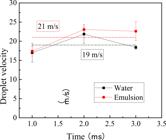
Improving the efficiency and precision of pesticide application remains a major challenge in modern agriculture, particularly for oil-based emulsions with complex atomization behaviors. This study investigates the perforation fragmentation phenomenon that occurs in the liquid sheet during emulsion atomization, which differs from that observed in water sprays. A correlation between emulsion-induced properties and perforation morphology was observed. The formation, growth, and instability of perforations under flat-fan nozzles (Lechler 110-01) were characterized, and their effects on droplet kinematics and liquid sheet evolution were analyzed. Additionally, the spray pressure and spatial position were examined to evaluate their effects on perforation dynamics and initial droplet velocity. The results show that oil-based emulsions exhibited a shorter instability evolution process, with the perforation movement reflecting a velocity trend similar to that of the liquid sheet. As the spray pressure increased from 0.1 to 0.5 MPa, the liquid sheet velocity increased from 20 to 40 m/s, whereas the perforation center velocity increased from 13.5 to 28 m/s. A consistent relationship was observed between the perforation and liquid-sheet velocities, thus suggesting that sheet momentum critically governs perforation dynamics. Moreover, the average droplet velocity of emulsion atomization (20 m/s) was significantly higher than that of water sprays (15 m/s). These findings provide insights into the kinematic behavior of perforation-driven breakup in emulsion sprays and enhance understanding of atomization mechanisms in oil-based pesticide formulations.
Keywords:
agriculture spray; pesticide atomization; droplet velocity; perforation breakup; kinematic characteristics
 Thumbnail
 Thumbnail
 Thumbnail
 Thumbnail
 Thumbnail
 Thumbnail
 Thumbnail