 BUILDING GENERATIONAL BRIDGES: BENEFITS AND CHALLENGES OF INCLUDING OLDER ADULTS IN UNIVERSITY
 Abstract: As populations age, universities have the opportunity to become inclusive spaces for older adults-whether as students, professionals, or participants in community-based initiatives such as extension projects. This study aimed to systematize academic research on intergenerational relationships and practices in university environments. The specific objectives were to explore the benefits and challenges of intergenerational relationships within this context and to evaluate whether existing practices align with the ten principles of the Age-Friendly University Global Network. This research was conducted as an integrative literature review. Searches were carried out in the PubMed, Scopus, and VHL databases between September and October 2024. Inclusion criteria required scientific articles featuring participants from the academic community, focusing on intergenerational relationships, their practices, and outcomes, published within the last decade. A total of 15 articles were selected for review. The findings highlighted numerous benefits of intergenerational practices, with most studies identifying ageism as the primary challenge. However, five of the ten principles of the Age-Friendly University Global Network were absent from the intergenerational practices reviewed. The lack of robust intergenerational initiatives within university settings, particularly in environments without extension projects, underscores the urgent need for policies and practices that foster meaningful intergenerational connections.
Keywords:
Intergenerationality; university practices; older adults persons; Age-Friendly University Global Network.
Resumo:
O envelhecimento da população aponta para a necessidade de as universidades se tornarem espaços de ampla inclusão para as pessoas idosas, seja como estudante, profissional ou participante de projetos, como os de extensão. Diante desse contexto, o presente estudo teve como objetivo geral sistematizar a produção acadêmica acerca das relações e das práticas intergeracionais no ambiente universitário. Os objetivos específicos foram: explorar os benefícios e desafios das relações intergeracionais nesse contexto, além de investigar se as práticas adotadas vão ao encontro dos 10 princípios da Rede Global de Universidades Amigas da Pessoa Idosa (Age-Friendly University Global Network). Este estudo caracteriza-se como uma revisão da literatura, que utilizou o PubMed, o Scopus e a Biblioteca Virtual em Saúde (BVS) como bases de dados, em uma busca conduzida entre setembro e outubro de 2024. Foram utilizados os seguintes critérios de inclusão: artigos científicos com participantes da comunidade acadêmica que apresentassem relações e práticas intergeracionais e seus efeitos, publicados nos últimos 10 anos. Ao final da busca, foram selecionados 15 artigos. Todas as publicações analisadas elencaram diversos benefícios da intergeracionalidade, sendo que a maioria identificou o idadismo como o principal desafio dessa relação. Dos 10 princípios propostos pela Rede Global de Universidades Amigas da Pessoa Idosa, cinco não foram identificados nas práticas intergeracionais analisadas. A escassez de práticas intergeracionais no contexto universitário, especialmente para além da modalidade de projetos de extensão, apontam para a urgência de iniciativas que incentivem essas ações.
Palavras-chave:
Intergeracionalidade; práticas universitárias; idoso; Rede Global de Universidades Amigas da Pessoa Idosa
Resumen:
El envejecimiento de la población apunta a la necesidad de que las universidades se conviertan en espacios de amplia inclusión para las personas mayores, ya sea como estudiantes, profesionales o participantes de proyectos, como los de extensión. En este contexto, el objetivo general de este estudio es sistematizar la literatura académica sobre las relaciones y prácticas intergeneracionales en el ámbito universitario. Los objetivos específicos son explorar los beneficios y desafíos de las relaciones intergeneracionales en este contexto, así como investigar las prácticas adoptadas para cumplir los diez principios de la Red Global de Universidades Amigables con las Personas Mayores. Este estudio se caracteriza por ser una revisión integradora de la literatura, que utilizó como bases de datos PubMed, Scopus y la Biblioteca Virtual en Salud (BVS), en una búsqueda realizada entre septiembre y octubre de 2024. Se utilizaron los siguientes criterios: inclusión: artículos científicos con participantes de la comunidad académica, que presentó las relaciones y prácticas intergeneracionales y sus efectos, publicados en los últimos 10 años. Al final de la búsqueda se seleccionaron 15 artículos. Todas las publicaciones analizadas enumeraron varios beneficios de la intergeneracionalidad, y la mayoría identificó la discriminación por edad como el principal desafío de esta relación. De los 10 principios propuestos por la Red Global de Universidades Amigas de las Personas Mayores, cinco no fueron identificados en las prácticas intergeneracionales analizadas. La escasez de prácticas intergeneracionales en el contexto universitario, especialmente más allá de los proyectos de extensión, apunta a la urgencia de iniciativas que fomenten estas acciones.
Palabras clave:
Intergeneracionalidad; prácticas universitárias; anciano; Red Global de Universidades Amigas de las Personas Mayores
Introduction
Aging within the Brazilian population is progressing at an accelerated pace compared to that observed in developed nations already categorized as aging, such as Japan and Italy (Mrejen, Nunes, Giacomin, 2023). This demographic shift presents a series of significant challenges that need a comprehensive reconfiguration of social, cultural, and educational frameworks, with particular emphasis on fostering intergenerational relationships and understanding.
Intergenerationality refers to the interaction between different generations aimed at fostering the exchange of knowledge, experiences, and the transmission of values and practices. This process enables younger students to learn from their older counterparts, and vice versa, while also allowing for the adaptation and redefinition of traditional models in light of cultural and social changes (Leite, França, 2016). According to Cohen-Mansfield and Jensen (2015), school-based programs that promote intergenerational connection yield positive outcomes in academic performance, including heightened motivation to study, improved classroom behavior, and increased attendance and participation.
Despite the many benefits of intergenerationality, some challenges need to be overcome, one of the main ones being ageism. Ageism occurs when “age is used to categorize and divide people in ways that lead to harm, disadvantage, and injustice, and that erode solidarity between generations” (World Health Organization [WHO], 2021, p. 2, our translation).
In the World Health Organization's (WHO, 2021) Global Report on Ageism, data from several countries indicate that ageism occurs in various spheres, such as public health and social care policies, the workplace, the media, access to justice, and education. However, it is important to emphasize that research on ageism and education is scarce and recent (WHO, 2021).
Intergenerational relationships are an important tool in combating ageism, especially in schools; educational interventions and intergenerationality can improve attitudes and knowledge about aging, benefiting both student education and the quality of care and social interaction offered to older adults (Tuohy et al., 2023). The WHO report (WHO, 2021) indicated that three strategies work to reduce ageism: policies and laws, educational activities, and intergenerational contact interventions (WHO, 2021).
In the university context, intergenerationality is a strategic opportunity to promote reflection, deconstruct stigmas associated with aging, and encourage inclusive practices that benefit both young and old. Fostering intergenerationality in academic programs enables the development of important skills, such as effective communication, and contributes to addressing ageism (WHO, 2021).
Studies show that intergenerational contact at universities fosters mutual development (Leite, França, 2016): young people gain a greater understanding of the aging process, while older adults benefit from the renewal provided by these interactions and strengthen their identity as productive and active members of society. Despite these advances, challenges persist, such as the lack of initiatives geared toward older adults and the low number of older students at universities, which limits the potential of this type of interaction.
An important initiative to change this scenario is the Age-Friendly University Global Network, an association of higher education institutions committed to promoting positive and healthy aging and improving the quality of life for older members of the global community. This association creates innovative educational programs and research agendas, in addition to encouraging curriculum development, online education, health and wellness activities, arts and culture programs, and civic engagement (Age-Friendly University Global Network [AFU]).
The Network was created in 2012, in Ireland, on the initiative of researchers from Dublin City University, and currently has 138 universities in 14 countries, two of which are in Brazil: the Pontifical Catholic University of Campinas, São Paulo, and, in September 2025, the Federal University of Viçosa, in Minas Gerais.
In this context, the present study's overall objective was to systematize academic literature on intergenerational relationships and practices in the university environment. The specific objectives were to explore the benefits and challenges of intergenerational relationships in this context and to investigate whether the practices adopted align with the 10 principles of the Age-Friendly University Global Network.
Through the literature review, we hope to propose reflections to strengthen intergenerationality in the university environment, fostering a richer, more inclusive, and transformative coexistence for all people involved.
Methods
This study is characterized as an integrative literature review, as defined by Souza, Silva, and Carvalho (2010, p. 102), which involves “synthesizing knowledge and incorporating the applicability of significant study results into practice.” Initially, a systematic search of scientific databases was conducted to select relevant articles from the areas of health, education, and social sciences and humanities. The databases chosen were PubMed,3 Scopus,4 and BVS,5 due to their comprehensiveness and relevance as repositories of quality academic studies.
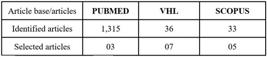
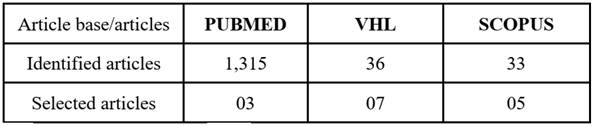
The search, conducted between September and October 2024, used specific search terms and expressions, such as “intergenerational relations,” “relação entre geração,” “convivio intergeração,” and their Spanish and English equivalents, combined with terms such as “universities,” “higher education,” and “academic spaces.” Initially, there was no limitation regarding year of publication or language, but to refine the results, only articles produced in the last 10 years, published in Portuguese, English, or Spanish, and whose full versions are available for free, were included in this search. Therefore, books, reviews, dissertations, articles published more than 10 years ago, and studies that did not address intergenerational relations and practices in academic spaces were excluded. At the end of the search, 15 articles were selected: three from PubMed, seven from VHL, and five from Scopus, as shown in Box 1:
The analysis of the selected studies consisted of identifying and categorizing the intergenerational practices described, the perceived impacts on intergenerational relationships, and the challenges associated with these practices in the university context. In addition, it investigated which of these practices align with the 10 principles presented by the Global Network of Age-Friendly Universities. Thus, the following categories of analysis were identified: 1) Intergenerationality and Universities; 2) Initiatives and principles of an age-friendly university.
The integrative review allowed for an understanding of the current state of knowledge regarding intergenerational relationships and practices in the academic environment, which can contribute to strengthening these initiatives and their application in future educational and institutional initiatives.
Results and discussion
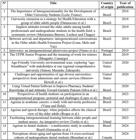
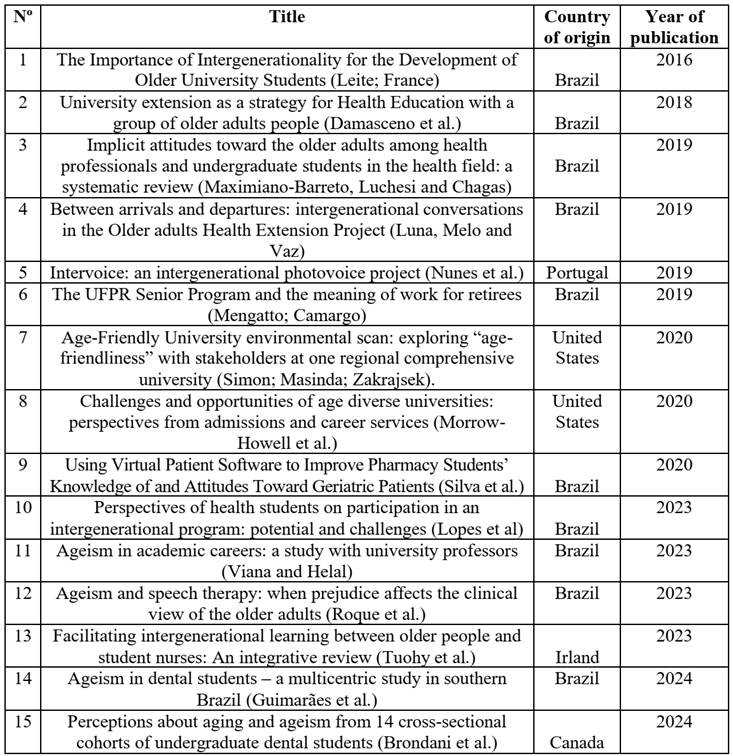
One of the 15 selected articles was published in 2016, one in 2018, four in 2019, three in 2020, four in 2023, and two in 2024. Most of the articles (10) are from Brazil, followed by the United States (two), with Canada, Ireland, and Portugal each having one article, as shown in Box 2 (which follows increasing order of year of publication: from the oldest article to the most recent).
The analysis of the literature on intergenerational relationships in academic spaces revealed different approaches and implications regarding coexistence between generations, highlighting the importance of educational and social initiatives to integrate older adults into university environments.
Leite and França (2016), in their study titled “The Importance of Intergenerationality for the Development of Older University Students,” explored the impact of intergenerational relationships on the development of older students at two private higher education institutions in the Rio de Janeiro metropolitan area. This qualitative research included semi-structured interviews with 20 participants, divided into two age groups: 10 individuals over 60 and 10 young adults aged 18 to 25, along with insights from three faculty members and two staff representatives. The findings revealed that although faculty and staff were not fully equipped to address the specific needs of older students, intergenerational interactions yielded significant benefits. For the older students, engagement with younger peers fostered a sense of personal renewal, enabling them to navigate the rapid changes of contemporary society. Additionally, this interaction reinforced their sense of belonging and identity, allowing them to feel like productive members of the academic community while promoting social inclusion through enriching exchanges across generations.
This report by nursing students from Vale do Acaraú State University, in collaboration with the Sumaré Family Health Center in Sobral, Ceará, details intergenerational activities designed to enhance the health of older adults. As part of the Interdisciplinary Teaching, Research, and Extension Practices module, educational initiatives were tailored to the interests of the participants, focusing on areas such as memory enhancement, physical exercise, healthy eating, and fall prevention. Conducted weekly at the Health Center, these activities aimed to redefine social interactions and foster group engagement among older adults, yielding benefits such as increased participation in communal practices and strengthened social connections. The study underscores that collaborative efforts, coupled with an interdisciplinary approach involving students from various fields, significantly contributed to the social inclusion and well-being of older adults. It emphasizes the essential role of intergenerationality in health promotion (Damasceno et al., 2018).
Maximiano-Barreto, Luchesi, and Chagas (2019) conducted a systematic review on implicit attitudes toward older adults among health professionals and students in health programs. The review revealed a prevailing inclination toward negative implicit attitudes, particularly among participants aged 18 to 35, who were mainly academics and health professionals. Most of the studies reviewed, which were carried out in developed countries, showed that men generally exhibited more negative attitudes than women. Additionally, the research identified that a significant factor contributing to these negative perceptions is the limited interaction students have with older adults during their university years, which hampers the development of a more positive view on aging. The utilization of the Implicit Assessment Test (IAT) across all studies highlighted a preference among interviewed professionals for younger individuals, indicating a subtle prejudice that could influence their professional practices, particularly in fields such as psychology, nursing, and medicine (Maximiano-Barreto, Luchesi, Chagas, 2019).
Luna, Melo, and Vaz's (2019) research, titled “Between Arrivals and Departures: Intergenerational Conversations in the Older adults Health Extension Project,” examined narratives from 18 medical students involved in the initiative at the Paraíba School of Medical Sciences. The project aimed to foster interactions with older adults individuals residing in a Long-Term Care Facility for the Older adults (LTCF), to raise students' awareness of the various dimensions of aging. The thematic content analysis revealed four primary categories: arrivals, different age ranges, conversations, and departures. The findings indicated that intergenerational engagement played a significant role in challenging stereotypes related to institutionalized older adults individuals and enhanced students' understanding of the aging process. Additionally, the project facilitated knowledge exchange between the academic community and the older adults, promoting a more meaningful and humanized approach to learning about aging.
Nunes et al. (2019) investigated the impact of the Intervoice Project, which applied the Photovoice methodology to a residential facility for older adults in Portugal, focusing on residents' well-being and self-esteem. The qualitative research involved older adults and psychology students, aiming to encourage learning about new technologies, promote interaction between generations, and deepen understanding of aging and institutionalization. Photography emerged as an effective tool for participants to express their perceptions and personal narratives, as well as facilitating relationships with staff and other residents. However, the study also highlighted challenges related to the physical environment, such as room size and hallway decor, which affect older adults' adaptation.
Mengatto and Camargo's (2019) article on the UFPR Senior Program investigated the meaning of work for retired employees and the impact of this participation on intergenerational relationships. The exploratory, qualitative research, with data collected through interviews, revealed that the Program plays an important role, as it allows retirees to maintain an ongoing relationship with the University, promoting their integration into social and academic life. However, the study also indicated that the institutional dynamics still lack strategies to ensure the transmission of knowledge and experience to employees before their final departure from professional life. Despite its limitations, the Program was considered positive for retirees, helping them remain active and productive. Furthermore, it improved quality of life in aging, especially by providing an environment for intergenerational interaction, with benefits for both retirees and younger members of the institution (Mengatto; Camargo, 2019).
Simon, Masinda, and Zakrajsek's (2020) study on Eastern Michigan University's (EMU) Age-Friendly University (AFU) examined the perceptions regarding the barriers, opportunities, and supports related to the coexistence of diverse age groups on campus. The research revealed several positive aspects, notably the enriching intergenerational experiences that participants noted, highlighting how the presence of older students enhances the variety of perspectives at the university. However, the study also identified several barriers that impede the inclusion of older students, including a lack of professional development focused on age inclusivity. On a micro level, participants pointed out personal challenges faced by older students, such as differing lifestyles and interactions with younger peers. On a macro level, issues such as ageism, financial constraints faced by the university, and the inaccessibility of both physical and virtual spaces were recognized as significant obstacles. Additionally, the research underscored the necessity for higher education institutions to modify their practices to better accommodate the needs of older students (Simon; Masinda; Zakrajsek, 2020).
Utilizing focus groups and thematic analysis, Morrow-Howell et al. (2020) investigated the challenges and opportunities associated with integrating older students at Washington University in the United States. The research highlighted that these students are appreciated for their determination, maturity, and contributions to academic discussions; however, they face considerable hurdles, including challenges with technology, adaptation to new learning environments, and concerns regarding the return on their educational investment. Additionally, issues such as ageism and a lack of recognition for age diversity were identified as significant barriers. Participants proposed strategies to enhance inclusion and address the needs of this demographic, including the establishment of support groups, flexible learning options, financial assistance, and increased community engagement. While there is considerable enthusiasm for fostering a more inclusive campus, it is essential to develop institutional policies and practices that effectively balance the benefits and challenges of age diversity to support these students.
Silva et al. (2020) investigated the impact of VIPAGE6 software on pharmacy student training, with an emphasis on geriatric patient care. The findings indicated a significant improvement in participants' attitudes toward older adults, evidenced by an increase in the mean score on the Geriatric Attitudes Scale. Furthermore, there was an increase in knowledge about geriatrics, demonstrated by a reduction in scores related to lack of understanding in this area. VIPAGE proved to be an effective tool for raising students' awareness of geriatric care and enhancing their skills in this field.
In 2023, Lopes et al. conducted an analysis of the perspectives held by medical, nursing, and biomedical students regarding their participation in the intergenerational Tec-Idoso program, an extension initiative at the Federal University of the São Francisco Valley in Northeast Brazil. Employing a qualitative methodology, the researchers carried out semi-structured interviews through Google Meet with six participants, exploring themes such as intergenerational contact, communication skills, and the influence on their future professional practices. The findings revealed substantial benefits, including enhanced communication skills, a positive shift in attitudes towards aging, and better preparedness to navigate both professional and personal challenges. Additionally, a notable improvement in academic performance was identified, stemming from interactions and learning experiences with older adults. This particularly highlighted the participants' increased proficiency with technology and fostered a more empathetic and inclusive understanding of geriatric needs.
The study by Viana and Helal (2023) addressed ageism in the academic environment of the Federal University of Piauí, using the Ageism Scale in the Organizational Context (EACO). The study indicated that perceptions of ageism vary according to faculty age, with older faculty often identifying more positive than negative aspects of aging in the workplace. The results showed that faculty aging is related to work experiences that promote “positive ageism,” reflecting a growing appreciation for the contributions and skills of more experienced faculty. However, although less evident among faculty in older age groups, the research also identified the presence of negative aspects associated with ageism, which highlights the complexity of intergenerational interactions in academia.
Roque et al. (2023) investigated the presence of ageism within the field of speech-language pathology, focusing on its effects on the care delivered to older adults. Through an integrative literature review, they identified ageism among both students and professionals, manifesting as stereotypes and negative attitudes towards aging. The studies examined utilized various assessment tools, including the Facts on Aging Quiz and the Kogan Scale of Attitudes Toward Older Adults, demonstrating that ageism impacts both clinical perspectives and therapeutic interactions with older adults. While the findings do not permit extensive generalizations, the study underscores the necessity for increased awareness and training on aging in the field of speech-language pathology to mitigate prejudice and enhance the quality of care.
A review by Tuohy et al. (2023) on intergenerational learning between older adults and nursing students revealed that activities such as regular visits, community gardening, and intergenerational storytelling have a positive impact on students' perceptions of aging. These projects help reduce ageism and encourage the exchange of knowledge and experiences. Based on nine studies involving 12 to 210 students and 5 to 94 older adults, the analysis highlights that intergenerational interaction in academic settings promotes a broader understanding of aging, benefiting both generations and encouraging a more inclusive approach to nursing education.
Research conducted by Guimarães et al. (2024) examined the effects of gerontological education and intergenerational contact on reducing ageism among dental students at three public universities in southern Brazil. The findings indicated that, while participants acknowledged receiving some form of gerontological education, this training is inadequate in sufficiently preparing them for providing oral health care to older adults and addressing issues of ageism. Additionally, the study emphasized the significance of appreciating the positive aspects of intergenerational relationships as an effective strategy to lessen ageism among future dental professionals.
The study conducted by Brondani et al. (2024) investigated the self-perceptions of dental students regarding aging, considering how they imagined themselves at 65, 75, and 85 years of age. The research was conducted over 14 years with students from the University of British Columbia, Canada, through individual essays as part of a geriatric dentistry course. The results revealed the presence of ageism at both individual and structural levels, although positive perceptions of aging were also observed, such as greater realism about bodily transformations and living conditions in old age. Despite pessimistic expectations, such as social isolation and death, participants demonstrated optimistic attitudes, which may be related to personal experiences or idealized projections. The article highlights the need for longitudinal research to analyze how education can influence these perceptions and reinforce positive attitudes during geriatric dentistry training.
The cited articles highlight some challenges to intergenerationality and, more specifically, to the entry and retention of older adults in the university context, whether as students, professors, or project participants. An important tool to address these challenges would be the transformation of universities into age-friendly spaces, as advocated by the Global Network of Age-Friendly Universities.
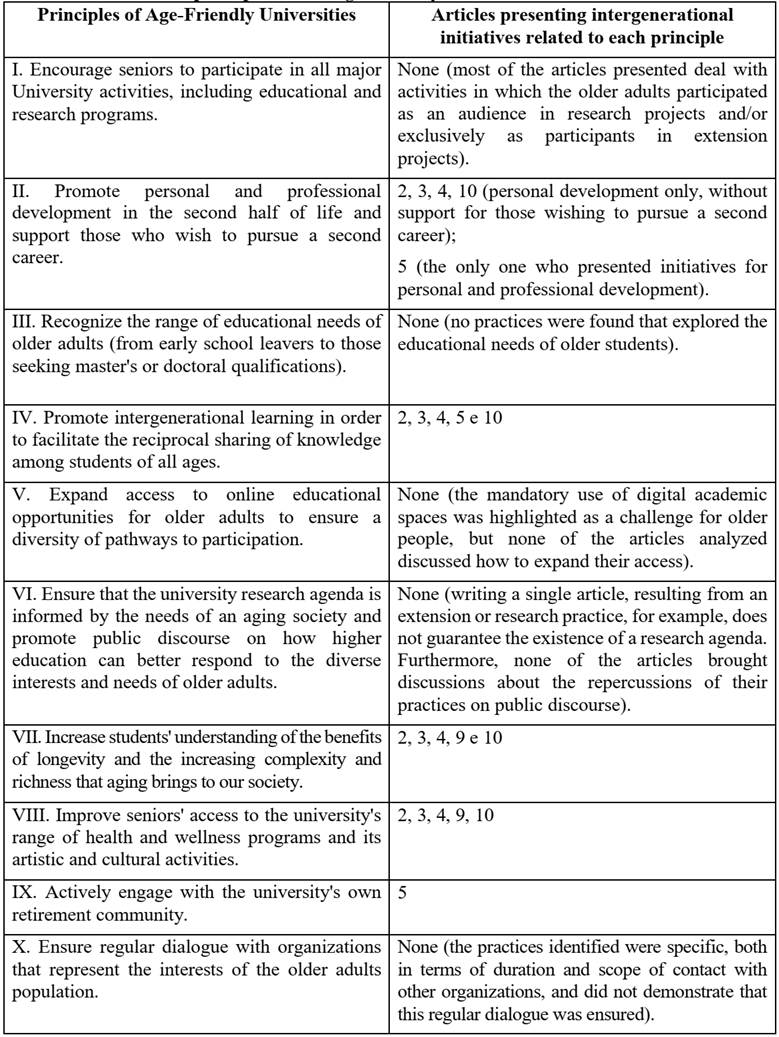
Box 3 presents the 10 principles of Age-Friendly Universities, identifying the articles that present intergenerational practices related to each of them:
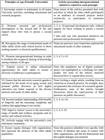
Correlation of intergenerational initiatives identified in the analyzed articles with the 10 principles of the Age-Friendly Universities Network
Considering the 10 principles proposed by the Global Network of Age-Friendly Universities, five (II, IV, VII, VIII, and IX) were identified in the universities' intergenerational practices, reported in the analyzed publications, and five were not covered (I, III, V, VI, and X).
Only one of the 15 articles presented the accounts exclusively of the participating older adults, while five focused solely on the narratives of young adults/adults, six considered the impressions of both the older adults and the young adults/adults involved, and three studies were literature reviews.
The research indicates that the opinions of older adults were less valued than those of young adults, as 11 articles interviewed young adults and seven considered the opinions of older adults. This finding is consistent with the World Health Organization's (WHO, 2020) proposal for healthy aging, which advocates for the broad participation of older adults in society. Therefore, it would be more beneficial for publications to consider the perspectives of older adults as well as young adults and adults.
Nine of the 15 publications described/analyzed the reality of the university context, three articles were about outreach projects, one discussed a course, and two analyzed programs that were neither outreach nor course-based.
The scarcity of articles addressing older college students is noticeable, reflecting the current landscape. In Brazil, for instance, data from the Ministry of Education reveals that only 0.23% of candidates for the 2024 National High School Exam (ENEM) were aged over 60. Additionally, among undergraduate enrollments in 2023, older adults constituted less than 16.5%. It is important to highlight that, although these figures are low, they are on the rise (INEP, 2024).
Four of the 15 studies analyzed did not specify their field of study, and the others were from health programs, specifically nursing, medicine, and dentistry (two each) and pharmacy, speech-language pathology, and psychology (one each). Two of the articles were from health programs, but the specific field was not identified.
The prevalence of publications originating from health programs demonstrates that one of the four lines of action of the Pan American Health Organization (PAHO) Active Aging Program is being respected, especially among professionals in training: “Aligning health systems to meet the specific needs of older adults” (PAHO, 2005, p. 45).
Nine publications did not specify whether the older adults were community-dwelling or not, two studied institutionalized older adults, and four articles reported experiences with community-dwelling older adults.
All of the articles analyzed highlighted the benefits of intergenerational relationships in the university context, the main ones being: the social inclusion of older adults, the deconstruction of age stereotypes, the enrichment of the learning environment, improved communication skills among people of different ages, the positive effects on academic performance, the awareness of stigmas related to older adults' learning (and the consequent possibility of change), the acquisition of skills that will positively impact future professional practices, preparation to deal more assertively with the older adults population, improved knowledge about the aging process, understanding the different ways of aging, the understanding that old age is a stage of development that is not limited to disease, and the shift from a biomedical to a psychosocial perspective on aging.
All of these benefits align with the areas of action proposed by the WHO to promote healthy aging (WHO, 2020, pp. 6-7), as illustrated in the following excerpt:
[...] change the way we think, feel, and act in relation to age and aging; ensure that communities promote the capabilities of older people; deliver integrated care and primary health care services that are person-centered and appropriate for older people; provide access to long-term care for older people who need it.
The challenges of intergenerationality at the university identified in the analyzed works included: lack of interest and resistance of some older adults people in interacting with younger students, the need to overcome the negative perspective of young/adult students about old age, confronting stereotypes constructed about aging, the urgency of adapting to the specific needs of older people, and, mainly, ageism.
In the university context, tackling these challenges requires action at both institutional and micro levels. This can broadly be achieved through research initiatives, such as “Intergenerationality and Aging: Practices, Challenges, and Opportunities” at PUC Minas Gerais, and policy development, exemplified by the "Policy for Healthy, Participatory, and Citizen Aging” at UnB. On a micro level, various strategies can be implemented, including classroom debates and paper presentations focusing on topics related to aging and intergenerational relationships, as well as internships involving older adults.
Final considerations
This research sought to systematize academic literature on intergenerationality in the university environment, analyzing its benefits and challenges and investigating whether the reported practices align with the 10 principles of the Global Network of Age-Friendly Universities.
The studies discussed focused primarily on the benefits of intergenerationality in the academic environment. Generally, the challenges relate to addressing ageism. To this end, it is believed that greater interaction between generations, within and outside the family, can help overcome ageism. Therefore, it is argued that education is for human development and, consequently, for aging.
Specifically in the university setting, most articles addressed outreach projects. It is worth noting the scarcity of publications on initiatives aimed at older adults as students.
Thus, the relevance of intergenerational initiatives within and between universities becomes evident as tools for promoting a more equitable and integrated society, recognizing that all generations can contribute to teaching, research, and outreach in academia. Based on the assumption that intergenerationality is beneficial for all involved and that South America is the region with the lowest membership in the Global Network of Age-Friendly Universities, fostering intergenerational practices and research involving multiple universities is a promising path forward. It strengthens the Decade of Healthy Aging (2021-2030) proposed by the World Health Organization and integrates programs, beyond the health field, that emphasize intergenerationality.
Thus, this study reinforces the importance of continuing research on intergenerational relationships and practices in universities, as this research can foster actions to address ageism and improve relationships, as well as the implementation of actions that value coexistence and mutual learning between generations.
References
-
BRONDANI, Mario; DONNELLY, Lara; CHRISTIDIS, Nikolaos; GRAZZIOTIN-SOARES, Rafaela; ARDENGHI, Débora; SIQUEIRA, Ana Beatriz. Perceptions about aging and ageism from 14 cross-sectional cohorts of undergraduate dental students. JDR Clinical and Translational Research, v. 9, n. 2, p. 114-122, 2024. Disponível em: Disponível em: https://pubmed.ncbi.nlm.nih.gov/37272546/ Acesso em: 13 jan. 2025.
» https://pubmed.ncbi.nlm.nih.gov/37272546/ -
COHEN-MANSFIELD, Jiska; JENSEN, Barbara. Intergenerational programs in schools: Prevalence and perceptions of impact. Journal of Applied Gerontology, [S. l.], v. 1, p. 1-23, 2015. Disponível em: https://doi.org/10.1177/0733464815570663. Acesso em:11 set. 2025.
» https://doi.org/10.1177/0733464815570663 -
DAMASCENO, Ana Jessica Silva; ARAGÃO, Caroline Ponte; MESQUITA, Francisco Matheus Sampaio; VASCONCELOS, João Victor Paiva; SOUSA, Lara Silva; SOUSA, Liliane Vieira; MOREIRA, Andrea Carvalho Araujo. A extensão universitária como estratégia para a educação em saúde com um grupo de idosos. Revista Kairós - Gerontologia, São Paulo, v. 21, n. 4, p. 317-333, 2018. Disponível em: Disponível em: https://revistas.pucsp.br/index.php/kairos/article/view/45194/29889 Acesso em:13 jan. 2025.
» https://revistas.pucsp.br/index.php/kairos/article/view/45194/29889 -
GUIMARÃES, Mariana Borges; PINTO, Luciana Rodrigues; BULGARELLI, Alessandra Fernandes; MACHRY, Rafaela Vieira; PIVETTA, Heloísa Maria Fernandes; MARCHINI, Luiz. Ageism in dental students - a multicentric study in southern Brazil. Special Care in Dentistry: Official Publication of the American Association of Hospital Dentists, the Academy of Dentistry for the Handicapped, and the American Society for Geriatric Dentistry, v. 44, n. 6, p. 1751-1758, 2024. Disponível em: https://pubmed.ncbi.nlm.nih.gov/39080858/ Acesso em:13 jan. 2025.
» https://pubmed.ncbi.nlm.nih.gov/39080858/ -
INSTITUTO NACIONAL DE ESTUDOS E PESQUISAS EDUCACIONAIS ANÍSIO TEIXEIRA (INEP). Quase 10 mil pessoas com mais de 60 anos estão fazendo o Enem Disponível em: Disponível em: https://www.gov.br/inep/pt-br/assuntos/noticias/enem/quase-10-mil-pessoas-com-mais-de-60-anos-estao-fazendo-o-enem#:~:text=De%20acordo%20com%20a%20pesquisa,no%20ensino%20superior%20em%202023 Acesso em:13 jan. 2025.
» https://www.gov.br/inep/pt-br/assuntos/noticias/enem/quase-10-mil-pessoas-com-mais-de-60-anos-estao-fazendo-o-enem#:~:text=De%20acordo%20com%20a%20pesquisa,no%20ensino%20superior%20em%202023 -
LEITE, Soniárlei Vieira; FRANÇA, Lucia Helena de Freitas Pinho. A importância da intergeracionalidade para o desenvolvimento de universitários mais velhos. Estud. pesqui. psicol., Rio de Janeiro, v. 16, n. 3, p. 831-853, set. 2016. Disponível em: <Disponível em: http://pepsic.bvsalud.org/scielo.php?script=sci_arttext&pid=S1808-42812016000300010&lng=pt&nrm=iso >. Acesso em:26 nov. 2024.
» http://pepsic.bvsalud.org/scielo.php?script=sci_arttext&pid=S1808-42812016000300010&lng=pt&nrm=iso - LOPES , Mariana Martins; SILVA , Maria das Graças; SANTOS , Ana Carolina; FERREIRA, João Pedro; COSTA , Luísa Fernanda; ALMEIDA, Pedro Henrique. Perspectivas de estudantes da área de saúde sobre participação em programa intergeracional: potencialidades e desafios. Revista Brasileira de Educação Médica, v. 47, n. 3, p. e084, 2023.
-
LUNA, Wesley Ferreira; MELO, José Anderson Barbosa; VAZ, Cícero Henrique Martins. Entre chegadas e partidas: conversas intergeracionais no Projeto de Extensão Saúde do Idoso. Saúde Redes, v. 5, n. 3, p. 177-191, out./dez. 2019. Disponível em: Disponível em: https://pesquisa.bvsalud.org/portal/resource/pt/biblio-1116404 Acesso em:13 jan. 2025.
» https://pesquisa.bvsalud.org/portal/resource/pt/biblio-1116404 -
MAXIMIANO-BARRETO, Mariana Aparecida; LUCHESI, Bianca Martins; CHAGAS, Maria Helena Nunes. Implicit attitudes toward the elderly among health professionals and undergraduate students in the health field: a systematic review. Trends in Psychiatry and Psychotherapy, v. 41, n. 4, p. 415-421, out. 2019. Disponível em: https://doi.org/10.1590/2237-6089-2018-0108. Acesso em:10 jan. 2025
» https://doi.org/10.1590/2237-6089-2018-0108 -
MENGATTO, Ana Paula; CAMARGO, Débora Osternack. O Programa Sênior da UFPR e o significado do trabalho para aposentados. Interação em Psicologia, [S. l.], v. 23, n. 3, 2019. DOI: 10.5380/psi.v23i3.60548. Disponível em: Disponível em: https://revistas.ufpr.br/psicologia/article/view/60548 Acesso em:13 jan. 2025.
» https://doi.org/10.5380/psi.v23i3.60548» https://revistas.ufpr.br/psicologia/article/view/60548 -
MREJEN, Matías.; NUNES, Letícia.; GIACOMIN, Karla. Envelhecimento populacional e saúde dos idosos: o Brasil está preparado? Estudo Institucional n. 10. São Paulo: Instituto de Estudos para Políticas de Saúde. [S.l.: s.n.], 2023. Disponível em: Disponível em: https://ieps.org.br/wp-content/uploads/2023/01/Estudo_Institucional_IEPS_10.pdf Acesso em:26 nov. 2024.
» https://ieps.org.br/wp-content/uploads/2023/01/Estudo_Institucional_IEPS_10.pdf -
MORROW-HOWELL, Nancy; GALUCIA, Nicole; SWINFORD, Elizabeth; MEYER, Tessa. Challenges and opportunities of age diverse universities: perspectives from admissions and career services. Gerontology & Geriatrics Education, v. 43, n. 3, p. 328-345, 2022. DOI: 10.1080/02701960.2020.1864345. Disponível em: Disponível em: https://pubmed.ncbi.nlm.nih.gov/33327882/ Acesso em:13 de jan. 2025.
» https://doi.org/10.1080/02701960.2020.1864345» https://pubmed.ncbi.nlm.nih.gov/33327882/ -
NUNES, Rita; AFONSO, Rita María; REIS, Mónica; SOUSA, Ana; PINAZO, Sebastià. Intervoice: um Projeto Photovoice intergeracional. Revista Kairós - Gerontologia, São Paulo, v. 22, n. 2, p. 9-28, 2019. Disponível em: Disponível em: https://revistas.pucsp.br/index.php/kairos/article/view/45384/29974 Acesso em:13 de jan. 2025.
» https://revistas.pucsp.br/index.php/kairos/article/view/45384/29974 -
ORGANIZAÇÃO MUNDIAL DE SAÚDE. Decade of healthy ageing 2021-2030. Genebra: OMS. 2020. Disponível em: Disponível em: https://iris.paho.org/bitstream/handle/10665.2/52902/OPASWBRAFPL20120_por.pdf?sequence=1&isAllowed=y Acesso em:13 jan. 2025.
» https://iris.paho.org/bitstream/handle/10665.2/52902/OPASWBRAFPL20120_por.pdf?sequence=1&isAllowed=y -
ORGANIZAÇÃO PAN-AMERICANA DA SAÚDE (OPAS). Envelhecimento Saudável. Brasília/DF. 2005. Disponível em: Disponível em: https://www.paho.org/pt/envelhecimento-saudavel Acesso em:13 de jan. de 2025.
» https://www.paho.org/pt/envelhecimento-saudavel -
ROQUE, Felipe Paiva; GONÇALVES, Silvana Guimarães; STAROSKY, Patrícia; SILVA, Gabriel Gomes; LIMA, Rodrigo Souza; BAGETTI, Tainá. Idadismo e fonoaudiologia: quando o preconceito afeta o olhar clínico sobre a pessoa idosa. Distúrbios da Comunicação, São Paulo, v. 35, n. 4, e63265, 2023. Disponível em: Disponível em: https://revistas.pucsp.br/index.php/dic/article/view/63265/44470 Acesso em:13 jan. 2025.
» https://revistas.pucsp.br/index.php/dic/article/view/63265/44470 -
SILVA , Diego Tavares; PEREIRA, Ana Maria; SILVA, Rafaela Oliveira Santos; MENÉNDEZ, Ana Sofia; SANTOS, Carlos; FLORENTINO JÚNIOR, Ivonaldo Lopes; NEVES, Sérgio José Fernandes; DÓSEA, Manoella Bezerra; LYRA, Domingos Paulo Jr. Using virtual patient software to improve pharmacy students' knowledge of and attitudes toward geriatric patients. American Journal of Pharmaceutical Education, v. 84, n. 5, p. 7230, 2020. DOI: 10.5688/ajpe7230. Disponível em: Disponível em: https://pubmed.ncbi.nlm.nih.gov/32577027/ Acesso em:13 jan. 2025.
» https://doi.org/10.5688/ajpe7230» https://pubmed.ncbi.nlm.nih.gov/32577027/ -
SIMON, Anne; MASINDA, Sinethemba; ZAKRAJSEK, Andrea. Age-Friendly University environmental scan: exploring “age-friendliness” with stakeholders at one regional comprehensive university. Gerontology & Geriatrics Education, [s.l.], 2020. DOI: 10.1080/02701960.2020.1783259. Disponível em: Disponível em: https://pubmed.ncbi.nlm.nih.gov/32583750/ Acesso em:13 de jan. 2025.
» https://doi.org/10.1080/02701960.2020.1783259» https://pubmed.ncbi.nlm.nih.gov/32583750/ -
SOUZA, Márcia Terezinha de; SILVA, Maria das Dores da; CARVALHO, Roberta de. Integrative review: what is it? How to do it?. Einstein, São Paulo, v. 8, n. 1, p. 102-106, jan. 2010. Disponível em: https://doi.org/10.1590/S1679-45082010RW1134. Acesso em:10 de jan. 2025.
» https://doi.org/10.1590/S1679-45082010RW1134 -
TUOHY, Dympna; CASSIDY, Irene; GRAHAM, Margaret; McCARTHY, Jane; MURPHY, Jill; SHANAHAN, Jacinta; TUONY, Teresa. Facilitating intergenerational learning between older people and student nurses: An integrative review. Nurse Education in Practice, v. 72, p. 103746, out. 2023. DOI: 10.1016/j.nepr.2023.103746. Epub 17 ago. 2023. Disponível em: https://doi.org/10.1016/j.nepr.2023.103746. Acesso em:26 nov. 2024.
» https://doi.org/10.1016/j.nepr.2023.103746» https://doi.org/10.1016/j.nepr.2023.103746 -
VIANA, Luciano Oliveira; HELAL, Débora Hara. Ageísmo na carreira acadêmica: um estudo com professores universitários. Educação & Realidade, v. 48, p. e121896, 2023. Disponível em: https://doi.org/10.1590/2175-6236121896vs01. Acesso em:20 de dez. 2024.
» https://doi.org/10.1590/2175-6236121896vs01 - WORLD HEALTH ORGANIZATION. Global report on ageism Geneva: World Health Organization, 2021. Disponível em: https://iris.who.int/bitstream/handle/10665/340208/9789240016866-eng.pdf?sequence=1&isAllowed=y. Acesso em:26 nov. 2024.
-
1
Article published with funding from theConselho Nacional de Desenvolvimento Científico e Tecnológico- CNPq/Brazil for editing, layout and XML conversion services.
-
3
PubMed is a database that gathers citations from biomedical literature, biological science journals and online books..
-
4
According to the Capes Journals Portal, “Scopus is the largest database of abstracts and citations of peer-reviewed literature, with bibliometric tools to track, analyze, and visualize research.” Available at: https://www.periodicos.capes.gov.br/images/documents/Scopus_Guia%20de%20refer%C3%AAncia%20r%C3%A1pida_10.08.2016.pdf Accessed on: 08/22/2025.
-
5
According to the VHL website, “the Ministry of Health's Virtual Health Library is responsible for publishing bibliographic publications produced by the Ministry of Health, as well as general information in the area of health sciences.” Available at: https://bvsms.saude.gov.br/o-que-e-a-bvs-ms/. Accessed on: 08/22/2025.
-
6
VIPAGI is a software that uses virtual patients for geriatric education (Silva et al., 2020).
-
FUNDING
Research Incentive Fund of the Pontifical Catholic University of Minas Gerais - FIP PUC Minas
-
DECLARATION OF DATA AVAILABILITY
The underlying content of the research text is contained in the manuscript.
The underlying content of the research text is contained in the manuscript.
History
-
Received
10 Feb 2025 -
Preprint posted on
29 Jan 2025
10.1590/SciELOPreprints.11160 -
Accepted
30 July 2025 -
Corrected
10 Apr 2026

 Source: prepared by the researchers, 2024.
 Source: prepared by the researchers, 2024.
 Source: prepared by the researchers, 2024.