 Didactic materials within the context of bilingual deaf education in mathematics teaching: sistematic review
The formal education for the deaf in Brazil dates to 1857, with predominance of oralist paradigm, centered on lip and speech reading, to the detriment of the Brazilian Sign Language (Libras). The inflexion towards bilingualism started in the 1990s, driven by the deaf movement mobilization, the advances in linguistic sign studies, and the international recommendations for inclusion. Despite these advances in the normative and theoretical fields, it can be noted that educators still face significant difficulties to access and use accessible didactic materials, especially those appropriate to the particularities of the deaf bilingual education. In this sense, this research performed a Systematic Literature Review (SLR) aiming at analyzing academic productions that prepared and applied accessible materials of mathematics for deaf students of bilingual education. Fifteen papers published between 2013-2023 were reviewed, which abstracts were processed by the Iramuteq software, making possible to conduct a lexical and categorical analysis of the data. The results indicate a low production of materials for mathematics teaching to this public, focusing predominantly in the final years of elementary education. In addition, it was found that most of the resources do not introduce Libras directly inserted in the materials as first language, thus limiting its accessibility. Such findings reinforce the need for extending the production of bilingual didactic and accessible materials, which are critical to ensure an inclusive and equitative mathematics education for students of PEBS.
Keywords:
Bilingual deaf education - Mathematics - Libras - Accessible materials - Hearing impairment.
 Thumbnail
 Thumbnail
 Thumbnail
 Thumbnail
 Thumbnail
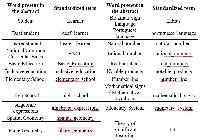
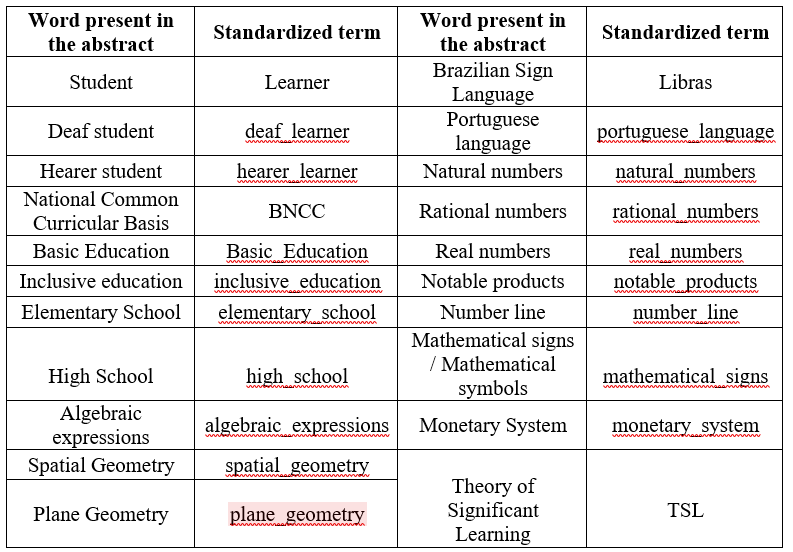 Source: own elaboration based on the formatting guidelines of Iramuteq software (2024)
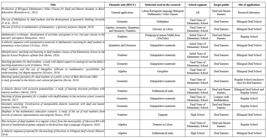
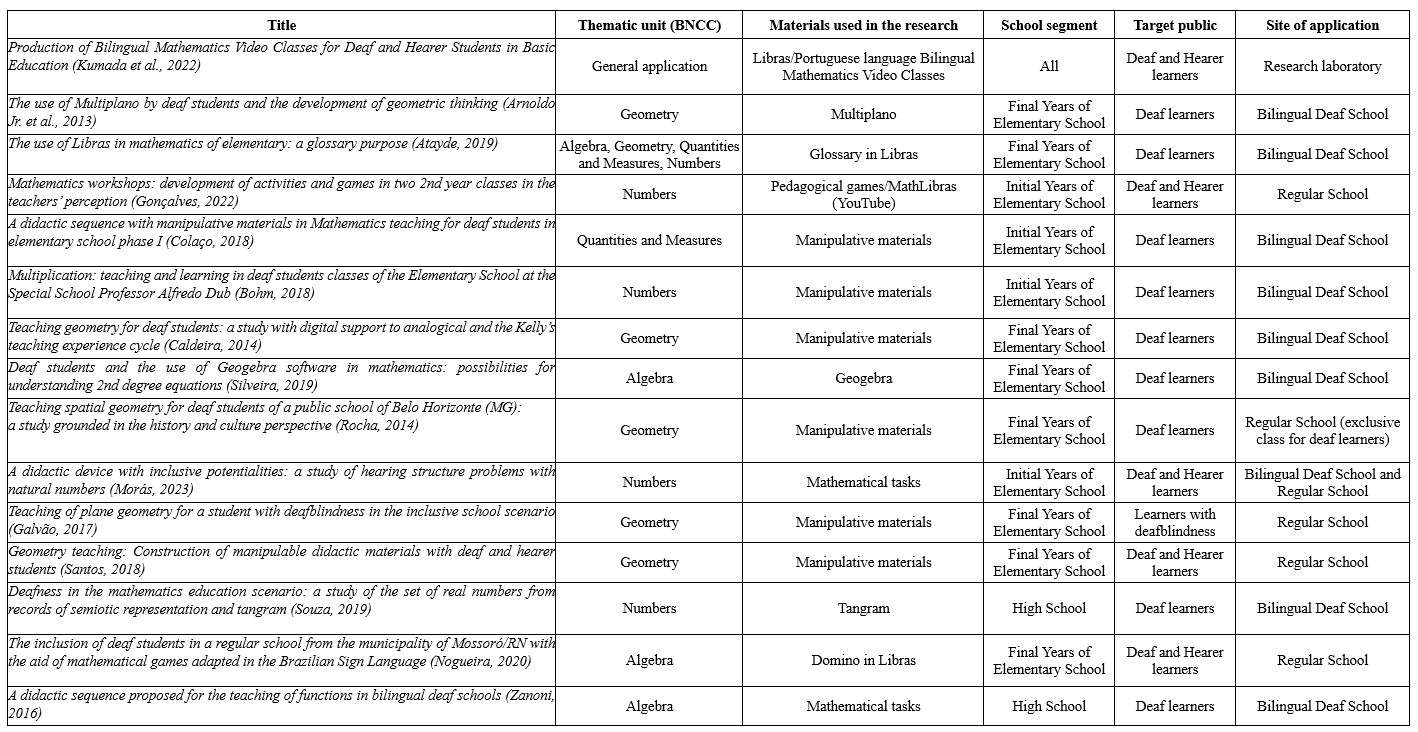 Source: Research data
 Source: Own elaboration - figure generated by Iramuteq software (2024)
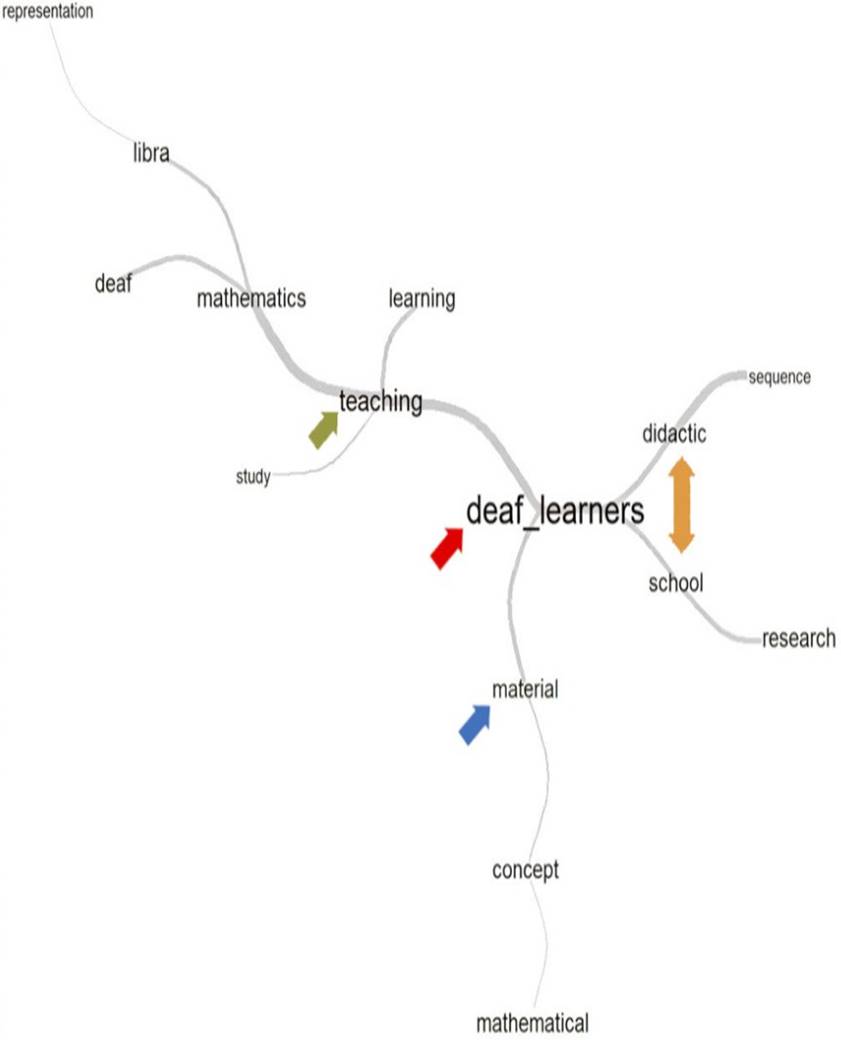 Source: Own elaboration - figure generated by Iramuteq software (2024)
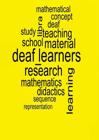
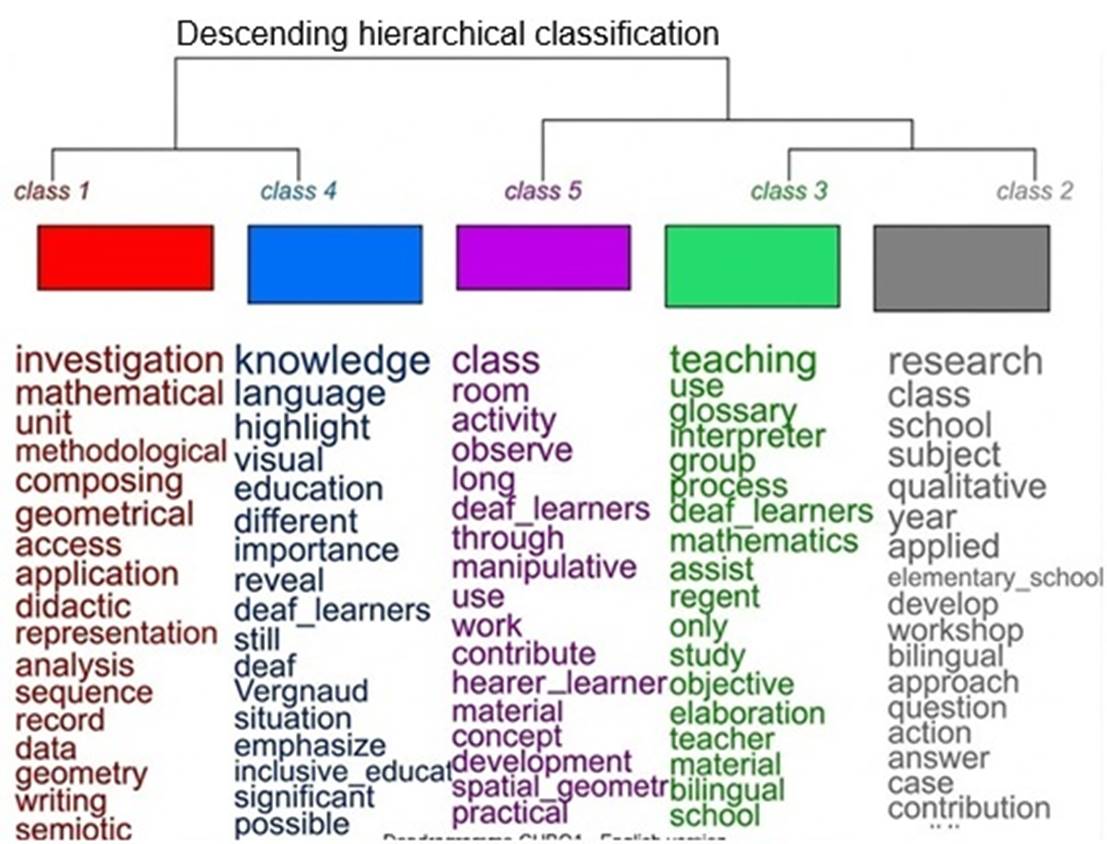 Source: Own elaboration - figure generated by Iramuteq software (2024).