 Process of change in a successful case of online psychodynamic therapy
Abstract
The extent of changes produced in online psychodynamic psychotherapy is unknown. This systematic case study aimed to assess change in the online psychodynamic psychotherapy process of a 30-year-old woman with anxiety symptoms. The 24 recorded sessions were analyzed using the Generic Change Indicators method, which describes the patient’s progression of change throughout the psychotherapeutic process, through 19 hierarchical markers. The initial and final sessions of treatment were observed using the Core Conflictual Relationship Theme method, which assesses the conflictual relational patterns within the patient’s narratives. Data analysis was descriptive, longitudinal, and comparative. At the end of treatment, the patient achieved high hierarchical levels of change and showed a modification in her relationship pattern. The patient’s subjective and relational changes over the course of treatment are theoretically consistent and comparable to face-to-face therapies. Further studies that assess the change in the online context are suggested.
Keywords
Anxiety disorders; Internet-based intervention; Mental health teletherapy; Outcome and process assessment health care; Psychotherapy, psychodynamic
Resumo
Ainda é pouco conhecida a extensão das mudanças que são produzidas pela psicoterapia psicodinâmica online. Este estudo de caso sistemático teve como objetivo avaliar o processo de mudança de uma psicoterapia psicodinâmica online de uma paciente com sintomas de ansiedade. As 24 sessões videogravadas foram analisadas por meio do método Indicadores Genéricos de Mudança, que descreve a progressão do processo terapêutico a partir de 19 marcadores hierárquicos. As sessões iniciais e finais do tratamento também foram analisadas pelo método do Tema Central Conflituoso, que identifica padrões relacionais conflitivos a partir das narrativas da paciente. A análise de dados foi descritiva, longitudinal e comparativa. Ao final do tratamento, a paciente atingiu níveis hierárquicos elevados de mudança, e apresentou alteração de seu padrão relacional. As mudanças subjetivas e relacionais da paciente durante o curso do tratamento são consistentes teoricamente e comparáveis a terapias face-a-face. Recomenda-se a realização de novos estudos que investiguem processos de mudança em contextos de atendimento online.
Palavras-chave
Transtornos de ansiedade; Intervenção baseada em internet; Telessaúde mental; Avaliação de processos e resultados em cuidados de saúde; Psicoterapia psicodinâmica
With the onset of information and communication technologies, many alternative forms for providing remote mental health services became viable, including telepsychotherapy (Feijó et al., 2018; Marasca et al., 2020). Online psychotherapy had already gained popularity over the past few years, but in 2020, because of the controlled distancing due to the COVID-19 pandemic, this type of assistance gained prominence. Thus, this year is considered a milestone for telepsychology (Bittencourt et al., 2020; Wind et al., 2020). However, many psychotherapists reported being insecure about practicing online psychotherapy without previous experience (Doorn et al., 2021).
Like any emerging practice, studies are needed to consolidate online psychotherapy and to assess its theoretical and technical aspects. Empirical research on the subject is very limited, and several researchers have noted the need to increase knowledge about its efficacy and effectiveness (Bittencourt et al., 2020; Feijó et al., 2018; Ulkovski et al., 2017), as well as how its processes relate to outcomes (Serralta & Feijó, 2021). Although some believe online psychotherapy “is the future” and helps to expand patient access to treatment (Machado et al., 2020), a certain negative attitude toward this practice persists (Békés et al., 2020). Is online psychotherapy a minor form of psychotherapy? Or can it produce changes at levels comparable to those achieved in the traditional, face-to-face setting? We believe that these are legitimate questions and that studying the process of change in online therapies is necessary to generate knowledge based on empirical evidence derived from practice (Serralta & Feijó, 2021) that can be used to establish ethical parameters for referral and to contribute to the training of psychotherapists (Pote et al., 2021).
The practice of online psychodynamic therapy has been discussed among therapists, regarding aspects related to both the development of the therapeutic alliance (Flückiger et al., 2018; Machado et al., 2020) and the pertinence of psychoanalytic techniques (Belo, 2020). However, within this approach, the empirical investigation of online therapy is practically unexplored (Feijó et al., 2021; Machado et al., 2020; Serralta & Feijó, 2021; Siqueira & Russo, 2018). Systematic reviews on the effectiveness of online therapies show a significant shortage of studies addressing psychoanalytically oriented therapies in comparison to, for example, behavioral approaches (Berryhill et al., 2019; Feijó et al., 2021; Varker et al., 2019). Accordingly, there is a need for additional studies to assess the therapeutic process of online psychodynamic therapies, and to investigate their viability and effectiveness (Feijó et al., 2018; Serralta & Feijó, 2021).
Change process studies are designed to understand how changes occur throughout the psychotherapeutic process (Hardy & Llewelyn, 2015). This kind of knowledge requires repeated measurements or observations (either using panel data or examining single cases) and is crucial to help us provide more refined therapeutic tools and better treatments (Zilcha-Mano, 2019). Single-case process studies allow an in-depth examination of process-outcome relations in both exploratory and confirmatory ways, thereby contributing to narrowing the gap between research and clinical practice (Serralta et al., 2011).
To assess inner, complex changes in psychotherapy processes, researchers have developed empirical methods such as the Generic Change Indicators (GCI) (Krause et al., 2006) and the Core Conflictual Relationship Theme (CCRT) (Luborsky & Crits-Christoph, 1998). Although both methods have been applied to a variety of psychotherapy approaches, the first is transtheoretical, while the second is rooted in the interpersonal model of psychoanalysis, as detailed below.
The GCI consists of evaluating the change in psychotherapy through specific and hierarchical indicators, identified in the patient’s verbalizations during the psychotherapeutic process, which are related to their stage of change during treatment. It is based on a theory of change that assumes that the transformation of the patient’s subjective perspective is fundamental (Krause et al., 2006). The GCI was applied by Krause et al. (2015) to study the relationship between ongoing change and outcomes of 39 clients undergoing face-to-face, short-term psychotherapy. Therapies were grouped into “good outcome” and “poor outcome” cases. The process of change observed in these groups was different, and while good outcome cases achieved more stage 3 GCIs, poor outcome cases were more limited to stage 1 GCIs. Comparing the two halves of treatment, good outcome cases exhibited significant associations between GCI stage 1 productivity (i.e., number of change indicators that were present during each client’s therapeutic process divided by the total number of therapy sessions) and GCI productivity at stages 2 and 3, suggesting that change during the first half of treatment triggers a sort of chain reaction in the general process of change. To the best of our knowledge, the GCI has never been applied to study online therapy cases.
The CCRT operationalizes the psychoanalytic concept of transference patterns. It consists of identifying core conflicts that are expressed in the patient’s interpersonal narratives. These conflicts involve the emergence of wishes (W), perceptions of responses from others to the patient’s wishes (RO), and the patient’s own responses (RS). These are known as CCRT components. CCRT has many applications for both psychotherapy practice and research: it can provide support for case formulation, guide interventions, be used as a process measure aiming to understand the changes in conflicting relational patterns, or as an outcome measure that assesses interpersonal change (Luborsky & Crits-Christoph, 1998).
Within a psychoanalytic theoretical framework, it is expected that conflictual relationship patterns will diminish during treatment as the patient’s overall relationship patterns become more flexible. Luborsky and Crits-Christoph (1998) considered pervasiveness (i.e., the recurrence of CCRT W, RO, and RS components across narratives) as the heart of the method. They proposed that psychodynamic therapy change can be measured by the extent to which a particular maladaptive theme becomes less frequent at the end of the treatment in comparison to its beginning. They noted that at termination there was an increase in ‘positive’ themes coupled with a reduction of ‘negative’ themes. However, examining data from a subset of 24 participants from the Vanderbilt II project, Lunnen et al. (2006) only found significant changes in positive responses of others. The authors questioned the extent to which change in conflictual themes occurs in brief therapies and suggested more studies on the subject. De Bei and Montorsi (2013) studied a successful brief psychotherapy single case and noticed that pervasiveness increased in the middle phase and decreased at the final stage, with clinically significant changes observed in W and RS. To date, it is unknown if changes in CCRT can be observed as a result of psychodynamic therapies in online settings.
This study aimed to explore the extent to which both generic and specific interpersonal change occurs in a short-term psychodynamic therapy case that achieved reliable change in both symptoms and overall psychological distress. To the best of our knowledge, this is the first study examining the extent and progression of changes achieved in an online psychological treatment. Specifically, the study aimed to evaluate the progression of the patient’s change throughout the psychotherapeutic process by identifying generic change markers in each session and to examine possible changes in the conflictual relationship pattern by comparing the pervasiveness of CCRT components (W, RO, and RS) expressed in the final versus the initial treatment sessions. Based on the case analysis, we sought to explore possible connections between the two levels of change (generic and relational) in online psychodynamic therapy. Our general aim was to contribute to online psychodynamic practice by providing empirically derived elements to understand the change process in this context.
Method
This was a longitudinal, naturalistic, Systematic Case Study (SCS) (Edwards, 1998). The SCS is a hybrid design (quantitative and qualitative) and consists of systematic and sequential assessments of one or a few cases, allowing conceptualizations that contribute to scientific theorizing while adopting procedures to control researcher bias, such as the use of independent judges to review the clinical material (Serralta et al., 2011).
The case was derived from a larger project entitled “Process-Outcome Assessment of Online Psychodynamic Psychotherapy,” which examined multiple cases of online psychodynamic therapies among patients presenting anxiety symptoms. The case was chosen for this study due to its being successful in terms of achieving the Reliable Change Index (RCI) (Jacobson & Truax, 1991) in anxiety symptoms, measured by GAD-7 (Spitzer et al., 2006) and psychological distress, measured by CORE-OM (Evans et al., 2000), and for having all session video recordings available (Feijó & Serralta, 2021).
Participants
Paula (pseudonym) was 32 years old when she sought therapy because of anxiety symptoms. In her case formulation notes, the therapist registered that Paula had a high level of self-demand, which generated anxiety in relation to her performance in social and professional situations. She presented neurotic personality features, and tended to use idealization, devaluation, reaction formation, and isolation of ideas and feelings to control anxiety. She had interrupted a previous psychotherapy due to financial reasons.
The therapist, Elena (pseudonym), was a psychologist, fully trained in psychoanalytic psychotherapy, with a master’s degree in clinical psychology. At that time, she had four years of clinical experience but none in online practice.
The treatment lasted 6 months and consisted of 24 weekly sessions of brief online psychodynamic therapy. Psychodynamic psychotherapy is based on psychoanalytic principles combined with knowledge from other areas, such as attachment psychology and neuroscience. The approach has evidence of efficacy and effectiveness for various clinical conditions (Yeomans et al., 2021).
Treatment followed the post-Freudian psychoanalytic relational model. Relational approaches to psychoanalytic therapies result from a paradigm shift rooted in recent science and humanities developments that questioned the nature of the separation between subject and object and emphasize subject-object interaction (Curtis, 2019). The approach considers relationships, whether internalized or not, to be central to understanding the patient’s behavior and to guide the therapeutic intervention (Malone, 2018), as proposed by interpersonal psychoanalysis, Self psychology, and object relations psychoanalysis developments (Curtis, 2019). Thus, under the relational umbrella, sexual and aggressive drives are no longer considered the main motives for human behavior, but relationships with others. Therefore, the role of the therapeutic relationship is highlighted, as is the contribution of the therapist as a person to the therapeutic process (Curtis, 2019; Lemma et al., 2011; Malone, 2018).
The number of sessions was planned, and the therapy followed the general principles that guide most brief psychodynamic therapies, such as goal delimitation, relational focus, insight- and support-oriented interventions, and greater therapist activity compared to other psychoanalytically based models (Lemma et al., 2011; Rocha et al., 2023). It was carried out via videoconference through a mental health service platform (Vittude®). The platform fulfills both national and international information security requirements.
Instruments
Generic Change Indicators (Krause et al., 2006) – This transtheoretical method aims for a detailed evaluation of the process of change in psychotherapy. The therapeutic process is conceived as a transformation in the patients’ subjective theory; that is, the establishment of new interpretations and understandings about themselves, their relationships, their environment, and their difficulties. The Generic Change Indicators comprise a set of 19 qualitative hierarchical markers that correspond to three distinct stages of the therapeutic process: a moment of initial consolidation of psychological help, an intermediate moment, with greater permeability for new understandings, and, finally, the construction and consolidation of new understandings. The stages and markers are I. Initial consolidation of the structure of psychological help: 1) Acceptance of the existence of a problem; 2) Acceptance of one’s own limits and recognition of the need for help; 3) Acceptance of the therapist as a competent professional; 4) Expression of hope; 5) Questioning of habitual understandings, behaviors, and emotions; 6) Expression of the need for change; 7) Recognition of one’s own participation in the problems; II. Increased permeability to new understandings: 8) Discovery of new aspects of self; 9) Manifestation of a new behavior or emotion; 10) Appearance of feelings of competence; 11. Establishment of new connections between aspects of self, self and environment, and between self and autobiographical elements; 12) Reconceptualization of problems and/or symptoms; 13) Transformation of evaluations and emotions in relation to self or others; III. Construction and consolidation of new understandings: 14) Formation of subjective constructs regarding oneself; 15) Rooting of subjective constructs in one’s own biography; 16) Autonomous comprehension and use of the context of psychological meaning; 17) Acknowledgment of help received; 18) Decreased asymmetry between patient and therapist; 19) Construction of a subjective theory, biographically founded, about self and the relationship with the environment. In order for a marker to be considered valid, it must fulfill certain criteria: the change can be observed during the session (in-session) or extra-session, if it is mentioned explicitly in the session; the content of change is new, manifested for the first time; the change is consistent with observed nonverbal communication, and is not denied in subsequent sessions (Krause et al., 2006). Therefore, the analysis must be carried out systematically, sequentially, and progressively.
Core Conflictual Relationship Theme Method (Luborsky & Crits-Christoph, 1998) – This systematized method assesses the patient’s object relations, manifested in the narratives of interpersonal relationships, called Relationship Episodes (REs). The REs are identified within a transcribed session. Each RE indicates the central figure with whom the patient interacts, when the episode occurs (whether it is current, recent, or past), and its completeness. The completeness of the episodes is rated on a scale from 1 to 5, from least to most detailed, respectively. For an episode to be considered complete, it must score above 2.5. For proper CCRT coding, at least 10 complete relationship episodes spread over one or more sessions are required. In each episode, three components are coded: Wishes, needs or intentions (W), Responses of Others (RO), and Responses of Self (RS). RO and RS are classified as positive if they are in the direction of satisfying the wish, and negative if they are in the direction of frustrating the wish. Evaluation of the components is typically carried out in two stages: first, a “tailor-made” evaluation, corresponding to the evaluator’s judgment, for that specific case. Afterwards, a standardized evaluation is performed, where each tailored evaluation is mapped by the evaluator to one of the standard categories of the instrument (there are 35 Ws, 30 ROs, and 31 RSs). A third stage can be used to avoid low agreement between similar categories and consists of regrouping standard categories into “clusters”. There are 8 standard cluster categories for each of the CCRT components (W, RO, and RS). The Ws are: To assert oneself and be independent; To oppose, hurt, and control others; To be controlled, hurt, and not be responsible; To be distant and avoid conflicts; To be close and accepting; To be loved and understood; To feel good and comfortable; To achieve and help others. The RO categories are: Strong and independent, Controlling, Upset, Bad, Rejecting and opposing, Helpful, Likes me, Understanding. The RSs are: Helpful, Unreceptive, Respected and accepted, Opposing and hurting others, Self-controlled and self-confident, Helpless, Disappointed and depressed, Anxious and shameful. At the end, the frequency of each cluster in the different coded REs is summed, which allows a pattern of W, RO, and RS expressed by the patient to be obtained, indicating their core conflict and transference pattern (Luborsky & Crits-Christoph, 1998).
Procedures
For the coding of Generic Change Indicators, all 24 sessions of the treatment were analyzed, based on the analysis of the transcripts and video recordings of the sessions. The identification of the indicators was performed by trained raters who were graduate psychology students at the university. After analyzing the material, the raters filled out an individual coding form.
To obtain the initial and final CCRT of the treatment, the first 10 complete relationship episodes – with a completeness rate above 2.5, distributed across the first four treatment sessions – and the last 10 episodes from the final two sessions of the treatment were analyzed. From the transcripts of the sessions, the identification of relationship episodes was made by two previously trained independent raters. In each episode, the following components of the CCRT were identified: Wishes (W), Responses of Others (RO), Responses of Self (RS), direction of the Responses of Others and direction of the Responses of Self, and the timeframe at which the narrative took place.
Data analysis was descriptive, longitudinal, comparative, and hybrid. The qualitative progression of change was examined using GCI. The CCRT analysis started with systematic and qualitative analyses of clinical data and then used quantification to examine the relative frequency of the components in each moment (initial and final episodes). These frequencies were used to derive the dominant W, RO, and RS across a set of episodes. Simple comparisons of these frequencies were used to comparatively describe the quality of the patient’s relational pattern at the beginning and at the end of the treatment, investigating changes in pervasiveness. A pervasiveness score indicates the degree of flexibility or rigidity of the initial CCRT pattern of the patient. It is calculated by dividing the number of episodes in which the most frequent W, RO, or RS appears by the total number of episodes in each period of treatment (initial and final). Using clinical reasoning, both methods were combined to enhance the understanding of Paula’s change process throughout therapy.
The study was approved by the Ethical Research Committee of the University Vale do Rio dos Sinos (Certificate of Presentation for Ethical Approval: 09821919.5.0000.5344). The participants, both therapist and patient, had their identities protected and were aware of and agreed to all research procedures by signing an Informed Consent Form.
Results
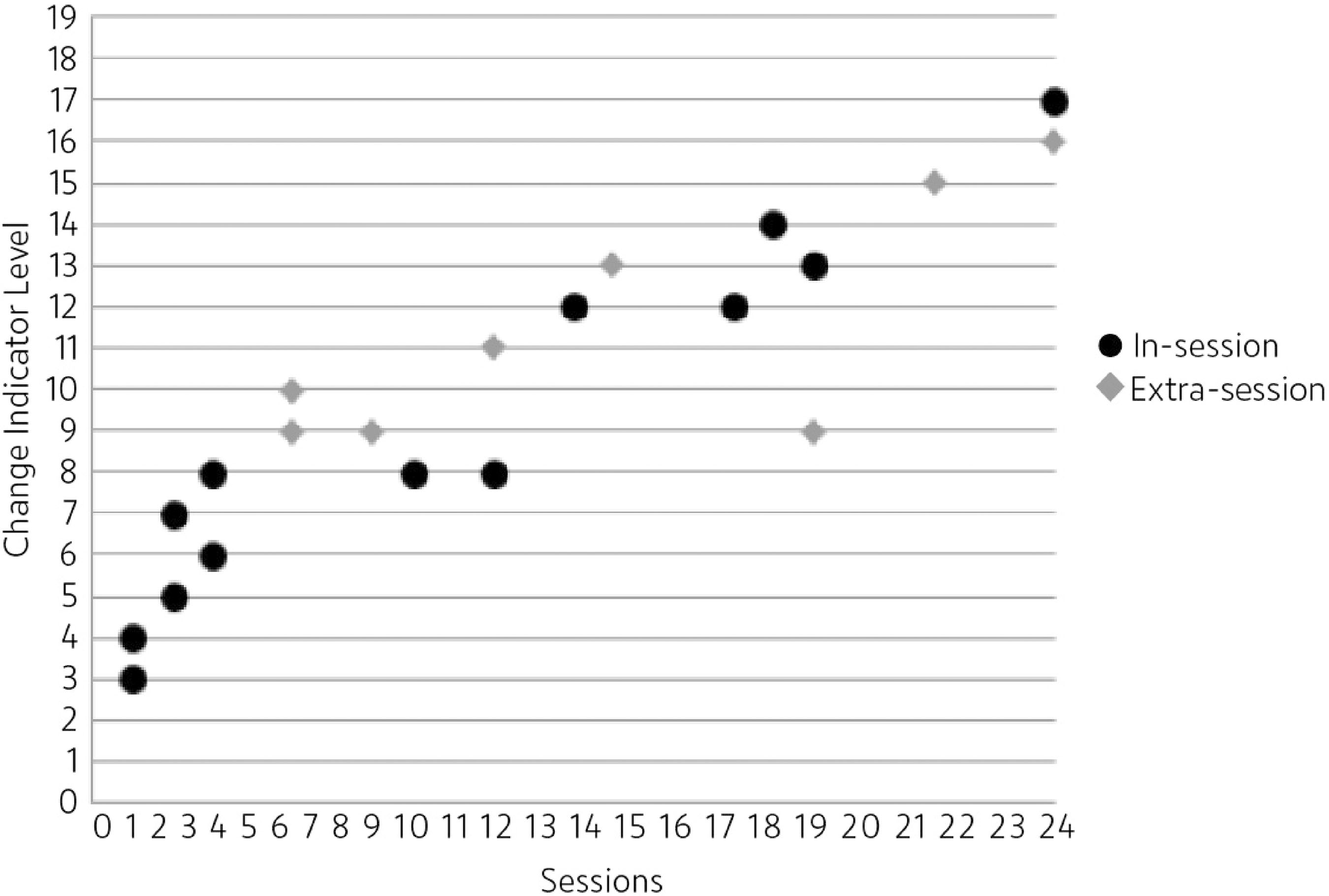
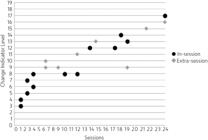
Examining Paula’s process of change with the Generic Change Indicators (GCI) method, 21 indicators were identified, 13 of which occurred in-session and 8 extra-session, as shown in Figure 1. The progression of hierarchical change started in the first session, with indicator 3 (acceptance of the therapist as a competent professional), at a lower stage, and ended in the final session with an indicator of a higher level of hierarchy (stage III), indicator 17 (acknowledgment of the help received). Ten of the 24 sessions did not present any indicators of change.
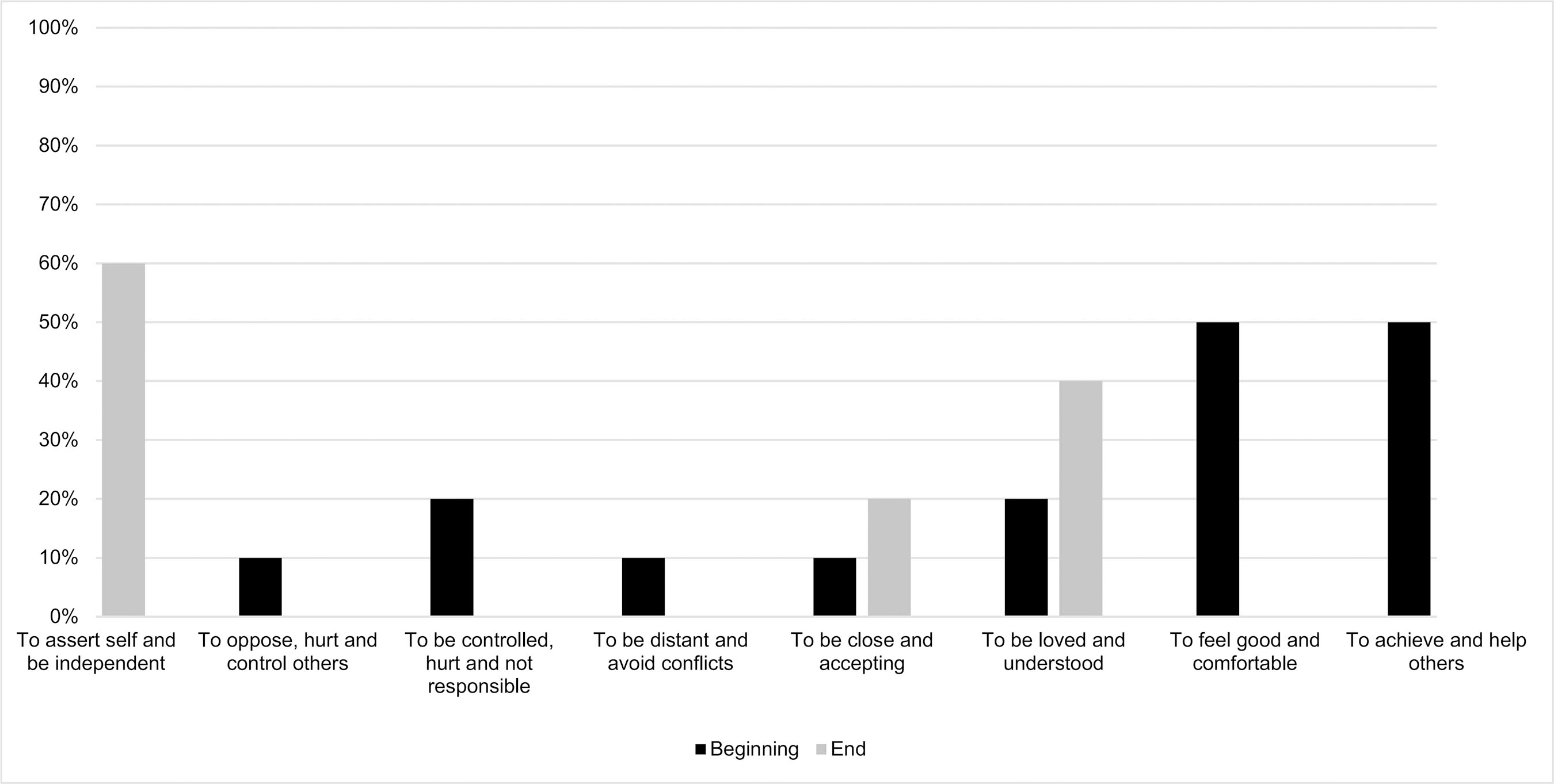
Regarding the analysis of the sessions with the CCRT, 10 REs were analyzed in each period of treatment (initial and final). There was a predominance of narratives referring to past events (70%) at the beginning of treatment. At the end, all narratives referred to current events. Paula’s central conflict at the beginning of the treatment consisted of Wishes mostly related to feeling good and comfortable in relation to her anxiety and to achieving personal accomplishments (50%). Responses of Others were mostly negative, with the perception of others as rejecting and opposing (50%), and Responses of Self were most frequently negative and associated with anxiety (60%).
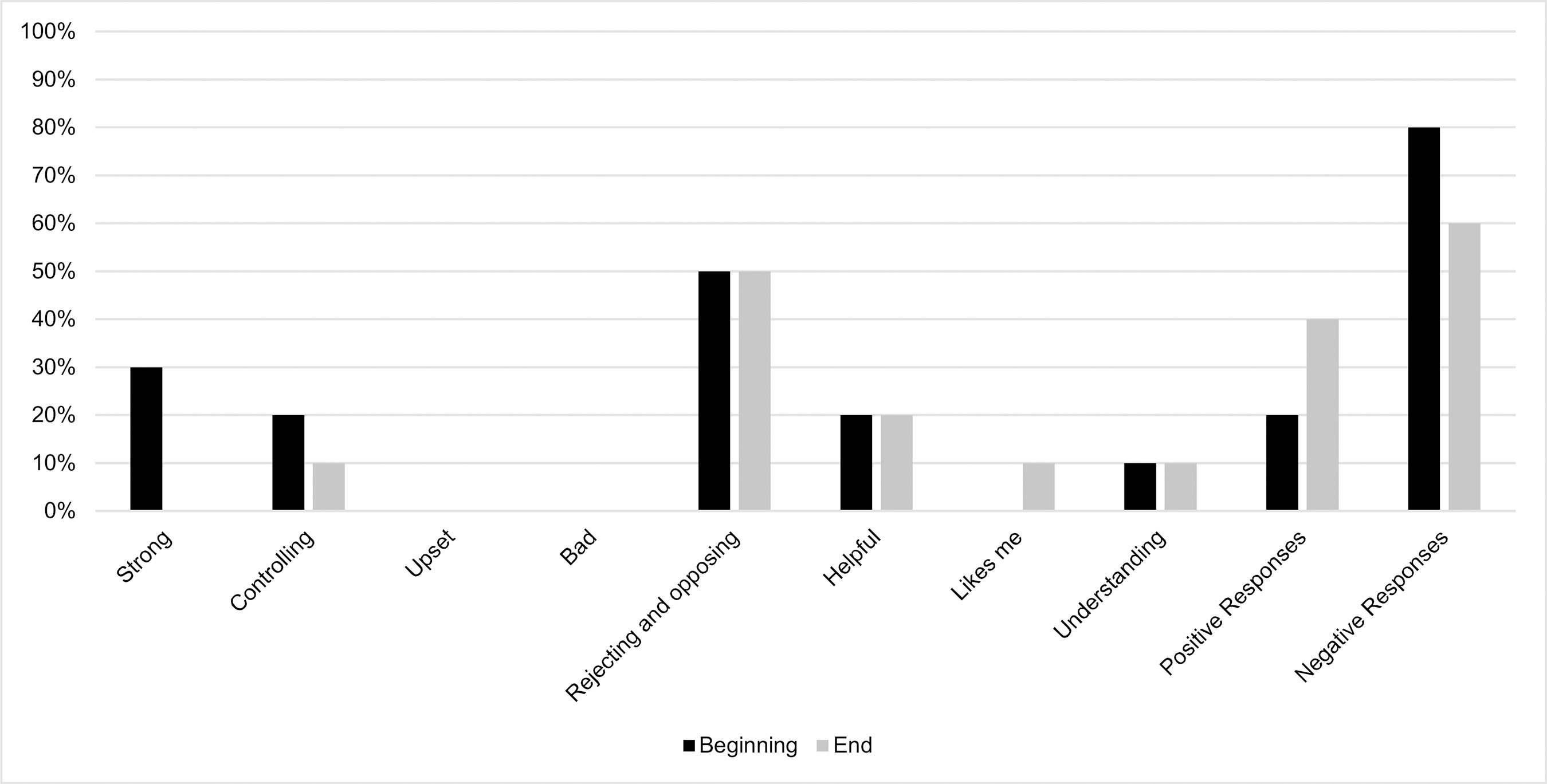
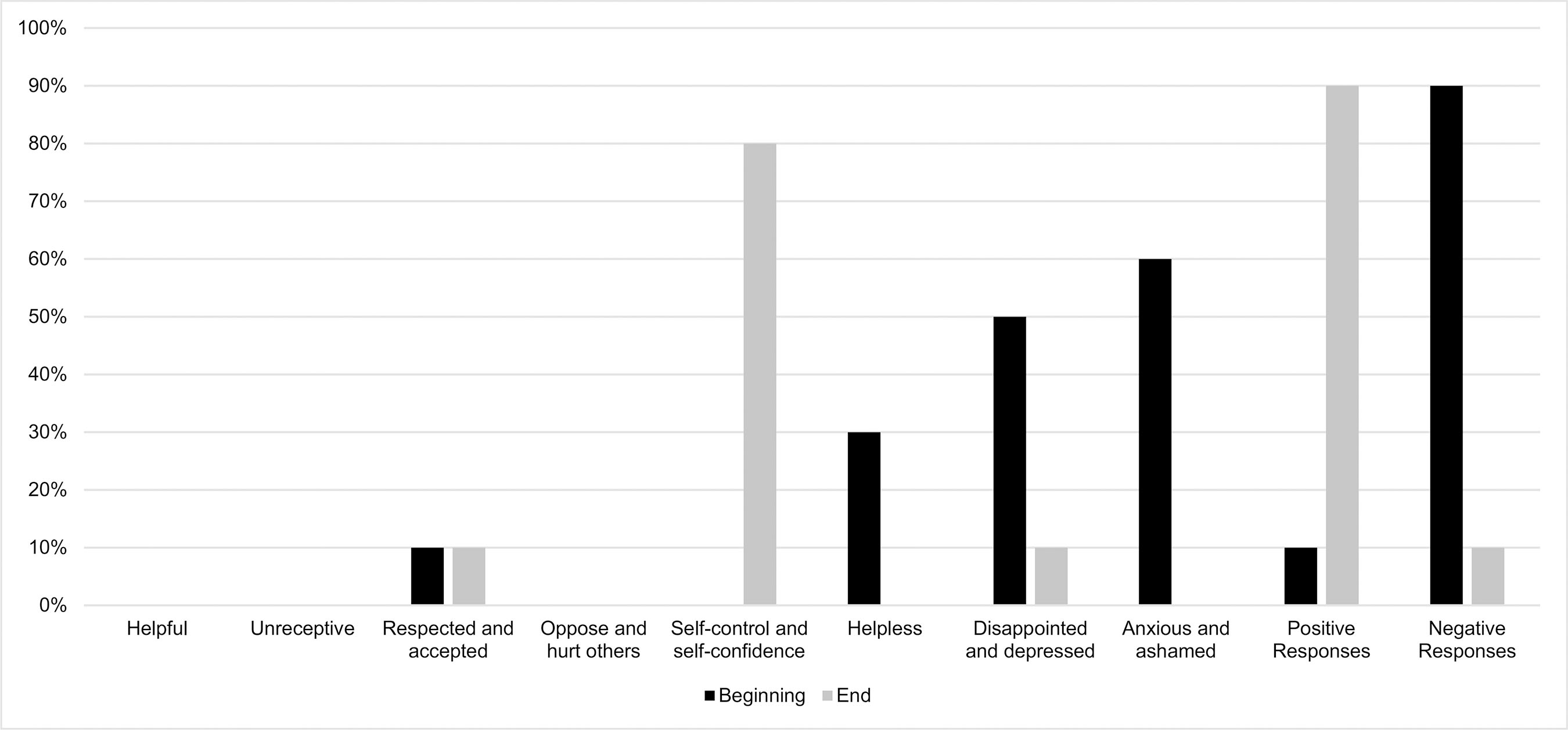
At the end of treatment, Paula’s main Wishes presented a significant change in pervasiveness: the desires to feel good and comfortable (0%) and to achieve (0%) diminished, as new wishes emerged such as to assert oneself and be independent, to be close and accepting, and to be loved and understood (Figure 2). In relation to the Responses of Others, the predominant response (“rejecting and opposing”) maintained a pervasiveness score of 50%. However, more positive responses were observed, showing a decrease in secondary ROs such as “strong” (30% to 0%) and the emergence of the response “likes me” (Figure 3). Finally, the Responses of Self showed a significant decrease in pervasiveness, where the responses of anxiety declined from 60% to 0%, and positive responses outnumbered negative ones, as Paula felt mostly self-confident (Figure 4).
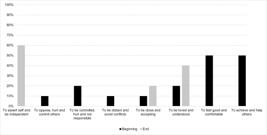
Variation of the CCRT Components in the Initial and Final Phases of Treatment in Terms of Wishes
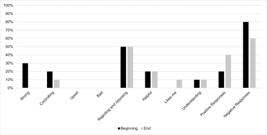
Variation of the CCRT Components in the Initial and Final Phases of the Treatment in Terms of Responses of Others
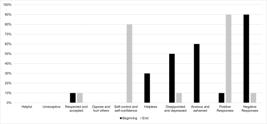
Variation of the CCRT Components in the Initial and Final Phases of the Treatment, in Terms of Responses of Self
Discussion
The progression of change presented by Paula through the Generic Change Indicators demonstrates the patient’s evolution throughout the treatment and was clinically significant, consistent with her reliable improvements registered in anxiety symptoms and psychological distress, and with the general aim of psychodynamic therapies to achieve inner, subjective changes (Moreno et al., 2005). Considering the concept of subjective theory described by Krause et al. (2006), change in psychotherapy is understood as a modification in the patient’s internal narrative that is constructed from their understanding of their relationship with themselves, with others, and with their own symptoms. As expected, Paula’s change progressed from a lower level (stage I) indicator 3 at session 1 to higher-level (stage III) indicators (numbers 16 and 17). This result is in line with existing literature indicating that patients usually present lower-level indicators at the beginning of therapy and higher-level markers at the end of good-outcome therapeutic processes (Krause et al., 2006; Krause et al., 2007).
It is noteworthy that Paula achieved stage II changes (i.e., increased permeability towards new understandings), as early as the third session. It is possible that her former experience in face-to-face therapy played a role in these early insights, facilitating her readiness to change. In this session, the patient discovered new aspects about herself (indicator 8): “I’ve always seen myself as an independent person, but I realize I have a need for support, considering this fear I have of losing others meaningful to me and being alone”. This could be considered a milestone of an intermediate phase of treatment, where supposedly “the central work of psychotherapy takes place” (Echávarri et al., 2009, p. 8). In the following sessions, an oscillation was observed between sessions without changes (sessions 4, 6, and 9) and with outside change markers (sessions 5 and 7). A psychotherapy process may present discontinuous changes, and change may occur in a nonlinear way (Hayes et al., 2007). Progressively, Paula started to establish new associations between aspects of self and those of her environment (indicator 11, at session 10), presented a reconceptualization of her problems (indicator 12, at session 12), and changed valuations she had in relation to herself and others (indicator 13, at session 18).
Stage III changes first appeared in session 17, when Paula developed new subjective constructs (indicator 14) “It seems I can’t feel secure and comfortable in my relationships, I can’t commit to a relationship”. Then, at session 21, these new constructs were clearly rooted in her own biography (indicator 15). Finally, at the last session, Paula’s extra-session narrative manifested an autonomous comprehension and management of the context of psychological meaning (indicator 16) “Now I feel I can identify how I feel in situations and act differently”, while in-session, she expressed the recognition of having been helped by Elena, her therapist (indicator 17) “I have to thank you for your support and your sensitivity”. This sequence indicates that online psychodynamic therapy can elicit profound subjective changes, producing new ways of self-understanding, as usually observed in face-to-face therapy. The therapist’s responsiveness likely played an important role in this process.
Paula presented more in-session than extra-session indicators, with indicator 8 (discovery of new aspects of herself) being the most frequent; which according to Krause et al. (2007), is more likely to be characterized as in-session. This may indicate a joint construction of new understandings between the pair, in the session, as in psychodynamic therapies both insight and the therapeutic relationship contribute to therapeutic action (Lacewing, 2014). In addition, throughout treatment, Paula presented many extra-session indicators, showing that the patient was able to transpose what was worked on in a session with the therapist to her daily life. This kind of change marker is considered an important evolution in the psychotherapeutic process (Krause et al., 2007). With therapy, Paula progressively began to manifest, outside therapy, new behaviors (indicator 9), feelings of competence (indicator 10), and different valuations in relation to the self and others (indicator 13). In the late phase of therapy, Paula expressed two other extra-session change indicators: Indicator 15 (Rooting of subjective constructs in her own biography) and Indicator 16 (Autonomous comprehension and use of the context of psychological meaning). This shows the patient’s evolution towards her own autonomy, being able to identify situations that occurred outside the psychotherapeutic setting and manage them based on the new understandings acquired during the process.
During Paula’s treatment, indicators 8 and 9 were more frequently observed, evidencing a consistent change from the theoretical point of view of psychodynamic psychotherapy. These markers are among the most frequently related to psychodynamic psychotherapies (Krause et al., 2007). It is significant that Paula’s psychotherapy process ended with indicator 17 (acknowledgment of help received), meaning that at the end of the treatment, she reached a high level of change and was grateful to her therapist for that. Analyzing four successful brief psychodynamic psychotherapies with the GCI, Echávarri (2009) found that the indicators most frequently present at the end of therapies were indicator 17 (Acknowledgment of help received) and indicator 18 (decreased asymmetry between patient and therapist). Therefore, Paula’s process of change is compatible with what is expected in a successful case of psychodynamic therapy, and shows that more complex, broad, inner changes can also occur in online settings.
Considering the CCRT findings, Paula’s change in Wishes, as expressed in her relationship episode narratives, is highlighted. At the beginning of the treatment, narratives referred to a more dependent and passive position, showing her need to avoid conflict, not being held responsible, and the desire to feel good and comfortable in the face of anxiety. At the end of the treatment, Paula expressed more mature wishes representing greater autonomy, such as asserting the self and being independent. Her dependent aspects were still present, manifested as the desire to be loved and understood by others. Most studies that assess changes in the pattern of conflictual relationships show a tendency for the patient’s wishes to remain stable throughout the treatment (Castro & Serralta, 2019; Feijó et al., 2022; Luborsky & Crits-Christoph, 1998). However, De Bei and Montorsi (2013) found clinically significant changes in the wishes of a patient in brief psychotherapy, as in Paula’s case.
Considering the Responses of Others pattern, during the treatment, the patient maintained her perception of others as rejecting and opposing her wishes. Wilczek et al. (2004) described the permanence of rejection responses in a diverse group of patients, even after the end of treatment. However, with a considerable decrease in frequency. Even though Paula presented rejection responses at the end of the treatment, there was also a positive perception of others, as helpful. This finding, coupled with the reduction in Paula’s perception of others as “Strong”, evidences a significant change in this component of the patient’s conflict, which was characterized by demands and comparisons with others, both in professional and social situations, as important sources of psychological distress.
The Responses of Self most frequently presented by Paula at the beginning of the treatment were disappointment and depression, anxiety and helplessness, already described as responses commonly associated with anxiety disorders (Crits-Christoph et al., 2004). At the end of the treatment, there was a notable change, since the most frequent responses presented by the patient were self-control and self-confidence. Considering that anxiety is linked to a lack of a sense of security and support (Bowlby, 1960), this may indicate therapeutic progress, as the patient now reacts in a more self-controlled and confident way, even when faced with a response from another person that frustrates their wishes.
According to Tishby et al. (2007), significant changes in the CCRT usually occur both in its components and in the proportion of positive and negative Responses of Others and Responses of Self. Accordingly, a change in the frequency and direction of Paula’s responses stands out. At the end of the treatment, there was a considerable decrease in negative responses and a significant increase in positive responses, compared to the beginning, corroborating findings from previous studies that used the CCRT method and observed changes in patients due to psychotherapy (Luborsky & Crits-Christoph, 1998; Salgado & Pires, 2014; Wilczek et al., 2004). Wilczek et al. (2004) noted that the increase in positive Responses of Self, as seen in the case of Paula, was related to a better ability to deal with the conflict between the patient’s individual wishes and the demands of external reality. This is in line with what is meant by change from a classic psychoanalytic perspective, since it is related to a reduction in tension between psychic instances, implying a higher quality in interpersonal relationships (Moreno et al., 2005).
It is notable that Paula showed changes across all CCRT components, including wishes. Therefore, it is clear that change occurred not only in her anxiety symptoms but also in the patient’s pattern of interpersonal relationships. A change in transference patterns within relationships indicates a shift toward progress in psychotherapy (Luborsky & Crits-Christoph, 1998; Salgado & Pires, 2014), which can also be observed in her progression of change through the GCI stages.
The two different methods used to evaluate Paula’s progress in psychotherapy allow an integrated and comprehensive understanding of her change process. Considering the Wishes expressed in her CCRT, it was observed that they were initially related to a need to feel comfortable regarding her anxiety and a drive to achieve, both which acted as anxiety-triggering factors that she recognized as problems to be addressed in treatment. At the end of therapy, after Paula was able to understand the underlying factors related to her anxiety, she began to present a different prominent wish: to assert the self and be independent. This attests to her reconceptualization (indicator 12) and the creation of a new subjective construct (indicator 14) regarding her symptoms.
It should also be highlighted that at the beginning of the treatment Paula perceived others as “Strong”, reflecting the comparisons she used to make between herself and others, which harmed her social interactions and generated anxiety. However, by the end of the therapy, it was observed that Paula showed a transformation in her values and emotions regarding herself and, consequently, others (indicator 13). At that point, the patient no longer presented any Responses of Others categorized as Strong. This illustrates a convergence between the findings of the two methods used (CCRT and GCI). Additionally, Paula’s responses of self-control and confidence, exhibited in the CCRT results of therapy, can be found to correspond to the emergence of feelings of competence (indicator 10 of the GCI).
Final Considerations
The study suggests that online psychodynamic therapies can produce changes that are consistent with the theoretical perspective of psychoanalytically oriented therapies in terms of generic change and interpersonal relationships. The level and quality of change seems equivalent to that found in successful face-to-face therapies. Furthermore, the findings suggest that the two observational methods used to assess psychotherapy change (GCI and CCRT) can be integrated and interpreted in an interdependent manner.
This study has several limitations. As a single-case study, its design is primarily descriptive. Thus, generalizations are limited to theoretical propositions, and no unequivocal conclusions should be drawn. Replication in other cases, as well as group studies, is needed to better examine how and to what extent change occurs in online psychodynamic therapies. However, the study innovates by addressing a central topic in psychotherapy research and practice not yet studied by others. Our results may be useful for generating hypotheses for further examinations, as well as encouraging researchers to investigate online clinical practice. Furthermore, since participant characteristics (e.g., the patient’s high level of education and prior treatments; the therapist’s engagement in research) may have influenced the process of change, we suggest that further studies include an examination of cultural aspects, in favor of a culturally competent online clinical practice. Finally, we hope this study contributes to establishing a solid bridge between research and online psychodynamic-oriented practice.
-
Article elaborated from the thesis by L. P. FEIJÓ, entitled “Avaliação do processo e resultado da psicoterapia psicodinâmica on-line”. Universidade do Vale do Rio dos Sinos, 2021.
-
How to cite this article: Strassburger, B. C., Feijó, L. P, Kristensen, C. H., & Serralta, F. B. (2026). Process of change in a successful case of online psychodynamic therapy. Estudos de Psicologia (Campinas), 43, e220117. https://doi.org/10.1590/1982-0275202643e220117.
Data availability
The research data are available on request from the corresponding author.
References
-
Békés, V., Aafjes–van Doorn, K., Prout, T. A., & Hoffman, L. (2020). Stretching the analytic frame: analytic therapists’ experiences with remote therapy during COVID-19. Journal of the American Psychoanalytic Association, 68(3), 437-446. https://doi.org/10.1177%2F0003065120939298
» https://doi.org/10.1177%2F0003065120939298 - Belo, F. (2020). Clínica psicanalítica online: breves apontamentos sobre o atendimento virtual Zagodoni.
-
Berryhill, M. B., Culmer, N., Williams, N., Halli-Tierney, A., Betancourt, A., Roberts, H., & King, M. (2019). Videoconferencing psychotherapy and depression: a systematic review. Telemedicine and e-Health, 25(6), 435-446. https://doi.org/10.1089/tmj.2018.0058
» https://doi.org/10.1089/tmj.2018.0058 -
Bittencourt, H. B., Rodrigues, C. C., Santos, G. L., Silva, J. B., Quadros, L. G., Mallmann, L. S., & Fedrizzi, R. I. (2020). Psicoterapia on-line: uma revisão de literatura. Diaphora, 9(1), 41-46. https://doi.org/10.29327/217869.9.2-6
» https://doi.org/10.29327/217869.9.2-6 - Bowlby, J. (1960). Separation anxiety. International Journal of Psychoanalysis, 41, 89-113.
- Castro, F. C., & Serralta, F. B. (2019). O uso de métodos empíricos para formulação de caso: a contribuição do CCRT na avaliação de um paciente borderline [Dissertação de mestrado não-publicada]. Universidade do Vale do Rio dos Sinos, São Leopoldo.
- Crits-Christoph, P., Gibbons, M. B. C., & Crits-Christoph, K. (2004). Supportive–Expressive Psychodynamic Therapy. In R. G. Heimberg, C. L. Turk, & D. S. Mennin (Orgs.), Generalized anxiety disorder: advances in research and practice (pp. 465-489). The Guilford Press.
- Curtis, R. C. (2019). Relational psychoanalytic/psychodynamic psychotherapy. In S. B. Messer & N. J. Kaslow (Eds.), Essential psychotherapies: theory and practice (4th ed., pp. 71-108). The Guilford Press.
-
De Bei, A., & Montorsi, A. (2013). Interaction structure and transferential patterns in brief psychotherapy: a single-case study. Research in Psychotherapy: Psychopathology, Process and Outcome, 16(1), 24-32. https://doi.org/10.4081/ripppo.2013.103
» https://doi.org/10.4081/ripppo.2013.103 -
Doorn, K. A., Békés, V., & Prout, T. A. (2021). Grappling with our therapeutic relationship and professional self-doubt during COVID-19 : will we use video therapy again ? Counselling Psychology Quarterly, 34(3-4), 473-484. https://doi.org/10.1080/09515070.2020.17734
» https://doi.org/10.1080/09515070.2020.17734 -
Echávarri, O., González, A., Krause, M., Tomicic, A., Pérez, C., Dagnino, P., De la Parra, G., Valdés, N., Altimir, C., Vilches, O., Strasser, K., Ramírez, I., & Reyes, L. (2009). Cuatro terapias psicodinámicas breves exitosas estudiadas através de los indicadores genéricos de cambio. Revista Argentina de Clínica Psicológica, 18(1), 5-19. https://www.redalyc.org/articulo.oa?id=281921800001
» https://www.redalyc.org/articulo.oa?id=281921800001 -
Edwards, D. J. A. (1998). Types of case study work: a conceptual framework for case-based research. Journal of Humanistic Psychology, 38(3), 36-70. https://doi.org/10.1177/00221678980383003
» https://doi.org/10.1177/00221678980383003 -
Evans, C., Mellor-Clark, J., Margison, F., Barkham, M., Audin, K., Connell, J., & McGrath, G., (2000). CORE: Clinical Outcomes in Routine Evaluation. Journal of Mental Health, 9(3), 247-255. https://doi.org/10.1080/jmh.9.3.247.255
» https://doi.org/10.1080/jmh.9.3.247.255 - Feijó, L. P., & Serralta, F. B. (2021). Avaliação do processo-resultado na psicoterapia psicodinâmica on-line [Dissertação de mestrado não publicada]. Universidade do Vale do Rio dos Sinos, São Leopoldo.
-
Feijó, L. P., Fermann, I. L., Andretta, I., & Serralta, F. B. (2021). Indícios de Eficácia de Tratamentos Psicoterápicos utilizando a internet: revisão de literatura. Gerais: Revista Interinstitucional de Psicologia, 14, 1-25. https://dx.doi.org/10.36298/gerais202114e16767
» https://doi.org/10.36298/gerais202114e16767 -
Feijó, L. P., Silva, N. B., & Benetti, S. P. C. (2018). Impacto das tecnologias de informação e comunicação na técnica psicoterápica psicanalítica. Temas e m Psicologia, 26(3), 1633-1647. https://doi.org/10.9788/TP2018.3-18En
» https://doi.org/10.9788/TP2018.3-18En -
Feijó, L. P., Strassburger, B. C., Nardi, S. C. S., Pessota, C. M., Barcellos, E. D., & Serralta, F. B. (2022). Change in the Core Conflictual Relationship Themes of anxious patients receiving online psychodynamic psychotherapy. Research, Society and Development, 11(2), e41711225918. https://doi.org/10.33448/rsd-v11i2.25918
» https://doi.org/10.33448/rsd-v11i2.25918 -
Flückiger, C., Del Re, A. C., Wampold, B. E., & Horvath, A. O. (2018). The alliance in adult psychotherapy: A meta-analytic synthesis. Psychotherapy, 55(4), 316-340. https://doi.org/10.1037/pst0000172
» https://doi.org/10.1037/pst0000172 -
Hardy, G. E., & Llewelyn, S. (2015). Introduction to psychotherapy process research. In O. C. G. Gelo, A. Pritz, & B. Rieken (Eds.), Psychotherapy Research: Foundations, Process and Outcome (pp. 183-194). Springer -Verlag Publishing. https://doi.org/10.1007/978-3-7091-1382-0_9
» https://doi.org/10.1007/978-3-7091-1382-0_9 -
Hayes, A. M., Laurenceau, J. P., Feldman, G., Strauss, J. L., & Cardaciotto, L. (2007). Change is not always linear: the study of nonlinear and discontinuous patterns of change in psychotherapy. Clinical Psychology Review, 27(6), 715-723. https://doi.org/10.1016/j.cpr.2007.01.008
» https://doi.org/10.1016/j.cpr.2007.01.008 -
Jacobson, N. S., & Truax, P. (1991). Clinical significance: a statistical approach to defining meaningful change in psychotherapy research. Journal of Consulting and Clinical Psychology, 59(1), 12–19. https://doi.org/10.1037/0022-006X.59.1.12
» https://doi.org/10.1037/0022-006X.59.1.12 -
Krause, M., Altimir, C., Pérez, J.C., & de la Parra, G. (2015). Generic change indicators in therapeutic processes with different outcomes. Psychotherapy Research, 25(5), 533-545. https://doi.org/10.1080/10503307.2014.935516
» https://doi.org/10.1080/10503307.2014.935516 -
Krause, M., de la Parra, G., Arístegui, R., Dagnino, P., Tomicic, A., Valdés, N., Vilches, O., Echávarri, O., Ben-Dov, P., Reyes, L., Altimir, C., & Ramírez, I. (2006). Indicadores genéricos de cambio en el proceso psicoterapéutico. Revista Latinoamericana de Psicologia, 38(2), 299-325. https://www.redalyc.org/articulo.oa?id=80538206
» https://www.redalyc.org/articulo.oa?id=80538206 -
Krause, M., de la Parra, G., Arístegui, R., Dagnino, P., Tomicic, A., Valdés, N., Echávarri, O., Strasser, K., Reyes, L., Altimir, C., Ramírez, I., Vilches, O., & Ben-Dov, P. (2007). The evolution of therapeutic change studied through generic change indicators. Psychotherapy Research, 17(6), 673-689. http://dx.doi.org/10.1080/10503300601158814
» https://doi.org/10.1080/10503300601158814 -
Lacewing, M. (2014). Psychodynamic psychotherapy, insight, and therapeutic action. Clinical Psychology: Science and Practice, 21(2), 154. https://doi.org/10.1111/cpsp.12065
» https://doi.org/10.1111/cpsp.12065 -
Lemma, A., Target, M., & Fonagy, P. (2011). The development of a brief psychodynamic intervention (Dynamic Interpersonal Therapy) and its application to depression: a pilot study. Psychiatry: Interpersonal & Biological Processes, 74(1), 41-48. https://doi.org/10.1521/psyc.2011.74.1.41
» https://doi.org/10.1521/psyc.2011.74.1.41 -
Luborsky, L., & Crits-Christoph, P. (1998). Understanding transference: the core conflictual relationship theme method (2nd ed.). American Psychological Association. https://doi.org/10.1037/10250-000
» https://doi.org/10.1037/10250-000 -
Lunnen, K. M., Ogles, B. M., Anderson, T. M., & Barnes, D. L. (2006). A comparison of CCRT pervasiveness and symptomatic improvement in brief therapy. Psychology and Psychotherapy: Theory, Research and Practice, 79(2), 289-302. http://doi.org/10.1348/147608305X53206
» https://doi.org/10.1348/147608305X53206 -
Machado, L. F., Feijó, L. P., & Serralta, F. B. (2020). On-line psychotherapy practice by psychodynamic therapists. Psico, 51(3), e36529-e36529. https://doi.org/10.15448/1980-8623.2020.3.36529
» https://doi.org/10.15448/1980-8623.2020.3.36529 - Malone, J. C. (2018). Relational psychoanalysis: Not a theory but a framework. In M. Charles (Ed.), Introduction to contemporary psychoanalysis: defining terms and building bridges (pp. 208-226). Routledge/Taylor & Francis Group.
-
Marasca, A. R., Yates, D. B., Schneider, A. M. A., Feijó, L. P., & Bandeira, D. R. (2020). Avaliação psicológica online: considerações a partir da pandemia do novo coronavírus (COVID-19) para a prática e o ensino no contexto a distância. Estudos de Psicologia (Campinas), 37, e200085. https://doi.org/10.1590/1982-0275202037e200085
» https://doi.org/10.1590/1982-0275202037e200085 -
Moreno, C. M. L., Schalayeff, C., Acosta, S. R., Vernengo, P., Roussos, A. J., & Lerner, B. D. (2005). Evaluation of psychic change through the application of empirical and clinical techniques for a 2-year treatment: a single case study. Psychotherapy Research, 15(3), 199-209. https://doi.org/10.1080/10503300512331387799
» https://doi.org/10.1080/10503300512331387799 -
Pote, H., Rees, A., Holloway-Biddle, C., & Griffith, E. (2021). Workforce challenges in digital health implementation: how are clinical psychology training programmes developing digital competences? Digital Health, 7 https://doi.org/10.1177/2055207620985396
» https://doi.org/10.1177/2055207620985396 - Rocha, G. M. A., Santeiro, T. V., Morais Peixoto, E., Enéas, M. L., & Honda, G. C. (2023). Psicoterapias breves: aspectos gerais e propostas contemporâneas aplicadas no Brasil Vetor Editora.
-
Salgado, A. I. M., & Pires, A. A. P. (2014). Avaliação da mudança nas relações interpessoais através do CCRT: estudo de caso psicanalítico. Psicologia Clínica, 26(1), 135-150. http://www.redalyc.org/articulo.oa?id=291031730009
» http://www.redalyc.org/articulo.oa?id=291031730009 -
Serralta, F. B., Nunes, M. L. T., & Eizirik, C. L. (2011). Considerações metodológicas sobre o estudo de caso na pesquisa em psicoterapia. Estudos de Psicologia (Campinas), 28(4), 501-510. https://dx.doi.org/10.1590/S0103-166X2011000400010
» https://doi.org/10.1590/S0103-166X2011000400010 - Serralta, F. B., & Feijó, L. P. (2021). Processos e resultados da psicoterapia on-line: quais evidências empíricas temos disponíveis? In G. Zwielewski & R. Cruz (Orgs.), Manual de Psicoterapia On-line: pesquisa e prática (pp. 231-248). Vetor Editora.
- Siqueira, C. C. A., & Russo, M. N. (2018). Psicoterapia on-line: ética, segurança e evidências científicas sobre práticas clínicas mediadas por tecnologias Zagodoni.
-
Spitzer, R. L., Kroenke, K., Williams, J. B. W., & Löwe, B. (2006). A brief measure for assessing generalized anxiety disorder: the GAD-7. Archives of Internal Medicine, 166(10), 1092-1097. https://doi.org/10.1001/archinte.166.10.1092
» https://doi.org/10.1001/archinte.166.10.1092 -
Tishby, O., Raitchick, I., & Shefler, G. (2007). Changes in interpersonal conflicts among adolescents during psychodynamic therapy. Psychotherapy Research, 17(3), 297-304. https://doi.org/10.1080/10503300600607944
» https://doi.org/10.1080/10503300600607944 -
Ulkovski, E. P., Silva, L. P., & Ribeiro, A. B. (2017). Atendimento psicológico on-line: perspectivas e desafios atuais da psicoterapia. Revista de Iniciação Científica da Universidade Vale do Rio Verde, 7(1), 59-68. http://periodicos.unincor.br/index.php/iniciacaocientifica/article/view/4029
» http://periodicos.unincor.br/index.php/iniciacaocientifica/article/view/4029 -
Varker, T., Brand, R. M., Ward, J., Terhaag, S., & Phelps, A. (2019). Efficacy of synchronous telepsychology interventions for people with anxiety, depression, posttraumatic stress disorder, and adjustment disorder: a rapid evidence assessment. Psychological Services, 16(4), 621-635. https://doi.org/10.1037/ser0000239
» https://doi.org/10.1037/ser0000239 -
Wilczek, A., Weinryb, R. M., Barber, J. P., Gustavsson, J. P., & Asberg, M. (2004). Change in the core conflictual relationship theme after a long-term dynamic psychotherapy. Psychotherapy Research, 14(1), 107-125. https://doi.org/10.1093/ptr/kph007
» https://doi.org/10.1093/ptr/kph007 -
Wind, T. R., Rijkeboer, M., Andersson, G., & Riper, H. (2020). The COVID-19 pandemic: the “black swan” for mental health care and a turning point for e-health. Internet Interventions, 20, 100317. https://doi.org/10.1016/j.invent.2020.100317
» https://doi.org/10.1016/j.invent.2020.100317 - Yeomans, F. E., Clarkin, J. F., & Levy, K. L. (2021). Psychodynamic psychotherapies. In E. Skodol & J. Oldham (Eds.), The American Psychiatric Association Publishing Textbook of Personality Disorders (pp. 335-360). Third edition.
-
Zilcha-Mano S. (2019). Major developments in methods addressing for whom psychotherapy may work and why. Psychotherapy Research: Journal of the Society for Psychotherapy Research, 29(6), 693-708. https://doi.org/10.1080/10503307.2018.1429691
» https://doi.org/10.1080/10503307.2018.1429691
Edited by
-
Editor
Raquel Souza Lobo Guzzo