High Sensitivity Optical Sensor Based on Surface Plasmon Effect on Graphene for Detection of DMSO Concentrations
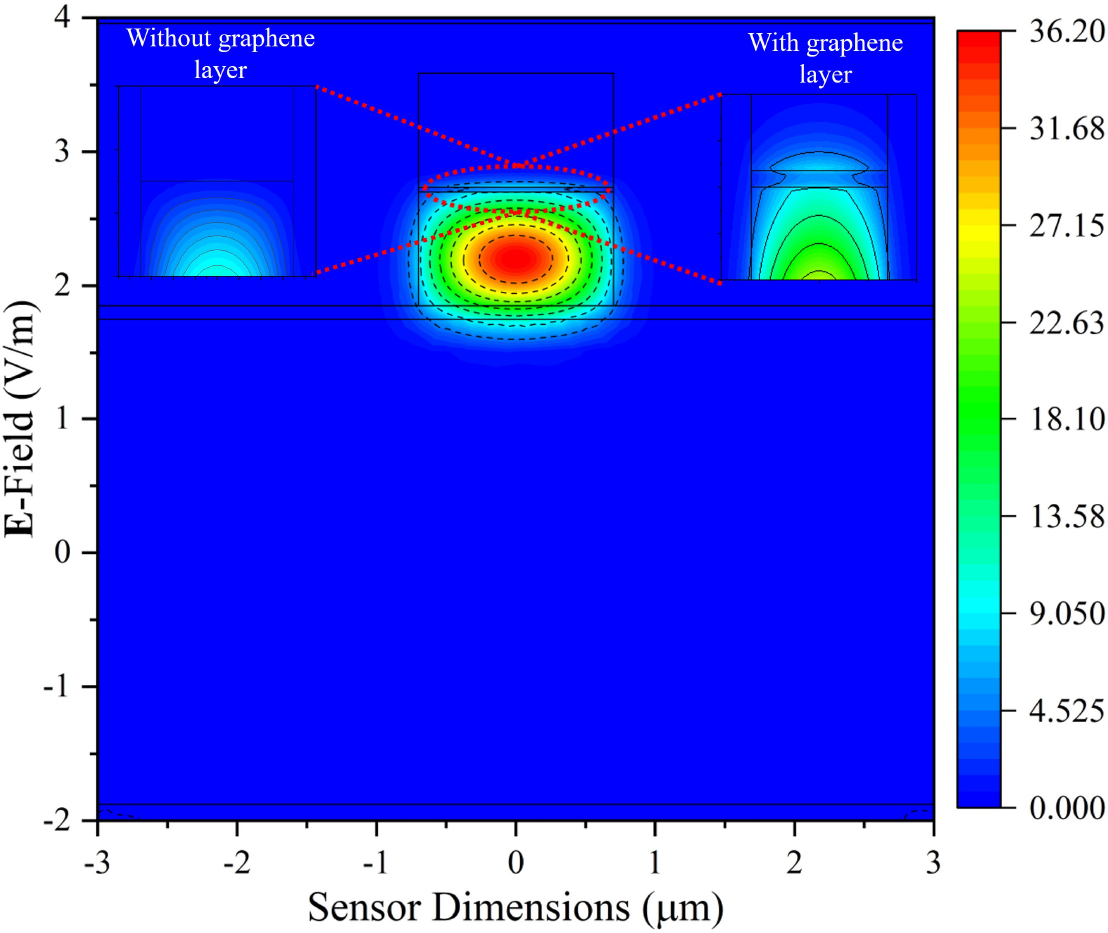
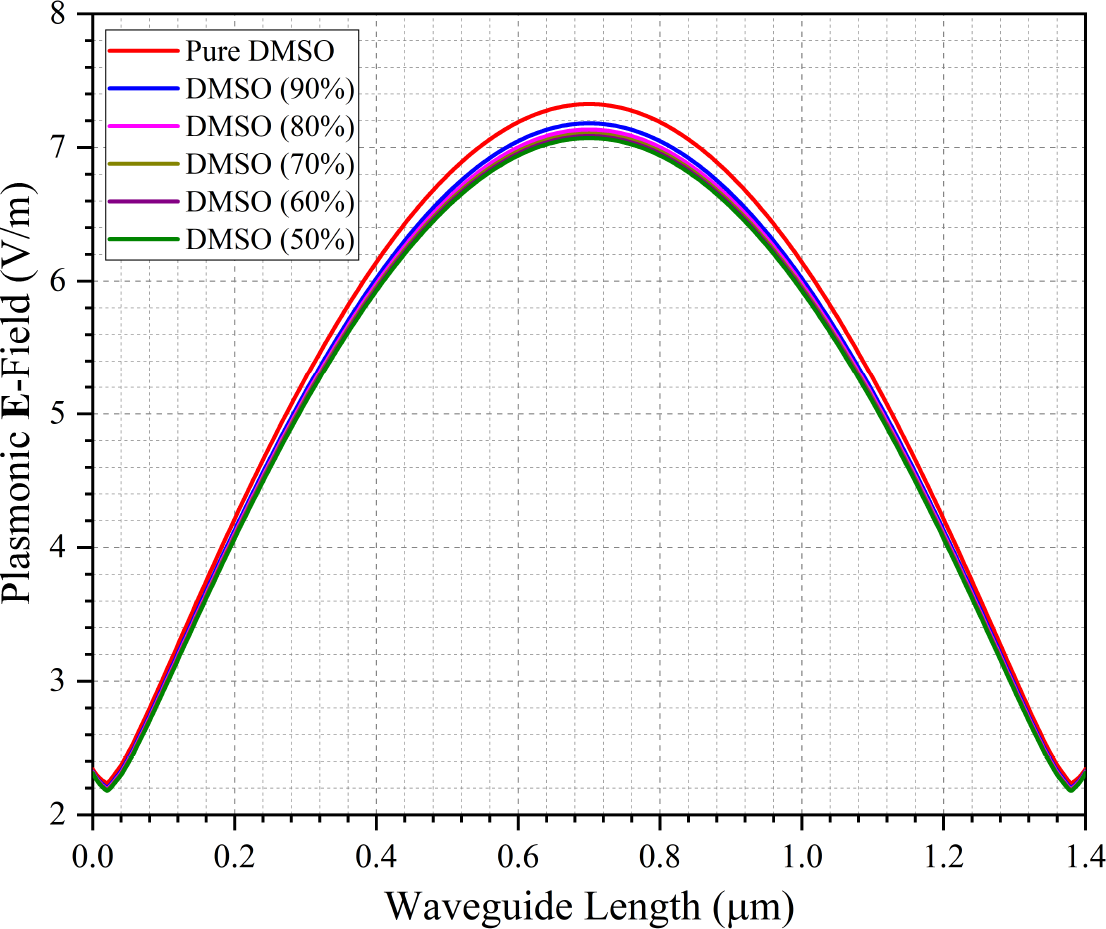
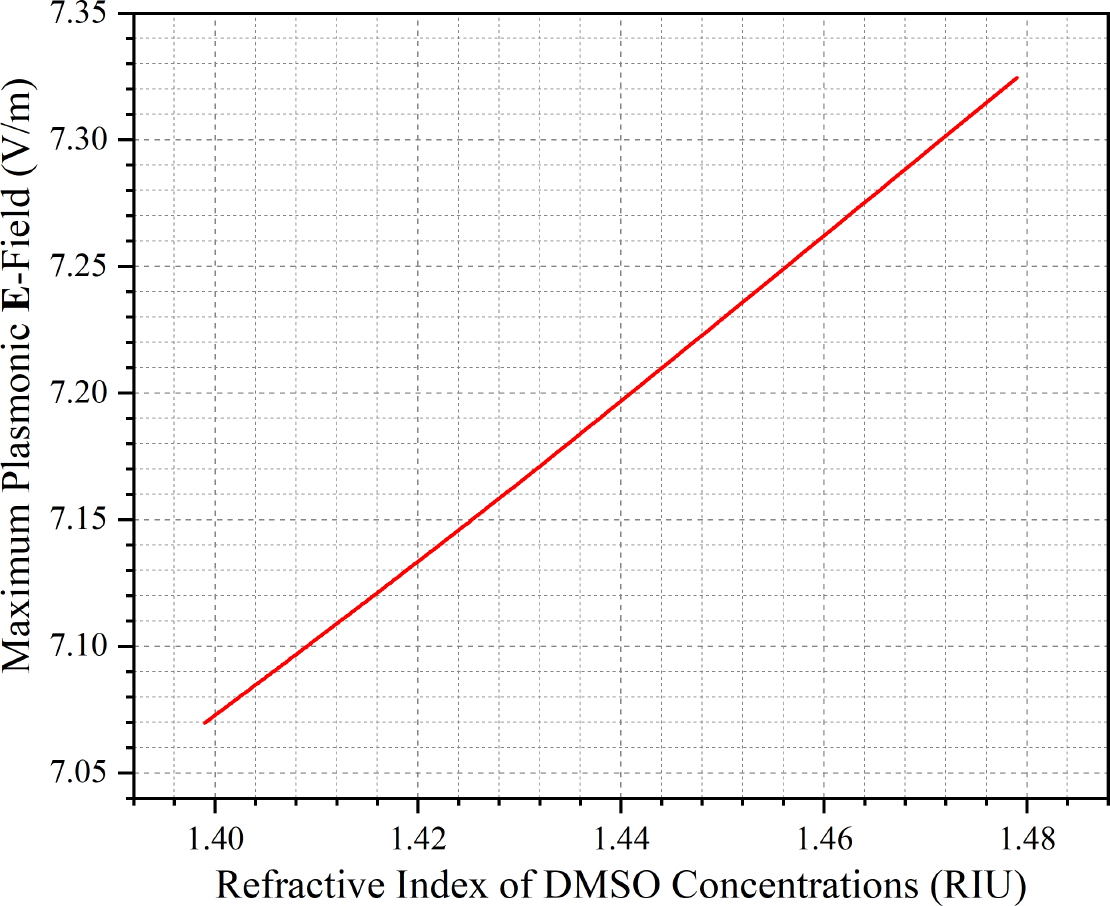
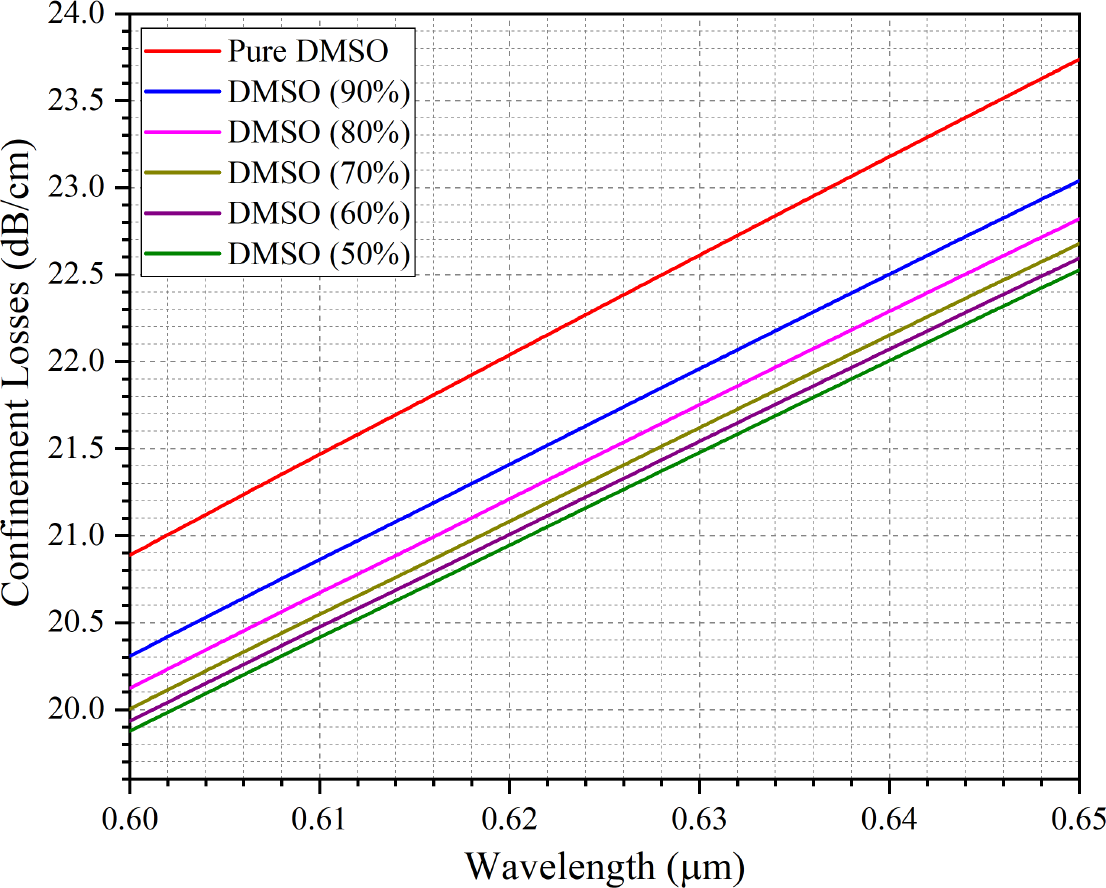
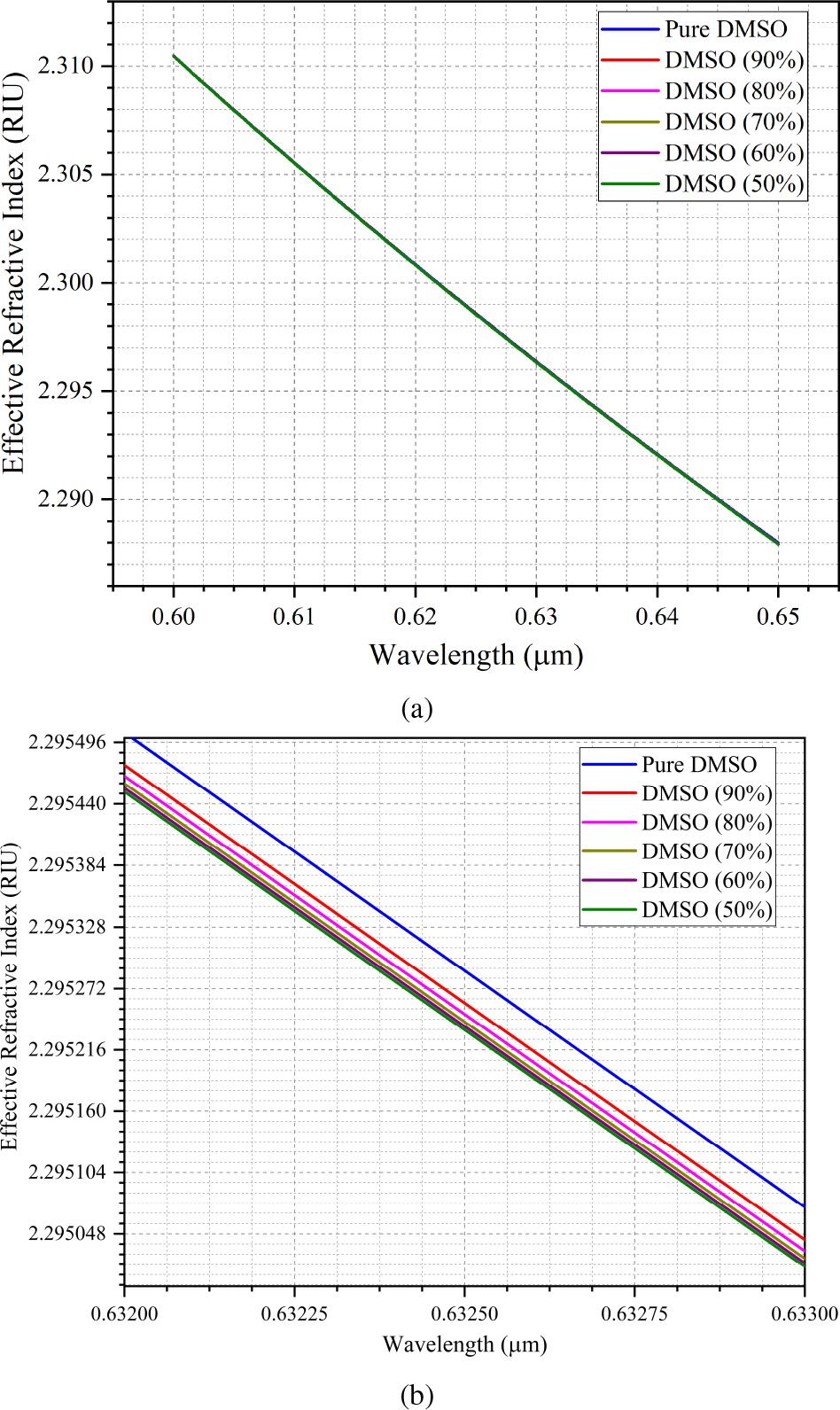
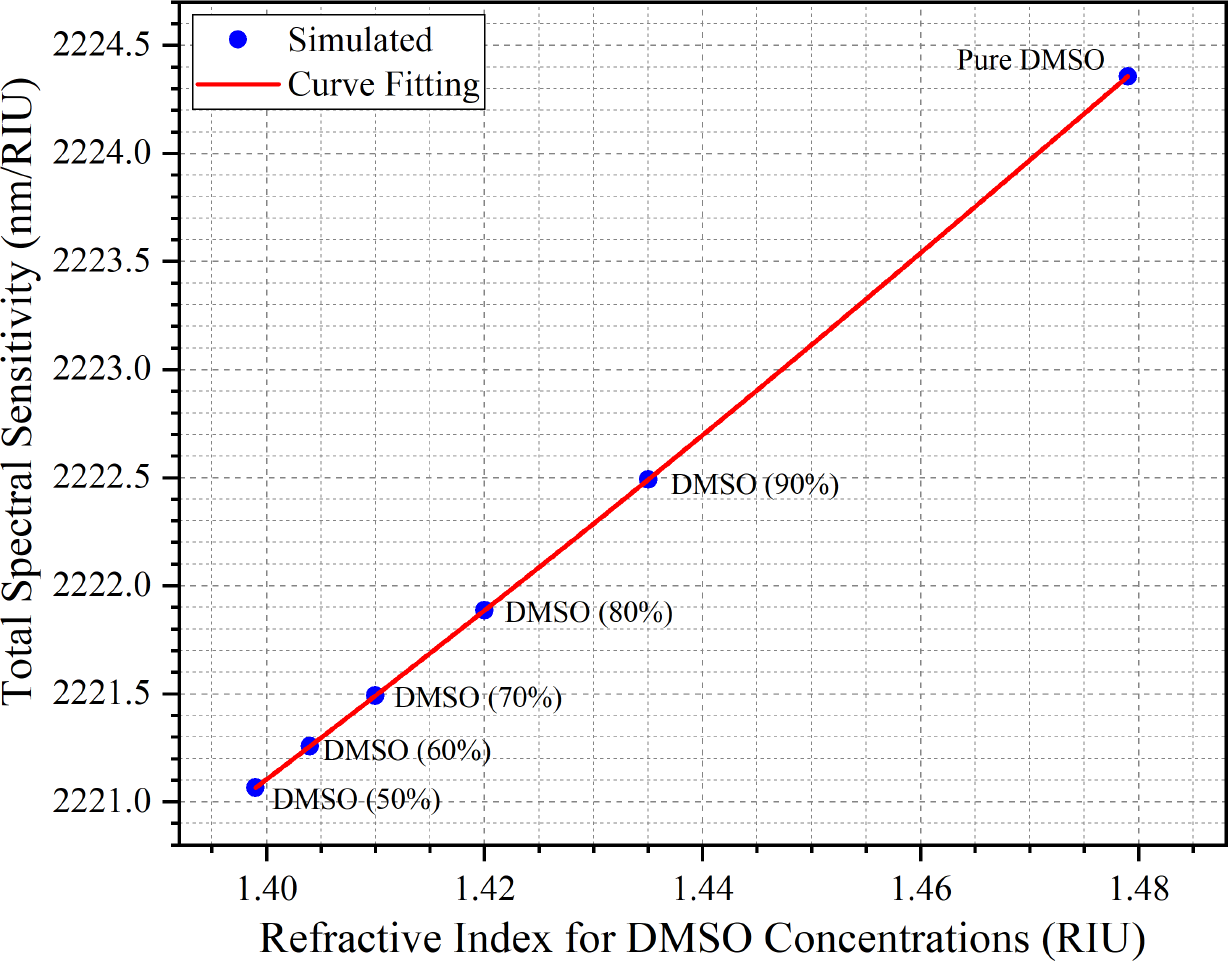
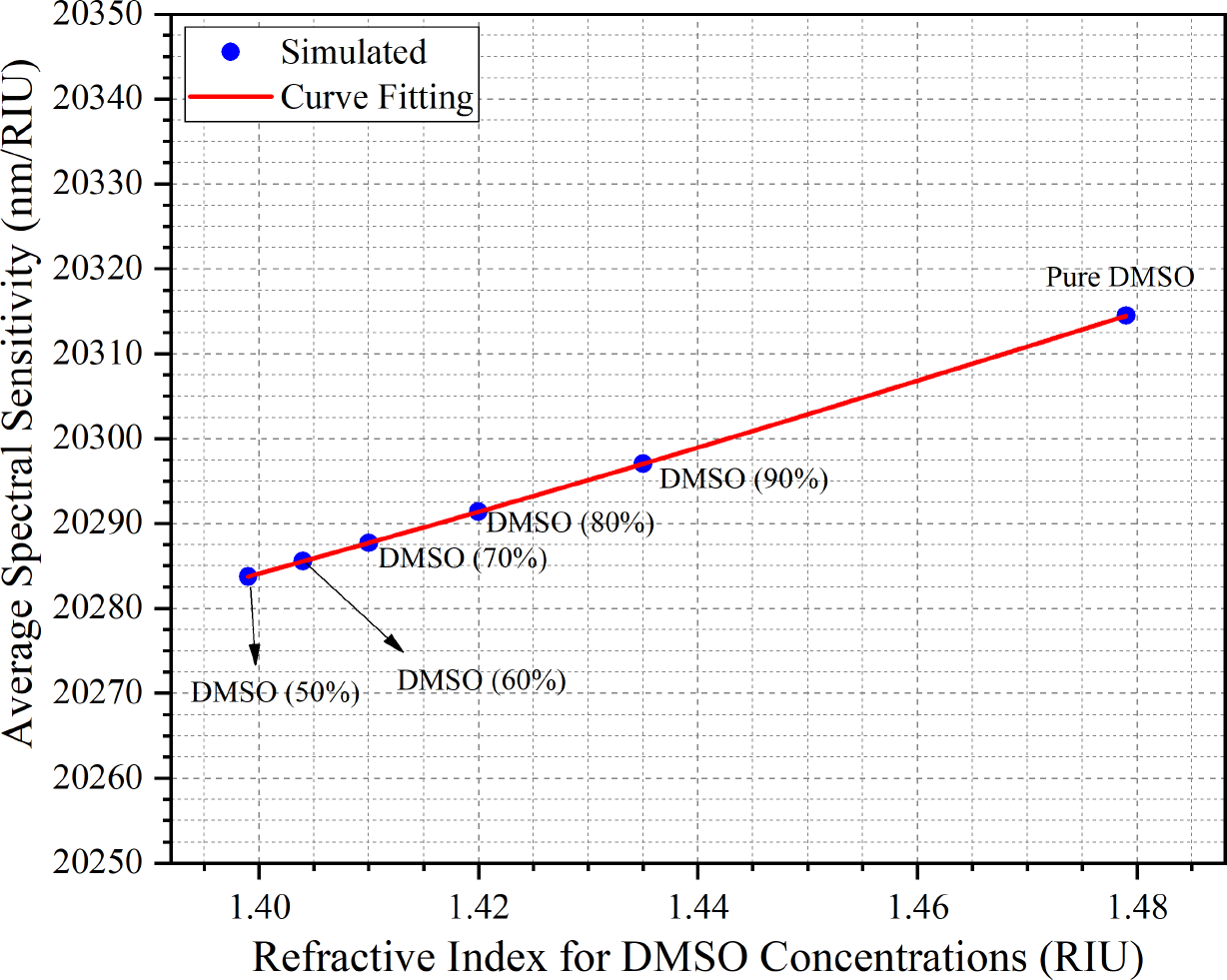
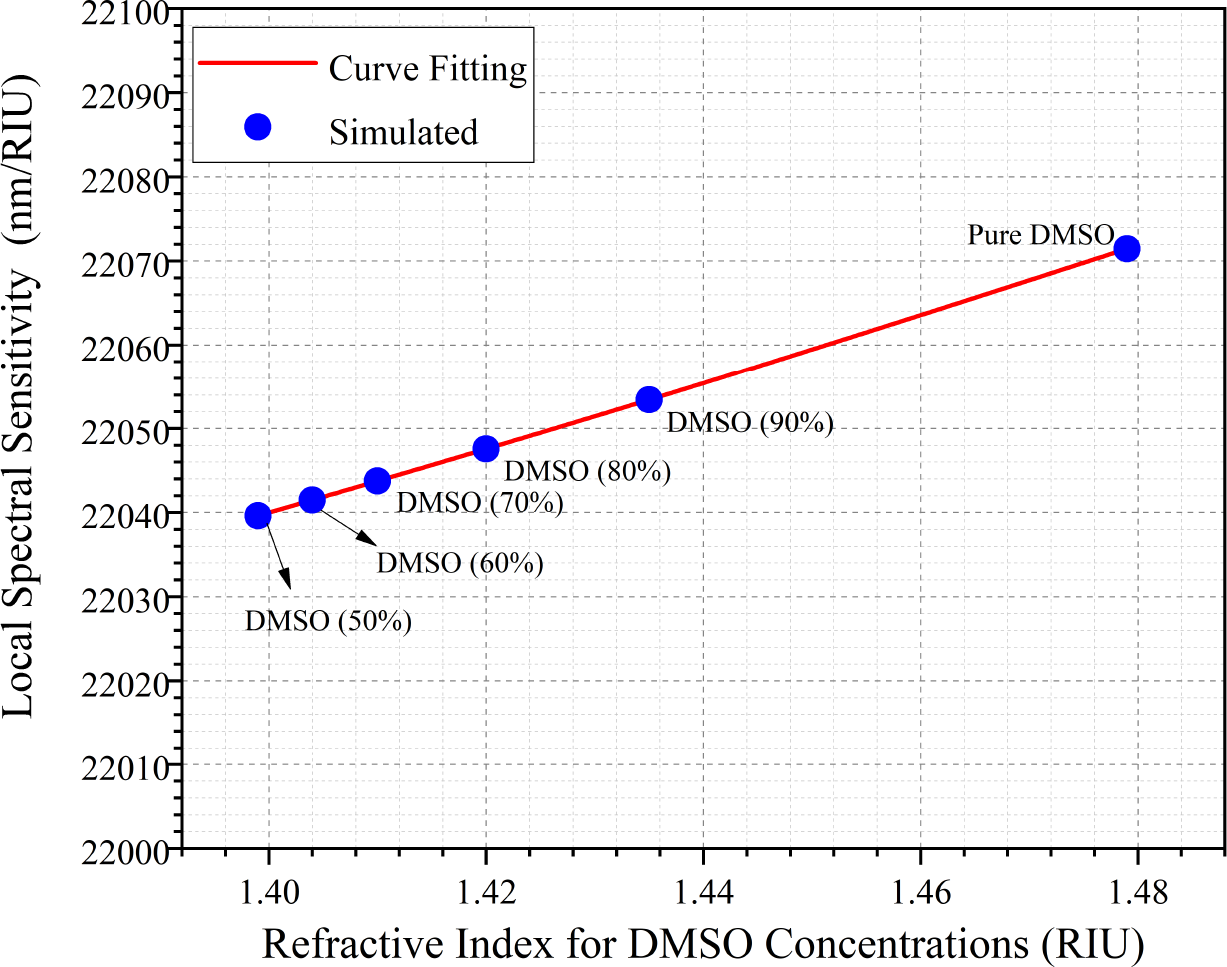
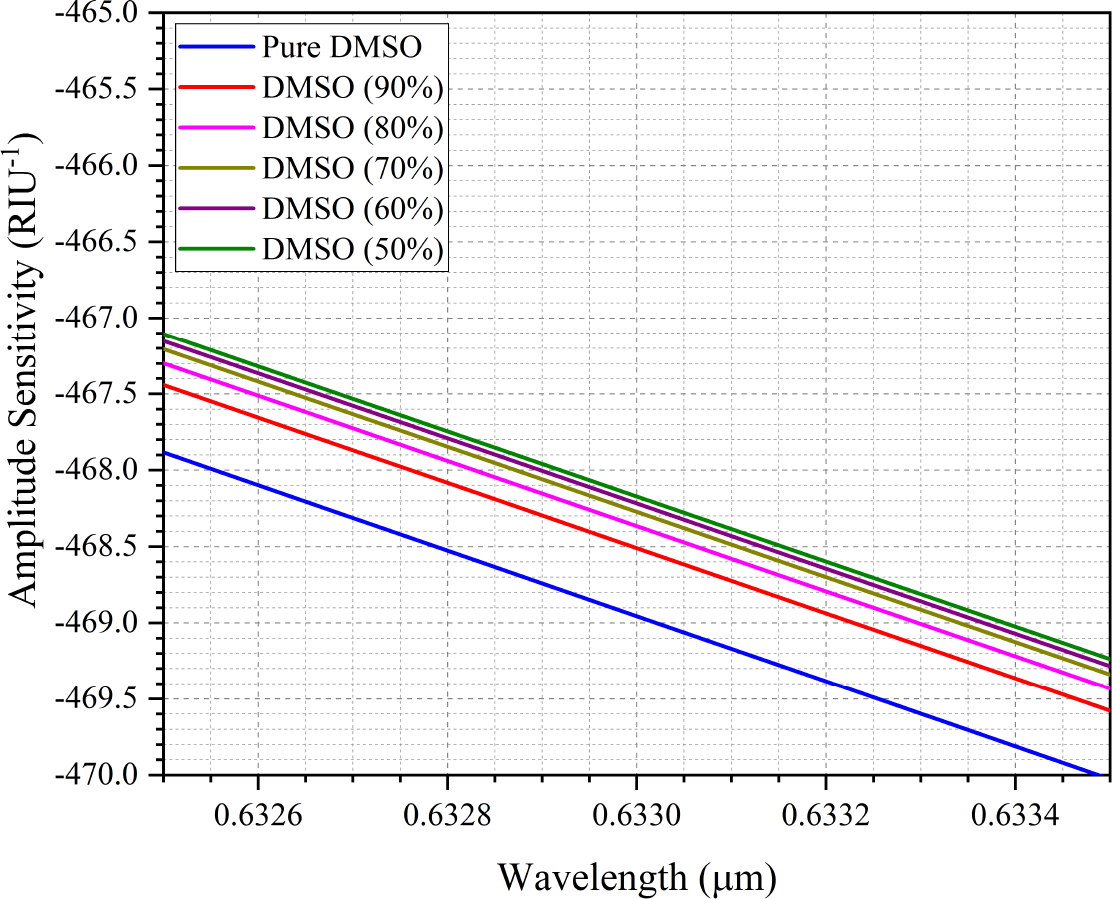
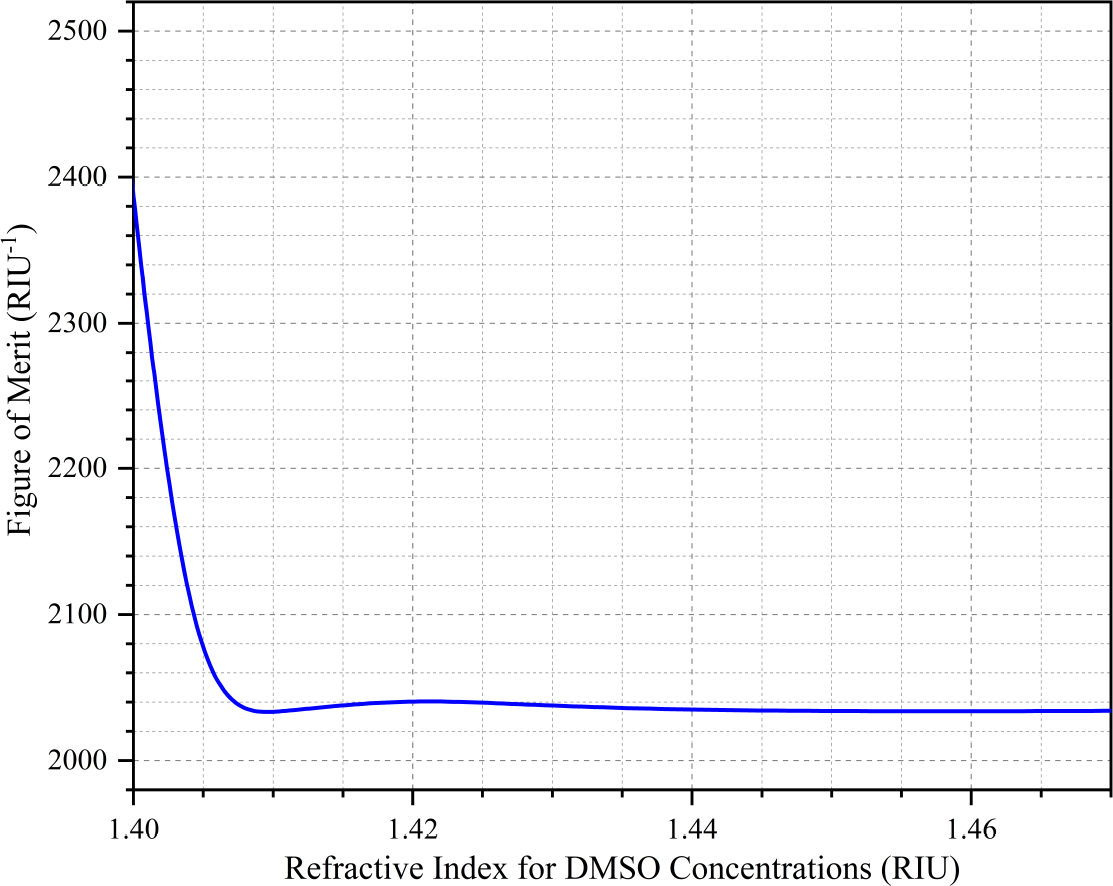
In this study, a rib waveguide is used in the design of a plasmonic sensor. The structure consists of a dielectric substrate constituted of tantalum pentoxide (Ta2O5). On top of this substrate, a superstrate with a ridge, composed of niobium pentoxide (Nb2O5), is overlayed forming the guiding region. A thin sheet of graphene is placed over the Nb2O5 and below the analysis region, where concentrations of dimethyl sulfoxide (DMSO) ranging from 50% to 100% will be detected. The purpose of incorporating the graphene sheet is to induce the effect of localized surface plasmon resonance (LSPR), which in this configuration becomes sensitive to variations in the refractive index (RI) of DMSO. The surface plasmons in graphene (graphene-SP) are induced by collective oscillations of charge carriers, i.e., free electrons in graphene, which, when subjected to specific frequencies, couple with the electromagnetic fields at the interface between graphene and the dielectric. The basic principle is similar to that of surface plasmons in noble metals,however, surface plasmons in graphene can occur at lower frequencies. With this configuration, a plasmonic sensor is obtained to detect DMSO concentrations, designed for a wavelength of 0.6329 micrometers.
Index Terms
DMSO; graphene optical sensor; rib waveguide; surface plasmons.
 Thumbnail
 Thumbnail
 Thumbnail
 Thumbnail
 Thumbnail
 Thumbnail
 Thumbnail
 Thumbnail
 Thumbnail
 Thumbnail
 Thumbnail
 Thumbnail