
 LÁZARO, LACAZ, AND THE MEDICAL “HOMOSEXUAL PERVERSITY” IN THE APPARATUS OF AIDS IN THE 1980S IN BRAZIL
We examine, in this article, the discursive practices on HIV/AIDS presented in the writings of physician Carlos da Silva Lacaz during the 1980s in Brazil from a Foucauldian perspective. Using as its corpus his documentation housed at the Historical Museum of the Faculty of Medicine of the University of São Paulo and other publications from the period, the analysis reveals how these discourses articulated morality, medicine, and politics, producing regularities that associated homosexualities, anal sexuality, and moral risk with the epidemic. The study shows how, by mobilizing medical, religious, and psychiatric knowledge, Lacaz contributed to shaping the so-called “AIDS apparatus,” establishing practices of exception and mechanisms for governing bodies that linked health, sexuality, and normativity in Brazil’s post-dictatorship context.
Keywords:
AIDS apparatus; History of medicine in Brazil; Cis-male homosexuality
 Thumbnail
 Thumbnail
 Thumbnail
 Thumbnail
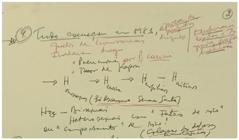
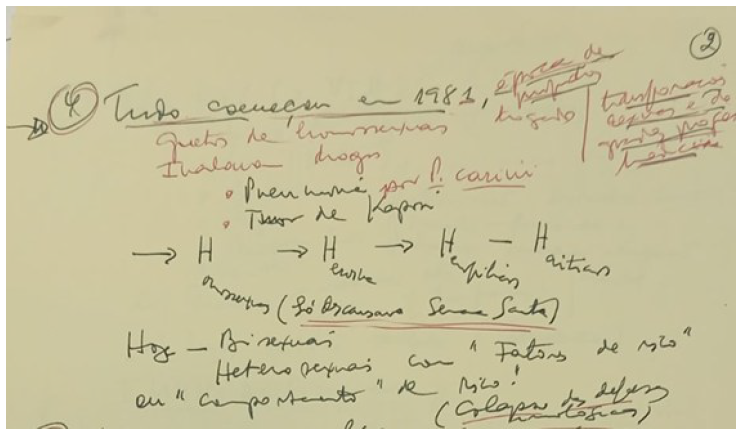 Fonte: Pasta Carlos da Silva Lacaz do Museu Histórico Prof. Carlos da Silva Lacaz.
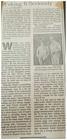
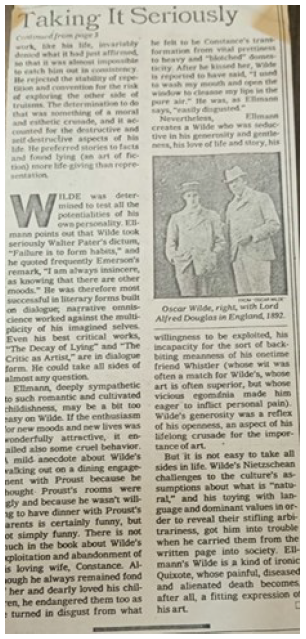 Fonte: Pasta Carlos da Silva Lacaz do Museu Histórico Prof. Carlos da Silva Lacaz.
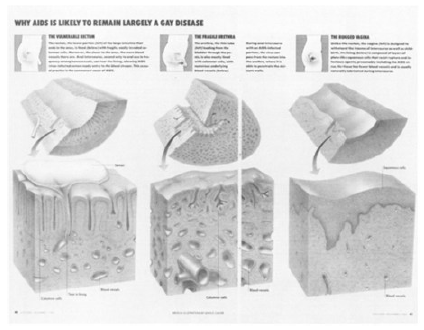 Fonte:
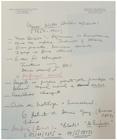
 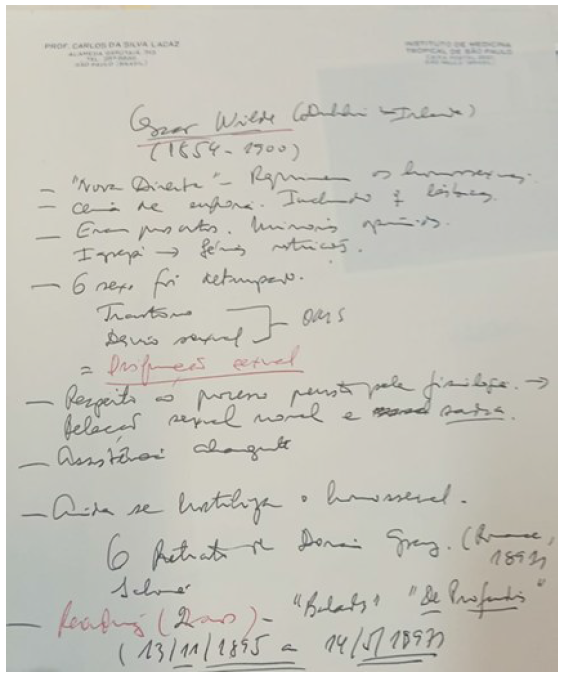 Fonte: Pasta Carlos da Silva Lacaz do Museu Histórico Prof. Carlos da Silva Lacaz.