
 “How about Germany?” Family migration and children’s education plans: what do the numbers allow us to imagine?
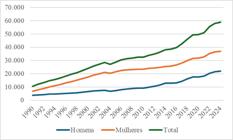
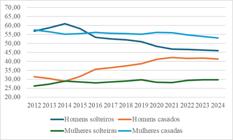
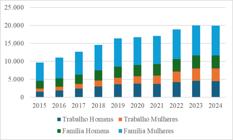
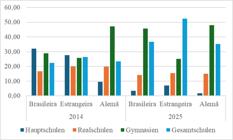
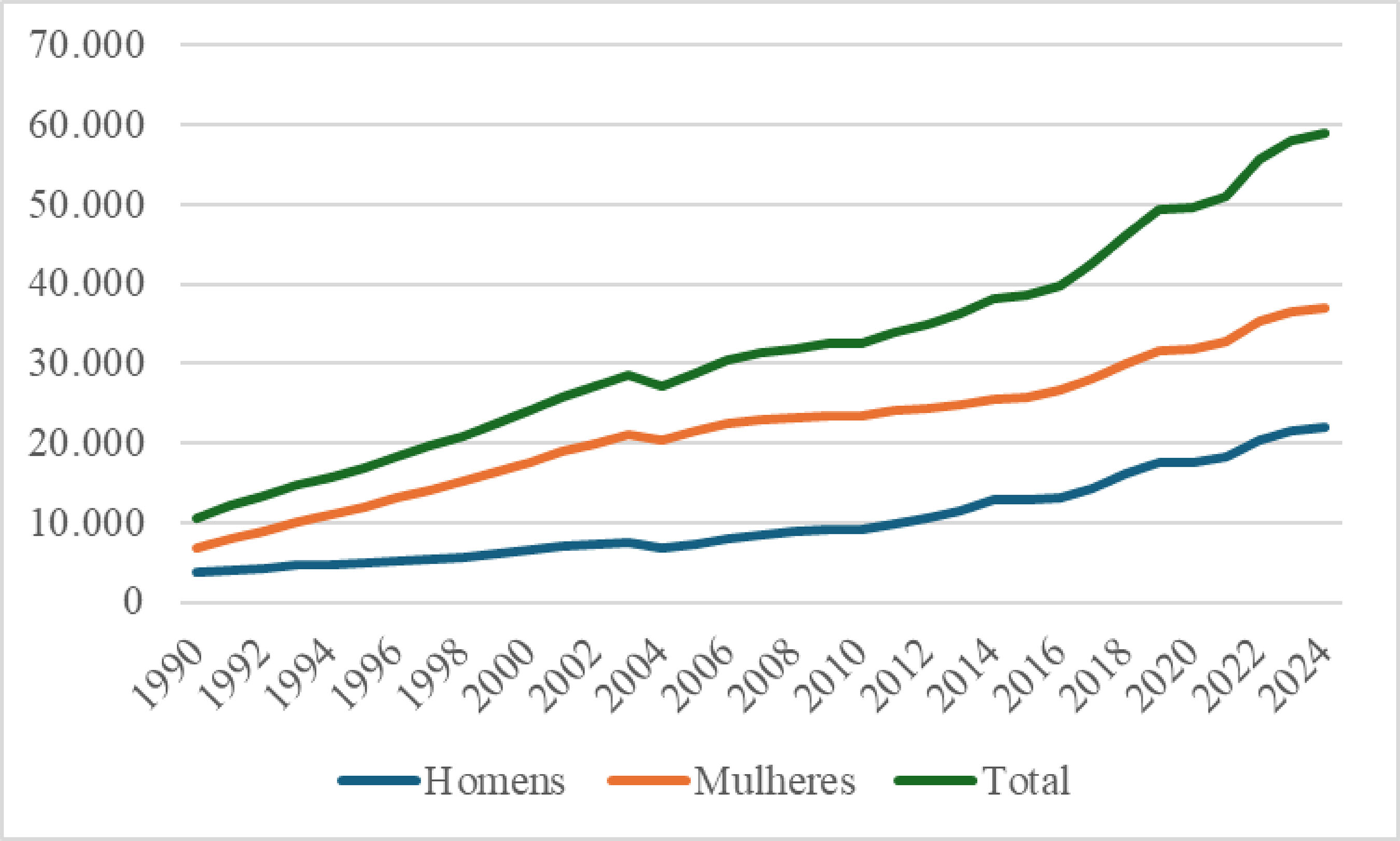
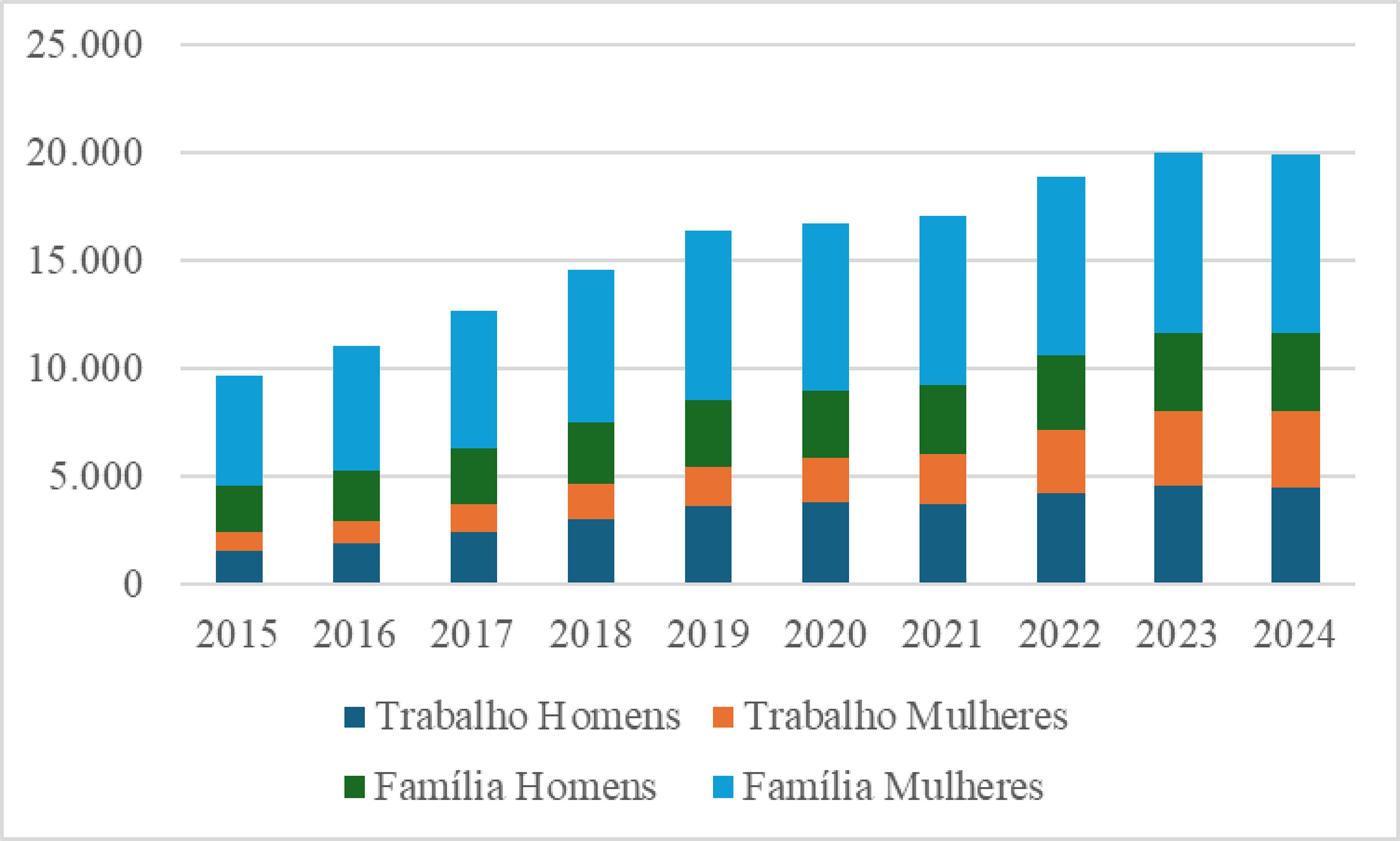
The article focuses on some characteristics of the demographic profile of the Brazilian population in Germany, which has been undergoing changes toward a highly skilled labor migration. I examine statistical evidence that such changes may be partially based on family migration projects and strategies for educating their children, aspects that are quite unknown in this migratory context. I interpret demographic data on this population in terms of gender composition, marital status, and annual entries divided by age. I also interpret the evolution in the number of Brazilian children enrolled in different types of schools in Germany. The variables observed indicate: 1) a steady decline in the feminization rate; 2) a sharp decline in the percentage of women married to German nationals; 3) a percentage decline in single men; 4) an increase in entries in the 0-15 and 31-45 age groups and a decrease in entries in the 16-30 age group; and 5) an increase in enrollment in types of schools with higher symbolic capital. I argue that the interpretation of the dataset allows us to imagine an increase in family migration projects associated with strategies for educating children among the Brazilian population in Germany.
Keywords
whole family migration; school education strategies; Brazil; Germany
 Thumbnail
 Thumbnail
 Thumbnail
 Thumbnail
 Fonte: Elaboração própria
 Fonte: Elaboração própria.
 Fonte: Elaboração própria.
 Fonte: Elaboração própria.