 Histopathological Evaluation of Inflammatory Response and Capsular Formation Induced by Smooth, Textured, and Polyurethane Implants in Rats
Introduction Silicone breast prostheses, designed in the 1960s, have undergone several modifications to minimize the inflammatory response and capsular contracture. Biomaterial research enhances the understanding of the interaction between implants and tissues, providing insights into innovation, repair, regeneration, and capsular contracture.
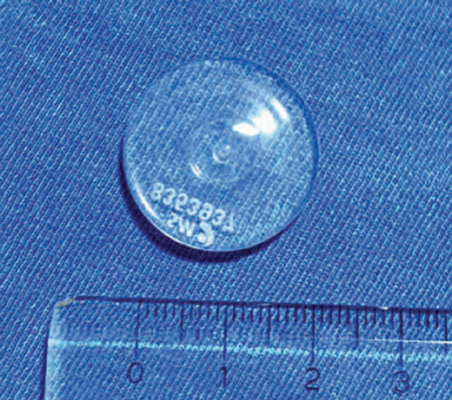
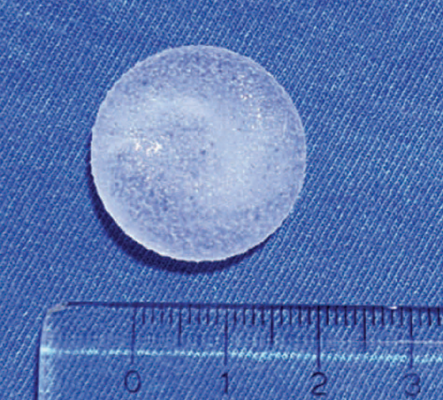
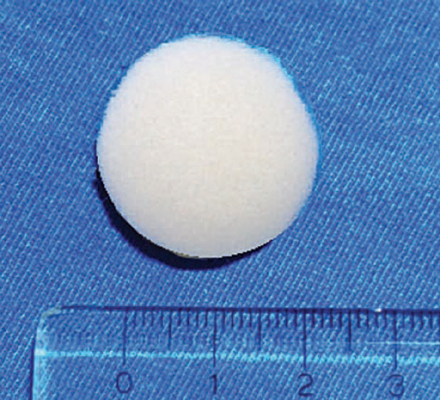
Objective To evaluate the biological response to smooth, textured, and polyurethane-coated implants, to identify associated complications, and to compare postoperative capsular formation in animals receiving these implants.
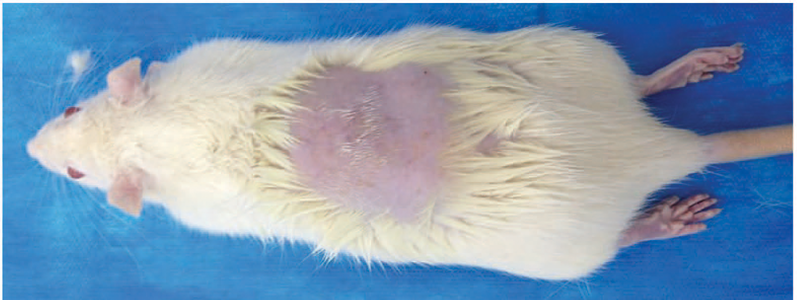
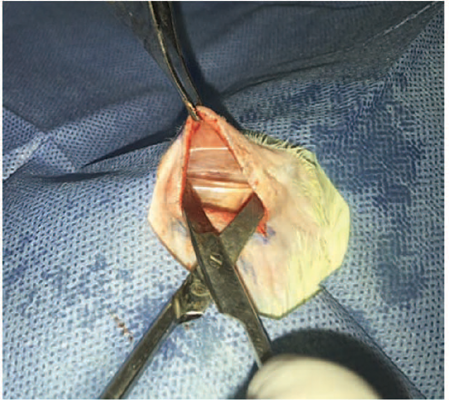
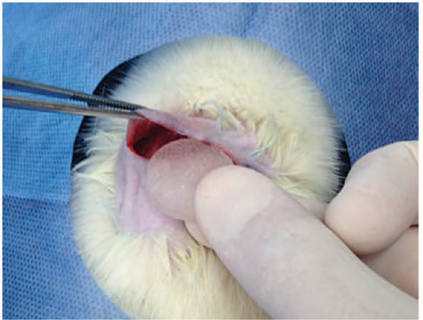
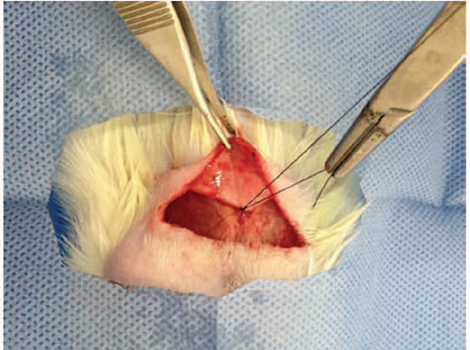
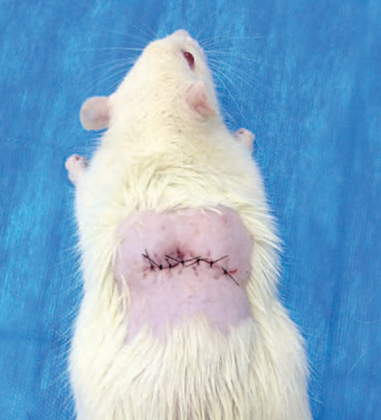
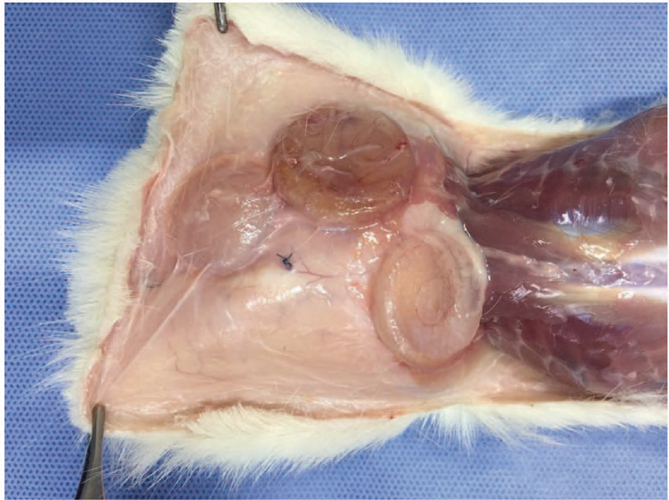
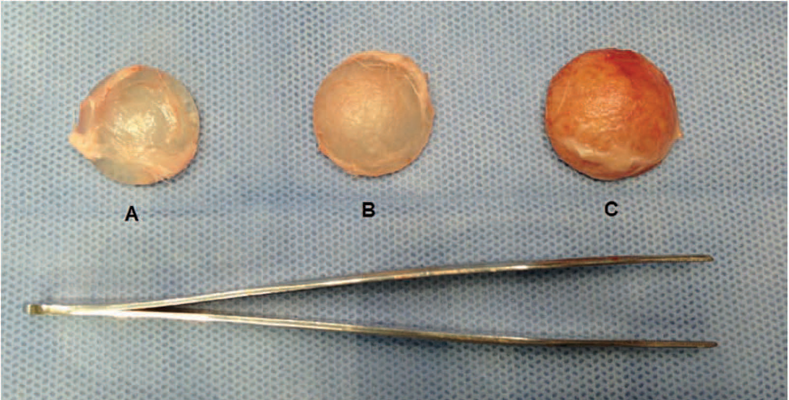
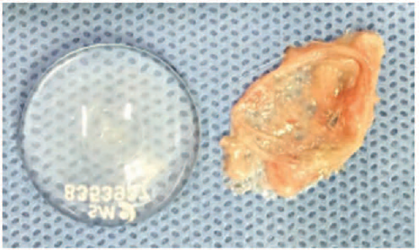
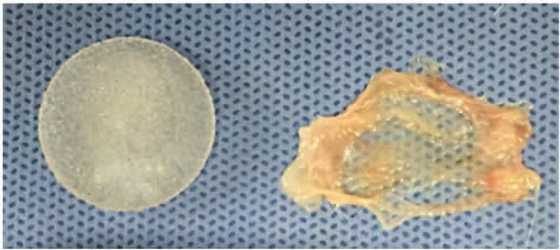
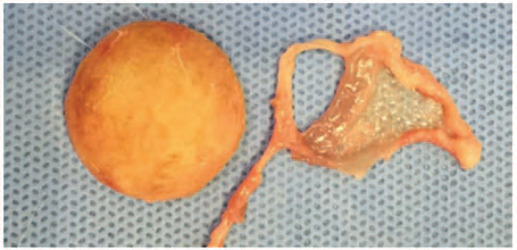
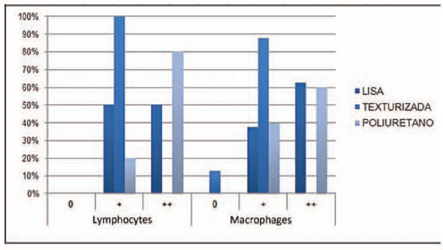
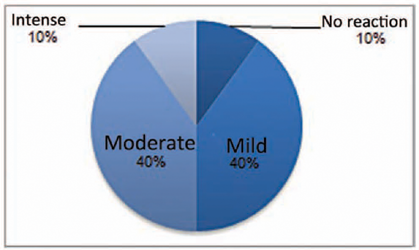
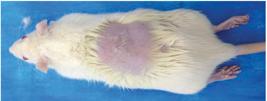
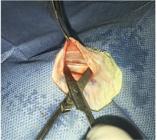
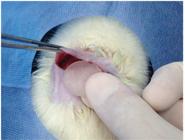
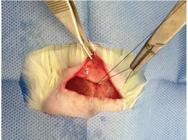
Materials and Methods Ten female Wistar rats, approximately 3 months old and weighing from 200 to 250 grams, were divided into 2 groups. Each rat received three implants, one of each type. A pathologist blinded to the origin of the samples performed the histopathological analysis. There was no statistically significant difference (p > 0.05) in acute inflammation between the implants. Forchronic inflammation, textured and polyurethane implants differed significantly (p < 0.05) from smooth ones. Foreign body reactions were more common in polyurethane implants compared with smooth and textured implants (p < 0.05). There was no statistical difference regarding granulation tissue and fibrosis (p > 0.05).
Conclusion Compared with smooth and textured implants, polyurethane-coated implants increased the occurrence of foreign body reactions, led to more intense chronic inflammation, and resulted in a greater amount of granulation tissue.
Keywords
biocompatible materials; breast implantation; clinical trials as topic; implant capsular contracture; inflammation
 Thumbnail
 Thumbnail
 Thumbnail
 Thumbnail
 Thumbnail
 Thumbnail
 Thumbnail
 Thumbnail
 Thumbnail
 Thumbnail
 Thumbnail
 Thumbnail
 Thumbnail
 Thumbnail
 Thumbnail
 Thumbnail
 Thumbnail