
 Optimization and testing of key parameters of peppercorn fresh fruit peeling machines
ABSTRACT
Lack of research on the key parameters of pepper peeling machines is the main reason for the low peeling efficiency and high damage rate of peppercorn peeling machines. Accordingly, to address the existing problems, the Box-Behnken response surface experimental design method was adopted to select the isometric push winch speed, tooth-type striking winch speed, and operation time as the influencing factors, and the peeling rate and damage rate were used as the evaluation indices to conduct the experiments. The experimental data were then collected, and mathematical regression models of the influencing factors and evaluation indicators were established. An analysis of the impact of the influencing factors on the evaluation indices revealed that the factors affecting the peeling rate and damage rate were in the following order: toothed strike winch speed > operating time > isometric push winch speed. Then, multiobjective models of the peeling rate and damage rate were constructed, and the parameters of the multiobjective model were optimized via the improved multiobjective seagull optimization algorithm. The optimal parameter combinations for maximizing the peeling rate were determined to be 800 r min-1 for the tooth striking winch, 204 r min-1 for the isometric pushing winch, and 4.9 min for the operation time; under these optimal solution conditions, the peeling rate was 94.27% and the damage rate was 6.03%. The parameters were validated by practical tests with 10 batches of peppercorn peeling operations. The results showed that under the optimized parameter combination, the processing effect was superior, and the quality requirement of peppercorn peeling was achieved.
Key words:
Piper nigrum L.; peeling machine; critical parameters; multiobjective optimization
HIGHLIGHTS:
A dual-objective optimization model for the peppercorn peeling rate and damage rate was inno-vatively constructed.
The parameter optimization methodology used in this study greatly improved the quality and efficiency of peppercorn peeling.
A technical approach is supported for the low-loss and efficient peeling of peppercorn.
RESUMO
A falta de pesquisa sobre parâmetros-chave das máquinas de descascamento de pimenta-do-reino é a principal razão para a baixa eficiência de descascamento e alta taxa de danos desses equipamentos. Para resolver esses problemas, adotou-se o método de planejamento experimental de superfície de resposta Box-Behnken, selecionando como fatores de influência a velocidade do tambor de empuxo isométrico, a velocidade do tambor de impacto dentado e o tempo de operação, tomando como índices de avaliação a taxa de descascamento e a taxa de danos. Os dados experimentais foram coletados e modelos de regressão matemática entre os fatores e os índices de avaliação foram estabelecidos. A análise do impacto dos fatores nos índices revelou que a ordem de influência na taxa de descascamento e danos foi: velocidade do tambor de impacto dentado > tempo de operação > velocidade do tambor de empuxo isométrico. Em seguida, construíram-se modelos multiobjetivo para as taxas de descascamento e danos, otimizando seus parâmetros mediante um algoritmo melhorado de otimização multiobjetivo de gaivotas. As combinações ideais de parâmetros para maximizar a taxa de descascamento foram determinadas como 800 r min-1 para o guincho de golpear os dentes, 204 r min-1 para o guincho de empurrar isométrico e 4,9 min para o tempo de operação, e a taxa de descascamento foi de 94,27% e a taxa de danos foi de 6,03% nessas condições. A validação prática com 10 lotes de operações demonstrou que a combinação otimizada proporcionou efeito superior e atendeu aos requisitos de qualidade para descascamento de pimenta-do-reino.
Palavras-chave:
Piper nigrum L.; máquina de descascar; parâmetros críticos; otimização multiobjetivo
Introduction
Peppercorn (Piper nigrum L.) belongs to the peppercorn family (Piperaceae) evergreen vine and has the reputation of being the “king of spices” (Reshma et al., 2022; Dludla et al., 2023). Peppercorn is rich in piperine (Le et al., 2025), aromatic oils, crude protein and other substances and is an important medicine, food (Ashokkumar et al., 2021), and economic crop.
Peppercorn peeling can effectively improve the medicinal value and food value of peppercorn and is a crucial working procedure of peppercorn processing (Zhang et al., 2024). The commonly used peeling and processing methods for peppercorn include water immersion peeling (Hidayat & Sukasih, 2023), bioenzymatic peeling (Zhang et al., 2012; Vijayan et al., 2014), chemical peeling (Arazuri et al., 2010), and mechanical peeling (Thirupathi & Viswanathan, 2009). All of the abovementioned methods have certain shortcomings that prevent them from being used on a widespread basis. However, the peppercorn peeling machine can better solve the problem of peppercorn peeling. After the peppercorn is threshed and de-stemmed, the peppercorn peeling machine can quickly and efficiently remove the peppercorn surface peel and pectin to produce good-quality white peppercorn.
Although existing peppercorn peeling machines have appropriate key movement parameters, they have unreasonable operating parameters as well as other problems, resulting in low peeling efficiency and high loss of finished products (Zhang et al., 2015). Owing to the lack of research on peppercorn peeling processes and parameters, peppercorn peeling process parameters and equipment operating quality have not been effectively improved. In this context, peppercorn peeling machines cannot achieve their highest efficiency, and the quality of operation is relatively low, which has become one of the main obstacles for the high-quality development of the peppercorn industry.
To overcome the constraints imposed by peppercorn peeling technical problems, from the structural characteristics and working principles of peeling machines, in this study, experimental research on the key parameters of peppercorn peeling equipment are carried out to construct a multiobjective optimization model of the peppercorn peeling rate and loss rate. The improved seagull optimization algorithm is used to optimize the model and obtain the best key parameters of the peppercorn peeling equipment to improve the quality of the peppercorn peeling equipment and the efficiency of the operation to provide reference ideas.
Material and Methods
The study was carried out in Wenchang city, Hainan Province, China. Figure 1 shows the principle structural diagram and object picture of the peppercorn peeler, which is composed of a frame, isometric pushing winch, peeling tooth striking winch, water sprinkling device, power unit, and other components.

The peppercorn peeling operation process was as follows: peppercorn material is conveyed to the isometric push winch inlet, the winch motor drives the isometric push winch to rotate, and the isometric push winch through the rotation of the peppercorn material continues to push forward. The pushed peppercorn material enter the peeling tube barrel through the inlet of the peeling tooth-type striking winch, and the peeling motor drives the peeling spindle to rotate, which in turn drives the peeling tooth-type striking winch to rotate, and the rotating winch moves the peppercorn material from the bottom to the top. In the process of movement, through the rotating blades of the peeling spindle and the flexible striking teeth, constant stirring and squeezing generate friction between the peppercorn and the peppercorn material, friction between the peppercorn material and the peeling spindle and the flexible striking teeth, and friction between the peppercorn material and the wall of the peeling tube remove the surface layer of the peppercorns. Peppercorn peels removed via friction continuously flow to the bottom of the peeling tube under the effect of gravity, are flushed by the nozzle and are finally discharged through the slag discharge hole. The peeled peppercorn material continues to move upward under the pushing action of the spiral blades and is finally discharged through the discharge port on the top of the peeling tube barrel to complete the peppercorn peeling operation.
The peeling rate and damage rate are the main indicators used to assess the operational quality of peppercorn peeling equipment. According to the above working principle, the main parameters affecting the quality of the peppercorn peeling operation are the following: the isometric pushing winch speed, tooth striking winch speed, and operating time. The isometric push winch speed and tooth strike winch speed are the equipment operating parameters, and the operating time is the key process parameter. The optimal combination of parameters maximizes the peppercorn peeling rate and minimizes the damage rate. Therefore, the response surface experimental design methodology was applied to carry out experimental and optimization studies on key parameters to improve the operational quality of peppercorn peeling equipment.
To realize the continuous adjustable operating parameters of the peppercorn peeling equipment, a frequency converter was adopted to adjust the rotational speed of the isometric push winch motor and the tooth-type striking winch motor. The operating time was controlled for sampling by a timing control circuit.
The main instruments used in the study were as follows: 2 TAILI inverters, a TGT-100 platform scale (range of 200 kg), an electronic balance (measuring accuracy of 1 g), measuring cups, and a stopwatch.
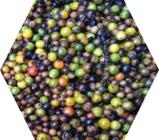
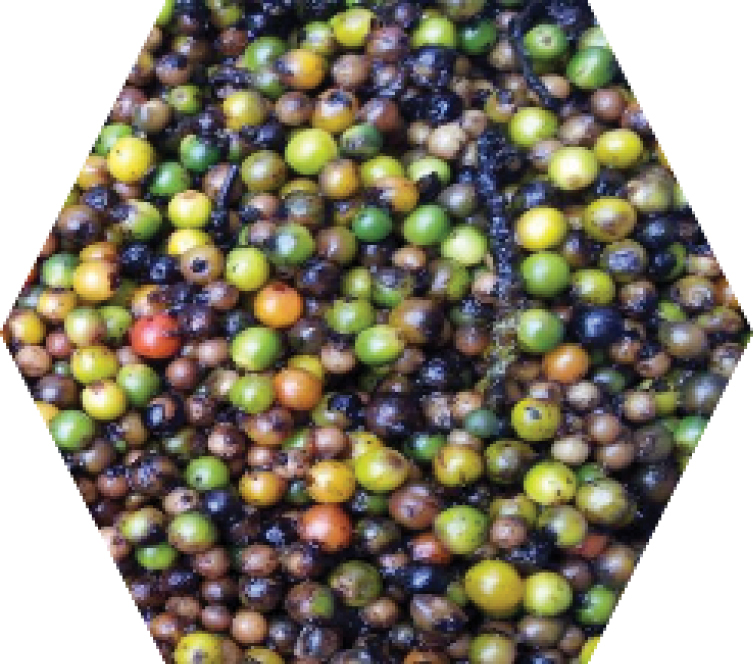
Peppercorn harvested from Hainan peppercorn plantations was used as the research object, as shown in Figure 2. The skin of a peppercorn is dark green when it is not ripe. When there are more than four red fruits or more than eight yellow fruits in many fresh peppercorn spikes, the fruit is ready for picking. A soaking treatment was applied to the harvested peppercorn for five days, with 50 pounds at a time for the test.
The peppercorn peel rate and damage rate were used as quality assessment indicators for peppercorn fruit peeling. The calculation methods for the peeling rate and damage rate were as follows: during the test, under the normal working conditions of the prototype machine, 500 mL samples were collected from the discharge port, a measuring cup was used, the sampling interval was not less than 5 min, and the mass of the sampled peppercorn grains, the mass of the peeled peppercorns, and the mass of the damaged peppercorns were determined. The peppercorn peeling rate was calculated according to Eq. 1. The determination was repeated 3 times, and the average value was taken.
where
Pt - rate of peppercorn peeling (%);
m1 - mass of stripped peppercorns sampled (kg); and,
m2 - mass of peppercorns sampled (kg).
The peppercorn damage rate was calculated according as follows (Eq. 2):
where
P1 - peppercorn damage rate (%);
m3 - mass of sampled damaged peppercorns (kg); and,
m4 - mass of peppercorns sampled (kg).
To obtain the optimal operating parameters of peppercorn peeling equipment, an experiment was carried out using the response surface (Khuri & Mukhopadhyay, 2010) design methodology, and the influencing factors and levels are shown in Table 1.
Minitab software was used to design and carry out experiments with Box-Behnken (B) (Ferreira et al., 2007) in response surface design, and the number of experiments and results are shown in Table 2. The test results were used to obtain statistical models of the peppercorn peeling rate and damage rate as a function of the rotational speed of the tooth striking winch, the rotational speed of the isometric pushing winch, and the operation time.
Results and Discussion
On the basis of the experimental results in Table 2, a regression model (Eq. 3) of the peppercorn peeling rate was calculated:
The results of the analysis of variance of the peeling rate are shown in Table 3.
Table 3 shows that the p value of the regression model for the peeling rate is 0.003, which is less than 0.005, indicating that the model is significant. The analysis revealed that the p values of the interaction terms AB, AC, and BC are much greater than 0.05, indicating that these three terms do not have a significant effect on the rate of peeling. By calculating R2, both the R2 and R2 (adjusted) values are greater than 91%, indicating that the model fit the results satisfactorily.
However, the R2 (prediction) value is only 51.3%, indicating that the predictive accuracy of the model needs to be improved. Therefore, the nonsignificant terms AB, AC, and BC, which have little effect on the peeling rate, were removed, and the analytical response surface design was re-performed to obtain an improved regression model for the peeling rate (Eq. 4):
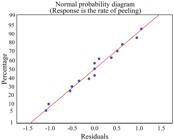
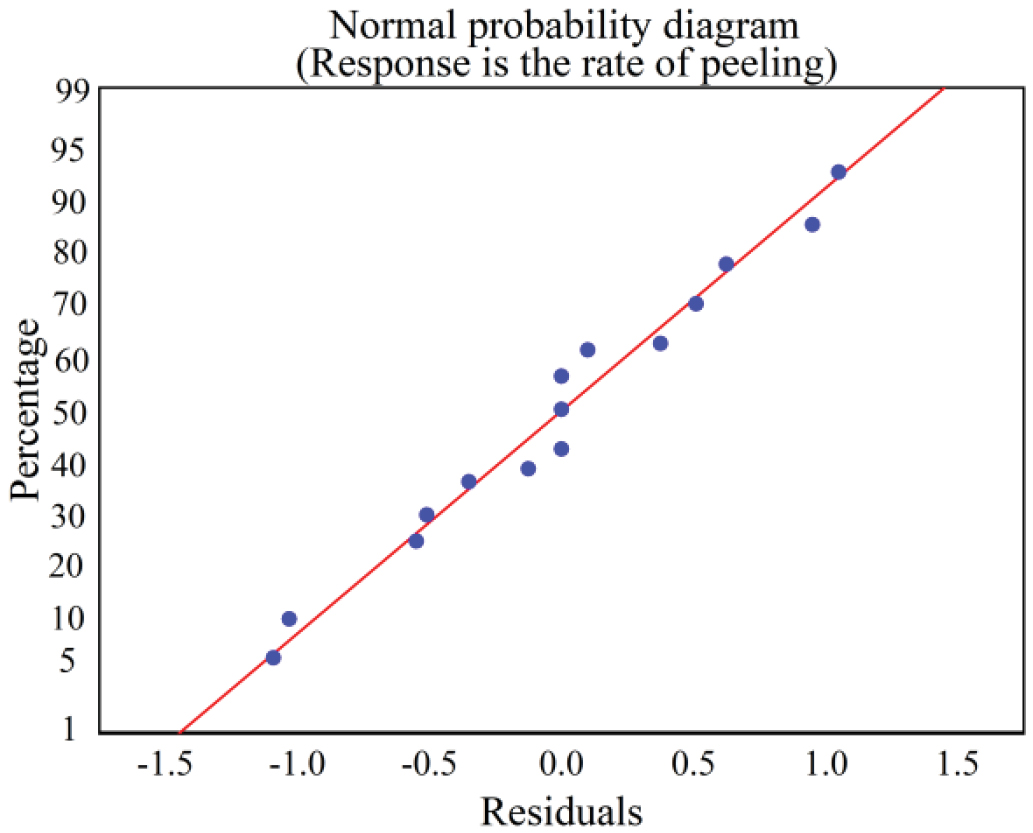
The normal distribution plot of the residuals of the improved model is shown in Figure 3. As shown in Figure 3, the residuals are all distributed around a normal distribution line, and all the points are within the normal range, indicating that the model is reliable and can be used as an optimization model. The results of the effect of each factor with ANOVA are shown in Table 4. An analysis of the data in Table 4 reveals that the p value of the improved model is 0.000, which is less than 0.001, indicating that the model is highly significant. The model improvement resulted in a significant improvement in the R2 (predicted) value of 87.10%, further indicating that the improved model provides more reliable predictions. Additionally, an analysis of the F values in Table 4 reveals that the order of significance of the effect of each factor on the rate of peeling is A > C > B.
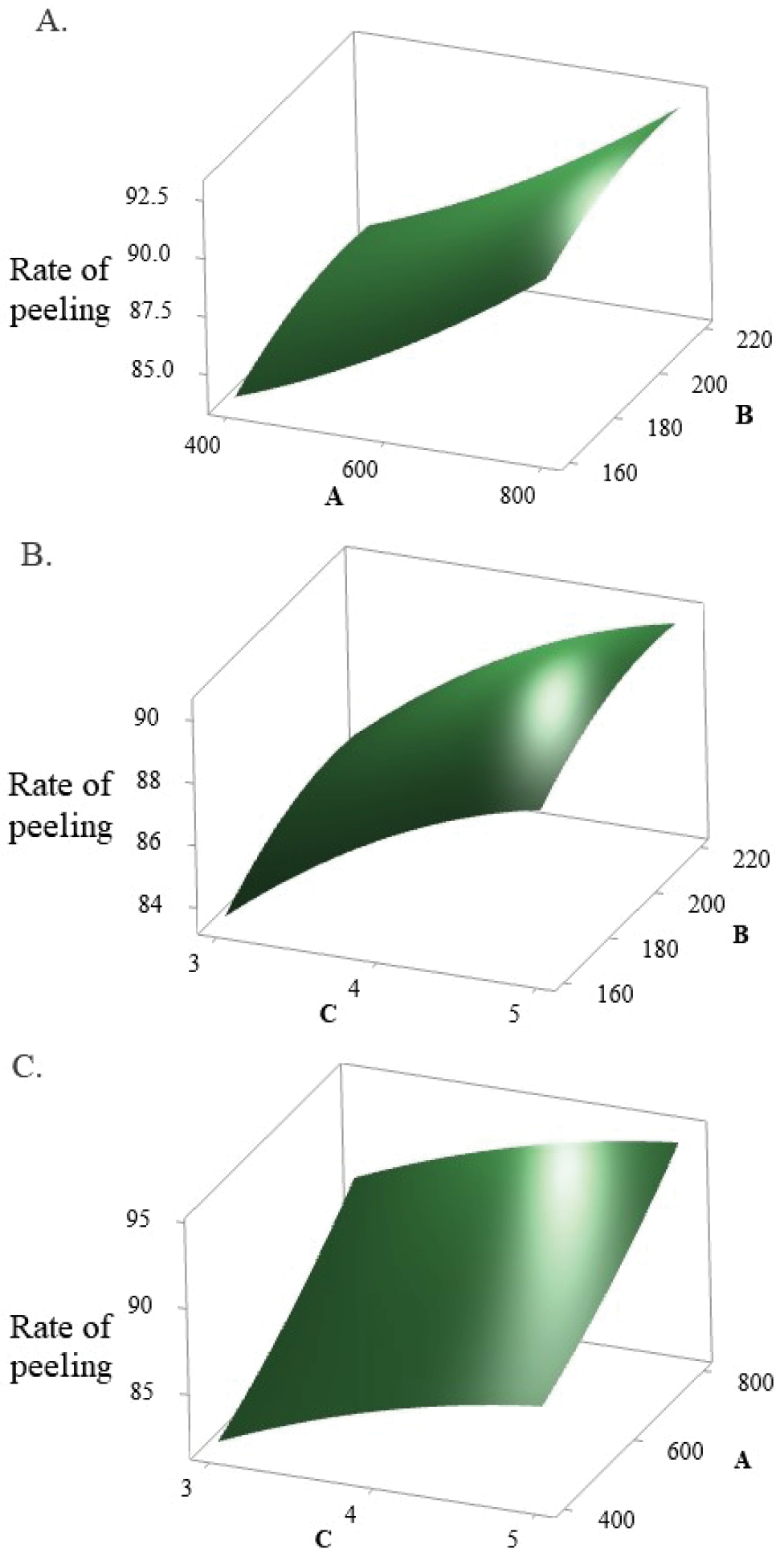
The surface plot of the response of each influencing factor on the peeling rate of peppercorn is shown in Figure 4, which shows there are some interactions between all the factors, but they are not significant. The interaction of tooth strike winch speed and operating time has the greatest effect on the peppercorn peeling rate, which is consistent with the ANOVA results in Table 3. The higher rotational speed of the tooth striking the winch and longer operation time are favorable for contact friction between the peppercorn and the winch, which is beneficial for peeling the peppercorn.
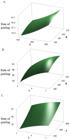
Response surface plot of the effects of factors A, B and C on the peeling rate of peppercorn. Response surface effects of factors A and B on the peeling rate (C=4) (A), response surface effects of factors C and B on the peeling rate (A=600) (B), and response surface effects of factors C and A on the peeling rate (B=190) (C)
On the basis of the test results in Table 2, the regression model of peppercorn damage rate is as follows (Eq. 5):
The ANOVA results of the damage rates are shown in Table 5.
Table 5 shows that the p value of the regression model for the peppercorn damage rate is 0.000, which is much smaller than 0.001, indicating that the model is highly significant.
The p values for the squared terms B2 and C2 and the interaction term BC are much greater than 0.05, indicating that these three terms do not have a significant effect on the rate of peppercorn damage. Therefore, the nonsignificant terms B2, C2, and BC, which have little effect on the damage rate, were removed, and the analytical response surface design was re-performed to obtain the improved damage rate regression model (Eq. 6):
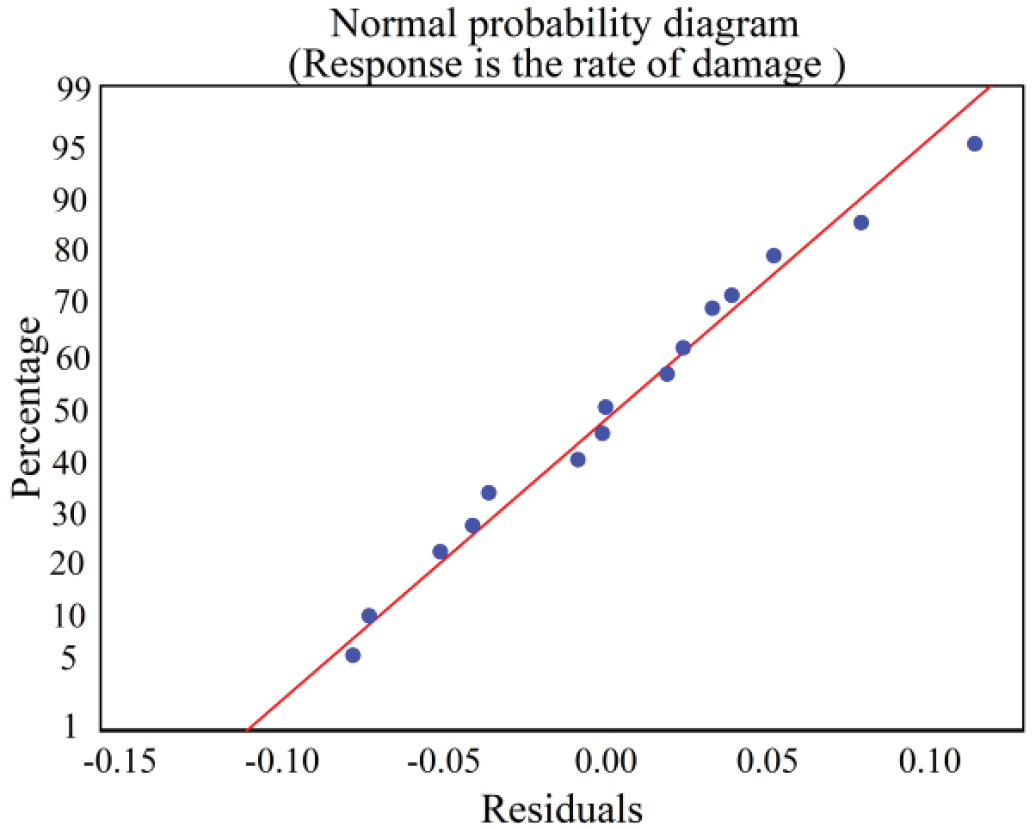
The normal distribution of residuals from the improved damage rate regression model is shown in Figure 5, which shows that the residuals are all distributed around a normal distribution line, and all the points are within the normal range, indicating that the model is reliable and can be used as an optimization model. The results of the effect of each factor with ANOVA are shown in Table 6. Table 6 shows that the R2 (predicted) value is improved to 95.83%, which further indicates that the improved model makes more reliable predictions. Moreover, an analysis of the F values in Table 6 reveals that the order of significance of the effect of each factor on the damage rate is A, C, and B.

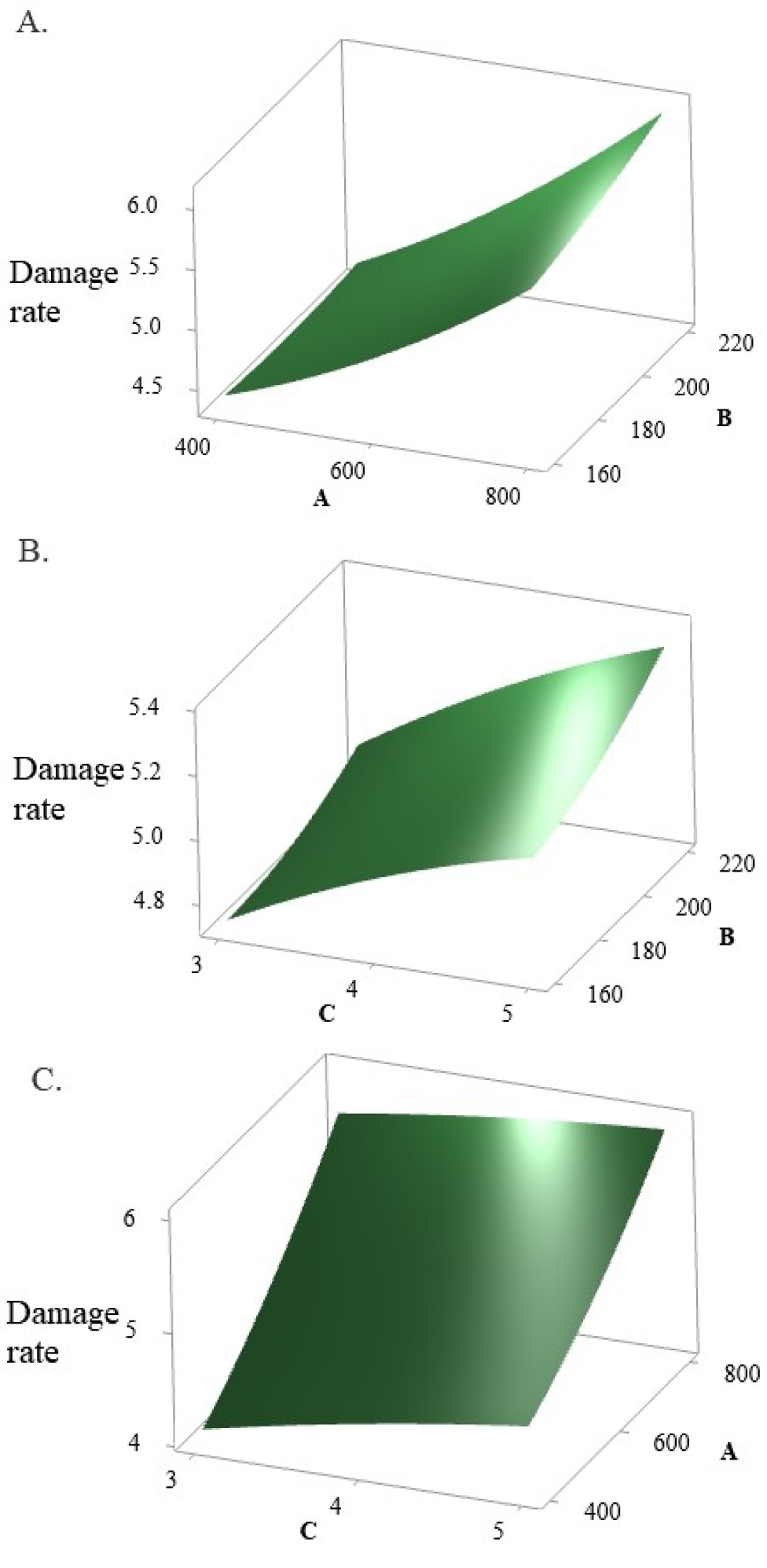
The surface plot of the response of each influencing factor to the peppercorn damage rate is shown in Figure 6, which shows there are some interactions among the factors, and the interaction between the speed of the tooth-striking winch and the speed of the isometric pushing winch has a more significant effect on the damage rate, which is consistent with the results of the analysis of variance (ANOVA) in Tables 5 and 6. The peppercorn damage rate increased with increasing tooth strike winch speed and isometric push winch speed. At higher rotational speeds, the peppercorn grain impact extrusion is enhanced, and the damage rate is increased.

Surface plot of the response of peppercorn damage rates to factors A, B and C. Response surfaces of factors A and B on the damage rate (C=4) (A), response surfaces of factors C and B on the damage rate (A=600) (B), and response surfaces of factors C and A on the damage rate (B=190) (C)
In accordance with the actual production requirements, to improve the processing yield of peeled peppercorns, the peeling rate should be optimized and the damage rate should be minimized. Therefore, a mathematical model with dual objective functions of the peeling rate and loss rate is established, and the objective function and boundary conditions are as follows (Eq. 7):
To improve the processing parameters of the peppercorn peeling machine, the established bi-objective function is solved by using the improved multiobjective seagull optimization algorithm (SOA) (Dhiman & Kumar, 2019). The SOA is a biologically inspired intelligent optimization algorithm that is widely used because of its simple structure, adaptability, and fast convergence. However, in the process of using the algorithm, it is found that it has certain shortcomings, such as being a single method of population search and easily falling into the local optimal solution. To improve the solution performance of the SOA, it is improved and used for multiobjective optimization, and the improved multiobjective SOA is named I-MOSOA. The SOA is improved in a specific way by changing the original seagull position update method (Eq. 8) to a new method, which is described as follows (Eq. 9):
where Di is the relative distance of the current individual from the optimal gull individual during migration; x’, y’, z’ denotes the spatial location; Pbest is the optimal seagull individual; and w denotes adaptive weights, which are calculated via Eq. 10:
In Eq. 10, g denotes the number of iterations, and maxiteration indicates the maximum number of iterations.
By introducing the sinusoidal function and adaptive weights, the iterative step length is compressed to avoid too large a step length falling into the local optimal solution, which improves the algorithm’s convergence speed and optimization accuracy.
To test the effectiveness of the improved seagull algorithm, 10 standard test functions of the UF series proposed on CEC2009 (Li et al., 2008) are selected for corresponding validation. The simulation was performed in the MATLAB R2017a platform, and the computer processor running the software was an Intel(R) Core(TM) i5-9300H CPU@2.40 GHz with 16.0 GB of RAM. The initial parameters of the algorithm were as follows: the number of iterations was 300, the number of populations was 100, each test function was run independently ten times, and the test results were compared with those of the original algorithm (MOSOA).
The final results obtained by the above method are shown in Figure 7.
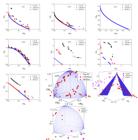
As shown in Figure 7, the Pareto front obtained by solving the improved SOA is closer to the real Pareto front, indicating that the improved SOA (I-MOSOA) performs better than the original algorithm (MOSOA). Therefore, a modified SOA can be used to solve the established bi-objective mathematical model of the peppercorn peeling rate and damage rate.
The improved multiobjective SOA is used to solve the constructed objective function, and the resulting Pareto front is shown in Figure 8. As shown in Figure 8, the damage rate increased as the peppercorn peeling rate increased. For peppercorn peeling, the aim is to achieve a high peeling rate, as well as a low damage rate, to meet the needs of low-loss and high-efficiency processing. Therefore, to obtain a more eclectic and optimal solution, hierarchical analysis (Younas et al., 2019) is used for optimal solution selection. The optimal combination of processing parameters was selected as 624 r min-1 for the tooth-type striking winch, 197 r min-1 for the isometric pushing winch, and 4.8 min for the operation time, at which the peeling rate was 90.26% and the damage rate was 5.22%.
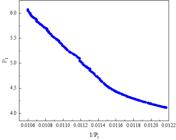
Pareto obtained by solving the objective function of the peppercorn peeling rate and damage rate
However, enterprises carrying out actual production need to consider the maximization of benefits, so the damage rate can be appropriately sacrificed to maximize the peeling rate. Therefore, to further increase the peeling rate, a better combination of parameters that maximizes the peeling rate can be selected. The combination of a striking winch speed of 800 r min-1, an isometric pushing winch speed of 204 r min-1, and an operating time of 4.9 min resulted in a peeling rate of 94.27% and a damage rate of 6.03%.
To verify the effectiveness of the optimized processing parameter combinations, the processing parameter combinations that maximize the peeling rate are used for the actual test. The test was conducted at Peppercorn Processing Ltd.
The results of the peppercorn peeling test after being run 10 times, the statistical peeling rate and damage rate test data, the resulting peeling rate, and the damage rate data are shown in Table 7. The average peeling rate and damage rate of the test were calculated to be 91.92 and 5.90%, respectively, and the errors were 2.49 and 2.15%, respectively, compared with the results obtained from optimization (94.27 and 6.03%), indicating that the results obtained from optimization were more reliable and could be used for actual processing.
Conclusion
-
The factors affecting the peeling rate and damage rate were as follows: tooth strike winch speed > operating time > isometric push winch speed.
-
The optimal solution combination for maximizing the peeling rate was as follows: the speed of the tooth-type hitting winch was 800 r min-1, the speed of the isometric pushing winch was 204 r min-1, and the operation time was 4.9 min. Under the conditions of this optimal solution, the peeling rate was 94.27%, and the damage rate was 6.03%.
-
The peeling rate and damage rate of each batch peppercorn samples were calculated to be 91.92 and 5.9%, respectively, and the experimental results were basically the same as the optimization results (94.27 and 6.03%), with errors of 2.49 and 2.15%, respectively.
Acknowledgments
This research was funded by the Hainan Province Science and Technology Special Funding - Key R&D Program (ZDYF2022XDNY136); Zhanjiang City Science and Technology Program (2022A01032 & 2020A05004); Zhanjiang City Engineering and Technology Research Center (2022A105); and Special Funding for the Basic Scientific Research of Central Public Welfare Research Institutes (1630132023005).
Literature Cited
- Arazuri, S.; Jaren, C.; Correa, P. C.; Arana, I. Influence of the peeling process on pepper quality. Journal of Food, Agriculture & Environment, v.8, p.44-48, 2010.
-
Ashokkumar, K.; Vellaikumar, S.; Murugan, M.; Dhanya, M. K.; Karthikeyan, A.; Akilan, M.; Ariharasutharsan, G.; Nimisha, M.; Aiswarya, S. Assessment of phytochemical diversity in essential oil composition of eighteen Piper nigrum (L.) accessions from southern India. Journal of Essential Oil Research, v.33, p.549-558, 2021. https://doi.org/10.1080/10412905.2021.1975578
» https://doi.org/10.1080/10412905.2021.1975578 -
Dhiman, G.; Kumar, V. Seagull optimization algorithm: Theory and its applications for large-scale industrial engineering problems. Knowledge-Based Systems, v.165, p.169-196, 2019. https://doi.org/10.1016/j.knosys.2018.11.024
» https://doi.org/10.1016/j.knosys.2018.11.024 -
Dludla, P. V.; Cirilli, I.; Marcheggiani, F.; Silvestri, S.; Orlando, P.; Muvhulawa, N.; Moetlediwa, M. T.; Nkambule, B. B.; Mazibuko-Mbeje, S. E.; Hlengwa, N.; Hanser, S.; Ndwandwe, D.; Marnewick, J. L.; Basson, A. K.; Tiano, L. Bioactive properties, bioavailability profiles, and clinical evidence of the potential benefits of black pepper (Piper nigrum) and red pepper (Capsicum annum) against diverse metabolic complications. Molecules, v.28, p.65-69, 2023. https://doi.org/10.3390/molecules28186569
» https://doi.org/10.3390/molecules28186569 -
Ferreira, S. L. C.; Bruns, R. E.; Ferreira, H. S.; Matos, G. D.; David, J. M.; Brandao, G. C.; Silva, E. G. P. da; Portugal, L. A.; Reis, P. S. dos; Souza, A. S.; Santos, W. N. L. dos. Box-Behnken design: An alternative for the optimization of analytical methods. Analytica Chimica Acta, v.597, p.179-186, 2007. https://doi.org/10.1016/j.aca.2007.07.011
» https://doi.org/10.1016/j.aca.2007.07.011 -
Hidayat, T.; Sukasih, E. Processing of white pepper through the combination of soaking and boiling time towards the quality. International Journal of Technology, v.14, p.1147-1156, 2023. https://doi.org/10.14716/ijtech.v14i5.4169
» https://doi.org/10.14716/ijtech.v14i5.4169 - Khuri, A. I; Mukhopadhyay, S. Response surface methodology. Wiley Interdisciplinary Reviews: Computational Statistics, v.2, p.128-149, 2010.
-
Le, X. T.; Pham-Vu, M. C.; Tran, A. M.; Nguyen, T. N; Duong-Nguyen, H. N. Evaluation of peppercorn quality from Ba Ria-Vung Tau, Viet Nam. Current Applied Science and Technology, v.25, p.16-24, 2023. https://doi.org/10.55003/cast.2025.261624
» https://doi.org/10.55003/cast.2025.261624 -
Li, C.; Yang, S.; Nguyen, T. T.; Yu, E. L.; Yao, X.; Jin, Y.; Beyer, H. G; Suganthan, P. N. Benchmark generator for CEC 2009 competition on dynamic optimization. Technical Report-2008. Leicester: Department of Computer Science, University of Leicester, U.K, v.1, 2008. 14p. http://dx.doi.org/10.13140/RG.2.1.3445.6401
» http://dx.doi.org/10.13140/RG.2.1.3445.6401 - Reshma, P.; Neethu, R. S.; Sreekala, G. S. Genetic diversity of black pepper (Piper nigrum L.) in India: A review. The Pharma Innovation Journal, v.11, p.832-839, 2022.
- Thirupathi, V.; Viswanathan, R. A hand operated white pepper peeling machine. Ama, Agricultural Mechanization in Asia, Africa & Latin America, v.40, p.57-59, 2009.
-
Vijayan, V.; Kumar, A.; John, Z. T. Isolation, characterization and identification of pericarp degrading bacteria for the production of off-odour free white pepper from fresh berries of Piper nigrum L. Journal of Applied Microbiology, v.116, p.890-902, 2014. https://doi.org/10.1111/jam.12431
» https://doi.org/10.1111/jam.12431 -
Younas, M.; Jaffery, S. H. I.; Khan, M.; Khan, M. A.; Ahmad, R.; Mubashar, A.; Ali, L. Multi-objective optimization for sustainable turning Ti6Al4V alloy using grey relational analysis (GRA) based on analytic hierarchy process (AHP). The International Journal of Advanced Manufacturing Technology, v.105, p.1175-1188, 2019. https://doi.org/10.1007/s00170-019-04299-5
» https://doi.org/10.1007/s00170-019-04299-5 - Zhang, R.; Feng, J.; Dou, Z.; Xie, H.; He, A. Optimization of the conditions for pepper soaking peeling by enzymatic method. Biochemistry An Indian Journal, v.9, p.0974-0984, 2012.
- Zhang, Y.; Li, Y.; Li, M.; Ge, C.; Li, M.; Luo, W.; Tan, G. Design and experimental analysis of the spiral pepper fruit peeling device. Journal of Agricultural Mechanization Research, v37, p.168-172, 2015.
-
Zhang, Y.; Yu, P.; Wei, L.; Zhang, B.; Shen, D.; Zhao, Z.; Guo, X. Impact of mechanical and manual peeling on the volatile profile of white pepper (Piper nigrum L.). Foods, v.13, p.2458-2469, 2024. https://doi.org/10.3390/foods13152458
» https://doi.org/10.3390/foods13152458
-
1 Research developed at Agricultural Machinery Research Institute, Chinese Academy of Tropical Agricultural Sciences, Zhanjiang, China
-
Supplementary documents
There is no supplementary research data to add.
-
Financing statement
This study was funded by the Hainan Province Science and Technology Special Funding - Key R&D Program (ZDYF2022XDNY136); Zhanjiang City Science and Technology Program (2022A01032 & 2020A05004); Zhanjiang City Engineering and Technology Research Center (2022A105); and Special Funding for the Basic Scientific Research of Central Public Welfare Research Institutes (1630132023005).
There is no supplementary research data to add.

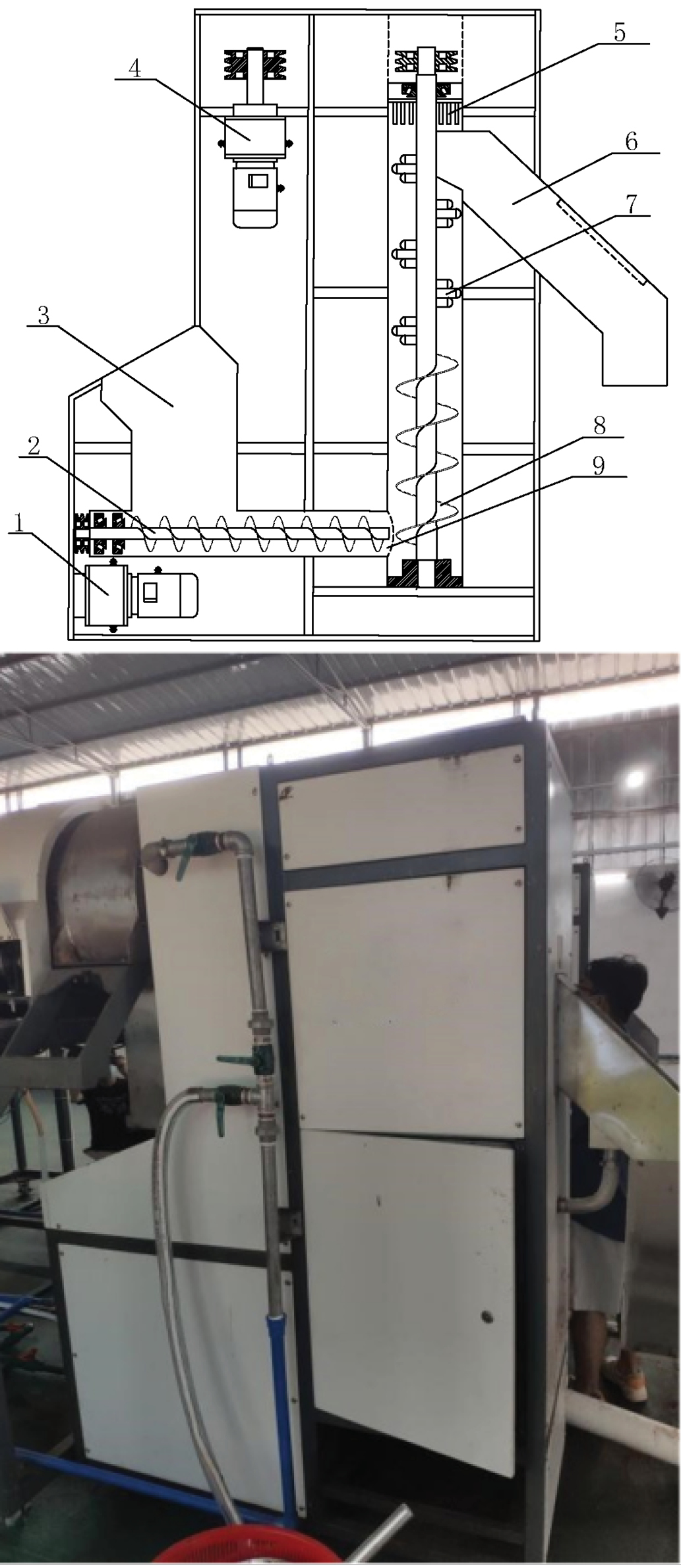 1 - Isometric push winch motor; 2 - Isometric push winch; 3 - Isometric push winch inlet; 4 - Skinning tooth strike winch motor; 5 - Sprinkler nozzle; 6 - Toothed strike winch outlet ports; 7 - Flexible strike teeth; 8 - Stripped tooth striking winch screw blades; 9 - Toothed strike winch inlet
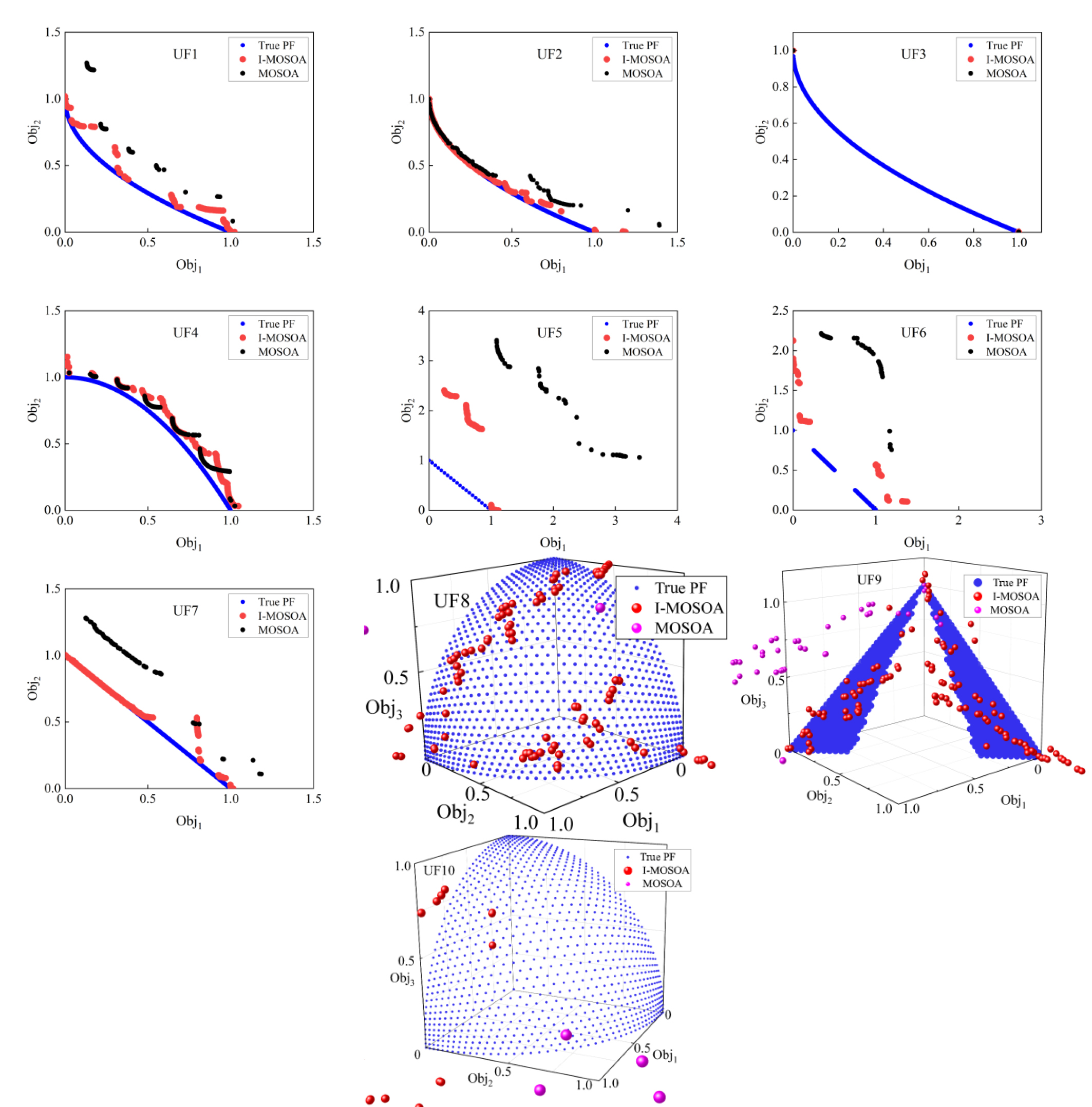 True PF stands for the true Pareto frontier; I-MOSOA represents the Pareto frontier obtained by the improved multiobjective seagull algorithm; MOSOA represents the Pareto frontier obtained by the multiobjective seagull algorithm; Obj1 is for target value 1; Obj2 is for target value 2; Obj3 is for target value 3; and UF1-10 are specific test functions.
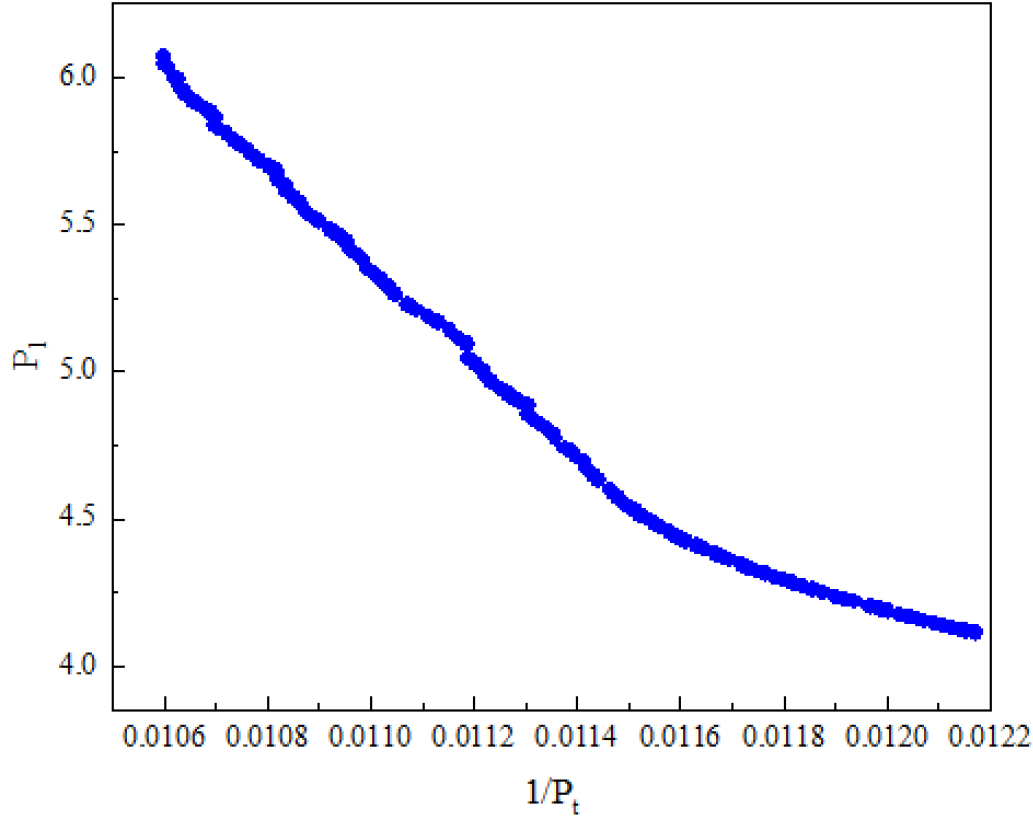 Pl - Peppercorn damage rate; 1/Pt - Inverse of the peeling rate