 Background exposure to smoke-related pollutants among firefighters during training in the Pantanal biome
Abstract
Objective To assess firefighters’ exposure to polycyclic aromatic hydrocarbons (PAHs) in the Pantanal biome of Brazil.
Methods A descriptive observational study was conducted. Hydroxy-PAHs (OH-PAHs) were used as biomarkers. Urine and soil samples were collected and analyzed.
Results Sixty firefighters participated, from which 57 were male. The study found widespread PAH exposure among firefighters, with 1-OHNap being the most prevalent metabolite (mean = 4.5 ng mL-1). Smokers exhibited higher OH-PAH concentrations (2-OHNap mean: Smokers = 3.0 ng mL-1, Nonsmokers = 1.7 ng mL-1, p<0.05). Total estimated daily intake (TEDI: from 3,88×10⁻⁴ to 4,42×10⁻⁴ μg day-1) highlighted potential health risks. Soil analysis indicated PAHs from combustion sources and atmospheric deposition from wildfires. Carcinogenic equivalent and Incremental Lifetime Cancer Risk (ILCR) revealed significant long-term health risks. Principal Component Analysis (PCA) identified various combustion sources contributing to PAH distribution.
Conclusions The high exposure to PAHs among participants and the contamination by PAHs in the Pantanal biome underscore the need to implement measures to protect firefighters’ health.
Keywords:
Firefighter; Pantanal biome; Urine; Environmental Biomarkers; Health Risk Assessment; Occupational Health
Resumo
Objetivos Avaliar a exposição a hidrocarbonetos policíclicos aromáticos (HPAs) em bombeiros e brigadistas no bioma Pantanal.
Métodos Um estudo observacional descritivo foi realizado. Foram utilizados metabólitos de hidroxi-HPAs na urina (OH-HPAs) como biomarcadores. Foram coletadas e analisadas amostras de urina e de solo.
Resultados 60 bombeiros participaram, dos quais 57 eram do sexo masculino. Observou-se ampla exposição aos HPAs, o 1-OHNap (média = 4,5 ng mL-1) foi o metabólito mais prevalente. Fumantes apresentaram concentrações mais altas de OH- HPAs (2-OHNap: fumantes = 3,0 ng mL-1, não fumantes = 1,7 ng mL-1, p<0,05). A ingestão diária total estimada (3,88×10⁻⁴ a 4,42×10⁻⁴ μg dia-1) destacou potenciais riscos à saúde. A análise do solo indicou fontes mistas de HPAs, incluindo combustão e deposição atmosférica de incêndios florestais. O equivalente carcinogênico e o risco incremental de câncer ao longo da vida (ILCR) revelaram riscos à saúde em longo prazo. A Análise de Componentes Principais (ACP) identificou várias fontes de combustão contribuindo para a distribuição de HPAs.
Conclusão A elevada exposição aos HPAs entre os participantes e a contaminação por HPAs no bioma Pantanal evidenciou a necessidade de implementar medidas para proteger a saúde dos bombeiros e brigadistas.
Palavras-chave:
Bombeiros; Pantanal; Urina; Biomarcadores Ambientais; Avaliação de Risco para a Saúde, Saúde do Trabalhador
Introduction
The International Agency for Research on Cancer (IARC) classified occupational exposure to firefighting as “carcinogenic to humans”1 (group 1). Firefighters are exposed to numerous hazards, including prolonged work hours, extreme heat, and complex mixtures of pollutants released during the combustion of materials such as wood, agricultural residues, and natural vegetation2. These exposures raise serious concerns regarding long-term health outcomes.
The Pantanal – the world’s largest continental wetland – is a biodiversity hotspot increasingly threatened by wildfires and environmental degradation3. In 2020, a severe drought led to fires that burned nearly 30% of the biome, causing extensive ecological damage and wildlife loss4. The crisis persisted until 2023, with over 4,000 fire outbreaks reported5.
Firefighting in such environments requires physical resilience and exposes individuals to the chemical and biological agents found in smoke and particulate matter (PM)6. Studies have shown elevated risks of cardiovascular disease (CVD) and cancer among firefighters, linked to multiple factors such as pollutant type, exposure intensity and frequency, exposure pathways, and individual susceptibility2,6. Notably, isolated chemical exposure does not fully account for the observed health burden; instead, a complex interplay of risk factors must be considered.
Understanding baseline exposure levels prior to wildfire activity can help distinguish occupational risks from other contributing factors. In this context, human biomonitoring – the measurement of chemical substances or their metabolites in biological samples – offers a valuable approach for evaluating physiological responses to environmental stressors7,8.
Polycyclic aromatic hydrocarbons (PAHs), formed during the incomplete combustion of organic matter from natural and human-made sources9, are of particular concern due to their cytotoxic, genotoxic, and endocrine-disrupting properties, with links to cancer, diabetes, CVD, and hypertension10. Once absorbed, PAHs are metabolized in the liver and excreted as conjugated hydroxy-PAHs (OH-PAHs) in urine, making them effective biomarkers of exposure through inhalation, ingestion, and dermal contact11.
To differentiate between background and acute wildfire-related exposures, this study aimed to assess baseline PAH exposure in firefighters operating in the Pantanal biome by quantifying OH-PAHs in urine samples collected during the training period, prior to active wildfires. Soil samples from multiple Pantanal locations were also analyzed for PAH content to investigate potential environmental exposure links. Moreover, this is the first study to measure urinary OH-PAH levels in Brazilian firefighters.
Methods
Study design and setting
This is a descriptive observational epidemiological study based on primary data collection, including a household survey and urine sample collection for the determination of PAH metabolites.
The study was divided into two stages: (1) Selection of volunteer groups (firefighters and brigade members) who participated in combating wildfires in the Pantanal biome in 2022, and (2) Stratification of exposed individuals by age group, with a focus on prioritizing the most vulnerable groups.
The study was conducted in the Pantanal biome area, in sites situated in two states from the Brazilian Center-Western region—Mato Grosso (MT) and Mato Grosso do Sul (MS).
Participants
An initial exploratory visit was conducted in March 2022 to study and select potential groups of firefighters to participate in the study. The selected groups were those primarily operating in the regions most affected by wildfires during the 2020–2021 period, based on the records of burned areas and heat hotspots. Following this visit, the most affected areas and their zones of influence were identified, and the study groups were defined accordingly.
The inclusion criteria were:
-
Age: 18–59 years old.
-
Occupation: Firefighters working in the Pantanal during the dry season for Prev-Fogo (Ibama) or the military (MT and MS states).
-
Have worked on wildfire suppression for at least 3 months (with defined frequency and duration of daily exposure).
The exclusion criteria were:
-
Individuals younger than 18 years or older than 59 years.
-
Individuals not working as firefighters in the Pantanal during the dry season for Prev-Fogo (Ibama) or the military (MT and MS states).
-
Firefighters who have not worked on wildfire suppression for at least 3 months or whose frequency and duration of daily exposure were not defined.
A total of 60 firefighters were recruited (42 Prev-fogo, 18 military). For the Prev-Fogo (Ibama) firefighters, 42 volunteers were selected, comprising 19 firefighters who were allocated in Corumbá city (state of MS), where the total number of firefighters was 30, and 23 firefighters from Cáceres (state of MT), out of a total of 29 firefighters. For the military firefighters in the Cáceres region, a total of 172 participated in fighting the fires, and 18 were selected for the present study.
Data collection
Data collection occurred during 2022 recruit training (dry season) before the wildfire season began. Firefighters participated in a home survey, donated urine samples, and underwent basic health assessments (height, weight, blood pressure, heart rate, and oxygen levels).
Well-trained interviewers, mainly nurses and public health researchers, administered face-to-face questionnaire surveys to each participant to collect the following data:
-
identification and demographic data (date and time of interview, participant’s full name, contact information sex, date of birth, and age);
-
occupational characteristics (duration of employment as a firefighter, participation in wildfire suppression during the week preceding the interview, average daily duration of exposure to fire, and conditions of personal protective equipment);
-
dietary history with focus on the previous 48 h (consumption of smoked or red meat, barbecue, bacon, grilled fish, canned smoked sardines, sausage, alcohol, coffee, tea, and use of dietary supplements);
-
self-rated health status (good, regular, or poor);
-
smoking history (current, former, or never smoker, and presence of smokers or former smokers in the household).
A copy of the questionnaire can be found in the supplementary material (Section S1) - Appendix A. All personal data were anonymized for analysis.
Urine collection and analysis
Baseline urine samples were collected in the morning, following a minimum two-hour interval since the participants’ last urination. Each participant received a collection kit with instructions and a sterile container. Samples were labeled, kept on ice, and frozen at -10°C within 48 hours. They were then transported and stored at -80°C in 10 mL aliquots at the Marine and Environmental Studies Laboratory at PUC-Rio (LabMAM/PUC-Rio) until analysis.
The analytical methodology was adapted from established protocols12 with slight modifications. The urine samples underwent deconjugation using β-Glucuronidase from Helix pomatia after adjustment to pH 5.0 with an acetate buffer. Internal standards were added to each sample before incubation and solid-phase extraction (SPE) using C18 cartridges (Waters SEP-PAK VAC C-18, Waters, Milford, MA, United States).
Following elution and drying, the extract was purified using NH2 cartridges (Waters SEP-PAK VAC 3 cc NH2, Waters, Milford, MA, United States) before resuspension in the solvent mixture acetonitrile/water (70:30 v/v). Finally, the samples were analyzed by liquid chromatography-tandem mass spectrometry (LC-MS/MS, Agilent Technologies, Santa Clara, California) after adding an internal standard. This method enabled the detection of 12 OH-PAHs (hydroxylated polycyclic aromatic hydrocarbons) in urine samples: 1-OH-Naphthalene (1-OHNap), 2-OH-Naphthalene (2-OHNap), 1-OH-Phenanthrene (1-OHPhe), 3-OH-Phenanthrene (3-OHPhe), 4-OH-Phenanthrene (4-OHPhe), 9-OH-Phenanthrene (9-OHPhe), 2-OH-Fluorene (2-OHFlu), 9-OH-Fluorene (9-OHFlu), 1- OH-Pyrene (1-OHPyr), 6-OH-Chrysene (6-OHChr), 3-OH-Benzo[a]Pyrene (3-OHBaP), and 9-OH-Benzo(a)Pyrene (9-OHBaP).
The method demonstrated a detection limit of 0.025 ng/mL, a recovery rate of 78%, and an acceptable coefficient of variation (8.2%) for repeated measurements.
Soil sampling and analysis
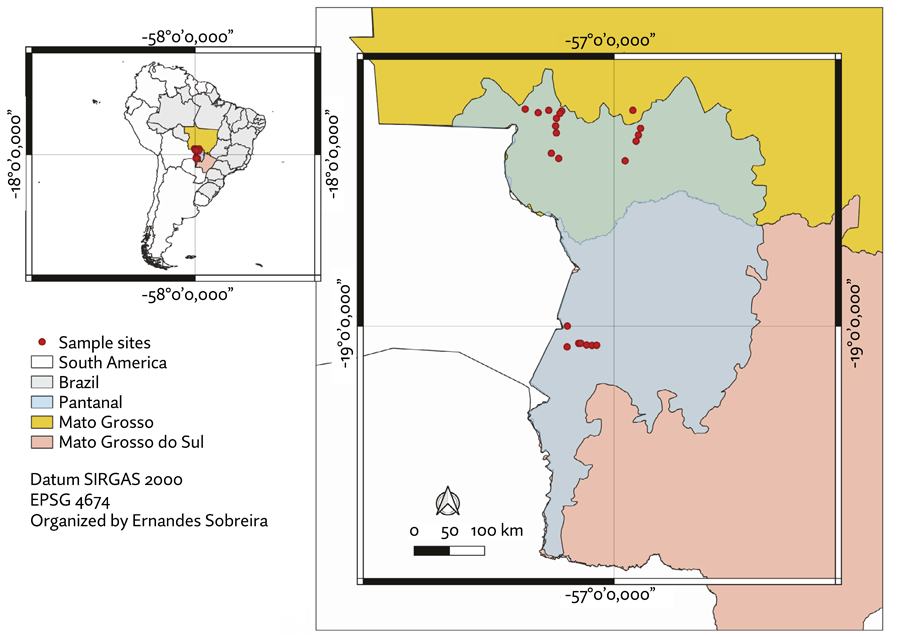
Twenty-five representative sites across the Pantanal biome were chosen for soil sample collection in the dry season of 2022 (Figure 1). These sites encompassed both rural and urban areas impacted by the 2020 wildfires and reflected the biome’s diverse vegetation types. The sampling area covered approximately 181,213 km2. To ensure representative samples, three soil surface layers were collected at each location using a decontaminated steel scoop (15 cm diameter) following previously established protocols13. A total of 75 samples were collected and transported in pre-cleaned aluminum containers to LabMAM/PUC-Rio. In the laboratory, the samples were dried, homogenized, sieved (<4 mm), and stored at 5°C for further analysis.
The PAH analysis followed the EPA 3545A (SW-846) protocol. Approximately 10 g of each sample was extracted using an Accelerated Solvent Extractor system (ASE 200, Thermo Scientific, Germany). The extracts were then purified by chromatography and analyzed using gas chromatography-mass spectrometry (GC-MS) according to the EPA method 8270D14. This method allowed detection of sixteen PAHs, including known carcinogens such as benzo(a)pyrene.
Analytical curves with linear correlation coefficients exceeding 0.99 ensured accurate determination of the PAH concentration in the samples. The limits of detection (LOD) ranged from 0.15 µg/kg (naphthalene) to 0.48 µg/kg (chrysene), with a quantification limit (LOQ) of approximately 1.8 µg/kg. Further details on the methodology can be found in supplementary material (Section S2) - Appendix A.
Exposure estimation and health risk assessment
Total Estimated Daily Intake (TEDI) levels of PAHs were determined by OH-PAHs concentration in urine samples employing the formula outlined by previous studies15 that considered hydroxy-naphthalene, fluorene, phenanthrene and pyrene. The equations and parameters relevant to the assessment are provided in supplementary material (Section S2) - Appendix A.
The carcinogenic risk was assessed through the carcinogenic B[a]P equivalent concentration (BaPEQC), considering seven PAHs that posed carcinogenic risks. The assessment conducted in this study involved equations from previous studies16. The Incremental Lifetime Cancer Risk (ILCR) was employed to estimate the cumulative lifetime risks across various age groups. For this study, the ILCR calculations considered ingestion (ILing), dermal (ILder), and inhalation exposures (ILinh), according to the US Environmental Protection Agency17. Detailed equations for all these calculations are provided in supplementary material (Section S3) - Appendix A.
Statistical analyses
All statistical analyses were performed using the software R, version 4.1.0. (R Core Team 2020) together with RStudio (RStudio Team 2015). The concentrations of OH-PAHs for the descriptive analysis are expressed as ng mL-1. Each analyte was quantified according to the peak area ratio referenced to the calibration curves. For the soil samples, PAH results are calculated as ng g-1 on a dry-weight basis.
As the data presented a non-normal distribution, the correlations among the target compounds were analyzed using Spearman’s correlation analysis.
Principal component analysis (PCA) was employed for the characterization of the source of the chemical components. The analysis was carried out on all samples and 20 variables, which were the four OH-PAHs detected in the urine samples and the sixteen PAHs found in the soil samples. The results of the PCA were represented by the chemical element correlation and cluster plot.
Ethics
This study adhered to the ethical guidelines established by the Brazilian Ministry of Health (resolutions CNS 466/2012 and CNS 510/2016) and was approved by the Oswaldo Cruz Foundation (39891620.0.0000.5240) on December 23rd, 2020. Firefighters provided written informed consent.
Results
A total of 60 firefighters participated in the study, providing baseline urine samples and completing the questionnaires. The participant demographics are summarized in Table 1. Most participants were male (n = 57). Regarding firefighting experience, almost half (n = 29) had worked between 1 and 5 years. Most participants were nonsmokers (n = 50). Regarding dietary intake 48 hours prior to urine collection, 34 reported having consumed red or smoked meat, 26 consumed alcohol, and 50 drank coffee. During the week of urine sampling, 26 were actively involved in wildfire suppression. Self-reported health status was mainly positive, with 41 rating their health as good. While 48 firefighters considered the Personal Protective Equipment (PPE) adequate.
Among the 12 OH-PAHs analyzed, four were detected and quantified in the firefighter urine samples (Table 2): 1-OHNap, 2-OHNap, 1-OHPyr, and 6-OHChr. These compounds were found in at least 85% of the samples, with ΣOH-PAHs (sum of 4 OH-PAHs) concentrations ranging from 1.0 to 67.6 ng mL-1, averaging 7.1 ng mL-1. Significant variation in ΣOH-PAH levels was observed among the participants (p < 0.05). The median concentrations were highest for 1-OHNap (4.5 ng mL-1), followed by 2-OHNap (1.9 ng mL-1), 1-OHPyr (1.1 ng mL-1), and 6-OHChr (0.2 ng mL-1).
It is important to note that the ΣOH-PAHs were largely influenced by the concentration of OH-Naps, which constituted between 20.2% and 96.8% of the total OH-PAHs in our study population. This wide variation highlights the dominance of OH-Naps in the total burden of measured metabolites and suggests that the differences observed in ΣOH-PAH levels among participants primarily reflect variations in OH-Naps concentrations.
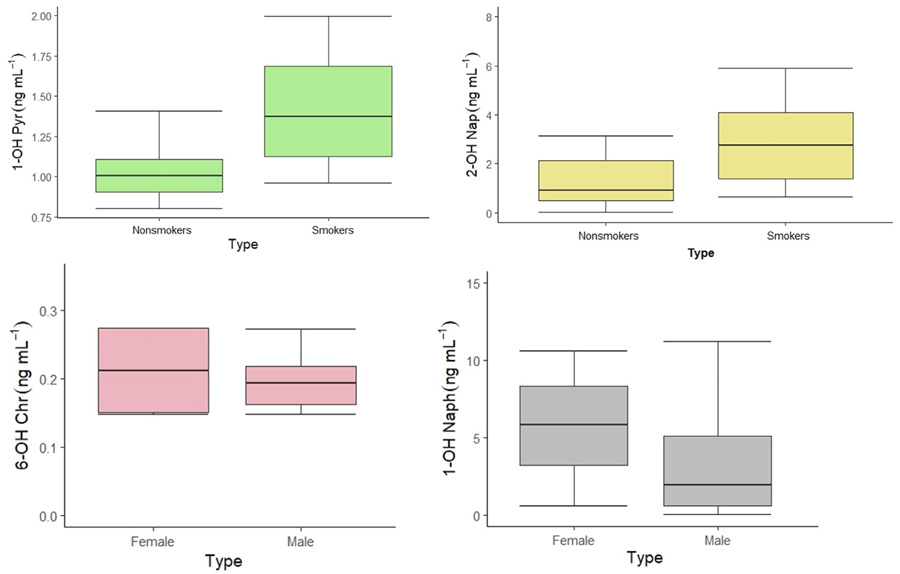
Smokers had significantly higher 2-OHNap levels compared to nonsmokers (3.0 vs. 1.7 ng mL-1, p < 0.05) and a higher but not statistically significant level of 1-OHPyr (1.4 vs. 1.0 ng mL-1, p>0.05). Although female firefighters showed slightly higher 1-OHNap concentrations than males (5.7 vs. 4.5 ng mL-1, p < 0.05), this difference should be interpreted with caution due to the very limited number of female participants in the study (n = 3). Among firefighters involved in prescribed burning, non-smokers had higher Σ4OH-PAHs levels (11.2 ng mL-1) than smokers (8.6 ng mL-1).
To evaluate the exposure levels and health risks associated with OH-PAH, the TEDI was calculated, with median values of 3.9×10⁻⁴ μg day-1 for MS and 4.42×10⁻⁴ μg day-1 for MT. The primary contributor to TEDI was 1-OHPyr, accounting for 67%–86% of the total. The carcinogenic metabolite 3-OH-BaP was not detected in any of the samples.
Surface soil samples revealed all 16 analyzed PAHs (Table 3), with concentrations ranging from 3.1 to 345.7 ng g-1 and an average of 48.4 ng g-1. Phe, Nap, Per, and Flt were the most abundant PAHs. Carcinogenic PAH B[a]P had a low detection frequency (38%) and mean concentration (0.7±0.6 ng g-1), below the Brazilian legal limits18. The PAH homolog analysis showed the highest proportion of 3-ring PAHs, followed by 4-ring, 5-ring, 2-ring, and 6-ring compounds.
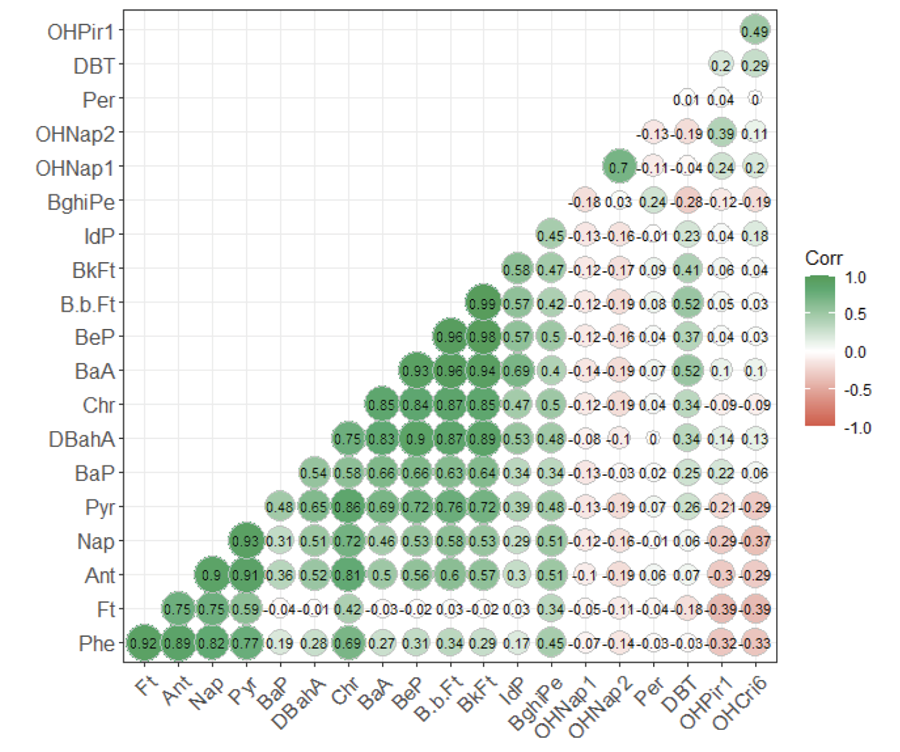
Strong Pearson correlations were found among 4-5-ring PAHs (Figure S3, >0.8), particularly Chr with B[b]F (0.9) and B[e]P (0.8). Weak correlations were observed between OH-PAHs and their parent PAHs, with 1-OHNap and 2-OHNap showing low correlation to Nap (0.1 and 0.2, respectively). The diagnostic ratios (Ant/(Ant+Phe), BaA/(BaA+Chr), IdP/(IdP+B[ghi]P))19 indicated the pyrogenic and combustion sources for the detected PAHs.
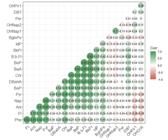
Pearson coefficient to OH-PAH concentration in firefighters’ urine and PAH results in soil samples
The equivalent carcinogenic (BaPEq) was calculated for the soil samples, revealing exposure risks ranging from 0.02 to 8.0 ng g-1 in MS and 0.01 to 2.5 ng g-1 in MT (Figure S2), all below the Brazilian legal thresholds18. The ILCR for adults, considering ingestion, inhalation, and dermal contact, averaged 7.1×10⁻⁶ for MS and 1.4×10⁻⁶for MT, with 48% of sites exceeding the Canadian regulatory thresholds20. The highest ILCR was near a highway in MS (5.2×10⁻⁵), while the lowest was in a touristic area (8.3×10⁻⁸).
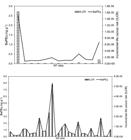
PCA identified four components explaining 78.2% of the variance in the PAH and OH-PAH data. PC1 (44.3%) was associated with Chr, B[b]F, Pyr, and B[e]P, indicating mixed sources of wood combustion and mining activities. PC2 (18.2%) correlated with Flt, Phe, 6-OHChr, 1-OHPyr, and Nap, suggesting petroleum combustion sources. PC3 (9.2%) was driven by fresh PAH sources, possibly from diet and local air pollution. PC4 (6.5%) reflected fossil fuel combustion contributions.
Discussion
This is the first study in Brazil to assess urinary OH-PAHs in firefighters as biomarkers of PAH exposure. The study offers a detailed assessment of firefighter exposure to PAHs, revealing considerable variability influenced by smoking and occupational activities. Among the 60 predominantly male participants, four urinary OH-PAHs (1-OHNap, 2-OHNap, 1-OHPyr, and 6-OHChr) were consistently detected, with significant individual differences. Smokers showed higher 2-OHNap levels, indicating key exposure modifiers. Elevated levels were also linked to prescribed burns, highlighting occupational risks. Soil analysis confirmed pyrogenic PAH sources with generally low carcinogenic risk under the Brazilian guidelines, although ILCR hotspots exceeded the international safety thresholds. The multivariate analysis suggested mixed exposure sources, including combustion, petroleum, and diet.
Operational conditions during wildfires often involve remote, resource-limited settings, exposing firefighters to physical and psychological stressors such as long hours, limited water, and inadequate rest. While PPE availability was considered adequate, issues with comfort and heavy equipment were noted. According to previous studies, inadequate PPE can potentially contribute to Repetitive Strain Injuries (RSI) and Work-Related Musculoskeletal Disorders (WMSD)21. Ensuring the health and safety of firefighters is crucial for an effective wildfire response.
Urine samples were collected at the onset of prescribed burning, prior to the peak wildfire season. The most prevalent metabolites were 1-OHNap, 2-OHNap, 1-OHPyr, and 6-OHChr, each found in over 85% of the samples. Compared to data from 26 Chinese cities22, the detection rates in this study were higher. Thus, Huang and collaborators22 observed a lower detection than the present study. Smokers showed slightly elevated 2-OHNap and 1-OHPyr levels (Figure S1). Although women exhibited higher 1-OHNap levels, the small number of female participants (n = 3) precluded statistical analysis.
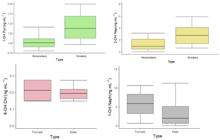
Boxplot for OH-PAH concentration in urine of firefighters, for Smoker vs nonsmoking, and women and men
Low-molecular-weight OH-PAHs, particularly OH-Naps, were predominant, consistent with known associations with smoking and vehicular emissions23. Compared to a German study24 reporting baseline 1-OHNap at 0.14 ng mL-1, the present study showed a mean of 4.55 ng mL-1, possibly reflecting dietary and lifestyle differences, including high red meat consumption in the Pantanal.
The TEDI of OH-PAHs was calculated to assess the overall exposure and potential health risks. 1-OHPyr was the major contributor, accounting for 67%–86% of the total TEDI values, which ranged from 2.95×10⁻⁴ µg day-1 for MT participants to 3.34×10⁻⁴ µg day-1 for MS participants. TEDI values vary by compound, population, and exposure source. Currently, no standardized reference TEDI for OH-PAHs exists due to the variability in exposure and toxicity. The TEDI mean value to South Korean firefighters involved in firefighting activities25 was higher (1.0 µg day-1) than that in the present study, highlighting PAHs exposition during the firefighting process and the potential health risks posed by occupational exposure to PAHs.
To complement the human exposure data, the surface soil was sampled at 25 sites in the Pantanal biome. All 16 target PAHs were detected, with total concentration levels lower than those of the post-wildfire ash samples from 202026. Phenanthrene, the most abundant PAH, remained well below the Brazilian soil prevention threshold (12.5 ng g-1 versus 3,300 ng g-1)19. Nevertheless, a previous study has found the prevalence of Phe in forest soils27. Naphthalene showed elevated levels, likely linked to recent fires, its high volatility, and widespread environmental presence28. Nap levels are considered notably high in soils with a recent history of fires. As one of the low-molecular-weight PAHs, Nap is extensively found in consumer products and commercial applications and frequently exists in the ambient environment due to its elevated volatility in contrast to other isomeric forms29. Perylene (mean = 4.5 ng g-1 – Table 3) may indicate a biogenic input30, while BaP was rarely detected and remained below the regulatory limits, including the Canadian guidelines (600 ng g-1)20.
Pearson correlations indicate that 4–5 ring PAHs likely share common local sources, notably atmospheric deposition from wildfires, consistent with previous findings31. The strong correlations between Nap, Chr, and Pyr align with studies linking these compounds to biomass burning and debris combustion31.
While high-ring PAH metabolites are primarily excreted via feces and low-ring via urine32, weak correlations were found between PAHs and their urinary metabolites, even for low-molecular-weight PAHs such as Nap. This may reflect the differing emission sources for soil PAHs and those contributing to human exposure.
Diagnostic ratios (e.g., Ant/(Phe+Ant), B[a]A/(Chr+B[a]A), IdP/(IdP+B[ghi]P)) suggest mixed PAH sources, including both atmospheric pyrogenic and direct combustion inputs. Wildfire contributions to surface soil PAHs in the Pantanal were evident.
BaPEq concentrations ranged from 0.2 to 1.1 ng g-1, with the highest values near highways—likely due to vehicular emissions combined with wildfires. Lower concentrations were observed in touristic areas, that possibly implement conservation practices. Given the agricultural and livestock use of the surrounding areas, PAH accumulation may pose ecological and human health risks, warranting greater attention to carcinogenic exposure in the Pantanal biome.
The ILCR is a key metric for assessing cancer risks from PAH exposure. The mean ILCR values of 7.1×10⁻⁶ (MS) and 1.4×10⁻⁶ (MT) suggest notable long-term health concerns. These results highlight the need for risk mitigation strategies.
In terms of PCA, PC1 (44.3%) was linked to mining, wood combustion, and pyrogenic sources, consistent with regional gold and iron extraction33, traditional fire practices, and wood stove use. PC2 (18.2%) reflected vehicle and natural gas emissions, influenced by widespread car and motorcycle use29. PC3 (9.2%) was dominated by OH-PAHs (e.g., 1-OHNap, 2-OHNap), suggesting recent PAH exposure from dietary intake34 or local air pollution. PC4 (6.5%) was associated with high-molecular-weight PAHs from fossil fuel combustion, likely tied to heavy vehicle traffic, including trucks, buses, and tractors. The traffic of trucks and buses, as well as the use of tractor on the lands, is habitual in the region. This reinforces the role of anthropogenic activities, particularly those associated with the burning of fossil fuels, in shaping PAH distributions in the environment.
These results indicate that multiple combustion sources contribute to PAH contamination in the Pantanal, including biomass and fossil fuels. Future research should incorporate temporal and spatial analyses to better understand the source dynamics and guide mitigation efforts.
Study limitations
This study is the first in Brazilian firefighters to evaluate PAH metabolites in urine but is limited by its small sample size (n=60), which may restrict the generalizability of the findings. The number of women in the study was considerably lower than the number of men (5% of participants), making sex stratification unfeasible due to the small sample size of female participants. However, metabolic differences between men and women could potentially lead to distinct results between these groups. Self-reported dietary and lifestyle information from the 48 hours before urine collection introduces recall bias and inaccuracies, potentially affecting the assessment of PAH exposure from food and beverages. Additionally, the duration of firefighting activities was imprecisely reported, as participants could not accurately recall the number of hours spent on prescribed burning, reducing the characterization of smoke exposure.
Each participant provided only one urine sample, representing OH-PAH composition at a single time point, due to logistical constraints as firefighters prioritize duty over research. TEDI values, based solely on urinary PAH metabolite concentrations, may underestimate actual exposure levels, highlighting the need for additional methods, such as cellular assays, to assess health risks.
The PAH composition analysis in the soil samples offered valuable insights into the PAH distribution and sources in the study areas. However, further research is necessary to explore the implications of PAH exposure and the associated risks to human health and the environment.
Conclusion
The Brazilian firefighters who participated provided crucial baseline data, revealing significant consumption of PAH-containing food and beverages, such as red or smoked meat and coffee, potentially contributing to the background exposure levels. Urine analysis detected four main OH-PAH metabolites, with 1-OHNap being the most prevalent. Smokers and women exhibited slightly elevated OH-PAH concentrations. TEDI highlighted potential health risks, with 1-OHPyr significantly contributing to total intake, indicating that lifestyle and environmental conditions could increase PAH exposure beyond occupational levels.
Soil analysis identified PAH contributions mainly from mining activities and wildfires. BaPEq and ILCR revealed concerning levels of long-term health risks. The meticulous data analysis provided insights into PAH sources, variability, and health risks. Further exploration of mitigation measures and strengthened national legislation are imperative to address PAH contamination and safeguard firefighters’ health.
Acknowledgments
The authors thank the governments of Mato Grosso and Mato Grosso do Sul states, the Military Fire Department of the State of Mato Grosso, the National Center for Prevention and Fight against Forest Fires (Prevfogo/IBAMA), the University of Mato Grosso State (UNEMAT), and the Federal University of Mato Grosso (UFMT). The authors thank Leopoldo Américo Miguez de Mello Research, Development and Innovation Center (Cenpes) where the OH-PAHs analysis was conducted.
Appendix A
Section S1 – Questionnaire applied to firefighters
Section S2 – Methodology of PAH determination
The PAH analysis was based on the EPA 3545A (SW-846) protocol. Samples were extracted by hot and pressurized solvent using the ASE 200 (Thermo Scientific, Germany) accelerated solvent extractor system. An aliquot of 10 g of each sample was weighed on an analytical balance (Shimadzu, Brazil ± 0.0002 g), and 25 µL of p-terphenyl-d14 was added as a surrogate standard. The cell inner space was filled with diatomaceous sand, which also promote removal of residual moisture. The ASE system operated at the temperature of 100 °C and pressure of 1,500 psi, using a total of 60 mL of dichloromethane in two cycles of 5 minutes to each cell1.
The extracts were concentrated using a rotary evaporator (at 30 °C) and purified by adsorption chromatography using a glass column 20 cm long × 8 mm i.d.) filled with 1 g of alumina (Supelclean® LC-AL-N), and 2 g of silica (Supelclean® LC-Si). Initially, the column was eluted with 6 mL of hexane to remove saturated hydrocarbons. Then, the fraction containing the PAHs was isolated by elution with 20 mL of a hexane:dichloromethane (1:1) mixture. The fraction was collected, concentrated in a rotary evaporator down to 1 mL and internal standards (20 µL each of deuterated naphthalene-d8, acenaphenene-d10, phenanthrene-d10, chrysene-d12 and perylene-d12) were added to the samples.
PAHs analysis were performed by gas chromatography (Thermo Trace-GC, Germany) coupled to mass spectrometry (Thermo ITQ 900, Germany), based on the EPA method 8270D (EPA, 2014). An aliquot of 1 µL of each extract was injected in the GC system equipped with a DB-5MS column (30 m length × 0.25 mm i.d. × 0.25 µm film thickness) at a constant flow rate (He, 1.2 mL min-1). The following temperature program was used: 50 °C for 5 min; 50 °C min-1 to 80°C; 6°C min-1 at 280°C for 20 min, and 12°C min-1 at 305°C for 10 min. The quadrupole mass spectrometer system operated in select ion monitoring mode (SIM). A calibration curve based on internal standard addition (100 ng) and at ten concentration levels (1, 2, 5, 10, 20, 50, 100, 200, 400 and 1,000 ng mL-1) of a solution containing a mixture of 16 priority PAHs and dibenzothiphene, perylene and benzo(e)pyrene. Alkylated (C1 up to C4) naphthalenes, fluorenes, dibenzothiophenes, anthracenes + phenanthrenes, pyrenes and chrysenes were quantified considering the response factor of homologs displaying similar structures. Curves with a Pearson’s correlation coefficient (R2) > 0.99 or higher were accepted.
LOD and LOQ were calculate considering the first calibration curve point and the mean extracted samples mass. The LOD was from 0.15 (Nap) to 0.48 µg kg-1 (Chr), and LOQ was around 1.8 µg kg-1.
Section S3 – Human health risk assessment equations
To evaluate the health risks associated with PAH exposure, the non-carcinogenic risk of PAHs was estimated using the total estimated daily intake (TEDI) calculated based on the concentrations of PAH metabolites measured in urine. The calculations followed the methodology outlined by Guo et al.2 and Peng et al.3:
Where C represents the percentage of OH-PAHs excreted in urine relative to total exposure dose, BW is body weight in kilograms, Mp and Mm are the molecular weights of parent PAHs and OH-PAHs, respectively, and V is the urine volume in liters per day. The study adopts a urine volume of 2.0 L/day for adults based on literature values for risk assessment calculations, considering variations in urine output due to physical activity. F (dimensionless) refers to the ratio of OH-PAHs excreted in urine to the total exposure dose of OH-PAH absorbed in the human body and represents the values of 100%, 11%, 60%, and 6.8% for NAP, PHE, FLU, and PYR, respectively4.
BaPEQ was determined with the following equation5, 6:
Where, TEF is carcinogenic factor with individual values for each PAH, which varied from 0.001 to 5 7, 8.
ILCR for ingestion (ILing), dermal (ILder), and inhalation exposures were calculated as following8:
Where, CS is the sum of concentration of carcinogenic PAH based on BaPEQ; BW is average bodyweight of an adult or a child (< 14 years); SA is surface area of dermal exposure; EF is exposure frequency; AT is average lifespan; ED is exposure duration; CSF is carcinogenic slope factor required for cancer risk estimation; IRing is estimated soil ingestion rate; IRinh is rate of inhalation; AF is dermal adherence factor for soil; ABS is adsorption factor; and PEF is particle emission factor (Table S1). CSFing is equal to 7.3 (mg kg-1 day-1)-1, CSFderm is equal to 25 (mg kg-1 day-1)-1, and CSFinh is equal to 3.85 (mg kg-1 day-1)-18, 9.
References
- 1 International Agency for Research on Cancer. Occupational exposure as a firefighter. Lyon: IARC; 2023. (IARC Monographs on the Evaluation of Carcinogenic Risks to Humans; vol. 132).
-
2 Demers PA, DeMarini DM, Fent KW, Glass DC, Hansen J, Adetona O, et al. Carcinogenicity of occupational exposure as a firefighter. Lancet Oncol. 2022 Aug;23(8):985-6. https://doi.org/10.1016/S1470-2045 (22)00390-4
» https://doi.org/10.1016/S1470-2045 (22)00390-4 -
3 Marengo JA, Cunha AP, Cuartas LA, Deusdará Leal KR, Broedel E, Seluchi ME, et al. Extreme drought in the Brazilian Pantanal in 2019-2020: characterization, causes, and impacts. Front Water. 2021;3(February):639204. https://doi.org/10.3389/frwa.2021.639204
» https://doi.org/10.3389/frwa.2021.639204 -
4 Lázaro WL, Oliveira-Júnior ES, Silva CJ, Castrillon SK, Muniz CC. Climate change reflected in one of the largest wetlands in the world: an overview of the Northern Pantanal water regime. Acta Limnol Bras. 2020;32:1-8. https://doi.org/10.1590/s2179-975x7619
» https://doi.org/10.1590/s2179-975x7619 -
5 Instituto Nacional de Pesquisas Espaciais. Programa Queimadas. Monitoramento dos focos ativos por estado, região ou bioma. Instituto Nacional de Pesquisas Espaciais; 2024 [citado 31 jan 2024]. Acesso em: http://terrabrasilis.dpi.inpe.br/queimadas/situacao-atual/estatisticas/estatisticas_estados/
» http://terrabrasilis.dpi.inpe.br/queimadas/situacao-atual/estatisticas/estatisticas_estados/ -
6 Barros B, Oliveira M, Morais S. Firefighters' occupational exposure: contribution from biomarkers of effect to assess health risks. Environ Int. 2021 Nov;156:106704. https://doi.org/10.1016/j.envint.2021.106704
» https://doi.org/10.1016/j.envint.2021.106704 -
7 Barros B, Oliveira M, Morais S. Urinary biohazard markers in firefighters. Adv Clin Chem. 2021;105:243-319. https://doi.org/10.1016/bs.acc.2021.02.004
» https://doi.org/10.1016/bs.acc.2021.02.004 -
8 Morgan MK, Jones PA, Sobus JR, Chuang JC, Wilson NK. Using urinary biomarkers to evaluate polycyclic aromatic hydrocarbon exposure in 126 preschool children in Ohio. Int J Environ Health Res. 2015;25(6):628-39. https://doi.org/10.1080/09603123.2014.1003039
» https://doi.org/10.1080/09603123.2014.1003039 - 9 Agency for Toxic Substances and Disease Registry. Toxicity of Polycyclic Aromatic Hydrocarbons (PAHs): routes of exposure for PAHs? Agency for Toxic Substances and Disease Registry; 2009.
-
10 Oliveira M, Slezakova K, Delerue-Matos C, Pereira MC, Morais S. Children environmental exposure to particulate matter and polycyclic aromatic hydrocarbons and biomonitoring in school environments: a review on indoor and outdoor exposure levels, major sources and health impacts. Environ Int. 2019 Mar;124:180-204. https://doi.org/10.1016/j.envint.2018.12.052
» https://doi.org/10.1016/j.envint.2018.12.052 -
11 Health Canada. Fourth report on human biomonitoring of environmental chemicals in Canada. V. Cycle 4 (2014-2015); 2017 [citado 6 fev 2024]. Disponível em: https://www.canada.ca/en/health-canada/services/environmental-workplace-health/reports-publications/environmental-contaminants/fourth-report-human-biomonitoring-environmental-chemicals-canada.html
» https://www.canada.ca/en/health-canada/services/environmental-workplace-health/reports-publications/environmental-contaminants/fourth-report-human-biomonitoring-environmental-chemicals-canada.html -
12 Fernández SF, Pardo O, Hernández CS, Garlito B, Yusà V; BIOVAL task force. Children's exposure to polycyclic aromatic hydrocarbons in the Valencian Region (Spain): urinary levels, predictors of exposure and risk assessment. Environ Int. 2021 Aug;153:106535. https://doi.org/10.1016/j.envint.2021.106535
» https://doi.org/10.1016/j.envint.2021.106535 -
13 Fang T, Verma V, Guo H, King LE, Edgerton ES, Weber RJ. A semi-automated system for quantifying the oxidative potential of ambient particles in aqueous extracts using the dithiothreitol (DTT) assay: results from the Southeastern Center for Air Pollution and Epidemiology (SCAPE). Atmos Meas Tech. 2015;8(1):471-82. https://doi.org/10.5194/amt-8-471-2015
» https://doi.org/10.5194/amt-8-471-2015 - 14 United States Environmental Protection Agency. Method 8270D: semivolatile organic compounds by gas chromatography. Washington, DC: US EPA; 2014.
-
15 Guo Y, Senthilkumar K, Alomirah H, Moon HB, Minh TB, Mohd MA, et al. Concentrations and profiles of urinary polycyclic aromatic hydrocarbon metabolites (OH-PAHs) in several Asian countries. Environ Sci Technol. 2013 Mar;47(6):2932-8. https://doi.org/10.1021/es3052262
» https://doi.org/10.1021/es3052262 - 16 United States Environmental Protection Agency. TEQ Calculation - BaP. United States. Environmental Protection Agency; 2016.
-
17 United States Environmental Protection Agency. Risk assessment guidance for superfund. Office of Superfund Remediation and Technology Innovation Environmental Protection Agency. 2009 [citado 20 jan 2024]. (v. 1: Human Health Evaluation Manual (Part F, Supplemental Guidance for Inhalation Risk Assessment). Disponível: https://www.epa.gov/risk/risk-assessment-guidance-superfund-rags-part-f
» https://www.epa.gov/risk/risk-assessment-guidance-superfund-rags-part-f - 18 Ministério do Meio Ambiente (BR). Conselho Nacional do Meio Ambiente. Resolução 420, de 28 de dezembro de 2009. Dispõe sobre critérios e valores orientadores de qualidade do solo quanto à presença de substâncias químicas e estabelece diretrizes para o gerenciamento ambiental de áreas contaminadas por essas substâncias em decorrência de atividades antrópicas. Brasília, DF: Conselho Nacional do Meio Ambiente; 2009.
-
19 Tobiszewski M, Namiesnik J. PAH diagnostic ratios for the identification of pollution emission sources. Environ Pollut. 2012 Mar;162:110-9. https://doi.org/10.1016/j.envpol.2011.10.025
» https://doi.org/10.1016/j.envpol.2011.10.025 -
20 Canadian Council of Ministers of the Environment. Canadian environmental quality guidelines summary table. Winnipeg: Canadian Council of Ministers of the Environment; 2021 [citado 22 nov 2021]. Acesso em: https://ccme.ca/en/summary-table
» https://ccme.ca/en/summary-table -
21 Kodom-Wiredu JK. The relationship between firefighters' work demand and work-related musculoskeletal disorders: the moderating role of task characteristics. Saf Health Work. 2019 Mar;10(1):61-6. https://doi.org/10.1016/j.shaw.2018.05.004
» https://doi.org/10.1016/j.shaw.2018.05.004 -
22 Huang S, Li Q, Liu H, Ma S, Long C, Li G, et al. Urinary monohydroxylated polycyclic aromatic hydrocarbons in the general population from 26 provincial capital cities in China: Levels, influencing factors, and health risks. Environ Int. 2022 Feb;160:107074. https://doi.org/10.1016/j.envint.2021.107074
» https://doi.org/10.1016/j.envint.2021.107074 -
23 Hoseini M, Nabizadeh R, Delgado-Saborit JM, Rafiee A, Yaghmaeian K, Parmy S, et al. Environmental and lifestyle factors affecting exposure to polycyclic aromatic hydrocarbons in the general population in a Middle Eastern area. Environ Pollut. 2018 Sep;240:781-92. https://doi.org/10.1016/j.envpol.2018.04.077
» https://doi.org/10.1016/j.envpol.2018.04.077 -
24 Taeger D, Koslitz S, Käfferlein HU, Pelzl T, Heinrich B, Breuer D, et al. Exposure to polycyclic aromatic hydrocarbons assessed by biomonitoring of firefighters during fire operations in Germany. Int J Hyg Environ Health. 2023 Mar;248:114110. https://doi.org/10.1016/j.ijheh.2023.114110
» https://doi.org/10.1016/j.ijheh.2023.114110 -
25 Lee NM, Tadesse AW, Ekpe OD, Lee SY, Kwon JW, Kim W, et al. Assessment of PAH exposure and health risks among South Korean firefighters based on urinary PAH metabolites. Chemospher e. 2024 Apr;353:141429. https://doi.org/10.1016/j.chemosphere.2024.141429
» https://doi.org/10.1016/j.chemosphere.2024.141429 -
26 Caumo S, Lázaro WL, Oliveira ES Jr, Beringui K, Gioda A, Massone CG, et al. Human risk assessment of ash soil after 2020 wildfires in Pantanal biome (Brazil). Air Qual Atmos Health. 2022;15(12):2239-54. https://doi.org/10.1007/s11869-022-01248-2
» https://doi.org/10.1007/s11869-022-01248-2 -
27 Kieta KA, Owens PN, Petticrew EL. Post-wildfire contamination of soils and sediments by polycyclic aromatic hydrocarbons in north-central British Columbia, Canada. Int J Wildland Fire. 2023 Jun;32(7):1071-88. https://doi.org/10.1071/WF22211
» https://doi.org/10.1071/WF22211 -
28 Vergnoux A, Malleret L, Asia L, Doumenq P, Theraulaz F. Impact of forest fires on PAH level and distribution in soils. Environ Res. 2011 Feb;111(2):193-8. https://doi.org/10.1016/j.envres.2010.01.008
» https://doi.org/10.1016/j.envres.2010.01.008 -
29 Oliveira M, Slezakova K, Alves MJ, Fernandes A, Teixeira JP, Delerue-Matos C, et al. Firefighters' exposure biomonitoring: impact of firefighting activities on levels of urinary monohydroxyl metabolites. Int J Hyg Environ Health. 2016 Nov;219(8):857-66. https://doi.org/10.1016/j.ijheh.2016.07.011
» https://doi.org/10.1016/j.ijheh.2016.07.011 -
30 Opuene K, Agbozu IE, Ekeh LE. Identification of perylene in sediments: occurrence and diagenetic evolution. Int J Environ Sci Technol. 2007;4(4):457-62. https://doi.org/10.1007/BF03325981
» https://doi.org/10.1007/BF03325981 -
31 Campos I, Abrantes N. Forest fires as drivers of contamination of polycyclic aromatic hydrocarbons to the terrestrial and aquatic ecosystems. Curr Opin Environ Sci Health. 2021;24:100293. https://doi.org/10.1016/j.coesh.2021.100293
» https://doi.org/10.1016/j.coesh.2021.100293 -
32 Ramesh A, Walker SA, Hood DB, Guillén MD, Schneider K, Weyand EH. Bioavailability and risk assessment of orally ingested polycyclic aromatic hydrocarbons. Int J Toxicol. 2004;23(5):301-33. https://doi.org/10.1080/10915810490517063
» https://doi.org/10.1080/10915810490517063 -
33 May Júnior JA, Quigley H, Hoogesteijn R, Tortato FR, Devlin A, Carvalho Júnior RM et al. Mercury content in the fur of jaguars (Panthera onca) from two areas under different levels of gold mining impact in the Brazilian Pantanal. An Acad Bras Cienc. 2018;90(2):2129-2139. https://doi.org/10.1590/0001-3765201720170190
» https://doi.org/10.1590/0001-3765201720170190 -
34 Sun Y, Wu S, Gong G. Trends of research on polycyclic aromatic hydrocarbons in food: A 20-year perspective from 1997 to 2017. Trends Food Sci Technol. 2019;83:86-98. https://doi.org/10.1016/j.tifs.2018.11.015
» https://doi.org/10.1016/j.tifs.2018.11.015
References
- 1 United States Environmental Protection Agency. Method 3545A (SW-846): Pressurized Fluid Extraction (PFE). Washington, DC: United States Environmental Protection Agency; 2007.
-
2 Guo Y, Senthilkumar K, Alomirah H, Moon HB, Minh TB, Mohd MA, et al. Concentrations and profiles of urinary polycyclic aromatic hydrocarbon metabolites (OH-PAHs) in several Asian countries. Environ Sci Technol. 2013;47(6):2932-8. https://doi.org/10.1021/es3052262
» https://doi.org/10.1021/es3052262 -
3 Peng M, Lu S, Yu Y, Liu S, Zhao Y, Li C, et al. Urinary monohydroxylated polycyclic aromatic hydrocarbons in primiparas from Shenzhen, South China: levels, risk factors, and oxidative stress. Environmental Pollution. 2020 Apr;259:113854. https://doi.org/10.1016/j.envpol.2019.113854
» https://doi.org/10.1016/j.envpol.2019.113854 -
4 Li Y, Taffner T, Bischoff M, Niemeyer B. Test gas generation from pure liquids: an application-oriented overview of methods in a nutshell. J Chem Eng. 2012 Feb;2012(1):417029. https://doi.org/10.1155/2012/417029
» https://doi.org/10.1155/2012/417029 -
5 Bortey-Sam N, Ikenaka Y, Nakayama SMM, Akoto O, Yohannes YB, Baidoo E, et al. Occurrence, distribution, sources and toxic potential of polycyclic aromatic hydrocarbons (PAHs) in surface soils from the Kumasi Metropolis, Ghana. Sci Total Environ. 2014;496:471-8. https://doi.org/10.1016/j.scitotenv.2014.07.071
» https://doi.org/10.1016/j.scitotenv.2014.07.071 -
6 Xia Z, Duan X, Tao S, Qiu W, Liu D, Wang Y, et al. Pollution level, inhalation exposure and lung cancer risk of ambient atmospheric polycyclic aromatic hydrocarbons (PAHs) in Taiyuan, China. Environmental Pollution. 2013;173:150-6. https://doi.org/10.1016/j.envpol.2012.10.009
» https://doi.org/10.1016/j.envpol.2012.10.009 -
7 Nisbet ICT, Lagoy PK. Toxic Equivalency Factors (TEFs) for Polycyclic Aromatic Hydrocarbons (PAHs). Regul Toxicol Pharmacol. 1992;16(3):290-300. https://doi.org/10.1016/0273-2300 (92)90009-X
» https://doi.org/10.1016/0273-2300 (92)90009-X - 8 United States Environmental Protection Agency. Provisional guidance for quantitative risk assessment of polycyclic aromatic hydrocarbons (PAH). Washington, DC: US Envieronmental Protection Agency;1993.
-
9 Peng C, Chen W, Liao X, Wang M, Ouyang Z, Jiao W, et al. Polycyclic aromatic hydrocarbons in urban soils of Beijing: Status, sources, distribution and potential risk. Environ Pollut. 2011;159(3):802-8. https://doi.org/10.1016/j.envpol.2010.11.003
» https://doi.org/10.1016/j.envpol.2010.11.003
-
Data availability:
The raw data from this study is not publicly available due to ethical restrictions set forth in the protocol approved by the Oswaldo Cruz Foundation Research Ethics Committee (opinion No. 4.484.010/2020), which does not authorize the reuse of the database or its availability in an open repository. All data collected were duly anonymized before analysis to prevent the identification of participants. However, as established in the Free and Informed Consent Form (FICF), the data is stored in a secure location, with access restricted exclusively to the research team, and intended only for the achievement of previously approved objectives. Data preservation is carried out on institutional servers protected by passwords and digital security mechanisms, ensuring confidentiality and integrity until the regulatory deadline established by the institution and the National Research Ethics Commission (CONEP).
-
Statement on the use of Artificial Intelligence:
The authors declare that no artificial intelligence tools were used to prepare the article.
-
Presentation at a scientific event:
The authors declare that the study has not been presented at a scientific event.
-
Funding:
This work was supported by the National Health Fund of the Ministry of Health through a Decentralized Execution Term (TED) for the Oswaldo Cruz Foundation (TED Nº 50/2021), by the Brazilian Institute of Research and Development (CNPq) and Carlos Chagas Filho Research Support Foundation of the State of Rio de Janeiro (FAPERJ) for the current grant (Grant 400724/2023-5 - Postdoctoral Junior), and by the Oswaldo Cruz Foundation for the previous grant (Programa Inova Fiocruz from 2021 to 2023). This work was supported by the Brazilian Institute of Research and Development (CNPq) (Process 422782/2021-1 and Process 312901/2021-6) and FAPERJ (Process E-26/210.594/2023 - Programa de Apoio à Fixação de Jovens Doutores no Brasil).
Edited by
-
Responsible editors:
Dario Consonni https://orcid.org/0000-0002-8935-3843 Epidemiology Unit, Fondazione IRCCS Ca' Granda Ospedale Maggiore PoliclinicoLeila Posenato Garcia https://orcid.org/0000-0003-1146-2641 Fundação Jorge Duprat Figueiredo de Segurança e Medicina do Trabalho - FUNDACENTRO
The raw data from this study is not publicly available due to ethical restrictions set forth in the protocol approved by the Oswaldo Cruz Foundation Research Ethics Committee (opinion No. 4.484.010/2020), which does not authorize the reuse of the database or its availability in an open repository. All data collected were duly anonymized before analysis to prevent the identification of participants. However, as established in the Free and Informed Consent Form (FICF), the data is stored in a secure location, with access restricted exclusively to the research team, and intended only for the achievement of previously approved objectives. Data preservation is carried out on institutional servers protected by passwords and digital security mechanisms, ensuring confidentiality and integrity until the regulatory deadline established by the institution and the National Research Ethics Commission (CONEP).