 Global review of zucchini (Cucurbita pepo) pollination: research approaches, distribution of pollinators and knowledge gaps
ABSTRACT
Crop pollination is indispensable for global food security. Studies that summarize the knowledge about pollination of specific crops are relevant because they identify the distribution of pollinators, guide pollinator management and conservation policies, and highlight knowledge gaps. Zucchini is cultivated in several countries, and its production is essentially dependent on pollinators. We aimed to integrate global data on zucchini pollination and answer the following questions: (1) What are the topics addressed and what are the trends of the results? (2) Which organisms pollinate zucchini, and how are they globally distributed? (3) What are the knowledge gaps? We performed a systematic literature review, built a network of countries and pollinators, and compared data on the efficiency of specific pollinators. Studies were conducted in 16 countries. Most studies investigated the frequency and diversity of floral visitors. Other approaches were discussed. Zucchini flowers fed 116 species of pollinators, especially bees. Six countries had almost exclusive groups of native pollinators. Apis, Bombus, and Peponapis were the most frequently recorded bees. Areas with high habitat diversity improve pollination. There was a significant difference in productivity when pollination was carried out by bees compared with pollination by Syrphidae. The main knowledge gaps are (1) the determination of which native, manageable pollinators are efficient for maximum zucchini production, (2) the investigation of how pollination influence fruit nutritional composition and seed quality, and (3) the identification of pollinators to the species level.
Keywords:
Apidae; Bees; Ecosystem Services; Food Security; Pollinators’ Decline
INTRODUCTION
Vegetables and fruits are largely pollinator-dependent crops that represent the most important sources of micronutrients in human diet (Garibaldi et al., 2022; Porto et al., 2021; Smith et al., 2015). Due to the global decline in pollinators (Potts et al., 2010), there has been an evident decrease in agricultural production throughout the world over the last decades (Ellis; Myers; Ricketts, 2015; Smith et al., 2015), threatening global nutritional security (Chaplin Kramer et al., 2014; IPBES, 2016; Peixoto et al., 2022). Therefore, many studies on crop pollination seek to understand the influence of pollinators on the quantitative and qualitative aspects of production as well as their economic value, and to estimate the contribution of agricultural crops to the resilience of pollination services (IPBES, 2018; Klein et al., 2018). However, there has been limited effort to synthesize global data on the pollination of specific crops. These studies are relevant because they identify the distribution of pollinators, guide pollinator management and conservation policies, and highlight knowledge gaps.
Zucchini (Cucurbita pepo L., Cucurbitaceae) is an example of a vegetable crop with great economic importance, whose production is essentially dependent on pollinators (Giannini et al., 2015), and whose data on pollination have not yet been compiled. Like other Cucurbitaceae species, each zucchini has staminate (male) and pistillate (female) flowers (i.e., monoecy; García et al., 2020; Hoehn et al., 2008). Therefore, fruit and seed production rely on animal pollinators that transport the large and heavy pollen grains to the sticky pistil of the female flowers (Rech et al., 2014). The global production of zucchini together with other cucurbits is around 35 million tons, and plantations occupy approximately 2 million hectares (FAOSTAT, 2022). Although cross-pollination is mandatory for zucchini, the economic value of pollinators is still unknown (Wolowski et al., 2019).
Because flowers are large and produce abundant and easily accessible nectar and pollen (Nicodemo et al., 2009), they are visited by a great diversity of insects; however, bees are the main pollinators (Giannini et al., 2015). The bees of the Apini tribe are especially important, due to their high floral visitation rate (Giannini et al., 2015). The presence of Apini bees improves several commercially important characteristics of fruits and seeds, mainly size and weight, ensuring greater market value (Gemmill-Herren, 2016; Klein et al., 2007).
Considering the high dependence of zucchini production on pollinators, its economic relevance, and the absence of studies that have synthesized the data on zucchini pollination, in this review we aim to integrate global data on zucchini pollination to answer the following questions: (1) How are studies on zucchini pollination distributed in time and space? (2) What are the topics addressed in the studies, and what are the trends of the results? (3) Which organisms pollinate zucchini, and how are they distributed? (4) What are the knowledge gaps?
MATERIAL AND METHODS
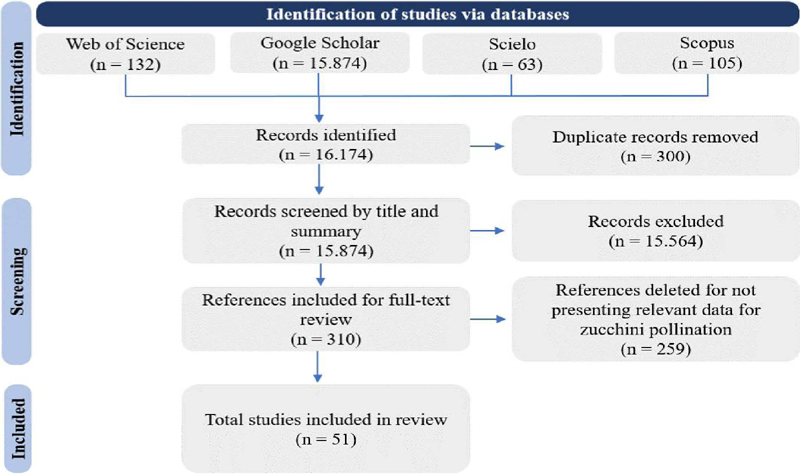
To obtain data on zucchini pollination, we conducted a systematic literature review (for articles published from 1970 to 2021) using the Web of Science (www.webofknowledge.com), Google Scholar (www.scholar.google.com), Scielo (www.scielo.org), and Scopus (www.scopus.com) repositories with the following search terms: ((“zucchini” OR “Cucurbita pepo”) AND (“pollination” OR “pollinator” OR “floral visitor” OR “floral biology” OR “breeding system”). The inclusion criteria for the articles was a clear indication that the species behaved as a pollinator, identification to the species level, and written in English. This initial search returned 16,000 studies, but only 51 met the inclusion criteria (Fig. 1).
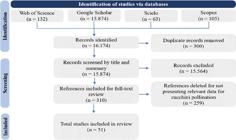
Flowchart of selection of pollination studies on zucchini (Cucurbita pepo L., Cucurbitaceae) adapted from PRISMA 2020
For each study, we extracted the year of publication, the country of data collection, the main questions, the type of study area (open field or greenhouse), the pollinator species, and the main results. We verified the scientific names of the floral visitors based on Moure’s Bee Catalog (moure.criaorgbr/) and the Global Names Resolver (resolver.globalnames.org/).
We used one-way (comparing the levels of one only variable) post hoc pairwise chi-square analysis to check for significant differences in the frequencies of decade (≥ 2010, < 2010), regions (tropical, temperate), environments (open, closed, both), and study categories (pollinator diversity and frequency of visits, reproductive experiments, influence of landscape on pollination and tests of pollinator efficiency). We performed the post hoc pairwise comparisons by using the function pairwise Nominal Independence of the r companion package (Mangiafico, 2022).
To analyze the geographical distribution of the pollinators, we created a network from a weighted matrix, with countries in rows and pollinators in columns. We filled the cells with the number of studies that recorded the occurrence of a pollinator species in each country. The thickness of the edges in the net indicates the weight (the number of studies). To assess the role of the nodes in the network structure, we calculated the following centrality metrics: degree, which indicates how much a node is connected to other nodes in the network (Rodrigues, 2019); and betweenness, which describes the importance of a node as a connector between different parts of the network (Freeman, 1977). We designed the network by using the Fruchterman-Reingold algorithm (Fruchterman; Reingold, 1991) in the Igraph package of the R software (R Core Team, 2023).
RESULTS AND DISCUSSION
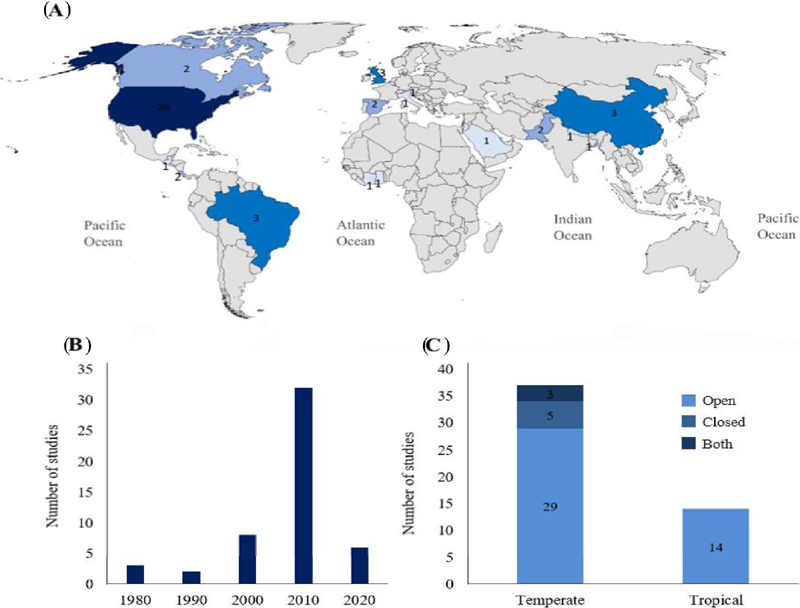
A tot al of 51 studies met the inclusion criteria; they were published from 1981 to 2021. The number of studies published annually increased significantly after the 2000s (38 studies or 74.50%), with the 1980s to 2000 having the fewest studies (13 studies or 25.49%; χ2 = 12.255, degrees of freedom [df] = 1, p < 0.01; Fig. 2). Our review showed that 90% of the studies on zucchini pollination were carried out from the 2000s onwards, probably due to the growing concern about the global pollinator crisis that has resulted in a significant reduction in the diversity, density, and distribution of pollinators around the world, compromising human food security (Aizen et al., 2022; Bartomeus et al., 2018; Novais et al., 2016). Crops more dependent on pollinators tend to be more affected by the pollinator crisis (Garibaldi et al, 2011; Klein et al., 2007) due to an insufficient quantity and quality of pollen delivered to the stigmas of cultivated plants, or pollen limitation (Freitas et al., 2016; Vaissière; Freitas; Gemmill-Herren, 2011). For this reason, studies are being carried out with the aim of mitigating this crisis (IPBES, 2016; Shivanna; Tandon; Kou, 2020).
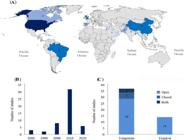
Distribution of pollination studies in zucchini (Cucurbita pepo L., Cucurbitaceae) and its influence on production. (A) Study sites sampled worldwide. (B) Number of studies conducted over the decades. (C) Number of studies in tropical and temperate areas carried out in different environments. Open: plantations in the field; Closed: greenhouses; Both: both situations
Data were collected in 16 countries (Austria, Bangladesh Brazil, Canada, China, Costa Rica, Côte d’Ivoire, Ghana, Guatemala, Italy, Nepal, Pakistan, Saudi Arabia, Spain, the United Kingdom, and the United States), with the largest number in the United States (26 studies or 50.98%; Fig. 2). There is strong evidence of pollinator declines in the United States since 1947, with a loss of 59% of bee colonies (Stokstad, 2007), and in Europe since 1985 with a loss of about 25% (Potts et al., 2010). This fact may explain the predominance of studies originating from North America, especially in the United States, and in Europe. The high number of studies observed in the United States is not explained by its zucchini production, because it has the fifth highest gross production in the world (FAOSTAT, 2022). It is important to note that zucchini is native to North America, where there is strong evidence that it was domesticated at least twice, in Mexico more than 10,000 years ago and in the United States more than 4,000 years ago, and later domesticated in various locations on the North American continent (Paris, 2016).
The predominance of studies from the United States clearly influenced the higher proportion of studies in temperate regions compared with tropical ones. It is important to note that the climate of temperate regions allows the maximum production of the harvest, and produces higher quality fruits (Salehi et al., 2019).
The proportion of studies was significantly higher in temperate regions (37 studies or 72.54%), conducted especially on open plantations, followed by closed environments and both situations. The studies from tropical regions (14 studies or 27.45%; χ2 = 10.373, df = 1, p < 0.01; Fig. 2) were all conducted on open plantations (χ2 = 59.765, df = 2, p < 0.01). The predominance of studies conducted on open plantations may be explained by the fact that this system allows for up to a 70% increase in zucchini yield due to free access of a higher diversity and frequency of pollinators to flowers (Waters; Taylor, 2006) compared with indoor cultivation, which tends to have insufficient pollination, causing a loss in productivity (Cruz; Campos, 2009; Formisano et al., 2020). Pollination of crops in open fields is strongly favored by the landscape, which provides a variety of floral resources (pollen, nectar, and oil sources) and nesting sites for pollinators (Fijen et al, 2019; Garibaldi et al., 2013, 2016; Parra-Tabla; Campos-Navarrete; Arceo-Gómez, 2017). It is important to note that agricultural cultivation carried out indoors is gaining prominence worldwide, allowing the production of high-quality fruits throughout the year, in addition to reducing pest attacks and, consequently, reducing the use of pesticides (Campeche et al., 2017; Shamshiri et al., 2018).
Regarding the main approaches of the studies, most of them evaluated the frequency and diversity of pollinators (41 studies or 80.39%), the reproductive requirements by comparing production between natural and hand pollinations (11 studies or 21.56%), the influence of the landscape on pollination on open plantations (8 studies or 15.68%), and the influence of a specific pollinator on production (4 studies or 7.84%; χ2 = 53.625, df = 3, p < 0.01). The main results are presented below.
Most studies that investigated the frequency and diversity of floral visitors associated the visitation rate with various aspects of foraging behavior, such as the visit time, pollen collection versus nectar or nectar theft (31 studies or 75.60%), and the abundance and density of pollen grains on the stigma after different numbers of visits (1, 2, 4, 8, and 12; 19 studies or 46.34%). A total of 38 studies (74.50%) recorded Apis species and, among them, 34 recorded Apis mellifera, three recorded A. cerana, and two A. dorsata. A smaller number of studies addressed other bee species, including Bombus spp. (24 studies or 47.05%), with Bombus impatiens being the most recorded (11 studies), followed by Bombus terrestris (four studies). Species of Peponapis species (22 studies or 43.13%) included P. pruinosa (17 studies), P. apiculata, P. fervens and P. utahensis (two studies each); and P . limitaris (one study).
Several studies evaluated the reproductive requirements (11 studies or 21.56%). Among them, nine focused on natural pollination and observed that bee pollination improved production in terms of the quantity (number) and quality (weight, length, and diameter) of fruits and seeds. Two studies that compared fruit set between manual cross-pollination and natural pollination did not find differences.
The studies that evaluated the influence of landscape on zucchini pollination and production tested for different distances from areas with a high diversity of habitats (i.e., natural and seminatural vegetation cover). Most of the m (7 studies or 63.63%) observed that plantations located 300–2000 m from those areas had a higher frequency of visits by B. impatiens, A. mellifera, and Peponapis spp., but they did not test for the impact of this increased frequency on production. One study investigated the effects of the use of chemicals (insecticides and fungicides) on pollen and bees in areas 2 km away from the plantations, and observed high concentrations of chemicals in pollen grains. The authors also noted that insecticides were approximately 100 times more dangerous for bees than fungicides, exponentially decreasing the visitation of native bees.
The four studies that investigated the efficiency of specific pollinators on production included Apidae (bees), Halictidae (bees), and/or Syrphidae (flies). Three studies investigated Apis spp. in an open environment. One of them compared A. dorsata (which is considered the best pollinator of zucchini in Pakistan, with 23.33% of fruit set) with Eristalinus laetus (6.66%), EristalinusE. aeneus (6.66%), Lasioglossum sp1 (10%), Lasioglossum sp2 (13.33%), Halictus sp. (20%), and Nomia sp. (36.66%). The last one was considered the best pollinator, followed by Halictus sp., while the other pollinator species were not statistically significant. The second study compared A. mellifera with B. impatiens and P. pruinosa and observed that B. impatiens deposited three times more pollen grains onto stigmas in a single visit compared with the other two species, reaching 64.7%, while A mellifera reached around 18% and P. pruinosa 10%. The third study compared A. mellifera with P. pruinosa and found that although the fruit set after pollination by A. mellifera was higher than other species, most flowers required more than one visit to reach 30%-50% of fruit set. Although P. pruinosa is a cucurbit bee, a single visit is rarely sufficient to produce fruit, especially when there is another competing pollinator in the growing area.
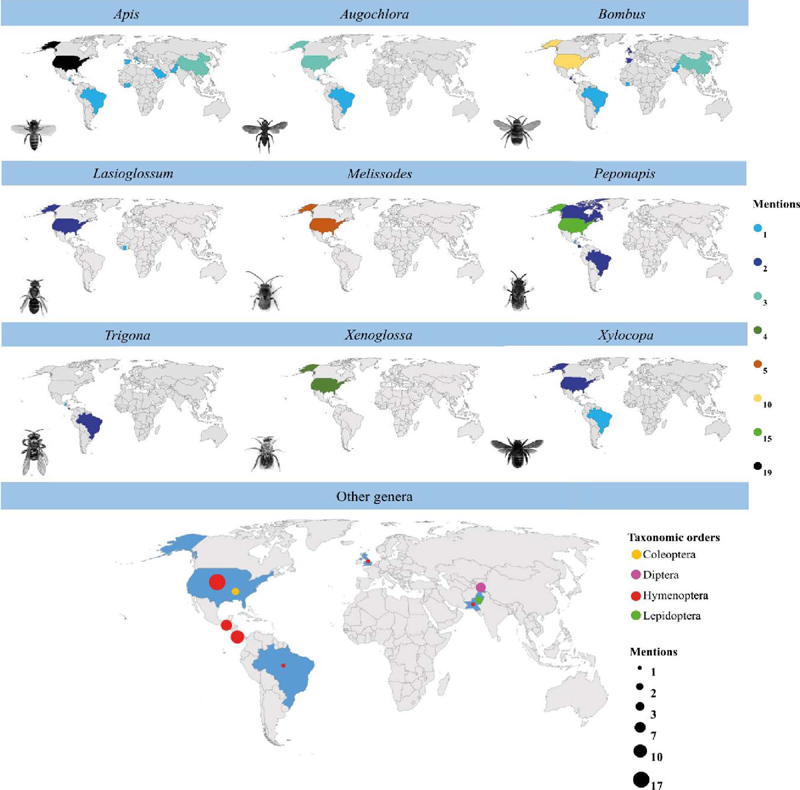
Considering all the studies that tested the efficiency of a specific pollinator, there was a significant difference in productivity when pollination was carried out by bees compared with production by Syrphidae (χ2 = 35.095, df = 9, p < 0.01). Among the most efficient species, P. pruinosa (52.63%) and B. impatiens (41.46%) stand out. Bombus impatiens was more efficient than E. aeneus (p = 0.0221) and Eristalinus megacephalus (p = 0.0221) for fruit set. Similarly, the efficiency of P. pruinosa was significantly higher than E. aeneus (p = 0.0104), E. megacephalus (p = 0.0104), and Lasioglossum sp1 (p = 0.0432). No study compared the influence of pollination on chemical aspects of fruits and in seed germination. A total of 116 pollinator species were recorded (Appendix 1), distributed in four orders (Coleoptera, Diptera, Hymenoptera, and Lepidoptera; Fig. 3), eight families, and 37 genera (Fig. 3).
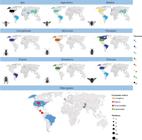
Distribution of the global literature on zucchinni (Cucurbita pepo L., Cucurbitaceae) floral visitors divided into taxonomic groups for the nine main genera and the four main orders. The number of studies performed with each genus is indicated by the fill color in the countries. The “other genera” consist of 28 genera, with the taxonomic orders indicated by fill color, consistent in the panel. The point size represents the frequency of mentioned studies
Most species are included in the Hymenoptera genera (106 or 91.37%), exclusively bees, and distributed in North, Central, and South America; Europe; Africa; and Asia (Fig. 3). Diptera species have been recorded in Asia and Europe, Coleoptera only in North America, and Lepidoptera only in Asia. The most representative families were Apidae (bees, 64 species or 55.17%), followed by Halictidae (bees, 39 species or 33.62%). The genus Apis had the widest geographical distribution of records from studies in North America, Europe, and Asia. Bombus records were also broadly distributed, mainly in North America and Europe, and less frequently in South America. Peponapis was recorded mainly in North America. Other less frequent genera were widely distributed in North and Central America (Fig. 3).
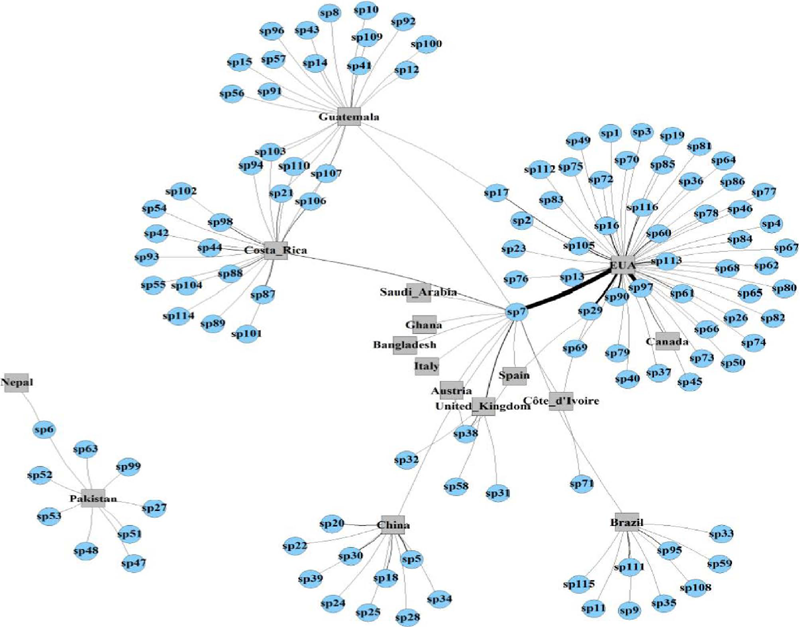
Among the countries that presented the largest number of connections in the network (Fig. 4) are the United States (betweenness = 0.825), with 8% of its species recorded in 14 other countries, and the United Kingdom (betweenness = 0.174), with 40% of the species also observed in 12 countries. Apis mellifera presented the widest geographic distribution of records—it was registered in 13 countries—and, consequently, obtained the highest connection value (betweenness = 0.822), followed by the bees Augochloropsis metallica (0.122, two countries) and B. impatiens (0.012, three countries).
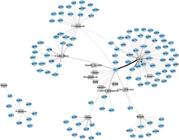
Interaction network between pollinators of zucchini (Cucurbita pepo L., Cucurbitaceae) and geographical distribution of studies. Circles represent pollinators and squares countries. The thickness of the line is proportional to the number of studies carried out with pollinators in each country
The network (Fig. 4) revealed that the United States had the highest number of pollinator species (50 species or 43.10%, degree = 50), with most of them (46) being exclusive. The four species shared with other countries are A. mellifera, P. pruinosa, B. impatiens, and A. metallica; the first three were the most recorded in 19, 15, and 9 studies, respectively. In Guatemala, 22 species (degree = 22) were observed in only one study, and, in Costa Rica, there were 20 species (degree = 20), seven of which were recorded in two studies, and six shared with Guatemala. China (11 species; degree = 11) and Brazil (10 species, degree = 10) presented nine exclusive species each, sharing only A. mellifera with other countries. Pakistan recorded nine unique species (degree = 9).
Five species were identified in the United Kingdom (degree = 5), with three exclusive species, and A. mellifera (three studies) and B. terrestris (two studies) being the most recorded. Côte d’Ivoire (one exclusive species) and Spain recorded three species (degree = 3), with similar records for A. mellifera and B. impatiens (one study each). In Austria, two species (A. mellifera and B. terrestris; degree = 2) were observed in only one study. The other countries recorded only one species (degree = 1): A. mellifera in Bangladesh, Ghana, Italy, and Saudi Arabia; P. pruinosa in Canada; and A. dorsata in Nepal.
The fact that the global distribution of zucchini pollination studies is heavily concentrated on Apis and Bombus species in North America is explained by the fact that those bees constitute the main group of managed pollinators for this continent (Ghazoul, 2015; Goulson, 2003; Klein et al., 2007; Millard; Freeman; Newbold, 2020). Apis and Bombus are known to guarantee the production of a large quantity of high-quality zucchini fruit and seeds (Krug; Alves-dos-Santos; Cane, 2010; Nicodemo et al., 2009; Roubik, 2018; Vidal et al., 2010). It is interesting to note that the increase in studies with Apis spp. occurred after infestations by the parasite Varroa destructor in the United States in the 1980s (IPBES, 2016; Oldroyd, 1999). The rapid increase in studies with the genus Bombus occurred in the late 1980s with the first commercialization of species for pollination of crops (Velthuis; van Doorn, 2006). From that period on, other genera of pollinators were studied frequently (Millard; Freeman; Newbold, 2020).
The most frequent bee species in the studies (A. mellifera, B. impatiens, and P. pruinosa) were recorded in tropical and temperate regions (Koné et al., 2019; Malerbo-Souza et al., 2019; Phillips; Gardiner, 2015). The high frequency of A. mellifera is closely related to the fact that it is a generalist species that is widely managed for bee products and crop pollination and has considerable economic value (Delaplane; Mayer, 2000; Kevan, 1997; Wolowski et al., 2019). It is considered an efficient pollinator for zucchini flowers, from which it collects nectar and pollen and increases fruit production, reaching almost 100% after 12 visits (Artz; Hsu; Nault, 2011; Petersen; Reiners; Nault, 2013; Vidal et al., 2010). However, the presence of this species causes several negative impacts on the ecosystem, interfering with the relationships between plants and native pollinators, causing a reduction in their diversity, making the vast plant–pollinator interactions impossible and, consequently, causing the failure of the reproductive system of the plants that depend on these animals (Valido; Rodríguez-Rodríguez; Jordano, 2019).
Although global agricultural production depends on pollination by Apis, it is highly recommended that countries seek pollinators that can replace it even partially, giving preference to native, manageable, and efficient species (IPBES, 2016). The network revealed that several countries have exclusive native pollinators that could met those criteria, such as Agapostemon, Euglossa, Eulaema, Exomalopsis, Caenaugochlora, Halictus, Megalopta, Melipona, Nannotrigona, Tetragona, and Thygater. Some genera have already been managed in agriculture, such as Melipona (Mascena et al., 2018), Nannotrigona (Silva; Gimenes, 2014), and Tetragona (Oliveira-Junior et al., 2022). The large number of pollinator species recorded in several countries reinforces the importance of maintaining the diversity of these animals for the maintenance of agricultural production. Thus, in addition to seeking native and manageable pollinators through pollinator efficiency studies, it is essential to conserve environments with a high diversity of habitats, which are known to maintain pollinator populations throughout the world.
Despite having a lower frequency, B. impatiens is considered to be a highly efficient pollinator in zucchini (Artz; Hsu; Nault, 2011; Artz; Nault, 2011; Petersen; Huseth; Nault, 2014). The efficiency of this species is directly related to its body size (ranging from 1 to 4 cm in length) and the dense coat that carries a large amount of pollen during a visit (Goulson, 2010; Herrmann; Haddad; Levey, 2018), ensuring similar fruit set in the context of open pollination when flowers are visited four to eight times (Artz; Nault, 2011).
The bee P. pruinosa is a specialist pollinator of Cucurbitaceae crops, mainly squash (Artz; Hsu; Nault, 2011; Skidmore et al., 2019). It is one of the most abundant native bees for Cucurbita crops in the United States (Sampson et al., 2007; Shuler; Roulston; Farris, 2005): It was mentioned in 93% of the studies carried out in the region. Although is considered an efficient pollinator, capable of sustaining most of the zucchini production when the flowers are visited seven times (Cane; Sampson; Miller, 2011), pollination by this species may be less efficient compared with other species because the frequency of visits to pistillate flowers is much lower, consequently reducing fruit weight and seed formation (Artz; Nault, 2011; Petersen; Huseth; Nault, 2014).
The fact that the highest proportion of studies investigated the frequency and diversity of floral visitors is justified by the importance of this topic as a basis for understanding how much the crop depends on pollinators, how many visits are necessary for desirable production, as well as to guide pollinator management. The assessment of pollination deficits in production through natural and cross-pollination experiments has not been well addressed in studies involving zucchini. Nevertheless, there has been increased attention on this approach in the literature because it provides an estimate of pollination needs for pollinator-dependent crops (Petersen; Huseth; Nault; 2014). In addition, such studies contribute to the identification of other factors that can influence production in addition to the lack of pollen (Vidal et al., 2010), promoting an increase in agricultural resilience and bringing economic returns (Knapp; Osborne, 2017).
There have been very studies testing the efficiency of different species of pollinators in zucchini production, even though researchers have accepted that this knowledge helps to identify alternative pollinators (Artz; Nault, 2011) and to determine the ideal number of visits for maximum crop yield (Sihag, 2018). Despite the importance of native bees for zucchini productivity (Enríquez et al., 2015), only a few studies have documented the performance of these pollinators. Thus, new studies are needed to conserve and develop management strategies for native pollinators (Ali et al., 2014; Malerbo-Souza et al., 2019). Moreover, there have been few studies that evaluate the landscape around zucchini plantations, but this topic has received increased research attention for agricultural crops, because it directly influences production, as mentioned above. In addition, it has been proven that the amount and proximity of native vegetation, for example, are determining factors to increase bee populations and the effectiveness of pollination services of zucchini crops (Petersen; Nault, 2014).
Although zucchini fruit has antioxidants that benefit human health (Boschi, 2015), it is worth noting that none of the included studies evaluated the influence of pollinators on the chemical characteristics of zucchini fruit. Pollinators may alter the chemical composition of fruits (Baronio et al., 2021; Cruz; Campos, 2009; Klatt et al., 2014; Vergara; Fonseca-Buendía, 2012). Moreover, none of the studies investigated the influence of pollinators in seed germination. This is especially important for crops that are cultivated through seeds, such as zucchini. Pollinators maximize seed production in more than 40 crops throughout the world (Garibaldi et al., 2013)—and in at least 10 Brazilian crops (Giannini et al., 2015)—and may also positively influence seed germination (Kevan; Eisikowitch, 1990).
CONCLUSIONS
We revie wed studies related to the influence of pollinators on zucchini crops, how they are distributed, which organisms pollinate zucchini, and what are the main knowledge gaps. These data will help in the development and improvement of strategies for the management and conservation of pollinators. Most studies were conducted from the 2000s onwards, mainly in temperate regions and in open environments. The study approaches include evaluation of the frequency and diversity of pollinators in zucchini production, comparison of natural and manual pollination on production, evaluation of the influence of the landscape on pollination on open plantations, and evaluation of the influence of a specific pollinator in production. Bees behaved as the main pollinators, followed by other insects such as flies, beetles, and butterflies. The predominance of studies with Apis, Bombus, and Peponapis is probably related to their economic importance. Studies that evaluate reproductive requirements in different regions by using controlled crosses are needed to help maximize yield. In addition, studies that assess the efficiency of different pollinator species in production would help to elaborate management and conservation practices. There is still a need to assess the influence of pollinators on the chemical aspects of the zucchini fruit and in seed germination. Zucchini flowers are fed on by 116 species of pollinators, especially bees, followed by flies, beetles, and butterflies. Six countries had almost exclusive groups of pollinators. Apis species was recorded in all countries and, together with Bombus and Peponapis, formed the most frequently recorded bees. Studies that investigated the influence of the landscape on pollination found that areas with high habitat diversity improve pollination. Considering all the studies that tested the efficiency of a specific pollinator, there was a significant difference in productivity when pollination was carried out by bees compared with production by Syrphidae. The main knowledge gaps we found are: (1) the determination of which native, manageable pollinators are efficient for maximum zucchini production, (2) the investigation of how pollination influence fruit nutritional composition and seed quality, and (3) the identification of pollinators to the species level.
ACKNOWLEDGMENTS
We thank the Coordenação de Aperfeiçoamento de Pessoal de Nível Superior for (Financing Code 001) and Fundação de Amparo à Ciência e Tecnologia de Pernambuco and Conselho Nacional de Desenvolvimento Científico e Tecnológico (research grant: 428303/2018-8, fellowship: 312372/2021-3) for financial support, and the Programa de Pós-Graduação em Biodiversidade of the Universidade Federal Rural de Pernambuco and the Universidade Federal do Agreste de Pernambuco for institutional support.
REFERENCES
-
AIZEN, M. A.; GARIBALDI, L. A.; HARDER, L. D. Myth and reality of a global crisis for agricultural pollination. Austral Ecology, v. 32, p. 698-715, 2022. DOI: https://doi.org/10.25260/EA.22.32.2.1.1875
» https://doi.org/10.25260/EA.22.32.2.1.1875 - ALI, M. et al Exploring the best native pollinators for pumpkin (Cucurbita pepo) production in Punjab, Pakistan. Pakistan Journal of Zoology, v. 46, n. 2, p. 531-539, 2014.
-
ARTZ, D. R.; HSU, C. L.; NAULT, B. A. Influence of honeybee, Apis mellifera, hives and field size on foraging activity of native bee species in pumpkin fields. Environmental Entomology, v. 40, n. 5, p. 114-1158, 2011. DOI: https://doi.org/10.1603/EN10218
» https://doi.org/10.1603/EN10218 -
ARTZ, D. R.; NAULT, B. A. Performance of Apis mellifera, Bombus impatiens, and Peponapis pruinosa (Hymenoptera: Apidae) as pollinators of pumpkin. Journal of Economic Entomology, v. 104, n. 4, p. 1153-1161, 2011. DOI: https://doi.org/10.1603/EC10431
» https://doi.org/10.1603/EC10431 -
BARONIO, G. J. et al Different visitation frequencies of native and non-native bees to vines: how much vegetation is necessary to improve fruit production? Plant Biology, v. 23, p. 923-930, 2021. DOI: https://doi.org/10.1111/plb.13327
» https://doi.org/10.1111/plb.13327 -
BARTOMEUS, I. et al Historical collections as a tool for assessing the global pollination crisis. Philosophical Transactions of the Royal Society B, v. 374, n. 1763, e20170389, 2018. DOI: https://doi.org/10.1098/rstb.2017.0389
» https://doi.org/10.1098/rstb.2017.0389 - BOSCHI, K. Caracterização das propriedades químicas e antioxidantes da semente, germinados, flores, polpa e folha desenvolvida de abóbora (Cucurbita pepo L.) 2015. Dissertação (Mestrado em Qualidade e Segurança Alimentar) – Escola Superior Agrária de Bragança, Bragança, 2015.
- CAMPECHE, L. F. S. et al Microclima e evapotranspiração de tomate em dois sistemas de produção no vale do São Francisco. Agrometeoros, v. 25, n. 1, p. 133-142, 2017.
-
CANE, J. H.; SAMPSON, B. J.; MILLER, S. A. Pollination value of male bees: the specialist bee Peponapis pruinosa (Apidae) at summer squash (Cucurbita pepo). Environmental Entomology, v. 40, n. 3, p. 614-620, 2011. DOI: https://doi.org/10.1603/EN10084
» https://doi.org/10.1603/EN10084 -
CHAPLIN-KRAMER, R. et al Global malnutrition overlaps with pollinator-dependent micronutrient production. Proceedings of the Royal Society B, v. 281, n. 1794, e20141799, 2014. DOI: https://doi.org/10.1098/rspb.2014.1799
» https://doi.org/10.1098/rspb.2014.1799 - CRUZ, D. O.; CAMPOS, L. A. O. Polinização por abelhas em cultivo protegido. Revista Brasileira de Agrociência, v. 15, n. 1/4, p. 5-10, 2009.
- DELAPLANE, K. S.; MAYER, D. F. Crop pollination by bees Nova York: CABI Publishing, 2000.
-
ELLIS, A. M.; MYERS, S. S.; RICKETTS, T. H. Do pollinators contribute to nutritional health? PLoS One, v. 10, n. 1, e114805, 2015. DOI: https://doi.org/10.1371/journal.pone.0114805
» https://doi.org/10.1371/journal.pone.0114805 -
ENRÍQUEZ, E. et al Alpha and beta diversity of bees and their pollination role on Cucurbita pepo L. (Cucurbitaceae) in the Guatemalan cloud forest. The Pan-Pacific Entomologist, v. 91, n. 3, p. 211-222, 2015. DOI: https://doi.org/10.3956/2015-91.3.211
» https://doi.org/10.3956/2015-91.3.211 -
FAOSTAT. Food and Agriculture Organisation of the United Nation. 2022. Disponível em: http://faostat.fao.org/ Acesso em: 20/12/2021.
» http://faostat.fao.org/ -
FIJEN, T. P. et al Effects of landscape complexity on pollinators are moderated by pollinators’ association with mass-flowering crops. Proceedings of the Royal Society B, v. 286, n. 1900, e20190387, 2019. DOI: https://doi.org/10.1098/rspb.2019.0387
» https://doi.org/10.1098/rspb.2019.0387 -
FORMISANO, L. et al. Biochemical, physiological, and productive response of greenhouse vegetables to suboptimal growth environment induced by insect nets. Biology, v. 9, n. 12, e432, 2020. DOI: https://doi.org/10.3390/biology9120432
» https://doi.org/10.3390/biology9120432 -
FREEMAN, L. C. A set of measures of centrality based on Betweenness. Sociometry, v. 40, n. 1, p. 35-41, 1977. DOI: https://doi.org/10.2307/3033543
» https://doi.org/10.2307/3033543 - FREITAS, B. M. et al Identifying and assessing pollination deficits in crops. In: GEMMILL-HERREN, B. (ed.). Pollination services to agriculture: sustaining and enhancing a key ecosystem service. New York: Routeledge, 2016. p. 17-32.
- FRUCHTERMAN, T. M. J.; REINGOLD, E. M.; WILEY, J. Graph drawing by force-directed placement. Journal of Software: Practice and Experience, v. 21, n. 11, p. 1129-1164, 1991.
-
GARCÍA, A. et al Two androecious mutations reveal the crucial role of ethylene receptors in the initiation of female flower development in Cucurbita pepo The Plant Journal, v. 103, n. 4, p. 1548-1560, 2020. DOI: https://doi.org/10.1111/tpj.14846
» https://doi.org/10.1111/tpj.14846 -
GARIBALDI, L. A. et al Exploring connections between pollinator health and human health. Philosophical Transactions of the Royal Society B, v. 377, n. 1853, e20210158, 2022. DOI: https://doi.org/10.1098/rstb.2021.0158
» https://doi.org/10.1098/rstb.2021.0158 -
GARIBALDI, L. A. et al Global growth and stability of agricultural yield decrease with pollinator dependence. PNAS, v. 108, n. 14, p. 5909-914, 2011. DOI: https://doi.org/10.1073/pnas.1012431108
» https://doi.org/10.1073/pnas.1012431108 - GARIBALDI, L. A. et al Mutually beneficial pollinator diversity and crop yield outcomes in small and large farms. Science, v. 351, n. 6271, p. 388-391, 2016.
- GARIBALDI, L. A. et al Wild pollinators enhance fruit set of crops regardless of honeybee abundance. Science, v. 339, n. 6127, p. 1608-1611, 2013.
- GEMMILL-HERREN, B. Pollination services to agriculture: sustaining and enhancing a key ecosystem service. Routeledge, New York: Food and Agriculture Organization of the United Nations, 2016.
- GHAZOUL, J. Qualifying pollinators decline evidence. Science, v. 348, n. 6238, p. 981-982, 2015.
-
GIANNINI, T. C. et al Crop pollinators in Brazil: a review of reported interactions. Apidologie, v. 46, p. 209-223, 2015. DOI: https://doi.org/10.1007/s13592-014-0316-z
» https://doi.org/10.1007/s13592-014-0316-z -
GIANNINI, T. C. et al Projected climate change threatens pollinators and crop production in Brazil. PloS One, v. 12, n. 8, e0182274, 2017. DOI: https://doi.org/10.1371/journal pone.0182274.
» https://doi.org/10.1371/journal. pone.0182274 -
GIANNINI, T. C. et al The dependence of crops for pollinators and the economic value of pollination in Brazil. Journal of Economic Entomology, v. 108, n. 3, p. 849-857, 2015. DOI: https://doi.org/10.1093/jee/tov093
» https://doi.org/10.1093/jee/tov093 - GOULSON, D. Bumblebees: behaviour ecology and conservation. Oxford: Oxford University Press, 2010.
- GOULSON, D. Conserving wild bees for crop pollination. Journal of Food, Agriculture and Environment, v. 1, n. 1, p. 142-144, 2003.
-
HERRMANN, J. D.; HADDAD, N. M.; LEVEY, D. J. Mean body size predicts colony performance in the common eastern bumble bee (Bombus impatiens). Ecological Entomology, v. 43, n. 4, p. 458-462, 2018. DOI: https://doi.org/10.1111/een.12517
» https://doi.org/10.1111/een.12517 -
HOEHN, P. et al Functional group diversity of bee pollinators increases crop yield. Proceedings of the Royal Society B, v. 275, n. 1648, p. 2283-2291, 2008. DOI: https://doi.org/10.1098/rspb.2008.0405
» https://doi.org/10.1098/rspb.2008.0405 - IPBES. Summary for policymakers of the regional assessment report on biodiversity and ecosystem services for the Americas of the Intergovernmental Science-Policy Platform on Biodiversity and Ecosystem Services RICE, J. et al (ed.). Bonn, Germany: IPBES secretariat, 2018. 41 p.
- IPBES. The assessment report of the Intergovernmental Science-Policy Platform on Biodiversity and Ecosystem Services on pollinators, pollination, and food production POTTS, S. G.; IMPERATRIZ-FONSECA, V. L.; NGO, H. T. (ed.). Bonn, Germany: Secretariat of the Intergovernmental Science-Policy Platform on Biodiversity and Ecosystem Services, 2016. 552 p.
-
KEVAN, G.; EISIKOWITCH, D. The effects of insect pollination on canola (Brassica napus L. cv. O.A.C. Triton) of seed germination. Euphytica v. 45, p. 39-41. DOI: https://doi.org/10.1007/BF00032148
» https://doi.org/10.1007/BF00032148 - KEVAN, P. G. Honeybees for better apples and much higher yields: study shows pollination services pay dividends. Canadian Fruitgrower, v. 14, n. 16, 1997.
-
KLATT, B. K. et al Bee pollination improves crop quality, shelf life and commercial value. Proceedings of the Royal Society B, v. 281, n. 1775, p. 24-40, 2014. DOI: https://doi.org/10.1098/rspb.2013.2440
» https://doi.org/10.1098/rspb.2013.2440 -
KLEIN, A. M. et al Importance of pollinators in changing landscapes for world crops. Proceedings of the Royal Society B, v. 274, n. 1608, p. 303-313, 2007. DOI: https://doi.org/10.1098/rspb.2006.3721
» https://doi.org/10.1098/rspb.2006.3721 -
KLEIN, A. M. et al Relevance of wild and managed bees for human well-being. Current Opinion in Insect Science, v. 26, p. 82-88. DOI: https://doi.org/10.1016/j.cois.2018.02.011
» https://doi.org/10.1016/j.cois.2018.02.011 -
KNAPP, J. L.; OSBORNE, J. L. Courgette production: pollination demand, supply, and value. Journal of Economic Entomology, v. 110, n. 5, p. 1973-1979, 2017. DOI: https://doi.org/10.1093/jee/tox184
» https://doi.org/10.1093/jee/tox184 - KONÉ, K. et al Diversity, abundance, and activity of bees in Zucchini (Cucurbita pepo L) crops in northern Côte d’Ivoire. International Journal of Entomology Research, v. 4, p. 41-45, 2019.
- KRUG, C.; ALVES-DOS-SANTOS, I.; CANE, J. Abelhas visitantes de flores de Cucurbita (Cucurbitaceae), com ênfase sobre a presença de Peponapis fervens Smith (Eucerini - Apidae) - Santa Catarina, sul do Brasil. Oecologia Australis, v. 14, p. 128-139, 2010.
- MALERBO-SOUZA, D. T. et al Biodiversity and forage behavior of bees in Italian pumpkin crop (Cucurbita pepo). Colloquium Agrariae, v. 15, n. 4, p. 11-21, 2019.
-
MASCENA, V. M. et al External activity of colonies of Melipona quinquefasciata managed in different types of beehive. Revista Ciência Agronômica, v. 49, n. 4, p. 683-691, 2018. DOI: https://doi.org/10.5935/1806-6690.20180077
» https://doi.org/10.5935/1806-6690.20180077 -
MANGIAFICO, S. S. An R Companion for the Handbook of Biological Statistics, 2022, http://rcompanion.org/rcompanion/
» http://rcompanion.org/rcompanion/ -
MILLARD, J. W.; FREEMAN, R.; NEWBOLD, T. Text-analysis reveals taxonomic and geographic disparities in animal pollination literature. Ecography, v. 43, n. 1, p. 44-59, 2020. DOI: https://doi.org/10.1111/ecog.04532
» https://doi.org/10.1111/ecog.04532 -
NICODEMO, D. et al Honey bee as an effective pollinating agent of pumpkin. Scientia Agricola, v. 66, n. 4, p. 476-480, 2009. DOI: https://doi.org/10.1590/S0103-90162009000400007
» https://doi.org/10.1590/S0103-90162009000400007 -
NOVAIS, S. M. et al Effects of a possible pollinator crisis on food crop production in Brazil. PLoS One, v. 11, n. 11, e0167292, 2016. DOI: https://doi.org/10.1371/journal.pone.0167292
» https://doi.org/10.1371/journal.pone.0167292 -
OLDROYD, B. P. Coevolution while you wait: Varroa jacobsoni, a new parasite of western honeybees. Trends in Ecology and Evolution, v. 14, n. 8, p. 312-315, 1999. DOI: https://doi.org/10.1016/S0169-5347(99)01613-4
» https://doi.org/10.1016/S0169-5347(99)01613-4 - OLIVEIRA-JUNIOR, J. M. B.; SANTOS, L. B. C.; DIAS-SILVA, K. Ecologia e comportamento de abelhas Ponta Grossa, PR: Atena, 2022. 26 p.
- PANNELL, J. R. Plant sex determination Current Biology, v. 27, n. 5, R191-R197, 2017.
-
PARIS, H. S. Germplasm enhancement of Cucurbita pepo (pumpkin, squash, gourd: Cucurbitaceae): progress and challenges. Euphytica, v. 208, p. 415-438, 2016. DOI: https://doi.org/10.1007/s10681-015-1605-y
» https://doi.org/10.1007/s10681-015-1605-y -
PARRA-TABLA, V.; CAMPOS-NAVARRETE, M. J.; ARCEO-GÓMEZ, G. Plant–floral visitor network structure in a smallholder Cucurbitaceae agricultural system in the tropics: implications for the extinction of main floral visitors. Arthropod-Plant Interactions, v. 11, p. 731-740, 2017. DOI: https://doi.org/10.1007/s11829-017-9529-1
» https://doi.org/10.1007/s11829-017-9529-1 -
PEIXOTO, P. G. et al The significance of pollination for global food production and the guarantee of nutritional security: a literature review. Environmental Sciences Proceedings, v. 15, n. 1, p. 1-7, 2022. DOI: https://doi.org/10.3390/environsciproc2022015007
» https://doi.org/10.3390/environsciproc2022015007 -
PETERSEN, J. D.; HUSETH, A. S.; NAULT, B. A. Evaluating pollination deficits in pumpkin production in New York. Environmental Entomology, v. 43, n. 5, p. 1247-1253, 2014. DOI: https://doi.org/10.1603/EN14085
» https://doi.org/10.1603/EN14085 -
PETERSEN, J. D.; NAULT, B. A. Landscape diversity moderates the effects of beevisitation frequency to flowers on crop production. Journal of Applied Ecology, v. 51, n. 5, p. 1347-1356, 2014. DOI: https://doi.org/10.1111/1365-2664.12287
» https://doi.org/10.1111/1365-2664.12287 -
PETERSEN, J. D.; REINERS, S.; NAULT, B. A. Pollination services provided by bees in pumpkin fields supplemented with either Apis mellifera or Bombus impatiens or not supplemented. PLoS One, v. 8, n. 7, e69819, 2013. DOI: https://doi.org/10.1371/journal.pone.0069819
» https://doi.org/10.1371/journal.pone.0069819 - PHILLIPS, B. W.; GARDINER, M. M. Use of video surveillance to measure the influences of habitat management and landscape composition on pollinator visitation and pollen deposition in pumpkin (Cucurbita pepo) agroecosystems. PeerJ, v. 5, n. 3, e1342, 2015.
-
PORTO, R. G. et al Pollinator-dependent crops in Brazil yield nearly half of nutrients for humans and livestock feed. Global Food Security, v. 31, e100587, 2021. DOI: https://doi.org/10.1016/j.gfs.2021.100587
» https://doi.org/10.1016/j.gfs.2021.100587 -
POTTS, S. G. et al Global pollinator declines: trends, impacts and drivers. Trends in Ecology & Evolution, v. 25, n. 6, p. 345-353, 2010. DOI: https://doi.org/10.1016/j.tree.2010.01.007
» https://doi.org/10.1016/j.tree.2010.01.007 - RECH, A. R. et al Biologia da polinização Rio de Janeiro: Projeto Cultural, 2014.
- RODRIGUES, F. A. Network centrality: an introduction. In: Macau, E. (ed.). A mathematical modeling approach from nonlinear dynamics to complex systems. Cham: Springer. 2019.
- ROUBIK, D. W. The pollination of cultivated plants: a compendium for practitioners. Rome: Food and Agriculture Organization of the United Nations, 2018.
- SALEHI, B. et al Cucurbits Plants: A key emphasis to its pharmacological potential. Molecules v. 24, p. 1854, 2019.
- SAMPSON, B. J. et al Foraging behavior, pollinator effectiveness, and management potential of the new world squash bees Peponapis pruinosa and Xenoglossa strentia (Apidae: Eucerini). HortScience, v. 42, p. 459-459, 2007.
-
SHAMSHIRI, R. R. et al Review of optimum temperature, humidity, and vapour pressure deficit for microclimate evaluation and control in greenhouse cultivation of tomato: a review. International Agrophysics, v. 32, p. 287-302, 2018. DOI: https://doi.org/10.1515/intag-2017-0005
» https://doi.org/10.1515/intag-2017-0005 - SHIVANNA, K. R.; TANDON, R.; KOU, M. ‘Global pollinator crisis’ and its impact on crop productivity and sustenance of plant diversity. In: TANDON, R.; SHIVANNA, K.; KOUL, M. Reproductive ecology of flowering plants: patterns and processes. Singapore: Springer, 2020. p. 395-413.
-
SHULER, R. E.; ROULSTON, T. H.; FARRIS, G. E. Farming practices influence wild pollinator populations on squash and pumpkin. Journal of Economic Entomology, v. 98, n. 3, p. 790-795, 2005. DOI: https://doi.org/10.1603/0022-0493-98.3.790
» https://doi.org/10.1603/0022-0493-98.3.790 -
SIHAG, R. C. Some unresolved issues of measuring the efficiency of pollinators: experimentally testing and assessing the predictive power of different methods. International Journal of Ecology, 2018, p. 1-13. DOI: https://doi.org/10.1155/2018/3904973
» https://doi.org/10.1155/2018/3904973 -
SILVA, W. P.; GIMENES, M. Pattern of the daily flight activity of Nannotrigona testaceicornis (Lepeletier) (Hymenoptera: Apidae) in the Brazilian semiarid region. Sociobiology, v. 61, n. 4, p. 547-553, 2014. DOI: https://doi.org/10.13102/sociobiology.v61i4.547-553
» https://doi.org/10.13102/sociobiology.v61i4.547-553 -
SKIDMORE, A. R. et al Preference of Peponapis pruinosa (Hymenoptera: Apoidea) for tilled soils regardless of soil management system. Environmental Entomology, v. 48, n. 4, p. 961-967, 2019. DOI: https://doi.org/10.1093/ee/nvz052
» https://doi.org/10.1093/ee/nvz052 -
SMITH, M. R. et al Effects of decreases of animal pollinators on human nutrition and global health: a modelling analysis. The Lancet, v. 386 n. 10007, p. 1964-1972, 2015. DOI: https://doi.org/10.1016/S0140-6736(15)61085-6
» https://doi.org/10.1016/S0140-6736(15)61085-6 - STOKSTAD, E. The case of the empty hives. Science, v. 316, n. 5827, p. 970-972, 2007.
- VAISSIÈRE, B. E.; FREITAS, B. M.; GEMMILL-HERREN, B. Protocol to detect and assess pollination deficits in crops: a handbook for its use. Roma, Itália: FAO, 2011.
-
VALIDO, A.; RODRÍGUEZ-RODRÍGUEZ, M. C.; JORDANO, P. Honeybees disrupt the structure and functionality of plant-pollinator networks. Scientific Reports, v. 9, p. 1-11, 2019. DOI: https://doi.org/10.1038/s41598-019-41271-5
» https://doi.org/10.1038/s41598-019-41271-5 -
VELTHUIS, H. H. W.; VAN DOORN, A. A century of advances in bumblebee domestication and the economic and environmental aspects of its commercialization for pollination. Apidologie, v. 37, n. 4, p. 421-451, 2006. DOI: https://doi.org/10.1051/apido:2006019
» https://doi.org/10.1051/apido:2006019 -
VERGARA, C. H.; FONSECA-BUENDÍA, P. Pollination of greenhouse tomatoes by the Mexican bumblebee Bombus ephippiatus (Hymenoptera: Apidae). Journal of Pollination Ecology, v. 7, p. 27-30, 2012. DOI: https://doi.org/10.26786/1920-7603(2012)1
» https://doi.org/10.26786/1920-7603(2012)1 - VIDAL, M. G. et al Pollination and fruit set in pumpkin (Cucurbita pepo) by honey bees. Revista Brasileira de Botânica, v. 33, n. 1, p. 106-113, 2010.
-
WATERS, S. A.; TAYLOR, B. H. Effects of honeybee pollination on pumpkin fruit and seed yield. HortScience, v. 41, n. 2, p. 370-373, 2006. DOI: https://doi.org/10.21273/HORTSCI.41.2.370
» https://doi.org/10.21273/HORTSCI.41.2.370 - WOLOWSKI, M. et al Relatório temático sobre polinização, polinizadores e produção de alimentos no Brasil Espírito Santo: REBIPP, 2019.
Edited by
-
Editor-in-Chief:
Prof. Alek Sandro Dutra - ccarev@ufc.br