
 Accounting for artisanal fishing as a situated, oral, and ancestral practice
Abstract
This article aims to understand how accounting practices are socially constituted and mobilized in the daily lives of artisanal fishermen on Marajó Island. Accounting literature tends to marginalize knowledge originating from outside institutionalized spaces, particularly knowledge linked to oral tradition, ancestry, and traditional territories. Research on accounting practices in Amazonian contexts is scarce, which hinders the recognition of plural rationalities and limits epistemological advances in the field. This study broadens the epistemological scope of accounting by valuing historically marginalized knowledge. By demonstrating how traditional communities organize their productive activities based on their own management principles, the study contributes to recognizing legitimate forms of accounting practice that remain largely invisible, particularly in peripheral contexts. The article provides a framework for rethinking accounting on pluralistic bases and proposes including local epistemologies in research, professional training, and curriculum development. Thus, it contributes to critiquing rational-instrumental hegemony and strengthening accounting practices sensitive to territories and communities. The study employed a qualitative methodology based on oral history as a research strategy and content analysis as an analytical technique. Data were collected through interviews with artisanal fishermen from Marajó Island, respecting their ways of life, languages, and forms of knowledge transmission. Two analytical categories were identified: accounting as empirical and adaptive knowledge and accounting as ancestral knowledge. The fishermen use their own accounting knowledge, which is linked to oral tradition, experience, and community life. This knowledge fulfills the functions of controlling, planning, and organizing fishing activities. These practices adapt dynamically to context; for example, the rhythm of the tides structures catch schedules. The findings suggest situated accounting, which has a structure that differs from that provided by normative models. Situated accounting articulates empirical and contextual knowledge with everyday management. This study contributes to the debate on decolonizing accounting by recognizing legitimate forms of management in community contexts.
Keywords:
situated accounting; traditional knowledge; artisanal fishing; oral history; decolonization of accounting
Resumo
O objetivo deste artigo foi compreender como as práticas contábeis são socialmente constituídas e mobilizadas no cotidiano de pescadores artesanais da Ilha do Marajó. A literatura contábil marginaliza os saberes fora dos espaços institucionalizados, especialmente aqueles vinculados à oralidade, à ancestralidade e aos territórios tradicionais. Nesse cenário, ainda são escassas as investigações sobre práticas contábeis em contextos amazônicos, o que impede o reconhecimento de racionalidades plurais e limita o avanço epistemológico da área. A pesquisa amplia o escopo epistemológico da contabilidade, valorizando saberes historicamente silenciados. Ao evidenciar que as comunidades tradicionais organizam suas atividades produtivas segundo princípios próprios de gestão, o estudo contribui para o reconhecimento de formas legítimas de prática contábil ainda pouco visibilizadas, sobretudo em contextos periféricos. O artigo oferece subsídios para repensar a contabilidade em bases plurais, propondo a inclusão de epistemologias locais na pesquisa, na formação profissional e na elaboração de currículos. Contribui, assim, para a crítica à hegemonia racional-instrumental e para o fortalecimento de práticas contábeis sensíveis aos territórios e coletividades. A metodologia utilizada foi uma abordagem qualitativa, com base na história oral como estratégia metodológica e na análise de conteúdo como técnica analítica. Os dados foram coletados por meio de entrevistas com pescadores artesanais da Ilha de Marajó, respeitando seus modos de vida, linguagens e formas de transmissão de saberes. Identificamos duas categorias analíticas: a contabilidade como saber empírico e adaptativo, e a contabilidade como saber ancestral. Os pescadores mobilizam saberes contábeis próprios, vinculados à oralidade, à experiência e à convivência comunitária que cumprem funções de controle, planejamento e organização da atividade pesqueira. Essas práticas se ajustam dinamicamente ao contexto: o ritmo das marés estrutura calendários de captura, por exemplo. Os achados sugerem uma contabilidade situada de estrutura distinta daquelas previstas pelos modelos normativos, articulando saberes empíricos e contextuais à gestão cotidiana. O estudo contribui para o debate sobre a decolonização da contabilidade, reconhecendo formas legítimas de gestão em contextos populares.
Palavras-chave:
contabilidade situada; saberes tradicionais; pesca artesanal; história oral; decolonização da contabilidade.
1. INTRODUCTION
Accounting is a social practice that takes different forms depending on the context in which it is applied. Rather than being a set of universal techniques, it is constructed through interaction with the ways of life, values, and knowledge of each community (Ahrens & Chapman, 2007; Fukofuka et al., 2023). Understanding accounting from this perspective requires recognizing that it constitutes everyday spaces where knowledge is constructed through coexistence, experience, and memory.
Critical literature has shifted the focus of accounting away from business models (Sauerbronn et al., 2024) and has broadened recognition of situated forms of accounting related to oral tradition, experience, and community life. Buhr (2011) and Gallhofer and Chew (2000) emphasize the importance of recognizing these forms of accounting as legitimate expressions of knowledge, not as exceptions. They shift the focus from accounting centered exclusively on formal organizations to a broader, more pluralistic view that values different epistemologies. This theoretical shift challenges technical universalism, inviting us to acknowledge practices shaped by locality, memory, and collectivity (Sauerbronn et al., 2024).
From this theoretical perspective, accounting manifests in community contexts where decisions center on care for the territory, natural cycles, and collective life. According to Fukofuka and Yong (2023) and Vidwans and Silva (2023) , it is crucial to acknowledge that distinct contexts produce unique economic rationalities, methods of recording and organizing information, and decision-making processes. These practices possess inherent value and should not be subordinated to a single model.
Building on the work of Jayasinghe and Thomas (2009) , who proposed the notion of accounting rooted in specific cultural contexts, as well as Vasconcelos (2025) , who discussed the cultural shift in accounting studies, we reinforce the need to consider local knowledge to understand the accounting phenomenon. We also draw on Mustafa (2009) , who suggests interpreting accounting based on the practices and meanings constructed by the subjects themselves rather than only technical references. These theoretical contributions broaden our view of where and how accounting manifests, enabling us to recognize its presence among social groups whose knowledge has historically been overlooked.
In Brazil, artisanal fishermen are part of a group of traditional peoples and communities recognized for their relationship with the territory and their ways of organizing social, productive, and symbolic life according to Decrees Nos. 6,040/2007 and 8,750/2016 (Brazil, 2007, 2016). In Amazonian communities, such as those on Marajó Island, knowledge of fishing, gathering, and sharing is learned daily through interaction and observation between generations (Fernandes & Aguiar, 2020; Silva et al., 2024). This knowledge involves specific forms of financial organization, control, and planning built through practice and oral tradition.
Furthermore, formal schooling is not always accessible in regions such as the Amazon. However, this does not prevent complex organizational practices from existing. As Fernandes et al. (2021) point out, knowledge built up through daily experience has its own density and circulates through oral tradition, listening, and the body. Narayan and Oru (2024) argue that to understand these practices, one must abandon universal assumptions and align with local realities. It is important to recognize and value modes of knowledge production based on embodied experiences rather than on context-detached norms.
Following Normyle et al. (2023) , we argue that recognizing these forms of accounting is necessary to broaden the field and value practices that fulfill organizational, control, and management functions on their own terms, even if they are far from technical manuals. Thus, we seek to understand how accounting practices are socially constituted and mobilized in the daily lives of artisanal fishermen on Marajó Island.
This study is justified by the growing appreciation of traditional knowledge in public policy and academia. In 2024, the Ministry of Fishing and Aquaculture launched the "Saberes das Águas" (Knowledge of the Waters) project to connect traditional knowledge with academic science and strengthen management practices in fishing communities. By investigating accounting practices in Amazonian artisanal fishing, this research contributes both theoretically and pragmatically by bringing accounting closer to modes of community organization and incorporating everyday practices into epistemological debates about their plural nature.
Although other fields have recognized the value of traditional knowledge (Borges et al., 2008), there is still limited accounting research that engages with these contexts. As Moreira et al. (2024) point out, artisanal fishermen rely on their own epistemologies, requiring accounting practices that align with their way of life. Narayan and Oru's (2024) proposal to conceptualize accounting as a cultural bridge lays the groundwork for expanding this understanding.
This study reinforces theoretical efforts to value diverse epistemologies in accounting (Gallhofer & Chew, 2000; Buhr, 2011; Fukofuka & Yong, 2023), particularly amid criticism of the lack of diversity in Brazilian accounting research (Lourenço & Sauerbronn, 2016; Major, 2017; Cintra et al., 2022; Sauerbronn et al., 2024). In this sense, the study contributes to recognizing situated accounting practices constructed in everyday life that align with the social and cultural realities of communities.
Theoretically, the research expands the debate on accounting as a social and relational practice by engaging with authors who advocate for the appreciation of diverse epistemologies (Gallhofer & Chew, 2000; Ahrens & Chapman, 2007; Fukofuka & Yong, 2023). Incorporating contributions from Brazilian researchers studying traditional knowledge in Amazonian contexts (e.g., Fernandes & Aguiar, 2020; Silva et al., 2024) reinforces the importance of interdisciplinary dialogue for advancing accounting. Recognizing these voices is essential to consolidating a more pluralistic accounting field that is sensitive to social realities and open to collectively constructing knowledge.
2. THEORETICAL FRAMEWORK
2.1. Theorizing Accounting, Practice, and Memory
Criticisms of the traditional conception of accounting, which focuses exclusively on the business environment, have shown that accounting practices are also constituted in social contexts that are influenced by specific cultural, political, and economic dynamics (Lourenço & Sauerbronn, 2016; Major, 2017; Mahameed et al., 2021; Robson & Ezzamel, 2023; Cintra et al., 2022). Thus, accounting is understood as a situated social practice (Ahrens & Chapman, 2007) - part of a set of social and material practices that guide and are guided by the actions of individuals. This approach shifts the focus from normative techniques to the meanings that emerge from local experiences. This allows us to recognize forms of accounting that are rooted in specific contexts.
In a critical and decolonizing theoretical movement, understanding accounting as a situated practice means decentering its normativist or positivist character (Sauerbronn et al., 2024). Specifically, it implies moving supposedly universal and metropolitan practices out of their central position to combat reductionism and epistemic erasure (Lima et al., 2022).
Studies such as those by Gallhofer and Chew (2000) and Vidwans and Silva (2023) have reinforced the need to consider historically marginalized accounting knowledge and develop accounting focused on indigenous peoples, who remain severely underrepresented. Such research challenges Eurocentric epistemologies that structure the accounting field. The autonomy, voice, and participation of traditional groups are vital to transforming ethnocentric accounting systems that devalue traditional knowledge and favor business and financial accounting.
In line with this perspective, accounting research conducted in non-Western contexts shows that accounting practices in indigenous communities, such as those in the Solomon Islands, incorporate cultural values and local norms as instruments of social responsibility (Narayan & Oru, 2024). In these settings, accounting transcends financial record-keeping to articulate spiritual beliefs and local customs (Fiorentina & Jumaide, 2024).
Mustafa (2009) emphasizes that to understand these practices, accounting must be recognized as knowledge constructed through social interactions and locally attributed meanings. Mustafa proposes that "accounting knowledge" only acquires real meaning when interpreted in light of the cultural experiences of its practitioners. This requires attentive listening to the specific ways of "knowing" and "being" in each context.
The cultural and symbolic dimensions do not eliminate the classic functions of accounting but rather hybridize them, allowing for their pluralization based on local rationalities. Consequently, functions such as recording, controlling, planning, and sharing are redefined according to their meanings in community practices (Jayasinghe & Thomas, 2009; Mustafa, 2009; Heikkilä, 2023).
These forms of accounting emerge through collective action, articulating sharing, decision-making, and daily organization (Martinez & Himick, 2023). This knowledge is embodied in oral records, mental counts, and free notations organized through family life, community relations, and ties to the territory (Finau & Scobie, 2022). These forms of accounting are shaped by life trajectories, local values, and networks of trust, which are often exercised by individuals outside the formal professional sphere (Fukofuka et al., 2023).
Recognizing these forms as legitimate does not break with tradition in the field. Similar practices based on oral tradition, experience, and family transmission are also part of business accounting history. For example, cases from 19th-century United States reveal immigrant accountants who passed their occupation on to their children (Roberts, 2020). Meanwhile, medieval practices, such as those of the Medici Bank and Tuscan companies, highlight the importance of practical learning and family management in accounting (Antonelli & Sargiacomo, 2015). This social character of accounting knowledge is still evident today in succession processes in family businesses (Hillen & Lavarda, 2020), where knowledge circulates between generations, as well as in traditional communities.
These practices, anchored in everyday life and mediated by simple instruments, reveal alternative accounting organizational structures and refer to particular forms of knowledge production, preservation, and transmission. In this sense, recognizing accounting as a situated practice shaped by specific social and cultural relations brings the practice closer to the notion of memory as a structure for organizing knowledge in traditional communities. In line with this approach, we call on local authors to help us understand how these practices are constituted and reproduced through non-traditional forms of communication, teaching, and standardization.
In Amazonian communities, knowledge does not emerge from written norms or formal systems but from experience, oral tradition, and intergenerational transmission (Fernandes, 2009; Fernandes et al., 2021). These living practices are rooted in their own cosmologies, where ancestry and territory form an integrated system of knowledge (Fernandes, 2009; Shiraishi Neto et al., 2018; Durões & Ramos, 2021).
The logic of knowledge transmitted through practice, which is present in the history of accounting, also structures learning in traditional communities. Activities such as fishing, planting, and production are learned through everyday life experiences and passed down through oral tradition and shared living spaces (Fernandes & Aguiar, 2020). Vieira et al. (2021) indicate that this process begins in childhood and develops within the family and community. Without formal teaching models, work becomes a space for collective learning and organizing life (Caetano & Neves, 2014; Silva et al., 2024).
Therefore, recognizing accounting as a social and cultural practice in Amazonian communities means considering their unique methods of producing and transmitting accounting knowledge based on memory, oral tradition, and ancestry. Though invisible to institutional logic, these practices organize the economy and sustain the ways of life of riverine peoples. These traditions are dynamic and continually updated through coexistence and experience (Estumano et al., 2022). The know-how that emerges from these practices constitutes legitimate forms of knowledge, rooted in the territory and community (Tiriba & Fischer, 2015; Buhr, 2011). When recognizing these practices, it is important to avoid romanticizing or reducing them to passivity. Instead, we should understand them as strategic practices of agency and resistance (Fukofuka & Yong, 2023). We will see later, in the methodology section, how these aspects will be operationalized in the present study.
2.2. Artisanal Fishing and Accounting in Traditional and Indigenous Communities
Artisanal fishing is a small-scale activity focused on family consumption and local commercialization. According to the National Department of Works Against Drought (DNOCS, 2023), it is carried out with low-tech tools, such as lines, nets, and small boats. Depending on the regional context, it has historically taken on different economic functions, serving as an important source of subsistence, income generation, and cultural preservation for traditional communities (Vieira et al., 2021; Oliveira & Alves, 2021; Domingos & Braga Júnior, 2024).
Within this productive and sociocultural context, artisanal fishing mobilizes its own organizational and management structures, giving rise to accounting practices that adapt to the dynamics and values of the communities. These practices are not always based on formal records and take alternative forms linked to oral tradition, experience, and collective agreements.
In a Sri Lankan fishing community, Jayasinghe and Thomas (2009) demonstrate that accounting practices based on oral tradition, memory, and social agreements continue to be used despite external pressures, such as formal schooling and the introduction of standardized accounting instruments. The authors describe sharing schemes, informal credit, and profit distribution that function as systems of meaning, legitimacy, and power. Using Giddens's structuration theory, they demonstrate how these practices shape social reproduction and preserve community identities. These are legitimate forms of accounting that organize fishing work and management, as observed in Amazonian communities.
On the other hand, Pratama et al. (2019) identified the use of elements of classical accounting, such as the cash basis and the Last In, First Out (LIFO) method, as well as principles such as conservatism and agency theory, among fishermen from the Using tribe in Indonesia. These instruments are, however, culturally appropriate, reinterpreted according to local values, and transmitted intergenerationally.
Finau and Scobie (2022) analyzed indigenous accounting practices during the barter-based economy of the COVID-19 pandemic. During these exchanges, goods and services were traded without money, and values were defined by mutual needs, reciprocity, and social cohesion. Inspired by the concept of "old ways and new means," the authors argue that these practices are not a return to the past but rather creative adaptations of ancestral knowledge in response to new challenges. This perspective challenges the rigidity of accounting definitions.
These studies reinforce the idea that accounting practices play a crucial role in the organization of social and economic relations, even in contexts where oral communication and non-monetary exchanges predominate. In the Amazonian context, Oliveira and Alves (2021) demonstrate how oral knowledge informs the management and commercialization of crabs by integrating the observation of tides, territorial knowledge, and community connections.
The analyzed studies identified various mechanisms, including oral calculation, social rule-based sharing, informal credit, cash systems, stock assessment, agency relationships, cultural rituals of social responsibility, barter economies, and memory- and reciprocity-based recordkeeping. Though different from formal models, these accounting systems are influenced by local rationalities and play essential roles in fishing management and maintaining traditional ways of life. As Fernandes and Moser (2021) point out, the history of the Amazon is marked by the systematic exclusion of its peoples, particularly riverine communities. The economic practices of these communities challenge the logic of productivity and reveal alternative ways of organizing work, the economy, and relationships with territory.
When considered in accounting research, these elements encourage observation of practices based on oral tradition, non-monetary exchanges, and distinctive cultural organizations - dimensions that will be examined more closely in the next section.
3. METHODOLOGICAL APPROACH
This study aims to understand how accounting practices are socially constituted and mobilized in the daily lives of artisanal fishermen on Marajó Island. To achieve this goal, we adopted a qualitative approach focused on understanding social phenomena from the perspective of the research subjects. In line with the interpretive tradition in accounting (Dey, 2017), we emphasize the centrality of context and lived experiences as the foundation for constructing knowledge. From this perspective, we view people from traditional communities as subjects with agency rather than as powerless objects.
In traditional contexts, oral tradition plays a central role in the construction and transmission of knowledge. Therefore, there is a link between knowledge, experience, and oral tradition, which can be best accessed through oral history as a methodological strategy. Oral narratives incorporate knowledge linked to community experience and life, making them a powerful methodological strategy, especially in decolonial approaches. Similarly, Fernandes and Aguiar (2020) emphasize the formative role of life narratives in producing experiential knowledge. In the field of artisanal fishing, Silva et al. (2024) demonstrate that knowledge is transmitted through daily interactions, listening, and observing practices.
To access the situated accounting, we conduct interviews based on a localist understanding (Qu & Dumay, 2011). In this type of interview, the resulting narratives are considered situated accounts of the phenomenon. In other words, the interview is not a neutral channel but rather the locus of production of the reported knowledge (Holstein & Gubrium, 1997). The authors argue that interviews characterize everyday life based on what is said during the interaction between interviewer and interviewee. These interactions address central themes in the interviewee's life and their specific experiences within their world. There is an openness to new and unforeseen phenomena rather than imposing ready-made structures or categories, even when focusing on specific topics such as accounting.
Thus, the choice to use the oral history strategy, operationalized through interviews, is justified in order to recognize the participants' voices as legitimate sources of knowledge about the accounting practices developed in their territory.
3.1. Research Context and Operationalization
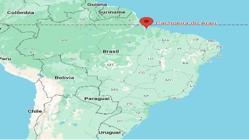
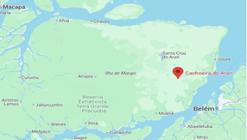
The research was conducted in the Bacuri community, which is located in the Cachoeira do Arari municipality on Marajó Island in the state of Pará (see figures 1 and 2). This region is characterized by its artisanal fishing, a primary source of income for many local families (Moreira et al., 2024).
According to data from the Ministry of Fishing and Aquaculture (2024), Brazilian fishing communities account for over 60% of the fish consumed in the country. In the state of Pará, artisanal fishing is the primary economic activity. The municipality of Cachoeira do Arari has about 25,000 inhabitants and an estimated 6,876 artisanal fishermen.
The Bacuri community was selected to focus exclusively on fishing activity and avoid identity overlaps with other categories, such as quilombola reserve status. This delimitation sought to preserve the scope of the study by focusing on the specific dynamics of artisanal fishing without engaging in intersectional debates of a racial nature. Thus, we aimed to ensure consistency between the research objectives and the profile of the empirical field.
We made the first contact with the participants in person after conducting a preliminary survey to identify active fishermen in the community. Nine interlocutors who expressed interest in collaborating on the research were selected. The main selection criterion was experience, seeking interlocutors with long-standing involvement in artisanal fishing. The participants' profiles are presented in Table 1.
The data were collected from April to May of 2023 through face-to-face interviews that lasted between six and 21 minutes. Audio recordings were made with the participants' consent and were subsequently transcribed. Informed consent forms were presented and signed at the beginning of each interview. The question script was developed based on the literature and adapted from studies by Morales (2018) , Nascimento (2007) , and Salgado (2021) . It was structured into three thematic blocks, as shown in Table 2.
The interviews aimed to capture the participants' profiles, characteristics of their fishing activities, and financial organizational practices. Through attentive listening and the creation of a trusting environment, the participants were able to share their experiences, knowledge, and personal approaches to managing work and life. Our presence in the territory, the accessible language used in conducting the interviews, and the recognition of the value of the shared narratives fostered this bond.
3.2 Data Analysis and Interpretation
Due to the exploratory nature of the research, which aims to conduct a preliminary verification of the field, the content analysis technique was adopted as a data analysis strategy. This approach allows us to identify emerging patterns and categories, which will serve as a basis for more in-depth future investigations. Content analysis provides a systematic structure for organizing and interpreting the collected data, contributing to an understanding of the nuances and complexities of the phenomenon being studied.
The definition of analytical categories followed a progressive, interpretive process based on the theoretical framework of the research. We adopted the coding and categorization scheme proposed by Saldaña (2009) , which was developed in successive stages of organizing, grouping, and refining qualitative data. The interviews were transcribed in full, totaling 51 pages. From these transcripts, units of record were identified based on thematic recurrence and relevance to the study objectives. These units were coded descriptively, resulting in an initial set of codes.
Next, the codes were grouped by affinity based on similarities in content and meaning. Initially, the statements were spread across multiple topics and then regrouped into broader analytical axes. The units of meaning were then reorganized around four central dimensions that structure the next section of the analysis: (i) lessons learned from fishing, (ii) ways of organizing fishing, (iii) everyday financial knowledge, and (iv) time and relationship management. Table 3 summarizes this process, which culminated in the identification of two main analytical categories: accounting as empirical and adaptive knowledge and accounting as ancestral knowledge.
The categories were organized with attention to internal consistency and alignment with the study objectives. The researchers made analytical decisions collaboratively, based on a joint reading of the transcripts, comparison of the codes produced, and validation of the thematic groupings. This collective approach enhanced the consistency and transparency of the interpretive process.
In analytical terms, we aimed to enhance the reliability, accuracy, inclusiveness, resonance, and coherence of the interpretations, which are considered fundamental criteria for good qualitative research (Perakyia, 1997; Tracy, 2010).
4. ANALYSIS AND DISCUSSION
This section presents and discusses the accounting practices of artisanal fishermen on Marajó Island, as revealed through oral narratives collected during the research. The analysis is organized into four dimensions constructed based on the theoretical framework and the participants' statements. Throughout the discussion, we highlight how situated accounting knowledge emerges from experience, oral tradition, and community relations. This challenges normative models and values other forms of rationality.
4.1 Accounting as Ancestral Knowledge
In this subsection, we present the dimension of accounting as ancestral knowledge, which is transmitted intergenerationally within the context of Marajó Island's artisanal fishing tradition. Beyond the functional nature of the techniques, accounting is not only a management tool but also a constitutive part of fishing identity - a living knowledge learned firsthand through interaction with the craft and territory. The reports show that this knowledge is acquired from childhood through interaction with parents and grandparents and is rooted in oral tradition, affection, and collective experience.
4.1.1 Lessons learned from fishing: Knowledge that runs in the blood and in the river
The life trajectories of artisanal fishermen on Marajó Island reveal that they enter into fishing during childhood or adolescence. "I started working when I was 12" (Interviewee 05) and "since I was 8 [...] a long time ago" (Interviewee 08) are examples of how fishing becomes a viable option early on, if not the only option, due to a lack of educational opportunities and the need to provide for oneself. Interviewee 04 recalls: "Studying wasn't that easy, was it? So I decided to go into fishing."
Fishing is more than a pragmatic choice; it is a socially constructed heritage. Many of the fishermen interviewed are descendants of fishing families, pointing to a process of knowledge transmission through coexistence, observation, and practice. Interviewee 09 states: "It runs in the family, doesn't it? My grandfather, my father, my uncles [...] we grew up watching them do it." This process is rooted in the territory and sustained by oral tradition. As shown by Fernandes et al. (2021) , Durões and Ramos (2021), and Oliveira and Alves (2021) , it characterizes the way of learning in Amazonian communities.
Therefore, fishing takes on multiple meanings: it is work, sustenance, identity, and sometimes leisure as well. According to Interviewee 07: "In this case, it's more about sustaining ourselves. It's like, also a bit for fun [...] because when we're there, we enjoy it too." This overlap is similar to the concept of accounting as a situated social practice (Ahrens & Chapman, 2007), which is inseparable from the experience of living in a community (Holstein & Gubrium, 1997).
In this sense, learning how to fish is inseparable from learning basic forms of organization and control. Technical knowledge, knowledge of the river, and management knowledge go hand in hand. As Roberts (2020) points out, practical learning plays a central role in historical business accounting contexts. In the case of the Marajoara people, it can be said that fishermen learn not only fishing techniques but also how to manage their resources and make decisions based on a rationality built on practice.
Nevertheless, this inherited knowledge is not immune to the difficulties imposed by the activity. The interviewees describe the challenges they face while fishing: "It's quite a difficult occupation" (Interviewee 02) and "I fish to support my family, who knows, to give my children a better future" (Interviewee 01). These statements reveal a dilemma: fishing provides sustenance but also limits. It is both a craft and an obstacle. Accounting participates in this dilemma as well: it is a tool for subsistence and, at the same time, a marker of limits.
For this reason, continuing the tradition is not desirable for some fishermen: "I don't want this for my children. Not this future" (Interviewee 02). This ambivalence expresses a structural tension between recognizing inherited knowledge, which is vital for fishing management, and desiring living conditions that this knowledge alone cannot guarantee.
Nevertheless, accounting knowledge undeniably emerges as an integral part of everyday fishing life, learned through hands-on experience with the craft from parents and elders. As Jayasinghe and Thomas (2009) and Mustafa (2009) have proposed, it involves situated, culturally informed accounting that is not dissociated from community life. This life is understood as the intertwining of craft, coexistence, and territory. This perspective is in dialogue with Finau and Scobie's (2022) perspective on adaptive and dynamic knowledge.
When analyzing narratives about the beginnings of a life in fishing, it becomes clear that traditional and accounting knowledge do not emerge as separate spheres, but rather as parts of the same practical, intergenerational learning process. In this context, accounting is not taught in a classroom setting, but rather, it is incorporated into the daily life of fishing as an adaptive, relational practice situated in collective experience.
In addition to knowledge transmission being functional, the reports show that accounting learning is also an affective and identity-forming practice. By learning from their parents or grandparents how to manage fishing, the fishermen absorb ways of thinking and organizing their lives, such as controlling earnings, dividing resources, and paying attention to expenses. Thus, accounting becomes part of what it means to be a fisherman. This knowledge is learned through living and is intertwined with affection, necessity, and belonging. This process is described as sensitive and oral learning by Bosi (1994) and Fernandes et al. (2021) . It asserts itself as epistemological resistance to dominant instrumental reason (Vidwans & Silva, 2023).
4.2 Accounting as Empirical and Adaptive Knowledge
The practices observed in Marajoara artisanal fishing express dimensions of both empirical and adaptive knowledge. Empirical knowledge is evident in how the fishermen manage their finances based on experience, oral learning, and daily practice, supported by observation, memory, and intergenerational coexistence. Adaptive knowledge, on the other hand, is evident in how the fishermen cope with the instability of fishing. They use their accounting practices to adapt to climate variations, seasonal changes, and community demands. This ability consists of learning from uncertainties, planning reserves for the winter, and reducing waste.
4.2.1 Counting, separating, predicting: Ways of organizing fishing
In the daily life of artisanal fishing, financial management naturally extends from the organization of life itself. Fishermen take responsibility for managing their resources and separating personal expenses from fishing-related expenses. For example, Interviewee 07 said: "[...] you have to separate them so you don't get confused [...] these are boat expenses, they're different from my expenses." This distinction reveals an intuitive yet essential understanding of accounting as a tool for organization and planning.
Although not everyone formalizes their records, financial control exists in forms adapted to the context. Interviewee 07 states: "I had to take note, right? To have that control, what was spent." In these cases, memory, oral tradition, and experience serve as substitutes for formal records, functioning as mechanisms of control and accounting planning. This was observed by Jayasinghe and Thomas (2009) in fishing communities in Sri Lanka. Most fishermen can read and write and perform basic mathematical operations. This allows them to use simple notes, although oral records predominate. Limited access to digital technologies reinforces the centrality of oral tradition and experience in everyday accounting organization.
The idea of a profit target emerges in the statements as an expectation, albeit an imprecise one: "[...] we have a goal like that, right? To... to make some good money" (Interviewee 07). At the same time, they recognize the instability of the activity: "[...] no, because our income doesn't have a fixed profit [...] it depends on the fishing itself" (Interviewee 02). This oscillation between predictability and uncertainty requires management skills honed through experience. This practical construction of accounting knowledge reinforces Ahrens and Chapman's (2007) notion that accounting is a social practice situated in daily routines and meanings.
In studying accounting practices in indigenous contexts, Finau and Scobie (2022) showed how accounting rationality adjusts to seasonality, the natural environment, and the need for reciprocity. A similar process occurs in Marajoara fishing. Over time, fishermen learn to predict their spending and potential profits at certain times of the year. "We already have that mindset of how much money will be spent," comments Interviewee 07.
In this context, accounting rationality is not focused on profit maximization, but rather on the sustainability of the activity and maintenance of family life. Practices such as cutting unnecessary expenses and researching prices before buying reveal careful and conscious management: "[...] we see where it's cheapest [...] so it's a little cheaper for us" (Interviewee 08). These strategies reinforce Narayan and Oru's (2024) notion of accounting as a moral and social practice linked to not only technique but also material conditions and community relations. Mustafa (2009) also argues that accounting knowledge is best understood when considered alongside the experiences and cultural values of practitioners.
Thus, although they are far from formal accounting standards, the fishermen demonstrate a set of practices that fulfill classic accounting functions such as planning, recording, controlling, and decision-making. These practices are shaped by the specifics of the local context and accumulated experience, reaffirming accounting as practical, situated, and culturally informed knowledge.
The separation of personal and fishing expenses, memorization of costs, and oral records reveal a logic of care, distinction, and responsibility, expressing more than mere technical actions. The act of not confusing expenses also affirms boundaries between the collective and the individual, and between work and home. This distinction has ethical implications, as accounting operates as a relational language that organizes coexistence and translates values learned in everyday life (Jayasinghe & Thomas, 2009).
The official fishing ban calendar suspends fishing in the Amazon regions between February and May, coinciding with the river's flood season. It is no coincidence that the fishermen distinguish between "summer" (May to January), the peak fishing season, and "winter" (February to May), when they resort to the aforementioned financial reserves. The connection between the hydrological cycle, the legal ban, and savings practices supports the idea that local accounting adapts to seasonal changes.
4.2.2 Everyday financial knowledge - "Awareness is the bait that attracts good results"
Even without formal training in finance, the artisanal fishermen demonstrate clear strategies and insights into managing their resources. Many positively assess their ability to manage money. "I've been working all these years [...] so the management is right, it's good [...] I think it's excellent," states Interviewee 03 with confidence. Interviewee 07 acknowledges specific difficulties but agrees: "But I have... I have that control."
These reports reveal an awareness built on practical experience, which aligns with the notion of empirical knowledge discussed by Fernandes and Aguiar (2020) and Silva et al. (2024) . In contexts where formal education is limited, fishermen develop their financial knowledge by observing, experimenting, and adjusting their decisions over time. As Mustafa (2009) points out, accounting knowledge acquires real meaning when interpreted based on the cultural experiences of the subjects, as occurs in these reports.
In addition to control, there is a constant concern with the sustainability of the activity. Many interviewees associate good management with reducing waste. "Sometimes, people have money in their hands and don't know what to do with it. They spend it on nonsense. [...] So, I believe that's it. Don't waste it" (Interviewee 09). This idea of not spending on nonsense extends beyond domestic economy, reflecting a rationality driven by efficiency and livelihood preservation.
The seasonal nature of fishing requires financial planning that adapts to climate and production variations: "[...] we keep track of the money we earn from fishing so we can also get through the winter" (Interviewee 08). This statement illustrates the importance of building financial reserves for the closed season (February to May), when fishing is legally prohibited. This management strategy, which involves anticipating challenges and creating reserves, aligns with a model of prudential rationality that is sensitive to the uncertainties of nature. This concept was also identified by Finau and Scobie (2022) in Pacific indigenous communities.
Despite this everyday expertise, there is a recognition that improvements are possible. "Save more... I think I should save a little more of certain things," admits Interviewee 05. This acknowledgment of one's limitations is paradoxically a sign of maturity and openness to continuous learning, which ties into the concept of accounting as a reflective and adaptive practice (Narayan & Oru, 2024).
Thus, what we observe is not an absence of accounting rationality but the presence of situated, empirical rationality different from that formalized in technical manuals. This lived accounting combines attention, memory, effort, and intuition and is deeply anchored in everyday life and local needs. Vidwans and Silva (2023) argue that these practical epistemologies, rooted in experience, are legitimate forms of knowledge.
Financial management, marked by deliberate decisions about spending and saving, reveals a rationality guided by prudence and balance. The fishermen associate accounting with an attitude of attention and wisdom by stating that "awareness is the bait that attracts good results." This connection between management and awareness demonstrates that controlling resources is a moral endeavor in this context, a means of safeguarding the family and maintaining stability amidst the uncertainties of riverside life. As Narayan and Oru (2024) point out, accounting in traditional contexts is a morally informed practice, not just a technique. This reaffirms Ahrens and Chapman's (2007) understanding that accounting is a social practice rooted in everyday interactions and local cultural values.
4.2.3 Learning to manage time - "It isn't enough to fish; you have to know how to manage"
The experience accumulated over the years is one of the main sources of learning in artisanal fishing management. For the fishermen, knowledge does not come from courses or training but from daily practice, observation, and interaction with their elders. "It was more about the fishing. Because we go, we learn [...] our parents pass on their experience, and we learn," comments Interviewee 07. This form of learning relates to the idea of embodied and orally transmitted knowledge - knowledge built through direct contact with reality, as noted by Fernandes et al. (2021) and Bosi (1994) .
In this context, lived time is more than just a chronological dimension. It is also a time of learning how to manage money, relationships, and the cycles of nature. "I've been working all these years [...] and I think I've been working with the same team for eight years," says Interviewee 03. This highlights that managing time and people is an ongoing learning process shaped by practice and relationships.
Even those who are confident in their management abilities recognize that there is room for improvement. "So far, so good, right? I don’t know if I’ll improve more from here on out,” comments Interviewee 07. This desire to improve reflects an active and open attitude toward learning and is consistent with the concept of accounting as a reflective and situated practice (Narayan & Oru, 2024). As Ahrens and Chapman (2007) argue, this knowledge stems from the interaction between social contexts and everyday practices rather than from formalized technical knowledge.
The interviewees also emphasize the importance of external support, particularly from cooperatives or training programs, in improving their management skills. "If we had a cooperative that came to support us [...] it'd be better," says Interviewee 04. Structured initiatives could provide technical knowledge and strengthen the autonomy of the fishermen by respecting their ways of learning and managing.
The interviewees also highlighted the difficulties they face in day-to-day management. In addition to maintenance and material costs - "the biggest difficulty is [...] the cost of maintaining the boat" (Interviewee 02) - the fishermen mentioned challenges in working relationships and trust among colleagues. "One of the biggest difficulties is camaraderie [...] because not everyone is trustworthy" (Interviewee 09). This shows that management involves people, emotions, and networks of trust, not only numbers.
Therefore, learning to manage in the context of artisanal fishing involves much more than mastering techniques. It means developing practical and relational intelligence based on experience, observation, and listening to elders. This knowledge articulates life and management, revealing accounting as an affective, communal, and situated practice.
The reports reveal that learning to manage also means learning to live together by respecting the rhythm of the waters, people, and work. The difficulties related to trust and cooperation demonstrate that accounting extends beyond numbers to include relationships. Thus, the management of time and resources emerges as communal knowledge integrating affections, memory, and commitment to the continuity of collective life, as Mustafa (2009) and Roberts (2020) propose in their treatment of accounting as an experience- and interaction-based practice.
5. CONCLUDING REMARKS
This study examined how accounting practices are socially constructed and utilized in the daily lives of artisanal fishermen on Marajó Island. We began with the hypothesis that accounting knowledge is not confined to institutional environments. Throughout the analysis, we identified forms of accounting rooted in experience, oral tradition, and relationships with nature and the community.
The group analyzed in this study consisted of nine male artisanal fishermen from the Bacuri community, aged between 31 and 49, with low levels of education. This sample reflected the community's prevailing reality and aimed to capture the fishermen's accumulated experience in artisanal fishing. However, future studies could benefit from a more precise and diverse sociodemographic approach, which would broaden the comparative scope of the findings.
The accounting practices observed in this study articulate intergenerational knowledge, work and resource organization, expenditure control, seasonal planning, and conscious money management. The rationality that emerges from these practices is situated, relationally prudent, and morally informed, as was also identified in the research of Jayasinghe and Thomas (2009) , Finau and Scobie (2022) , and Narayan and Oru (2024) . Recognizing accounting as a situated practice yielded two analytical categories as a theoretical contribution: accounting as ancestral knowledge and accounting as empirical and adaptive knowledge.
These practices are ancestral because they have been passed down from previous generations through oral tradition within families and are rooted in the relationship with the territory and natural cycles. They are also empirical because they were developed through everyday experience, learning by doing, and careful observation of work and community life. Finally, they are adaptive because they function as a tool for adapting to seasonal variations, the uncertainties of fishing, and the demands of local subsistence.
This study brings together the empirical and adaptive dimensions of the accounting practices used by fishermen on Marajó Island. It shows that accounting knowledge emerges from everyday experience and that the fishermen use accounting practices to adapt to socioeconomic and environmental conditions. This knowledge is empirical because it is based on practical experience and oral learning and adaptive because it responds to climatic variations, the seasonality of fishing, and economic instability.
This triad demonstrates that accounting in this context is not limited to a neutral technique but rather takes on a living, situated, relational form. It is knowledge that is rooted in collective memory and informed by community values that are continuously adjusted to present conditions. Integrating these three dimensions offers a comprehensive answer to the research question, demonstrating that the fishermen construct and transform their own management, control, and planning methods in a manner consistent with their realities, needs, and ways of life. Recognizing these practices as legitimate forms of management aligns the work with critical and decolonial perspectives and opens space for listening to other forms of knowledge - knowledge that springs from the mud, the net, the oar, and the tides.
Furthermore, the findings suggest that the accounting practices identified operate as forms of control and planning geared toward balance, prudence, and continuity of the activity, even in the absence of formal records. These practices contribute to the sustainability of artisanal fishing by strengthening economic autonomy, preserving social relations, and aligning resource use with environmental conditions and community values.
Regarding the research limitations, it is worth noting the difficulty of accessing participants during the interview period due to their intense work schedules and lack of digital communication methods. Additionally, since the interviews were conducted during the active fishing season, there were no reports on productive diversification during the closed season. These absences limit the analysis of the adaptive dimension of daily practices, a topic that remains on the agenda for future research, especially longitudinal studies that monitor the Amazonian closed season in real time. Additionally, the scarcity of research focused specifically on artisanal fishing has restricted theoretical exploration of certain practices. Nevertheless, by highlighting the accounting practices used by fishermen in the Marajó region, the study expands the field of accounting by bringing to light historically invisible and epistemologically marginalized practices.
The analyzed reports show that for artisanal fishermen, "performance" does not equate to profit margin or measured productivity. Rather, it is defined as the ability to ensure family subsistence, maintain exchange networks, and live with dignity in harmony with the cycles of nature. In this sense, this study invites accounting to rethink its metrics. How can we measure enough? How can the value of non-monetary exchanges, shared time, and food caught for direct consumption be measured? Rather than proposing performance indicators for fishermen to adopt, accounting must be willing to learn from these experiences and develop recording and evaluation methods consistent with lifestyles based on sufficiency, reciprocity, and local sustainability.
For future research, we recommend investigating the meanings and significance of accounting as it is understood by traditional populations using ethnographic and phenomenological approaches. Comparative studies between communities in different locations (riverine, coastal, and urban) could broaden our understanding of the diversity of accounting practices. Additionally, adopting intersectional perspectives that consider gender, generation, and race as structuring elements of local accounting practices is recommended. Participatory methodologies should be developed for the collective construction of accounting instruments that respect local knowledge and strengthen the autonomous management of territories. Furthermore, as highlighted by Mendes et al. (2020) , Sauerbronn et al. (2023) , and Vera-Colina et al. (2025) , there is an urgent need for a critical review of academic curricula in the accounting field, with the aim of overcoming the hegemony of normative and instrumentalized models and promoting plural, sensitive, and situated epistemologies.
Referências
-
Ahrens, T., & Chapman, C. S. (2007). Management accounting as practice. Accounting, Organizations and Society, 32(1-2), 1-27. https://doi.org/10.1016/j.aos.2006.09.013
» https://doi.org/10.1016/j.aos.2006.09.013 -
Antonelli, V., & Sargiacomo, M. (2015). Alberto Ceccherelli (1885-1958): Pioneer in the history of accounting practice and leader in international dissemination. Accounting History Review, 25(2), 121-144. https://doi.org/10.1080/21552851.2015.1046890
» https://doi.org/10.1080/21552851.2015.1046890 -
Borges, K. N., Brito, M. B., & Bautista, H. P. (2008). Políticas públicas e proteção dos saberes das comunidades tradicionais. RDE - Revista de Desenvolvimento Econômico, 10(18), 87-99. https://revistas.unifacs.br/index.php/rde/article/view/1041
» https://revistas.unifacs.br/index.php/rde/article/view/1041 - Bosi, E. (1994). Memória e sociedade: lembranças de velhos (3. ed.). Companhia das Letras.
-
Brasil. (2007). Decreto nº 6.040, de 7 de fevereiro de 2007 Institui a Política Nacional de Desenvolvimento Sustentável dos Povos e Comunidades Tradicionais. Diário Oficial da União. http://www.planalto.gov.br/ccivil_03/_Ato2007-2010/2007/Decreto/D6040.htm
» http://www.planalto.gov.br/ccivil_03/_Ato2007-2010/2007/Decreto/D6040.htm -
Brasil. (2016). Decreto nº 8.750, de 9 de maio de 2016 Institui a Política Nacional de Desenvolvimento Sustentável dos Povos e Comunidades Tradicionais. Diário Oficial da União. http://www.planalto.gov.br/ccivil_03/_ato2015-2018/2016/decreto/d8750.htm
» http://www.planalto.gov.br/ccivil_03/_ato2015-2018/2016/decreto/d8750.htm -
Brasil. Departamento Nacional de Obras Contra as Secas. (2023). Pescadores artesanais: conheça o trabalho desses profissionais que vivem da pesca e mantêm uma relação de carinho com a natureza https://www.gov.br/dnocs/pt-br/assuntos/noticias/pescadores-artesanais-conheca-o-trabalho-desses-profissionais-que-vivem-da-pesca-e-mantem-uma-relacao-de-carinho-com-a-natureza
» https://www.gov.br/dnocs/pt-br/assuntos/noticias/pescadores-artesanais-conheca-o-trabalho-desses-profissionais-que-vivem-da-pesca-e-mantem-uma-relacao-de-carinho-com-a-natureza -
Buhr, N. (2011). Indigenous peoples in the accounting literature: Time for a plot change and some Canadian suggestions. Accounting History, 16(2), 139-160. https://doi.org/10.1177/1032373210396334
» https://doi.org/10.1177/1032373210396334 -
Caetano, E., & Neves, C. E. P. (2014). Entre cheias e vazantes: Trabalho, saberes e resistência em comunidades tradicionais da Baixada Cuiabana. Revista de Educação Pública, 23(53/2), 595-613. https://doi.org/10.29286/rep.v23i53/2.1756
» https://doi.org/10.29286/rep.v23i53/2.1756 -
Cintra, Y. C., Haslam, J., & Sauerbronn, F. F. (2022). Developing appreciation of emancipatory accounting through empirical research: Issues of method.Journal of Contemporary Administration,26(Sup. 1), e210009. https://doi.org/10.1590/1982-7849rac2022210009.en
» https://doi.org/10.1590/1982-7849rac2022210009.en - Dey, C. (2017). Ethnography, ethnomethodology and anthropology studies in accounting. In Z. Hoque, L. D. Parker, M. A. Covaleski, & K. Haynes, The Routledge Companion to Qualitative Accounting Research Methods (1st ed., p. 566). London: Routledge.
-
Domingos, J. V. M., & Braga, S. A. MJunior. (2024). Comunidades tradicionais da pesca artesanal e política estadual de desenvolvimento sustentável da pesca e aquicultura do RN: uma análise à luz do decreto nº 6.040/2007. Revista Observatorio de la Economía Latinoamericana, 22(1), 772-793. https://doi.org/10.55905/oelv22n1-041
» https://doi.org/10.55905/oelv22n1-041 -
Estumano, E. M., Silva, J. B., & Furtado, L. F. G. (2022). Tradições de conhecimento: Notas sobre os fundamentos da comunicação humana. Revista Educação e Fronteiras, 12, e023007. https://doi.org/10.30612/eduf.v12i00.9701
» https://doi.org/10.30612/eduf.v12i00.9701 -
Fernandes, F. F., & Aguiar, M. R. (2020). Saberes e práticas tradicionais na Amazônia: oralidade e experiência como formas de aprendizagem. Revista Cocar, 14(29), 192-210. https://doi.org/10.18661/2317-5737.cocar.v14n29p192-210
» https://doi.org/10.18661/2317-5737.cocar.v14n29p192-210 -
Fernandes, F. F., Fernandes, R. F., Silva, J. E. C., & Nascimento, A. S. (2021). Cosmovisões e práticas tradicionais amazônicas: a oralidade como fundamento epistemológico. Educação e Contemporaneidade, 30(61), 50-67. https://doi.org/10.21879/faeeba2358-0194.2021.v30.n61.p50-67
» https://doi.org/10.21879/faeeba2358-0194.2021.v30.n61.p50-67 -
Fernandes, J. G. S. (2009). Saberes das populações tradicionais e periféricas. Revista Cocar , 6, 59-65. https://periodicos.uepa.br/index.php/cocar/article/view/25
» https://periodicos.uepa.br/index.php/cocar/article/view/25 -
Fernandes, J. S. N., & Moser, L. (2021). Comunidades tradicionais: a formação socio-histórica na Amazônia e o (não) lugar das comunidades ribeirinhas. Revista Katálysis, 24(3), 532-541. https://doi.org/10.1590/1982-0259.2021.e79717532
» https://doi.org/10.1590/1982-0259.2021.e79717532 -
Finau, G., & Scobie, M. (2022). Indigenous accounting during crisis: COVID-19 and economies of care. Accounting, Auditing & Accountability Journal, 35(8), 1914-1938. https://doi.org/10.1108/AAAJ-11-2020-4995
» https://doi.org/10.1108/AAAJ-11-2020-4995 -
Fiorentina, L. M., & Jumaidi, L. T. (2024). Accounting practices in the Barapan Kebo custom in Sumbawa Regency. Formosa Journal of Multidisciplinary Research, 3(3), 807-830. https://doi.org/10.55927/fjmr.v3i3.8567
» https://doi.org/10.55927/fjmr.v3i3.8567 -
Fukofuka, P., Scobie, M., & Finau, G. (2023). Indigenous practices of accounting on the ground: a Bourdieusian perspective. Accounting, Auditing & Accountability Journal , 36(1), 96-119. https://doi.org/10.1108/AAAJ-11-2021-5529
» https://doi.org/10.1108/AAAJ-11-2021-5529 -
Fukofuka, V., & Yong, S. (2023). Decolonising accounting: Pacific perspectives on practice and resilience. Pacific Accounting Review, 35(2), 145-165. https://doi.org/10.1108/PAR-04-2022-006
» https://doi.org/10.1108/PAR-04-2022-006 -
Gallhofer, S., & Chew, A. (2000). Introduction: Accounting and Indigenous Peoples. Accounting, Auditing & Accountability Journal , 13(3), 256-267. https://doi.org/10.1108/09513570010334081
» https://doi.org/10.1108/09513570010334081 -
Heikkilä, T. (2023). The heart and soil of value-based business: emerging circular business network and vernacular accountings. Accounting Forum, 47(4), 614-645. https://doi.org/10.1080/01559982.2023.2185851
» https://doi.org/10.1080/01559982.2023.2185851 -
Hillen, C., & Lavarda, C. E. (2020). Orçamento e ciclo de vida em empresas familiares em processo de sucessão. Revista Contabilidade & Finanças, 31(83), 212-227. https://doi.org/10.1590/1808-057x201909600
» https://doi.org/10.1590/1808-057x201909600 - Holstein, J.A., & Gubrium, J.F. (1997). The Active Interview. In D. Silverman. Qualitative Research Methods, 2nd Ed., Chapter 8. Sage.
-
Jayasinghe, K., & Thomas, D. (2009). The preservation of indigenous accounting systems in a subaltern community. Accounting, Auditing & Accountability Journal , 22(3), 351-378. https://doi.org/10.1108/09513570910945601
» https://doi.org/10.1108/09513570910945601 -
Lima, J. P. R., Casa Nova, S. P. C., Sauerbronn, F. F., & Castañeda, M. (2022). “Is it just a little flu”? Producing a news-based counter account on Covid-19 discursive crises in Brazil. Accounting Forum , 48(3), 457-481, https://doi.org/10.1080/01559982.2022.2149441
» https://doi.org/10.1080/01559982.2022.2149441 -
Lourenço, R. L., & Sauerbronn, F. F. (2016). Revistando possibilidades epistemológicas em contabilidade gerencial: Em busca de contribuições de abordagens interpretativas e críticas no Brasil. Revista Contemporânea de Contabilidade, 13(28), 99-122. https://doi.org/10.5007/2175-8069.2016v13n28p99
» https://doi.org/10.5007/2175-8069.2016v13n28p99 -
Mahameed, A. M., Belal, A., Gebreiter, F. and Lowe, A. (2021), "Social accounting in the context of profound political, social and economic crisis: the case of the Arab Spring", Accounting, Auditing & Accountability Journal , 34(5), 1080-1108. https://doi.org/10.1108/AAAJ-08-2019-4129
» https://doi.org/10.1108/AAAJ-08-2019-4129 -
Major, M. J. (2017). Positivism and “alternative” accounting research.Revista Contabilidade & Finanças , 28(74), 173-178.https://doi.org/10.1590/1808-057x201790190
» https://doi.org/10.1590/1808-057x201790190 -
Martinez, D., & Himick, D. (2023). Accounting, indigeneity, and ontological politics: Reworlding accountability. Critical Perspectives on Accounting, 94, 102335. https://doi.org/10.1016/j.cpa.2023.102335
» https://doi.org/10.1016/j.cpa.2023.102335 -
Mendes, D., Fonseca, A. C. P. D., & Sauerbronn, F. F. (2020). Modes of ideology and coloniality in the accounting textbook.Education Policy Analysis Archives,28, 99. https://doi.org/10.14507/epaa.28.5061
» https://doi.org/10.14507/epaa.28.5061 -
Ministério da Pesca e Aquicultura. (2024). Painel Unificado do Registro Geral da Atividade Pesqueira https://www.gov.br/mpa/pt-br/assuntos/cadastro-registro-e-monitoramento/painel-unificado-do-registro-geral-da-atividade-pesqueira
» https://www.gov.br/mpa/pt-br/assuntos/cadastro-registro-e-monitoramento/painel-unificado-do-registro-geral-da-atividade-pesqueira -
Morales, U. S. (2018). Caracterização da pesca e produção pesqueira no médio Araguari, Ferreira Gomes, Amapá, Brasil 1 CD-ROM. https://repositorioslatinoamericanos.uchile.cl/handle/2250/4501103
» https://repositorioslatinoamericanos.uchile.cl/handle/2250/4501103 -
Moreira, E., Pinho, L. G., & Timóteo, G. M. (2024). Entre direitos costumeiros e saberes e fazeres: O subcircuito da pesca artesanal de rio em Gargaú, RJ. Revista Interface, 34(1), 135-160. https://doi.org/10.60001/ricla.v34.n1.7
» https://doi.org/10.60001/ricla.v34.n1.7 - Mustafa, H. A. (2009). Accounting practices in a marginalized context: The case of the Bedouins in Jordan. International Review of Business Research Papers, 5(3), 364-376.
-
Narayan, A. K., & Oru, M. (2024). Accounting as a social and moral practice: bridging cultures, balancing Indigenous factors, and fostering social accountability. Meditari Accountancy Research, 32(5), 1734-1757. https://doi.org/10.1108/MEDAR-06-2023-2044
» https://doi.org/10.1108/MEDAR-06-2023-2044 -
Nascimento, C. D. (2007). Importância do uso da contabilidade para a atividade aqüícola catarinense [Trabalho de Conclusão de Curso]. Universidade Federal de Santa Catarina. 2007. https://repositorio.ufsc.br/xmlui/handle/123456789/125633
» https://repositorio.ufsc.br/xmlui/handle/123456789/125633 -
Normyle, A., Vardon, M., & Doran, B. (2023). Aligning Indigenous values and cultural ecosystem services for ecosystem accounting: A review. Ecosystem Services, 59, 101502. https://doi.org/10.1016/j.ecoser.2022.101502
» https://doi.org/10.1016/j.ecoser.2022.101502 -
Oliveira, M. V. & Alves, A. B. (2021). Saberes e práticas socioambientais na pesca artesanal do caranguejo-uçá na Amazônia Bragantina (Pontinha do Bacuriteua-PA). Nova Revista Amazônica, 9(1), 111-130. http://dx.doi.org/10.18542/nra.v9i1.10033
» http://dx.doi.org/10.18542/nra.v9i1.10033 - Perakyla, A. (1997). Reliability and validity in research based on naturally occurring social interaction. In D. Silverman. Qualitative Research Methods, 2nd Ed., Chapter 15. Sage.
-
Pratama, D., Prastiwi, I., & Ardianti, R. I. (2019). Accounting for fishermen tribe using (an ethnographic approach).In Z. D. Rusnalasari et al. (Eds.), Proceedings of the International Conference on Business, Law & Pedagogy (ICBLP)(pp. 1-5). EAI. https://doi.org/10.4108/eai.13-2-2019.2286070
» https://doi.org/10.4108/eai.13-2-2019.2286070 -
Qu, S. Q., & Dumay, J. (2011). The qualitative research interviews. Qualitative Research in Accounting & Management, 8(3), 238-264. https://doi.org/10.1108/11766091111162070
» https://doi.org/10.1108/11766091111162070 -
Robson, K., & Ezzamel, M. (2023). The cultural fields of accounting practices: Institutionalization and accounting changes beyond the organization. Accounting, Organizations and Society, 104, 101379. https://doi.org/10.1016/j.aos.2022.101379
» https://doi.org/10.1016/j.aos.2022.101379 -
Roberts, D.H. (2020). U.S. public accounting practice and intergenerational occupation transfer 1850-1870. The Accounting Historians Journal, 47(2), 21-33. https://doi.org/10.2308/AAHJ-17-006
» https://doi.org/10.2308/AAHJ-17-006 - Saldaña, J. M. D. S. (2009). The Coding Manual for Qualitative Researchers. SAGE Publications.
- Salgado, J. M. D. S. (2021). A contabilidade e a pesca: evolução das práticas contabilísticas adotadas no setor da pesca entre 1933-1974 [Tese de Doutorado]. Universidade do Minho. 2021.
-
Sauerbronn, F. F., Ayres, M. E., Silva, A. M. D. M., & Lourenço, L. C. (2024). Decolonial studies in accounting? Emerging contributions from Latin America. Critical Perspectives on Accounting, 99, 102281. https://doi.org/10.1016/j.cpa.2020.102281
» https://doi.org/10.1016/j.cpa.2020.102281 -
Sauerbronn, F. F., Lima, J. P. R., & Faria, A. (2023).Decolonizando-recolonizando currículo em gestão e contabilidadeRevista de Administração Contemporânea, 27(6), e230050. https://doi.org/10.1590/1982-7849rac2023230050.por
» https://doi.org/10.1590/1982-7849rac2023230050.por -
Shiraishi, J.Neto, Lima, R. M., & Alcobaça, L. E. (2018). Saberes e práticas tradicionais em movimento: a comunidade do Maracanã na rota de um projeto global. Novos Cadernos NAEA, 21(1), 99-115. http://dx.doi.org/10.5801/ncn.v21i1.5479
» http://dx.doi.org/10.5801/ncn.v21i1.5479 -
Silva, R. S., Rocha, S. A., & Oliveira, F. P. (2024). Entre afetos e pescarias: Transgeracionalidade dos saberes tradicionais entre as mulheres pescadoras na comunidade Segredinho/Capanema-PA. Revista de Estudos Interdisciplinares, 6(2), 1-25. https://doi.org/10.56579/rei.v6i2.1155
» https://doi.org/10.56579/rei.v6i2.1155 -
Tracy, S. J. (2010). Qualitative Quality: Eight ''Big-Tent'' Criteria for Excellent Qualitative Research. Qualitative Inquiry, 16(10), 837-851. https://doi.org/10.1177/1077800410383121
» https://doi.org/10.1177/1077800410383121 -
Tiriba, L., & Fischer, M. C. B. (2015). Espaços/tempos milenares dos povos e comunidades tradicionais: notas de pesquisa sobre economia, cultura e produção de saberes. Revista de Educação Pública , 24(56), 405-428. https://doi.org/10.29286/rep.v24i56.2440
» https://doi.org/10.29286/rep.v24i56.2440 -
Vasconcelos, A. (2025). Além dos números: por uma abordagem crítica e cultural em contabilidade, finanças e atuária. Revista Contabilidade & Finanças,36(97), e9048.https://doi.org/10.1590/1808-057x20249048.pt
» https://doi.org/10.1590/1808-057x20249048.pt -
Vera-Colina, M. A., Casa Nova, S. P. de C., Lima, J. P. R., & Vendramin, E. de O. V. (2025).Counter-pedagogies of cruelty: Overcoming marginalization in Colombian accounting academia through feminist solidarityCritical Perspectives on Accounting , 101, 102785.https://doi.org/10.1016/j.cpa.2024.102785
» https://doi.org/10.1016/j.cpa.2024.102785 -
Vidwans, M., & De Silva, T.-A. (2023). Indigenous peoples and accounting: A systematic literature review. Accounting History, 28(2), 232-261. https://doi.org/10.1177/10323732231158406
» https://doi.org/10.1177/10323732231158406 -
Vieira, N. C., Reis, M. H. A., & Santana, J. D. (2021). Relações de gênero e de geração nas atividades de pesca artesanal de jovens pescadores/as da Amazônia Oriental, Brasil. Cadernos de Gênero e Tecnologia, 14(43), 22-36. https://doi.org/10.3895/cgt.v14n43.11732
» https://doi.org/10.3895/cgt.v14n43.11732
-
This is a bilingual text. This article has also been translated into Portuguese, published under the DOI https://doi.org/10.1590/1808-057x20252303.pt
-
Paper presented at the II Interinstitutional Congress on Accounting and Controllership (CINCO), December 2024.
-
DATA AVAILABILITY STATEMENT
The entire dataset supporting the results of this study can be made available upon request to the authors.
The entire dataset supporting the results of this study can be made available upon request to the authors.

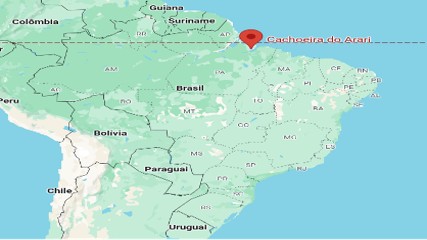 Source: Google Maps, 2025.
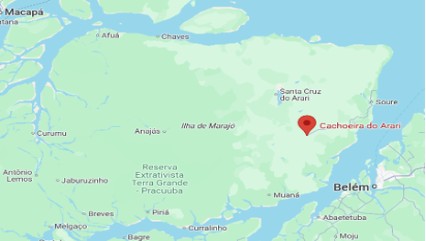 Source: Google Maps, 2025.