 The China-US diplomatic and trade relations in the 21st century and the Cold War 2.0 fallacy
The present article assesses the Cold War 2.0 concept applied to the US-China relations. Our main argument is that the Cold War analogy is a bad metaphor to analyze current impasses in the capitalistic world-system. To demonstrate that, a historical reconstruction of Sino-American diplomatic patterns is built. Trade data is also used to characterize commercial relations between countries and other regions. Besides the increasing political animosities growing in the last decade, what mainly characterizes the economic relations amongst China and the US is a strong commercial integration with unequal trade patterns. Such strong commercial integration is a quite different scenario than that shown in the US-USSR relations during the Cold War Era. Current Sino-American relations were built upon 50 years of diplomatic approximation since the Mao-Nixon encounter, named “Ping Pong” diplomacy, going through rough times after Tiananmen incidents, many Taiwan Strait crises, and the bombardment of the Chinese embassy in Belgrade. After the consolidation of China’s incorporation in the global order, mainly distinguished by its acceptance in the WTO, China rose to an economic superpower status with a subsequent trade surplus with the US and other Western regions.
KEYWORDS:
Capitalistic world-economy; Cold War 2.0; US; China; Sino-American relations
 Thumbnail
 Thumbnail
 Thumbnail
 Thumbnail
 Thumbnail
 Thumbnail
 Thumbnail
 Thumbnail
 Thumbnail
 Thumbnail
 Thumbnail
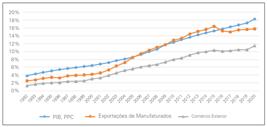
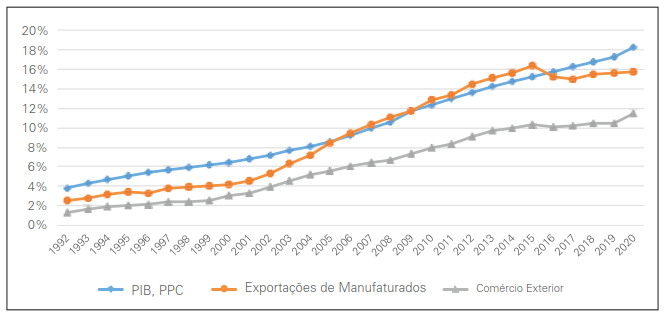 Fonte: Banco Mundial e WITS. Elaboração própria.
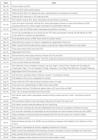
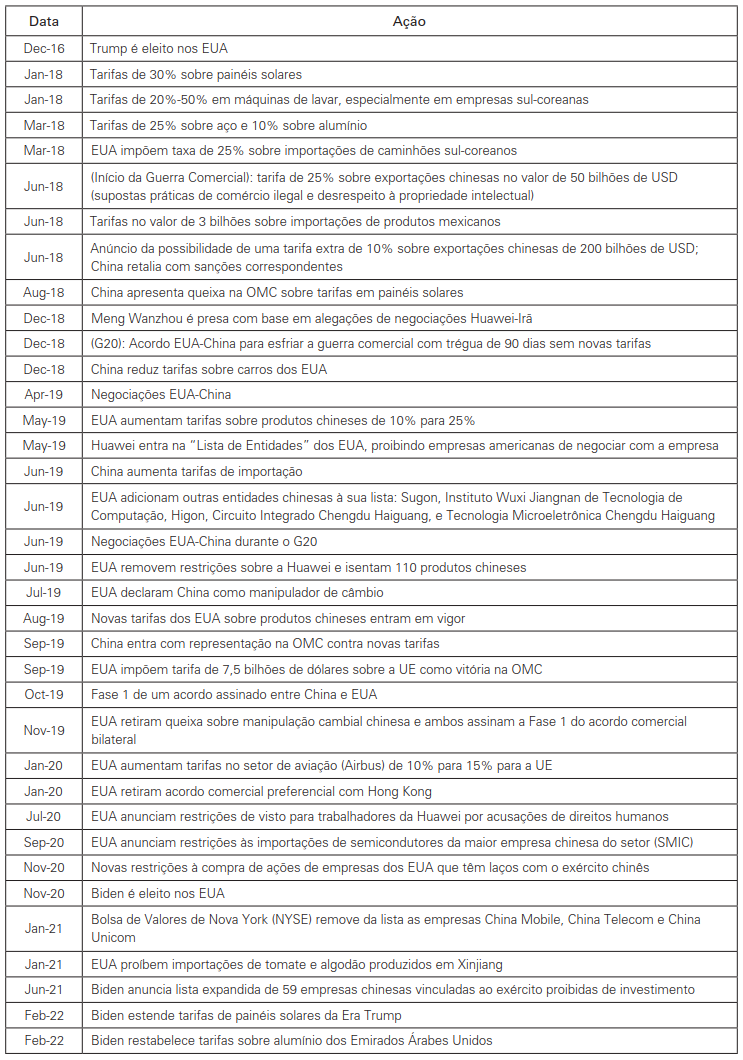 Fontes: BBC, China-briefing, US Census Bureau, New York Times, SCMP, Bown et al. (2011). Elaboração própria.
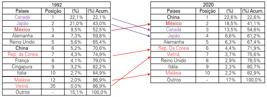
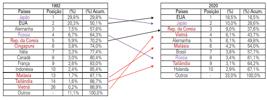
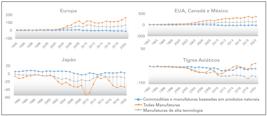
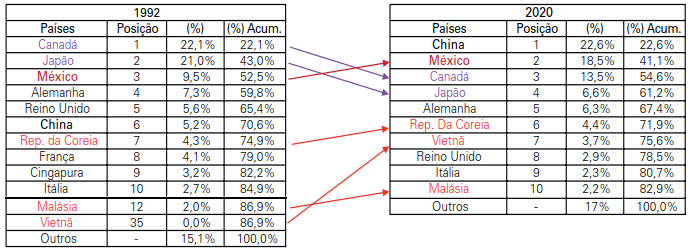 Fonte: UN Comtrade. Elaboração própria.
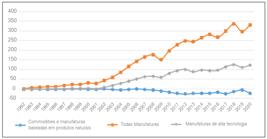
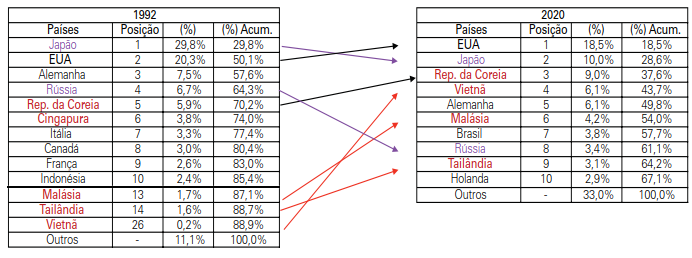 Fonte: UN Comtrade. Elaboração própria.
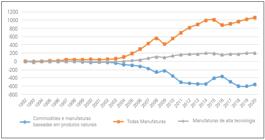
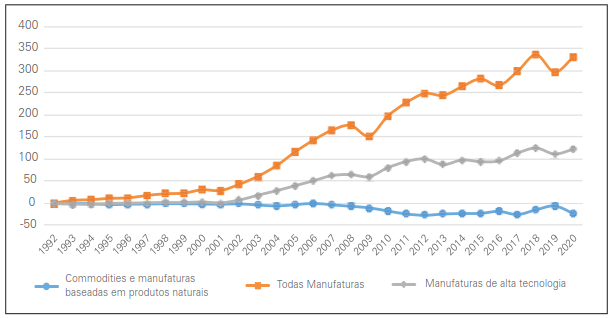 Fonte: UN Comtrade. Elaboração própria.
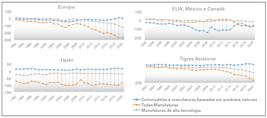
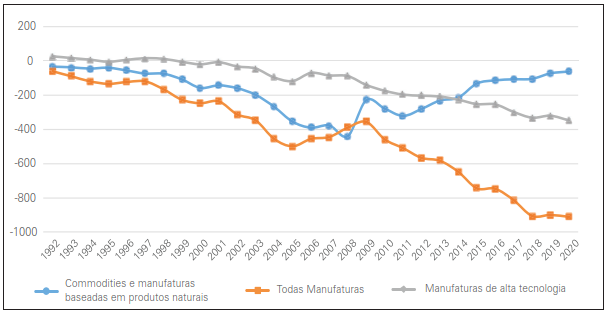 Fonte: UN Comtrade. Elaboração propria.
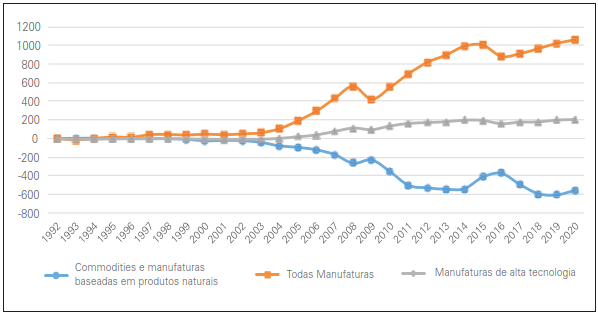 Fonte: UN Comtrade. Elaboração própria.
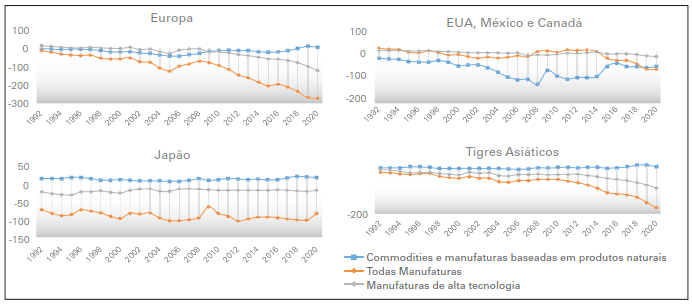 Fonte: UN Comtrade. Elaboração própria.
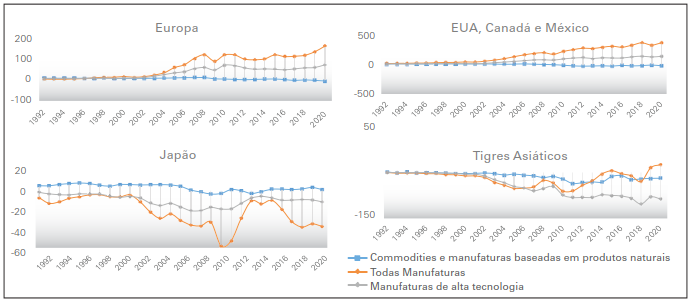 Fonte: UN Comtrade. Elaboração própria.
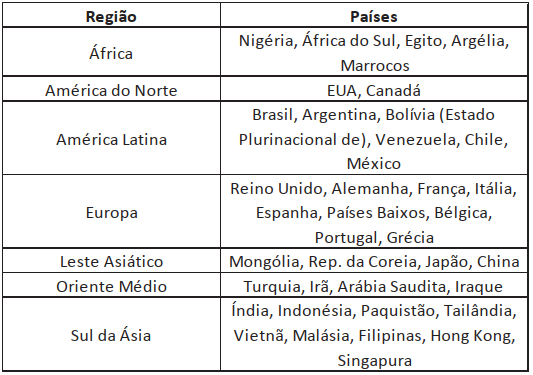 Fonte: UN Comtrade. Elaboração própria.
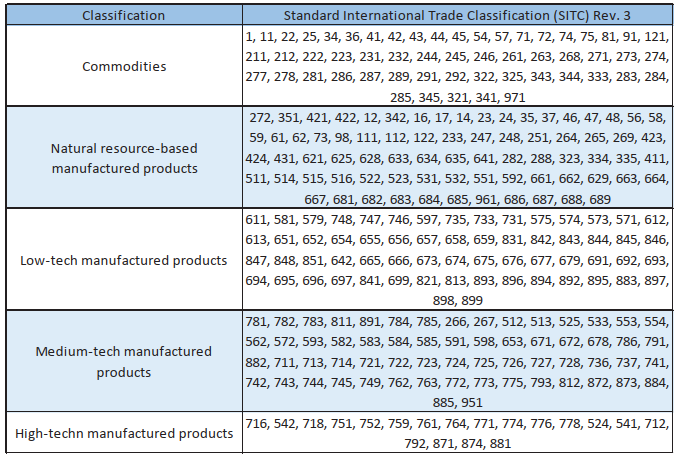 Fonte: UN Comtrade e