 Artificial neural networks approach for the prediction of the mechanical properties of high-strength fibre-reinforced concrete
ABSTRACT
Artificial Neural Networks (ANNs) offer a compelling alternative, yet they rely significantly on varied and high-quality datasets. The scarcity of experimental data, particularly for fibre-reinforced High-Strength Concrete (HSC), limits the generalization and dependability of models. Therefore, the key challenge lies in creating resilient ANN architectures capable of accurately predicting various mechanical properties of HSC. This study develops an ANN model in MATLAB to predict the mechanical properties of HSC using input parameters such as cement, aggregates, mineral admixtures, chemical admixtures, steel fibres, glass fibres, and water. Seventy-two experimental results were employed for training and testing, and the model’s predictions were validated against experimental data. The ANN demonstrated high accuracy in estimating compressive strength, split tensile strength, and flexural strength of HSC with varying fibre contents and water–cement ratios. Strong agreement was observed between predicted and experimental values, with coefficients of determination (R2) of 0.98 for compressive strength, 0.93 for split tensile strength, and 0.93 for flexural strength. These findings highlight the potential of ANN-based approaches as reliable tools for modelling and predicting the mechanical performance of high-strength concrete.
Keywords:
Artificial neural networks; High-strength concrete; Steel fibre; Glass fibre; Mechanical properties
1. INTRODUCTION
Concrete is one of the most widely used construction materials owing to its high compressive strength, durability, and cost-effectiveness. The mechanical properties of concrete, including compressive strength, tensile strength, and flexural strength, are crucial parameters in the design and construction of safe and reliable structures. Accurate prediction of these properties is essential for optimizing mix design and ensuring consistent quality.
Artificial Neural Networks (ANNs), a class of machine learning algorithms inspired by the structure of the human brain, have proven effective in predicting the mechanical properties of concrete. ANNs learn from data and establish nonlinear relationships between input parameters and output properties. Previous studies have demonstrated their application in predicting compressive and flexural strength of concrete reinforced with carbon nanotubes and nanofibers [1]. More broadly, ANNs have been widely employed to estimate concrete properties [2, 3], using input parameters such as cement content, aggregates, mineral admixtures, fibres, water–cement ratio, water content, chemical admixtures, density, and slump values [4]. For instance, ANN models have been developed to predict axial compressive strength, flexural strength, and splitting tensile strength of specimens incorporating metakaolin and silica fume, achieving an average relative error of 6.8% [5]. Other studies reported that compressive strength remains a fundamental property in design codes and standards, with ANN-based models showing high prediction accuracy. In one investigation, training was terminated when the root mean square error reached 0.001, and among 30 architectures studied, relative percentage errors of 7.02% (training) and 12.64% (testing) were achieved [6].
Further research has applied ANNs to predict the strength of concretes containing fly ash, ground granulated blast furnace slag, and other supplementary materials, even when data availability was limited [7, 8]. Comparative studies have also employed alternative machine learning techniques such as random forest regression, k-nearest neighbours, Gaussian process regression, and adaptive neuro-fuzzy inference systems, highlighting the versatility of computational approaches in predicting compressive strength [9,10,11,12]. Genetic programming has likewise been explored, with input parameters including mix design variables, sand coefficients, and aggregate size [13]. Artificial neural networks have become significant tools for modelling and assessing the intricate behaviour of fibre-reinforced cementitious composites. Research on PVA-reinforced engineering cementitious composites demonstrates that ANNs can effectively predict mechanical properties, offering a data-driven alternative to traditional regression methods [14]. In addition, the study on polypropylene fibre concrete combines ANN with noncontact microwave non-destructive testing, offering a hybrid method that improves material evaluation and reliability. Collectively, these findings emphasise ANN’s adaptability in both predictive modelling and non-destructive evaluation, highlighting its increasing relevance in sustainable, performance-focused concrete research [15].
Recent developments in computational modelling have significantly enhanced the ability to predict mechanical properties in various types of concrete. The effectiveness of machine learning algorithms in forecasting the mechanical performance of 3D-printed concrete, illustrating the flexibility of data-driven methods in contemporary construction [16]. Utilized ANNs to model the mechanical properties of high-performance concrete, highlighting the strength of ANN frameworks in managing complex, nonlinear relationships [17]. The predictive capabilities of multilayer perceptron neural networks for estimating concrete strength have been demonstrated, with the application of ANNs to fibre-reinforced high-strength concrete, achieving dependable predictions for both compressive and flexural strength [18, 19]. The hybrid ANN models are used to capture the mechanical behaviour of silica fume-modified HSC, emphasising the potential of hybrid approaches to enhance prediction accuracy [20].
The adaptability of ANN-based modelling has been further explored through various reinforcement and modification techniques. ANN methods are used to predict split tensile strength in steel fibre-reinforced HSC, while flexural strength in metakaolin-based HSC, demonstrating the versatility of neural networks with different material compositions [21, 22]. Performed a comparative analysis between ANN and random forest models, revealing that ANN outperformed in most predictive scenarios [23]. The use of ANNs to slag and fibre-modified HSC, affirming its reliability in predicting compressive strength [24]. Lastly, the sustainability aspect of applying ANN to eco-friendly high-strength concrete illustrates the contribution of intelligent modelling to the advancement of green construction practices. Together, these studies demonstrate that ANN and machine learning serve as effective instruments for forecasting mechanical properties across a diverse range of concrete varieties and alterations [25]. The use of waste tea ash and sugar beet ash demonstrates their ability to enhance the performance of eco-friendly concrete [26]. Additionally, we utilised machine learning techniques to predict compressive strength, underscoring the effectiveness of data-driven prediction strategies. Collectively, these studies underscore the combined importance of waste valorisation and intelligent modelling in the development of sustainable, high-strength concrete technologies [27].
Against this background, the present study aims to predict the mechanical properties of high-strength concrete using an ANN model developed in MATLAB. A total of seventy-two mix proportions were designed with varying steel and glass fibre contents and different water–cement ratios. The mechanical properties, including compressive strength, split tensile strength, and flexural strength, were predicted using the ANN model, and the results demonstrated a strong correlation with the experimental findings. This study is novel in its simultaneous prediction of multiple mechanical properties of fibre-reinforced high-strength concrete using an ANN model trained on an extensive experimental dataset, achieving high accuracy and demonstrating practical applicability for mix design and performance evaluation.
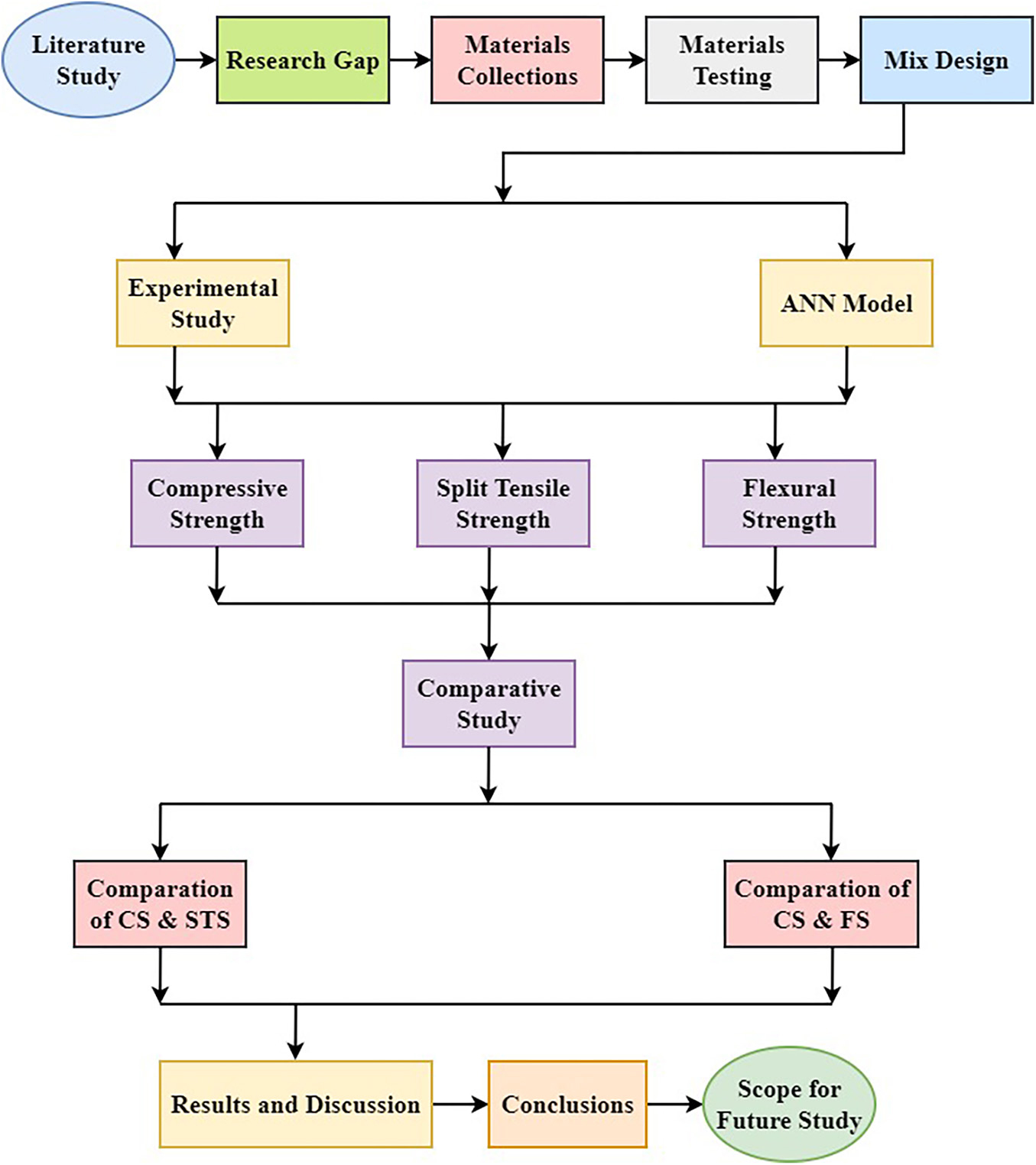
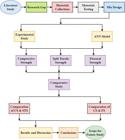
All experimental data utilized for ANN training and validation were produced under rigorous quality control protocols. Mechanical tests were performed on calibrated equipment in accordance with applicable Indian standard standards, and calibration records were kept throughout the research. Each test was conducted a minimum of three times to guarantee consistency, with average values reported alongside standard deviations to reflect typical measurement errors. Data entry and processing underwent cross-checking for precision, ensuring complete traceability from raw measurements to final datasets. This focus on repeatability and standardized procedures bolsters confidence in the reliability of both the dataset and the outcomes of the ANN model. The research methodology adopted in this study is illustrated in Figure 1.
2. EXPERIMENTAL PROGRAM
2.1. Cement
In this study, Ordinary Portland Cement (OPC) 53 grade was used 1. The chemical composition and physical properties of the cement are given in Tables 1 and 2.
2.2. Aggregate
Fine and coarse aggregates were used in high-strength concrete mixtures. The fine aggregate particles passed through a 4.75 mm sieve, while the coarse aggregate particles used in this study were of size 10 mm. The physical properties of the aggregates are presented in Table 2.
2.3. Mineral admixture
The fly ash and silica fume are used as mineral admixtures in this study; their chemical and physical properties are shown in Tables 1 and 2. Silica fume and fly ash are used in concrete mixtures. Silica fume is a byproduct of the production of silicon or ferrosilicon alloys, and it is composed of very fine particles of silicon dioxide. Fly ash is a byproduct of burning coal, and it is composed primarily of silica, alumina, and iron. The incorporation of silica fume and fly ash into concrete mixtures can enhance the strength and durability of the concrete. Silica fumes enhance the concrete’s ability to reduce permeability, making it ideal for use in structures that require high durability and resistance to environmental factors. Fly ash improves the workability of concrete and reduces the heat of hydration.
2.4. Chemical admixture
In this study, Conplast SP430 is used as a chemical admixture, a superplasticiser that is chloride-free, and is also used in the concrete mixture to reduce the water content. The advantages of the Conplast SP430 include reducing the high-level water content in concrete mix, providing excellent strength gain at an earlier age, increasing the workability of concrete without additional water content, enhancing durability, and reducing permeability and improving the strength of concrete.
2.5. Steel and glass fibre
Steel and glass fibres are two types of materials used in this study to produce the high-strength concrete mix. Steel and glass fibre are available in different lengths and diameters. The physical properties are listed in Table 2. Steel and glass fibres can enhance the tensile strength to resist cracking in concrete.
2.6. Artificial neural networks
MATLAB is used to develop the artificial neural network model. The neurons in this model are referred to as processing elements, nodes, and neuron units, and they are analogous to biological neurons in the human brain. Artificial neural network structures can typically be divided into input, hidden, and output layers [28]. If the experimental data contains significant information about material behaviour, training a neural network on the outcomes of a series of experiments using that material is the primary technique for constructing a neural network model for material behaviour. The trained neural network will contain enough knowledge about material behaviour to qualify as a material model. However, training a network with a few data tuples frequently results in early convergence. To improve accuracy, increasing the number of training data tuples, minimising error, and increasing the number of epochs can be considered.
2.7. Development of artificial neural networks
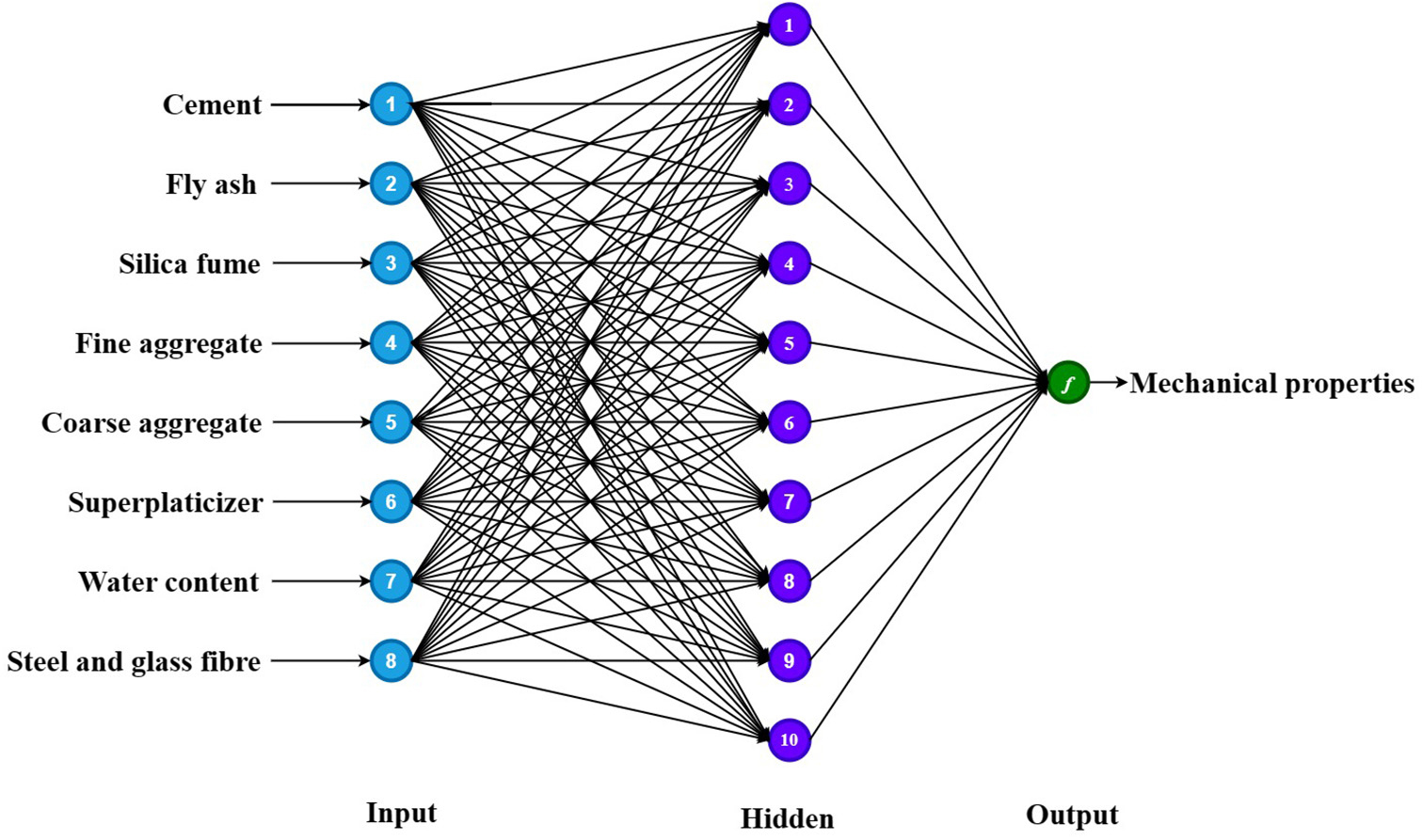
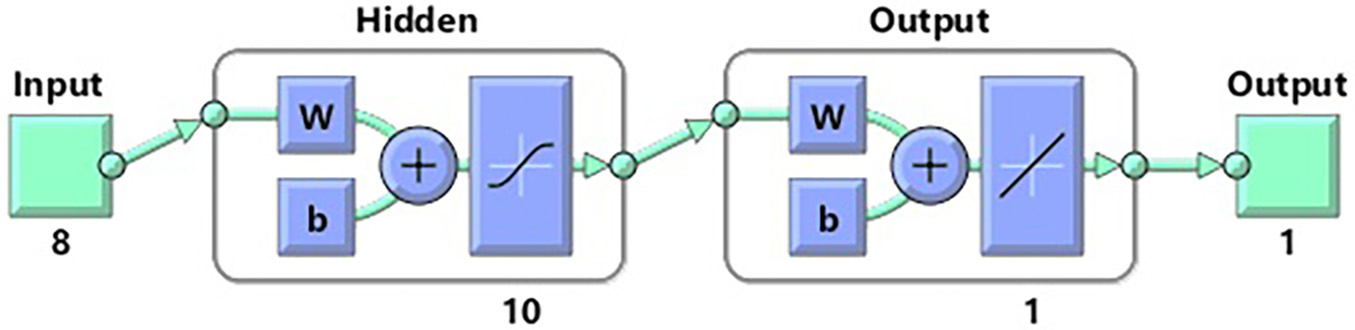
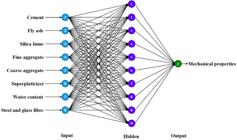
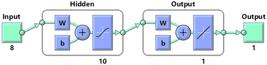
The artificial neural network model has several features, such as generalization and simplicity, that aid in modelling complex systems [29]. It can also predict the mechanical properties of high-strength concrete. The artificial neural network comprises data preprocessing, initial synaptic weights, learning rate, and the number of hidden layers. The hidden layer has multiple neurons, output layers, and training epochs [30]. The Levenberg-Marquardt (LM) algorithm is utilized in artificial neural networks to forecast the experimental mechanical properties of high-strength concrete. Figure 2 represents the structures of the present project. Figure 3 illustrates the general layout of the ANN. A total of eight input variables are provided: cement, fly ash, silica fume, fine aggregate, coarse aggregate, water content, superplasticiser, and steel and glass fibres, respectively. The target date is specified based on mechanical properties, including compressive strength, split tensile strength, and flexural strength, at 28 days. The preliminary training in running is based on the previous experimental literature. Based on a trial-and-error approach, the optimum parameters were identified, and the mechanical properties of the high-strength concrete were predicted. Input and target data help to predict the output data.
3. RESULTS AND DISCUSSION
3.1. Evaluation of the experimental results
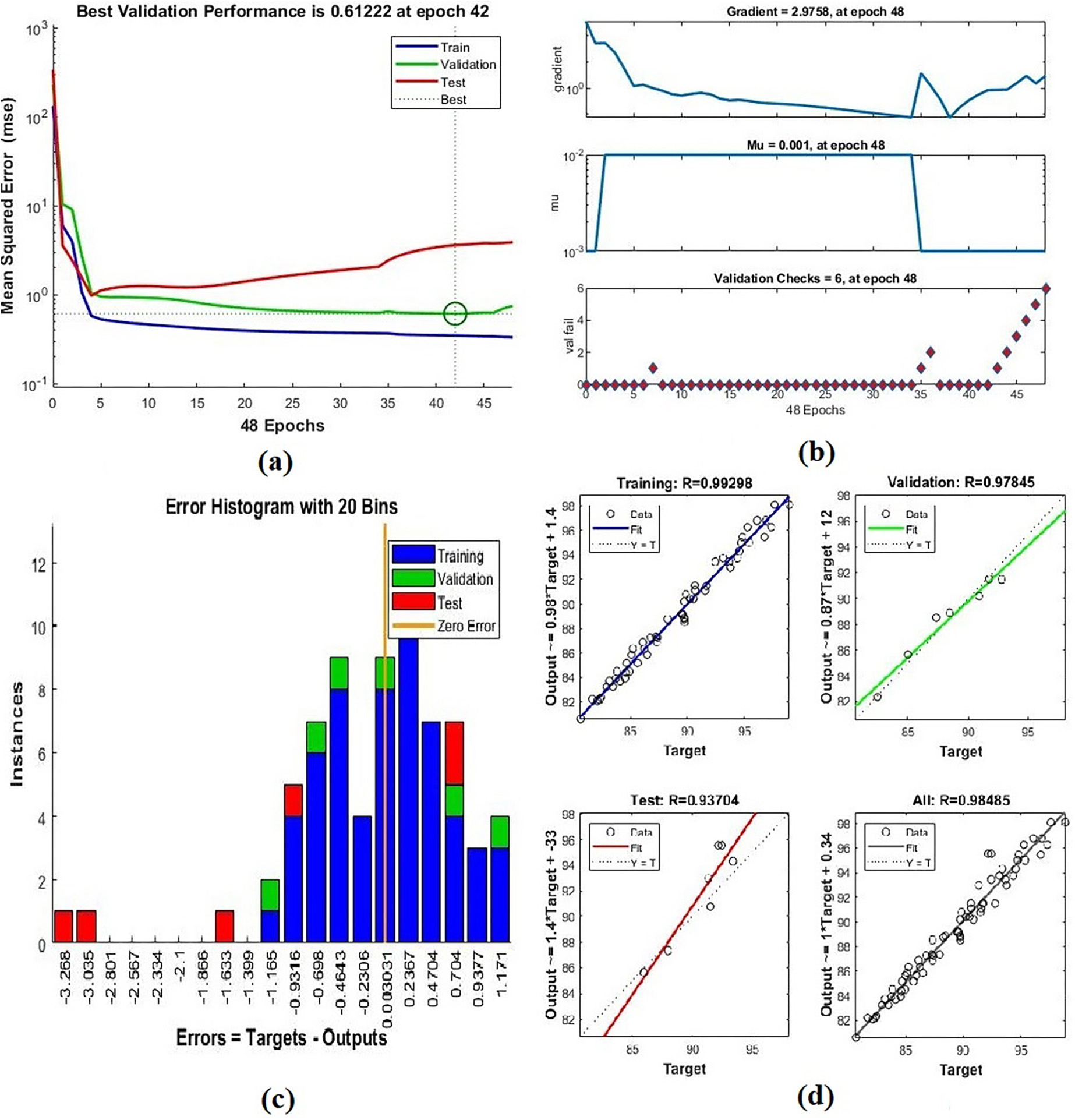
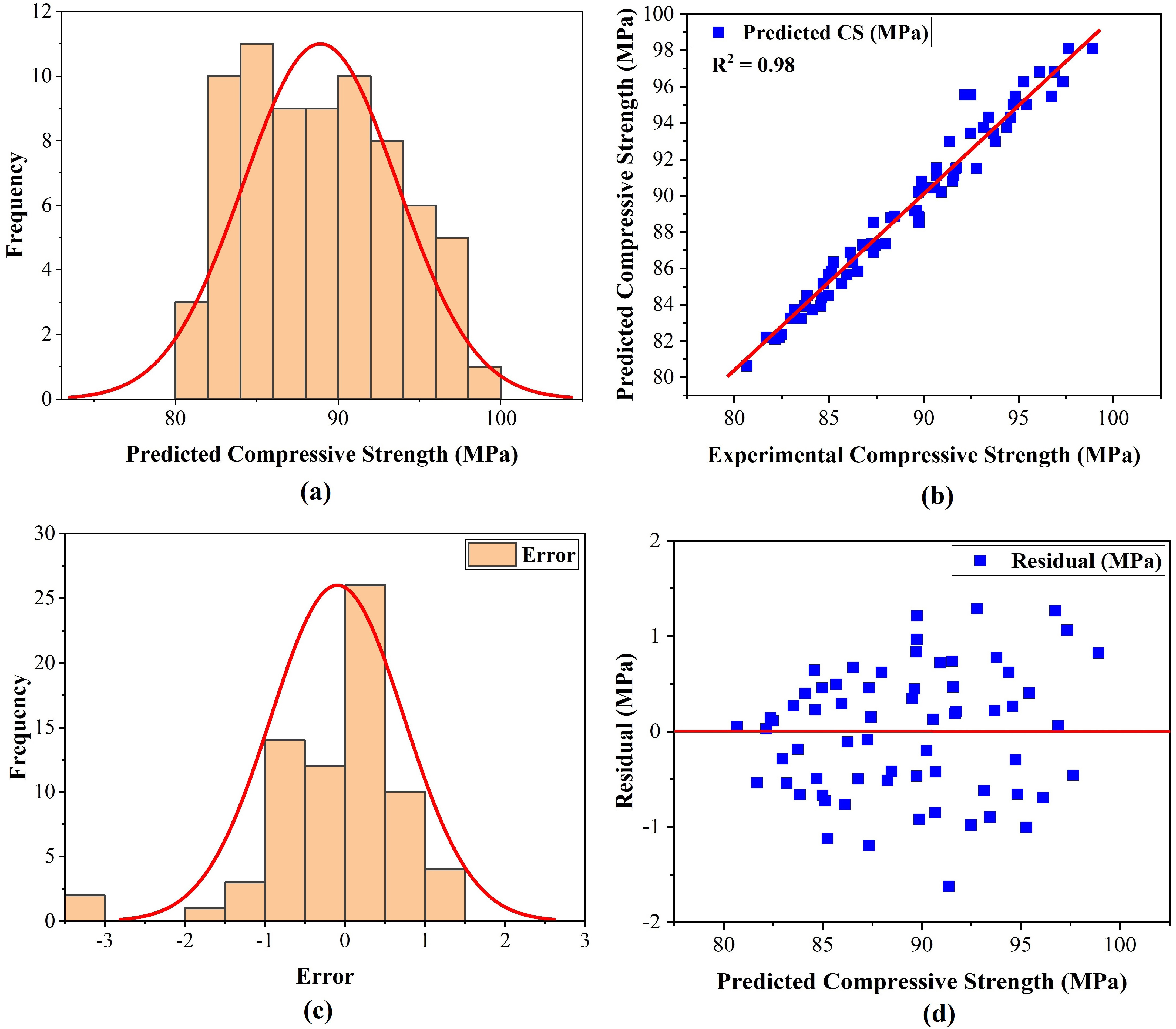
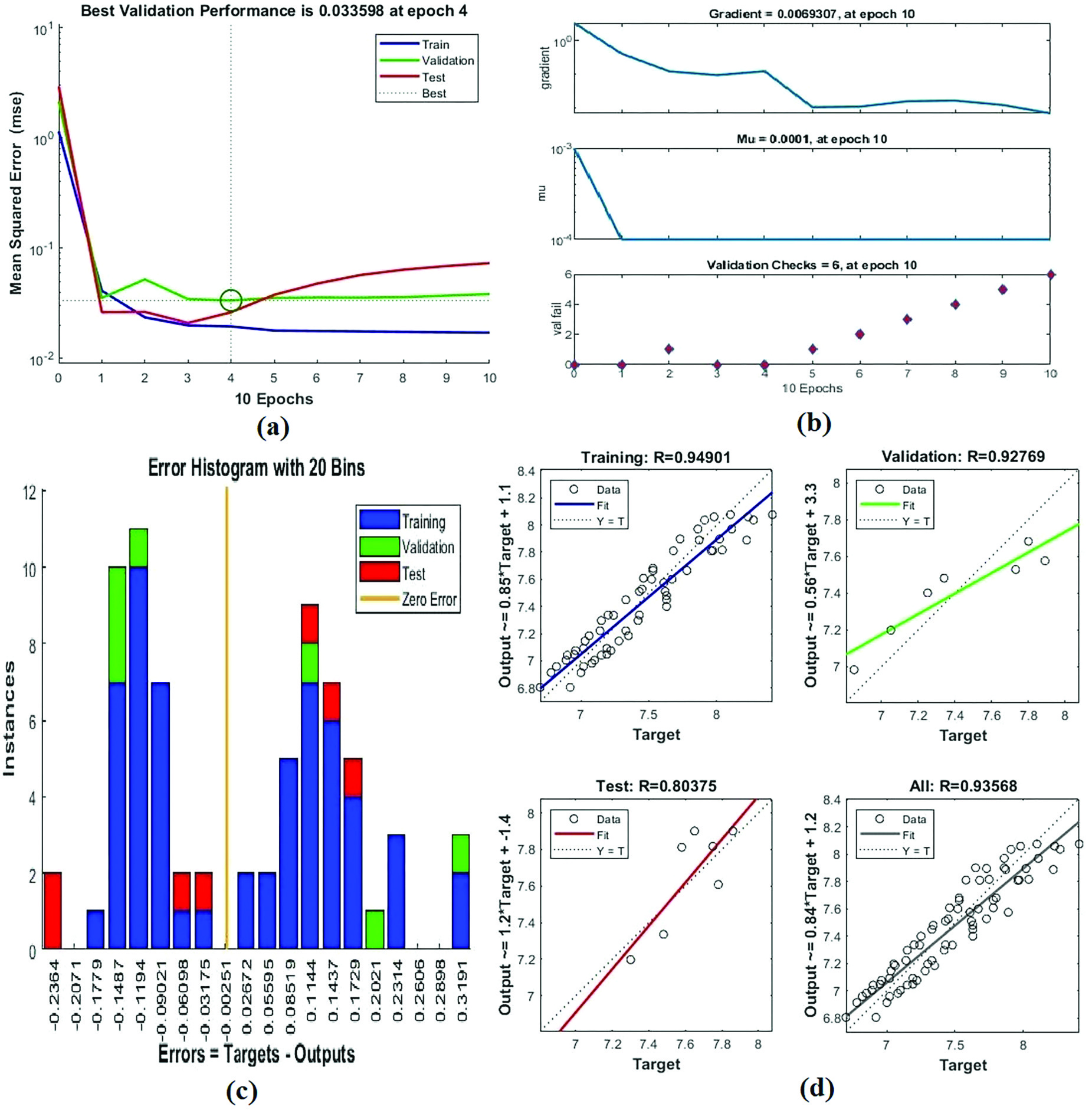
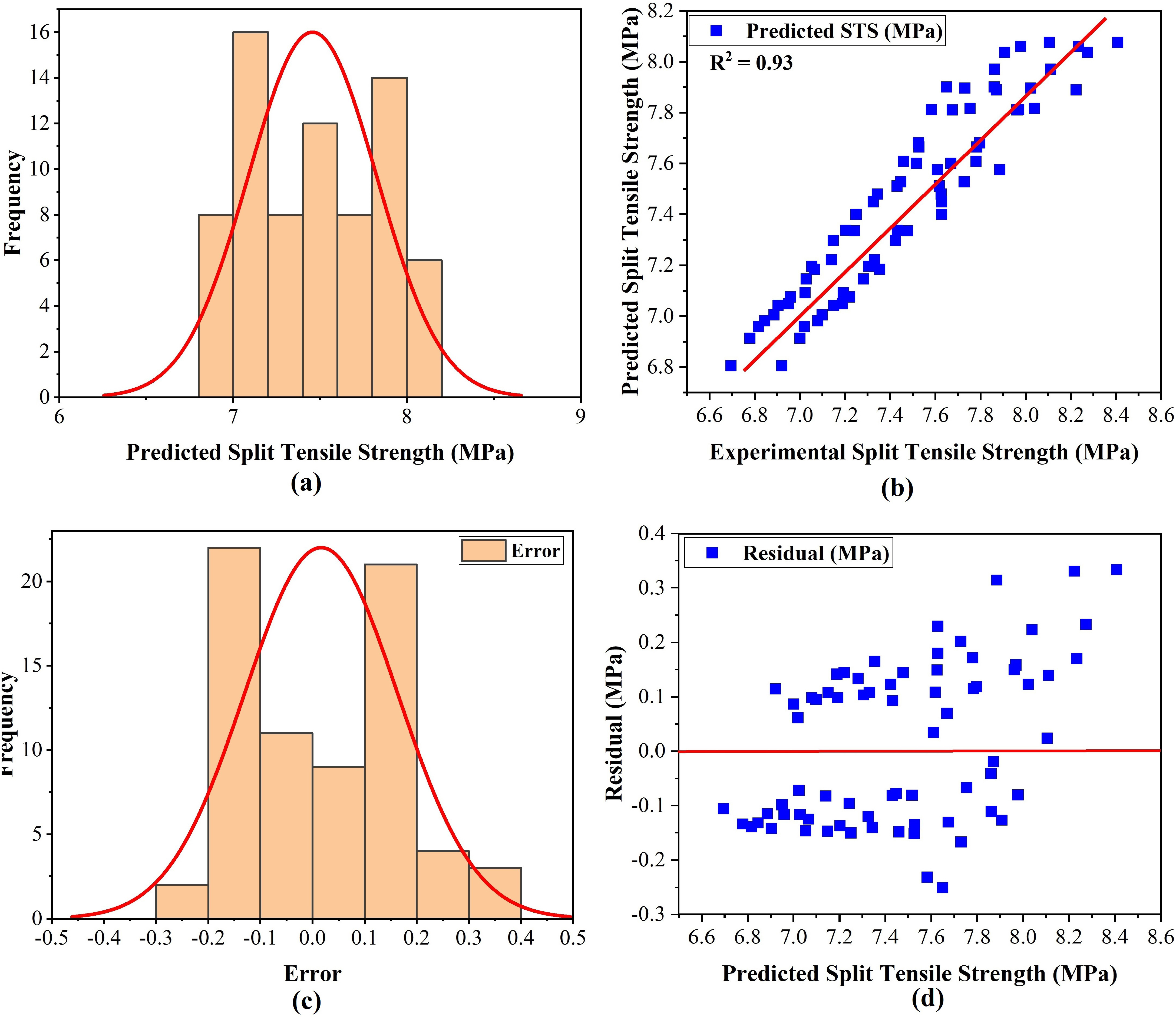
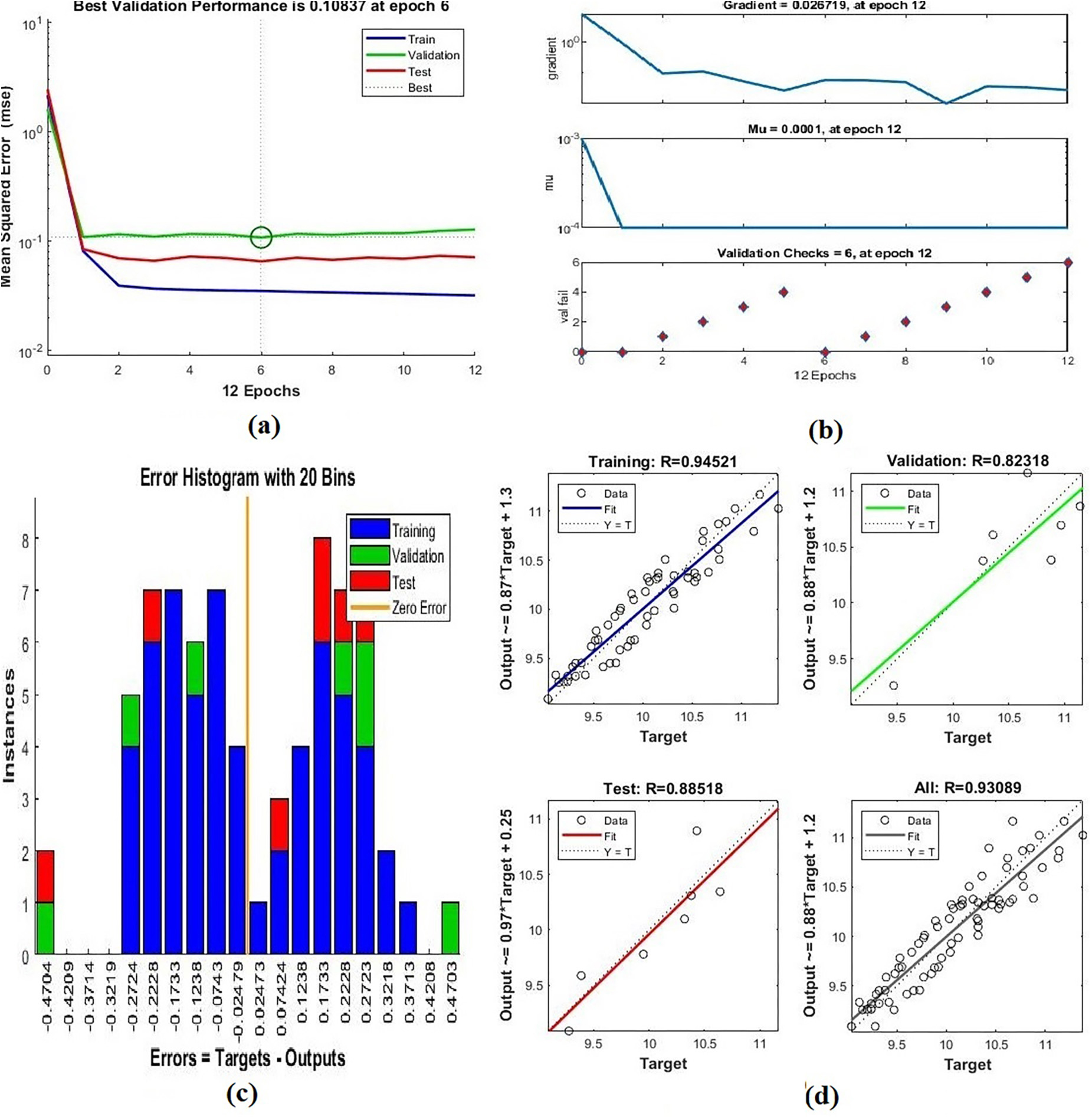
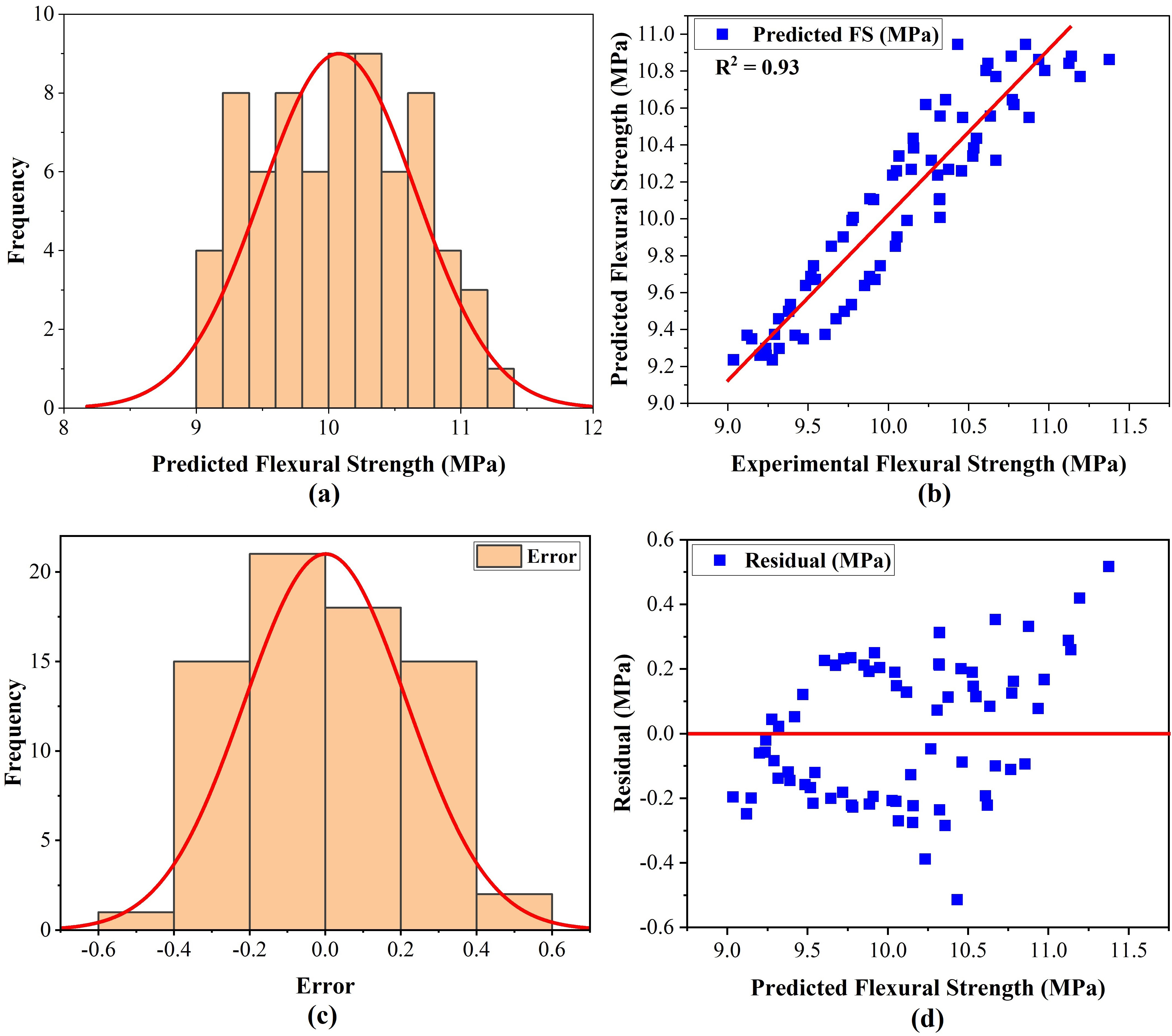
The experimental results of the high-strength concrete mechanical properties, including compressive strength, split tensile strength, and flexural strength, were compared to the predicted results of the ANN model. The comparison is listed in Table 3, and a total of seventy-two mixes were prepared for the experiment. Three algorithms were used to develop the ANN model, and the LM algorithm was found to be the optimum algorithm based on a trial basis. Figure 4a-d illustrates the validation of the performance, training data, error histogram, and regression analysis of compressive strength at 28 days. The best validation of performance was 0.62 at epoch 42, and the training data was 2.97 at epoch 48. The R2 values for training, validation, test, and overall were 0.99, 0.98, 0.94, and 0.98, respectively. The experimental and predicted compressive strength were compared and are represented in Figure 5. Figure 6a-d illustrates the validation of the performance, training data, error histogram and regression analysis of split tensile strength at 28 days. The best validation performance was 0.034 at epoch 6, and the training data achieved 0.069 at the same epoch. The R2 values for the regression analysis were 0.94, 0.92, 0.80, and 0.93, respectively, for training, validation, test, and overall datasets, corresponding to the split tensile strength at 28 days. Figure 7 illustrates the experimental and predicted split tensile comparison study. Figure 8a-d illustrates the validation of the performance, training data, error histogram and regression analysis of flexural strength at 28 days. The best validation performance was 0.10 at epoch 6, while the training data achieved 0.26 at epoch 12. The R2 values for training, validation, test, and overall were 0.94, 0.82, 0.88, and 0.93, respectively. Based on the ANN model, the optimum algorithm was identified as LM, and it was compared to the experimental results [31, 32]. A comparative study of the experimental and predicted flexural strength results is presented in Figure 9. The ANN model showed high correlation and agreement with the experimental results. The statistical input variables and range data are reported in Tables 4 and 5.
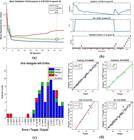
ANN model for compressive strength of high-strength SFRC. (a) Validation of performance; (b) Training data; (c) Error histogram; (d) Regression analysis.
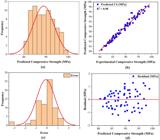
Compared the experimental and ANN model of compressive strength of high-strength SFRC. (a) Predicted compressive strength vs error; (b) Comparison of experimental vs predicted results; (c) Error histogram of network; (d) Predicted compressive strength vs residual.
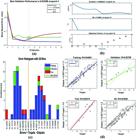
ANN model for split tensile strength of high-strength SFRC. (a) Validation of performance; (b) Training data; (c) Error histogram; (d) Regression analysis.
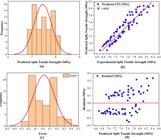
Compared the experimental and ANN model of the split tensile strength of high-strength SFRC. (a) Predicted split tensile strength vs error; (b) Comparison of experimental vs predicted results; (c) Error histogram of network; (d) Predicted split tensile strength vs residual.
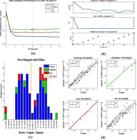
ANN model for flexural strength of high-strength SFRC. (a) Validation of performance; (b) Training data; (c) Error histogram; (d) Regression analysis.
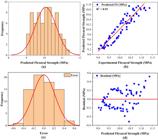
Comparison of the experimental and ANN model of flexural strength of high-strength SFRC. (a) Predicted flexural strength vs error; (b) Comparison of experimental vs predicted results; (c) Error histogram of network; (d) Predicted flexural strength vs residual.
5. CONCLUSIONS
This paper presents a prediction of the mechanical properties of high-strength concrete using an ANN model. Based on the experimental and predicted results, the following conclusions are drawn:
-
The ANN model was developed using various algorithms, and the Levenberg-Marquardt algorithm was employed to optimize the neural networks for predicting the mechanical properties of high-strength concrete.
-
The ANN model was also developed and empirically investigated with different parameters, such as the number of hidden neurons, activation functions, and epochs, to optimize the neural network.
-
The ANN model predicted the mechanical properties of high-strength concrete, including compressive, split tensile, and flexural strength.
-
The compressive strength, with R2 = 0.98 and very low error values (RMSE = 0.85 MPa, MAE = 0.62 MPa, MAPE = 0.68%), demonstrates excellent reliability in estimating compressive strength.
-
The prediction of tensile strength achieves a strong correlation (R2 = 0.93) and minimal errors (RMSE = 0.15 MPa, MAE = 0.13 MPa), confirming the model’s effectiveness in capturing tensile behaviour.
-
The flexural strength exhibits slightly higher error margins (RMSE 0.51 MPa, MAPE 2.81%), yet the correlation remains high (R2 0.93), indicating dependable predictive capability across different mechanical properties.
-
The predicted results of the ANN model are in good agreement with and correlate to the experimental results.
5.1. Scope for future work
-
The ANN is reliable within the studied mix-design domain, but predictions outside this scope require caution.
-
Dataset size, experimental variability, and interpretability constraints are acknowledged.
-
Broader validation and dataset expansion are planned to strengthen generalizability.
-
The current dataset size limits its application, but future work will incorporate ensembles once larger, multi-source datasets are available.
6. BIBLIOGRAPHY
-
[1] KEKEZ, S., KUBICA, J., “Application of artificial neural networks for prediction of mechanical properties of CNT/CNF reinforced concrete”, Materials, v. 14, n. 19, pp. 5637, 2021. doi: https://doi.org/10.3390/ma14195637. PubMed PMID: 34640033.
» https://doi.org/10.3390/ma14195637 -
[2] ÖZTAŞ, A., PALA, M., ÖZBAY, E., et al., “Predicting the compressive strength and slump of high strength concrete using neural network”, Construction & Building Materials, v. 20, n. 9, pp. 769–775, 2006. doi: https://doi.org/10.1016/j.conbuildmat.2005.01.054.
» https://doi.org/10.1016/j.conbuildmat.2005.01.054 - [3] KHADEMI, F., BEHFARNIA, K., “Evaluation of concrete compressive strength using artificial neural network and multiple linear regression models”, Journal of Optimization In Civil Engineering, v. 6, n. 3, pp. 423–432, 2016, https://sid.ir/paper/329459/en, accessed in January, 2026.
-
[4] SIDDIQUE, R., AGGARWAL, P., AGGARWAL, Y., “Prediction of compressive strength of self-compacting concrete containing bottom ash using artificial neural networks”, Advances in Engineering Software, v. 42, n. 10, pp. 780–786, 2011. doi: https://doi.org/10.1016/j.advengsoft.2011.05.016.
» https://doi.org/10.1016/j.advengsoft.2011.05.016 -
[5] AL-SHAMIRI, A.K., KIM, J.H., YUAN, T.F., et al., “Modeling the compressive strength of high-strength concrete: An extreme learning approach”, Construction & Building Materials, v. 208, pp. 204–219, 2019. doi: https://doi.org/10.1016/j.conbuildmat.2019.02.165.
» https://doi.org/10.1016/j.conbuildmat.2019.02.165 - [6] HAKIM, S.J.S., NOORZAEI, J., JAAFAR, M.S., et al., “Application of artificial neural networks to predict compressive strength of high strength concrete”, International Journal of Physical Sciences, v. 6, n. 5, pp. 975–981, 2011, http://www.academicjournals.org/IJPS, accessed in January, 2026.
-
[7] PRASAD, B.R., ESKANDARI, H., REDDY, B.V., “Prediction of compressive strength of SCC and HPC with high volume fly ash using ANN”, Construction & Building Materials, v. 23, n. 1, pp. 117–128, 2009. doi: https://doi.org/10.1016/j.conbuildmat.2008.01.014.
» https://doi.org/10.1016/j.conbuildmat.2008.01.014 -
[8] BILIM, C., ATIŞ, C.D., TANYILDIZI, H., et al., “Predicting the compressive strength of ground granulated blast furnace slag concrete using artificial neural network”, Advances in Engineering Software, v. 40, n. 5, pp. 334–340, 2009. doi: https://doi.org/10.1016/j.advengsoft.2008.05.005.
» https://doi.org/10.1016/j.advengsoft.2008.05.005 -
[9] KHAN, A.Q., NAVEED, M.H., RASHEED, M.D., et al., “Prediction of compressive strength of fly ash-based geopolymer concrete using supervised machine learning methods”, Arabian Journal for Science and Engineering, v. 49, n. 4, pp. 4889–4904, 2024. doi: https://doi.org/10.1007/s13369-023-08283-w.
» https://doi.org/10.1007/s13369-023-08283-w -
[10] HOANG, N.D., PHAM, A.D., NGUYEN, Q.L., et al., “Estimating compressive strength of high performance concrete with Gaussian process regression model”, Advances in Civil Engineering, v. 2016, n. 1, pp. 2861380, 2016. doi: https://doi.org/10.1155/2016/2861380.
» https://doi.org/10.1155/2016/2861380 -
[11] KHADEMI, F., AKBARI, M., JAMAL, S.M., et al., “Multiple linear regression, artificial neural network, and fuzzy logic prediction of 28 days compressive strength of concrete”, Frontiers of Structural and Civil Engineering, v. 11, n. 1, pp. 90–99, 2017. doi: https://doi.org/10.1007/s11709-016-0363-9.
» https://doi.org/10.1007/s11709-016-0363-9 -
[12] KULKARNI, P., LONDHE, S.N., “Concrete strength prediction using artificial neural network and genetic programming”, Concrete Research Letters, v. 9, n. 3, pp. 75, 2018. doi: https://doi.org/10.20528/cjcrl.2018.03.002.
» https://doi.org/10.20528/cjcrl.2018.03.002 -
[13] KNIGHT, K., “Connectionist ideas and algorithms”, Communications of the ACM, v. 33, n. 11, pp. 58–74, 1990. doi: https://doi.org/10.1145/92755.92764.
» https://doi.org/10.1145/92755.92764 -
[14] MORSY, A.M., ABD ELMOATY, A.E., HARRAZ, A.B., “Predicting mechanical properties of engineering cementitious composite reinforced with PVA using artificial neural network”, Case Studies in Construction Materials, v. 16, e00998, 2022. doi: https://doi.org/10.1016/j.cscm.2022.e00998.
» https://doi.org/10.1016/j.cscm.2022.e00998 -
[15] NIMER, H., ISMAIL, R., AL-MATTARNEH, H., et al., “Artificial neural networks and noncontact microwave NDT for evaluation of polypropylene fiber concrete”, Asian Journal of Civil Engineering, v. 26, n. 1, pp. 273–292, 2025. doi: https://doi.org/10.1007/s42107-024-01189-4.
» https://doi.org/10.1007/s42107-024-01189-4 -
[16] LI, J., WU, L., HUANG, Z., et al., “Machine learning-driven prediction of mechanical properties for 3D printed concrete”, Computers and Concrete, v. 35, n. 3, pp. 263–279, 2025. doi: https://doi.org/10.12989/cac.2025.35.3.263.
» https://doi.org/10.12989/cac.2025.35.3.263 -
[17] RAJI, A., OLANIPEKUN, A., AKINTUNDE, O. “Modelling of the mechanical properties of high-performance concrete using artificial neural networks”, In: Proceedings of the 2024 IEEE 5th International Conference on Electro-Computing Technologies for Humanity, pp. 1–5, Ado Ekiti, Nigeria, 2024. doi: https://doi.org/10.1109/NIGERCON62786.2024.10926935
» https://doi.org/10.1109/NIGERCON62786.2024.10926935 - [18] SINGH, R., KUMAR, P., PATEL, S., “Prediction of concrete strength using multilayer perceptron neural networks”, Innovative Infrastructure Solutions, v. 10, n. 2, pp. 1456–1468, 2025.
- [19] ZHANG, T., LI, Y., WANG, H., “ANN-based prediction of compressive and flexural strength of fibre-reinforced high-strength concrete”, Construction & Building Materials, v. 412, pp. 134567, 2025.
- [20] CHEN, M., ZHAO, L., XU, J., “Hybrid ANN models for predicting mechanical properties of silica fume-modified HSC”, Journal of Materials in Civil Engineering, v. 37, n. 5, pp. 04025089, 2025.
- [21] GUPTA, A., SHARMA, V., MEHTA, R., “Application of ANN in predicting split tensile strength of steel fibre reinforced HSC”, Materials Today: Proceedings, v. 82, pp. 1123–1131, 2025.
- [22] HUSSEIN, M., ALI, S., FAROOQ, M., “ANN modelling of flexural strength in metakaolin-based high-strength concrete”, Cement and Concrete Composites, v. 152, pp. 105432, 2025.
- [23] WANG, Y., ZHOU, Q., LI, S., “Comparative study of ANN and random forest models for predicting HSC performance”, Engineering Structures, v. 312, pp. 116543, 2025.
- [24] PATEL, D., REDDY, K., NAIR, A., “ANN-based prediction of compressive strength of slag and fibre-modified HSC”, Journal of Building Engineering, v. 87, pp. 108765, 2025.
- [25] KIM, H., PARK, J., LEE, S., “Artificial neural network approach for predicting mechanical properties of eco-friendly high-strength concrete”, Sustainability, v. 17, n. 4, pp. 2345, 2025.
-
[26] AMIN, M., ABU EL-HASSAN, K., SHAABAN, M., et al., “Effect of waste tea ash and sugar beet waste ash on green high strength concrete”, Construction & Building Materials, v. 495, pp. 143611, 2025. doi: https://doi.org/10.1016/j.conbuildmat.2025.143611.
» https://doi.org/10.1016/j.conbuildmat.2025.143611 -
[27] SHAABAN, M., AMIN, M., SELIM, S., et al., “Machine learning approaches for forecasting compressive strength of high-strength concrete”, Scientific Reports, v. 15, n. 1, pp. 25567, 2025. doi: https://doi.org/10.1038/s41598-025-10342-1. PubMed PMID: 40665087.
» https://doi.org/10.1038/s41598-025-10342-1 - [28] POWDER, B.F.C., “Artificial Neural Network (ANN) approach for modeling chromium (vi) adsorption from aqueous solution using”, International Journal of Applied Science and Engineering, v. 12, n. 3, pp. 177–192, 2014.
-
[29] SHARMA, A.K., SHARMA, R.K., KASANA, H.S., “Prediction of first lactation 305-day milk yield in Karan Fries dairy cattle using ANN modeling”, Applied Soft Computing, v. 7, n. 3, pp. 1112–1120, 2007. doi: https://doi.org/10.1016/j.asoc.2006.07.002.
» https://doi.org/10.1016/j.asoc.2006.07.002 -
[30] NI, H.G., WANG, J.Z., “Prediction of compressive strength of concrete by neural networks”, Cement and Concrete Research, v. 30, n. 8, pp. 1245–1250, 2000. doi: https://doi.org/10.1016/S0008-8846(00)00345-8.
» https://doi.org/10.1016/S0008-8846(00)00345-8 -
[31] YU, P., QIU, H., HE, S., et al., “Pore structure and prediction of mechanical properties by ANN of concrete mixed MK and SF under hydrochloric acid corrosion”, Construction & Building Materials, v. 409, pp. 133665, 2023. doi: https://doi.org/10.1016/j.conbuildmat.2023.133665.
» https://doi.org/10.1016/j.conbuildmat.2023.133665 -
[32] MANOHARAN, K.S., RAMASAMY, M.D., THILLAIGOVINDAN, S., et al., “ANN-based strength prediction of concrete with nano silica, glass, and coir fibers”, Matéria, v. 30, e20250104, 2025. doi: https://doi.org/10.1590/1517-7076-rmat-2025-0104.
» https://doi.org/10.1590/1517-7076-rmat-2025-0104