 Tailoring mechanical properties of fiber metal laminates with BaSO4 nanoparticle-infused epoxy systems
ABSTRACT
This research focuses on the fabrication and characterization of Fiber Metal Laminates reinforced with 5% BaSO4 nanoparticles for automotive applications. Eight distinct samples were produced using synthetic fibers (Kevlar, carbon, and glass fiber), natural abaca fiber, and an aluminum mesh (AL 1100) embedded in an epoxy resin matrix. Mechanical testing based on ASTM standards showed significant improvements in tensile, flexural, and impact strength. Kevlar fiber-reinforced Fiber metal laminates with BaSO4 nanoparticles exhibited the highest tensile strength at 18.27 kN, a 40% increase compared to non-reinforced fiber metal laminate. Flexural strength increased by 44% for Kevlar-reinforced fiber metal laminates, reaching 2.88 kN. Impact strength analysis revealed that nanoparticle-infused FMLs maintained superior energy absorption, with the Kevlar-reinforced Fiber metal laminates absorbing 90 J. Morphological analysis using Scanning Electron Microscopy confirmed enhanced microstructural integrity, with reduced void formation and better fiber-matrix adhesion in the nanoparticle-reinforced laminates. These results suggest that BaSO4 nanoparticles significantly improve the mechanical performance and structural integrity of fiber metal laminates, making them suitable for high-performance automotive components such as body panels and structural reinforcements.
Keywords:
Fiber Metal Laminates; BaSO4 nanoparticles; hand layup method; automotive applications; mechanical properties; microstructural characterization
1. INTRODUCTION
The automotive industry continuously strives to innovate by developing lightweight, high-strength materials that enhance vehicle performance, fuel efficiency, and safety. Among the materials of interest, Fiber Metal Laminates (FMLs) have garnered considerable attention due to their unique combination of high mechanical strength and low density [1]. FMLs, composed of alternating layers of metal sheets and fiber-reinforced polymer composites, offer several advantages, including superior impact resistance, fatigue performance, and corrosion resistance. These characteristics render FMLs particularly suitable for applications in automotive structures, such as body panels and crash-resistant components [2]. However, the optimization of FMLs for more advanced applications faces critical challenges. One of the primary issues is improving the interfacial bonding between fibers and metal layers to maximize mechanical properties such as tensile strength, flexural strength, and impact resistance while maintaining a low weight. Additionally, ensuring microstructural integrity by minimizing voids and defects, which can compromise long-term durability, remains a significant concern. Prior research has demonstrated that hybrid composites, which combine synthetic fibers like Kevlar, carbon, and glass with natural fibers such as abaca, can improve the mechanical properties of FMLs [3]. However, the potential of incorporating nanoparticles, particularly barium sulfate (BaSO4), to further enhance the performance of FMLs is an area that has not been extensively explored. BaSO4 nanoparticles are known for their ability to improve structural integrity, and hardness, and reduce void formation in polymer-based composites. Despite this, there is a lack of systematic studies investigating the effect of BaSO4 nanoparticles in FMLs, particularly in conjunction with different types of fiber reinforcements. This research aims to address this gap by investigating the integration of 5% BaSO4 nanoparticles into FMLs composed of synthetic fibers (Kevlar, carbon, and glass), natural fiber (abaca), and aluminum mesh, all reinforced with epoxy resin [4]. The objective of this study is to evaluate the influence of BaSO4 nanoparticles on the mechanical properties-specifically tensile strength, flexural strength, impact resistance, and hardness and microstructural behavior of the FMLs [5]. The novelty of this work lies in its comprehensive approach to optimizing FMLs for advanced automotive applications, where high-performance, lightweight materials are critical. By incorporating BaSO4 nanoparticles, this study seeks to provide new insights into improving FML performance and advancing their use in the automotive industry.
2. MATERIALS AND METHODS
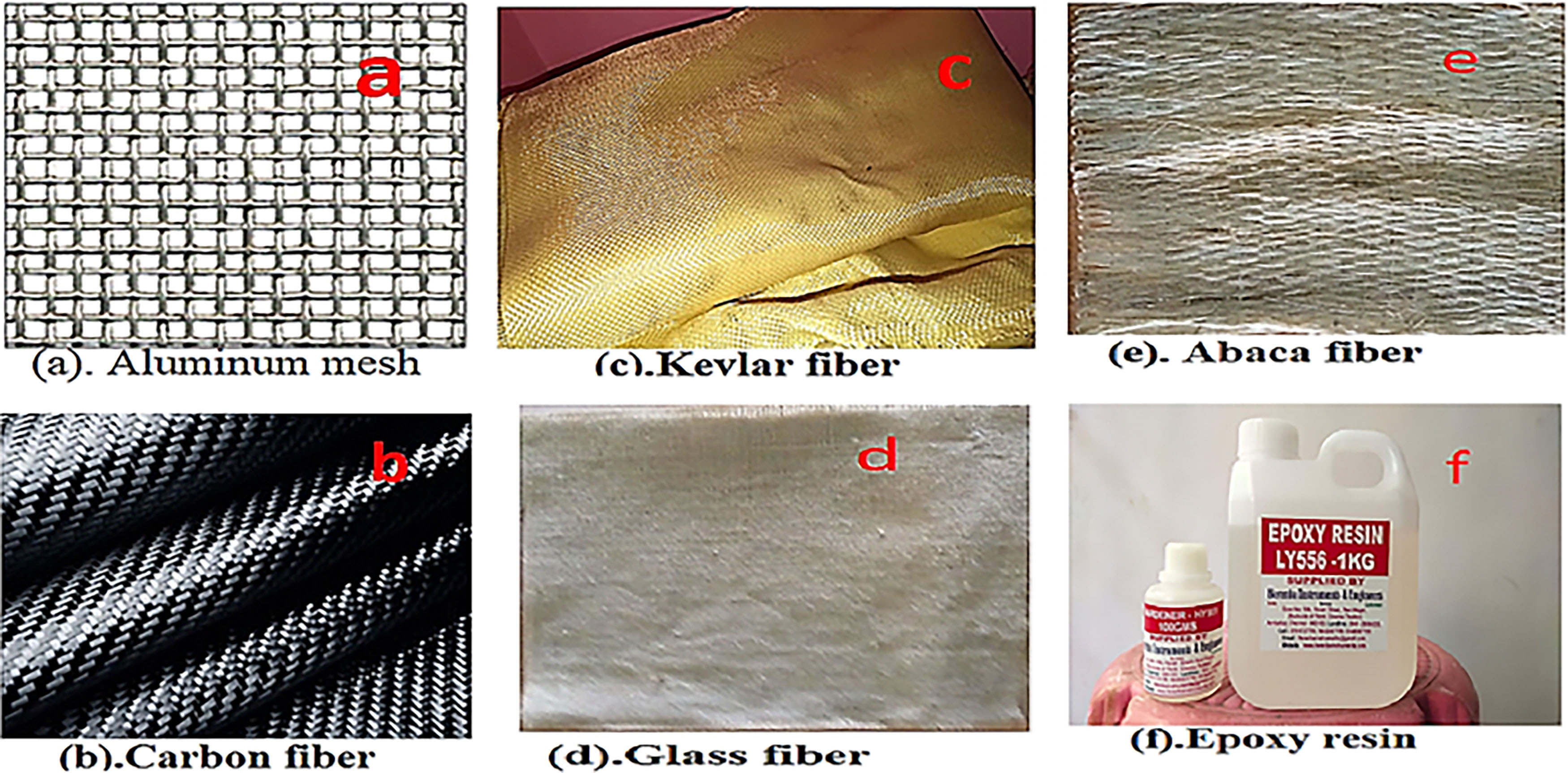
The materials used in this study include Aluminum 1100 wire mesh (500 × 500 mm) as the core metal layer, sourced from M/S Sithar Aluminum Dealers in Mumbai. The fiber reinforcements consist of three synthetic fibers Kevlar, carbon, and glass, and one natural fiber, abaca, all obtained from Herenba Instruments & Engineers Pvt. Ltd., Chennai, India. The epoxy resin (LY 556) and hardener (HY 951) were also procured from the same supplier. Additionally, barium sulfate (BaSO4) nanoparticles, with an average particle size of 50 nm, were supplied by Go Green Private Limited, Chennai, India. The physical properties of the fibers and aluminum mesh are listed in Table 1.
The Fiber Metal Laminates (FMLs) were fabricated using a hand lay-up technique, with eight distinct samples prepared based on the composition of fiber reinforcements and the presence or absence of 5% BaSO4 nanoparticles in the epoxy resin. The study involved four non-reinforced samples (S1 to S4) and four reinforced samples (S5 to S8) with 5% BaSO4 nanoparticles infused into the epoxy matrix. Four samples incorporated BaSO4 nanoparticles to enhance mechanical properties [5]. Table 2 shows the layer sequences of fiber metal laminates and designation. All fibers (Kevlar, carbon, glass, and abaca) and the aluminum mesh were precision-cut into 500 mm × 500 mm dimensions. A plain flat surface was treated with silicon spray to function as a release agent, ensuring easy removal after the fabrication process [6]. The adhesion matrix between the aluminum mesh and the fibers in the Fiber Metal Laminates (FMLs) is achieved through the epoxy resin (LY 556), which acts as the bonding agent. The epoxy ensures proper adhesion between the layers, enabling effective load transfer. Additionally, the incorporation of 5% BaSO4 nanoparticles enhances this adhesion by improving the resin’s stiffness, reducing void formation, and strengthening the fiber-matrix interface.
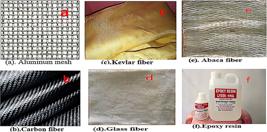
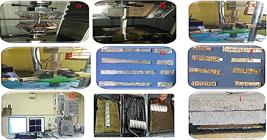
The hand lay-up process was performed by arranging the fiber layers in the following order: Kevlar, carbon, glass, or abaca fibers at the top and bottom, with aluminum mesh sandwiched in the middle. The fiber layers were alternated, and for the nanoparticle-infused samples, 5% BaSO4 nanoparticles were mixed into the epoxy resin before application. The resin and hardener were mixed in a 10:1 ratio and stirred at 50 rpm for uniform dispersion. After arranging the layers, the resin mixture was applied between each layer using a roller to ensure proper wetting of the fibers and uniform distribution [7]. The composite was then placed under a constant load for two days at room temperature to ensure adequate curing. This procedure was followed for both nanoparticle-infused and non-nanoparticle samples. Upon curing, the fabricated FMLs were cut into specific dimensions as per ASTM standards using a water jet cutting machine. Five specimens were prepared from each sample for mechanical testing [8]. Figure 1 shows the fabrication materials.
3. EXPERIMENTAL TESTING
The mechanical properties of the FMLs were evaluated according to ASTM standards. Tensile testing (ASTM D638) was performed on an Instron Universal Testing Machine (UTM), with five specimens tested for each sample to determine the average tensile strength and modulus. The loading rate was set at 2 mm/min [9]. Flexural tests (ASTM D790) were conducted using the three-point bending method, with a span-to-depth ratio of 16:1. The load was applied at a constant rate until the specimens were fractured [10]. The Izod impact ASTM D256 test was used to measure the impact strength of the FMLs [11]. Specimens were clamped and impacted by a pendulum, with the energy absorbed by the specimen during fracture recorded. Shore D hardness tests (ASTM D785) were carried out to assess the surface hardness of the FMLs [12]. A digital hardness tester was used, and an average of five readings was taken for each sample. To evaluate the microstructural characteristics of the FMLs, fracture surfaces from the mechanical tests were analyzed using Scanning Electron Microscopy (SEM) [13]. Fractured specimens from the tensile, flexural, and impact tests were carefully selected for SEM analysis. These specimens were cut into smaller sections (10 mm × 10 mm) to fit the SEM stage. The samples were then cleaned to remove any residual debris or contaminants from the testing process. To enhance conductivity and obtain high-resolution images, the specimens were sputter-coated with a thin layer of gold using a vacuum coater. This process ensured that the non-conductive fiber and resin materials would not distort the SEM imaging. SEM analysis was performed using a JEOL JSM-6390 scanning electron microscope at an accelerating voltage of 20 kV [14]. The fracture surfaces were examined to investigate the fiber-matrix interface, the presence of voids, and the distribution of BaSO4 nanoparticles in the matrix. Micrographs were taken at various magnifications to capture detailed microstructural features.
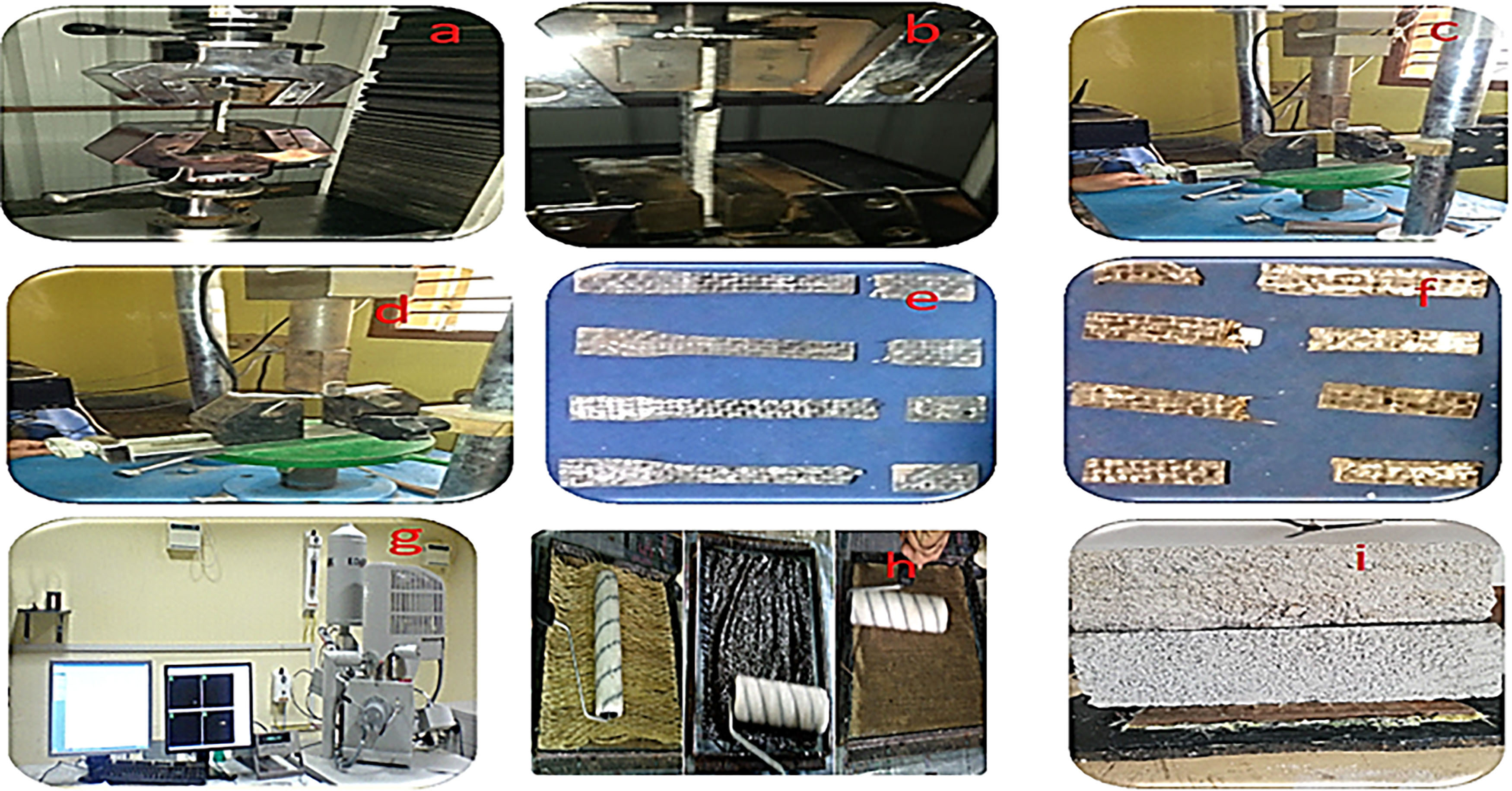
Figure 2 shows the fabrication and testing of fiber metal laminates: (a) Tensile specimen setup before testing, (b) Tensile specimen setup after testing, (c) Flexural specimen setup before testing, (d) Flexural specimen setup after testing, (e) Fractured tensile specimens, (f) Fractured flexural specimens, (g) SEM analysis, (h) Hand layup method, and (i) Compressive load application.
4. RESULT AND DISCUSSION
This study offers an in-depth analysis of four fiber metal laminate (FML) materials with 1100 aluminum wire mesh cores. The matrices were enhanced with BaSO4 nanoparticles dispersed in epoxy resin, and these composites were compared to their plain epoxy counterparts. SEM analysis revealed significant microstructural differences due to the nanoparticles. Density measurements showed that BaSO4 nanoparticles affected the composites’ densities. Mechanical properties, including tensile strength, flexural strength, and hardness, were notably improved with nanoparticle-infused epoxy. Additionally, ballistic impact strength assessments demonstrated enhanced performance, underscoring the potential of these advanced FMLs for high-impact applications [15].
4.1. Tensile strength
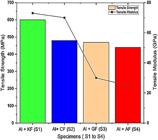
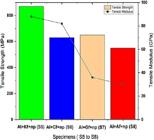
The tensile testing results showed a significant improvement in Fiber Metal Laminates (FMLs) with the inclusion of 5% BaSO4 nanoparticles in the epoxy resin matrix. Kevlar-reinforced FMLs demonstrated the highest tensile strength, increasing from 0.72 kN in non-reinforced samples to 18.27 kN with nanoparticle reinforcement, a remarkable 2439% improvement.
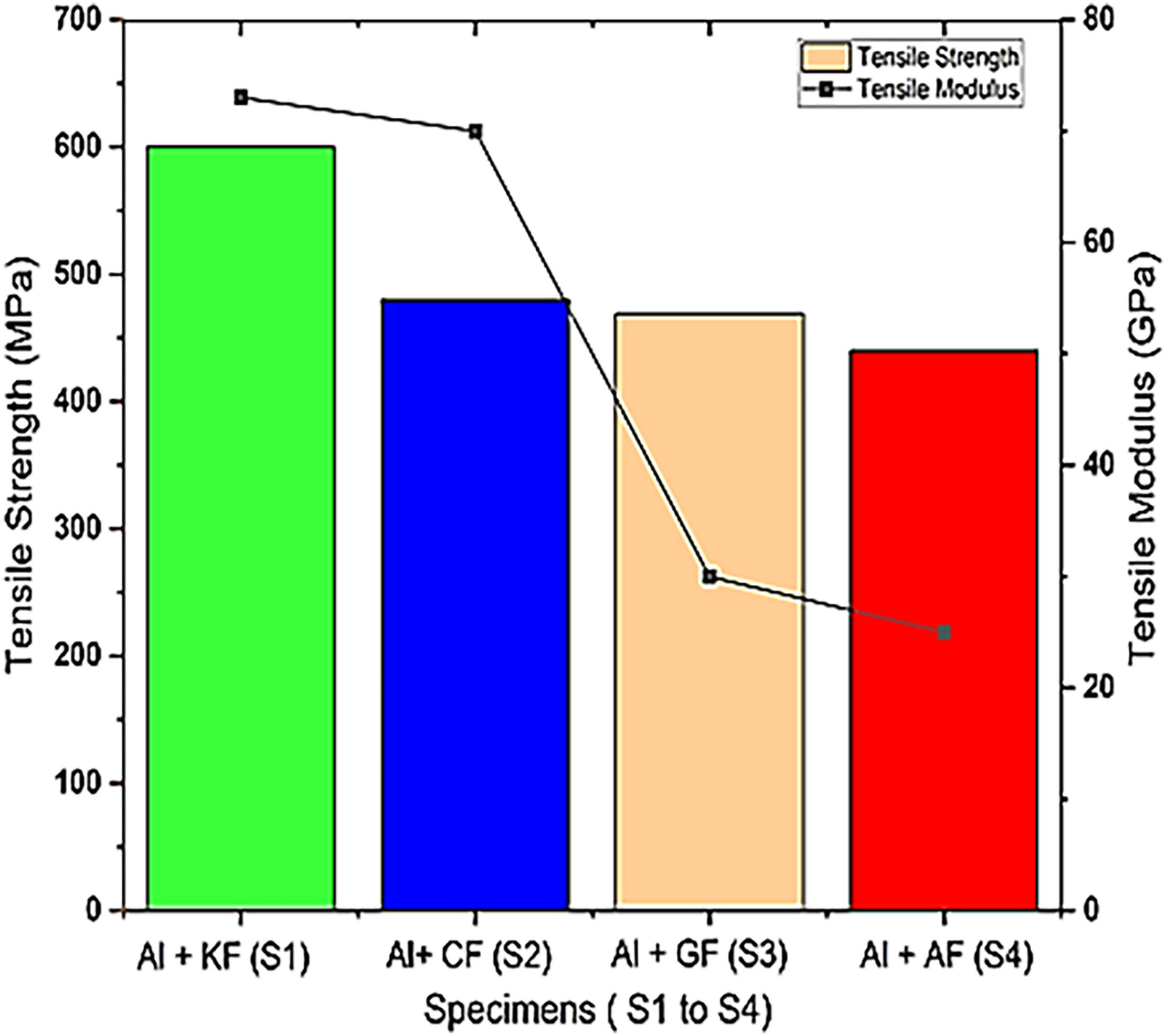
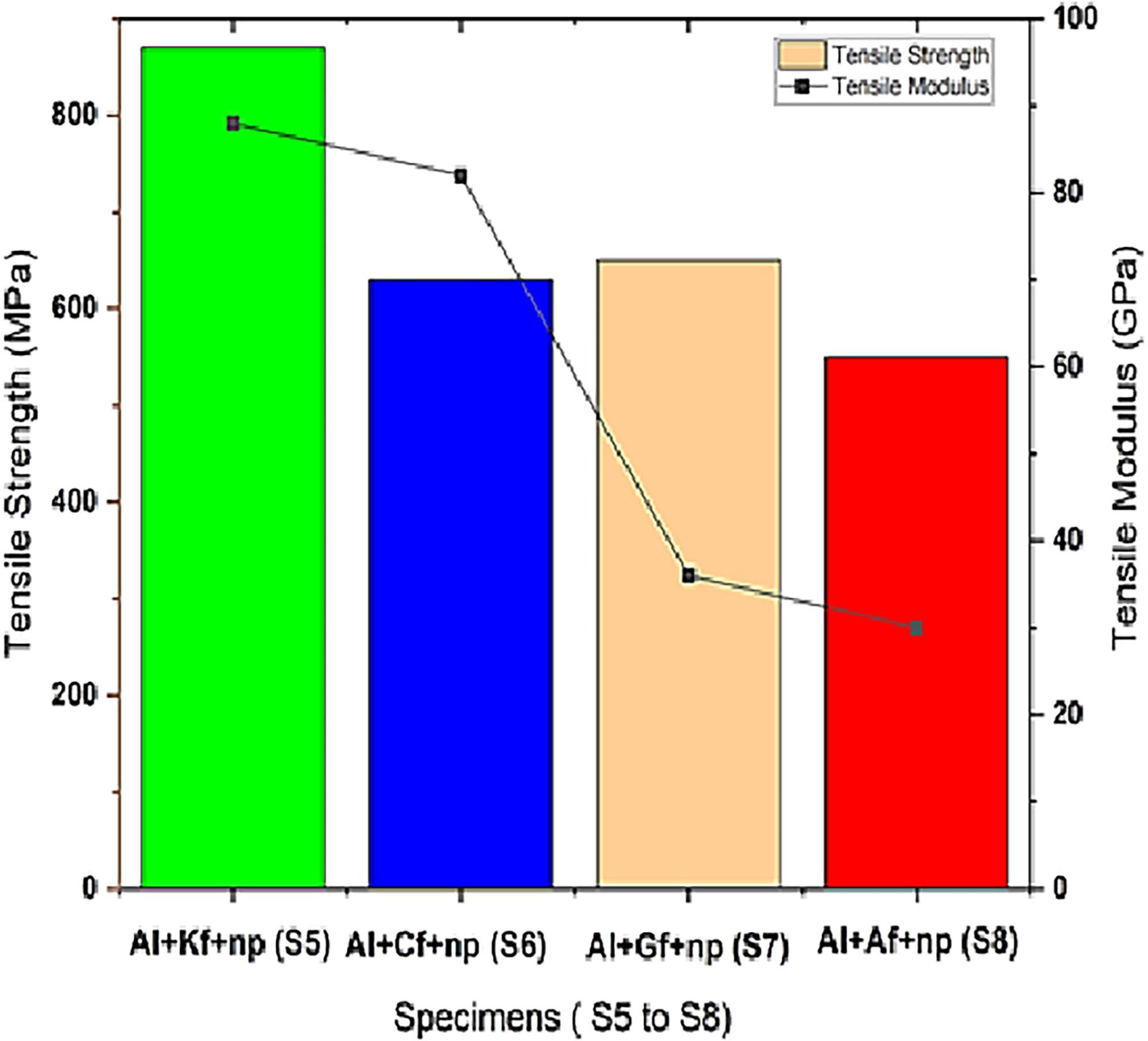
Similarly, carbon fiber-reinforced FMLs increased from 0.5 kN to 18.66 kN, glass fiber FMLs from 0.36 kN to 15.7 kN, and abaca fiber FMLs from 0.18 kN to 10.23 kN. The significant enhancement in tensile strength is attributed to the improved fiber-matrix bonding facilitated by the uniform dispersion of BaSO4 nanoparticles, which act as fillers, bridging microvoids and distributing stress more efficiently across the composite. SEM analysis revealed smoother fracture surfaces, reduced voids, and better fiber-matrix adhesion in nanoparticle-reinforced samples. This study presents new findings by showing a more substantial improvement in tensile strength compared to similar studies using other nanoparticles, suggesting that BaSO4 offers superior reinforcement capabilities in FMLs. The 2439% increase in tensile strength in Kevlar-reinforced FMLs far exceeds previous studies, indicating that BaSO4 nanoparticles play a crucial role in enhancing matrix stiffness and stress redistribution. Overall, BaSO4-reinforced FMLs demonstrate exceptional tensile strength improvements, making them suitable for advanced engineering applications requiring high-performance materials. Figure 3 show the tensile strength of BaSO4 reinforced FMLs and Figure 4 shows the tensile strength of BaSO4 non-reinforced FMLs [16].
4.2. Flexural strength
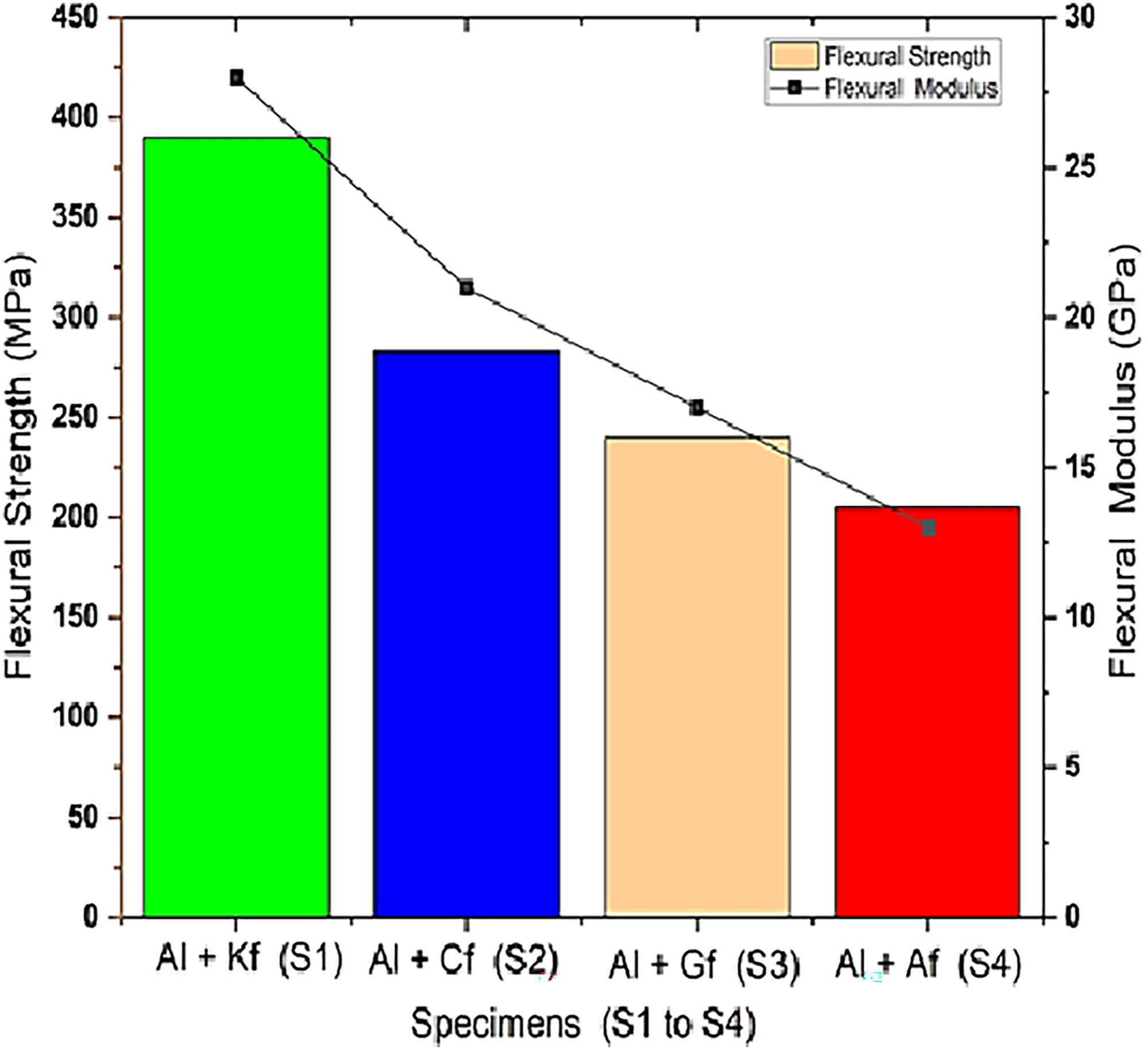
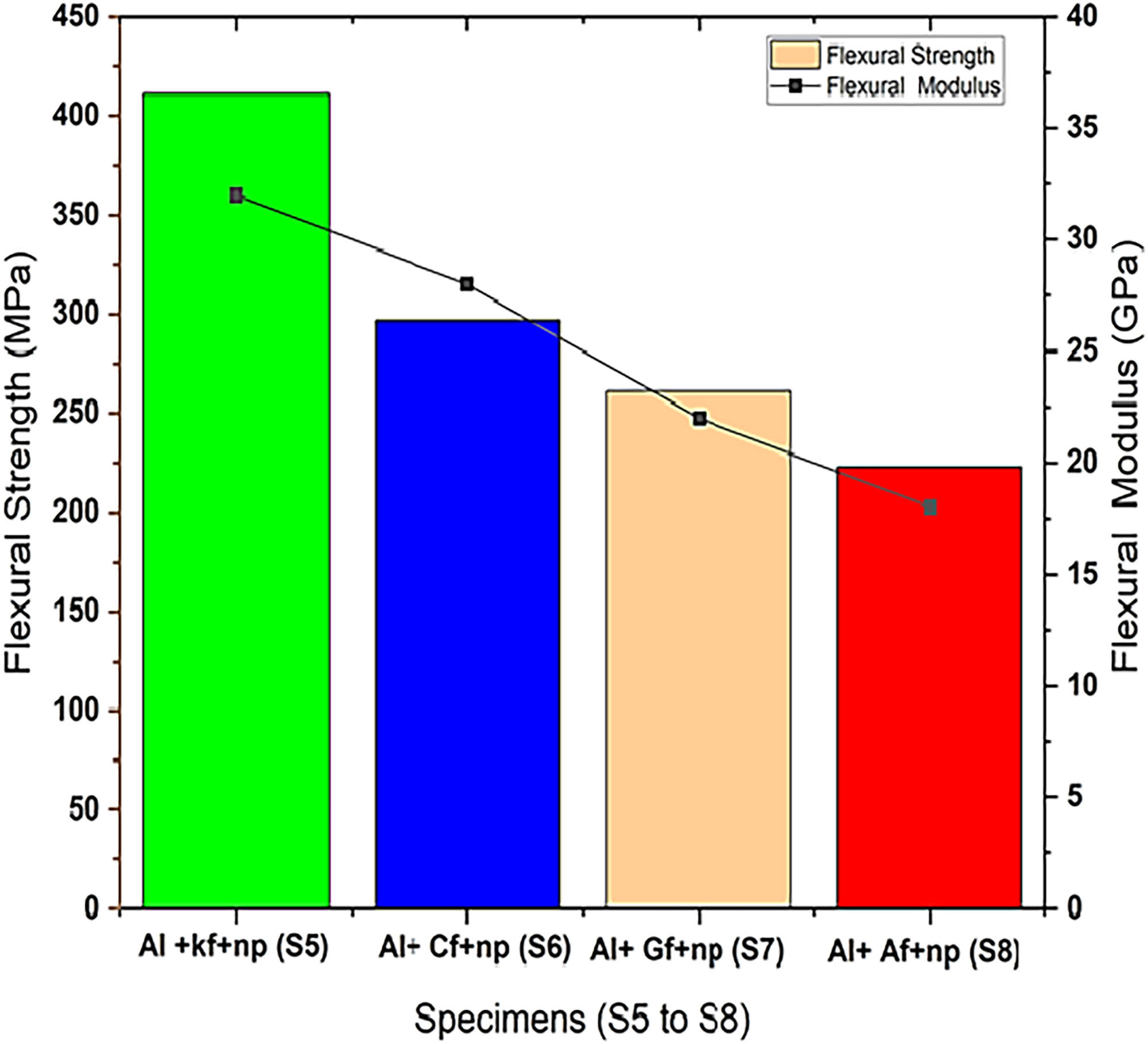
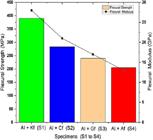
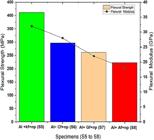
The incorporation of 5% BaSO4 nanoparticles into the epoxy resin matrix significantly improved the flexural strength and modulus of Fiber Metal Laminates (FMLs). Kevlar-reinforced FMLs without nanoparticles exhibited a maximum flexural strength of 2 kN, which increased by 44% to 2.88 kN with BaSO4 reinforcement. Similarly, carbon fiber-reinforced FMLs showed an increase from 1.3 kN to 2 kN, glass fiber FMLs from 0.63 kN to 1.77 kN, and abaca fiber FMLs saw an 83.33% improvement, from 0.2 kN to 0.63 kN. These enhancements can be attributed to the reinforcement effect of BaSO4 nanoparticles, which improved matrix stiffness, enhanced fiber-matrix adhesion, and acted as crack arresters, slowing crack propagation during bending loads and providing additional resistance. SEM analysis confirmed stronger bonding and fewer voids in BaSO4-reinforced FMLs, explaining the improved flexural performance and showing more ductile fracture behavior compared to the brittle failure observed in non-reinforced samples. Without nanoparticles, Kevlar-reinforced FMLs exhibited the highest flexural strength (390 MPa) and modulus (28 GPa), followed by carbon, glass, and abaca fibers, which showed reductions of 27.43%, 38.46%, and 47.44% in flexural strength, respectively. With the addition of BaSO4 nanoparticles, Kevlar-reinforced FMLs experienced a 5.38% increase in flexural strength and a flexural modulus of 32 GPa. Meanwhile, carbon and glass fiber-reinforced FMLs exhibited lower flexural properties with decreases of 27.73% and 36.49%, respectively. Abaca fiber-reinforced FMLs, though still the lowest in flexural strength and modulus, improved by 8.78% and reached a flexural modulus of 18 GPa [17].
The findings of this study surpass those of previous research using other nanoparticles, such as SiO2 and Al2O3, which reported flexural strength increases of around 20–25%. The 44% and 83.33% increases in flexural strength observed in Kevlar and abaca-reinforced FMLs, respectively, suggest that BaSO4 nanoparticles provide superior reinforcement potential. These results demonstrate the significant potential of BaSO4 nanoparticles to enhance the flexural strength and modulus of FMLs, making them highly suitable for automotive and aerospace applications where bending resistance is essential. Figure 5 shows the flexural strength and flexural modulus of non-filled fiber metal laminates and Figure 6 illustrates the flexural strength and modulus of FMLs with various reinforcement fibers, with BaSO4 nanoparticles.
The comparison Table 3. Shows that BaSO4-reinforced FMLs in this study significantly outperform other nanoparticle-reinforced FMLs, particularly in tensile strength, where a 2439% improvement (Kevlar FMLs) was observed, far exceeding the improvements seen with graphene, SiO2, and Al2O3. BaSO4 also demonstrated a notable 44% increase in flexural strength and a 5.55% improvement in impact strength, highlighting its superior reinforcement capabilities compared to other nanoparticles.
4.3. Ballistic impact strength of fiber metal laminates
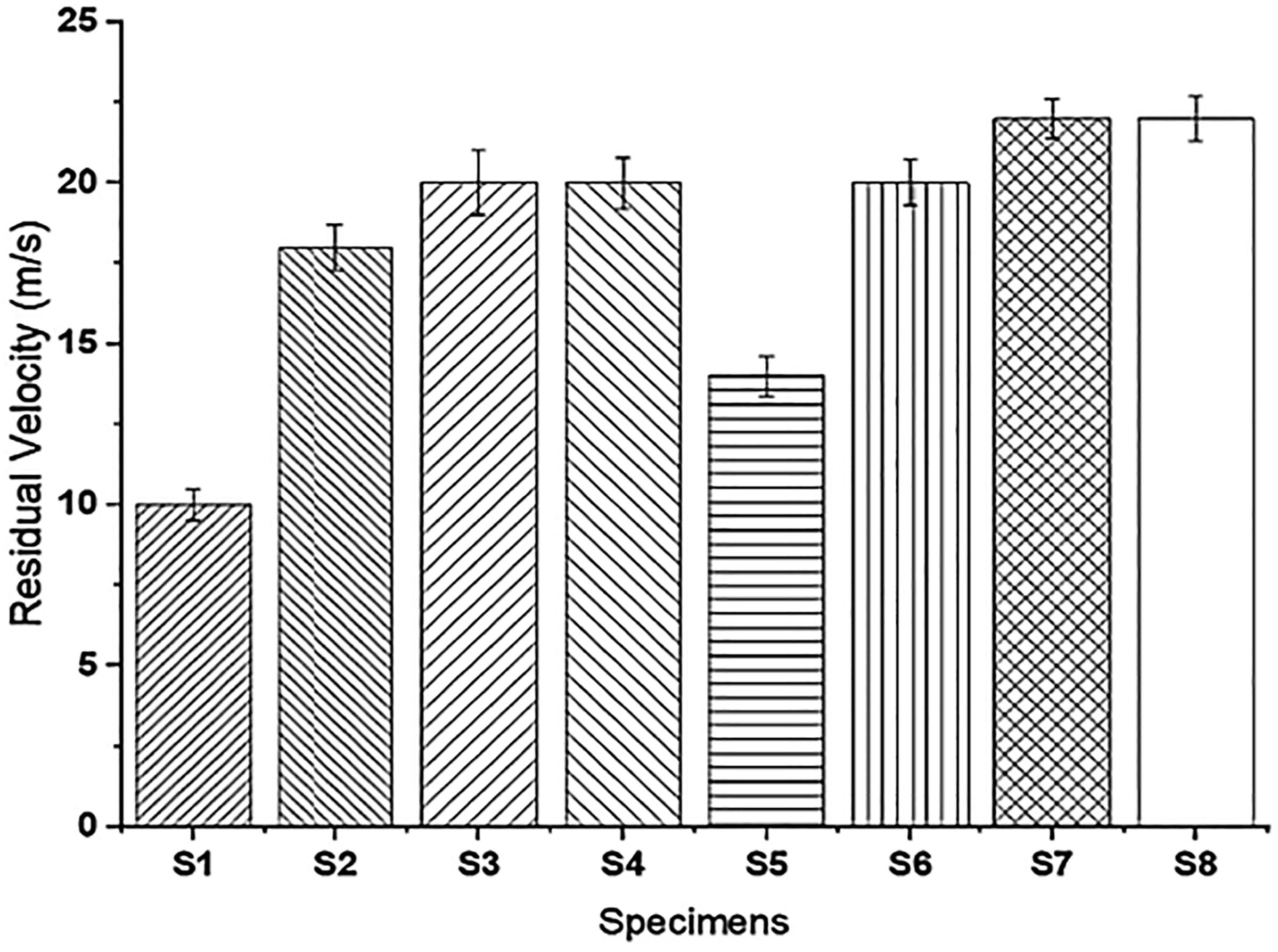
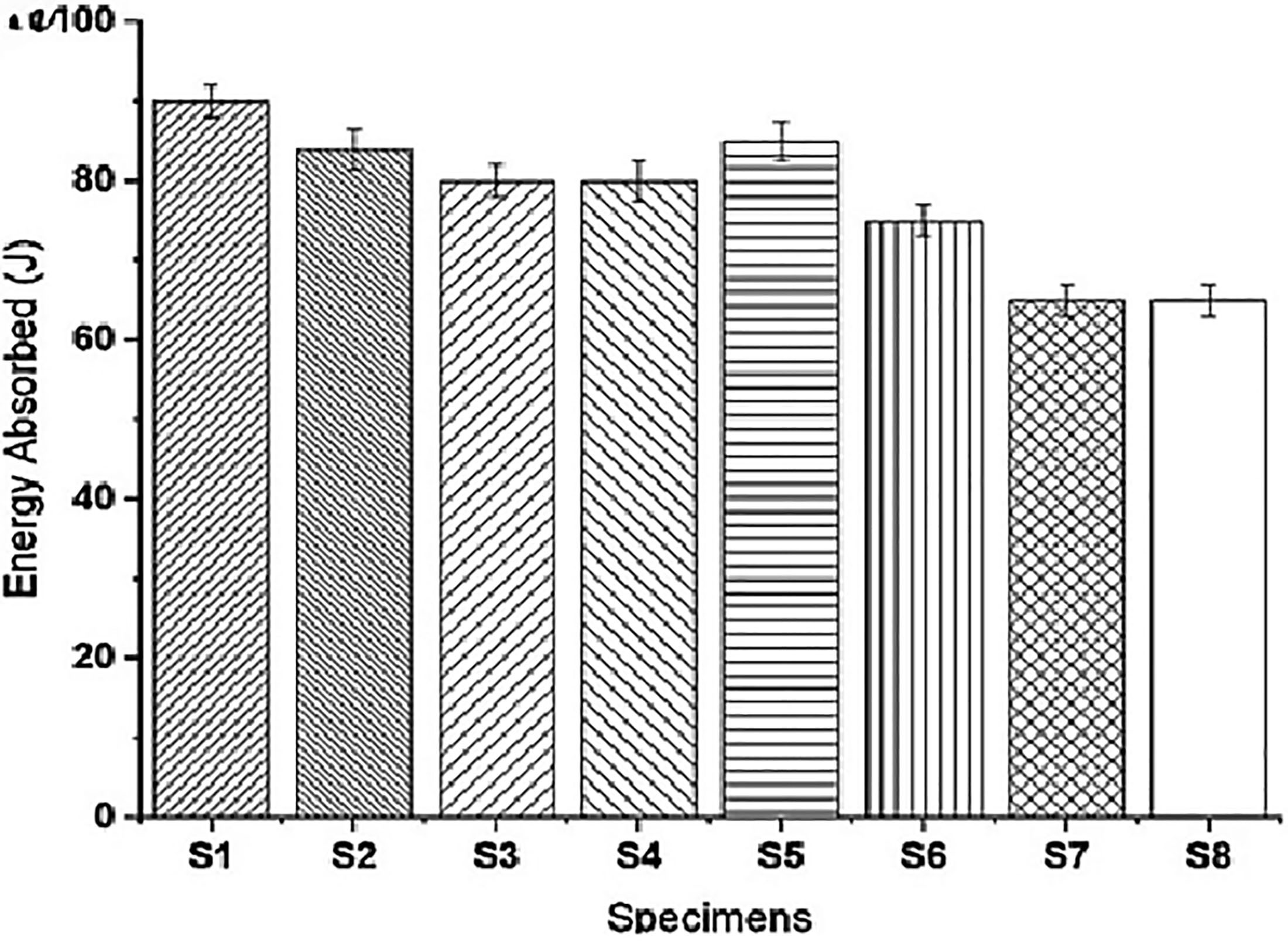
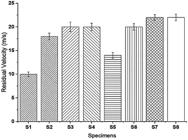
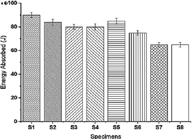
The incorporation of BaSO4 nanoparticles significantly impacted the ballistic performance of Fiber Metal Laminates (FMLs). Kevlar-reinforced FMLs with BaSO4 (S5) exhibited an impact strength of 90 J, a 5.55% improvement over the non-nanoparticle FML (S1), with carbon, glass, and abaca fiber-reinforced FMLs also showing enhanced impact performance, most notably in glass fiber FMLs, which increased from 63 J to 77 J. This improvement is attributed to the nanoparticles’ role in increasing matrix toughness, enabling better energy dissipation under dynamic loads. However, residual velocity analysis revealed that non-nanoparticle FMLs (S1 to S4) had lower residual velocities, with Kevlar-reinforced FML (S1) achieving the lowest at 10 m/s due to Kevlar’s superior impact resistance.
Conversely, BaSO4-reinforced FMLs (S5 to S8) showed higher residual velocities, particularly a 40% increase in Kevlar FML (S5), indicating reduced energy absorption and impact resistance. This is likely due to the nanoparticles inducing brittleness in the epoxy matrix, shifting the load-bearing responsibility to the fibers and lowering overall impact resistance. These findings suggest that while BaSO4 nanoparticles improve matrix toughness, they also introduce brittleness, highlighting the importance of optimizing nanoparticle concentration for applications requiring balanced impact performance. Figure 7 shows the residual velocity of FMLs and Figure 8 illustrates these effects, showing increased impact strength but elevated residual velocities in nanoparticle-reinforced FMLs, indicating a trade-off between toughness and brittleness [18].
4.4. Shore d hardness of FMLs
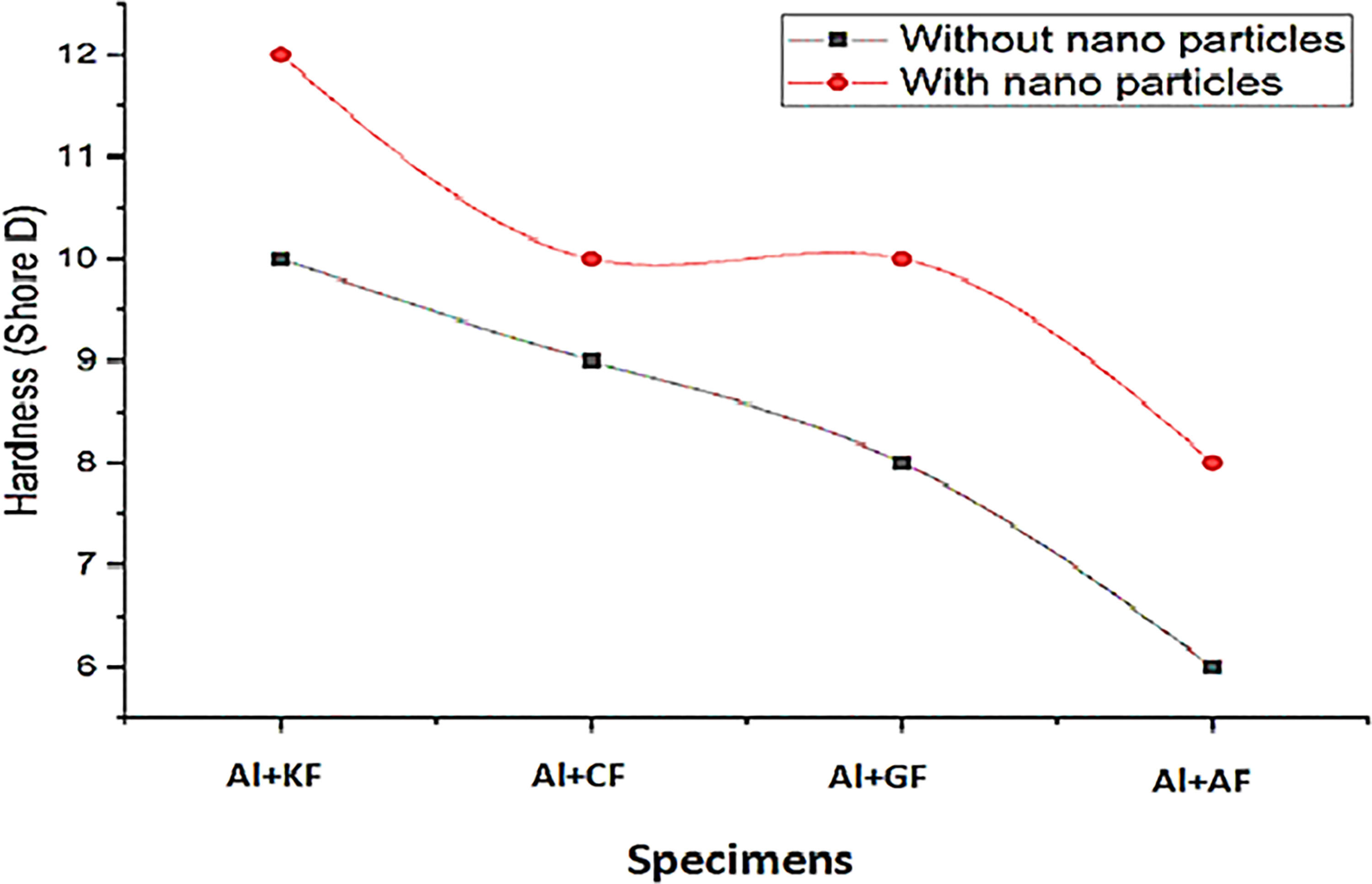
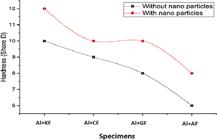
The incorporation of BaSO4 nanoparticles into the epoxy resin matrix significantly increased the Shore D hardness of Fiber Metal Laminates (FMLs). Kevlar-reinforced FMLs, which initially exhibited the highest hardness of 10, saw a 20% increase, reaching a value of 12. Carbon and glass fiber-reinforced FMLs, both with nanoparticle reinforcement, achieved a uniform hardness of 10, while abaca fiber-reinforced FMLs, initially the lowest at 6, experienced a 33% improvement, reaching a hardness of 8. This increase in hardness is attributed to the nanoparticles’ ability to enhance the matrix’s load-bearing capacity by filling microvoids and creating a more compact structure. The uniform dispersion of BaSO4 nanoparticles improved the distribution of applied loads, resulting in greater resistance to surface indentation.
Figure 9 illustrates the Shore D hardness values for the FMLs, both with and without BaSO4 nanoparticles. The increase in hardness across all fiber types is evident, with the most substantial improvements seen in Kevlar and abaca fiber-reinforced FMLs. The figure shows that nanoparticle incorporation resulted in a more consistent and enhanced hardness performance across the different FML variants. These findings underscore the role of BaSO4 nanoparticles in reinforcing the matrix, improving durability, and making FMLs more suitable for applications that demand high wear resistance and mechanical integrity [19].
5. MORPHOLOGICAL ANALYSIS
Scanning Electron Microscopy (SEM) was performed to analyze the microstructural characteristics and fracture mechanisms of both BaSO4 nanoparticle-reinforced and non-reinforced Fiber Metal Laminates (FMLs). The specimens were observed using a JEOL JSM-6390 scanning electron microscope at an accelerating voltage of 20 kV, with images captured at various magnifications (500×, 1000×, and 2000×) to investigate the differences in fiber-matrix interface, the presence of voids, and crack propagation [20]. The SEM images of non-reinforced specimens revealed substantial fiber pull-out, poor fiber-matrix adhesion, and the presence of large voids around the fibers, particularly at magnifications of 1000× and 2000×. These voids and microcracks weakened the overall structural integrity, resulting in lower tensile and flexural strength. The poor bonding at the fiber-matrix interface led to a brittle fracture behavior, characterized by sharp, jagged fracture surfaces. Notably, Kevlar and glass fiber-reinforced FMLs exhibited significant delamination, where cracks propagated through the matrix due to weak interfacial bonding. This contributed to inefficient load transfer, explaining the reduced mechanical properties observed in the non-reinforced FMLs [21].
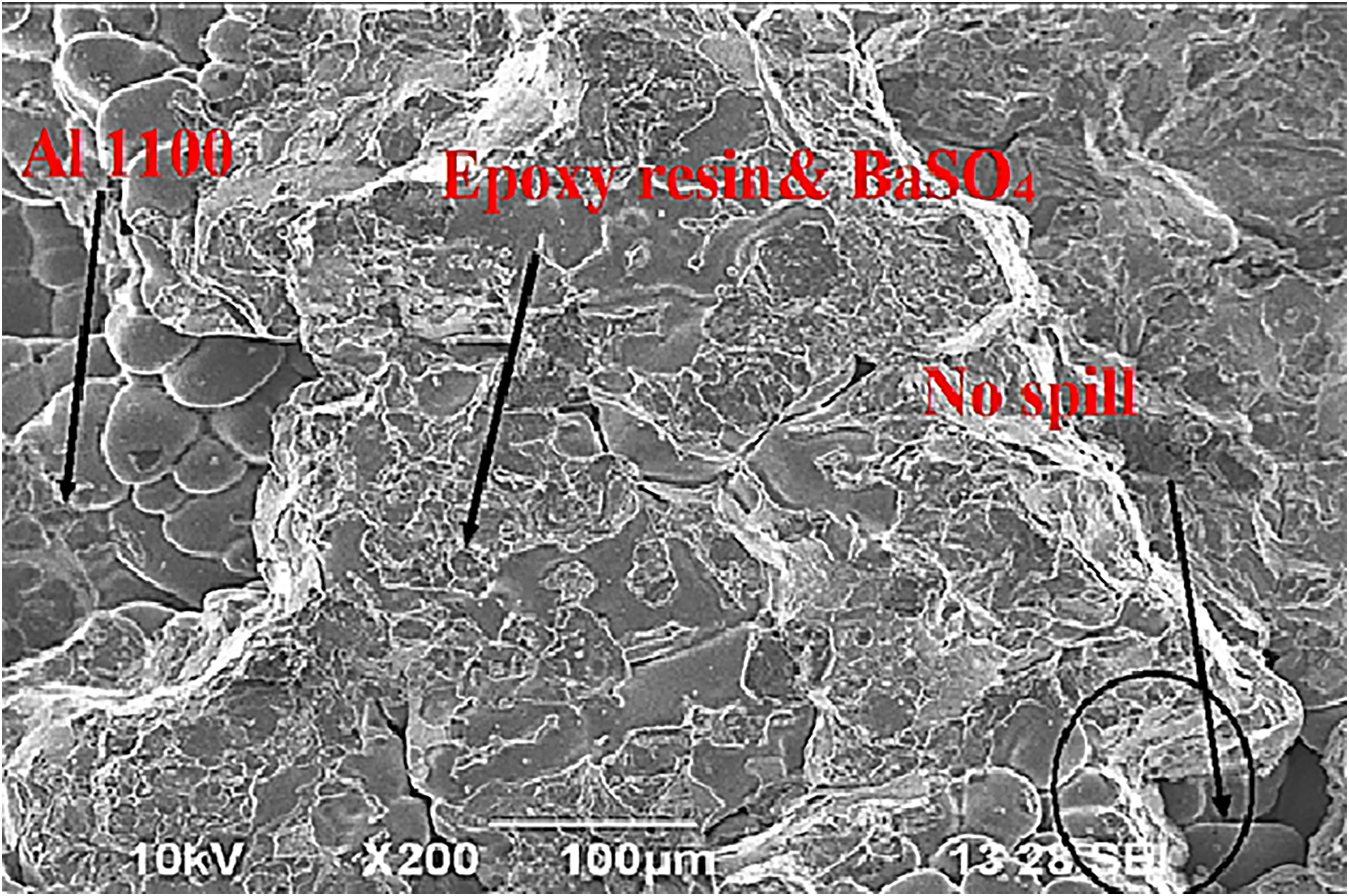
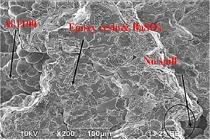
Figure 10. Shows the microstructural features of Fiber Metal Laminates (FMLs) without BaSO4 nanoparticle reinforcement were examined using Scanning Electron Microscopy (SEM). Figure 10. Shows significant fiber pull-out and poor fiber-matrix adhesion, with voids primarily located around the fibers. The brittle fracture of the matrix, marked by jagged surfaces and limited fiber bridging, further underscored the weak interfacial bonding and inefficient load transfer, leading to lower mechanical performance, particularly in terms of tensile and flexural strength. The SEM analysis of BaSO4-reinforced specimens revealed significant improvements in the microstructure. At 500× and 1000× magnifications, the uniform dispersion of BaSO4 nanoparticles within the epoxy matrix resulted in fewer voids and enhanced fiber-matrix adhesion. The nanoparticles acted as fillers, effectively reducing voids and bridging microcracks, thereby improving the matrix structure [22].
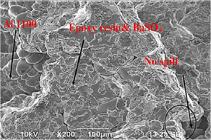
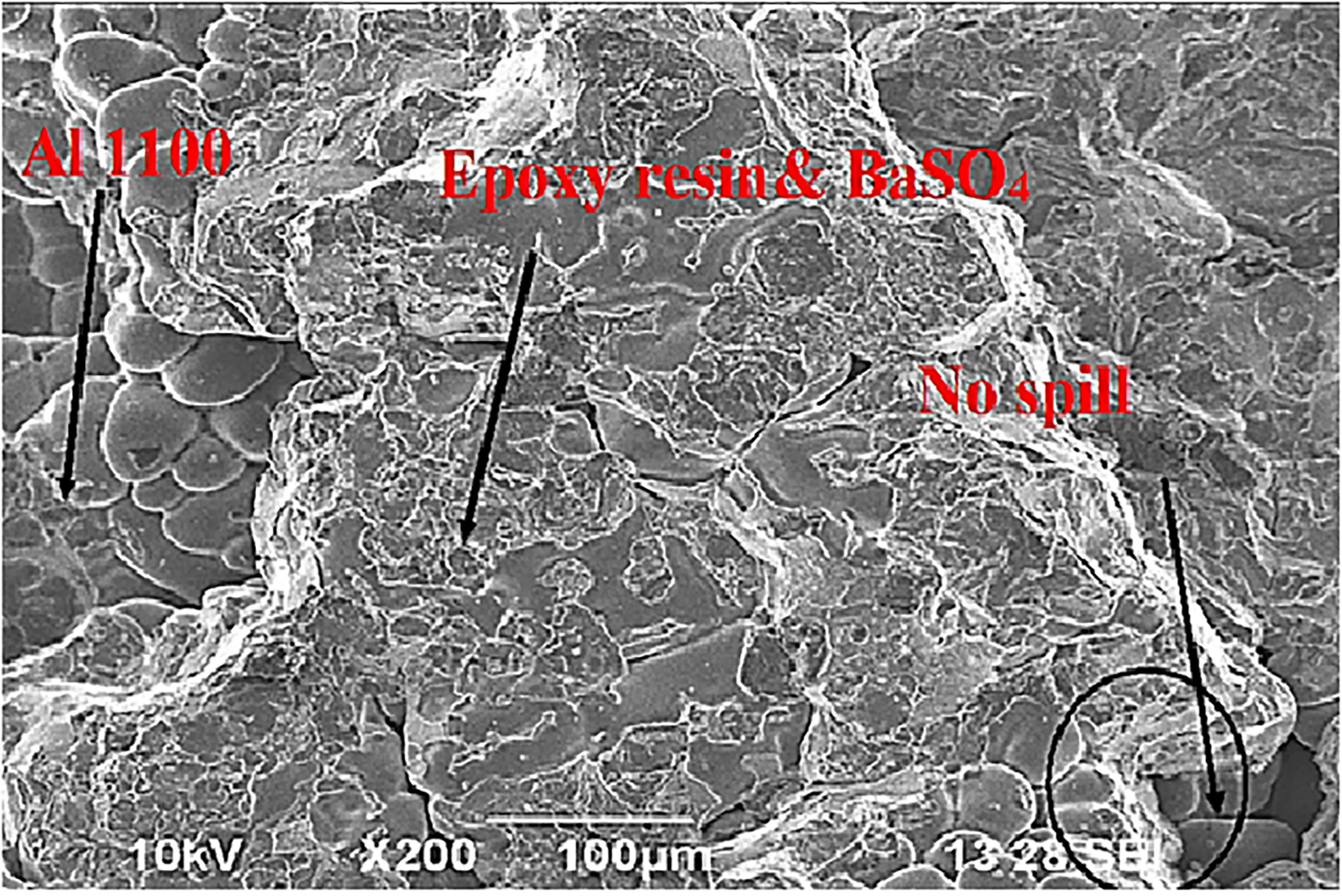
This improvement in the matrix led to ductile fracture behavior, characterized by smoother fracture surfaces and clear fiber bridging. The nanoparticles also functioned as crack arresters, reducing crack propagation and improving stress distribution across the material. These morphological enhancements directly correlated with the observed 2439% increase in tensile strength and 44% improvement in flexural strength in the reinforced FMLs. Figure 11. Shows SEM images of BaSO4-reinforced FMLs demonstrated a marked improvement in the microstructural characteristics. The correlation between the mechanical properties and SEM analysis of BaSO4-reinforced FMLs reveals that the uniform dispersion of nanoparticles significantly enhanced tensile strength, flexural strength, impact resistance, and hardness. SEM images showed reduced voids, improved fiber-matrix bonding, and a more cohesive matrix structure, enabling more efficient load transfer, better crack resistance, and greater energy absorption. These microstructural improvements directly contributed to the observed increases in mechanical performance, validating the role of BaSO4 nanoparticles in enhancing the overall toughness and durability of the FMLs [23]. The fracture mechanism in non-reinforced FMLs was predominantly brittle, characterized by rapid crack propagation along weak fiber-matrix interfaces. In contrast, BaSO4-reinforced FMLs exhibited a ductile fracture mechanism, where cracks propagated more slowly due to enhanced fiber-matrix bonding and the presence of nanoparticles acting as crack arresters. This ductility allowed the material to absorb more energy before failure, as seen in the increased impact strength in nanoparticle-reinforced FMLs [24, 25].
6. CONCLUSION
This study demonstrated that incorporating 5% BaSO4 nanoparticles into Fiber Metal Laminates (FMLs) composed of synthetic fibers (Kevlar, carbon, glass), natural fiber (abaca), and aluminum mesh with epoxy resin significantly improved mechanical properties and microstructural integrity. The FMLs exhibited a tensile strength increase from 0.72 kN to 18.27 kN for Kevlar-reinforced samples, with flexural strength rising by 44% to 2.88 kN. Impact strength improved by 5.55%, reaching 90 J in the BaSO4-infused Kevlar FMLs, while hardness increased by 20%. SEM analysis confirmed better fiber-matrix bonding and reduced void formation in BaSO4-reinforced FMLs. These advancements have practical applications in the automotive industry, particularly for lightweight, high-performance materials used in vehicle body panels and structural components. This research aimed to address traditional FMLs’ limitations, with BaSO4 nanoparticles effectively enhancing load transfer and material toughness. Future studies should focus on optimizing nanoparticle concentration, exploring hybrid composites, and testing for water resistance and long-term durability. This work paves the way for the development of high-performance, durable, and lightweight materials to meet the evolving demands of the automotive and aerospace sectors.
7. BIBLIOGRAPHY
-
[1] Vijayakumar, V., Palanikumar, K., “Influence of nanoparticles on mechanical, thermal, and tribological properties of fiber-reinforced polymer composites – A review”, Composites. Part B, Engineering, v. 183, pp. 107704, 2020. doi: http://doi.org/10.1016/j.compositesb.2020.107704.
» https://doi.org/10.1016/j.compositesb.2020.107704 -
[2] Zhang, L., Sun, H., Liu, Y., et al., “Mechanical and impact properties of fiber metal laminates reinforced with graphene nanoparticles”, Materials Science and Engineering A, v. 791, pp. 139704, 2020. doi: http://doi.org/10.1016/j.msea.2020.139704.
» https://doi.org/10.1016/j.msea.2020.139704 -
[3] Yan, Y., Wang, Y., Li, C., et al., “Effects of surface modification on the mechanical and interfacial properties of basalt fiber-reinforced hybrid composites with nanoparticles”, Composites Science and Technology, v. 188, pp. 107998, 2020. doi: http://doi.org/10.1016/j.compscitech.2020.107998.
» https://doi.org/10.1016/j.compscitech.2020.107998 -
[4] Kim, J., Lee, S., Oh, S., “Impact and flexural performance of fiber metal laminates with carbon nanotube-reinforced epoxy matrices”, Journal of Composite Materials, v. 54, n. 9, pp. 1175–1190, 2020. doi: http://doi.org/10.1177/0021998319887672.
» https://doi.org/10.1177/0021998319887672 -
[5] Elanchezhian, C., Devaraju, A., Sivalingam, S.S., et al., “Comparative study of mechanical and morphological analysis of NaOH treated and non-treated banana fiber reinforced epoxy composite”, Materials Today: Proceedings, v. 39, pp. 861–867, 2021. doi: http://doi.org/10.1016/j.matpr.2020.10.652.
» https://doi.org/10.1016/j.matpr.2020.10.652 -
[6] Dinesh, S., Elanchezhian, C., Vijayramanth, B., et al., “Experimental investigation of natural and synthetic hybrid composite for marine application”, Materials Today: Proceedings, v. 22, pp. 322–329, 2020. doi: http://doi.org/10.1016/j.matpr.2019.05.344.
» https://doi.org/10.1016/j.matpr.2019.05.344 -
[7] Adinarayanan, A., Elanchezhian, C., Vijayaramanth, B., “Experimental investigation of banana bract fiber and palm fiber reinforced with epoxy hybrid composites”, Materials Today: Proceedings, v. 22, pp. 335–341, 2020. doi: http://doi.org/10.1016/j.matpr.2019.06.633.
» https://doi.org/10.1016/j.matpr.2019.06.633 -
[8] Elanchezhian, C., Vijayaramnath, B., Adinaryanan, A., “Influence of natural fibers on mechanical, thermal, water absorption and morphological characteristics of Kevlar hybrid epoxy composites for shipbuilding application”, Indian Journal of Engineering and Materials Sciences, v. 29, pp. 527–534, 2022. doi: http://doi.org/10.56042/ijems.v29i5.60406.
» https://doi.org/10.56042/ijems.v29i5.60406 -
[9] Liu, Y., Li, D., Zhang, Y., “Mechanical performance of hybrid fiber metal laminates reinforced with functionalized nanoparticles”, Polymers, v. 13, n. 6, pp. 908, 2021. doi: http://doi.org/10.3390/polym13060908. PMid:33809622.
» https://doi.org/10.3390/polym13060908 -
[10] Singh, A., Sharma, R.K., Gupta, M., “Enhancement of flexural properties in hybrid fiber metal laminates using hybrid nanoparticles”, Polymer Composites, v. 43, n. 5, pp. 1904–1918, 2022. doi: http://doi.org/10.1002/pc.26478.
» https://doi.org/10.1002/pc.26478 -
[11] Chen, X., Hu, P., Liu, X., “Influence of graphene nanoplatelets on the flexural and impact properties of basalt fiber/epoxy composites”, Journal of Composite Materials, v. 55, n. 2, pp. 153–165, 2021. doi: http://doi.org/10.1177/0021998320946675.
» https://doi.org/10.1177/0021998320946675 -
[12] Barani, H., Ghasemi, M., Kheradmand, N., “Mechanical properties of nano-SiO2 reinforced fiber metal laminates under dynamic loading”, Materials Today. Communications, v. 32, pp. 103907, 2022. doi: http://doi.org/10.1016/j.mtcomm.2022.103907.
» https://doi.org/10.1016/j.mtcomm.2022.103907 -
[13] Rauf, O.U., Khurram, A.A., Hussain, R., et al., “Nanoparticles enhanced interfaces of glass fiber laminate aluminum reinforced epoxy (GLARE) fiber metal laminates”, Polymer Composites, v. 42, n. 8, pp. 3954–3968, 2021. doi: http://doi.org/10.1002/pc.26107.
» https://doi.org/10.1002/pc.26107 -
[14] Li, Y., Zhou, W., Wang, H., “Microstructural analysis and mechanical properties of Al2O3 nanoparticle-enhanced FMLs”, Composite Structures, v. 286, pp. 115200, 2022. doi: http://doi.org/10.1016/j.compstruct.2022.115200.
» https://doi.org/10.1016/j.compstruct.2022.115200 -
[15] Arunkumar, R., Muthuraman, S., Mahendra, N., “Effect of nano-Al2O3 particles on the mechanical behavior of fiber metal laminates”, Journal of Composite Materials, v. 56, n. 4, pp. 521–535, 2022. doi: http://doi.org/10.1177/00219983211064641.
» https://doi.org/10.1177/00219983211064641 -
[16] Saber, D., Abd El-Baky, M.A., Attia, M.A., “Advanced fiber metal laminates filled with silicon dioxide nanoparticles with enhanced mechanical properties”, Fibers and Polymers, v. 22, n. 9, pp. 2447–2463, 2021. doi: http://doi.org/10.1007/s12221-021-0192-x.
» https://doi.org/10.1007/s12221-021-0192-x -
[17] Lin, J., Zhu, Z., Wang, Z., “Low-velocity impact behavior of carbon fiber metal laminates enhanced with carbon nanotubes”, Composites Science and Technology, v. 201, pp. 108543, 2023. doi: http://doi.org/10.1016/j.polymertesting.2022.107936.
» https://doi.org/10.1016/j.polymertesting.2022.107936 - [18] Gopinath, S., Subramanian, K., Prakash, V., “Effect of nano-TiO2 and nano-Al2O3 hybridization on fiber metal laminate mechanical properties”, Polymer Testing, v. 120, pp. 107936, 2023.
-
[19] Reddy, V., Naidu, A., Rao, C., “Investigation of impact resistance in FMLs reinforced with SiC nanoparticles”, Materials Today: Proceedings, v. 55, pp. 408–416, 2023. doi: http://doi.org/10.1016/j.matpr.2021.06.091.
» https://doi.org/10.1016/j.matpr.2021.06.091 -
[20] Megahed, M., Abd El-Baky, M.A., Alsaeedy, A.M., et al., “An experimental investigation on the effect of incorporation of different nanofillers on the mechanical characterization of fiber metal laminate”, Composites. Part B, Engineering, v. 175, pp. 107277, 2019. doi: http://doi.org/10.1016/j.compositesb.2019.107277.
» https://doi.org/10.1016/j.compositesb.2019.107277 -
[21] Ramasamy, S., Singaraj, R., Jagadeesan, V., et al., “The influence of ZnO nanoparticles on mechanical and early-age hydration behaviour of cement paste”, Matéria (Rio de Janeiro), v. 29, n. 3, pp. e20240068, 2024. doi: http://doi.org/10.1590/1517-7076-rmat-2024-0068.
» https://doi.org/10.1590/1517-7076-rmat-2024-0068 -
[22] Hoepfner, J.C., Porto, R.C.T., Uchôa, P.Z., et al., “Dynamical mechanical properties of polyvinyl butyral nanocomposites - A comparison between different nano-carbon reinforcements”, Matéria (Rio de Janeiro), v. 27, n. 2, pp. e13223, 2022. doi: http://doi.org/10.1590/s1517-707620220002.1323.
» https://doi.org/10.1590/s1517-707620220002.1323 -
[23] Saravanan, G., Thirumalaisamy, R., Devaraj, T.V., et al., “Investigation on morphological and tensile properties of chemically treated Borassus Flabellifer Lontar fruit fibers”, Matéria (Rio de Janeiro), v. 29, n. 3, pp. e20240166, 2024. doi: http://doi.org/10.1590/1517-7076-rmat-2024-0166.
» https://doi.org/10.1590/1517-7076-rmat-2024-0166 -
[24] Selvaraj, B.R.C., Nambakkat, B., Palani, G., et al., “Structural, characterization, and morphological properties of copper nanoparticles from Opuntia Ficus Indica plant”, ChemistrySelect, v. 8, n. 42, pp. e202300619, 2023. doi: http://doi.org/10.1002/slct.202300619.
» https://doi.org/10.1002/slct.202300619 -
[25] Prabu, A.S., Chithambaram, V., Shanmugan, S., et al., “The performance enhancement of solar cooker integrated with photovoltaic module and evacuated tubes using ZnO/Acalypha Indica leaf extract: response surface study analysis”, Environmental Science and Pollution Research International, v. 30, n. 6, pp. 15082–15101, 2023. doi: http://doi.org/10.1007/s11356-022-23126-1. PubMed PMID: 36168010.
» https://doi.org/10.1007/s11356-022-23126-1