 A study on high calcium flyash blended geopolymer composite with industrial derivatives
ABSTRACT
An increasing amount of waste is being disposed of as a result of growing industrialisation, endangering the environment. In the building industries of all the fly ash-producing nations, fly ash is used in structural and non-structural concrete in a variety of ways. Practically, high-volume flyash consumption is a significant advancement. Thus, an inquiry into high calcium fly ash-based geopolymer composites is started through this investigation, using class C fly ash obtained from the Thermal Power Station of Neyveli Lignite Corporation as a quantum waste. Geopolymer composites with diverse molarities for M30, M35 and M40 were experimented with characteristics of compressive, split tensile, flexural, water absorption, and rapid chloride ion penetration tests and correlated with standard concrete. The outcome established that a geopolymer composite with 12 molarity blended with crushed stone sand and pond ash bottom ash recycled coarse aggregate salvage marble coarse aggregate was optimal in characteristics. Investigation reveals that water absorption is relatively minimal in geopolymer composites compared to standard concrete. RCPT shows the geopolymer concrete has excellent chloride resistance over prolonged curing time. This study sees an opportunity to evaluate the effects of employing alternatives for both fine and coarse materials. Here, fly ash completely replaces the cement.
Keywords:
Fly ash; Salvage marble; Recycled coarse aggregate; Universal warming; CO2 ejection
1. INTRODUCTION
Since the importance of taking natural resources into account in the building business has expanded recently, pressure has been placed on civil engineers to develop novel strategies that should be jointly environmentally and economically viable [1,2,3]. This requirement was made very clear by the numerous publications that stressed the essential for sustainable development and the depletion of natural resources [4,5,6,7]. However, attaining sustainable expansion in the edifice industry necessitates a range of creative strategies, such as selecting the right building materials, applying state-of-the-art practices and tactics for eco-friendly procedures, reutilizing and repurposing discarded materials from manufacturing units of engineering production units, and so on [8,9,10]. All of the fly ash-producing nations have construction sectors that use fly ash in various forms for both structural and nonstructural concrete; large volume utilisation is a significant development [11,12,13,14]. However, because of the issue of the reinforcing steel corroding, high calcium content C class fly ash has only been used sparingly for reinforced concrete [15–16]. As a result, an inquiry into high calcium flyash-based geopolymer concrete is started through this thesis, using class C fly ash that is available as a quantum waste at the thermal power station of Neyveli Lignite Corporation [17–18]. A formulation is reached after a careful analysis of the existing literature. Fly ash is being consumed as binder instead of cement in this instance [19,20,21,22]. The M30 to M40 concrete preliminary trial mix is delivered and used. The outcomes produced are positive.
The utilisation of concrete in the building industry has decreased due to its inherent benefits such as moldability, durability, and viability. However, there are growing expectations for durability and strength [23–24]. Features tend to be made with some admixtures or additives, or both, for a particular purpose. Researchers studying concrete are currently thinking of a new generation of concrete that is not only strong but also durable. Construction and demolition waste make up almost 860 million tonnes of the 2.5 billion tonnes of waste produced [25–26]. Because these numbers are increasing worse in developing countries like China and India, investigators are keen to organise these civil engineering wastes and then progress the manufacturing of coarse aggregate. Recycled aggregate is more than just keeping the waste-to-balance ratio constant [26–27].
The most often used the key industrial derivatives used in the study to replace traditional materials in concrete production have been shown to improve the mechanical and long-term qualities of concrete, including fly ash (FA) [28,29,30] blast furnace slag silica fume, rice husk ash, palm oil fuel ash and waste glass.
As a result, “geopolymer composite blocks” made of fly and pond ash are investigated as binding and filling elements with extra alkaline solutions. By investigating the use of industrial and derivatives, we can reduce the need for cement as well as the amount of pollutants that are released into the atmosphere by many sectors, including the cement industry [31,32,33]. The use of geopolymer composite blocks significantly reduces greenhouse gas emissions and greenhouse pollution. Industrial throwaway solids like fly ash, bottom ash, pond ash, silica fume, and slag from industries can all be effectively converted into geopolymers, a low-emission cement material. The end result, geopolymer material, is influenced by the raw material used. Thus, geopolymer composites contribute to reducing global warming and environmental pollution.
There are two main issues:
-
Because ordinary Portland cement (OPC) emits carbon dioxide into the atmosphere, its consumption pollutes the environment. As a result, OPC in the concrete has been replaced with other material. The emission of CO2 during the production of cement will be reduced by contributing considerably to the global thermostat being lowered.
-
One of the significant derivatives of the coal industry is flyash, freely accessible worldwide. Furthermore, using fly ash instead of OPC is less expensive and more environmentally benign. Owing to its huge silicate and alumina content, fly ash reacts with an alkaline solution to form an aluminium silicate gel, which blends the particles together to create high-quality concrete. When fly ash is used to replace or displace made cement, there are considerable environmental benefits, most notably a net reduction in energy use and greenhouse gas and other harmful air pollutants. Because fly ash slows down the process of hydration in concrete, low early compressive strength is seen. The Neyveli Lignite Corporation (NLC) is a notablesource of Class C fly ash, which is expolited in the research.
-
Recycled concrete aggregate: Due to the increase in industrial production, we are currently dealing with significant consumption and a growing need for aggregates, which has caused the amount of resources available to us to rapidly decline. It is matter of fact that recylying conserve natural resources and it reduces the need to extract resources for noval inventions in constuction activities.Geoploymer composite strength characteristics and durability are dominated by the attributes of RCA, including its specific gravity, absorption, and the quantity of contaminants it contains.
-
Salwage marble waste: According to an analysis of these findings, the proper addition of marble waste aggregates can produce intriguing strength characteristics; in fact, the usage of marble aggregates significantly increased the compressive and tensile strengths. The leftover marble can be utilised as substitute aggregates for concrete and for a variety of other applications, including landfills, road building, and brick manufacture. The findings indicate that the mechanical characteristics of concrete specimens made with leftover marble aggregates met the requirements for concrete production, and that using leftover marble aggregates up to 75% of a formulation improves the resistance of the concrete.
One of the primary obstacles in the creation of geopolymer concrete is the requirement for a comprehensive comprehension of the factors affecting strength growth. Another problem is that geopolymer concrete made with equal ingredients can have inconsistent performance and qualities. Inconsistent performance and higher costs could result from the lack of readily available waste aluminosilicate sources with comparable qualities for use in geopolymer concrete. The extensive use of geopolymer concrete is restricted by the exorbitant prices of laboratory-grade activators, such as sodium hydroxide and sodium silicate. Other issues include the inability to manage efflorescence and achieve consistent characteristics in geopolymer concrete. The creation of design guidelines and specifications is thought to be the most crucial tactic for bringing geopolymer concrete to market. In order to overcome these obstacles, create affordable geopolymer concrete and create pertinent building codes that will encourage its application in real-world settings, more study is needed.
Ali A. Ali et al. investigated geopolymer composites with diverse NaOH/Na2SiO3 ratios and concluded that they significantly impact strength development by using metakaolin, GGBS, and fly ash combinations. It was established that by incorporating GGBS with fly ash in different percentages from 36% to 100%, compressive strength was amplified for 100%. Ali A. Ali et al. (2022) investigated and found that the presence of GGBS amplifies geopolymer composite hardening properties with 8 molars. Further geopolymer composite compressive characteristics were dimished by 42.38% while incorporating 30 percent metakaolin for flyash. Ali A. Ali et al. (2022) found that the replacement of GGBS with fly ash will amplify the characteristics strength of concrete and dimish its workability. Further, it was established that by amplification of the molarity of sodium hydroxide, we can improve strength characteristics.
1.1. Need of the study
There are two main obstacles that face any technology trying to gain traction in the construction sector. These are the aspects of engineering and technology as well as the product’s market certification. Geopolymers necessitate extensive research in formulation and certification from each source because they are created from ingredients like fly ash, which vary depending on the source. Future geopolymer technology acceptance will be determined by a number of criteria, such as the capacity to greatly increase fly ash’s value and decrease CO2 emissions as compared to cement manufacturing. Additionally, geopolymer somposite is a relatively new material in India. Furthermore, Geopolymer somposite is a novel material in India that still requires study for research and development. A thorough investigation has been conducted into the appropriateness of Indian raw materials for the manufacture of structural grade geocomposite. Since most research has been done on tiny specimens, the possibility of generating structural grades of concrete utilising geocomposite combinations and traditional concreting tools has not been fully demonstrated in the Indian setting. In Australia, Malaysia, and India, there has been some limited investigation of the structural behaviour of reinforced Geopolymer somposite. Each of them had used a different mix ratio and a different concrete grade.
2. MATERIAL INVESTIGATION
A first qualitative analysis of the properties of conventional and unnecessary constituents is necessary for the experimental validation of the likelihood of surrogating cement in the geocomposite mantle. Utilising fly ash, crushed stone sand, bottom ash, pond ash, fly ash recycled coarse aggregate, salvage marble coarse aggregate and activating solutions, geopolymer composite blocks are created.
The essential ingredients needed to prepare geopolymer concrete are as follows:
-
fly ash
-
Aggregates (both fine and coarse)
-
Alkaline solution containing activators
-
Water
-
High calcium Class C fly ash, which is employed in this experiment, is supplied by Neyveli Lignite Corporation’s thermal power unit
2.1. Aggregates: both fine and coarse aggregate
In this study, fine aggregate consumed was crushed stone sand, pond ash, and bottom ash in equal proportions that were in easy reach in this region. The fine aggregate crushed stone sand, pond ash, and bottom ash comply with Indian standards. The coarse aggregate used in this study was recycled crushed granite and salvage marble locally available with a size of 12.5 mm consumed in equal proportions. On examination, it was found the specific gravity of recycled crushed granite is 2.825 and 2.715 of salvage marble.
Recycled concrete from damaged structures in nearby Rasipuram was used to create this. With the aid of crushing equipment, the necessary size could be crushed once the RCA had been gathered. In order to eliminate the dirt and mortar dust that had formed around the debris’ surface, the crushed aggregate was additionally subjected to a seasoning for 120 minutes using 2N-NaOH. More than half of the crushed aggregate is made up of the mechanical crushing fractions, which were obtained in the ratios of 0–4.75 mm and 4.75–20 mm. Based on an early study, the resulting recycled aggregate had a bulk density of 1380 kg/m3, which was more than 10% lower than that of regular concrete. The rate at which water is absorbed, at 5.22%, is around 85 times greater than that of a typical coarse aggregate. Because of its porosity, recycled aggregate absorbs more water than traditional aggregate.
Millions of tonnes of salvage marble are anticipated to be produced globally during the quarrying process. As a result, using marble residue has emerged as a prominent substitute material for improving concrete’s hardening properties. Marble is a sedimentary rock that is created when pure limestone undergoes metamorphosis. The colour and appearance of marble are determined by its purity; white (100 percent CaCO3) limestone is formed completely of calcite. Because marble is durable and has an aristocratic aspect, it is utilised in both construction and decoration. Marble is therefore highly sought after. During the cutting process, massive amounts of salvage marble are created. Consequently, millions of tonnes of marble trash—or 20% of all marble mined—have been produced. Environmental issues could arise if these waste products are dumped into the environment. In addition, the practice of salvage marble as a fractional auxiliary for Portland slag cement is sought as a solution to this issue because natural aggregate and minerals used to make cement are limited and it is necessary to reduce energy consumption and carbon dioxide emissions associated with construction standard processes Table 1 illustrates the physical attributes of ingredients of geocomposite and concrete. Table 2 illustrates the chemical attributes of ingredients of geocomposite and concrete.
2.2. Sodium hydroxide
NaOH is commercially available in flake or pallet form with purity of 97–98%. A sodium hydroxide solution was made by combining distilled water with the necessary number of pallets of NaOH. Because this solution produces more heat when mixed with water, it was prepared the day before the concrete was cast, allowing the exothermic process to occur and reducing heat. NaOH can range in size from 8 to 16 molarity were exploited in this work.
2.3. Sodium silicate
Is used as a bonding agent in the textile industry and is also referred to as water glass or liquid glass. Before batching, it was combined with sodium hydroxide solution in this instance. Water makes up 55.9% of the bulk, SiO2-29.4%, Na2O-14.7%, and other chemical components.
2.4. Alkaline solution
To create an alkaline solution that would react with the silica and aluminium in the fly ash, sodium hydroxide and sodium silicate were utilised. For this experimental effort, commercially available sodium silicate with 31.6% water content was utilised. By dissolving sodium hydroxide flakes with 97% purity in water, a solution of sodium hydroxide with a concentration of 12 molars was created. In this work, sodium hydroxide solution and sodium silicate were consumed with a ratio of 2.5.
3. EXPERIMENTAL INVESTIGATION
3.1. Mix design for geopolymer composte
Geopolymer composte mixtures with varying concentrations of sodium hydroxide with fine aggregate-crushed stone aggregate, pond ash and bottom ash in equal proportions and coarse aggregate-recycled crushed granite stone with salvage marble in equal proportions in order to examine the impact of waste substitution on the strength of typical concrete and geopolymer composte. Geopolymer composte with M30 = 1:1.871:3.376 M35 = 1:2.038:2.835 and M40 = 1:2.0275:2.665 for 1 m3 of Geopolymer composte with 6, 8, 10, 12 and 14 molarity combinations. Diverse ingredients are illustrated in Table 3.
3.2. Sample preparation
The diverse blending combinations of geopolymer concrete, including crushed stone aggregate, pond ash, and bottom ash in equal proportions as fine aggregates and recycled crushed granite stone with salvage marble in equal proportions as coarse aggregate used in this experiment, are shown in Table 2. The geoploymer compos was mixed by mass for each ingredient. Furthermore, the NaOH concentration (which ranges from 6 to 16 molars) was taken into account. The ratio between Na2SiO3 and NaOH was varying from 2.5 to 1.5. In our exploration, it was kept at 2.50. The mixing method used in this study started by mixing fine and coarse aggregates with the NaOH solution. To be more specific, the mixer was used to mix the dried aggregate for five minutes. After five more minutes of mixing, the NaOH solution was gradually added. The moist mixture was treated with Na2SiO3 solution and stirred for a further five minutes to ensure complete homogeneity. The addition of a superplasticizer improved workability. The geocomposite was mixed and then poured into a number of moulds to create cubes, cylinders, and beam examples. Using the specified mix design, dimensions of 100 mm by 100 mm by 100 mm were cast in. For each compression characteristics test, three concrete cubes gauging 100 mm on each side were examined in order to meet the goal. Nevertheless, a variety of specimen forms other than cubes were created in order to conduct additional research on strength. For instance, 100 mm diameter by 200 mm height cylinders were constructed to test the split tensile strength of the suggested concrete, and 100 mm by 100 mm by 500 mm prisms were formed to assess the flexural strength (modulus of rupture). However, each of the many specimens is given in diverse days to cure in regular water while being periodically checked on. After that, specimens were baked for 24 hours at a high temperature of 65°C to speed up the geopolymerization process and improve the concrete’s mechanical and physical qualities.
4. RESULTS AND DISCUSSION
4.1. Compressive and split tensile characteristics tests
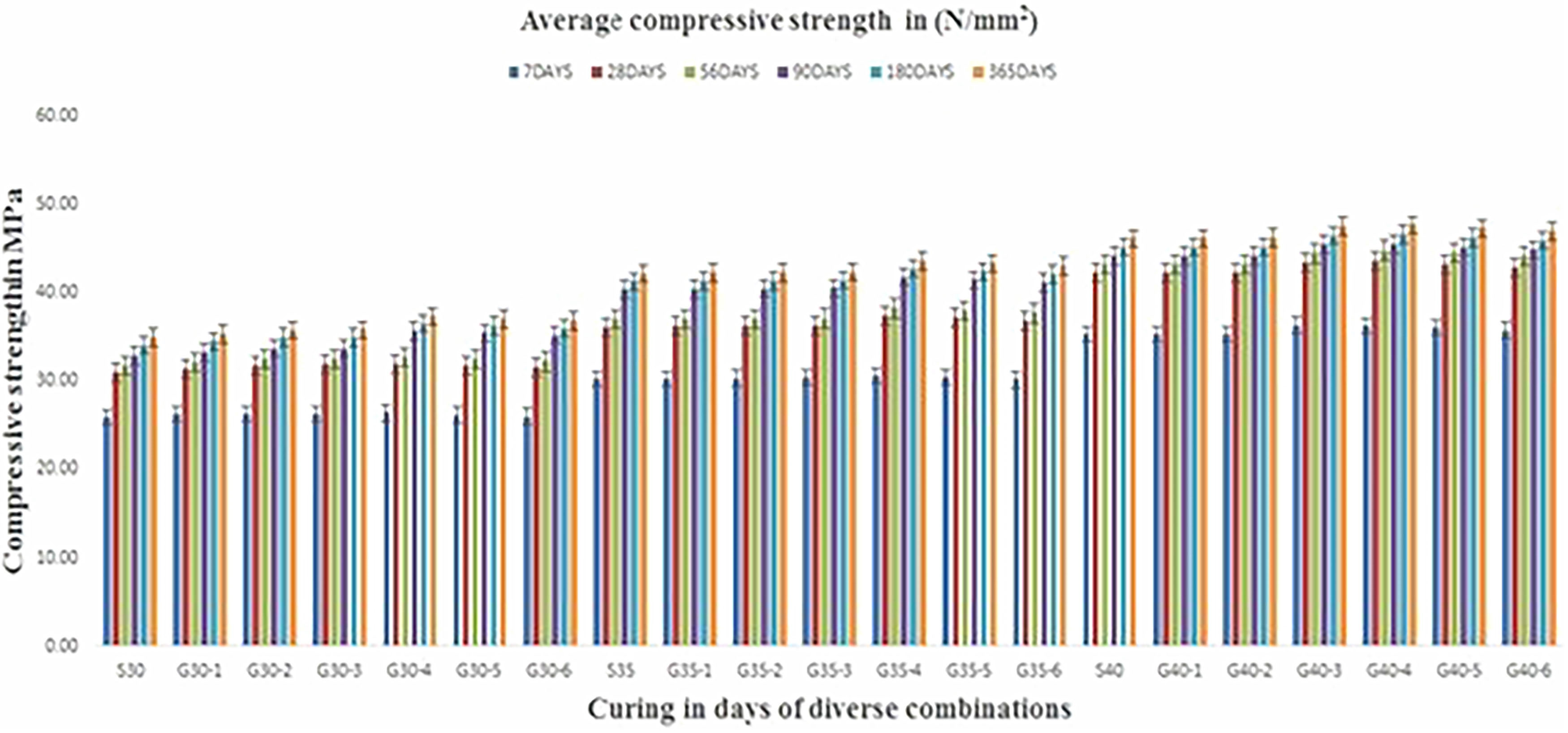
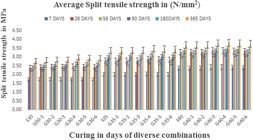
Using a 2000 KN hydraulic testing machine, the compressive and tensile strength tests of the hardened fly ash-based geopolymer composite and standard concrete were conducted in compliance with the applicable Indian norms. The reason why the compression test is the most frequently performed on hardened concrete is that it is relatively simple to execute and that it captures the majority of the desirable characteristics of concrete in respect to quality in compression. For each compression characteristics test, three concrete cubes gauging 100 mm on each side were examined. This ensures that the aggregate’s biggest nominal size does not surpass 12.5 mm. The concrete cube’s bottom is set on the compression testing machine’s platform. The concrete cube is gradually subjected to load until it fails. The cube’s compressive strength is indicated by the matching reading, which is noted. All cubes’ compression strength values are found similarly. Tests were conducted at different ages: 7, 28, 56, 90, 180, and 365 days. Experiments were done in accordance with IS 516 Table 4 and in Figure 1 illustrates average compressive strength in (N/mm2) on completion of curing in days.
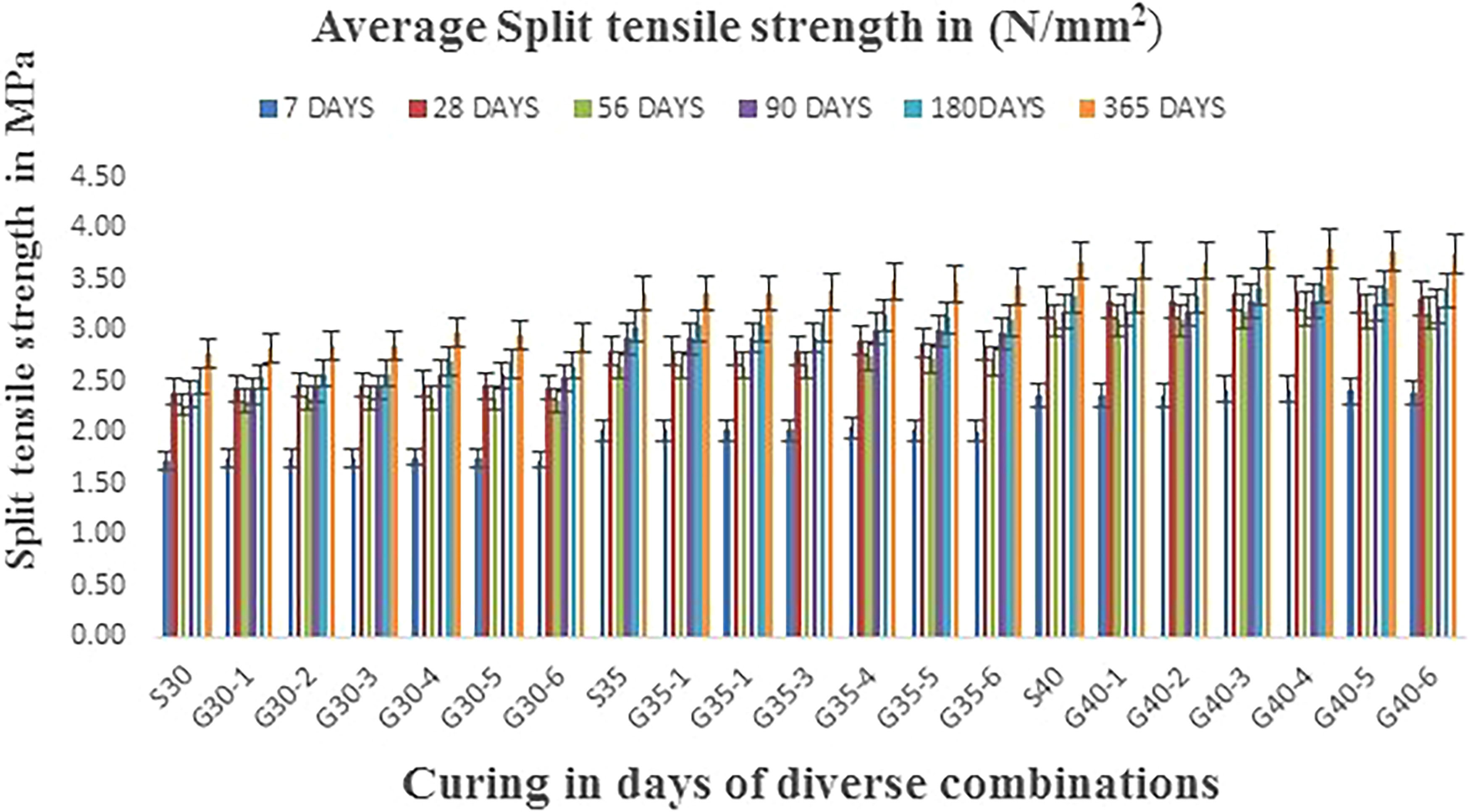
When it comes to cubes, the specimen is inserted into the machine so that the load is applied to the cubes’ opposing sides as they are cast. The specimen’s axis is precisely positioned to line up with the spherically seated plate’s centre of thrust. In order to achieve uniform seating, a spherically seated block is applied to the specimen, and the moveable part is slowly turned by hand. Without using any shock, the load is applied and increased steadily until the specimen’s ability to withstand the growing load is compromised and no higher load can be maintained. Next, the maximal load applied to the specimen is noted. The tables below have provided the outcomes. The compression test is performed on the cylindrical and cubical strengths of the specimen. Figure 1 illustrates the outcomes of the compressive strength examination conducted. Table 4 demonstrates the outcomes of the cube examination. Specimens that are cylindrical have a length that is double their diameter, which is 100 mm and a length of 200 mm. Table 5 and in Figure 2 demonstrate the outcomes of the cylinder examination.
4.2. Flexural strength of concrete
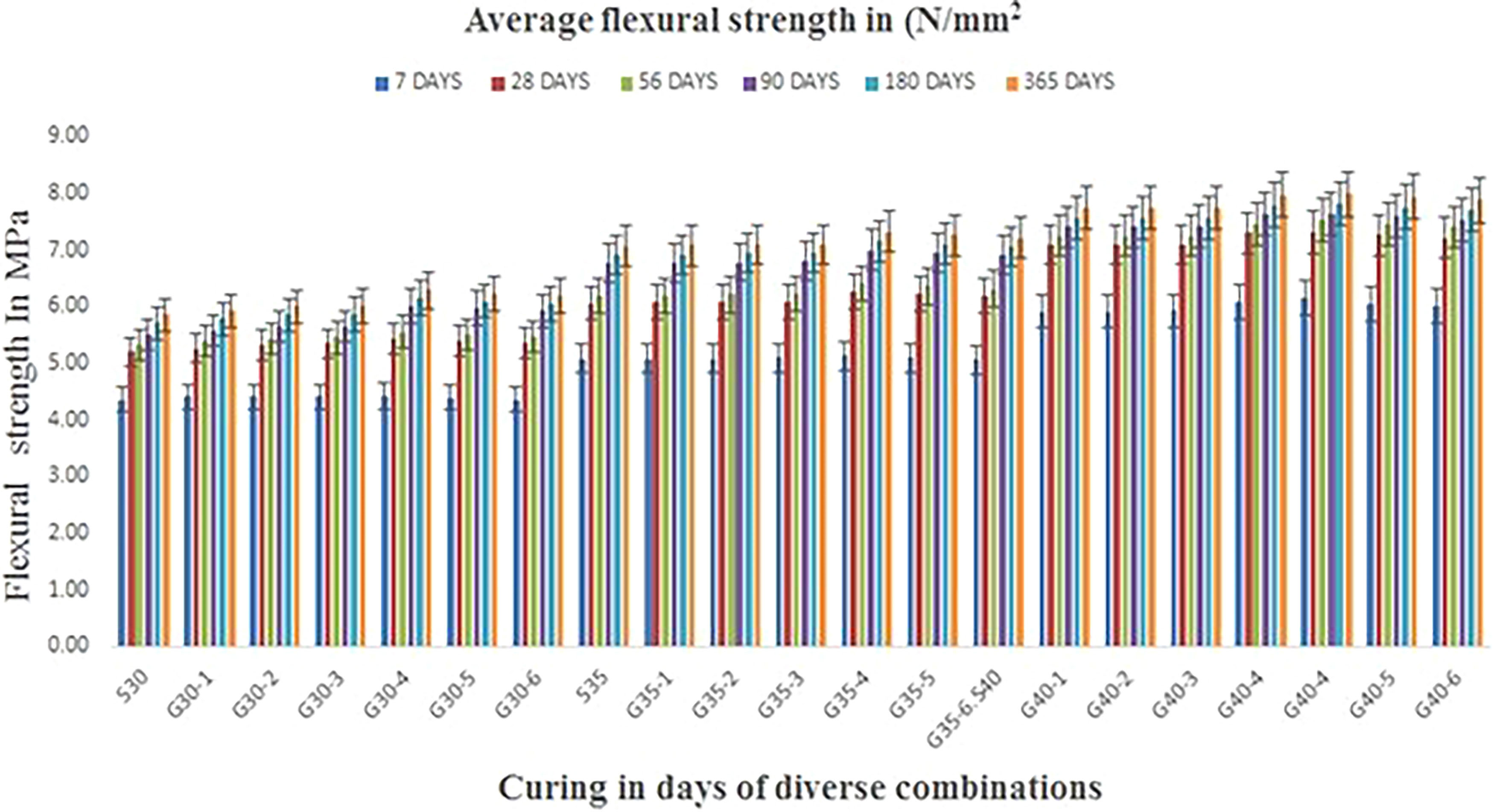
It is known that the trial sample needs to have a test span that should be less than 2% of certainly three times its depth as experimented, and it must also comply with all necessities of experimental technique by C 42 or practices C 31 or C 192 pertinent to beam and prism samples. The specimen’s sides must be flawless, devoid of any holes, scars, or engraved identification marks. As soon as it is practicable to do so after removing the specimens from damp storage, flexural tests of the moist-cured specimens must be conducted. The specimen’s observed flexural strength decreases when it is surface dried. Figure 3 illustrates outcomes of the flexural testing examination conducted. Table 6 demonstrates the outcomes of the flexural testing examination.
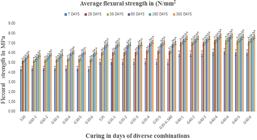
When examining moulded specimens, place the sample to be kept in the centre of the supports by turning the sample to the side relative to its casted position. The system of loading should be centred through the applied load. Apply a force equal to or more than 3–6% of the probable maximal load by bringing the load on application on blocks into contact with the sample’s surface at the third pointing place. Determine whether there is a slit among the sample and the force being applied or on supports that is greater or fewer than each of the gauges across a stretch of at least 25 mm by using 0.10 mm and 0.38 mm leaf type feeler gauges. Table 6 and Figure 3 illustrates average flexural strength of geopolymer composite cubes in (N/mm2) on completion of curing in days.
To minimise gaps wider than 0.10 mm in width, either grind, cap, or use leather shims on the sample contact facet. The leather shims have a constant thickness of 6.5 mm and a width of 20 to 45 mm, and they should span the whole breadth of the specimen. Gaps larger than 0.35 mm should be kept to a minimum, as grinding may alter the specimens’ physical properties.
Load the specimen steadily and without abrupt stops. To reach the breaking point, the load must be delivered at a consistent rate. Apply the load at a rate that, when computed in accordance with 8.1, continuously raises the extreme fiber stress between 0.80 and 1.20 MPa per min until rupture transpires.
To assess its average width, depth, and its line of fracture position to the sample at the segment of failure, if cracking or fissure arises at a capped segment, three measurements transversely to be taken for each measurement and assessment may be one at each edge and one in the centre to the 1 mm accuracy. In the event that the fracture occurs in the middle third of the span length, compute the modulus of rupture. It was found that the modulus if the cracking happens in the tension facet outer of the middle third of the extent length is less than 5% of the span length.
4.3. Durability properties
4.3.1. Water absorption examination
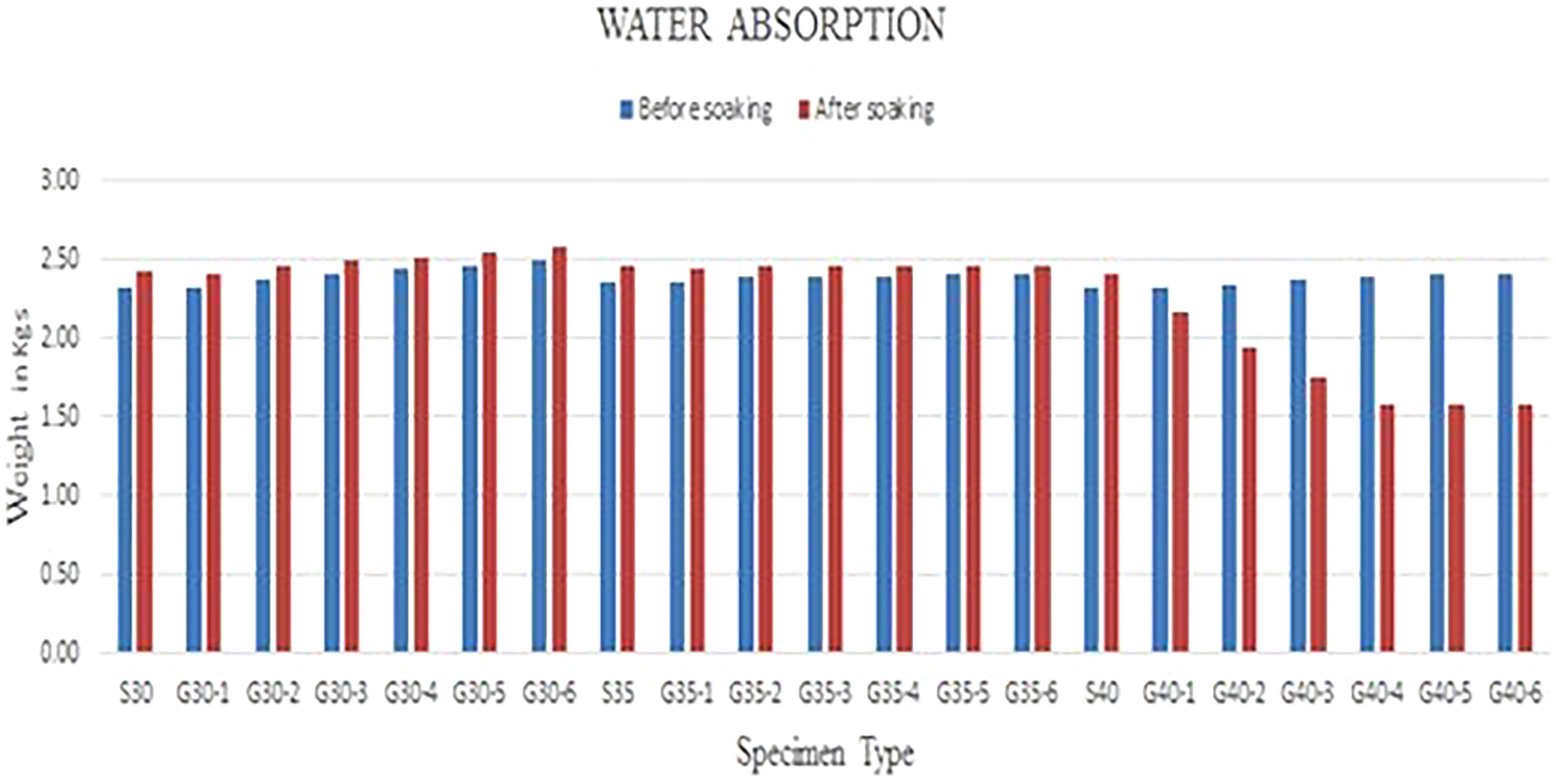
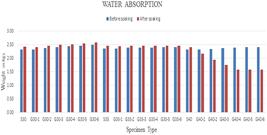
To conduct the water absorption investigation, 100 mm side cubes were cast and cured for 28 days. After 28 days, samples were withdrawn from the curing and dried in an oven at 110°C to remove dampness. The specimen’s dry weight was assessed by an electronic weighing balance. After alternating between a wet and dry process, the concrete specimens were removed and exposed to ambient air to achieve a surface that was dry. The average percentage of weight loss and compressive strength were then computed. Table 7 and Figure 4 demonstrates the outcomes of the water absorption of cubes examination.
A cylinder with dimensions of 100 mm by 300 mm was used to cut a 50 mm thick concrete disc.
4.3.2. Specimen conditioning
To remove all air from the pore, the sliced specimen disc was placed in vacuum desiccators for three hours. The disc was then completely submerged in water by placing water in desiccators and vacuum-pressuring them for an hour. For eighteen hours, the specimen was immersed in water at atmospheric pressure. It was revealed that the percentage of water absorption was 0.088, 0.085, 0.084, 0.082, 0.081, and 0.079 for the gpeopolymer composite of M30 grade. For standard concrete M30 grade, it was 0.095. It can be noted that the percentage of water absorption was 0.089, 0.071, 0.067, 0.064, 0.059, and 0.053 for the gpeopolymer composite of M35 grade. For standard concrete M35 grade, it was 0.095. Further, it was noticed that for 0.081, 0.073, 0.066, 0.060, 0.054, and 0.049 for gpeopolymer composites of M30 grade. For standard concrete M30 grade, it was 0.091. The outcome of the investigation establishes that geopolymer composite water absorption diminishes with increasing molar ratio. It was established that water absorption was less in geopolemwer composite in comparison with standard concrete.
4.3.3. Rapid chloride ion penetration test
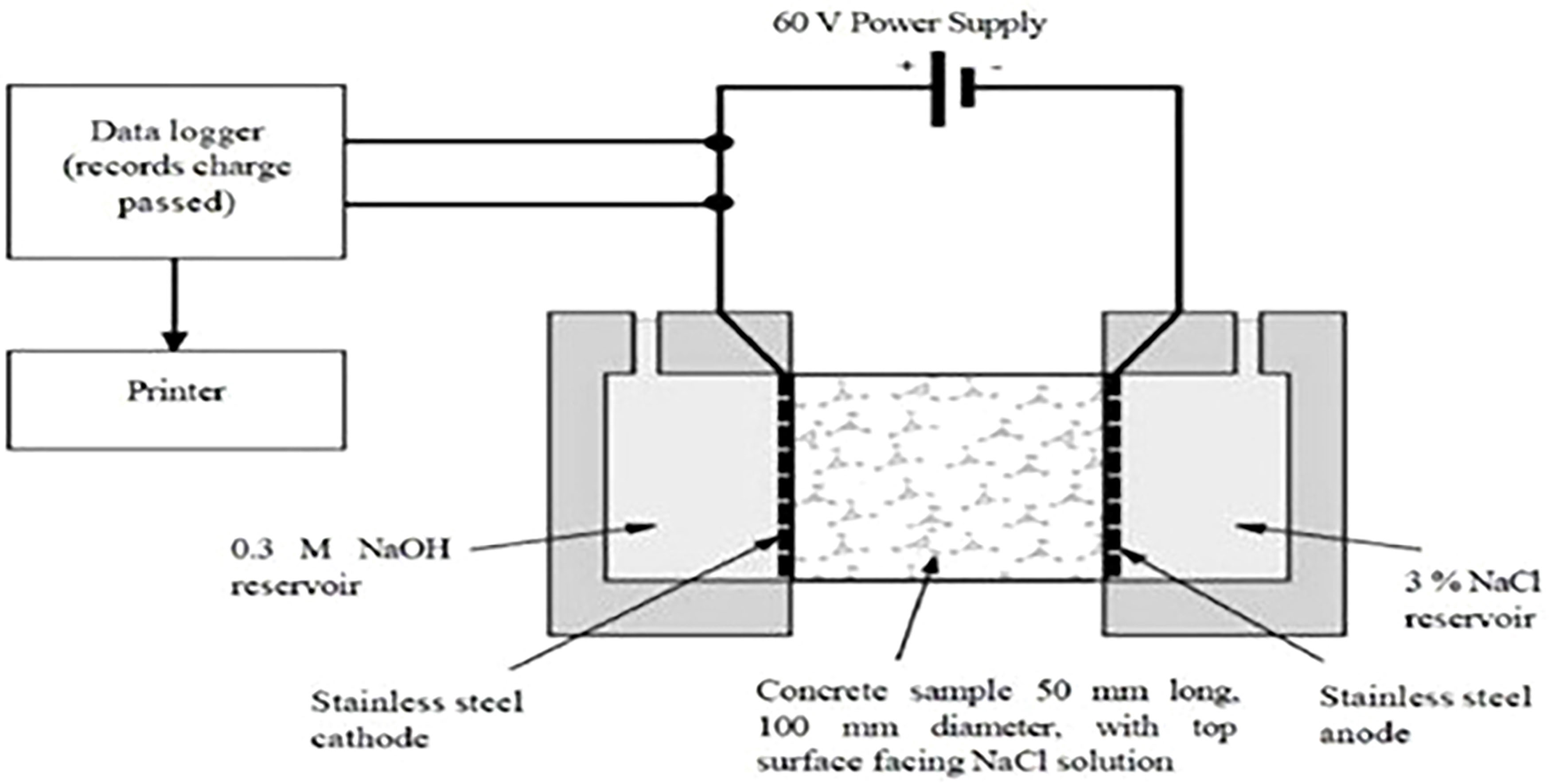
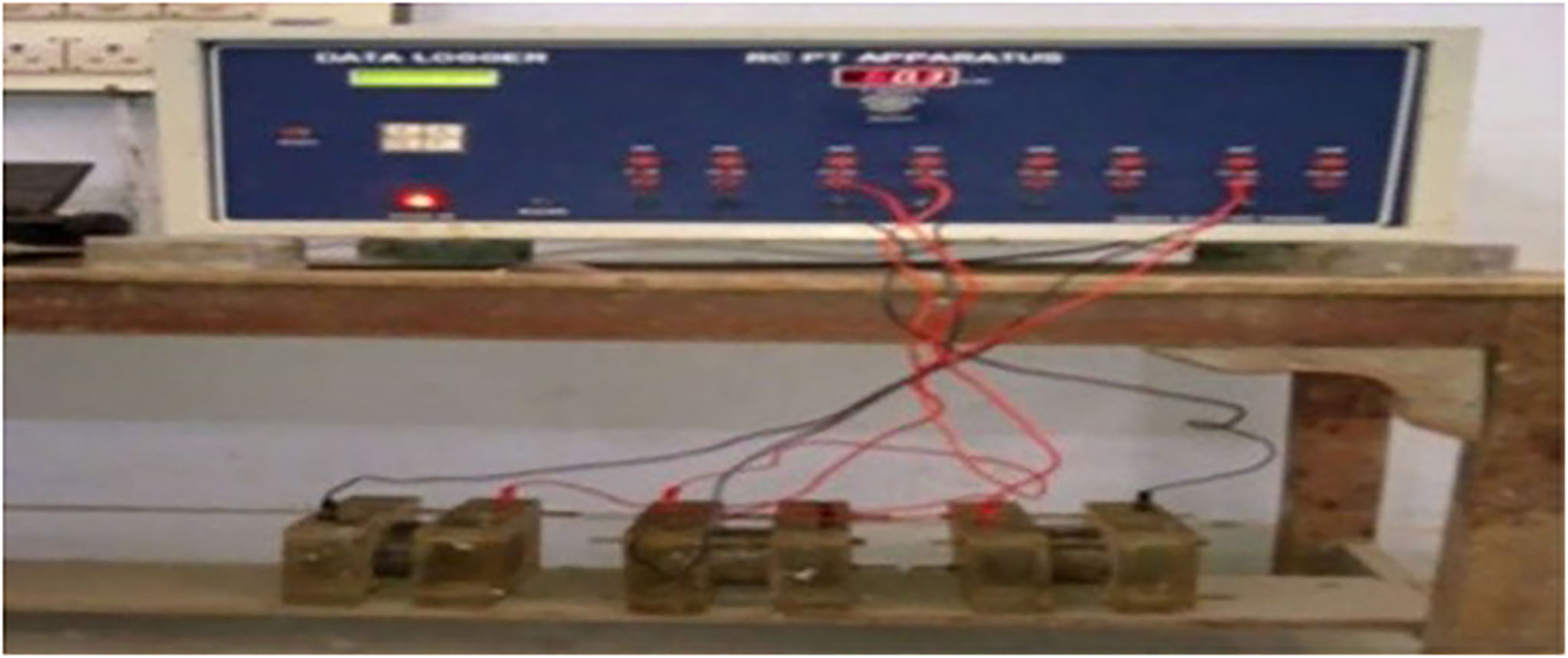
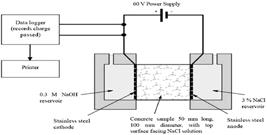
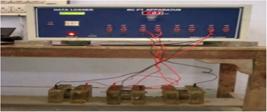
It is established that Rapid Chloride Ion Penetration Test (RCPT) is principally an evaluation of the electrical conductivity of geocomposite and standard concrete, depending on not only pore structure physiognomies but also pore solution chemistry. Diffusion of chlorine is one of the main reasons concrete. Consequently, it is vital to investigate the chloride-ion porousness of concrete. In standard concrete, its primary binding system is calcium silicate hydrate gel, whereas the binder in the case of geocomposite will be aluminum silicates. As indicated in Table 8, Figures 5, 6 and 7, the solution temperature at 30 minutes during the RCPT was extrapolated to 6 hours during the RCPT to determine the chloride ion penetrability.
4.3.4. Calculating the charge passing
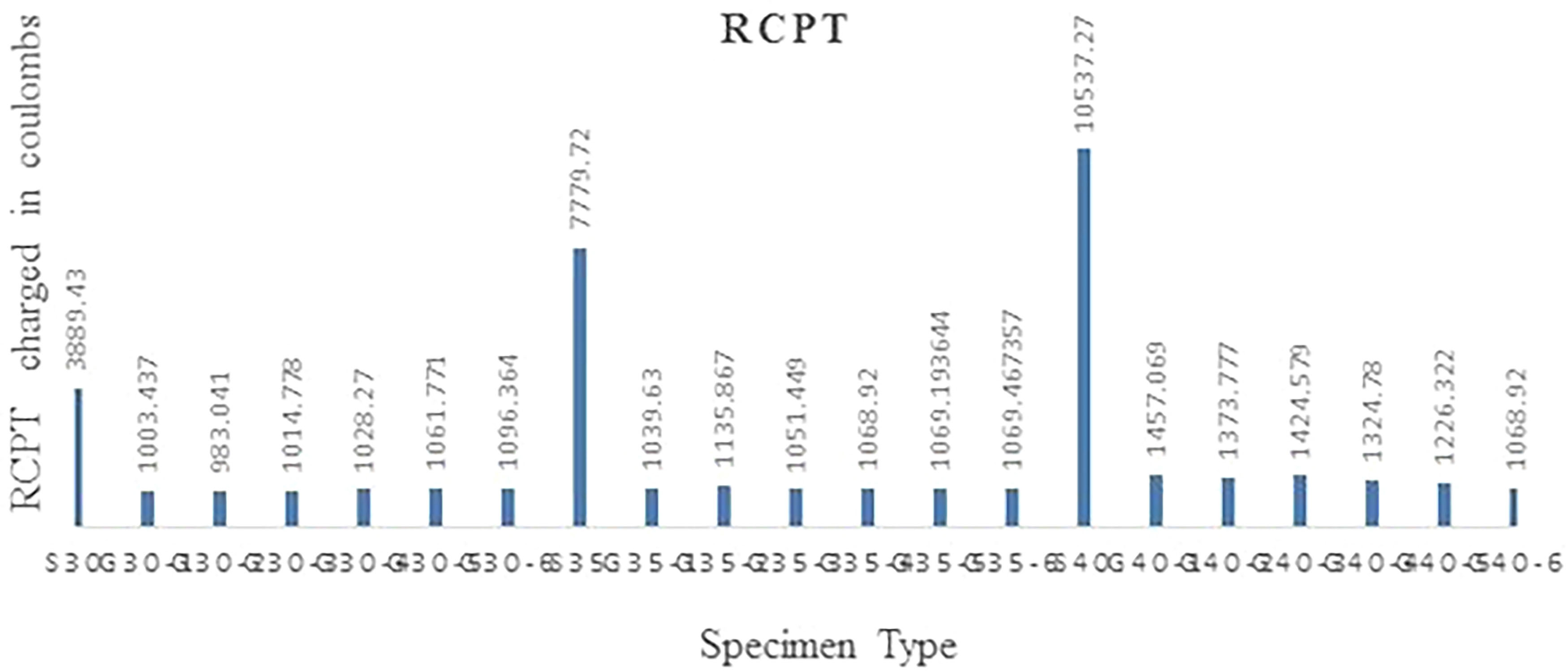
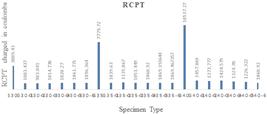
This procedure involved mounting a well-conditioned disc in a testing cell and filling chambers with a solution of NaOH and NaCl. The testing cell was next exposed to 60 V D.C. by measuring the quantum of the charges by recording through a computer as indicated in Figure 6. Because geopolymer composite uses highly conductive alkaline activator solutions, unreacted residual alkaline activator solutions may occasionally provide a false alert, causing one to believe that geocomposite is extremely chloride permeable. The RCPT charges go down when the geopolymer composite grade goes up. Thus, for higher grade concrete, we may state that the RCPT of geocomposite has low chloride ion absorptivity. Table 8 and Figure 7 demonstrates the outcomes of the average RCPT charged Coulombs of specimen cubes.
Outcome of the investigation reveals that the diverse charges conceded for 28 days were 1028.27, 1068.92 and 1324.78 Coulombs for M30, M35 and M40 grade geocomposite correspondingly. The diverse charges conceded for 28 days were 3889.43, 7779.72 and 10537.27 Coulombs for M30, M35 and M40 grade standard concrete, respectively. From the outcome of the investigation, it can be seen that the geopolymer composite has tremendous choride resistance over the continued curing phase.
5. CONCLUSION
Researchers have shown that the use of class C flyash poses a concern for flyash management since it can cause rebar corrosion. The initial effort made by this thesis to encourage the use of class C flyash in reinforced concrete for M30, M35, and M40 concrete was successful. Based on the research led to the general conclusions that follow.
In Class C fly ash increased susceptibility to sulphate attack due to its high calcium content; hence, along with the proper alkaline solution additive, it can be utilised for reinforced concrete. Based on the study’s conclusions, Class C flyash can be used for reinforced concrete with the appropriate alkaline solution admixture. This can be used in based cement because it can withstand drilling fluid contamination and has better mechanical and rheological properties than Portland cement.
By activating the rate of hydration and improving the early strength qualities of class C fly ash concrete, an alkaline solution consisting of sodium hydroxide and sodium silicate was added with an optimal molarity of 12.
The outcome of the investigation revealed that, up upto a certain molarity concentration, the compressive characteristics of the geopolymer composite can be amplified by increasing the molarity of the alkaline solution. This is because the sodium hydroxide’s alkaline environment encourages the geopolymer gels’ capability to blend together. After a while, though, the compressive characteristics of the geopolymer composite will start plunging. In our study, optimal molarity is 12.
The durability features of class C fly ash standard concrete, with regard to water absorption and RCPT, have improved with the addition of an alkaline solution containing sodium hydroxide and sodium silicate.
The amount of alkaline solution to be applied is equal to the percentage of fly ash that is added to the concrete in place of cement.
The amount of alkaline solution applied to fly ash-based standard concrete is likewise proportionate to the material’s high early strength. Class C flyash can be used for reinforced concrete with the appropriate alkaline solution admixture.
6. BIBLIOGRAPHY
-
[1] ALI, A.A., AL-ATTAR, T.S., ABBAS, W.A., “A statistical model to predict the strength development of geopolymer concrete based on SiO2/Al2O3 ratio variation civil”, Engineering Journal (New York), v. 8, n. 3, pp. 454–471, Mar. 2022. doi: http://doi.org/10.28991/CEJ-2022-08-03-04.
» https://doi.org/10.28991/CEJ-2022-08-03-04 -
[2] ALI, A.A., AL-ATTAR, T.S., ABBAS, W.A., “A statistical models to predict strength development of eight molarity geopolymer concrete”, Case Studies in Construction Materials, v. 17, pp. e01304, Dec 2022. doi: https://doi.org/10.1016/j.cscm.2022.e01304.
» https://doi.org/10.1016/j.cscm.2022.e01304 -
[3] ALI, A.A., AL-ATTAR, T.S., ABBAS, W.A., “Mechanical performance of blended fly ash-based geopolymer concrete with GGBS and metakaolin”, Engineering and Technology Journal, v. 40, n. 5, pp. 819–831, 2022. doi: https://doi.org/10.30684/etj.2022.132647.1135.
» https://doi.org/10.30684/etj.2022.132647.1135 -
[4] ALYASEEN, A., PODDAR, A., KUMAR, N., ET AL., “Influence of silica fume and Bacillus subtilis combination on concrete made with recycled concrete aggregate: experimental investigation, economic analysis, and machine learning modeling”, Case Studies in Construction Materials, v. 19, pp. e02638, 2023. doi: http://doi.org/10.1016/j.cscm.2023.e02638.
» https://doi.org/10.1016/j.cscm.2023.e02638 -
[5] ALYASEEN, A., PODDAR, A., KUMAR, N., ET AL., “High-performance self- compacting concrete with recycled coarse aggregate: soft-computing analysis of compressive strength”, Journal of Building Engineering, v. 77, pp. 107527, 2023. doi: http://doi.org/10.1016/j.jobe.2023.107527.
» https://doi.org/10.1016/j.jobe.2023.107527 -
[6] ALYASEEN, A., SIVA RAMA PRASAD, C.V., PODDAR, A., ET AL., “Application of soft computing techniques for the prediction of splitting tensile strength in bacterial concrete”, Journal of Structural Integrity and Maintenance, v. 8, n. 1, pp. 26–35, 2023. doi: http://doi.org/10.1080/24705314.2022.2142900.
» https://doi.org/10.1080/24705314.2022.2142900 -
[7] DILBAS, H., ÇAKıR, Ö., ATIş, C.D., “Experimental investigation on properties of recycled aggregate concrete with optimized Ball Milling Method”, Construction & Building Materials, v. 212, pp. 716–726, 2019. doi: http://doi.org/10.1016/j.conbuildmat.2019.04.007.
» https://doi.org/10.1016/j.conbuildmat.2019.04.007 - [8] EL-SHAFIE, Y.M., “Waste from stone industry as a cement additive towards a reduced carbon footprint of concrete”, PhD Thesis, University of Stuttgart, Stuttgart, 2020.
-
[9] CASAGRANDE, G.S., ZACCARON, A., GESUINO, D.B., et al. Analysis of the technical and environmental viability of adding waste from thermoelectric and coal processing in clay ceramic paste. Matéria (Rio de Janeiro), v 28, n. 3, pp. e20230066, 2023. doi: https://doi.org/10.1590/1517-7076-RMAT-2023-0066.
» https://doi.org/10.1590/1517-7076-RMAT-2023-0066 -
[10] INCE, C., HAMZA, A., DEROGAR, S., et al., “Utilisation of waste marble dust for improved durability and cost efficiency of pozzolanic concrete”, Journal of Cleaner Production, v. 270, pp. 122213, 2020. doi: http://doi.org/10.1016/j.jclepro.2020.122213.
» https://doi.org/10.1016/j.jclepro.2020.122213 -
[11] JOHNSON, B.G.C., RAMASAMY, M., NARAYANAN, A., “Experimental study and assessment of the structural performance of laced reinforced concrete beams against reverse cyclic loading”, Matéria (Rio de Janeiro), v. 29, n. 1, pp. e20240001, 2024. doi: http://doi.org/10.1590/1517-7076-rmat-2024-0001.
» https://doi.org/10.1590/1517-7076-rmat-2024-0001 - [12] JOHNSON, S.C., THIRUGNANAM, G.S., “Experimental study on corrosion of transmission line tower foundation and its rehabilitation”, International Journal of Civil & Structural Engineering, v. 1, n. 1, pp. 27–34, 2010.
-
[13] KACHANCHEERI, M.S., RAJAGOPAL, V.S.G., “Enhancing concrete performance with e-plastic waste and fly ash: a sustainable approach eplastic e plastic ash”, Matéria (Rio de Janeiro), v 29, n. 2, pp. e20240055, 2024. doi: https://doi.org/10.1590/1517-7076-RMAT-2024-0055.
» https://doi.org/10.1590/1517-7076-RMAT-2024-0055 -
[14] KRISHNASAMY, R., JOHNSON, S.C., KUMAR, P.S., ET AL., “Experimental investigation of lateral load test on diagonal braced 3m glass fiber reinforced polymer transmission tower”, Power Research-A Journal of CPRI, v. 19, n. 2, pp. 225–231, 2023. doi: http://doi.org/10.33686/pwj.v19i2.1150.
» https://doi.org/10.33686/pwj.v19i2.1150 -
[15] KRISHNASAMY, R., SINGARAM, C.J., PALANICHAMY, S., ET AL., “Testing and evaluation of buckling and tensile performance of glass fiber–reinforced polymer angle section with different joints/connections”, Journal of Testing and Evaluation, v. 52, n. 1, pp. 1–16, 2024. doi: http://doi.org/10.1520/jte20230010.
» https://doi.org/10.1520/jte20230010 -
[16] LI, Z., LU, D., GAO, X., “Optimization of mixture proportions by statistical experimental design usiresponse surface method-A review”, Journal of Building Engineering, v. 36, pp. 102101, 2020. doi: https://doi.org/10.1016/j.jobe.2020.102101.
» https://doi.org/10.1016/j.jobe.2020.102101 -
[17] LOGANATHAN, P., MOHANRAJ, R., SENTHILKUMAR, S., ET AL., “Mechanical performance of ETC RC beam with U-framed AFRP laminates under a static load condition”, Revista de la Construcción, v. 21, n. 3, pp. 678–691, 2022. doi: http://doi.org/10.7764/RDLC.21.3.678.
» https://doi.org/10.7764/RDLC.21.3.678 -
[18] MOHANRAJ, R., VIDHYA, K., “Evaluation of compressive strength of Euphorbia tortilis cactus infused M25 concrete by using ABAQUS under static load”, Materials Letters, v. 356, pp. 135600, 2024. doi: http://doi.org/10.1016/j.matlet.2023.135600.
» https://doi.org/10.1016/j.matlet.2023.135600 -
[19] MOHANRAJ, R., SENTHILKUMAR, S., PADMAPOORANI, P., “Mechanical properties of RC beams With AFRP sheets under a sustained load”, Materials Technology, v. 56, n. 4, pp. 365–372, 2022. doi: http://doi.org/10.17222/mit.2022.481.
» https://doi.org/10.17222/mit.2022.481 -
[20] MOHANRAJ, R., SENTHILKUMAR, S., GOEL, P., ET AL., “A state-of-the-art review of Euphorbia Tortilis cactus as a bio-additive for sustainable construction materials”, Materials Today: Proceedings, 2023. doi: http://doi.org/10.1016/j.matpr.2023.03.762.
» https://doi.org/10.1016/j.matpr.2023.03.762 -
[21] MOHANRAJ, R., SENTHILKUMAR, S., SHANMUGASUNDARAM, S., ET AL., “Torsional performance of reinforced concrete beam with carbon fiber and aramid fiber laminates”, Revista de la Construcción, v. 21, n. 2, pp. 329337, 2022. doi: http://doi.org/10.7764/RDLC.21.2.329.
» https://doi.org/10.7764/RDLC.21.2.329 -
[22] PACHECO, F., MOREIRA, M.A.B., KUWAKOWISKI, M.P., ET AL., “Coal bottom ash characterization aiming the incorporation in cellular concrete”, Matéria (Rio de Janeiro), v 26, n. 3, pp. e13007, 2021. doi: https://doi.org/10.1590/S1517-707620210003.13007.
» https://doi.org/10.1590/S1517-707620210003.13007 -
[23] PRASANTHNI, P., PALANISAMY, T., “Mechanical characteristics and structural behaviour of engineered cementitious composites using polyvinyl alcohol fiber”, Asian Journal of Research in Social Sciences and Humanities, v. 6, n. 7, pp. 749–761, 2016. doi: http://doi.org/10.5958/2249-7315.2016.00460.3.
» https://doi.org/10.5958/2249-7315.2016.00460.3 -
[24] PRASANTHNI P., PRIYA B., DINESHKUMAR G., ET AL., “Mechanical properties of coal ash concrete in the presence of graphene oxide”, International Journal of Coal Preparation and Utilization, v. 44, n. 4, pp. 377–387, 2023. doi: http://dx.doi.org/10.1080/19392699.2023.2284991.
» https://doi.org/10.1080/19392699.2023.2284991 -
[25] RAJESH, A.A., SENTHILKUMAR, S., SAMSON, S., “Optimal proportional combinations of rubber crumbs and steel slag for enhanced concrete split tensile strength”, Matéria (Rio de Janeiro), v. 28, n. 4, pp. e20230206, 2023. doi: http://doi.org/10.1590/1517-7076-rmat-2023-0206.
» https://doi.org/10.1590/1517-7076-rmat-2023-0206 -
[26] SELVAPRIYA, R., THANIGAIVELAN, R., “Development of interlocking flyash brick machine and study of brick structural efficiency”, Matéria (Rio de Janeiro), v. 29, n. 2, pp. e20230350, 2024. doi: http://doi.org/10.1590/1517-7076-rmat-2023-0350.
» https://doi.org/10.1590/1517-7076-rmat-2023-0350 -
[27] SEGHIR, N.T., MELLAS, M., SADOWSKI, L., ET AL., “Effects of marble powder on the properties of the air-cured blended cement paste”, Journal of Cleaner Production, v. 183, pp. 858–868, 2018. doi: http://doi.org/10.1016/j.jclepro.2018.01.267.
» https://doi.org/10.1016/j.jclepro.2018.01.267 -
[28] SHARMA, N., THAKUR, M.S., KUMAR, R., ET AL., “Assessing waste marble powder impact on concrete flexural strength using Gaussian process, SVM, and ANFIS”, Processes (Basel, Switzerland), v. 10, n. 12, pp. 2745, 2022. doi: http://doi.org/10.3390/pr10122745.
» https://doi.org/10.3390/pr10122745 -
[29] SHARMA, N., THAKUR, M.S., UPADHYA, A., ET AL., “Assessment of flexural strength of concrete with marble powder applying soft computing techniques”, Journal of Building Pathology and Rehabilitation, v. 8, n. 1, pp. 4, 2023. doi: http://doi.org/10.1007/s41024-022-00251-5.
» https://doi.org/10.1007/s41024-022-00251-5 -
[30] SEENIPEYATHEVAR, M.S., SHANMUGAM, B., RAMAKRISHNAN, A., ET AL., “A comprehensive study on advanced strategies to improve the performance, durability, and flexible behavior of cementitious materials performance durability”, Matéria (Rio de Janeiro), v 29, n. 3, pp. e20240217, 2024. doi: https://doi.org/10.1590/1517-7076-RMAT-2024-0217.
» https://doi.org/10.1590/1517-7076-RMAT-2024-0217 -
[31] SENGUTTUVAN, K., SELVARAJ, S., PERIASAMY, I.M.G., “Reduction of carbon footprint by development of green concrete with incorporation of quarry rock dust, activated slag and sisal fibers dust”, Matéria (Rio de Janeiro), v 29, n. 3, pp. e20240306, 2024. doi: https://doi.org/10.1590/1517-7076-RMAT-2024-0306.
» https://doi.org/10.1590/1517-7076-RMAT-2024-0306 -
[32] ULAGAMBIKA, P., MURUGAN, M., “Performance of fire damaged cement and geopolymer concrete slabs retrofitted with BFRP laminates under static loading”, Matéria (Rio de Janeiro), v 29, n. 2, pp. e20240015, 2024. doi: https://doi.org/10.1590/1517-7076-rmat-2024-0015.
» https://doi.org/10.1590/1517-7076-rmat-2024-0015 -
[33] VARDHAN, K., SIDDIQUE, R., GOYAL, S., “Influence of marble waste as partial replacement of fine aggregates on strength and drying shrinkage of concrete”, Construction & Building Materials, v. 228, pp. 116730, 2019. doi: http://doi.org/10.1016/j.conbuildmat.2019.116730.
» https://doi.org/10.1016/j.conbuildmat.2019.116730