 Optimization and assessment of concrete performance using ceramic waste and polypropylene fibers
ABSTRACT
The current research examines the mechanical and durability performances of concrete blended with ceramic waste powder (CWP) as partial cement substitute in conjunction with the use of polypropylene (PP) fibers. The experimental design considered the influence of different amounts of CWP and polypropylene fiber reinforcement on the tested parameters. Response Surface Methodology (RSM) was applied in this investigation for optimization and modelling purposes. In this regard, it is clear from the results obtained that 20% CWP with polypropylene fiber reinforcement (CCF + Cr20) represents the optimum mix. This mix gives rise to maximum compressive strength (44.8 N/mm2), which translates into a relative improvement by 33.75% when compared to control concrete. For the same mixture, the split tensile strength was recorded to be 5.6 N/mm2 (improved by 47.35%) whereas the flexural and shear strengths amounted to 7.5 N/mm2 (improvement by 66.65%) and 7.8 N/mm2 (+15.38%), respectively. The mix was seen to show resistance to acidic action and reduced chloride ion penetration. The prediction capability of RSM models developed in this work was validated with an average percentage error of 1.16%, 2.32%, 0.95% and 1.06% for compressive, tensile, flexural and shear strength predictions, respectively. This study concludes that 20% CWP combined with fiber reinforcement provides an optimal balance between mechanical performance, durability, and sustainability.
Keywords:
Ceramic waste powder (CWP); Polypropylene fibers; Cement replacement; Pozzolanic materials; Eco-friendly concrete
1. INTRODUCTION
Cement is an essential ingredient in concrete, but its production contributes to nearly 8% of global CO2 emissions. With the construction sector moving toward more sustainable solutions, Ceramic Waste Powder (CWP) has gained attention as a possible partial replacement for cement. CWP is a by-product that contains silica (SiO2), alumina (Al2O3), and magnesia (MgO). When it is not disposed of properly, it can harm vegetation, affect soil quality, and contaminate water bodies. Using CWP in concrete can therefore help reduce cement consumption and also prevent ceramic waste from ending up in landfills.
The main aim of recent studies is to find out how much CWP can be used in High-Performance Concrete (HPC) without affecting its key properties. The key parameters evaluated in this study include compressive strength, flexural strength, durability, and workability. The economic viability of using CWP is also influenced by the efficiency of its processing and transportation. Preliminary findings indicate that a replacement level of 10% results in strong interfacial bonding. VILLAROSA et al. [1] reported that CWP can replace up to 20% of cement with no major reduction in compressive strength or water absorption. Because of this, CWP-based concrete can be used in non-load-bearing elements like lightweight partition walls.
AL-FAKIH et al. [2] studied ceramic demolition waste and confirmed its pozzolanic behavior when used as a cement substitute. Their findings indicated that concrete incorporating ceramic waste was able to retain its mechanical performance and durability, while also contributing to a reduction in CO2 emissions. However, the authors highlighted challenges related to maintaining uniformity in waste materials, optimizing mix proportions, and evaluating long-term durability behavior.
KANAGARAJ et al. [3] supported the use of recycled materials and alternative binders, such as geopolymer concrete, to improve sustainability in the construction industry. Their work highlighted benefits like reduced emissions and better durability, but also pointed out issues related to material variability and overall economic viability. These results indicate the need for stricter regulatory frameworks and greater collaboration within the construction industry to encourage the adoption of sustainable concrete practices.
According to HARIKARAN et al. [4], the experiments were conducted with ceramic waste as coarse aggregate. It was seen that the compressive strength of CRWAC40 was 37.75 MPa, whereas in the control mix, it was 36.25 MPa. The split tensile strength was 3.58 MPa in the case of CRWAC40, while in the control concrete, it was 3.15 MPa, which is a 13% improvement in its strength.
In another study, HAMADA et al. [5] looked at using silica fume and ultrafine fly ash in cement pastes. These materials improved flowability, early strength, and durability because of their fine particle size and pozzolanic activity. Their work shows how industrial by-products can contribute to producing strong and durable high-performance concrete.
HARIKARAN et al. [6] studied bond strength in concrete made with 10% water hyacinth ash and reshaped tire rubber as a partial coarse aggregate replacement. Following 28 days of curing, bond strength tests were conducted using steel reinforcement bars with diameters of 16 mm and 20 mm. They observed that shorter embedment lengths improved bond behavior, while larger bar sizes reduced it. The study suggests that water hyacinth ash can be used to partially replace cement without significantly affecting bond strength.
ALSHARARI et al. [7] examined the use of industrial waste materials like fly ash, rice husk ash, and slag in ceramic manufacturing. They concluded that using such materials helps recycle waste, reduces environmental damage, conserves natural resources, and improves the physical properties of ceramic products.
HARIKARAN et al. [8] also studied self-compacting concrete (SCC) containing CT powder. They found optimum tensile, flexural, and compressive strengths of 7.8 MPa, 8.5 MPa, and 52.5 MPa. Using 50% CT powder helped meet EFNARC standards and improved durability and workability. The study showed that replacing fine aggregate with CT powder can increase compressive, flexural, and split tensile strengths by 12.5%, 9.33%, and 28.76% compared to normal SCC. Test results at different curing periods (7, 28, and 90 days) also supported this.
BABU et al. [9] studied polymer concrete, a durable composite formed by combining mineral fillers with a synthetic resin binder. In this study, the control concrete mixes were altered by incorporating Master Emaco SBR2—a styrene-butadiene copolymer latex known for its excellent dispersive characteristics—as a partial substitute for cement. The polymer resin was introduced at dosage levels of 2.5 L, 5 L, 10 L, and 12.5 L per 50 kg of cement. These modified mixes were compared with the conventional concrete, and the results were analyzed to determine the most effective resin dosage.
ÖZKILIÇ et al. [10] evaluated the use of (CWP) ceramic waste powder as a partial raw material in reinforced concrete beams (RCBs) to reduce environmental impact. Twelve shear RCBs (100 × 150 × 1000 mm) were tested with CWP replacement ratios of 10%, 20% and 30% and stirrup spacings of 160, 200, and 270 mm. Results showed that CWP contents above 10% negatively affected compressive strength, load-carrying capacity, and bending stiffness. Increasing CWP led to load reductions of up to ~60% and noticeable stiffness loss, regardless of stirrup spacing. Beams with closer stirrup spacing reached peak load at lower displacements as CWP increased. Overall, using up to 10% CWP was found to be structurally acceptable, economical, and environmentally beneficial due to reduced CO2 emissions and energy consumption.
CHANG et al. [11] were interested in reducing the burden on the environment from cement production and ceramic waste management by leveraging supervised machine learning models for predicting the compressive strength of ceramic waste powder concrete (CWPC). Six different predictive models were assessed, of which the most accurate was the Random Forest model, with an R2 score of 0.97, as well as RMSE and MAE of 1.40 and 1.13, respectively. The robustness of the model was tested through k-fold cross-validation. Through SHAP analysis, the importance of each feature was determined, and it was found that curing age is the main contributor to compressive strength formation. It was found that the life-cycle assessment showed that incorporating 10% ceramic waste powder can lead to up to 7–9% reductions in impacts related to resource depletion, climate change, ecological damage, and impacts on human health.
The current research by SHANMUGAM et al. [12] investigated the use of ceramic waste powder along with kenaf fiber as partial substitutes for river sand to design an economical and eco-friendly concrete. Two experimental phases were employed in the study. In the first stage, ceramic waste powder was included in concrete mixes at different percentages from 20% up to 80% with an optimal replacement ratio of 20%. At this percentage of addition, the compressive, flexural, and splitting tensile strength increased by 9.2%, 19.1%, and 2.7%, respectively. The second phase involved adding kenaf fibers at different percentages from 0% to 2% with 20% of optimum ceramic waste powder content. Flexural and splitting tensile strength were improved significantly by 35.7% and 18%, respectively, due to the addition of 1% fiber content; however, a slight reduction in compressive strength was observed. It was found from durability tests that concretes containing 20% ceramic waste powder and 0.5% kenaf fiber had a decreased loss in mass and strength due to acidic condition along with a decreased rate of chloride ion permeability.
From the results of ALOTAIBI et al. [13], it becomes apparent that sustainability is better achieved by the functionality, shape savings, and avoidance of repairs rather than comparison based on volume. As shown through life cycle assessment, using low-clinker binders, minimizing reinforcements, and extending life span contribute to lowering life cycle impacts of UHPC. Based on the findings, this paper puts forward the mechanism and indicator of sustainable development goals (SDGs), a circular UHPC concept, and a decision-making flow chart showing UHPC as a performance-enabled material.
NAUKHEZ et al. [14] found that the results of experimental investigation were correlated well with those from MTM. Second, the optimization dosages of SCMs were carried out using Taguchi-Gray relational analysis method, with GGBS, MS, and MK at 20%, 10%, and 10%, respectively. Third, the amount of optimum binder dosage was selected to be 850 kg/m3 based on the requirement of target paste volume. Lastly, hybrid fibers improved properties of UHPC due to the combined effect of calcium-aluminate and steel fibers that formed a rigid skeleton.
Evaluation of the literature and evaluation of some other issues related to the literature has also been done by TAO et al. [15]. In addition to this, discussion of global research gap and its future direction is made with the consideration of current research gap and scope. The analysis of data availability and futuristic recommendations have been written logically. From the analysis of the literature, the superiority of NIOAs from all other applied algorithms has been found out. It can be concluded that there is a need for improvement in technical aspects of Qflow prediction, as well as the gap between scientific research and practical application needs to be filled.
SAMANTARAY et al. [16] investigate and analyze performances of hybrid models such as particle swarm optimisation and grey wolf optimisation with extreme learning machine (ELM-PSOGWO) for predicting the GWL with respect to models such as ELM-GWO, ELM-PSO, ELM, Twin-support vector regression (T-SVR), and SVR according to the coefficient of determination (R2), mean absolute error (MAE), root mean square error (RMSE), and Nash-Sutclife efficiency coefficient (NSC). The result of this study indicates that hybridized ELM-PSOGWO (R2 = 0.9969, RMSE = 0.0088, NSC = 0.9961, MAE = 0.0047) performed best followed by ELM-GWO, ELM-PSO, ELM, TSVR, and SVR in GWL prediction. From the results presented, it is clear that hybrid model ELM-PSOGWO presents a very high level of conformity with actual values of GWL. Therefore, in conclusion, it has been shown through this study that hybrid optimization algorithm enhances performance of ELM model remarkably in the prediction of GWL. Application of AI technique saves resources and manpower used conventionally.
In order to identify the hyper-parameters of the LSTM model, HHO, Salp Swarm Algorithm (SSA), Sine Cosine Optimization Algorithm (SCO), Grey Wolf Optimization (GWO), and Particle Swarm Optimization (PSO) were coupled with LSTM model. For evaluating the efficiency of models, statistical assessment was conducted using Willmott Index (WI), Root Mean Squared Error (RMSE), Coefficient of Determination (R2), PBIAS, and Mean Absolute Percentage Error (MAPE). As per the findings, the hybrid LSTM-IHHO model yielded higher precision and reliability for prediction in comparison with LSTM-HHO, LSTM-SSA, LSTM-SCO, LSTM-GWO, LSTM-PSO, and standalone LSTM models. As far as performance is concerned, the LSTM-IHHO model achieved better prediction results with RMSE = 19.3658, WI = 0.9614, R2 = 0.9663, and PBIAS = -3.5467 for Kantamal, RMSE = 19.9854, WI = 0.9608, R2 = 0.9657, and PBIAS = 2.3665 for Kesinga, RMSE = 20.0019, WI = 0.9605, R2 = 0.96547, and PBIAS = -0.351 for Salebhata, and RMSE = 19.5321, WI = 0.961, R2 = 0.9659, and PBIAS = -0.9264 for Sundergarh during the testing phase. Furthermore, the LSTM-IHHO model was capable of providing more accurate estimates of the peak discharge due to lowest MAPE and RMSE than other methods.
BISWAKALYANI et al. [17] in the review, all Machine Learning models utilized for Groundwater Level modeling from the year 2000 until 2024 (334 sources) are included, as well as the features of the investigated papers regarding the kinds of models, length of data, time periods, input and output variables, and criteria of the performance. Moreover, some ideas on possible future research areas are provided to enrich knowledge in GWL modeling.
SAMANTARAY et al. [18] as the result of analysis, it is clear that the ELM-PSOGWO model represents the high accordance between predicted data and observations. Thus, the contribution made by this work demonstrates that hybrid optimization approaches could improve significantly the ELM model performance in terms of GWL prediction. Modern AI technologies are quite capable of assessing the status of groundwater system, thus saving resources and labor costs traditionally invested.
Sandeep SAMANTARAY [19] the proposed AHELM model was evaluated for its predictive accuracy and reliability by comparing it with the classical ELM using statistical parameters of R2, RMSE and NSE. The findings were encouraging as the AHELM model outperforms ELM and gave better R2 = 0.9812 and NSE = 0.9756. The proposed model shows better performance in terms of temperature predictions and increased forecast reliability according to the statistical analysis results.
KUMAR et al. [20] the findings obtained after conducting tests on the first and second set of specimens have been reviewed along with those of the third set of specimens which have been made by combining mixes of FA + MK with replacement ratios of 15%FA + 4.5%MK, 20%FA + 9%MK, 25%FA + 13.5%MK, 30%FA + 18%MK. It is observed that a combination of 25%FA + 13.5%MK resulted in a better increase in strength, drying shrinkage, and reduction in cracking width formation as compared to the substitution of individual constituents.
KUMAR et al. [21]: All concrete mix proportions have been used to study the increase in the behavior of strength of concrete after curing up to 28 days. The results have shown that with optimum mix of 15% FA, 12% SF and 1% steel fibers inclusion gave a higher compressive strength of 5.89% with workability. Also, the mix gave a good performance with regard to the increase in flexural and split tensile strength of 20.40% and 28.02% respectively. Therefore, it has been found that the blending of FA, SF and steel fibers can give optimum performance for improvement in strength and workability of concrete.
VIVEK et al. [22]: Properties and applications of waste materials have been studied for its performance in pavement construction, providing economical and environmental advantages in reducing carbon dioxide emission during constructions as well as increasing pavement durability and life span.
RAY et al. [23] Preliminary testing has been carried out for 18 mixtures and among them mix S-0.5-1-12M has been selected as the best mix, considering their strength properties, in which the ratio of AAS (Alkali Activated Slag) to GGBS (Ground Granulated Blast Furnace Slag) is 0.5 and ratio of SSS: SHS (Sodium Silicate Solution to Sodium Hydroxide Solution) is 1.0 containing 12 M of NaOH solution. Preparation of alkaline solution has been made 24 h before casting of specimens. Conventional procedure has been used for mixing, compaction, and molding process to produce AASC. A total of 144 cubes of size 150 × 150 × 150 mm, 180 cylinders of size 150x300 mm and 144 prisms of size 500 × 100 × 100 mm have been casted. Specimens were cured under ambient conditions for 7, 28, 56 and 91 days and then heated at temperature of 270, 1000, 2000, 3000, 4000 and 500 °C for one hour. It is found from the above testing that AASC mixture has better mechanical properties when compared with that of CC mix.
HASHIM et al. [24] The most significant mechanical properties gains were noted with the use of 5 wt.% HCCP, which increased compressive strength, tensile strength, and flexural strength at 90 days by 26.5%, 22%, and 22.4%, respectively. As for the best enhancement ratio for the durability, microstructure, and environmental efficiency properties, the optimum was reported at 20 wt.% HCCP replacement ratio. However, in this case, strength declined but still remained higher compared to the RAC control value. Thus, the water absorption, surface water absorption, void ratio, chloride penetration depth, and migration coefficient were reduced by 47%, 45%, 38%, 62.3%, and 55.52%, respectively.
HASHIM et al. [25] Various tests such as slump test, time of setting (initial and final), compressive strength, splitting tensile strength, flexural strength, electrical resistivity, porosity, water absorption (total and surface water), chloride ion diffusion coefficient, chloride penetration depth, microstructure analysis, and environmental assessment were conducted to investigate the properties of concrete with 25% replacement by weight of RA and RCWGP in the proportion of 5%, 10%, 15%, and 20%. The results showed that RCWGP content at 15% gave the optimum mechanical properties, chloride ion penetration resistance, and minimum permeability and water absorption values. In contrast, the lowest CO2 emission value was observed for the mixture containing 20% of RCWGP and the reduction value was 25% and 24% in 28-day and 90-day ages compared to the reference mix. Besides, the values of total water absorption, surface water absorption, and percentage of permeable pores at various ages were improved. In particular, at 90 days, the values decreased 24%, 34%, and 10% from those of the reference mix, respectively.
HASHIM et al. [26] The results revealed that UFCe greatly improved the compressive and tensile strength properties as well as decreased water absorption and porosity when compared to the control mixture after 90 days of curing. In addition, UFCe also reduced chloride permeability and corrosion rate significantly when compared to the control mixture. The presence of UFCe also helped to improve the microstructure by enhancing the hydration process of the ultrafine particles. However, the best enhancement in mechanical strength, durability, and microstructure occurred at the UFCe content replacement level of 0.5%. For instance, the compressive strength and tensile strength improved by 33% and 9%, respectively, while the total water absorption and migration coefficient were improved by 42% and 67%, respectively.
HASHIM et al. [27] According to the results obtained, it was found that the synergistic effect of both components increased significantly when 10% WG and 0.5% UFC were mixed together. Its compressive strengths at 28, 90, and 180 days were 44.53, 48.83, and 56.17MPa, respectively, which were higher than those of ternary and quaternary mixes such as Portland cement + ultrafine cerium oxide + Ceramic Powder and Portland cement + WG powder + CP + UFC. Additionally, it was found to have a lower corrosion rate than the reference mixture (RA-C), ternary mixture (RA-CP10UFC0.5), and quaternary mixes (RA-CP10WG10UFC0.5). On the other hand, it was seen that the quaternary mix (RA-CP10WG10UFC0.5) possessed 40% and 45% lower porosity and water absorption values, respectively, than the control mixture and higher electrical resistivity by 54%.
The primary objective of this study is to evaluate the mechanical and durability performance of concrete incorporating Ceramic Waste Powder (CWP) as a partial replacement for cement along with Polypropylene Fiber (PPF) reinforcement. The novelty of this research lies in the integrated approach adopted, which includes:
-
The combined utilization of CWP and PPF, aiming to simultaneously enhance strength and crack resistance, whereas most previous studies have focused on either material independently.
-
The application of Response Surface Methodology (RSM) to develop predictive models and optimize mix proportions, providing a systematic and statistically validated approach.
-
RSM was adopted due to its ability to develop predictive models and optimize responses using a limited number of experiments. It also captures interaction effects between variables and provides clear mathematical relationships. The method demonstrated high accuracy with minimal error, making it suitable for this study.
-
The inclusion of shear strength analysis, which is rarely addressed in studies involving waste material-based concrete.
-
A comprehensive durability assessment, including acid resistance and chloride ion permeability, to evaluate long-term performance.
-
The identification and validation of an optimal mix proportion (20% CWP with fiber reinforcement) with minimal prediction error, ensuring both performance efficiency and sustainability.
Despite extensive research on supplementary cementitious materials and fiber-reinforced concrete, limited studies have investigated the combined effect of Ceramic Waste Powder (CWP) and Polypropylene Fiber (PPF) on both mechanical and durability properties. In addition, the application of Response Surface Methodology (RSM) for optimization of such systems remains limited, and parameters such as shear strength and durability performance are often not comprehensively addressed. Based on these identified gaps, the aim of this study is to evaluate the mechanical and durability performance of concrete incorporating CWP and PPF, and to develop an RSM-based predictive model for optimization of mix proportions. The study further aims to identify the optimal replacement level and validate the model through experimental results.
1.1. Advantages and limitations of the proposed model
1.1.1. Advantages
-
The proposed analytical model developed using Response Surface Methodology (RSM) offers several advantages:
-
It provides a systematic and efficient approach for modeling and optimization with a limited number of experimental trials.
-
The model establishes explicit mathematical relationships between input variables (CWP content and PPF) and output responses (mechanical properties), enabling easy interpretation.
-
It effectively captures the interaction effects between variables, which are critical in fiber-reinforced and waste-modified concrete.
-
The model demonstrates high prediction accuracy, with very low percentage error (<3%), confirming its reliability.
-
It allows optimization of mix proportions, identifying the optimal level (20% CWP) for enhanced performance.
-
Compared to complex machine learning techniques, the model is simple, transparent, and easy to implement.
1.1.2. Limitations
Despite its advantages, the proposed model has certain limitations:
-
The model is valid only within the experimental range of variables considered in this study and may not be directly applicable beyond this range.
-
It is based on a limited dataset (experimental trials), which may affect generalization under different conditions.
-
The model assumes a polynomial relationship, which may not fully capture highly nonlinear behavior at extreme material proportions.
-
External factors such as environmental conditions, curing variations, and material inconsistencies are not explicitly included in the model.
-
Compared to advanced machine learning approaches, the model may have lower adaptability for large and complex datasets.
2. MATERIAL AND METHODS
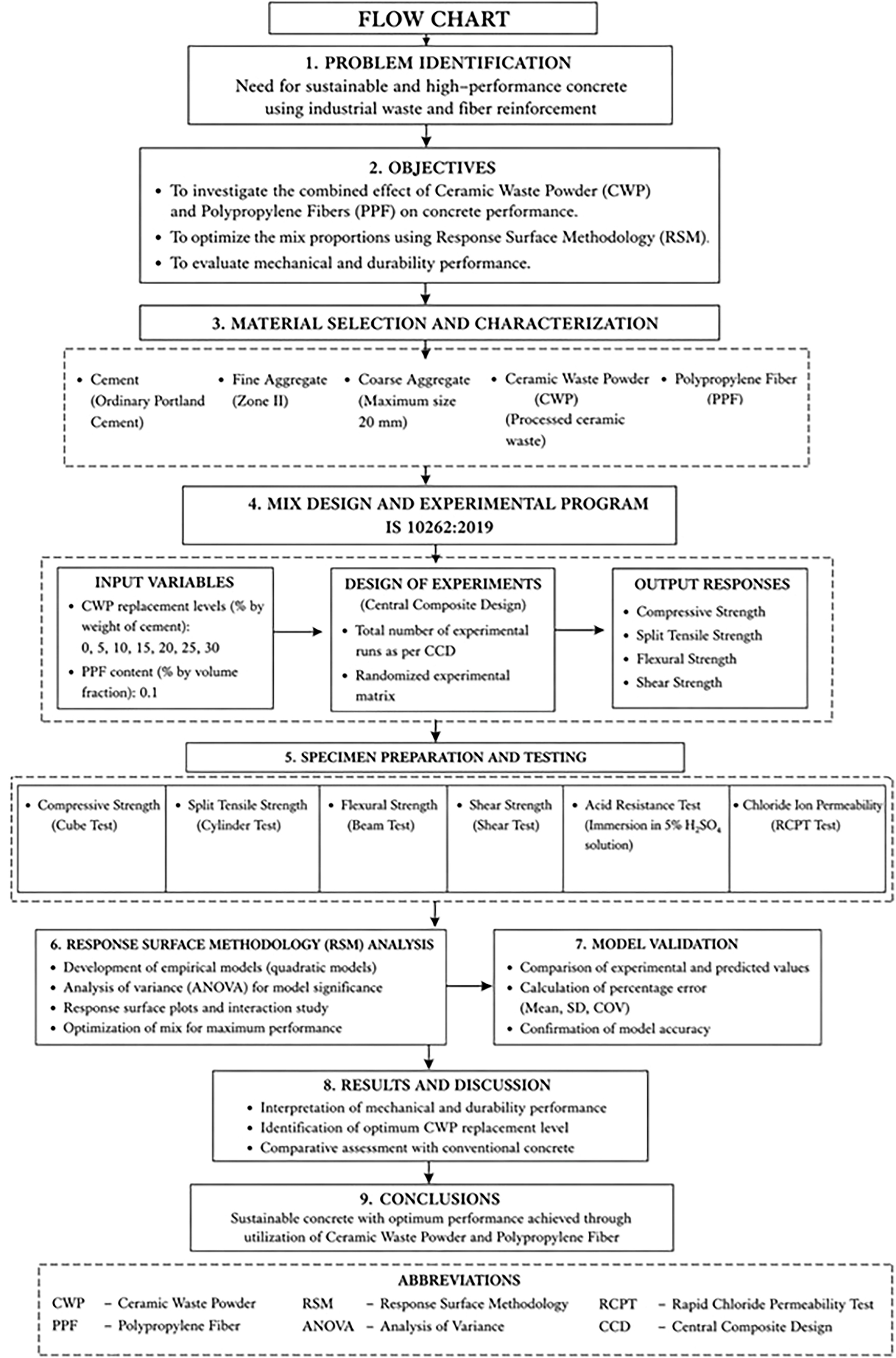
The methodology adopted in this study consists of experimental investigation and statistical modeling. Concrete specimens were prepared using varying proportions of Ceramic Waste Powder (CWP) as partial cement replacement along with Polypropylene Fiber (PPF) reinforcement. The selection of these materials is based on their proven potential to enhance sustainability and mechanical performance, as reported in previous studies.
The range of input parameters was chosen considering practical feasibility and literature recommendations to ensure realistic and applicable results. A systematic experimental program was conducted to evaluate key mechanical properties, including compressive, tensile, flexural, and shear strength.
For modeling and optimization, Response Surface Methodology (RSM) was employed due to its capability to develop reliable predictive relationships using a limited number of experiments. RSM also enables the analysis of interaction effects between variables, which is essential in composite material systems.
The developed models were validated by comparing predicted results with experimental data using error analysis, demonstrating high accuracy and reliability. This combined experimental and analytical approach ensures a robust and scientifically justified methodology.
2.1. Material
2.1.1. Cement
Ordinary Portland Cement (OPC) of 53 grade was procured from Sri Devi Traders, Erode, Tamil Nadu. Table 1 shows the cement physical parameters, which were assessed in accordance with the Indian Standard standards IS 12269:1987.
2.1.2. Ceramic waste powder
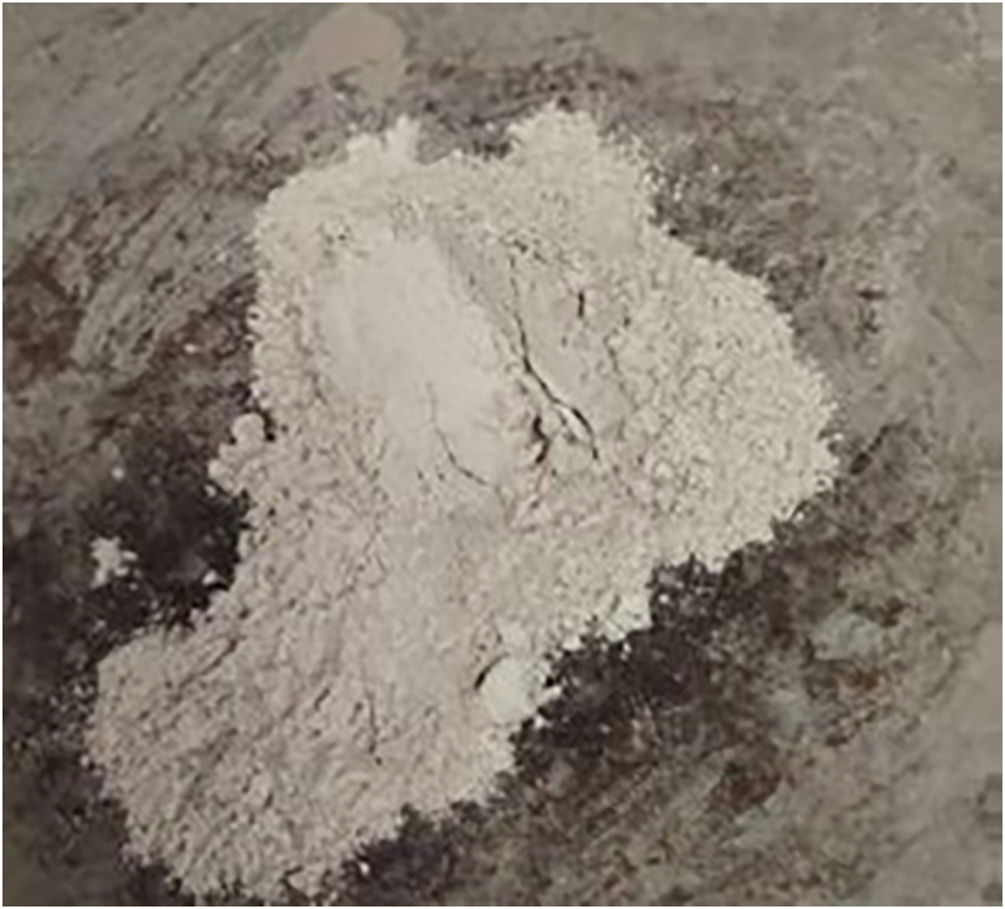
The ceramic waste powder utilized in this study was purchased from the Perundurai SIPCOT Industrial Area, Erode, Tamil Nadu, which is home to several tile and sanitaryware production facilities. Table 2 summarizes the physical characteristics of the ceramic waste powder and illustrates the appearance of the crushed material when employed as a partial replacement for cement. According to RANI et al. [28], ceramic waste exhibits high hardness and durability, while possessing relatively lower specific gravity and bulk density. The ceramic powder created from crushed ceramic waste is seen in Figure 1.

2.1.3. Fine aggregate
Natural river sand purchased from Erode, Tamil Nadu, used as the fine aggregate for this investigation. The sand’s physical qualities were assessed in compliance with the applicable Indian Standard standards, and Table 3 provides a summary of the fine aggregate’s physical characteristics test findings. According to river sand serves as a suitable Fine aggregate and conforms to the requirements of IS: 383-1970.
2.1.4. Coarse aggregate
The coarse aggregates sourced from the Ramakrishna Crushing Unit located in Erode, Tamil Nadu. The coarse aggregate utilized in similar studies had a maximum particle size of 20 mm. Table 4 provides a summary of the physical properties of the natural coarse aggregate as determined by the applicable Indian Standard (IS) testing techniques.
2.1.5. Super-plasticizer
Conplast SP430 is a chloride-free superplasticizer made from sulphonated naphthalene formaldehyde polymers and is supplied as a brown liquid. It helps improve both early and final strength by reducing the water required in the concrete mix. This admixture is commonly used in high-strength and precast concrete. The suggested dosage is 1.00–3.00 L per 100 kg of cement when strength improvement is needed, and 0.70–2.00 L per 100 kg of cement when better workability is the focus. Fosroc SP430, which is also produced using sulphonated naphthalene-based polymers, works in a similar way. It improves the flow of concrete and allows a lower water-cement ratio. According to ELINWA et al. [29], it provides good workability and strength in both normal and specialized concrete mixes.
2.1.6. Polypropylene fibre
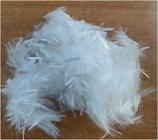
The polypropylene fibers purchased from Sri Vignesh Traders, Erode, Tamil Nadu. These synthetic fibers, produced from polypropylene, enhance the durability of concrete by limiting shrinkage-induced cracking. They possess high tensile strength and excellent chemical resistance, making them suitable for both structural and non-structural applications. Owing to their ease of dispersion in concrete and cost efficiency, polypropylene fibers are widely adopted in modern construction practices, as reported by BANTHIA et al. [30]. The polypropylene fibers utilized in the present study are illustrated in Figure 2.
In the present study, commercially available micro polypropylene fibers were used, with a fixed geometry and surface characteristics as supplied by the manufacturer. The fibers had an average length of approximately 12 mm and an equivalent diameter in the range of 18–20 μm, resulting in an aspect ratio (L/d) between 600 and 700. The fiber surface was smooth, which is characteristic of polypropylene fibers and helps minimize agglomeration during mixing. As only a single type of fiber was employed throughout the experimental program, the fiber geometry and surface characteristics were maintained consistently across all mixtures. The fiber dosage was controlled by mass (kg/m3), and the corresponding fiber count per unit volume varied consistently with the dosage. Uniform fiber distribution was achieved through a controlled mixing procedure rather than by explicitly counting fibers per liter. To prevent fiber balling and ensure homogeneous dispersion, a specific mixing sequence and duration were followed. Initially, cement, ceramic waste powder, fine aggregate, and coarse aggregate were dry-mixed for approximately 2–3 minutes. Polypropylene fibers were then added gradually in small portions to the dry mix to promote uniform separation. Afterward, water mixed with the required dosage of superplasticizer was introduced slowly, and the concrete was mixed for an additional 3–4 minutes until a uniform and cohesive mixture was obtained. This staged mixing approach effectively minimized fiber clustering and ensured consistent fiber distribution in all batches.
The maximum polypropylene fiber dosage adopted in this study was 0.78 kg/m3. Considering the density of polypropylene fibers, this dosage corresponds to a volumetric fiber content of about 0.086% by volume. This level of fiber addition falls within the commonly accepted range for micro polypropylene fibers used in cementitious composites and does not represent a critical threshold for workability. Any potential reduction in workability associated with fiber incorporation was addressed through the use of a superplasticizer, rather than by increasing the mixing water. This approach ensured adequate fiber dispersion and consistent workability across all mixtures.
2.1.7. Micro structural analysis
2.1.7.1. Scanning electron microscope (SEM)
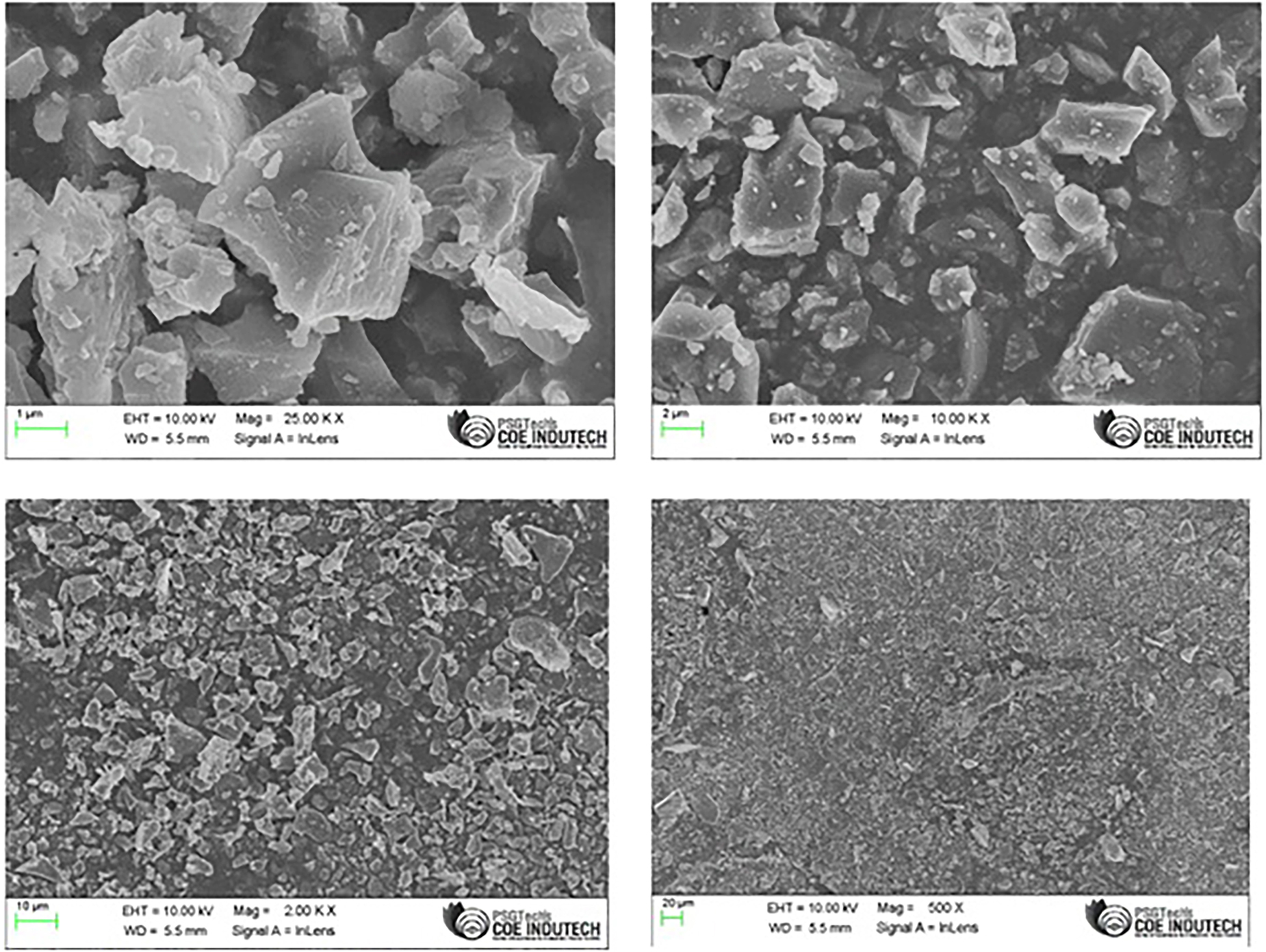
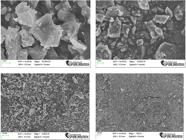
Figure 3 shows a highly magnified image of Ceramic Powder, most likely taken using a scanning electron microscope (SEM). The scale bar marked “20 µm” indicates that the visible area covers 20 micrometres. The instrument settings below the image “MAG: 2500×, H.V.: 20.0 kV, WD: 5.6 mm” show the magnification used, the accelerating voltage, and the working distance. This microscopic view helps in understanding the structure and surface characteristics of Ceramic Powder, which cannot be seen with the naked eye.
2.1.7.2. Energy dispersive spectroscopy (EDS)
Figure 4 illustrates the variation of the measured property with respect to the change in ceramic waste powder (CWP) content. It is observed that the response increases progressively with an increase in CWP up to an optimal level of 20%, after which a declining trend is evident. This behavior is attributed to the combined pozzolanic reaction and micro-filler effect, which enhance the density and strength of the cement matrix at lower replacement levels.
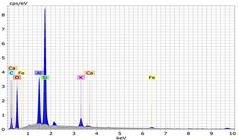
Beyond the optimum level, the reduction in performance may be due to the dilution of cementitious content and reduced binding capacity, leading to weaker matrix formation. The incorporation of polypropylene fibers contributes to improved crack resistance and ductility, further influencing the overall response.
The trend observed in Figure 4 clearly demonstrates the existence of an optimal replacement level and highlights the synergistic effect of CWP and fiber reinforcement on the performance of concrete.
2.1.7.3. X-ray diffraction analysis (XRD)
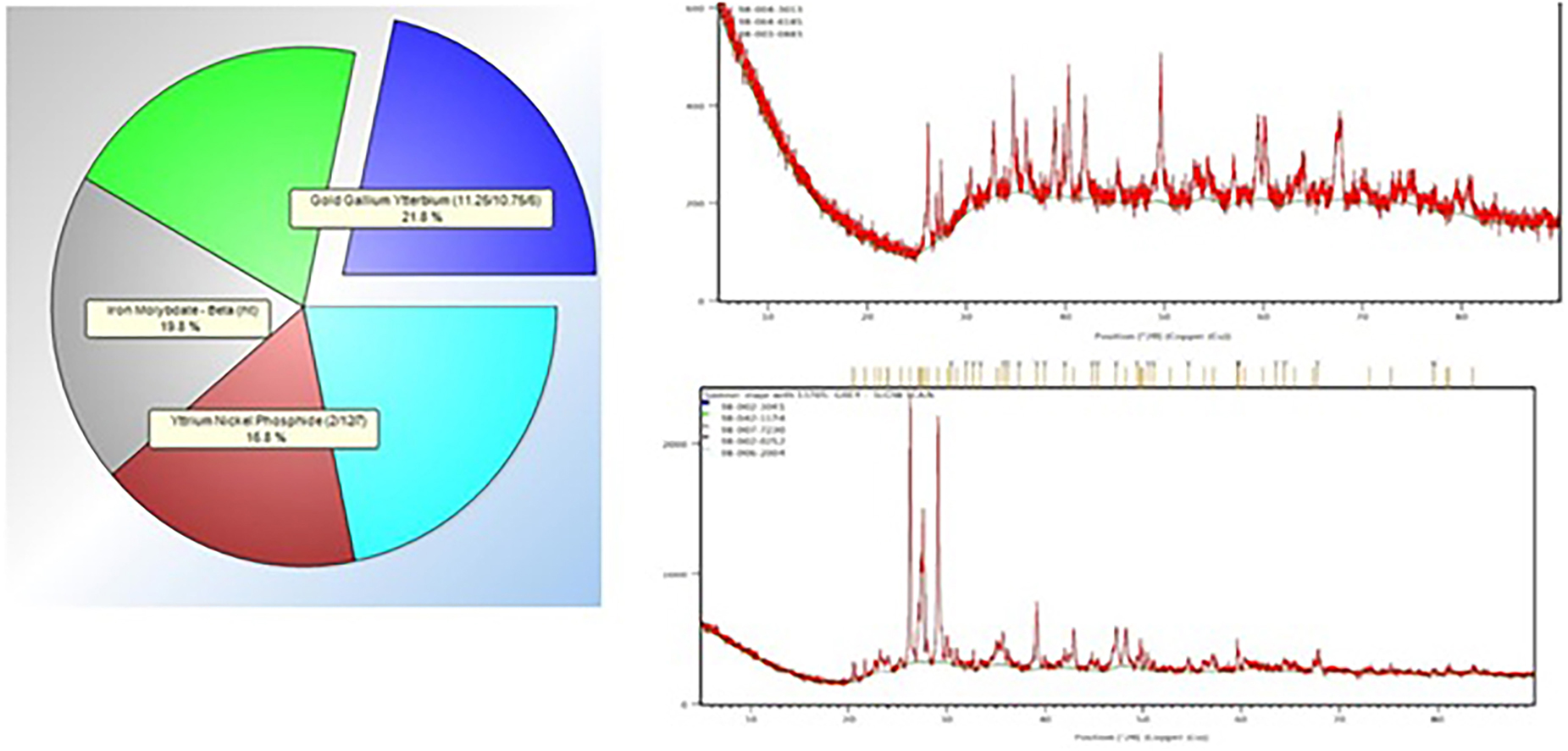
Figure 5 presents the X-ray diffraction (XRD) pattern of the ceramic waste powder, used to identify crystalline phases and assess their influence on material performance. The presence of sharp and well-defined diffraction peaks confirms a highly crystalline structure with negligible amorphous content.
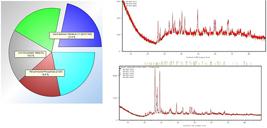
A critical analysis of the XRD pattern indicates that the dominance of crystalline phases (orthorhombic and hexagonal structures) contributes to the structural stability of the material. However, the low amorphous content suggests limited intrinsic pozzolanic reactivity, implying that strength enhancement is not primarily driven by chemical reactions alone.
Instead, the performance improvement observed at moderate replacement levels (up to 20%) can be attributed mainly to the micro-filler effect, where fine ceramic particles enhance packing density, reduce porosity, and improve the interfacial transition zone. This interpretation is supported by SEM observations showing dense microstructure formation.
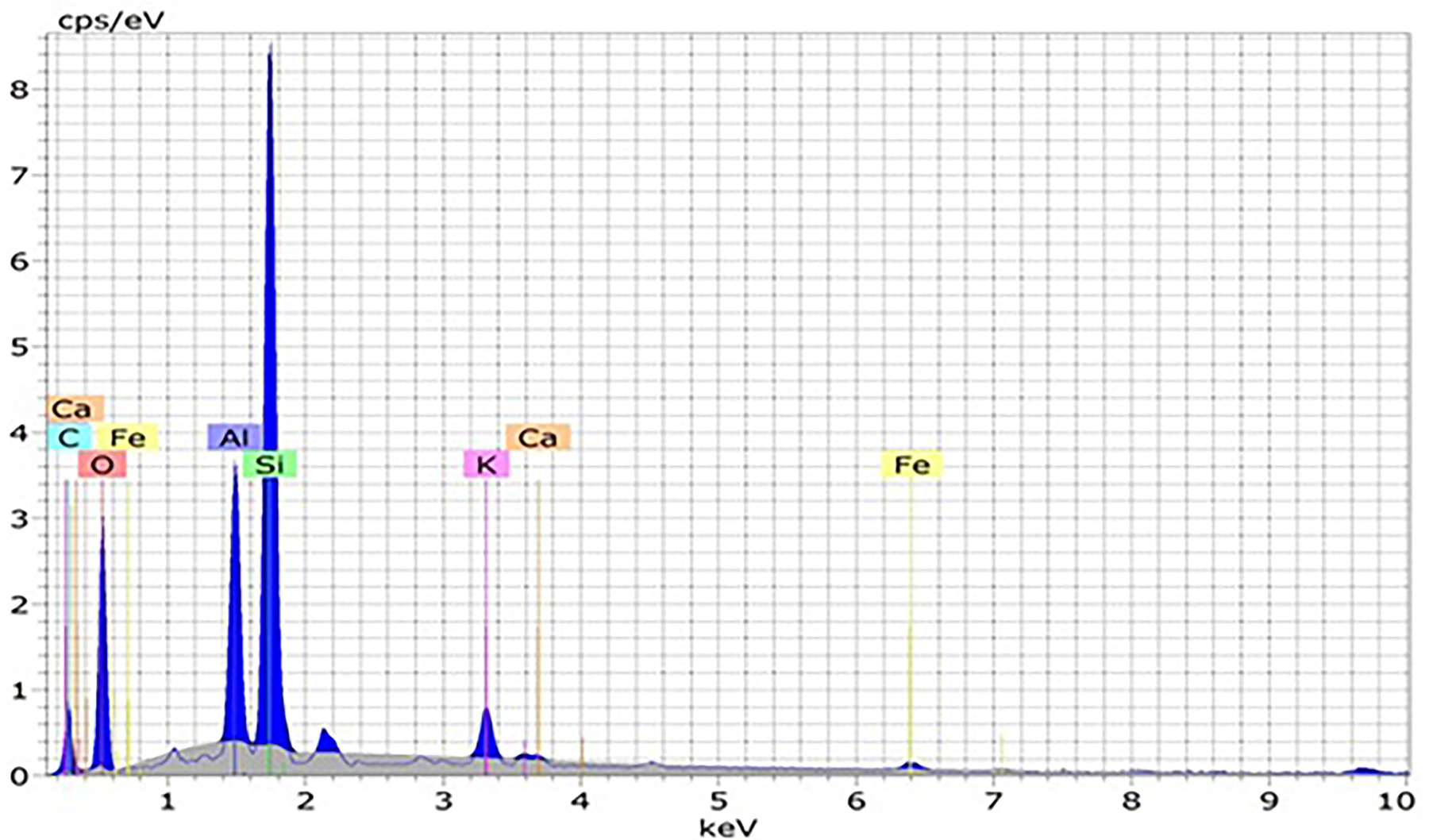
Additionally, the presence of silica- and alumina-rich phases, confirmed through XRD and EDS, indicates the possibility of secondary pozzolanic reactions, contributing to long-term strength development, although at a slower rate.
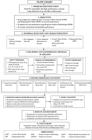
The analytical results also explain the observed reduction in strength at higher replacement levels, which can be attributed to the dilution effect, where reduced cement content outweighs the benefits of filler action and limited reactivity. Schematic representation of the study methodology shown in Figure 6.
2.1.8. Mix design for concrete
The M30 grade concrete mix was designed according to the guidelines provided in IS 10262. The final mix proportion obtained was 1: 1.72: 3.26: 0.37, representing cement, fine aggregate, coarse aggregate, and water respectively. This mix ratio was selected to ensure that the concrete meets the required strength and durability for M30 grade applications. CWP replacement percentages were calculated with respect to cement mass only. Accordingly, cement content was reduced and replaced by an equivalent mass of CWP, causing the total binder content to vary across mixes. The kg/m3 values were obtained from this cement-based replacement.
The mix proportion 1:1.72:3.26:0.37 represents the ratio of cement, fine aggregate, coarse aggregate, and water, respectively, and the value 0.37 corresponds to the water–cement ratio (w/c). Ceramic waste powder (CWP) was used as a partial replacement of cement, and therefore the effective water–binder ratio (w/b) varied with the level of CWP replacement. To account for the higher surface area and fine-grained nature of CWP, workability was controlled using a superplasticizer (Conplast SP430) rather than by increasing the mixing water. The dosage of superplasticizer was adjusted within the recommended range to maintain comparable workability for all mixes, ensuring that strength and durability variations were primarily due to CWP replacement and not changes in water content.
In the present study, slump was employed solely as an indicator of relative workability changes among mixtures with varying CWP content and fiber inclusion, rather than as a complete characterization of fresh-state rheology. All mixtures were proportioned and tested under identical conditions, including constant water–binder ratio, aggregate content, fiber dosage, mixing sequence, and testing time, to ensure a consistent basis for comparison. Although a fixed target slump was not specified, all mixtures were prepared, placed, and compacted under identical conditions, and no visible segregation or bleeding was observed during casting.
All specimens were subjected to the same curing regime, including identical temperature, relative humidity, and water-curing conditions. No visible surface cracks were detected before testing.
2.2. Methods
2.2.1. Mechanical properties test
In the first phase of the study, mechanical performance tests were conducted on concrete specimens containing ceramic waste powder as a partial substitute for cement. The mix categories included Control Concrete (CC), Control Concrete reinforced with polypropylene fibers (CCF), and fiber-reinforced mixes with different CWP replacement levels, designated as CCF + Cr5 to CCF + Cr30. Compressive, split tensile, flexural, and shear strengths were evaluated to identify the optimum CWP replacement level.
2.2.2. Durability properties
The durability performance of concrete cube specimens was assessed through exposure to sulphuric acid, hydrochloric acid, and the Rapid Chloride Penetration Test (RCPT). These tests were intended to evaluate the degradation response of concrete under prolonged aggressive environmental conditions.
The effects of acid attacks were primarily assessed through periodic measurements of weight and strength loss in the concrete samples. To maintain the concentration of the sulphuric acid solution, the pH was monitored every four weeks, and replenishment was carried out by adding 0.1 N H2SO4 as needed. Continuous stirring was maintained throughout the exposure period to prevent salt accumulation within the solution container.
The concrete specimens were pre-dried at 105 ± 5 °C, in accordance with standard procedures for water absorption testing. This temperature was selected to ensure complete removal of free moisture before measurement. The polypropylene fibers (PPF) used in this study have a melting temperature well above 160 °C; therefore, drying at 105 °C does not cause melting, thermal degradation, or void formation in the fibers. Moreover, all mixes (control and modified) were subjected to the same drying regime, ensuring consistency and eliminating any bias in comparative results. Hence, the effect of pre-drying temperature on the thermal behavior of PPF was considered negligible and well controlled.
The sorptivity test was conducted in accordance with the relevant standard procedure. The initial contact area was carefully controlled, and all exposed side surfaces were sealed (edge isolation) using an impermeable coating, leaving only the designated bottom surface in contact with water. This ensured one-dimensional capillary absorption and compliance with the standard test requirements.
Although fiber-reinforced concrete may exhibit higher initial sorptivity due to surface microcracks, this effect was minimized by uniform surface preparation, identical curing conditions, and consistent edge sealing for all specimens. In addition, sorptivity was evaluated over the prescribed time intervals, and comparisons were made on a relative basis between mixes, ensuring that any early-age surface effects influenced all specimens equally. Therefore, the reported sorptivity values reliably represent the comparative absorption behavior of the mixes.
The input parameters considered in this study include the percentage replacement of cement with Ceramic Waste Powder (CWP) and the dosage of Polypropylene Fiber (PPF). The range of these parameters was selected based on previous studies, material availability, and practical applicability in concrete production.
The CWP replacement levels (0% to 30%) were chosen to capture the full range of behavior from conventional concrete to higher replacement levels, as reported in earlier research. Similarly, the inclusion of PPF was considered to enhance crack resistance and ductility based on established findings in fiber-reinforced concrete.
The selected combinations ensure a systematic evaluation of material behavior, enabling the identification of an optimal mix proportion while maintaining workability and structural performance. These scenarios also align with standard experimental practices and provide a balanced dataset for model development and validation.
2.2.3. Data source and frequency
The data used in this study were obtained from controlled laboratory experiments conducted on concrete specimens prepared with varying proportions of Ceramic Waste Powder (CWP) and Polypropylene Fibers (PPF). A total of eight different concrete mix combinations were investigated, including control and modified mixes (CC, CCF, and CCF + Cr5 to CCF + Cr30).
For each mix, mechanical properties such as compressive strength, split tensile strength, flexural strength, and shear strength were evaluated after 28 days of curing. The experimental results presented in Table 5 represent the average values obtained from repeated tests conducted under identical conditions to ensure consistency and reliability.
2.2.4. Statistical analysis of data
To evaluate the variability and reliability of the experimental results, statistical analysis was performed on the measured mechanical properties. The analysis included the determination of mean, standard deviation (SD), and coefficient of variation (COV), as expressed in Equations.
The results indicated low variability in the experimental data, confirming the consistency of the testing procedure. In addition, model validation was performed by comparing predicted and experimental values using percentage error analysis, which showed minimal deviation (less than 3% for all strength parameters), demonstrating strong agreement and model reliability.
3. RESULTS AND DISCUSSION
3.1. Scanning electron microscopy (SEM)
The particles can be seen in different shapes and sizes; some exhibit sharp, angular edges, while others appear more rounded. The grayscale SEM image highlights the surface texture and fine details of the particles, indicating the heterogeneous nature of the material.
3.2. Energy dispersive spectroscopy (EDS)
The EDS spectrum displays the presence of major elements such as calcium (Ca), silicon (Si), oxygen (O), and aluminum (Al), which are characteristic of cementitious and ceramic materials. Minor elements are also observed, indicating the heterogeneous composition of the sample. The relative intensity of peaks suggests a significant contribution of silica and calcium compounds, which are responsible for the pozzolanic activity and strength development. These results confirm the suitability of ceramic waste powder as a supplementary material in concrete.
3.2.1. Primary cement hydration
These reactions produce calcium silicate hydrate (C–S–H) gel, which is the primary contributor to strength, along with calcium hydroxide.
3.2.2. Secondary pozzolanic reaction (CWP contribution)
The silica and alumina present in Ceramic Waste Powder react with calcium hydroxide to form additional binding gels (C–S–H and C–A–H), leading to improved microstructure and strength.
3.3. The influence of ceramic waste powder on concrete compressive strength
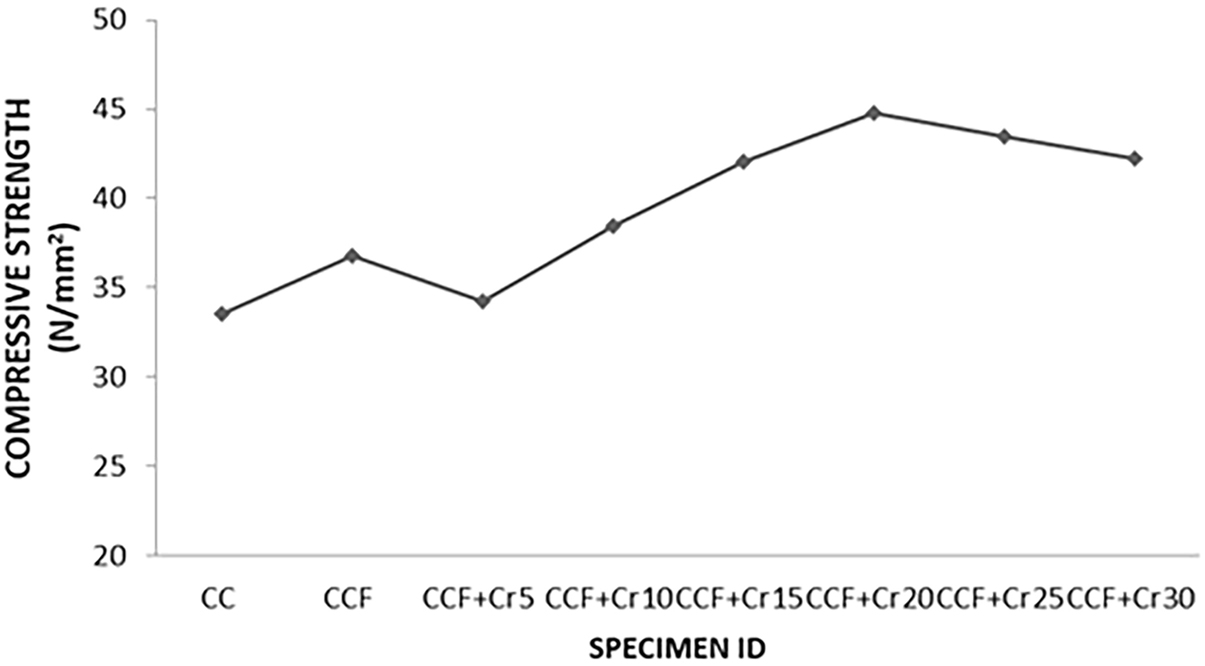
Based on preliminary research (Figures 7, 8, 9 and Figure S1), where ceramic waste powder contents were varied at Control Concrete (CC), Control Concrete with Polypropylene Fiber (CCF) and CCF combined with different percentage of Ceramic Waste Powder (CWP) (CCF + Cr5 to CCF + Cr30) % as cement replacements. The test results indicated that the mix containing 20% CWP along with polypropylene fibers (CCF + Cr20) exhibited the greatest enhancement in compressive, split tensile and flexural strength compared to the other mixes after 28 days of curing. SEM results shows that the particles can be seen in different shapes and sizes some have sharp, angular edges, while others look more rounded. The black-and-white (grayscale) view highlights the surface texture and fine details of the particles.
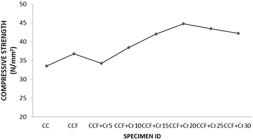
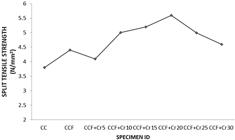
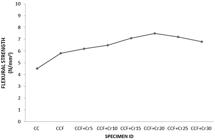
The study shows that adding polypropylene fibers to control concrete (CCF) improves compressive strength compared to Control concrete (CC), due to better crack resistance and tensile bridging. Ceramic Waste Powder (CWP), with its pozzolanic and micro-filler effects, enhances matrix densification and hydration, further boosting strength. Compressive strength increased by 33.75%, high at 44.8 N/mm2 with 20% replacement (CCF + Cr20). Beyond 20%, strength slightly dropped because of cement dilution and reduced workability. Thus, 20% CWP replacement in fiber-reinforced concrete offers the best balance of strength and sustainability.
DANIYAL and AHMAD [31] reported that ceramic tile waste has no negative impact and is optimal at 10–30% replacement. SHRUTHI et al. [32] achieved maximum strength with 30% coarse aggregate replaced by ceramic tiles. SUBEDI et al. [33] also noted improved strength with up to 30% ceramic tile aggregate substitution. All studies confirm that retard ceramic tiles can significantly improve structural properties. Differences in material characteristics, processing methods, and ambient circumstances may be the cause of variations in compressive strength values reported in various research.
3.4. Influence of ceramic waste powder in concrete split tensile strength
The incorporation of ceramic waste powder (CWP) together with polypropylene fibers resulted in a notable enhancement of the split tensile strength of concrete, primarily due to effective microcrack bridging and improved post-cracking load transfer. The highest split tensile strength was observed at a 20% CWP replacement level, attaining a value of 5.6 MPa, which corresponds to a 47.35% improvement over the control concrete. This improvement is due to CWP’s pozzolanic reaction and micro-filler effect, which densify the matrix and strengthen the fiber matrix bond. Beyond 20% replacement, tensile strength declined. Thus, 20% CWP replacement is optimal for fiber-reinforced concrete.
SHRUTHI et al. [32] reported maximum tensile strength at 30% ceramic tile aggregate replacement. YOUNIS et al. [34] found split tensile strength rose to 4.21 MPa with 50% ceramic aggregate. RAMADEVI [35] recorded 3.5 MPa at 50% fine aggregate replacement with ceramic waste. TAJ et al. [36] noted a 9% increase using 5% rubber and 15% ceramic tile waste. IKPONMWOSA and EHIKHUENMEN [37] confirmed ceramic waste use in structural and non-structural concrete. Variations among studies arise from differences in materials, processing, and environmental conditions.
3.5. Influence of ceramic waste powder on concrete flexural strength
Flexural strength increased noticeably with the incorporation of Ceramic Waste Powder (CWP) and polypropylene fibers. The control mix (CC) recorded the lowest value of approximately 4.5 N/mm2. With the addition of polypropylene fibers (CCF), the flexural strength improved to 5.8 N/mm2, primarily due to the fibers’ ability to bridge cracks and enhance post-cracking behavior. Replacing a portion of cement with CWP led to further improvement, with strength values rising progressively from 5% to 20% replacement and reaching a peak of 7.5 N/mm2. This enhancement is attributed to the synergistic effect of fibers and the pozzolanic as well as micro-filler characteristics of CWP. Beyond 20% replacement, however, a decline in flexural strength was observed, mainly due to reduced cement content and reduced bonding efficiency.
These findings support the use of ceramic waste in sustainable concrete production. Similar observations have been reported in previous studies, which also noted strength improvements with the incorporation of ceramic-based materials in concrete mixes. ALSHAHWANY et al. [38] observed flexural strength improvement with ceramic aggregate up to 50% replacement; HASAN et al. [39] reported a 7.5% gain at 10% CWP; and NAJM and AHMAD [40] found that ceramic waste consistently enhances flexural strength across several replacement levels.
3.6. Impact of waste ceramic powder on the shear strength of concrete
The incorporation of Ceramic Waste Powder (CWP) along with polypropylene fibers resulted in a consistent improvement in the shear strength of concrete. The control mix exhibited the lowest shear capacity at around 6.8 N/mm2. When polypropylene fibers were added, a moderate increase was observed due to their ability to bridge cracks and reduce shear-induced failure. As the CWP content increased from 5% to 20%, the shear strength showed a progressive rise, reaching a peak value of 7.8 N/mm2 at 20% replacement. This improvement is primarily linked to the pozzolanic reaction of CWP and its fine particle packing effect, which led to matrix densification and a stronger interfacial transition zone, thereby enhancing the concrete’s resistance to shear forces.
Polypropylene fibers further contributed by controlling crack propagation during shear loading. However, beyond 20% CWP replacement, the shear strength declined as a result of cement dilution and reduced workability, both of which negatively affected the internal matrix cohesion. Overall, 20% CWP replacement was identified as the optimum level for maximizing shear performance. These findings emphasize the combined advantages of mechanical enhancement and sustainable material utilization. Figure S1 the influence of ceramic waste powder on concrete shear strength
3.7. Assessment of concrete durability under aggressive chemical environments
Durability performance was evaluated for the control concrete and the mixes containing 20% Ceramic Waste Powder (CWP) with polypropylene fibers. Weight loss following exposure to sulphuric acid and hydrochloric acid was measured (Table 6). The control concrete exhibited the highest weight loss under both aggressive environments, indicating a greater susceptibility to acid attack. In contrast, the modified mixes showed substantially reduced weight loss, demonstrating improved resistance to chemical degradation.
The improved durability observed in the CWP-modified mixes is largely due to the lowered alkalinity of the cement matrix and the pozzolanic activity of CWP, which together promote a denser, more stable and chemically resilient microstructure. Polypropylene fibers further improved performance by mitigating crack formation and limiting the pathways for acid ingress. After 60 days of exposure, the control concrete experienced more severe deterioration, primarily due to the decalcification of C–S–H gel and the consequent breakdown of the matrix. Meanwhile, the CWP mixes resisted acid attack more effectively because of the altered matrix chemistry, increased filler packing, and reduced reactive C–S–H content.
Overall, the combination of 20% CWP and polypropylene fibers resulted in superior durability compared to the control concrete.
3.8. Influence of ceramic waste powder and polypropylene fibers on acid and chloride resistance of concrete
The pozzolanic nature of ceramic waste powder (CWP) reduces permeability of concrete. By limiting acidic ingress, it minimizes matrix degradation under aggressive exposure. CWP modifies the microstructure, producing a denser and more compact matrix. This densification improves chemical resistance and acid durability. Polypropylene fibers act as a physical barrier to acid penetration. They also reduce crack formation, cutting pathways for acid attack. Crack control further enhances resistance to chemical ingress. Fibers may contain lignin, which serves as an alkaline buffer. Lignin helps neutralize acidic agents, reducing corrosive effects. Chloride ion penetration values (1386–1968 Coulombs) indicated low permeability. This performance is attributed to the low w/c ratio and cement type used. RAY et al., [23] confirmed CWP increases resistivity and chloride resistance. Although air content was not directly measured, all mixtures were prepared and compacted under identical conditions, and the absence of air-void characterization is acknowledged as a limitation.
In this investigation, mass loss was adopted as the primary indicator for assessing the severity of acid attack, as it directly represents surface deterioration and material dissolution, which are among the earliest and most visible consequences of chemical exposure. Since all concrete mixes were subjected to identical exposure conditions, mass loss was considered adequate for comparative durability evaluation. Nevertheless, it is recognized that mass loss alone does not fully reflect the residual mechanical performance of the concrete. Additional parameters such as compressive strength, ultrasonic pulse velocity (UPV), and porosity would offer deeper insight into the extent of internal damage. In the present work, durability evaluation was focused on relative resistance to chemical attack rather than post-exposure structural capacity. The reduced mass loss observed in CWP–PPF mixes indirectly indicates a denser microstructure and improved resistance to acid ingress, which correlates with better mechanical retention. Future studies may incorporate post-acid mechanical testing and UPV measurements for a more comprehensive durability–performance relationship.
3.9. Design of experiments for mix parameters of concrete
This paper is concerned with maximising the mix factors to increase the mechanical characteristics of a fibre-reinforced concrete which is made using ceramic waste powder. In order to get the interaction effects of the identified variables and to come up with the optimum mix proportions, Response Surface Methodology (RSM) was used with Design Expert 13 software.
The analysis was based on two independent variables Ceramic Waste Powder (CWP) replacement percentage (0, 5, 10, 15, 20, 25, 30) and Polypropylene Fiber dosage (0–0.78 kg/m3). All concrete mixes were produced using the same quantities of water, fine aggregate, and coarse aggregate, with a constant water–cement ratio maintained to ensure consistency in the base composition. In total, eight trial mixtures were prepared, and their mechanical performance was assessed through compressive strength, split tensile strength, flexural strength, and shear strength tests. The primary objective of the Response Surface Methodology (RSM) optimization was to identify the most influential parameters and determine the optimum combination of CWP and polypropylene fibers that maximizes all four mechanical properties and improves the overall strength performance of the concrete. All valid experimental results were considered in the analysis, and no formal statistical method was employed for outlier exclusion.
3.10. Regression models for concrete mix parameters
Design-Expert® 13 software was used to analyze the experimental data and to develop reliable relationships between the mechanical properties compressive strength, split tensile strength, flexural strength, and shear strength and the corresponding mix composition variables. The quadratic models constructed on these mechanical properties revealed good correlations (R2 value of more than 0.97), which substantiate that they are applicable in determining how CWP and fiber proportions affect the performance of concrete. This discussion shows that, when ceramic waste powder containing a good amount of silica (SiO2) and alumina (Al2O3) are added in combination with polypropylene fibers, they play an essential role in improving the mechanical properties of concrete. The research highlights the possibility of this mixed method in creating high-performance eco-friendly concrete and helping reduce the amount of CO2, as well as influencing sustainable construction.
3.10.1. Compressive strength (CS)
Analysis of variance (ANOVA) of the compressive strength model (Table 7) proves that the complete quadratic regression is statistically effective and able to explain most of the variation in the response. The model has a high Adjusted R2 of 0.9782 and a high Predicted R2 of 0.9464, which shows the model and its predictive power are very in agreement. The model sum of squares accounts for 84.33% of the total variation, indicating that the selected regression model is adequate to represent the experimental data.
The linear impact of Ceramic Waste Powder (A) is identified as the most significant of all the individual model terms, as it explains the majority of the variation (65.31) and is statistically significant (p = 0.0151). This means that as the CWP content is increased the compressive strength is greatly increased, probably because the packing density and micro-filling are improved and the reagent of the ceramic fines with cement hydration products increases. The quadratic A2 also has a strong contribution (p = 0.1239, contribution 14.79%), which shows that there is a weakly positive curvature on the response with increasing CWP. It indicates that the strength gain rate flattens at higher CWPs, perhaps because of increased water requirements of the powder, or because of the development of agglomeration of particles that influences the microstructure.
Conversely, Polypropylene Fiber (B) contributes significantly, by an amount of 2.64 % and its value is statistically insignificant (p = 0.4575) so at the fixed dosage in the experiment, PPF does not contribute significantly in the development of compressive strength. Interaction term AB (1.38% contribution) and quadratic term B2 (0.20% contribution) is also insignificant, which proves that PPF does not change the impact of CWP in a synergistic form. The error is minimal (15.67%), and there is no abnormal change, which justifies the effectiveness of the experiment and models used. Generally, the model has been found to emphasize that CWP is the prevailing factor in controlling compressive strength and PPF plays a minor role in the mentioned scenario.
The 3D response surface chart Figure S2 demonstrates how the two variables, ceramic waste powder (CWP) and polypropylene fiber (PPF) jointly affect the compressive strength of concrete. The surface response is in an upward trend that signifies that compressive strength is on the increase with increasing percentage content of both CWP and PPF up to an optimum point. The quadratic regression model created in Design Expert 13 has a high coefficient of determination (R2 = 0.966) which proved the analysis of a solid correlation between experimental and predicted values.
This can be linked to the high SiO2 and Al2O3 content in CWP, contributing to the generation of extra calcium silicate hydrates (C-S-H). This causes refinement of the pores resulting in a dense concrete matrix. However, the ductility and toughness of the composite are increased by the use of PPF as a result of the generation of micro-crack pock marks and the redistribution of stresses.
Excellent results were obtained from the CCF + Cr20 where 20% CWP and 0.65 kg/m3 of PPF were used. The strength value for this mixture was found to be 44.8 N/mm2, which was 33.75% higher than that of the control. At this stage, it seems that the strength was decreasing slightly probably due to lower cement and pozzolan reaction rate. All in all, the developed model is capable of verifying the synergic effect of CWP and PPF in producing high performance concrete.
The CWP (A) × PPF (B) interaction term (AB) in the quadratic RSM models physically represents the synergistic or coupled modification effect where the benefit of one factor (e.g., PPF’s crack-bridging) depends on the level of the other (CWP’s matrix densification), capturing non-additive behavior like how CWP-refined microstructure enhances PPF anchorage and fiber efficiency in resisting tensile/shear cracks. AB coefficients are consistently negative across responses (e.g., compressive: −0.001118; split tensile: −0.000365; flexural: −0.000355; shear: −0.000324), indicating antagonistic interaction PPF’s strength gain diminishes slightly at higher CWP levels (and vice versa), explained micro-mechanistically by: (1) CWP’s pozzolanic filler effect (SiO2/Al2O3 reactivity forming extra C-S-H) densifies ITZ but increases matrix brittleness/stiffness at >20%, weakening PPF pull-out/debonding needed for optimal bridging; (2) excess fines reduce workability, hindering uniform PPF dispersion and causing fiber clustering/ineffective stress transfer; (3) SEM/EDS-confirmed CWP angular particles improve packing but limit fiber-matrix bond slip for ductility in tensile/flexural/shear modes. This aligns with observed peak at 20% CWP (CCF + Cr20) before decline, validated by low AB contributions (1.3–12.24%) and p > 0.05 insignificance, emphasizing CWP dominance (A/A2 terms).
3.10.2. Split tensile strength (TS)
The findings of the ANOVA of the tensile strength model (Table 8) show that the chosen complete quadratic regression provides an efficient measure of the experiment data. The model accounts 81.56% of the overall variance, which is backed by a high value of Adjusted R2 of 0.9660, and a high value of the Predicted R2 of 0.9406 indicating good agreement between the fitted response and their predictive ability. This is because the two R2 values are very close, and this is a sign of little overfitting of the model and the appropriateness of the quadratic response surface in predicting tensile strength behavior. The individual model term that is found to be statistically significant (p = 0.0481) is the quadratic effect of Ceramic Waste Powder (A2) which adds 36.53% to the overall variation. This points to a sharp effect of curvature, which indicates that tensile strength does not increase in a straight line with CWP content but, rather, follows an optimum range where microstructural advantages; that is, filler densification and cementitious reaction of ceramic fines are maximized. Above this optimum, the excessive fines can either make them brittle or have a deleterious effect on fiber-matrix interaction resulting in a decrease in tensile response.
Linear effect of CWP (A) has a 30.55% contribution with moderate F-value (6.6266) and insignificant p-value (0.0617). Even though this is a little bit higher than the 0.05 mark, it is a good sign that CWP has a great effect on tensile performance, which agrees with the fact that it enhances the density of the matrix and minimizes voids. Linear contribution of Polypropylene Fiber (B) has a value of 11.96 which is statistically insignificant (p = 0.1826). These results indicate that the fiber dosage used in the study provides only a limited contribution to crack resistance and is not the dominant factor influencing tensile strength. Both the interaction term (AB) and the quadratic term for fibers (B2) show negligible influence, each contributing less than 3%. This suggests that polypropylene fibers do not significantly interact with CWP, nor do they display any curvature effects within the tested dosage range. The low residual error (18.44%) further reflects strong experimental accuracy and minimal unexplained variation in the model. Overall, the split tensile strength is governed primarily by the nonlinear influence of CWP content, while the role of polypropylene fibers remains comparatively minor.
Figure S3, which is a 3D plot of response surface, shows the effect of CWP and PPF on split tensile strength of concrete. The tensile strength increase on the surface increases substantially with the addition of CWP and PPF to the maximum point where the strength becomes more or less steady. The quadratic regression equation established through Design Expert 13 demonstrated a good correlation (R2 = 0.974), which confirmed that the model was accurate in establishing the correlation of mix parameters and tensile performance.
The synergistic ability of CWP and PPF is said to have enhanced tensile strength. The CWP is a pozzolonic reaction that yields to a fine microstructure that increases the bonding between the cement paste and the aggregates on the interface. At the same time, PPF is a crack-arresting substance, a filler between microcracks and slows down their spreading under tensile stress. The optimum proportions of CWF 20% and 0.65 kg/m3 PPF (CCF + Cr20) attained the maximum split tensile strength of 5.6 N/mm2, which was 47.35% higher than the control mix.
Outside the optimum range, a high rate of replacement of CWP has a detrimental effect on cementitious content, which marginally lowers tensile performance. On the whole, the model provides the confirmation of the synergistic effect of CWP and PPF on enhancing the tensile behavior and ensuring sustainable concrete development.
3.10.3. Flexural strength (FS)
The results of the ANOVA test of the flexural strength model (Table 9) show that the entire quadratic regression estimates the experimental data very well. The model accounts 96.74% of the total variation and proves it to be an appropriate tool in predicting flexural response. The large value of Adjusted R2 (0.9883) and high value of Predicted R2 (0.9617) indicates the model is very suitable and predictive as there is not much deviation between the actual and fitted value.
There is a strong statistical significance among the individual regression terms with both Ceramic Waste Powder (A) and Polypropylene Fiber (B) contributing 58.90 per cent and 25.84 per cent respectively. The linear character of CWP (p = 0.0011) proves its dominance on the flexural strength improvement which is mostly because of enhanced matrix density, micro-filling, and pozzolanic reactions to strengthen the interfacial transition zone (ITZ). Due to the sensitivity of flexural loading to stiffness of the matrix, and to the crack-resistance, the effect of densification of ceramic fines is a major contributor to bending performance. Likewise, PPF (p = 0.0049) shows that fiber bridging is effective in preventing the crack propagation when flexural loading takes place. Fibers allow preserving the load-bearing capacity despite the appearance of the micro-cracks, which leads to the enhanced post-peak performance. In contrast to compressive behavior, where PPF effects are small, flexure involves tensile-based behavior, which enables PPF to take an active re-enforcing effect. The quadratic A2 also exhibits statistical significance (p = 0.0244) with contribution of 10.11 meaning that its response is not linear to the content of CWP. It implies that there is a certain optimum level of dosage beyond which an overload of ceramic fines will make ceramics brittle or less efficient in bonding. The interacting term AB and the squaring term B2 make a marginal (less than 2%) difference and are statistically insignificant, which shows that the reinforcing action of CWP and PPF are mostly independent with flexure stresses.
The error in the results is very minimal (3.26%), and it indicates the high precision of the experiments and the similar behavior of material in all the test specimens. In general, the findings point at the fact that flexural strength is the best result of a synergistic interaction between densified matrix (CWP) and efficient crack-bridging (PPF), and linear impact of each of the two variables is very strong.
The 3D response surface plot (Figure S4) illustrates how Ceramic Waste Powder (CWP) and polypropylene fibers (PPF) jointly influence the flexural strength of concrete. The plot shows a gradual increase in flexural strength as the CWP and PPF contents rise, reaching an optimum region beyond which a slight decline occurs. The quadratic regression model developed in Design Expert 13 exhibited an excellent agreement between the experimental and predicted responses, with a coefficient of determination (R2) of 0.994, confirming the reliability and accuracy of the model.
The increase in flexural strength is mainly due to the pozzolanic reactivity of CWP that generates further formation of calcium silicate hydrate (C2S2H), densifying the interfacial transition zone (ITZ). This PPF reinforcement also helps in flexural performance which includes achieving bridging action across cracks, increasing ductility, and post-cracking behavior.
As shown by maximum flexural strength of 7.5 N/mm2 (signifying an increment of 66.65% over control mix), the optimum mix containing 20% CWP and 0.65 kg/m3 PPF (CCF + Cr20) was best. Above this level, there was no strength increase because there was too much CWP resulting in less cementitious bonding. Altogether, the response surface analysis proves the existence of the synergistic effect in the combination of CWP and PPF that contributes to the flexural behavior to a high degree, resulting into the more durable and sustainable concrete composites.
3.10.4 Shear strength (SS)
The ANOVA results for the shear strength model (Table 10) confirm that the full quadratic regression is statistically appropriate and capable of explaining the majority of the experimental variability. The model accounts for 89.89% of the total variation, supported by a high Adjusted R2 value of 0.9733 and a strong Predicted R2 of 0.9571. The close alignment between these two coefficients indicates that the model possesses excellent predictive reliability without signs of overfitting. Among the individual terms, the quadratic effect of Ceramic Waste Powder (A2) is highly significant (p = 0.0106) and contributes more than half of the model influence (51.82%). The strong curvature effect associated with the CWP term (A2) shows that shear strength is highly sensitive to nonlinear variations in CWP content. At lower replacement levels, the additional fines improve cohesion and particle interlock within the matrix, resulting in enhanced shear resistance. However, exceeding the optimal powder range introduces excess fines that may reduce aggregate interlock or increase brittleness, leading to a reduction in shear capacity.
The linear contributions of CWP (A) and PPF (B) account for 9.67% and 15.72%, respectively, although neither is statistically significant at the 95% confidence level. Nonetheless, their trends suggest that CWP contributes moderately to improved internal friction and matrix cohesion, while PPF assists in resisting shear-induced cracking through its bridging action. The PPF effect (B) is close to significance (p = 0.0672), implying that a slightly increased or optimized fiber dosage might produce a statistically meaningful influence.
The interaction term (AB) contributes a no Table 11. 24%, with a p-value of 0.0926, indicating a partial coupled effect between CWP and PPF. This interaction reflects a hybrid strengthening mechanism in which CWP enhances matrix densification and PPF restricts crack propagation. Although the term does not meet the strict significance threshold, its contribution highlights the practical importance of combined modification in composite behavior.
In contrast, the quadratic term for PPF (B2) exerts only a minimal effect (0.44%), indicating that shear strength does not exhibit nonlinear sensitivity to fiber dosage within the tested range. Finally, the residual error is extremely low (10.11%), demonstrating consistent specimen behavior and strong repeatability in shear testing. Overall, the shear strength response is primarily governed by the nonlinear effects of CWP, with secondary contributions from PPF and CWP–PPF interaction mechanisms.
R2, Adjusted R2 and Predicted R2 values are explicitly presented together in each ANOVA tables (7–10) within Section 3.8 Regression Models for Concrete Mix Parameters, showing excellent model fit across all responses: Compressive Strength (R2 = 0.966, Adj-R2 = 0.9782, Pred-R2 = 0.9464), Split Tensile Strength (R2 = 0.974, Adj-R2 = 0.9660, Pred-R2 = 0.9406), Flexural Strength (R2 = 0.994, Adj-R2 = 0.9883, Pred-R2 = 0.9617), and Shear Strength (R2 = 0.994, Adj-R2 = 0.9733, Pred-R2 = 0.9571), with all Pred-R2 values >0.94 in close agreement with Adj-R2 (difference <0.05) per Design-Expert guidelines, confirming no overfitting and strong predictive power. Optimization remains valid despite these high Pred-R2 values because experimental validation (Table 12, Section 3.6) shows predicted vs. actual strengths match within 0.45–6.74% error (e.g., compressive: 44.6 vs. 44.8 N/mm2), RSM excels at mapping curvature/interactions for the tested range of two factors (CWP % and PPF dosage) with just 8 runs, and the models reliably identify the optimum (20% CWP + 0.65–0.78 kg/m3 PPF) without extrapolation issues.
The relationship between the input variables and the corresponding response is illustrated in Figure S5. The response initially increases with increasing CWP content and reaches an optimum value at approximately 20%, after which a declining trend is observed. This behavior may be attributed to the pozzolanic and filler effects at lower replacement levels, which contribute to improved matrix densification and strength development.
The presence of polypropylene fibers further contributes to improved performance by controlling crack propagation and enhancing ductility. The interaction between CWP and fiber content is clearly reflected in the figure, indicating a combined effect on the overall performance.
At higher replacement levels, the reduction in strength may be due to insufficient cementitious content and weaker bonding, leading to reduced efficiency. Overall, the figure demonstrates a clear trend and supports the identification of the optimal mix proportion.
The 3D response surface plot shows how the interactive modification of the CWP and PPF affect the shear strength of the concrete. The surface shows that the shear strength increases with the increasing values of CWP as well as PPF to a maximum value, after which the value slightly decreases. The quadratic regression model obtained in Design Expert 13 indicated a good correlation between experimental and predicted values with a value of R2 0.994 meaning that the model is highly reliable and predictive.
The increase in the shear strength of this mortar can be attributed to an increase in the bond strength and densification of the matrix due to reaction with the pozzolan. This is because there is an increase in cohesion of the mixture, resulting from the increased formation of C-S-H gels. Besides, the use of PPF provides yet another means of locking together, thereby minimizing the width of the cracks and preventing deformation under shear stress. The peak shear strength of 7.8 N/mm2 for this mortar was attained using the optimum proportion of 20% CWP and 0.65 kg/m3 PPF (CCF + Cr 20), which is 15.38% greater than that of the control sample.
In addition to the optimal replacement, surplus CWP decreases cement content, which results in a minimal decrease in the bond structure. Therefore, CWP combined with PPF is efficient in terms of the strengthening of shear resistance as well as sustainable and long-term development of the concrete.
3.11. Concrete mixing parameters optimization
The main purpose of this experiment was to determine the best ratio between ceramic waste powder (CWP) and polypropylene fiber (PPF) in terms of optimizing the mechanical behavior of concrete. For this optimization process, the software Design-Expert® 13 was used, as it facilitated the use of statistical modeling as well as multi-response optimization methods. The Central Composite Design (CCD) method was utilized, in which the ratio between CWP and PPF was changed to develop an empirical model with an ability to predict compressive strength, split tensile strength, flexural strength, and shear strength.
Multi-response optimization was done using a desirability function approach where every response was transformed into a desirability value of 0 (undesirable) to 1 (highly desirability). An overall composite desirability was then computed over the software to establish the most optimal combination of factors. It was aimed at optimizing all mechanical properties.
In the multi-response desirability optimization, response weights were chosen based on structural engineering importance. Compressive strength (and load-carrying capacity) was given the highest weight because it controls structural safety and code compliance. Durability-related properties, such as stiffness and tensile or flexural strength, were given secondary importance since they depend on adequate strength.
This choice agrees with the experimental results, which showed that higher CWP/WCP contents significantly reduce strength and stiffness beyond 20%. Therefore, structural integrity was prioritized, while environmental benefits were considered as constraints rather than primary objectives. This weighting approach reflects practical design practice, where strength governs acceptability and durability enhances performance once strength requirements are met.
The experimental findings also indicated that the combination of the 63 kg/m3 CWP and 0.78 kg/m3 PPF had the greatest individual mechanical responses with a compressive strength of 44.8 N/mm2, split tensile strength of 5.6 N/mm2, flexural strength of 7.5 N/mm2 and shear strength of 7.8 N/mm2. An optimal result that involved the combination of the 59 kg/m3 CWP and 0.82 kg/m3 PPF using Response Surface Methodology (RSM) was obtained. This mix had strengths of 44.3 N/mm2, 5.5 N/mm2, 7.5 N/mm2, and 7.6 N/mm2 which were predicted respectively. The experimental trends were quite close to the optimized values, which proved the validity of the RSM model.
Figure S6 illustrates the variation in prediction accuracy of the developed model across different concrete mix combinations. The model demonstrates consistently high accuracy for all mixes, with only minor variations in error values. Prediction accuracy is highest near the optimal range (around 20% CWP), where model fitting is strongest within the central experimental domain. Slightly higher deviations occur at extreme replacement levels (0% and 30% CWP), likely due to edge effects and limited data availability in those regions.
Material behavior also influences accuracy, as nonlinear interactions between Ceramic Waste Powder (CWP) and Polypropylene Fiber (PPF) become more pronounced at higher replacement levels. Nevertheless, the overall prediction error remains within an acceptable limit (below 3%), confirming the robustness and reliability of the model.
The optimization results indicate that 20% CWP replacement and 0.65 kg/m3 PPF content represent the optimal mix parameters (Table 12 and Figure S6). At this combination, the highest compressive, split tensile, flexural, and shear strengths were achieved. Validation tests closely matched the predicted values, demonstrating the effectiveness of the RSM-based optimization approach in enhancing both strength and sustainability of concrete.
Interaction plots provide insight into the combined effects of CWP (A) and PPF (B) on mechanical performance. Compressive strength increases steadily with CWP content, indicating its dominant role in matrix densification and improved particle packing, while PPF shows minimal influence on compressive behavior. Split tensile strength also increases nonlinearly with CWP, consistent with the quadratic effect (A2), whereas PPF contributes only marginally through limited crack-bridging.
Flexural strength exhibits the most significant combined response, with both CWP and PPF playing important roles. CWP enhances matrix stiffness, while PPF significantly improves resistance to bending through effective crack-bridging, resulting in a strong synergistic effect. Shear strength shows a pronounced nonlinear relationship with CWP, with peak values at intermediate levels, again highlighting the influence of the quadratic term. The contribution of PPF to shear strength is moderate and not statistically significant.
Overall, the interaction analysis confirms that CWP is the primary factor governing strength enhancement across all properties, while PPF contributes meaningfully to flexural performance and, to a lesser extent, shear resistance.
3.12. Validation of response surface models
Table 12 represents the result of validation where the experimental values were compared with the values predicted from compressive strength, splitting tensile strength, flexural strength, and shear strength of various proportions of CWP and PPF content. Comparison between the experimental values to test the prediction values of RSM model with respect to each mix proportion was done for finding out the correctness of the model. For example, for the combination of 20/0.65 kg/m3 PPF, the value of compressive strength obtained from RSM prediction was 44.6 N/mm2, while its experimental value was 44.8 N/mm2 having percentage error of 0.45%.The same trends were witnessed with other mechanical properties, and the predicted and measured values had very good agreement. For each mechanical strength test (compressive, split tensile, flexural, and shear strength), results represent the mean of three specimens (n = 3) per mixture, in accordance with common practice in concrete testing standards. A formal a priori statistical power analysis was not conducted. However, the experimental variability was low, with coefficients of variation generally below 5%, indicating adequate repeatability. The Response Surface Methodology (RSM) experimental matrix was designed to be statistically sufficient for fitting a second-order (quadratic) model. The predicted optimum lies within the 95% confidence region generated by the Design-Expert software. The lack-of-fit test was evaluated at α = 0.05 and was found to be non-significant, indicating that the selected RSM model adequately represents the experimental data within the studied domain.
Validation test was performed at the optimum mix proportion. The percentage deviation between the RSM-predicted values and the experimental results was very small: 1.16% for compressive strength, 2.32% for split tensile strength, 0.95% for flexural strength, and 1.06% for shear strength. An acceptance criterion of ±5% deviation was adopted, which is commonly used in RSM-based optimization studies. Since all deviations were well within this limit, the optimization model is considered accurate and reliable.
The RSM model was very predictive as compared to the experimental findings of compressive, tensile, flexural, and shear strengths. The error margin in the prediction and the measurement was also always small with a mean of 1.1632, 2.3189, 0.9485, and 1.0646 percentages of the average error between the predicted and actual values in compressive strength, tensile strength, flexural strength, and shear strength respectively. These values validate the fact that, the regression models developed reflect the role of CWP and PPF on mechanical performance. The near correspondence of the proportions of the predictions and experimental data proves the accuracy of the RSM to maximize the mix proportions and prediction of the strength behaviour in composite concrete systems.
4. CONCLUSION
-
Compressive strength improved from 33.5 N/mm2 (CC) to 36.8 N/mm2 (CCF) (+9.85%) by fiber crack-bridging. At 20% CWP (CCF + Cr20), strength reached 44.8 N/mm2, showing a +33.73% increased than CC. This gain is due to CWP’s pozzolanic reaction and micro-filler effect, forming extra C-S-H gel. Beyond 20%, strength declined from cement dilution and reduced workability.
-
Split tensile strength rose from 3.8 N/mm2 (CC) to 4.4 N/mm2 (CCF) (+15.79%) due to fiber crack-bridging. At 20% CWP (CCF + Cr20), it peaked at 5.6 N/mm2, a +47.37% gain over CC. This improvement stems from CWP’s pozzolanic action and filler effect, enhancing bond and load transfer. Beyond 20%, strength fell because of reduced cementitious content for proper bonding.
-
Flexural strength increased from 4.5 N/mm2 for the control mix (CC) to 5.8 N/mm2 for fiber-reinforced concrete (CCF), marking a 28.89% improvement due to the added ductility provided by fibers. With 20% CWP replacement (CCF + Cr20), flexural strength reached a maximum of 7.5 N/mm2, corresponding to a 66.67% rise over the control concrete. This improvement is attributed to the fibers restricting crack widening and the CWP enhancing bond strength and compactness within the matrix. Beyond the 20% replacement level, flexural strength declined as the reduced cementitious content limited proper paste formation.
-
Shear strength also increased steadily with CWP addition, achieving a peak value of 7.8 N/mm2 at 20% replacement. This improvement results from the pozzolanic activity of CWP, which refines the matrix and densifies the interfacial transition zone. Polypropylene fibers further supported shear resistance by restricting crack growth during loading.
-
The enhancements observed in compressive, tensile, flexural, and shear strength are driven by the combined effects of fiber reinforcement—providing crack resistance and improved ductility and CWP, which contributes pozzolanic reactivity and matrix refinement. Among all tested proportions, the 20% CWP replacement level offered the most effective balance between strength improvement and sustainable material utilization.
-
Durability assessments showed that incorporating CWP reduced weight loss when exposed to sulphuric and hydrochloric acids. The CCF + Cr20 mix displayed the greatest resistance to acid attack with minimal mass loss. RCPT results further indicated low chloride ion permeability for all mixes containing both CWP and fibers. All test values met ASTM C1202 requirements, confirming enhanced resistance to chloride ingress.
-
The optimization results identified 20% CWP and 0.65 kg/m3 polypropylene fibers as the most effective combination. This mix achieved a compressive strength of 44.8 N/mm2, split tensile strength of 5.6 N/mm2, flexural strength of 7.5 N/mm2, and shear strength of 7.8 N/mm2. These improvements arise from the pozzolanic action of CWP, which refines the internal structure of the concrete, and the crack-bridging ability of the fibers, which increases ductility and overall toughness.
4.1. Future scope
-
The present study demonstrates the effectiveness of Ceramic Waste Powder (CWP) and Polypropylene Fibers (PPF) in improving the mechanical and durability performance of concrete. However, further research can be carried out in the following areas:
-
Investigation of long-term durability performance, including creep, shrinkage, and freeze–thaw resistance.
-
Exploration of higher replacement levels of CWP and optimization with different types and dosages of fibers.
-
Application of advanced optimization techniques such as machine learning models (ANN, hybrid models) for enhanced prediction accuracy.
-
Study of microstructural properties using SEM, XRD, and other characterization techniques to better understand the bonding mechanism.
-
Evaluation of structural behavior through large-scale elements such as beams, slabs, and columns.
-
Assessment of life cycle cost and environmental impact to validate the sustainability benefits in real-world applications.
-
Investigation of field applications and performance under practical conditions.
5. DATA AVAILABILITY
The data that support the findings of this study are available from the corresponding author upon reasonable request.
6. SUPPLEMENTARY MATERIAL
The following online material is available for this article
Figure S1 – The influence of ceramic waste powder on concrete shear strength.
Figure S2 – 3D surface plot for CS Model.
Figure S3 – 3D surface plot for TS Model.
Figure S4 – 3D surface plot for FS Model.
Figure S5 – 3D surface plot for SS Model.
Figure S6 – Confirmations of Optimal Mix Parameters.
7. BIBLIOGRAPHY
-
[1] VILLAROSA, J.A., BENITO, E.K.D., ARAGONCILLO, A.M.M., et al, “Potential of ceramic waste aggregate to improve the engineering performance of hollowed masonry units”, Innovative Infrastructure Solutions, v. 9, n. 464, 2024. doi: https://doi.org/10.1007/s41062-024-01789-8.
» https://doi.org/10.1007/s41062-024-01789-8 -
[2] AL-FAKIH, A., AL-AWSH, W., AL-KOSHAB, M. Q. A., et al, “Effects of zeolitic imidazolate framework-8 nanoparticles on physicomechanical properties and microstructure of limestone calcined clay cement mortar”, Journal of Materials Research and Technology, v. 36, pp. 130236, 2024. doi: https://doi.org/10.1016/j.conbuildmat.2022.130236.
» https://doi.org/10.1016/j.conbuildmat.2022.130236 - [3] KANAGARAJ, B., RAJ, R.S., ANAND, N., et al, “Engineering and sustainability performance of geopolymer concrete blended with sodium silicate effluent”, Developments in the Built Environment, v. 22, pp. 100678, 2025.
-
[4] HARIKARAN, M., KULANTHAIVEL, P., KRISHNARAJA, R., et al, “Performance enhancement of concrete by using ceramic waste as a partial replacement for coarse aggregate”, Journal of Ceramic Processing Research, v. 24, n. 2, pp. 266–273, 2023. doi: https://doi.org/10.36410/jcpr.2023.24.2.266.
» https://doi.org/10.36410/jcpr.2023.24.2.266 -
[5] HAMADA, H.M., ABED, F., KATMAN, H.Y.B., et al, “Effect of silica fume on the properties of sustainable cement concrete”, Journal of Materials Research and Technology, v. 24, pp. 8887–8908, 2023. doi: https://doi.org/10.1016/j.jmrt.2023.05.147.
» https://doi.org/10.1016/j.jmrt.2023.05.147 -
[6] HARIKARAN, M., BOOPATHI, S., RAJKANNAN, M., et al, “Impact analysis of ceramic tile powder aggregates on self-compacting concrete”, Engineering Research Express, v. 5, n. 2, pp. 023502, 2023. doi: https://doi.org/10.1088/2631-8695/acde48.
» https://doi.org/10.1088/2631-8695/acde48 -
[7] ALSHARARI, F., “Utilization of industrial, agricultural, and construction waste in cementitious composites: a comprehensive review of their impact on concrete properties and sustainable construction practices”, Materials Today Sustainability, v. 29, pp. 101080, 2025. doi: https://doi.org/10.1016/j.mtsust.2025.101080.
» https://doi.org/10.1016/j.mtsust.2025.101080 -
[8] HARIKARAN, M., DHANABALAN, M., SURESH, R., et al, “Study of structural bonding strength with tyre rubber instead of coarse aggregate and water hyacinth ash instead of cement”, Materials Today: Proceedings, v. 68, n. 5, p. 1330–1334, 2022. doi: https://doi.org/10.1016/j.matpr.2022.06.359.
» https://doi.org/10.1016/j.matpr.2022.06.359 -
[9] BABU, D.V., MUKESH, P., PANDEY, M., et al, “Experimental study of concrete by replacement of cement with polymer resin”, IOP Conference Series. Earth and Environmental Science, v. 1125, n. 2, pp. 012014, 2022. doi: https://doi.org/10.1088/1755-1315/1125/1/012014.
» https://doi.org/10.1088/1755-1315/1125/1/012014 -
[10] ÖZKILIÇ, Y.O., ALTHAQAFI, E., BAHRAMI, A., et al, “Influence of ceramic waste powder on shear performance of environmentally friendly reinforced concrete beams”, Scientific Reports, v. 14, n. 1, pp. 10401, 2024. doi: https://doi.org/10.1038/s41598-024-59825-7. PMid:38710750.
» https://doi.org/10.1038/s41598-024-59825-7 -
[11] CHANG, Q., LIU, L., FAROOQI, M.U., et al, “Data-driven based estimation of waste-derived ceramic concrete from experimental results with its environmental assessment”, Journal of Materials Research and Technology, v. 24, pp. 6348–6368, 2023. doi: https://doi.org/10.1016/j.jmrt.2023.04.223.
» https://doi.org/10.1016/j.jmrt.2023.04.223 -
[12] SHANMUGAM, K., SUBRAMANIAM, A., SHANAVAS, S., et al, “Influence of ceramic waste powder (CWP) in strength and durability performance of kenaf fiber reinforced concrete”, Matéria (Rio de Janeiro), v. 30, pp. e20240774, 2025. doi: https://doi.org/10.1590/1517-7076-RMAT-2024-0774.
» https://doi.org/10.1590/1517-7076-RMAT-2024-0774 -
[13] ALOTAIBI, E., NASSIF, N., ALHALABI, M., “Ultra-high-performance concrete for sustainable development goals: a systematic review and conceptual framework”, Journal of Building Engineering, pp. 115802, 2026. doi: https://doi.org/10.1016/j.jobe.2026.115802.
» https://doi.org/10.1016/j.jobe.2026.115802 -
[14] NAUKHEZ, K., VIDYA SAGAR, R., KISHEN, J.M.C., “Optimization of ultra-high performance concrete with coarse aggregate for enhanced sustainability: a comprehensive assessment of slump flow and mechanical properties”, Journal of Sustainable Cement-Based Materials, v. 14, n. 9, pp. 1917–1936, 2025. doi: https://doi.org/10.1080/21650373.2025.2502139.
» https://doi.org/10.1080/21650373.2025.2502139 -
[15] TAO, H., ABBA, S.I., AL-AREEQ, A.M., et al, “Hybridized artificial intelligence models with nature-inspired algorithms for river flow modeling: a comprehensive review, assessment, and possible future research directions”, Engineering Applications of Artificial Intelligence, v. 129, pp. 107559, 2024. doi: https://doi.org/10.1016/j.engappai.2023.107559.
» https://doi.org/10.1016/j.engappai.2023.107559 -
[16] SAMANTARAY, S., SAHOO, A., “Groundwater level prediction using an improved ELM model integrated with hybrid particle swarm optimisation and grey wolf optimisation”, Groundwater for Sustainable Development, v. 26, pp. 101178, 2024. doi: https://doi.org/10.1016/j.gsd.2024.101178.
» https://doi.org/10.1016/j.gsd.2024.101178 -
[17] BISWAKALYANI, C., SAMANTARAY, S., SATPATHY, D.P., “Application of hybrid machine learning for groundwater level prediction: a comprehensive review”, Archives of Computational Methods in Engineering, v. 33, n. 4, pp. 5127–5185, 2026. doi: https://doi.org/10.1007/s11831-025-10447-w.
» https://doi.org/10.1007/s11831-025-10447-w -
[18] SAMANTARAY, S., SAHOO, A., “Groundwater level prediction using an improved ELM model integrated with hybrid particle swarm optimisation and grey wolf optimisation”, Groundwater for Sustainable Development, v. 26, pp. 101178, 2024. doi: https://doi.org/10.1016/j.gsd.2024.101178.
» https://doi.org/10.1016/j.gsd.2024.101178 - [19] SAMANTARAY, S., “Hybrid a symmetric huber loss function-based elm approach for average temperature prediction: a case study on Kokernag, Jhelum River Basin, India”, In: J.C. Bansal, S. Borah, S.
-
[20] KUMAR, M.H., MOHANTA, N.R., PATEL, N., et al, “Impact of fly ash and metakaoline on the crack resistance and shrinkage of concrete”, Civil Engineering (Shiraz), v. 46, n. 3, pp. 2011–2026, 2022. doi: https://doi.org/10.1007/s40996-021-00748-y.
» https://doi.org/10.1007/s40996-021-00748-y -
[21] KUMAR, M.H., SAIKRISHNAMACHARYULU, I., MOHANTA, N.R., et al, “Mechanical behaviour of high strength concrete modified with triple blend of fly ash, silica fume and steel fibers”, Materials Today: Proceedings, v. 65, n. Pt 2, pp. 933–942, 2022. doi: https://doi.org/10.1016/j.matpr.2022.03.528.
» https://doi.org/10.1016/j.matpr.2022.03.528 -
[22] VIVEK, S.S., SEHGAL, R. Reclaimed waste materials for sustainable pavement construction Boca Raton: CRC Press, 2025. doi: https://doi.org/10.1201/9781003598220.
» https://doi.org/10.1201/9781003598220 - [23] RAY, T., MOHANTA, N.R., KUMAR, M.H., “Ippilli Saikrishna macharyulu, Sandeep Samantaray, Study of effect of temperature on behavior of alkali activated slag concrete”, Materials Today: Proceedings, v. 43, n. Pt 2, pp. 1352–1357, 2021.
-
[24] HASHIM, A.A., ANAEE, R., NASR, M.S., “Improving the mechanical, corrosion resistance, microstructural and environmental performance of recycled aggregate concrete using ceramic waste powder as an alternative to cement”, Ceramics, v. 8, n. 1, pp. 11, 2025. doi: https://doi.org/10.3390/ceramics8010011.
» https://doi.org/10.3390/ceramics8010011 -
[25] HASHIM, A.A., ANAEE, R., NASR, M.S., “Enhancing the sustainability, mechanical and durability properties of recycled aggregate concrete using calcium-rich waste glass powder as a supplementary cementitious material: an experimental study and environmental assessment”, Sustainable Chemistry and Pharmacy, v. 44, pp. 101985, 2025. doi: https://doi.org/10.1016/j.scp.2025.101985.
» https://doi.org/10.1016/j.scp.2025.101985 -
[26] HASHIM, A.A., ANAEE, R., NASR, M.S., et al, “Mechanical properties, corrosion resistance and microstructural analysis of recycled aggregate concrete made with ceramic wall waste and ultrafine ceria”, Journal of Materials Research and Technology, v. 36, pp. 627–640, 2025. doi: https://doi.org/10.1016/j.jmrt.2025.03.154.
» https://doi.org/10.1016/j.jmrt.2025.03.154 -
[27] HASHIM, A.A., ANAEE, R.A., NASR, M.S., “Durability, mechanical, and corrosion characteristics of recycled aggregate concrete utilizing locally sourced waste and ultrafine cerium oxide”, Journal of Applied Sciences and Nanotechnology, v. 5, n. 3, pp. 24–38, 2025. doi: https://doi.org/10.53293/jasn.2025.7593.1340.
» https://doi.org/10.53293/jasn.2025.7593.1340 -
[28] RANI, M., SWAROOPA, A., “A study on ceramic waste powder”, SSRG International Journal of Civil Engineering, v. 3, n. 7, pp. 1–5, 2016. doi: https://doi.org/10.14445/23488352/IJCE-V3I7P101.
» https://doi.org/10.14445/23488352/IJCE-V3I7P101 -
[29] ELINWA, A.U., OLAKUNLE, J.O., “Characteristics of rice husk-admixed conplast SP 430 concrete”, Journal of Building Material Science, v. 5, n. 2, pp. 1–14, 2023. doi: https://doi.org/10.30564/jbms.v5i2.5664.
» https://doi.org/10.30564/jbms.v5i2.5664 - [30] BANTHIA, N., RISHI, G.., “The effect of adding fibers on dry shrinkage of geopolymer concrete”, Cement and Concrete Research, v. 36, pp. 2099–2108, 2023.
-
[31] DANIYAL, M., AHMAD, S., “Application of waste ceramic tile aggregates in concrete”, International Journal of Innovative Research in Science, Engineering and Technology, v. 4, n. 12, pp. 12808–12815, 2015. doi: https://doi.org/10.15680/IJIRSET.2015.0412128.
» https://doi.org/10.15680/IJIRSET.2015.0412128 - [32] SHRUTHI, H.G., GOWTHAM PRASAD, M.E., “Samreen taj and syed ruman pasha, reuse of ceramic waste as aggregate in concrete”, International Research Journal of Engineering and Technology, v. 3, n. 7, pp. 115–119, 2016.
- [33] SUBEDI, B., WAGLE, D.K., BASNET, K., “Utilization of crushed ceramic tile wastes as partial replacement of coarse aggregate in concrete production”, International Journal of Engineering Research & Technology (Ahmedabad), v. 9, n. 7, pp. 1572–1584, 2020.
-
[34] YOUNIS, M.O., AMIN, M., TAHWIA, A.M., “Durability and mechanical characteristics of sustainable self-curing concrete utilizing crushed ceramic and brick wastes”, Case Studies in Construction Materials, v. 17, pp. e01251, 2022. doi: https://doi.org/10.1016/j.cscm.2022.e01251.
» https://doi.org/10.1016/j.cscm.2022.e01251 - [35] RAMADEVI, K., “A study on properties of concrete with ceramic waste replaced for fine aggregate”, International Journal of Civil Engineering and Technology, v. 8, n. 8, pp. 1730–1737, 2017.
- [36] TAJ, M.S.M., MANIVANNAN, A., AGALYA, A., et al, “Experimental investigation on partial replacement of aggregates in concrete using ceramic and tyre wastes”, International Journal of Innovative Science and Research Technology, v. 3, n. 5, pp. 410–418, 2018.
-
[37] IKPONMWOSA, E.E., EHIKHUENMEN, S.O., “The effect of ceramic waste as coarse aggregate on strength properties of concrete”, Nigerian Journal of Technology, v. 36, n. 3, pp. 691–696, 2017. doi: https://doi.org/10.4314/njt.v36i3.5.
» https://doi.org/10.4314/njt.v36i3.5 -
[38] ALSHAHWANY, R., ABDULKAREEM, O., SHLLA, R., “Influence of ceramic wastes as a recycled coarse aggregate with different maximum sizes on the concrete”, The Open Civil Engineering Journal, v. 18, n. 1, pp. e18741495298085, 2024. doi: https://doi.org/10.2174/0118741495298085240326062433.
» https://doi.org/10.2174/0118741495298085240326062433 - [39] HASAN, H.W., ALAMGIR, S., AHMED, H., et al, “Experimental investigation of tensile and flexural strength of ceramic waste concrete”, Pakistan Journal of Science, v. 66, n. 1, 2014.
-
[40] NAJM, H.M., AHMADM, S., “Mechanical properties, crack width, and propagation of waste ceramic concrete subjected to elevated temperatures: a comprehensive Study”, Materials (Basel), v. 15, n. 7, pp. 2371, 2022. doi: https://doi.org/10.3390/ma15072371. PMid:35407705.
» https://doi.org/10.3390/ma15072371