 Development and characterization of banana leaf powder reinforced PLA biocomposite films for sustainable packaging applications
ABSTRACT
Biodegradable polymers reinforced with natural fillers are increasingly explored as sustainable alternatives to petroleum-based plastics for packaging applications. In this study, banana leaf powder (BLP), an abundant agricultural waste, was used as a reinforcement for polylactic acid (PLA) to fabricate biocomposite films via a solvent casting technique. BLP was incorporated at 0, 5, 10, 15, and 20 wt.%, and the resulting films were characterized for their mechanical, thermal, morphological, and water absorption properties. Fourier transform infrared spectroscopy (FTIR) revealed enhanced hydrogen bonding between the hydroxyl groups of BLP and the ester groups of PLA. Tensile testing (n = 5) showed that the 15 wt.% BLP/PLA composite achieved the highest tensile strength (71.5 ± 1.8 MPa) and elongation at break (8.1 ± 0.4%), representing an improvement of approximately 22% and 224%, respectively, compared to neat PLA. Thermogravimetric analysis indicated improved thermal stability, with the onset degradation temperature increasing from 290 °C for neat PLA to 325 °C for the 15 wt.% BLP composite. SEM analysis confirmed uniform filler dispersion at moderate BLP loadings, while higher contents led to particle agglomeration. Water absorption increased with BLP content due to the hydrophilic nature of the filler. Overall, the results demonstrate that BLP is an effective, low-cost, and sustainable reinforcement for PLA, with 15 wt.% BLP providing an optimal balance between mechanical performance and thermal stability for sustainable packaging applications.
Biocomposite; Banana leaf powder; Polylactic acid; Sustainable packaging; Tensile properties
1. INTRODUCTION
The growing environmental concerns related to plastic waste and the depletion of non-renewable resources have accelerated the search for sustainable alternatives to petroleum-based plastics [1,2]. Biodegradable polymers like polylactic acid (PLA) have emerged as promising substitutes due to their renewable origin, biocompatibility, and ability to degrade naturally into non-toxic byproducts [3,4]. PLA is typically derived from renewable resources such as corn starch, sugarcane, and cassava, making it an attractive choice for packaging, biomedical devices, and 3D printing applications [5]. However, despite its advantages, PLA suffers from inherent brittleness, low thermal stability, and limited mechanical strength, restricting its broader industrial use [6,7]. To overcome these limitations, the incorporation of natural fillers and fibers into PLA has gained significant attention [8]. Natural fibers are characterized by their low density, high specific strength, biodegradability, and wide availability [9,10]. They are typically composed of cellulose, hemicellulose, lignin, and various bioactive compounds, which contribute to their mechanical, thermal, and barrier properties [11,12]. For example, sisal fiber reinforcement has been shown to improve the tensile strength of biocomposites by 4% compared to pure PLA, achieving tensile strengths around 67 MPa and flexural strengths up to 120 MPa [13,14]. Similarly, palm fiber composites have demonstrated significant mechanical enhancements, including tensile strengths of 42 MPa, making them suitable for applications in automotive, aerospace, and construction industries [15,16]. Banana leaves, commonly used in traditional food serving and packaging in many Asian cultures, are a significant source of agricultural waste [17,18]. This waste can be converted into a valuable reinforcement material in the form of banana leaf powder (BLP), which is rich in cellulose, hemicellulose, lignin, and polyphenols [19,20]. These components provide excellent mechanical strength, chemical resistance, and thermal stability, making BLP an ideal filler for reinforcing PLA [21,22]. Previous studies have demonstrated that BLP can significantly enhance the mechanical properties of PLA, including tensile strength, modulus, and impact resistance [23,24]. For instance, biocomposites reinforced with banana pseudostem fibers have shown significant improvements in tensile strength and thermal stability, highlighting the potential of banana-derived materials for high-performance applications [25,26]. Moreover, other natural fibers like yucca, pineapple, and jute have been extensively studied as reinforcement agents for biopolymers [27,28]. Yucca fibers, for example, have demonstrated remarkable tensile strength improvements when used in PLA composites, reaching up to 690 MPa for fibers extracted through water retting [29]. Pineapple fiber composites have exhibited tensile strengths around 22 MPa and flexural strengths up to 38 MPa, representing a 35% performance improvement over pure PLA [30]. These studies underscore the potential of natural fibers to enhance the structural and mechanical properties of biocomposites, supporting their use in sustainable material development [31,32]. Despite the significant progress in developing natural fiber-reinforced PLA composites, several gaps remain. Many studies have focused on conventional natural fibers like sisal, jute, and palm, while the potential of agricultural waste-based fillers like banana leaf powder (BLP) remains underexplored [33,34]. Although BLP has been investigated as a potential reinforcement, comprehensive studies on its integration into PLA for enhanced mechanical and thermal properties, especially through solvent casting methods, are still limited [35,36]. Most prior studies have focused on larger natural fibers, such as banana pseudostem and pineapple leaf fibers, without fully exploring the potential benefits of smaller, powder-based reinforcements, which can offer superior dispersion and matrix bonding [37,38,39]. Moreover, while the use of yucca and pineapple fibers in PLA has demonstrated significant tensile strength improvements, reaching up to 690 MPa and 38 MPa, respectively, the potential for BLP to achieve similar or superior performance has not been fully realized [40,41,42]. Additionally, the impact of BLP on the crystallinity, thermal stability, and barrier properties of PLA remains largely unexplored, representing a critical gap in the current literature [43,44,45,46]. Therefore, this study aims to address these gaps by developing and characterizing BLP/PLA biocomposite films using the solvent casting method. The novelty lies in the systematic use of fine banana leaf powder (BLP) (<150 µm) as the sole reinforcing agent in PLA thin films, combined with glycerol plasticization, which has not been comprehensively explored for its effects on mechanical-thermal-property trade-offs. This approach contrasts with prior works focusing on long fibers or hybrid fillers. The primary objective is to evaluate the influence of BLP content (0, 5, 10, 15, and 20 wt.%) on the mechanical, thermal, morphological, and water absorption properties of the biocomposite films.
2. MATERIALS AND METHODS
2.1. Materials
Polylactic acid (PLA) pellets (Ingeo 4043D) with a density of 1.24 g/cm3 and melt temperature range of 145–160 °C were used as the polymer matrix. The banana leaf powder (BLP) was obtained from mature banana leaves collected from local agricultural sources. The leaves were thoroughly washed, air-dried, and ground into fine powder using a high-speed mechanical grinder. The resulting BLP was sieved through a 100-mesh sieve (150 µm) to ensure uniform particle size. Analytical grade glycerol (≥99% purity) was used as the plasticizer, and distilled water was used for solution preparation. All chemicals and reagents were used as received without further purification.
2.2. Preparation of banana leaf powder (BLP)
The BLP used as the reinforcement material in this study was prepared following a standard drying and milling process, as illustrated in Figure 1. Fresh banana leaves were collected, cleaned with distilled water to remove surface contaminants, and cut into smaller sections. These sections were air-dried under ambient conditions for 48 hours, followed by oven drying at 60 °C for 24 hours to reduce moisture content. The dried leaves were then ground into fine powder using a high-speed mechanical grinder (Retsch ZM200, Germany) and passed through a 100-mesh sieve (150 µm) to ensure uniform particle size distribution.

Schematic representation of the banana leaf powder (BLP) preparation process, including drying, milling, and sieving steps.
2.3. Preparation of BLP/PLA biocomposite films
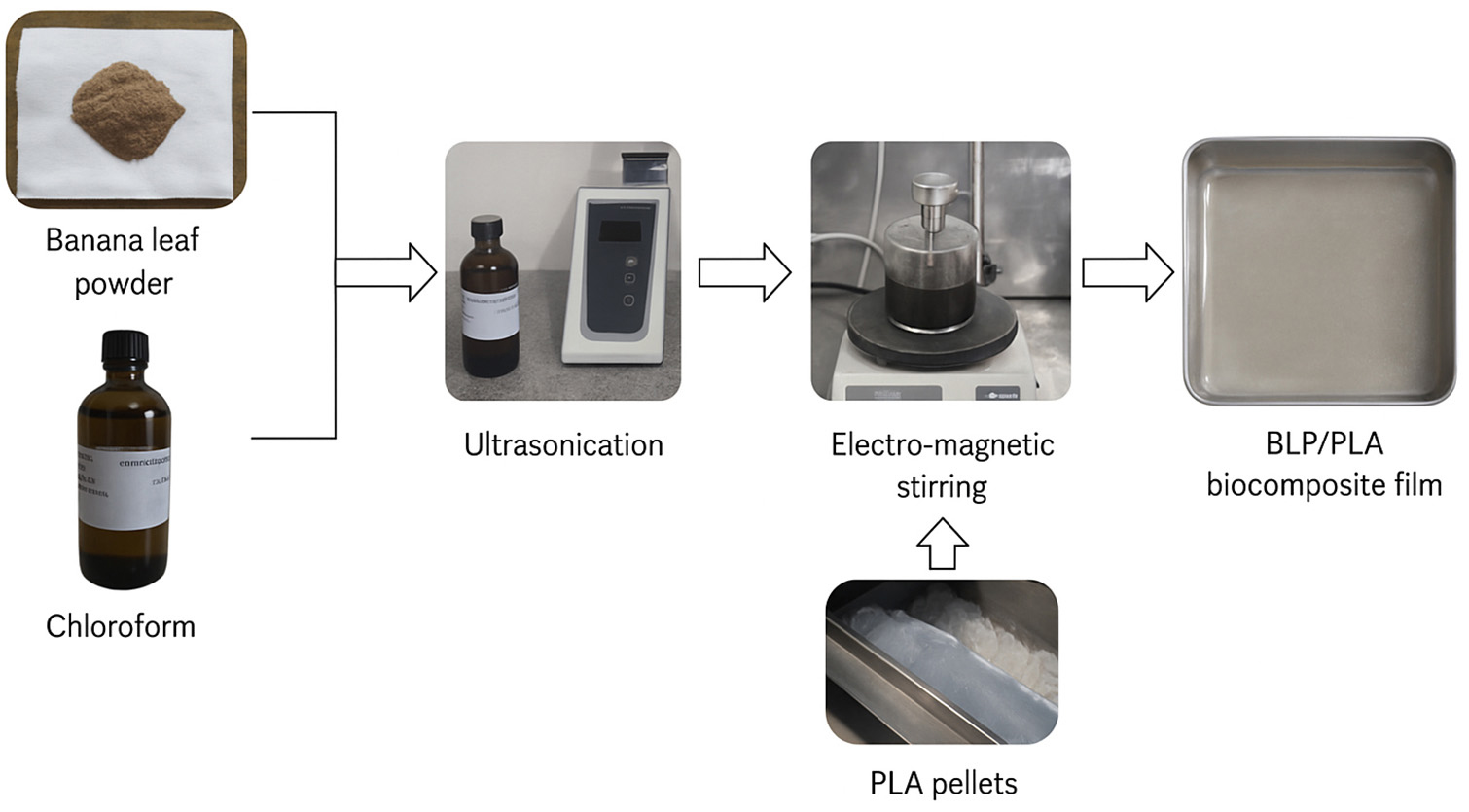
The BLP/PLA biocomposite films were fabricated using a solvent casting method as illustrated in Figure 2. PLA pellets were first dissolved in chloroform at a concentration of 10 wt.% under magnetic stirring at 60 °C for 4 hours to obtain a homogeneous polymer solution. The BLP was then added to the PLA solution at varying weight fractions (0, 5, 10, 15, and 20 wt.%) and thoroughly mixed using a mechanical stirrer for 30 minutes to ensure uniform dispersion. Glycerol (10 wt.% relative to the total dry mass) was added as a plasticizer to improve the flexibility and processability of the biocomposites. The resulting mixtures were degassed to remove air bubbles and poured into clean, flat Teflon molds. The films were dried at room temperature for 48 hours, followed by oven drying at 60 °C for 24 hours to ensure complete solvent evaporation. The dried films were carefully peeled from the molds and cut into standardized test specimens for further characterization.

Schematic diagram of the BLP/PLA biocomposite film preparation process using the solvent casting method.
2.4. Characterization of BLP/PLA biocomposite films
FTIR analysis was performed to investigate the chemical interactions between PLA and BLP. The spectra were recorded using a PerkinElmer Spectrum Two FTIR spectrometer in the range of 4000–400 cm−1, with a resolution of 4 cm−1 and 32 scans per sample. The samples were prepared by grinding the biocomposite films into fine powder and mixing them with potassium bromide (KBr) to form pellets for FTIR analysis. The surface morphology and dispersion of BLP within the PLA matrix were examined using a JEOL JSM-7100F field emission scanning electron microscope. Prior to imaging, the samples were coated with a thin layer of gold using a sputter coater to improve electrical conductivity and prevent charging effects. Thermal stability and phase transition behavior of the biocomposite films were analyzed using a PerkinElmer TGA 4000 and DSC 8000 systems, respectively. For TGA, approximately 10 mg of each sample was heated from 25 °C to 800 °C at a rate of 10 °C/min under a nitrogen atmosphere to prevent oxidation. DSC analysis was performed over a temperature range of 30 °C to 300 °C at a heating rate of 10 °C/min under a nitrogen purge. The tensile properties of the biocomposite films, including tensile strength, tensile modulus, and elongation at break, were evaluated using an Instron 3369 Universal Testing Machine equipped with a 5 kN load cell. The tests were conducted according to ASTM D638-03 standards at a crosshead speed of 5 mm/min. Water absorption capacity of the biocomposite films was determined according to ASTM D570. The samples were cut into 30 mm × 30 mm squares and dried in an oven at 60 °C for 24 hours. The initial dry weight (W1) was recorded before the samples were immersed in distilled water at room temperature. The samples were removed at regular intervals (24, 48, 72, and 96 hours), gently blotted to remove surface water, and weighed (W2) to calculate the percentage water absorption using the formula:
2.5. Statistical analysis
All quantitative measurements, including tensile properties, thermal degradation parameters, thermal transition temperatures, enthalpies, and water absorption, were performed with five replicates (n=5) per composition. Data are presented as mean ± standard error (SE). One-way analysis of variance (ANOVA) with Tukey’s post-hoc test was conducted using SPSS software (v. 26) to determine statistically significant differences between composite formulations at p < 0.05. Significant differences are indicated by distinct superscript letters (a, b, c, etc.) in the tables.
3. RESULTS AND DISCUSSION
3.1. Mechanical properties of BLP/PLA biocomposite films
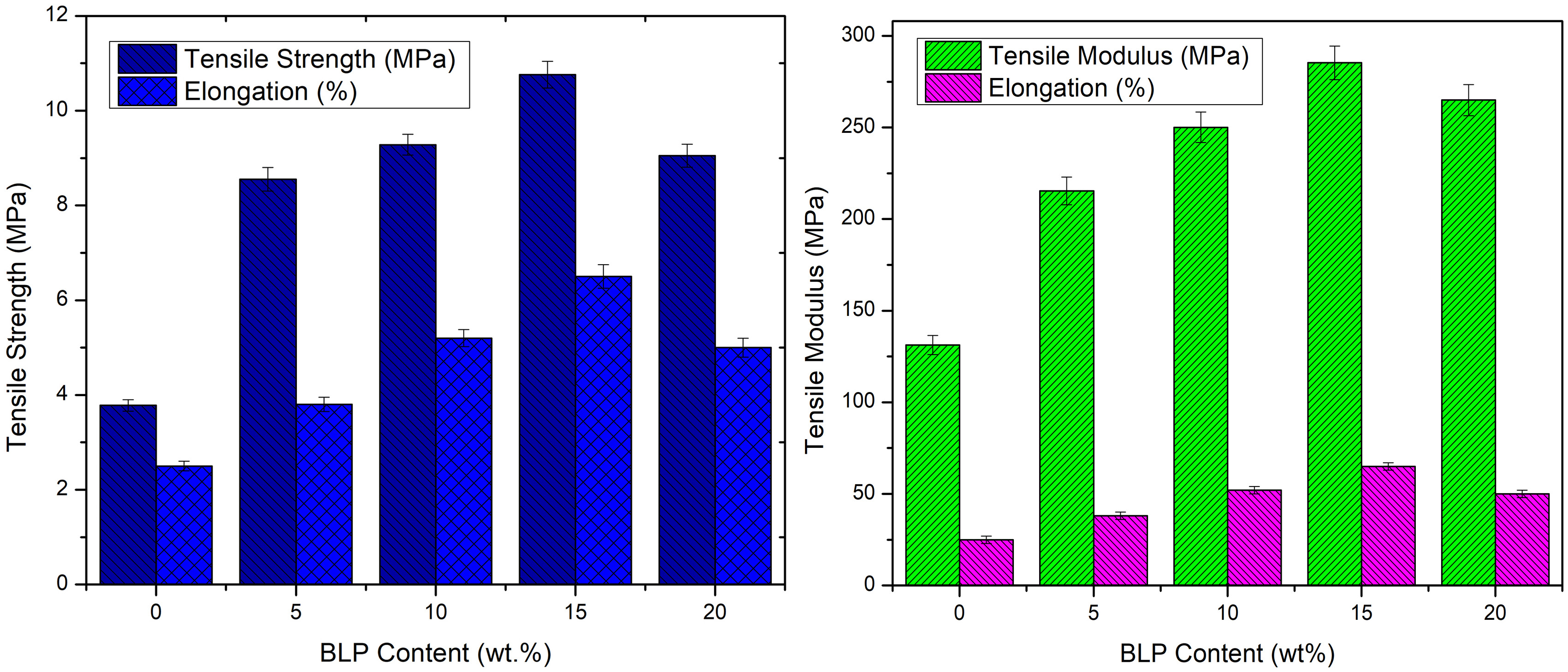
The mechanical properties of the BLP/PLA biocomposite films were evaluated to assess the impact of banana leaf powder (BLP) reinforcement on tensile strength, tensile modulus, and elongation at break. The tensile properties for different BLP loadings (0, 5, 10, 15, and 20 wt.%) are summarized in Table 1 and illustrated in Figure 3.
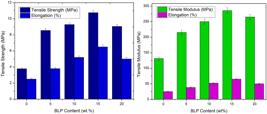
The tensile strength and modulus of the BLP/PLA composites increased significantly with BLP content up to 15 wt.%, reaching a maximum tensile strength of 71.5 MPa and a modulus of 3900 MPa. This enhancement is primarily attributed to the effective stress transfer between the PLA matrix and the BLP filler, facilitated by strong interfacial adhesion. The presence of high-strength cellulose fibers within the BLP likely contributes to this improvement by increasing the load-bearing capacity of the composite and reducing premature matrix failure under tensile loading. The tensile strength increases from 58.5 MPa for neat PLA to 71.5 MPa at 15 wt.% BLP represents a 22.2% improvement, while the tensile modulus increases from 3200 MPa to 3900 MPa indicates a 21.8% enhancement. This significant improvement can be attributed to the mechanical interlocking and hydrogen bonding between the hydroxyl-rich BLP and the ester groups in PLA, which create a more cohesive and rigid composite structure. The fine powder morphology of the BLP also aids in distributing applied stress more evenly, reducing localized deformation and enhancing overall tensile performance[47]. However, at 20 wt.% BLP, a slight reduction in tensile strength (69.0 MPa) and elongation at break (7.5%) was observed. This decline is likely due to the onset of particle agglomeration, matrix discontinuity, and the formation of microvoids at the filler-matrix interface, which act as stress concentrators and weaken the composite structure. Excessive filler loading can disrupt the polymer chain continuity, reduce the effective load transfer, and limit the matrix’s ability to accommodate plastic deformation, resulting in a less ductile and more brittle composite. Additionally, the elongation at break improved significantly with increasing BLP content, reaching a maximum of 8.1% at 15 wt.% BLP, representing a 224% improvement over neat PLA. This indicates that the incorporation of BLP not only enhances the composite’s strength and stiffness but also improves its ductility and toughness, likely due to the flexible nature of the cellulose fibers and their ability to absorb and dissipate applied stress through localized plastic deformation and energy dissipation mechanisms.
3.2. Thermal stability and transition behavior of BLP/PLA biocomposite films
3.2.1. Thermogravimetric analysis (TGA)
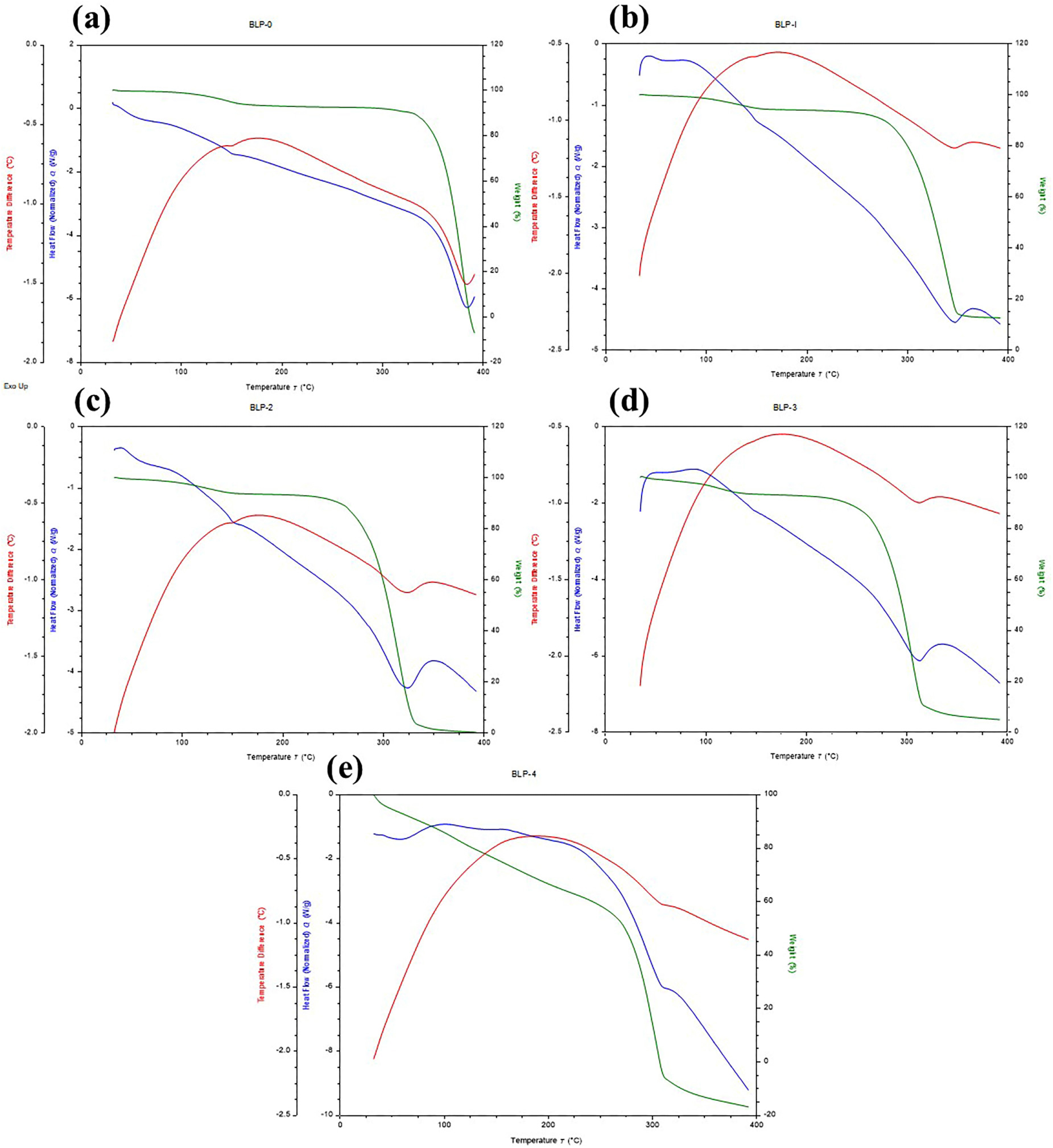
Thermogravimetric Thermogravimetric analysis (TGA) was conducted to evaluate the thermal stability and decomposition behaviour of the BLP/PLA biocomposite films. The TGA and derivative thermogravimetric (DTG) curves of neat PLA and BLP-reinforced composites are shown in Figure 4, while the corresponding thermal degradation parameters onset degradation temperature (Tonset), maximum degradation temperature (Tmax), and residual weight at 600 °C are summarized in Table 2. In this study, Tonset was determined at 5% weight loss, whereas Tmax corresponds to the peak temperature of the DTG curve. Neat PLA exhibited a Tonset of 290.2 ± 1.5 °C and a Tmax of 365.5 ± 2.0 °C, indicating its characteristic single-step thermal degradation behaviour. With the incorporation of banana leaf powder (BLP), a progressive improvement in thermal stability was observed up to 15 wt.% filler loading. As listed in Table 2, the Tonset increased to 325.3 ± 2.2 °C and Tmax to 380.2 ± 2.8 °C for the 15 wt.% BLP/PLA composite. This enhancement is attributed to the presence of cellulose and lignin in BLP, which act as natural thermal barriers by restricting polymer chain mobility and delaying the release of volatile degradation products. The improvement in thermal resistance is further supported by the increase in residual weight at 600 °C with increasing BLP content, as shown in Table 2. The residual mass increased from 1.2 ± 0.1% for neat PLA to 4.2 ± 0.4% for the 15 wt.% BLP composite, reflecting enhanced char formation associated with the higher carbon content of lignin-rich BLP. Such char layers can effectively insulate the underlying material, thereby improving thermal stability. At a higher filler loading of 20 wt.%, a slight reduction in Tonset (320.1 ± 2.1 °C) was observed, despite an increase in residual char content. This behaviour is attributed to particle agglomeration and reduced matrix continuity at higher BLP concentrations, which can create localized heat-transfer pathways and weaken filler–matrix interactions, as also evidenced by SEM analysis [48].
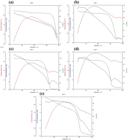
Thermal analysis curves (TGA/DTG and DSC) of neat PLA (0 wt.% BLP) and BLP/PLA biocomposite films containing 5, 10, 15, and 20 wt.% banana leaf powder.
3.2.2. Differential scanning calorimetry (DSC)
To further elucidate the influence of BLP on the thermal transition behaviour of PLA, differential scanning calorimetry (DSC) analysis was performed, and the results are summarized in Table 3 and shown in Figure 4. Neat PLA exhibited a glass transition temperature (Tg) of 60.5 ± 0.8 °C, a cold crystallization temperature (Tcc) of 113.5 ± 1.2 °C, and a melting temperature (Tm) of 151.2 ± 1.0 °C. With increasing BLP content, a gradual decrease in Tg was observed, reaching 58.5 ± 0.6 °C at 15 wt.% BLP, indicating enhanced chain mobility due to the combined effect of glycerol plasticization and filler–matrix interactions. The reduction in Tcc and cold crystallization enthalpy (ΔHcc) with increasing BLP loading suggests that BLP acts as a heterogeneous nucleating agent, promoting earlier crystallization of PLA during heating. Meanwhile, the melting temperature remained nearly constant across all compositions, indicating that the crystalline structure of PLA was not significantly altered. However, the gradual decrease in melting enthalpy (ΔHm), as shown in Table 3, reflects a reduction in overall crystallinity due to restricted chain packing in the presence of dispersed BLP particles. Overall, the combined TGA and DSC results demonstrate that a moderate BLP loading of 15 wt.% provides an optimal balance between enhanced thermal stability and controlled crystallinity, making it a promising formulation for thermally stable and sustainable packaging applications.
3.3. Morphological analysis (SEM)
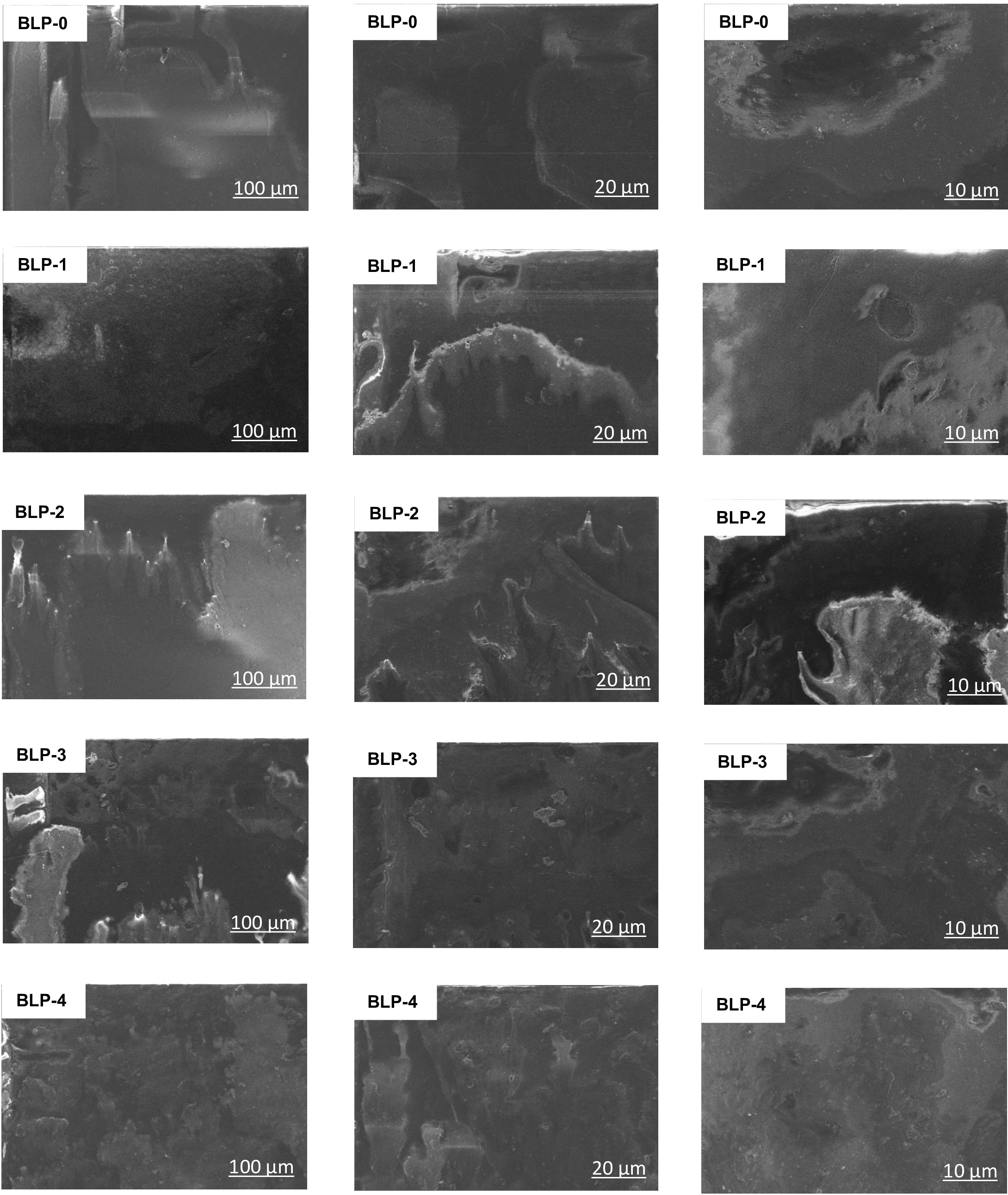
Scanning Electron Microscopy (SEM) was conducted to evaluate the dispersion, distribution, and interfacial bonding of BLP within the PLA matrix. Representative SEM micrographs for 5, 10, 15, and 20 wt.% BLP composites are presented in Figure 5. The SEM analysis reveals that the 5 wt.% and 10 wt.% BLP composites exhibit relatively uniform filler dispersion within the PLA matrix, with minimal voids and strong interfacial adhesion. This homogeneous filler distribution likely contributes to the improved tensile strength and modulus observed in these compositions, as the well-dispersed BLP particles can effectively transfer stress and reduce localized stress concentrations. At 15 wt.% BLP, the SEM images indicate a more densely packed filler structure, with some evidence of particle clustering. Despite this, the matrix-filler interface remains well-bonded, supporting the significant increase in tensile strength and elongation at break observed at this filler loading. The dense packing of BLP particles at this composition likely enhances load transfer efficiency and restricts polymer chain mobility, resulting in improved stiffness and toughness. However, at 20 wt.% BLP, significant particle agglomeration and matrix disruption are evident. The SEM micrographs reveal the presence of large filler clusters and voids, which act as stress concentrators and reduce the overall mechanical integrity of the composite. This observation is consistent with the reduced tensile strength and elongation at break noted for this composition, suggesting that excessive filler loading can compromise matrix continuity and reduce the effectiveness of stress transfer [49]. The interfacial bonding was validated through the combined analysis of FTIR and SEM. The shift and broadening of O–H and C=O peaks confirm hydrogen bonding between BLP cellulose and PLA ester groups. SEM micrographs at 15 wt.% BLP show minimal interfacial voids, supporting strong adhesion and efficient load transfer. Future studies incorporating quantitative image analysis to determine particle size distribution and void fraction would provide a more rigorous correlation between morphology and mechanical properties.

3.4. Water absorption
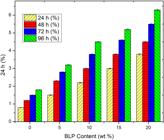
Water absorption tests were conducted to evaluate the hydrophilic behavior and moisture resistance of the BLP/PLA biocomposite films. The results was illustrated in Figure 6, indicate a clear increase in water uptake with higher BLP content, consistent with the hydrophilic nature of cellulose and lignin components present in BLP. The water absorption results clearly demonstrate a progressive increase in moisture uptake with increasing BLP content, reaching a maximum of 6.3% at 20 wt.% BLP after 96 hours of immersion. This trend is primarily attributed to the hydrophilic nature of BLP, which contains significant amounts of cellulose, hemicellulose, and lignin, all of which have strong hydroxyl groups capable of hydrogen bonding with water molecules. The 15 wt.% BLP composite exhibited moderate water absorption (5.2% at 96 hours), reflecting a balance between filler reinforcement and moisture resistance. This composition also demonstrated the highest mechanical strength and thermal stability, indicating that it provides an optimal balance of mechanical and moisture-resistant properties. However, the significant increase in water absorption at 20 wt.% BLP suggests that excessive filler loading can reduce the composite’s moisture resistance, potentially limiting its long-term durability in high-humidity environments. This issue can be addressed through surface modifications, the use of hydrophobic fillers, or the incorporation of compatibilizing agents to reduce the water uptake and improve long-term performance.
3.5. Role of glycerol plasticizer
Glycerol (10 wt.%) was incorporated as a plasticizer to mitigate the inherent brittleness of PLA and improve processability during film casting. Its hydrophilic nature contributes to the observed increase in water absorption with BLP content (Figure 6), as both glycerol and cellulose components attract water molecules. Furthermore, glycerol enhances chain mobility within the PLA matrix, which is consistent with the observed decrease in glass transition temperature (Tg) with increasing BLP/glycerol content (Table 3). This plasticizing effect synergizes with the reinforcing action of BLP, contributing to the significant improvement in elongation at break without catastrophic loss of tensile strength at optimal filler loadings.
3.6. Fourier Transform Infrared Spectroscopy (FTIR) analysis
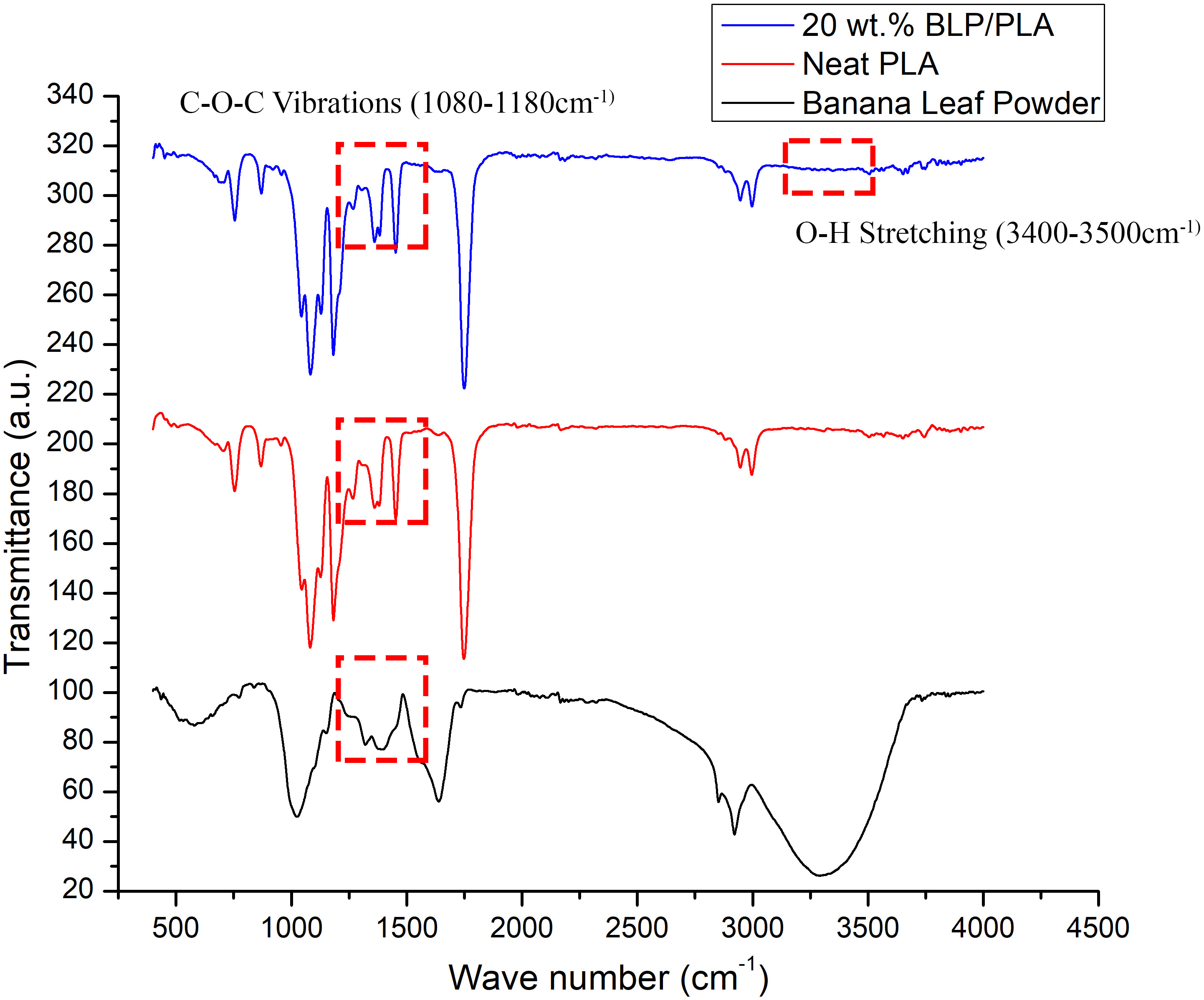
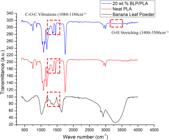
The Fourier Transform Infrared (FTIR) spectra of neat PLA, pure BLP, and BLP/PLA biocomposite films with varying BLP loadings (0, 5, 10, 15, and 20 wt.%) are presented in Figure 7. FTIR analysis is a critical tool for identifying chemical interactions, functional group modifications, and interfacial bonding within composite materials, providing insights into their molecular structure and mechanical performance. The FTIR spectra reveal several key absorption bands corresponding to characteristic functional groups in PLA and BLP, including hydroxyl (O-H), carbonyl (C=O), and C-O stretching, as well as C-H bending. These functional groups play a crucial role in determining the mechanical strength, thermal stability, and overall performance of the biocomposite films. The O-H stretching band, observed in the 3400-3500 cm−1 region, is a prominent feature in the spectra of pure BLP and BLP/PLA composites. This peak is primarily associated with the hydroxyl groups present in the cellulose, hemicellulose, and lignin components of BLP. The intensity of this peak increases significantly with higher BLP content, indicating enhanced hydrogen bonding between the hydroxyl-rich BLP and the carbonyl groups in PLA. This hydrogen bonding is critical for improving interfacial adhesion, promoting efficient stress transfer, and enhancing the mechanical integrity of the composites. The higher peak intensity for 15 wt.% BLP composites suggests optimal filler-matrix interaction, which aligns with the observed peak tensile strength and modulus at this composition. The sharp peak at 1745 cm−1 corresponds to the carbonyl (C=O) stretching in the ester backbone of PLA. This peak remains consistently intense across all BLP loadings, indicating that the primary ester structure of PLA is not significantly disrupted by the addition of BLP. This stability is crucial for maintaining the intrinsic properties of the PLA matrix, including its biodegradability and mechanical strength. The retention of this peak further supports the hypothesis that BLP reinforcement primarily enhances interfacial bonding without compromising the chemical integrity of the PLA matrix. The peak at 1450 cm−1, representing the asymmetric and symmetric bending vibrations of -CH3 groups in the PLA matrix, is present in all composite samples. This consistency indicates that the PLA matrix retains its molecular structure despite BLP reinforcement, allowing effective load distribution and stress transfer within the composite. The retention of this peak further underscores the robust chemical compatibility between the BLP and PLA components, contributing to the overall mechanical stability of the biocomposites. The peaks in the 1080-1180 cm−1 region correspond to the C-O stretching vibrations typically found in polysaccharides and cellulose. These peaks become more pronounced with increasing BLP content, reflecting the successful integration of cellulose-based BLP into the PLA matrix. This enhanced matrix-filler interaction significantly improves the mechanical properties, including tensile strength and modulus, as well as thermal stability, by facilitating efficient stress transfer and reducing localized deformation.
3.7. Comparative analysis with related bio-composites
The performance of the developed BLP/PLA biocomposites can be contextualized against similar systems in the literature. The optimal tensile strength of 71.5 MPa (15 wt.% BLP) compares favorably with sisal fiber/PLA composites (~67 MPa) [13] and outperforms many agro-waste based composites, such as palm fiber/PLA (~42 MPa) [15]. The dramatic 224% improvement in elongation at break is a key finding, surpassing the ductility enhancements typically reported for rigid natural fiber composites, which often show increased strength but reduced strain at failure. This is attributed to the combined effect of fine powder morphology and glycerol plasticization in our system. The enhanced thermal stability (Tonset = 325 °C) is also significant compared to many PLA/natural fiber composites. While studies on yucca fiber report exceptional tensile strengths [29], they often involve long, aligned fibers rather than randomly dispersed powder. The present study demonstrates that fine BLP powder, a low-value waste, can be valorized to create films with a balanced property profile suitable for flexible packaging applications where toughness is critical. Recent studies on other leaf-based fillers further support the potential of such materials, though our work uniquely details the solvent-casting process and the specific property trade-offs for BLP.
4. CONCLUSIONS
The present study successfully developed and characterized BLP/PLA biocomposite films, demonstrating the potential of banana leaf powder (BLP) as an effective reinforcement for polylactic acid (PLA) in sustainable packaging applications. The key findings from this investigation are as follows:
-
The mechanical properties of the BLP/PLA composites improved significantly with increasing BLP content, with the 15 wt.% BLP composites exhibiting the highest tensile strength (71.5 MPa) and tensile modulus (3900 MPa), representing a 22.2% and 21.8% improvement, respectively, over neat PLA. This enhancement is primarily attributed to strong interfacial bonding between the cellulose-rich BLP and the PLA matrix, which facilitates efficient stress transfer and load distribution.
-
The FTIR analysis confirmed the presence of strong hydrogen bonding between the hydroxyl groups in BLP and the carbonyl groups in PLA, as indicated by the pronounced O-H stretching and C-O stretching peaks. This interfacial bonding is critical for improving the mechanical strength and thermal stability of the composites, while maintaining the chemical integrity of the PLA matrix.
-
The water absorption behavior of the BLP/PLA composites demonstrated a clear dependence on BLP content, with higher BLP loadings resulting in increased moisture uptake. This trend reflects the hydrophilic nature of BLP, which contains significant amounts of cellulose, hemicellulose, and lignin. While the 15 wt.% BLP composite offered an optimal balance of mechanical strength and moisture resistance, excessive filler loading (e.g., 20 wt.%) led to reduced tensile strength and elongation at break, likely due to particle agglomeration and matrix disruption.
Overall, this study demonstrates that BLP is a promising, low-cost, and sustainable filler for enhancing the mechanical, thermal, and moisture-resistant properties of PLA, making it suitable for a wide range of packaging and structural applications. However, the increased moisture absorption at higher BLP contents suggests the need for further optimization, including surface treatments and hybrid filler strategies, to improve long-term durability and environmental resistance.
5. BIBLIOGRAPHY
-
[1] GAMMINO, M., GIOIA, C., MAIO, A., et al., “Chemical-free reactive melt processing of biosourced poly (butylene-succinate-adipate) for improved mechanical properties and recyclability”, ACS Applied Polymer Materials, v. 6, n. 10, pp. 5866–5877, 2024. doi: https://doi.org/10.1021/acsapm.4c00514. PubMed PMID: 38807952.
» https://doi.org/10.1021/acsapm.4c00514 -
[2] ZHUANG, X., WANG, F., HU, X., “Biodegradable polymers: a promising solution for green energy devices”, European Polymer Journal, v. 204, pp. 112696, 2024. doi: https://doi.org/10.1016/j.eurpolymj.2023.112696.
» https://doi.org/10.1016/j.eurpolymj.2023.112696 -
[3] MOHANTY, A.K., MISRA, M., DRZAL, L.T., “Sustainable bio-composites from renewable resources: opportunities and challenges in the green materials world”, Journal of Polymers and the Environment, v. 10, n. 1, pp. 19–26, 2002. doi: https://doi.org/10.1023/A:1021013921916.
» https://doi.org/10.1023/A:1021013921916 -
[4] MAHMUD, M.A., BELAL, S.A., GAFUR, M.A., “Development of a biocomposite material using sugarcane bagasse and modified starch for packaging purposes”, Journal of Materials Research and Technology, v. 24, pp. 1856–1874, 2023. doi: https://doi.org/10.1016/j.jmrt.2023.03.083.
» https://doi.org/10.1016/j.jmrt.2023.03.083 -
[5] FERRARI, F., STRIANI, R., FICO, D., et al., “An overview on wood waste valorization as biopolymers and biocomposites: definition, classification, production, properties and applications”, Polymers, v. 14, n. 24, pp. 5519, 2022. doi: https://doi.org/10.3390/polym14245519. PubMed PMID: 36559886.
» https://doi.org/10.3390/polym14245519 -
[6] RODRIGUEZ, L.J., PEÇAS, P., CARVALHO, H., et al., “A literature review on life cycle tools fostering holistic sustainability assessment: an application in biocomposite materials”, Journal of Environmental Management, v. 262, pp. 110308, 2020. doi: https://doi.org/10.1016/j.jenvman.2020.110308. PubMed PMID: 32250791.
» https://doi.org/10.1016/j.jenvman.2020.110308 -
[7] VENKATARAJAN, S., SUBBU, C., ATHIJAYAMANI, A., et al., “Mechanical properties of natural cellulose fibers reinforced polymer composites – 2015–2020: a review”, Materials Today: Proceedings, v. 47, pp. 1017–1024, 2021. doi: https://doi.org/10.1016/j.matpr.2021.05.547.
» https://doi.org/10.1016/j.matpr.2021.05.547 -
[8] AWAD, S.A., JAWAID, M., ISMAIL, A.S., et al., “Dimension stability, tensile and thermomechanical properties of bamboo/oil palm fibre reinforced bio-epoxy hybrid biocomposites”, Journal of Materials Research and Technology, v. 30, pp. 7440–7446, 2024. doi: https://doi.org/10.1016/j.jmrt.2024.05.130.
» https://doi.org/10.1016/j.jmrt.2024.05.130 -
[9] RADHAKRISHNAN, S., KHAN, A., DWIVEDI, S.P., et al., “Studies on mechanical, thermal, and water immersion of plant and animal wastage nanofiller–based bio-fiber-reinforced composites. Biomass. Conver”, Biomass Conversion and Biorefinery, v. 14, pp. 29591–29612, 2023. doi: https://doi.org/10.1007/s13399-023-04788-4.
» https://doi.org/10.1007/s13399-023-04788-4 -
[10] BENAMRANE, R., BENNOUNA, M.S., FELLAH, M., et al., “The improvement of the tensile properties of alfa fibers using the Taguchi method”, Industrial Crops and Products, v. 221, pp. 119398, 2024. doi: https://doi.org/10.1016/j.indcrop.2024.119398.
» https://doi.org/10.1016/j.indcrop.2024.119398 -
[11] AYYANAR, C.B., MARIMUTHU, K., HELAILI, S., “Experimental evaluation and numerical comparisons of pine tree leaves, graphene oxide loaded, and E-glass fiber reinforced sandwich composites”, IJPAC. International Journal of Polymer Analysis and Characterization, v. 29, n. 6, pp. 363–384, 2024. doi: https://doi.org/10.1080/1023666X.2024.2371426.
» https://doi.org/10.1080/1023666X.2024.2371426 -
[12] INBAKUMAR, J.P., RAMESH, S., “Mechanical, wear and thermal behaviour of hemp fibre/egg shell particle reinforced epoxy resin bio composite”, Transactions of the Canadian Society for Mechanical Engineering, v. 42, n. 3, pp. 280–285, 2018. doi: https://doi.org/10.1139/tcsme-2017-0079.
» https://doi.org/10.1139/tcsme-2017-0079 -
[13] MOHANTY, A.K., MISRA, M., HINRICHSEN, G., “Biofibres, biodegradable polymers and biocomposites: an overview”, Macromolecular Materials and Engineering, v. 276–277, n. 1, pp. 1–24, 2000. doi: https://doi.org/10.1002/(SICI)1439-2054(20000301)276:1<1::AID-MAME1>3.0.CO,2-W.
» https://doi.org/10.1002/(SICI)1439-2054(20000301)276:1<1::AID-MAME1>3.0.CO,2-W -
[14] RAJAN, S., MARIMUTHU, K., AYYANAR, C.B., et al., “Development and in-vitro characterization of HAP blended PVA/PEG bio-membrane”, Journal of Materials Research and Technology, v. 18, pp. 4956–4964, 2022. doi: https://doi.org/10.1016/j.jmrt.2022.04.130.
» https://doi.org/10.1016/j.jmrt.2022.04.130 -
[15] ZOU, H., WANG, L., GAN, H., et al., “Effect of fiber surface treatments on the properties of short sisal fiber/poly(lactic acid) biocomposites”, Polymer Composites, v. 33, n. 10, pp. 1659–1666, 2012. doi: https://doi.org/10.1002/pc.22295.
» https://doi.org/10.1002/pc.22295 -
[16] SAMOUH, Z., MOLNAR, K., BOUSSU, F., et al., “Mechanical and thermal characterization of sisal fiber reinforced polylactic acid composites”, Polymers for Advanced Technologies, v. 30, n. 3, pp. 529–537, 2019. doi: https://doi.org/10.1002/pat.4488.
» https://doi.org/10.1002/pat.4488 -
[17] SAMOUH, Z., MOLNÁR, K., HAJBA, S., et al., “Elaboration and characterization of biocomposite based on polylactic acid and Moroccan sisal fiber as reinforcement”, Polymer Composites, v. 42, n. 8, pp. 3812–3826, 2021. doi: https://doi.org/10.1002/pc.26095.
» https://doi.org/10.1002/pc.26095 -
[18] AWAD, S., HAMOUDA, T., MIDANI, M., et al., “Polylactic acid (PLA) reinforced with date palm sheath fiber bio composites: evaluation of fiber density, geometry, and content on the physical and mechanical properties”, Journal of Natural Fibers, v. 20, n. 1, pp. 2143979, 2023. doi: https://doi.org/10.1080/15440478.2022.2143979.
» https://doi.org/10.1080/15440478.2022.2143979 -
[19] BENANIBA, S., DRISS, Z., DJENDEL, M., et al., “Thermo-mechanical characterization of a bio-composite mortar reinforced with date palm fiber”, Journal of Engineered Fibers and Fabrics, v. 15, pp. 1558925020948234, 2020. doi: https://doi.org/10.1177/1558925020948234.
» https://doi.org/10.1177/1558925020948234 -
[20] KOMAL, U.K., LILA, M.K., SINGH, I., “Processing of PLA/pineapple fiber based next generation composites”, Materials and Manufacturing Processes, v. 36, n. 14, pp. 1677–1692, 2021. doi: https://doi.org/10.1080/10426914.2021.1942904.
» https://doi.org/10.1080/10426914.2021.1942904 -
[21] SIAKENG, R., JAWAID, M., ARIFFIN, H., et al., “Mechanical, dynamic, and thermomechanical properties of coir/ pineapple leaf fiber reinforced polylactic acid hybrid biocomposites”, Polymer Composites, v. 40, n. 5, pp. 2000–2011, 2019. doi: https://doi.org/10.1002/pc.24978.
» https://doi.org/10.1002/pc.24978 -
[22] SCAFFARO, R., MAIO, A., GAMMINO, M., et al., “Modelling the structure-property relationships of high performance PBAT-based biocomposites with natural fibers obtained from Chamaerops humilis dwarf palm”, Composites Science and Technology, v. 223, pp. 109427, 2022. doi: https://doi.org/10.1016/j.compscitech.2022.109427.
» https://doi.org/10.1016/j.compscitech.2022.109427 -
[23] TABAN, E., MIRZAEI, R., FARIDAN, M., et al., “Morphological, acoustical, mechanical and thermal properties of sustainable green Yucca (Y. gloriosa) fibers: an exploratory investigation”, Journal of Environmental Health Science & Engineering, v. 18, n. 2, pp. 883–896, 2020. doi: https://doi.org/10.1007/s40201-020-00513-9. PubMed PMID: 33312610.
» https://doi.org/10.1007/s40201-020-00513-9 -
[24] BALAJI AYYANAR, C., BAL, T., FAHADUDDIN, F., et al., “In-vitro and in-vivo investigation of wound healing efficacy of Syzygium cumini leaf extracts loaded carboxymethylcellulose film”, International Journal of Biological Macromolecules, v. 275, n. Pt 2, pp. 133691, 2024. doi: https://doi.org/10.1016/j.ijbiomac.2024.133691. PubMed PMID: 38972647.
» https://doi.org/10.1016/j.ijbiomac.2024.133691 -
[25] BALAJI AYYANAR, C., MARIMUTHU, K., MOHAN, S.K.P., et al., “Thermoplastic bio-composites from natural Samanea Saman fillers loaded HDPE: mechanical, thermal, and structural analysis”, Results in Engineering, v. 23, pp. 102841, 2024. doi: https://doi.org/10.1016/j.rineng.2024.102841.
» https://doi.org/10.1016/j.rineng.2024.102841 -
[26] BENITO, P., LIGORIO, D., BELLÓN, J., et al., “Use of yucca (yucca schidigera) extracts as biostimulants to promote germination and early vigor and as natural fungicides”, Plants, v. 12, n. 2, pp. 274, 2023. doi: https://doi.org/10.3390/plants12020274. PubMed PMID: 36678987.
» https://doi.org/10.3390/plants12020274 -
[27] BALAJI AYYANAR, C., KUMAR, R., HELAILI, S., et al., “Experimental and numerical analysis of natural fillers loaded and E-glass reinforced epoxy sandwich composites”, Journal of Materials Research and Technology, v. 32, pp. 1235–1244, 2024. doi: https://doi.org/10.1016/j.jmrt.2024.07.142.
» https://doi.org/10.1016/j.jmrt.2024.07.142 -
[28] CHEEKE, P.R., PIACENTE, S., OLESZEK, W., “Anti-inflammatory and anti-arthritic effects of yucca schidigera: a review”, Journal of Inflammation, v. 3, n. 1, pp. 6, 2006. doi: https://doi.org/10.1186/1476-9255-3-6. PubMed PMID: 16571135.
» https://doi.org/10.1186/1476-9255-3-6 -
[29] BELAADI, A., AMROUNE, S., SEKI, Y., et al., “Extraction and characterization of a new lignocellulosic fiber from yucca treculeana L. Leaf as potential reinforcement for industrial biocomposites”, Journal of Natural Fibers, v. 19, n. 15, pp. 12235–12250, 2022. doi: https://doi.org/10.1080/15440478.2022.2054895.
» https://doi.org/10.1080/15440478.2022.2054895 -
[30] KAMALI MOGHADDAM, M., KARIMI, E., “The effect of oxidative bleaching treatment on Yucca fiber for potential composite application”, Cellulose, v. 27, n. 16, pp. 9383–9396, 2020. doi: https://doi.org/10.1007/s10570-020-03433-x.
» https://doi.org/10.1007/s10570-020-03433-x -
[31] AZANAW, A., HAILE, A., GIDEON, R.K., “Extraction and characterization of fibers from Yucca Elephantine plant”, Cellulose, v. 26, n. 2, pp. 795–804, 2019. doi: https://doi.org/10.1007/s10570-018-2103-x.
» https://doi.org/10.1007/s10570-018-2103-x -
[32] KACEM, M.A., GUEBAILIA, M., SABBA, N., et al., “Assessing extraction methods and mechanical and physicochemical properties of Algerian yucca fibers for sustainable composite reinforcement”, Macromolecular Materials and Engineering, v. 309, n. 10, pp. 2400082, 2024. doi: https://doi.org/10.1002/mame.202400082.
» https://doi.org/10.1002/mame.202400082 -
[33] JIANG, H., AIHEMAITI, P., AIYITI, W., et al., “A novel printing strategy to fabricate polyetheretherketone (PEEK)- based composites via hollow filaments filled with multiple reinforcements”, Virtual and Physical Prototyping, v. 19, n. 1, pp. e2412187, 2024. doi: https://doi.org/10.1080/17452759.2024.2412187.
» https://doi.org/10.1080/17452759.2024.2412187 -
[34] ATSANI, S.I., SING, S.L., “Optimization of glass-powder-reinforced recycled high-density polyethylene (rHDPE) filament for additive manufacturing: transforming bottle caps into sound-absorbing material”, Polymers, v. 16, n. 16, pp. 2324, 2024. doi: https://doi.org/10.3390/polym16162324. PubMed PMID: 39204544.
» https://doi.org/10.3390/polym16162324 -
[35] WANG, F., ZHOU, Q., LIU, H., et al., “Wide-angle broadband metamaterial absorber with carbon black carbonyl iron/polylactic acid composites fabricated by fused filament fabrication”, Materials Science in Additive Manufacturing, v. 3, n. 3, pp. 4158, 2024. doi: https://doi.org/10.36922/msam.4158.
» https://doi.org/10.36922/msam.4158 -
[36] MAZUR, K.E., JAKUBOWSKA, P., GAWEŁ, A., et al., “Mechanical, thermal and hydrodegradation behavior of poly (3- hydroxybutyrate-co-3-hydroxyvalerate) (PHBV) composites with agricultural fibers as reinforcing fillers”, Sustain. Mat. Tech, v. 31, pp. e00390, 2022. doi: https://doi.org/10.1016/j.susmat.2022.e00390.
» https://doi.org/10.1016/j.susmat.2022.e00390 -
[37] VISCUSI, G., GORRASI, G., “A novel approach to design sustainable fiber reinforced materials from renewable sources: mathematical modeling for the evaluation of the effect of fiber content on biocomposite properties”, Journal of Materials Research and Technology, v. 12, pp. 717–726, 2021. doi: https://doi.org/10.1016/j.jmrt.2021.03.017.
» https://doi.org/10.1016/j.jmrt.2021.03.017 -
[38] JAWAID, M., ABDUL KHALIL, H.P.S., “Cellulosic/synthetic fibre reinforced polymer hybrid composites: a review”, Carbohydrate Polymers, v. 86, n. 1, pp. 1–18, 2011. doi: https://doi.org/10.1016/j.carbpol.2011.04.043.
» https://doi.org/10.1016/j.carbpol.2011.04.043 -
[39] DAHY, H., “Biocomposite materials based on annual natural fibres and biopolymers – design, fabrication and customized applications in architecture”, Construction & Building Materials, v. 147, pp. 212–220, 2017. doi: https://doi.org/10.1016/j.conbuildmat.2017.04.079.
» https://doi.org/10.1016/j.conbuildmat.2017.04.079 -
[40] RAMAMOORTHY, S.K., SKRIFVARS, M., PERSSON, A., “A review of natural fibers used in biocomposites: plant, animal and regenerated cellulose fibers”, Polymer Reviews (Philadelphia, Pa.), v. 55, n. 1, pp. 107–162, 2015. doi: https://doi.org/10.1080/15583724.2014.971124.
» https://doi.org/10.1080/15583724.2014.971124 -
[41] AKAMPUMUZA, O., WAMBUA, P.M., AHMED, A., et al., “Review of the applications of biocomposites in the automotive industry”, Polymer Composites, v. 38, n. 11, pp. 2553–2569, 2017. doi: https://doi.org/10.1002/pc.23847.
» https://doi.org/10.1002/pc.23847 -
[42] LONG, H., WU, Z., DONG, Q., et al., “Mechanical and thermal properties of bamboo fiber reinforced polypropylene/polylactic acid composites for 3D printing”, Polymer Engineering and Science, v. 59, n. s2, pp. E247–E260, 2019. doi: https://doi.org/10.1002/pen.25043.
» https://doi.org/10.1002/pen.25043 -
[43] BAHRAMI, M., ABENOJAR, J., MARTÍNEZ, M.A., “Recent progress in hybrid biocomposites: mechanical properties, water absorption, and flame retardancy”, Materials (Basel), v. 13, n. 22, pp. 5145, 2020. doi: https://doi.org/10.3390/ma13225145. PubMed PMID: 33203190.
» https://doi.org/10.3390/ma13225145 -
[44] JAGADEESH, P., PUTTEGOWDA, M., MAVINKERE RANGAPPA, S., et al., “A review on extraction, chemical treatment, characterization of natural fibers and its composites for potential applications”, Polymer Composites, v. 42, n. 12, pp. 6239–6264, 2021. doi: https://doi.org/10.1002/pc.26312.
» https://doi.org/10.1002/pc.26312 -
[45] SATHISH, S., KARTHI, N., PRABHU, L., et al., “A review of natural fiber composites: extraction methods, chemical treatments and applications”, Materials Today: Proceedings, v. 45, pp. 8017–8023, 2021. doi: https://doi.org/10.1016/j.matpr.2020.12.1105.
» https://doi.org/10.1016/j.matpr.2020.12.1105 -
[46] TESFAY, A.G., KAHSAY, M.B., KUMAR, P.S.S., “Effect of carbon and glass fillers on tensile and impact strength, water absorption, and degradation properties of sisal/ polyester composites”, Journal of Natural Fibers, v. 20, n. 2, pp. 2202886, 2023. doi: https://doi.org/10.1080/15440478.2023.2202886.
» https://doi.org/10.1080/15440478.2023.2202886 - [47] KILIÇ, E., AKYOL, E., KARAKUZU-İKIZLER, B., et al., “Production of Novel Composite Films Based on PVA-Biosilica”, Journal of the Indian Chemical Society, v. 97, n. 10c, 2020.
-
[48] RAHMAN, M.M., MANIRUZZAMAN, M., ZAMAN, M.N., “Fabrication and characterization of environmentally friendly biopolymeric nanocomposite films from cellulose nanocrystal of banana M. Oranta (Sagar kala) tree rachis fibers and poly lactic acid: A new route”, South African Journal of Chemical Engineering, v. 50, n. 1, pp. 451–465, Oct. 2024. doi: https://doi.org/10.1016/j.sajce.2024.10.002.
» https://doi.org/10.1016/j.sajce.2024.10.002 -
[49] ÖZARSLAN, A.C., ÇIFTÇI, F., “A comparative study of release kinetics behavior models and shelf life assessment of bacitracin zinc-loaded PLA composites”, Konya Journal of Engineering Sciences., v. 11, n. 4, pp. 1006–1015, 2023. doi: https://doi.org/10.36306/konjes.1328688.
» https://doi.org/10.36306/konjes.1328688