 Post-heat exposure residual mechanical properties of lightweight hybrid fibre-reinforced concrete
ABSTRACT
Low-density concretes made with lightweight aggregates are known for their enhanced thermal insulation properties. Though the temperature resistance is better than normal concretes, lightweight aggregate concrete (LWAC) experiences significant structural degradation when subjected to extreme conditions, especially those exceeding temperatures of 400°C. Encompassing the safety and durability of structures, auditing the strength of LWAC subject to elevated temperatures is crucial. The present research aims to analyse the density, strength, and microstructural morphology of expanded clay aggregate concrete when subjected to elevated temperatures, particularly 100°C, 200°C, 400°C, and 800°C. Concrete mixes were prepared with crushed stone aggregates replaced with ECA at 0%, 50%, and 100% by volume. The mixes were then further modified by reinforcing the matrix with hybrid fibres at 1.5% (1% steel and 0.5% polypropylene) by volume. The cured specimens were exposed to elevated temperatures and then tested for their mass and strength properties. Notable mass loss was observed for all the mixes post-thermal exposure, and improvement in strength was observed for the mixes when exposed up to 200°C. Further exposure led to a strength degradation. The observed degradation is potentially connected to the complete disintegration of the microstructure, as seen in the Scanning Electron Microscopy (SEM) images.
Keywords:
Low-density concrete; Expanded Clay Aggregates; Heat exposure
1. INTRODUCTION
Concrete is widely used for construction as it is cost-effective, has beneficial mechanical properties, and is durable, significantly when effectively reinforced [1,2 3]]. However, the elements made with denser concrete and reinforced with steel bars are heavier and will lead to the demand for stronger foundations. Owing to the cost associated with stronger supporting structures, the engineers have shown a notable inclination towards reducing the self-weight of elements such as columns, beams, and slabs. One of the well-acknowledged ways to reduce the self-weight of the structure is the use of Lightweight Concrete (LWC) [4].
The most common way of lowering the concrete density is the substitution of lightweight aggregates in place of heavier conventional aggregates. In addition to the natural lightweight aggregates such as pumice, scoria, perlite, etc., artificial aggregates such as expanded clay, sintered fly ash, expanded shale, etc., are also commonly used in the preparation of Lightweight Aggregate Concrete (LWAC). The density of LWAC varies from 800 kg/m3 to 2000 kg/m3, thus being significantly lower than that of traditional Normal Weight Concrete (NWC). Additionally, LWAC possesses thermal and acoustic insulation properties.
Among various lightweight aggregates, Expanded Clay Aggregates (ECA) are known for their higher performance [5] and relatively better eco-friendliness. ECA is a highly versatile material with extensive construction applications, particularly for producing concrete, lightweight blocks, precast elements, and foundation structural backfill. The benefits of incorporating ECA into the mixture at varying percentages include improved workability [6,7,8]], appropriate segregation resistance [9], decreased density [10, 11]], reduced creep [12], more effective thermal insulation [13], improved fire resistance [14, 15]], reduced crack tendency, and improved shrinkage resistance [16].
Concrete elements are often exposed to extreme conditions, such as high temperatures, which are considered critical as they lead to mechanical degradation that diminishes the strength and durability of concrete structures [17, 18]]. The structural integrity of a building may be compromised by prolonged exposure to high temperatures, rendering it unusable [19]. Concrete’s fire resistance stems from the fact that it is not combustible, sustains minimal damage for a limited time, and emits no harmful byproducts at high temperatures [20]. The utilisation of LWAC is a reasonably effective technique for improving the heat resilience of concrete structures. Considering the thermal properties, LWAC has improved thermal endurance, reduced thermal conductivity, and an inferior thermal expansion factor compared to conventional concrete [21, 22]], given that the lightweight aggregate is produced through sintering at high temperatures, leading to an increment in the number of internal pores in the material. Unlike conventional-weight concrete, LWC is less prone to explosive spalling at high temperatures due to its lower density and comparatively higher permeability [23].
The fire-resistant properties of concrete can be enhanced by incorporating fibres. Residual mechanical characteristics and spalling resistance of temperature-exposed concrete can be enhanced when steel fibres are combined with low melting point fibres like polypropylene [24,25,26]]. Since good thermal stability is exhibited by ECA, a comprehensive comparative study is imperative to assess and contrast the effect of fibre addition on the thermal performance of concrete compositions, with normal-weight concrete being fully and partially replaced by ECA.
Only limited literature is available that thoroughly assesses the physical characteristics of LWC with ECA concrete following exposure to high temperatures [27, 28]]. Simultaneously, a small percentage of investigations have been conducted to evaluate residual mechanical features of LWAC reinforced with fibres and containing ECA. However, the authors could not locate enough studies in the literature that looked into the mechanical characteristics of expanded clay aggregate concrete reinforced with fibres following a fire. This study evaluates the destructive and non-destructive testing of LWC after exposure to elevated temperatures. As highlighted in the preceding sections, this scenario can occur during the lifespan of concrete structures, yet a significant scarcity of studies addressing this specific aspect exists. A comprehensive investigation was conducted to completely analyse the mechanical properties and microstructural changes of lightweight and normal-weight concrete, both with and without fibres, after exposing them to elevated temperatures.
2. EXPERIMENTAL PROGRAM
The materials used and the experimental methodology are discussed in this section.
2.1. Materials used
Portland Pozzolana Cement (PPC) was used as the binder for the preparation of concrete. The PPC used had a fineness of 310 m2/kg, as specified in IS: 1489 Part I (1991) [29]. The physical and chemical compositions of the cement are provided in Tables 1 and 2.
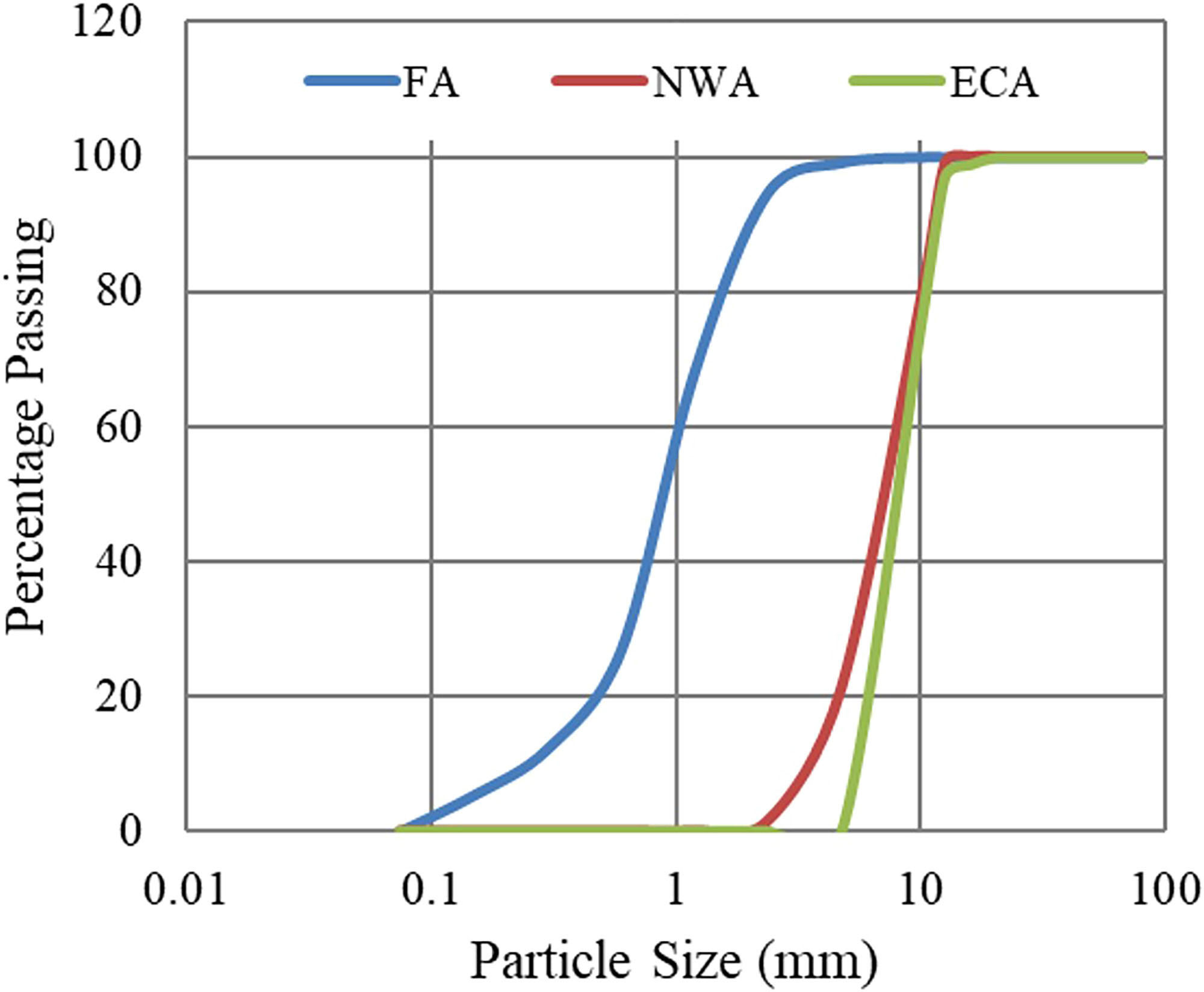
The Fine Aggregate (FA) utilised in this investigation is Manufactured Sand (M Sand), as per the specifications outlined in IS 383 [30]. The properties are enumerated in Table 3. Figure 1 depicts the gradation curve for the aggregates. The experimental studies utilised Normal Weight Aggregate (NWA) and Expanded Clay Aggregate (ECA) as the coarse aggregate. The properties of both aggregates-calculated as per standards are described in Table 4. The physical features of the various fibres used in this study and the specifications provided by the manufacturer are outlined in Table 5. For mixing purpose, the investigation utilised potable water that adheres to the specifications given in IS 3025 [31].
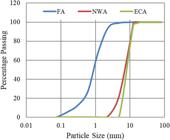
Particle size distribution curve of Fine Aggregate (FA), Normal Weight Aggregate (NWA), and Expanded Clay Aggregate (ECA).
The coarse aggregate fraction used consisted of crushed natural stone with a nominal size ranging from 4.75 mm to 12.5 mm. The lightweight aggregate used was generated by treating clay to a temperature of 1200°C, resulting in ECA. The assessment of physical properties of aggregates was done conforming to IS: 383-2016 [30], and their results are provided in Tables 4 and 5.
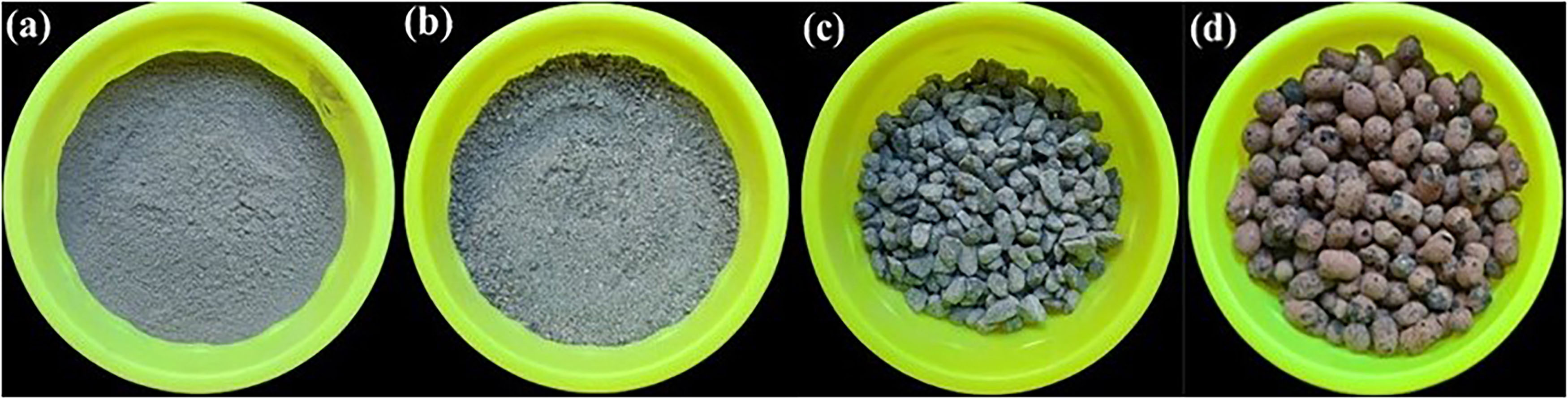
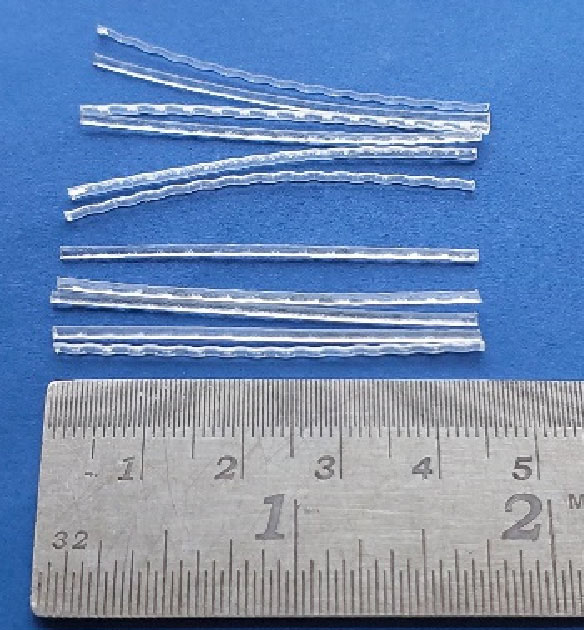
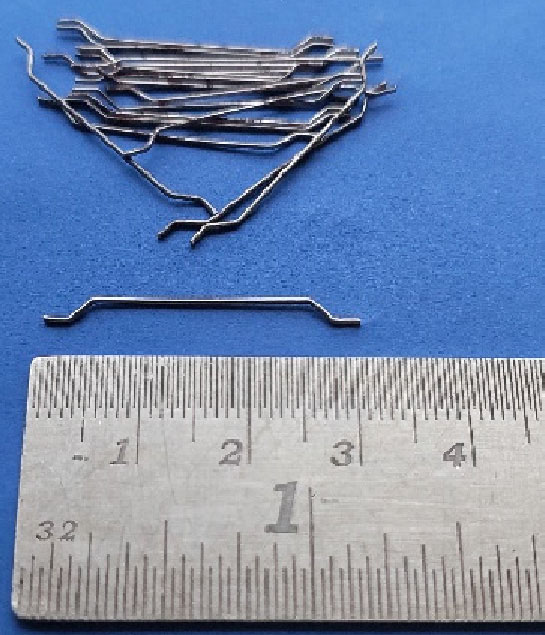
Concrete mixtures with low water-cement ratios need the addition of super-plasticiser to achieve desirable workability. The chemical admixture employed in this research was a polycarboxylic ether (PCE) of the Tec mix-640 kind, which is a light brown liquid with a relative density of 1.08 ± 0.01 at 25°C, a chloride ion content of less than 0.1%, and a pH value of 7–9. The water used in the test procedure is as per IS 456 [32]. It has the properties of drinking water. The pH of water ranges between 6.5 and 8.5. In order to examine the impact of fibres on the properties of concrete under high temperatures, this investigation utilised two different types of fibres: steel fibres (SF), and polypropylene fibres (PPF). Figure 2 provide visual representations of materials used in the current research, while Table 5 presents the detailed properties of each fibre obtained from the manufacturer.
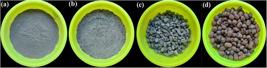
Materials used: (a) Portland Pozzolana Cement; (b) Fine Aggregate; (c) Normal Weight Aggregate; and (d) Expanded Clay Aggregate.
2.2. Methodology
The proportioning of the concrete mixes was done in accordance with IS 10262 [33]. Two different sets of mixes such as without and with fibre reinforcement were considered for the study. The fibres were added in a hybrid form, with steel fibres at 1% and PP fibres at 0.5% by volume. The properties of the concrete under elevated temperature conditions were assessed for the concrete mixes with varying levels of replacement, such as 0%, 50%, and 100% of CA with ECA. As the density of ECA is considerably lower than that of CA, replacement was done by volume. Detailed mix proportioning of the concrete mixes is given in Table 6.
The workability of the concrete was evaluated by conducting a slump test [34]. The properties of the hardened material, such as density, compressive strength, and split tensile strength, were assessed for varying temperatures (27ºC, 100ºC, 200ºC, 400ºC, and 800ºC). Compression test was performed on 100 mm cube specimens conforming to IS 516 [35] and 100 mm diameter and 200 mm high cylindrical specimens were utilized for splitting tension test conforming to IS 5816 [36]. Three specimens were cast per test and the average strength is reported in the manuscript. All the specimens were subjected to moist curing of 28 days before testing. In addition to the abovementioned tests, an Ultrasonic Pulse Velocity (UPV) test was carried out as a non-destructive, in-situ qualitative method of assessing concrete following the protocol outlined in IS 13311 [37].
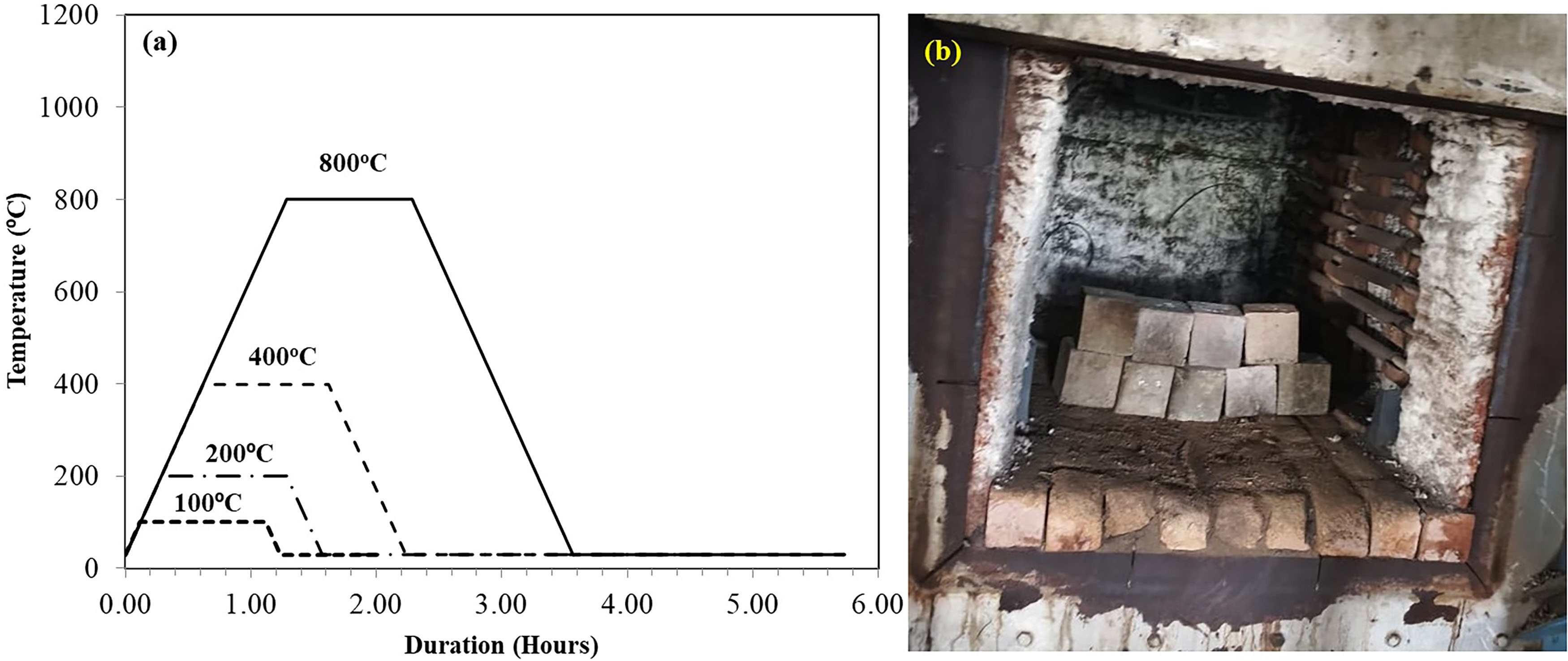
The concrete specimens were heated at 10ºC per minute till they reached the target temperatures (100°C, 200°C, 400°C, and 800°C). Figure 3 displays the exposure time versus temperature curve and thermal exposure of specimens. Approximately one hour was spent in an electric furnace, subjecting the concrete samples to high temperatures. Heat transmission was adequate throughout this timeframe, and target temperatures were achieved and maintained. Following the exposure to high temperatures, the concrete samples were given time to settle down to room temperature. The thermal exposure procedure covers the steps from placing the concrete samples in the electric furnace to the subsequent cooling phase, is depicted in the pictures below. The choice of these temperatures was determined by their significance in relation to the deterioration process of cement-based materials. The elevated temperatures were deliberately chosen to examine specific alterations in the concrete. After reaching 150 degrees Celsius, OPC and Ettringite begin dehydrating and losing their chemically bound water. Additionally, Portlandite and calcium silicate hydrate (CSH) both start to break down at around 100°C and slow down significantly around 400°C. At approximately 573 degrees Fahrenheit (300°C), the crystal structure of the particles within the concrete undergoes changes. The full breakdown of C-S-H takes place at a temperature of 900 degrees Celsius. Therefore, the temperature range at which concrete begins to fail significantly lies between 400 and 900 degrees Celsius. Most of the concrete’s strength disappears within these temperatures. As a result, these temperature limits represent tipping points at which discernible changes in the load-carrying ability of the concrete can be observed. The study closely examined how the concrete responded to these temperatures.
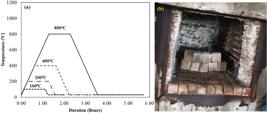
Scheme of thermal exposure: (a) time-temperature curve; (b) electric furnace for heat exposure.
Further, the morphology of the mixtures was investigated using Scanning Electron Microscopy (SEM). Samples taken from crushed specimens were cleaned using ethanol and thereafter affixed with a carbon tape. After adhering the sample with sticky carbon tape, a sputter coater was used to apply a conductive gold coating on a small area of it. The TESCAN VEGA-3 scanning electron microscope was used to acquire the SEM micrographs after the coated samples were put inside the chamber.
3. RESULTS AND DISCUSSION
The heat-exposed specimens were first examined to locate thermal cracks, followed by the non-destructive and destructive testing tests to evaluate the mass loss and strength characteristics.
3.1. Workability
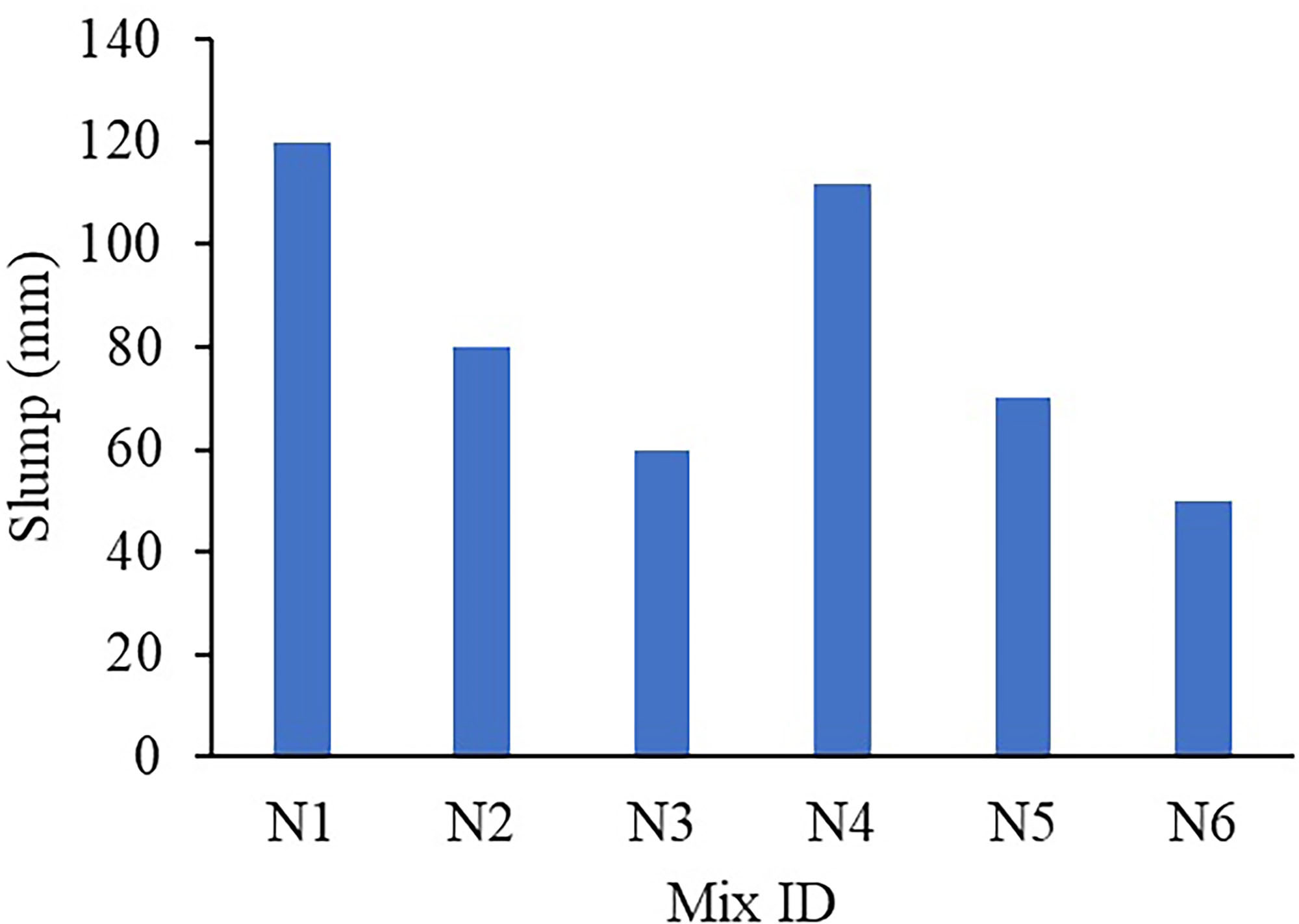
Figure 4 illustrates the slump values of all concrete mixtures. The slump test findings indicate that mixtures containing ECA exhibited markedly reduced slump values compared to NWA concrete. The notable decrease in the slump value of the CA concrete can be ascribed to its very porous surface texture. The NWA and ECA mixtures exhibit satisfactory workability despite the ECA mixtures having a low slump value [38]. In the case of ECA concrete, the lighter mix causes a lower slump because of the influence of gravity on the slump value. Several researchers have also reported that lightweight aggregate concretes with a minimum slump value of 50 mm can achieve satisfactory workability [39, 40]].
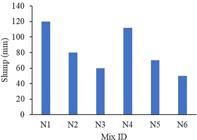
The inclusion of fibres into concrete has a negative effect on the workability of fresh concrete [41]. The results indicate that the addition of fibres results in a decrease in slump value. Fibers act as a barrier to the movement of coarse aggregates, reducing the material’s mobility [42].
3.2. Density
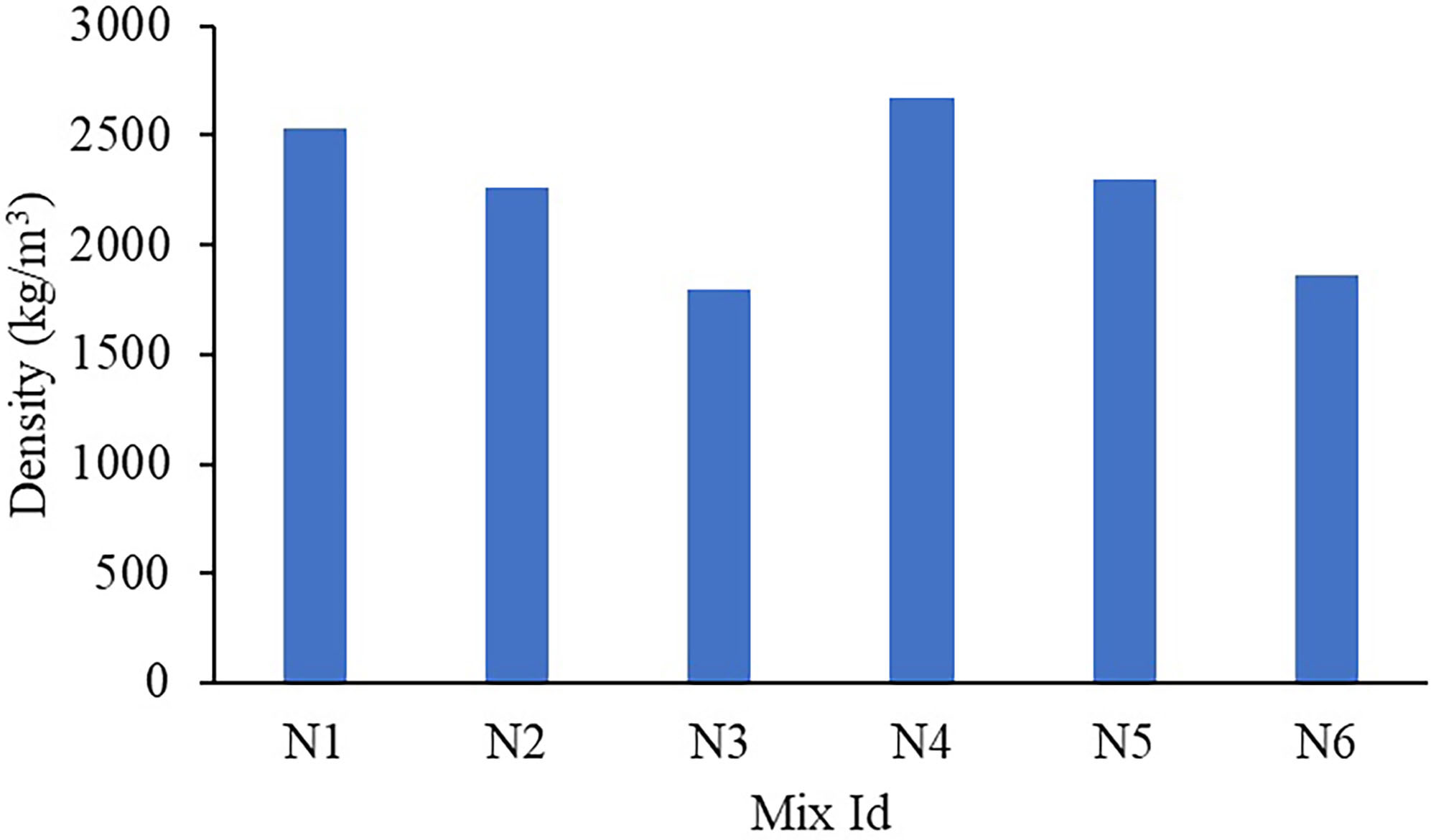
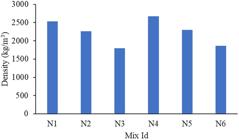
Figure 5 shows that the inclusion of ECA in normal-weight concrete can reduce the density of concrete mixes. This occurs because of the inherent low density of ECA compared to NWA. Further, adding fibres to the mixes leads to an increase in density of concrete. It can be observed that the addition steel fibres to LWAC leads to an increase in its density. This is because of the higher density of steel fibres. The past researches also showed that including a higher dosage of steel fibres causes an increment in density of lightweight concrete [43]. The effect of temperature on the density of mixes is discussed in section 3.3.
3.3. Visual observation
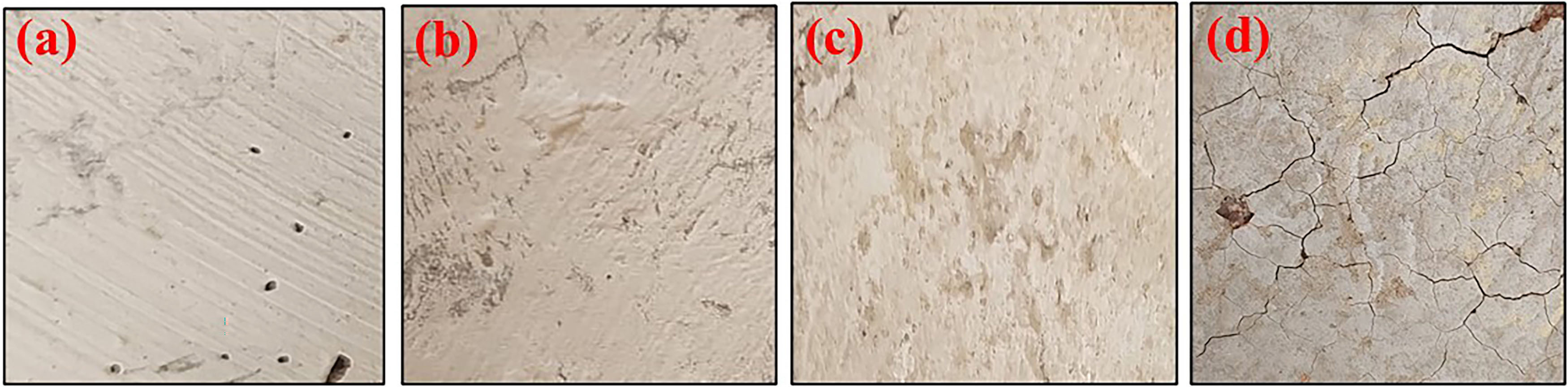
After thermal exposure, the surface of the specimens was examined. Test specimens were cooled down to room temperature after being subjected to thermal load, and then the surface cracks and discoloration were analysed. The specimens with normal aggregates showed thermal cracks on the surface after exposure to 800°C. In comparison, the specimens containing expanded clay aggregates exhibited fewer thermal cracks on the surface. The superior thermal stability of lightweight concrete compared to normal-weight concrete can be attributed to the product’s high-temperature sintering process, which creates numerous internal holes within the aggregate. These internal voids lead to a reduction in vapour pressure buildup during thermal exposure [21, 22]].
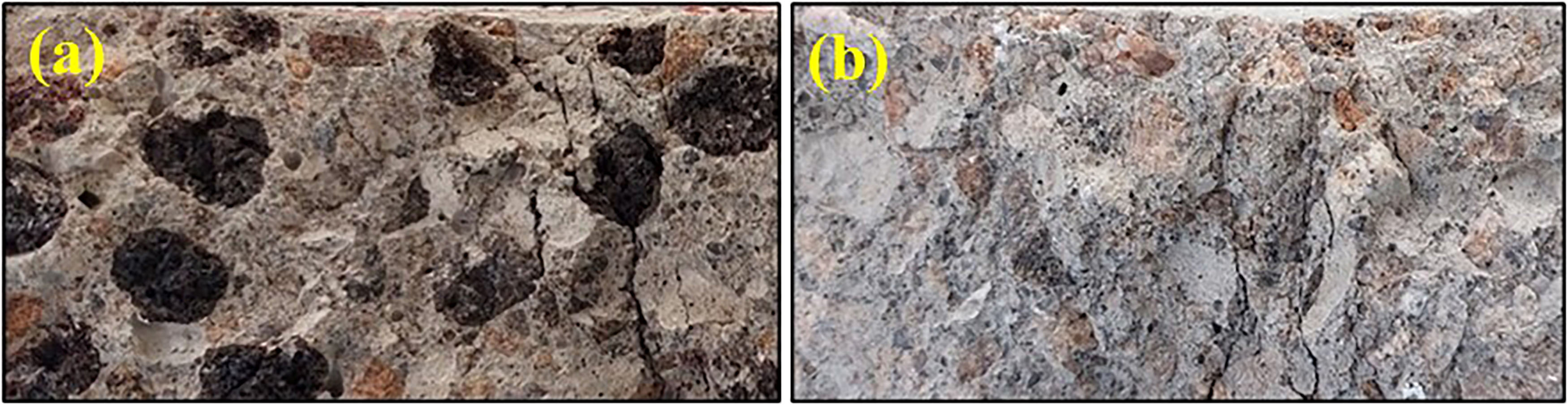
The surface crack patterns of concrete with normal-weight aggregates and lightweight expanded clay aggregates are shown in Figure 6. Observation of the cross-section of the thermally exposed concrete specimens revealed notable colour changes at elevated temperatures, as depicted in Figure 7.
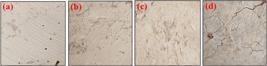
Changes on surfaces of concrete with 100% ECA and 100% NWA: (a) ECA @ 27°C; (b) NWA @ 27°C; (c) ECA @ 800°C; (d) NWA @ 800°C.
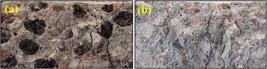
These colour changes indicate the temperature to which the concrete was exposed and the extent of the affected area and provide an approximate estimation of the deterioration of the reinforced concrete’s mechanical properties. The colour shift is attributed to the gradual loss of water, subsequent drying of the cement paste, and internal changes within the aggregate [44]. The disintegration of the aggregates caused the aggregate’s colour to change to a pinkish-white hue, while the ECA remained largely intact with minimal colour alteration even after exposure to 800°C.
3.4. Compressive strength
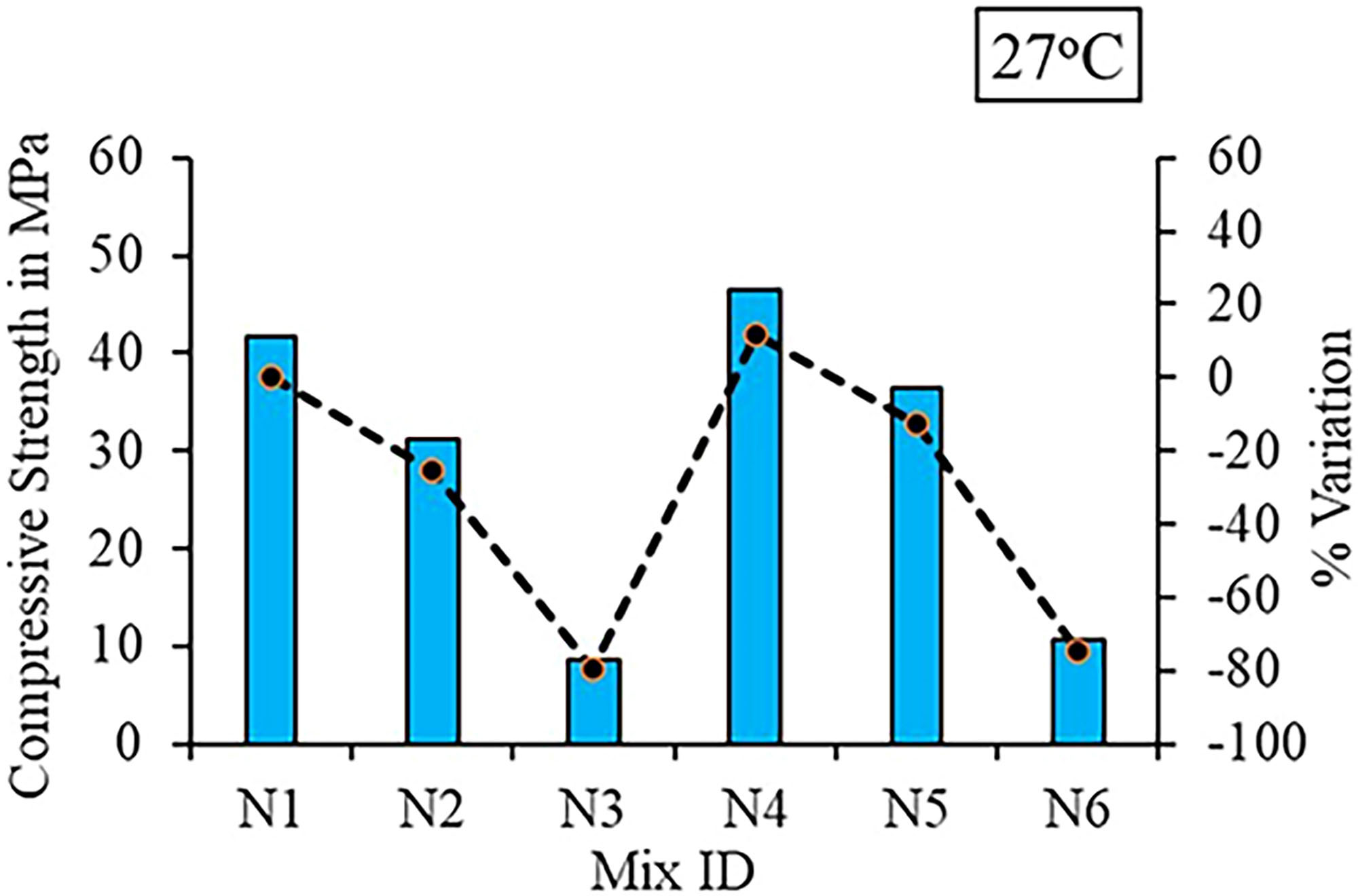
The compressive strength values of the specimens at ambient temperature (27°C) are depicted in Figure 8. The compressive strength of the N1 mixture, utilising natural aggregate, was measured to be 41.62 MPa after a curing period of 28 days. The compressive strength values of the N2 and N3 mixes were 31.18 and 8.59 MPa, respectively, when the natural aggregate was substituted with 50% and 100% expanded clay aggregates. The utilisation of expanded clay aggregate resulted in reduction of compressive strength values. The substitution of 50% of conventional aggregate with lightweight aggregate resulted in a 25% decrease in strength, but the full replacement led to a substantial fall of 79% in strength.
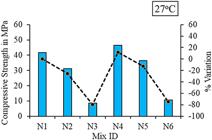
The reasons for these reductions include lower density, which affects the load-bearing capacity [45], weaker bonding between ECA and cement paste, hydration being affected by differences in pore structure, the water-to-cement ratio being altered by higher water absorption, and the mechanical properties of lightweight aggregates varying. Hence, the outcomes of this investigation are consistent with the fundamental theory that the strength of concrete generally exhibits a positive correlation with its density. Moreover, the incorporation of fibres played a significant role in enhancing strength enhancements. The compressive strength of concrete mixes increased by 11%, 20%, and 22% when 1.5% of fibre was added, corresponding to 0%, 50%, and 100% substitution of ECA, respectively. The observed rise in magnitude can be attributed mainly to the bridging mechanism facilitated by steel fibres and polypropylene fibres [46, 47]], which effectively restricts the occurrence and spread of cracks [48]. Similar observations were made by other researchers also at ambient temperature [49, 50]].
3.4.1. Effect of heat exposure on compressive strength
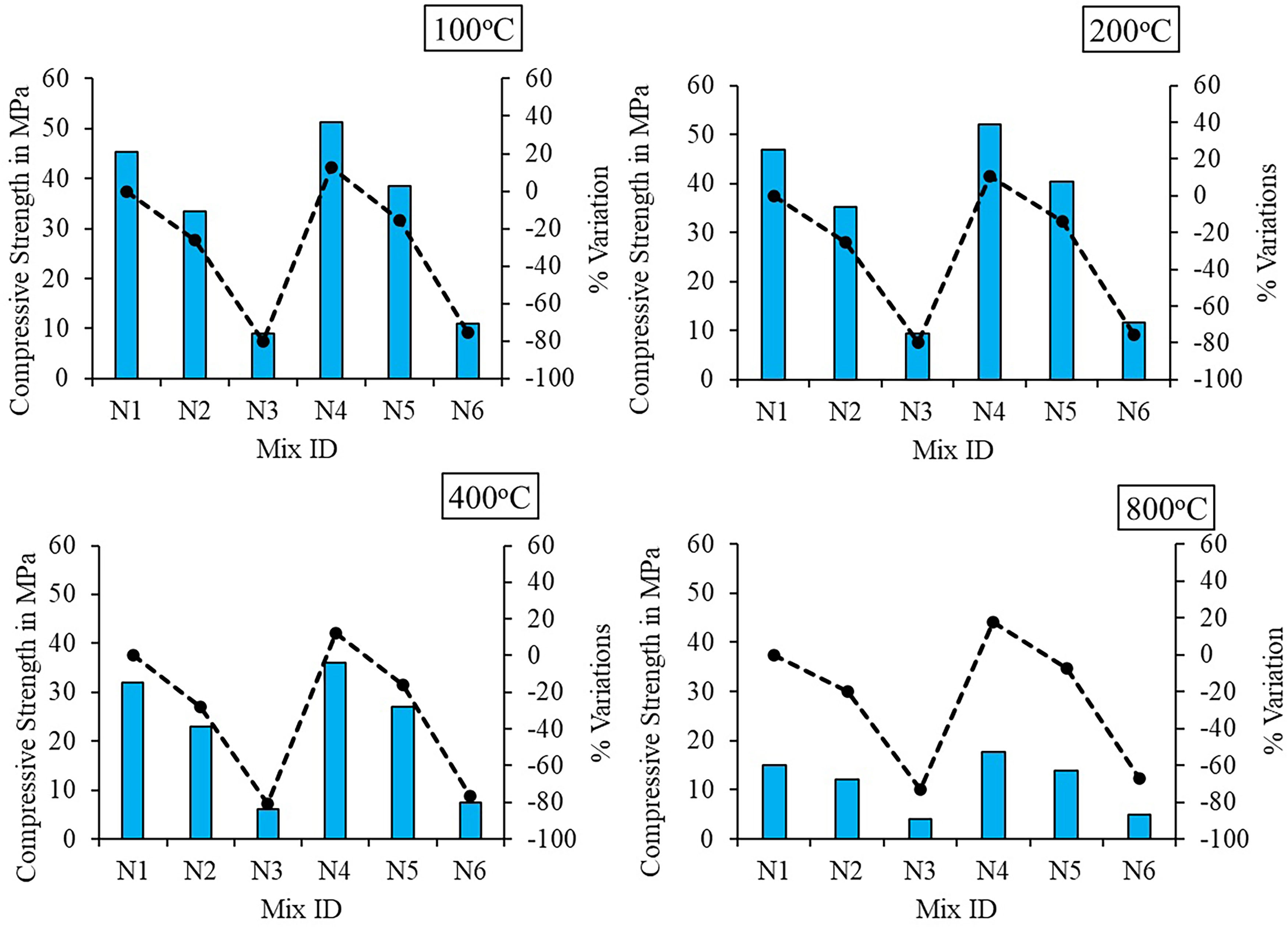
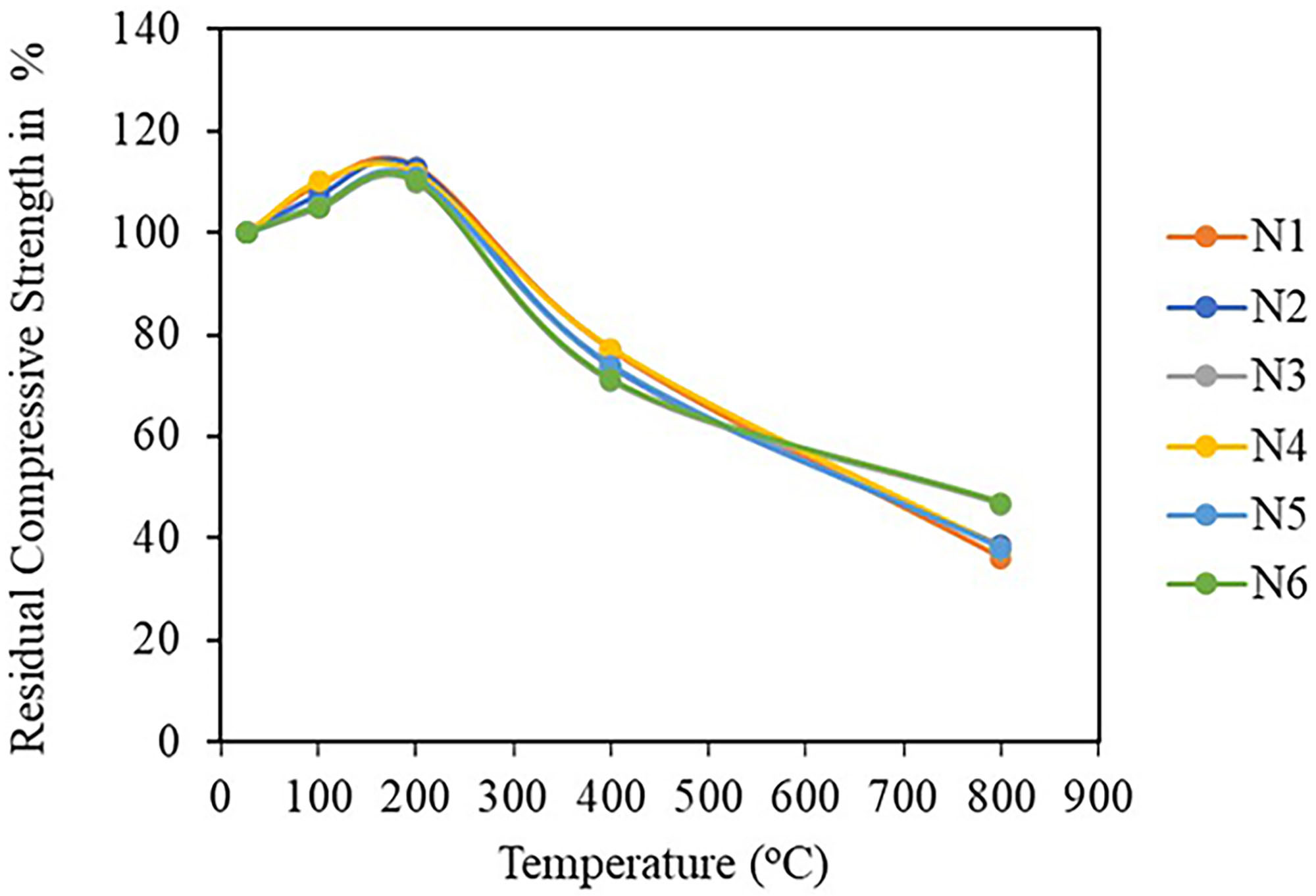
The concrete specimens underwent exposure to temperatures of 100°C, 200°C, 400°C, and 800°C in order to assess the impact of extreme temperatures on the compressive strength of the samples. The results of compression test conducted on the heat-exposed specimens are given in Figure 9. Further, the residual compressive strength values of the mixtures are provided in Figure 10.
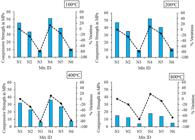
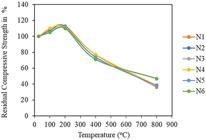
An observed phenomenon at higher temperatures was a notable enhancement in compressive strength, namely at 100°C and 200°C, with a range of improvement between 5% and 12% compared to specimens subjected to ambient temperature. A potential cause for this phenomenon is that the cement particles that were previously evaporated undergo rehydration [51]. The process of water evaporation within the concrete resulted in a situation equivalent to autoclave curing, hence facilitating the rehydration of cement. Strength degradation started above 200°C. It was evident from the test results of specimens subjected to 400°C. The residual strength of specimens varied from 68% to 76% at 400°C. In the specimens without fibres, the residual strength values of 76%,73%, and 70% were observed for 0%, 50%, and 100% lightweight aggregate percentages. With fibre addition, these values increased to 77%, 74% and 71%, respectively, for 0%,50%, and 100% lightweight aggregate percentages. The residual strength of specimens varied from 36% to 46% at 800°C. In the specimens without fibres, the residual strength values of 36%, 38%, and 46% were observed for 0%, 50%, and 100% lightweight aggregate percentages. With fibre addition, these values increased to 37%, 38% and 47%, respectively, for 0%, 50%, and 100% lightweight aggregate percentages. Elevated temperatures lead to heat accumulation, resulting in a differential temperature between the outer and inner layers of concrete [52]. The temperature difference induces a range of physical as well as chemical responses, such as the removal of moisture from cement paste, the breakdown of aggregates, a decrease in weight, deformity, and a reduction in strength [18, 50]]. Consequently, these reactions have an adverse impact on the mechanical and thermal characteristics of concrete [53]. The decrease in the compressive property of the samples at heat beyond 200°C may be ascribed to several factors. Firstly, at 300 degrees Celsius, there may be evaporation of water that is trapped within the calcium-silicate-hydrate (C-S-H) gel layer [54]. Additionally, at 400°C, there could be a conversion of calcium hydroxide (Ca(OH)2) to calcium oxide (CaO) and water. Finally, at temperatures ranging from 700°C to 800°C, there could be a transformation of calcium carbonate (CaCO3) to calcium oxide (CaO) and carbon dioxide (CO2) [55]. The primary cause of the significant decrease in strength qualities observed at elevated temperatures is mostly attributed to the incompatible expansion of aggregate-cement layers, forming extra pressures in the concrete. The improved performance of the mixes reinforced with PPF and SF could be attributed factors listed below. The incorporation of PP fibres in concrete has effectively reduced the probability of spalling by relieving pressure from water and preventing the buildup of excessive vapour pressure within the concrete. The utilisation of steel fibres additionally benefits the physical characteristics of the concrete by minimising cracks and increasing the resistance to heat. Several authors have noted the enhanced performance of concrete reinforced with both steel and polypropylene fibres [56, 57]].
3.4.2. Correlation between compressive strength and mass loss
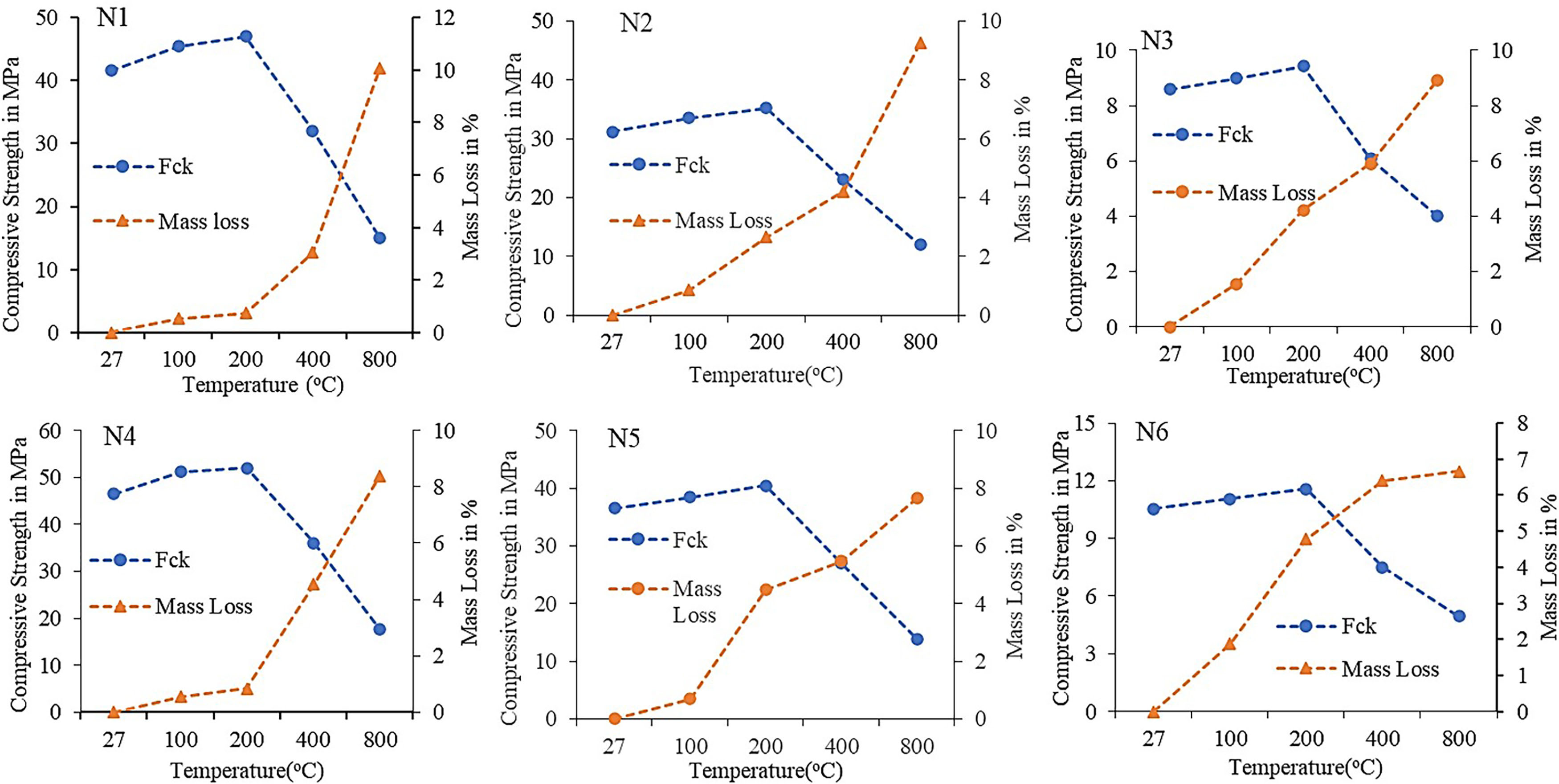
Figure 11 depicts the association between the compressive strength and mass loss of various mixes utilising similar cubic specimens after being subjected to high temperatures ranging from 100°C to 800°C. The calculation of residual weight involved dividing the weight observed after exposure to the target temperature by the weight observed at ambient temperature and then multiplying the quotient by 100. The data illustrates three distinct phases in the percentage of weight loss attributed to temperature. During the initial phase, the rate of weight loss increased significantly following exposure to temperatures ranging from 100°C to 200°C, indicating an early and substantial decrease in weight. The weight loss can be ascribed to the vaporisation of the unbound pore water up to a temperature of 200°C and the water absorbed by the cement gel particles. The mixes with ECA showed higher weight loss in this stage due to the evaporation of water absorbed by the ECA. ECA has more water absorption than NWA. This can be the reason for higher weight loss at this stage. The second stage, characterised by a slightly upward slope, corresponds to a phase of partial stabilisation. This phase is associated with restoring strength and a minimal decrease in the temperature range of 200°C to 400°C. During this stage, the microstructure remains unaffected by the chemical and physical alterations caused by temperature exposure. After reaching a temperature of 400°C, the weight loss of the cement matrix enters a steep decline phase. This is caused by chemical changes that result in the cracking of the matrix and the weakening of the link between the cement and aggregate due to differences in thermal expansion. At this point, NWA exhibited the highest degree of weight loss because of its lower heat stability in comparison to ECA. Furthermore, the thermal motions experienced by the cement and aggregate lead to a near-complete link loss [58, 59]].
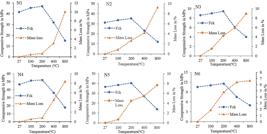
The findings suggest a reduction in mass loss as the quantity of ECA increases. The observed phenomenon can be attributed to the influence of spalling, which is known to exhibit reduced danger and severity as the content of lightweight aggregate increases. The specimens containing steel and PP fibres also exhibited a reduced level irrespective of the aggregate type. Even though the PP fibres melting point is less, the higher temperature doesn’t show significant mass loss due to the presence of PP fibre, the reason could be the lower volume fraction of PP fibres.
When considering the changes in strength and weight, eliminating the initial strength increase at 100°C and 200°C, it can be concluded that the decrease in strength is correlated with the decrease in weight. The various responses of concrete to different pressures explain the noticeable differences in strength and weight reduction in these regions. In contrast to its compressive strength, concrete’s residual tensile strength behaves very differently as a function of temperature. Minor deviations are to be expected during load testing due to the non-strenuous nature of the weight loss measurement method.
3.4.3. Regression model for predicting compressive strength
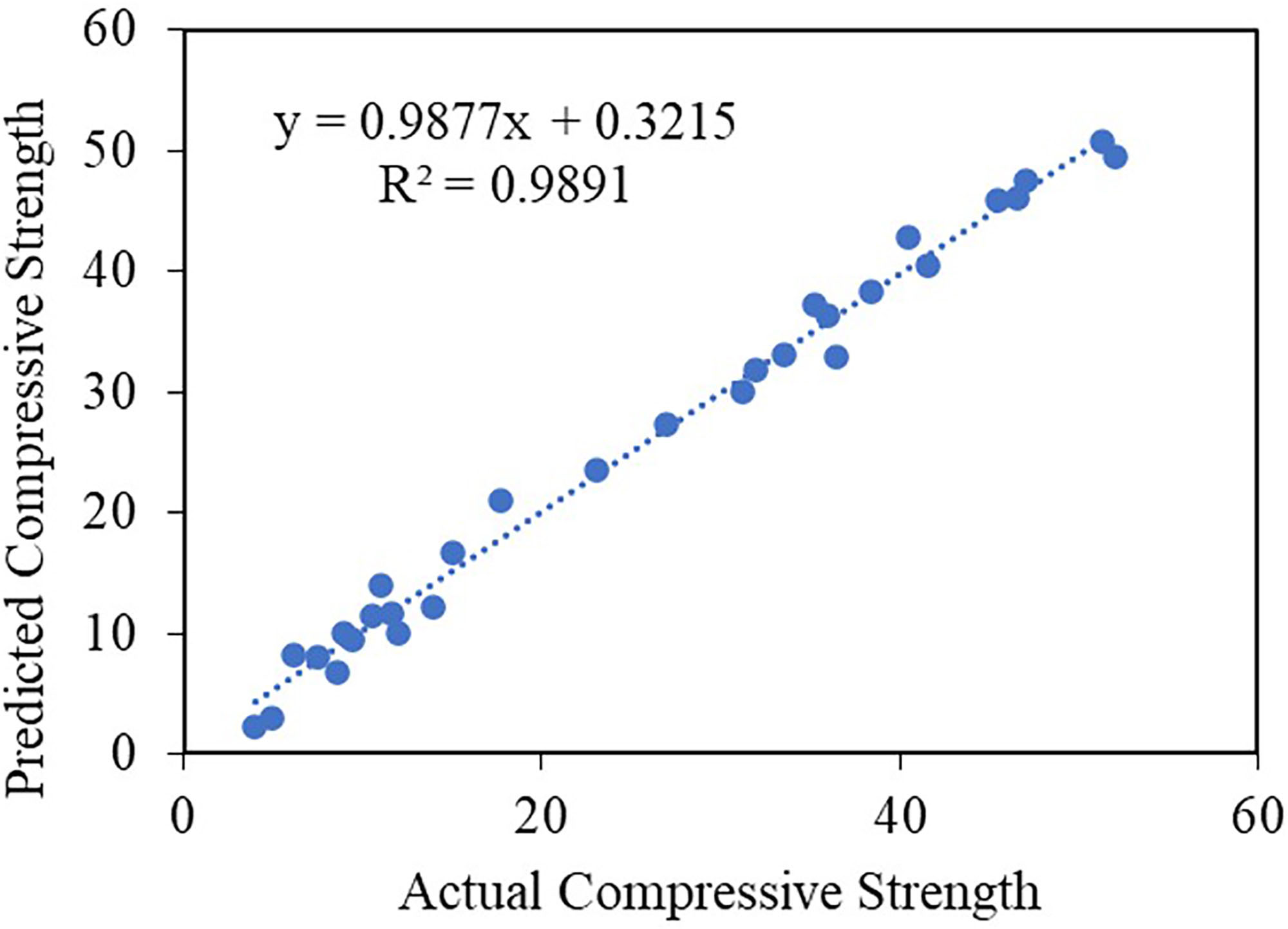
Multivariable linear regression was used to predict compressive strength based on multiple independent variables. For mixes the formula for multivariable linear regression, general equation for predicting compressive strength obtained by conducting regression analysis is:
Where T = temperature, in °C, Vf = Volume fraction of fibres, La = Volume of aggregates (%), and V = Ultrasonic pulse velocity (m/sec).
As illustrated in Figure 12, the correlation coefficient of 0.9874 was obtained by plotting the predicted compressive strength against the actual compressive strengths.
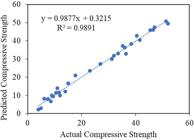
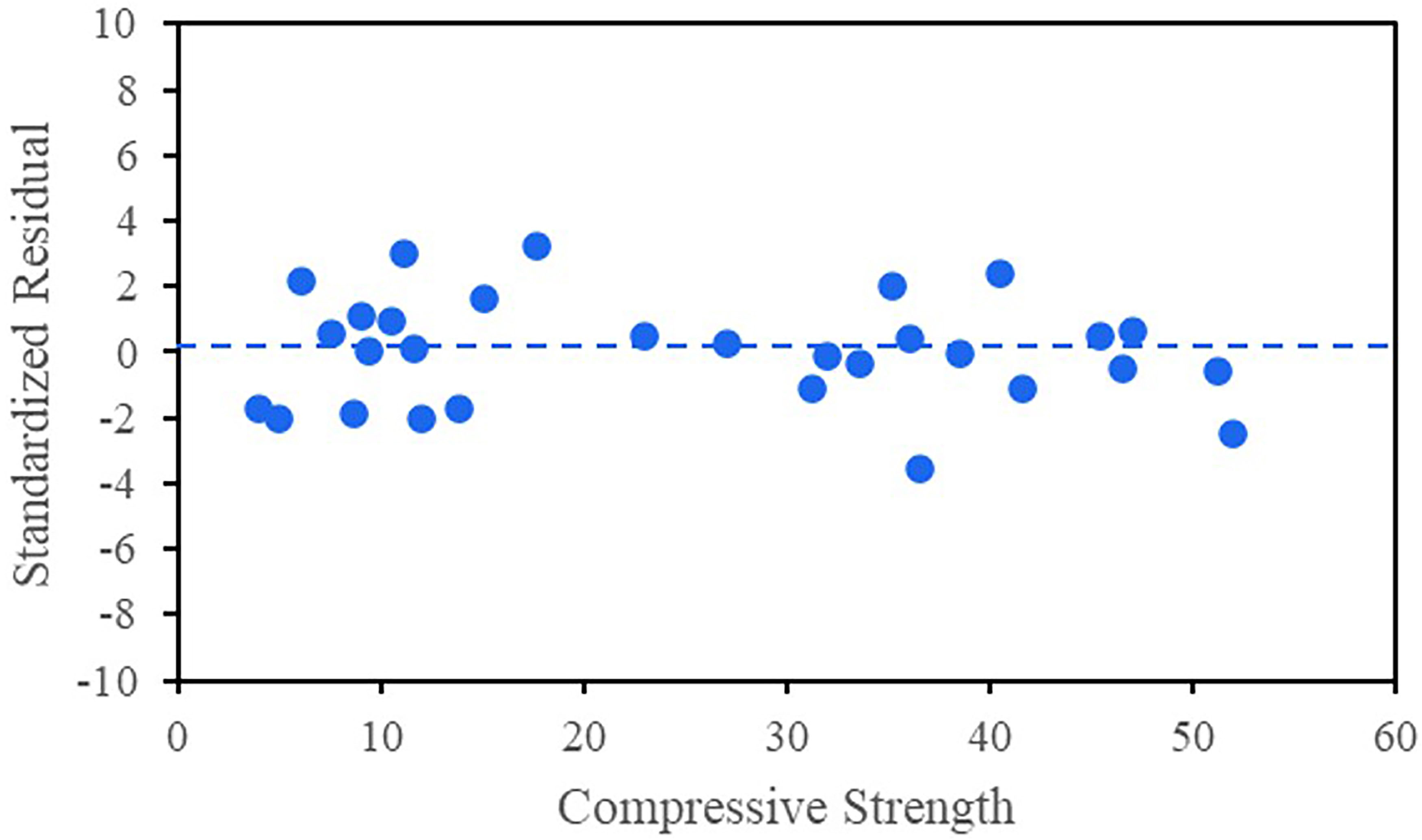
Calculating the residuals entails determining the discrepancies between the dependent variables observed (actual) values and the values that the regression model predicted. The normal probability of standardised residuals is calculated and shown in Figure 13.
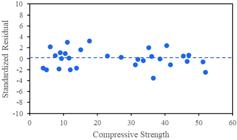
The figure states the independence of errors from each other. Residuals seem uniformly distributed around zero. R2 of the multilinear mortar strength model is 94.92%, which designates a good fit. So, the compressive strength of fire-exposed LWC can be predicted using multiple parameters using the formula mentioned above.
3.5. Split tensile strength
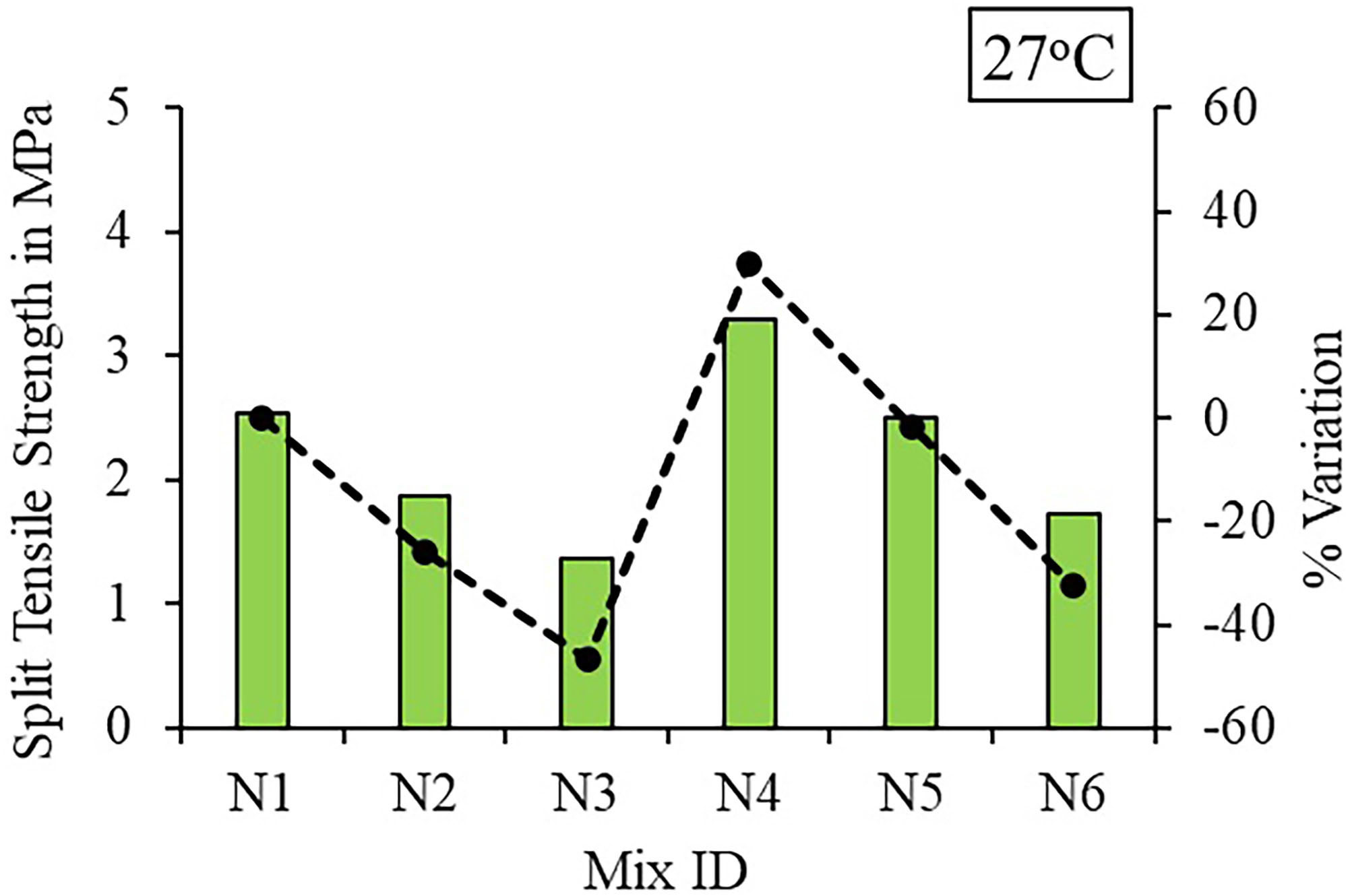
Figure 14 presents the values of the specimens’ split tensile strength on a graphical representation. The split tensile strength of the N1 mixture, using natural aggregate, was determined to be 2.54 MPa after a 28-day curing time. The split tensile strength values of the N2 and N3 mixes were 1.88 and 1.36 MPa, respectively, when the natural aggregate was replaced with 50% and 100% expanded clay aggregates. The utilisation of expanded clay aggregate led to a reduction in the values of split tensile strength. The substitution of 50% of conventional aggregate with lightweight aggregate resulted in a 26% decrease in strength, but the full replacement led to a substantial fall of 47% in strength. The reasons for these reductions include lower density [45]. Moreover, the incorporation of fibres played a significant role in enhancing strength enhancements. The compressive strength of concrete mixes increased by 29%, 32%, and 26% when 1.5% of fibre was added, corresponding to 0%, 50%, and 100% substitution of ECA, respectively.
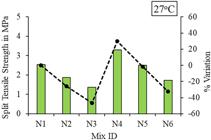
The increase in split tensile strength is significant compared to the compressive strength with fibre addition. Steel and PP fibres have the tendency to bridge the cracks that develop due to the stresses in the concrete. It also helps in the reduction of the propagation of cracks developed by providing a higher surface area with a dense matrix. It can be due to the bridging mechanism of fibres, which prevents crack propagation and higher tensile properties.
3.5.1. Effect of elevated temperature on split tensile strength
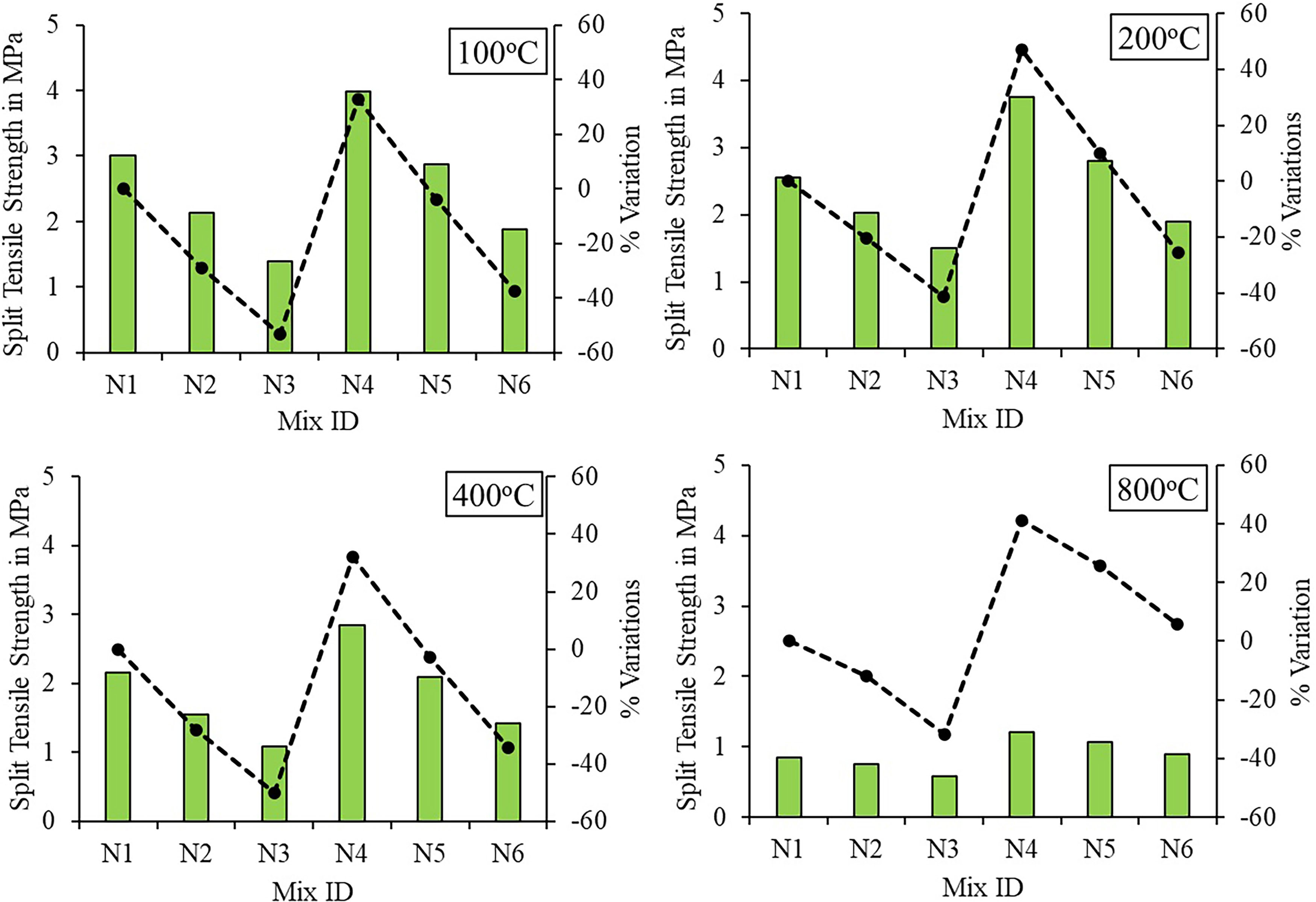
Figure 15 shows the retained tensile strength of specimens that have been exposed to elevated temperatures. The graphic clearly shows that as the specimen’s maximum temperature increases, the tensile strength decreases. At 800°C, nevertheless, ECA outperforms NWA in terms of strength retention. Thermal stress cracking is a major effect of being exposed to high temperatures [60]. The cracks have a tendency to widen and deepen as the highest temperature encountered by the specimen increases. The presence of pores in LWC is anticipated to lead to a reduced occurrence of cracks caused by thermal stresses, hence leading to improved strength retention [61].
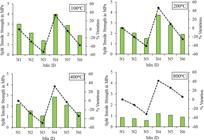
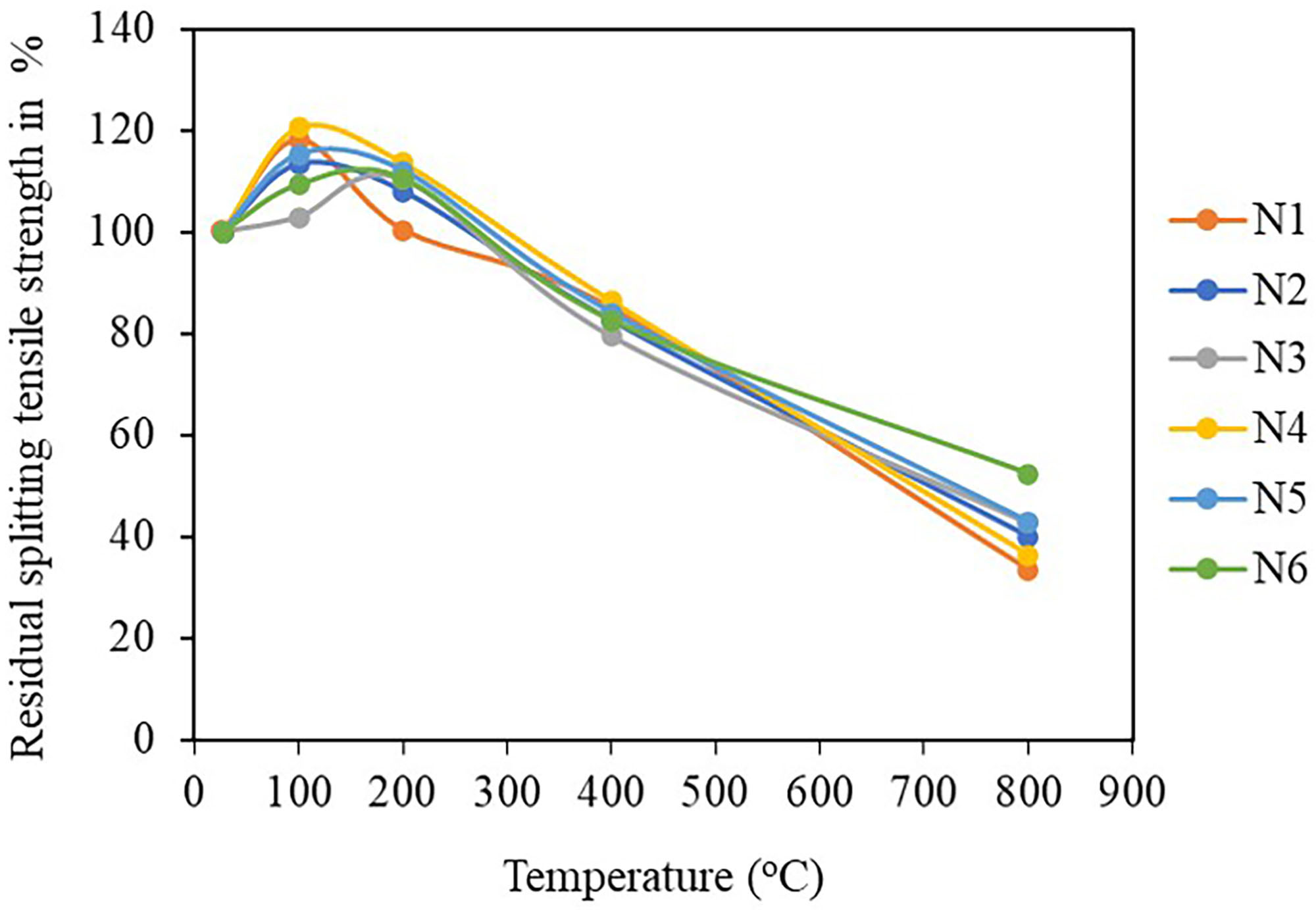
The strength reduction patterns were similar to compressive strength results. The residual split tensile results were 80% to 90% at the exposure temperature of 400°C, and the residual split tensile strength results were 35% to 45% at the exposure temperature of 800°C. Residual values are plotted in Figure 16. The mixes with fibres showed higher residual strength. Similarly, mixes with ECA showed better residual properties at 800°C, possibly due to better ECA thermal resistance.
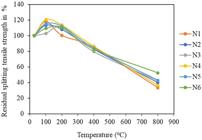
Improvement in spalling resistance, similar to the compressive strength data, could be caused by the reduction of water vapour pressure as a result of the melting and evaporation of PPF. As discussed earlier, the improved spalling resistance of PPF at elevated temperatures is mainly due to its lower melting point than SF, resulting in volumetric expansion, which allows for improved water vapour pressure release.
3.6. Non-destructive testing
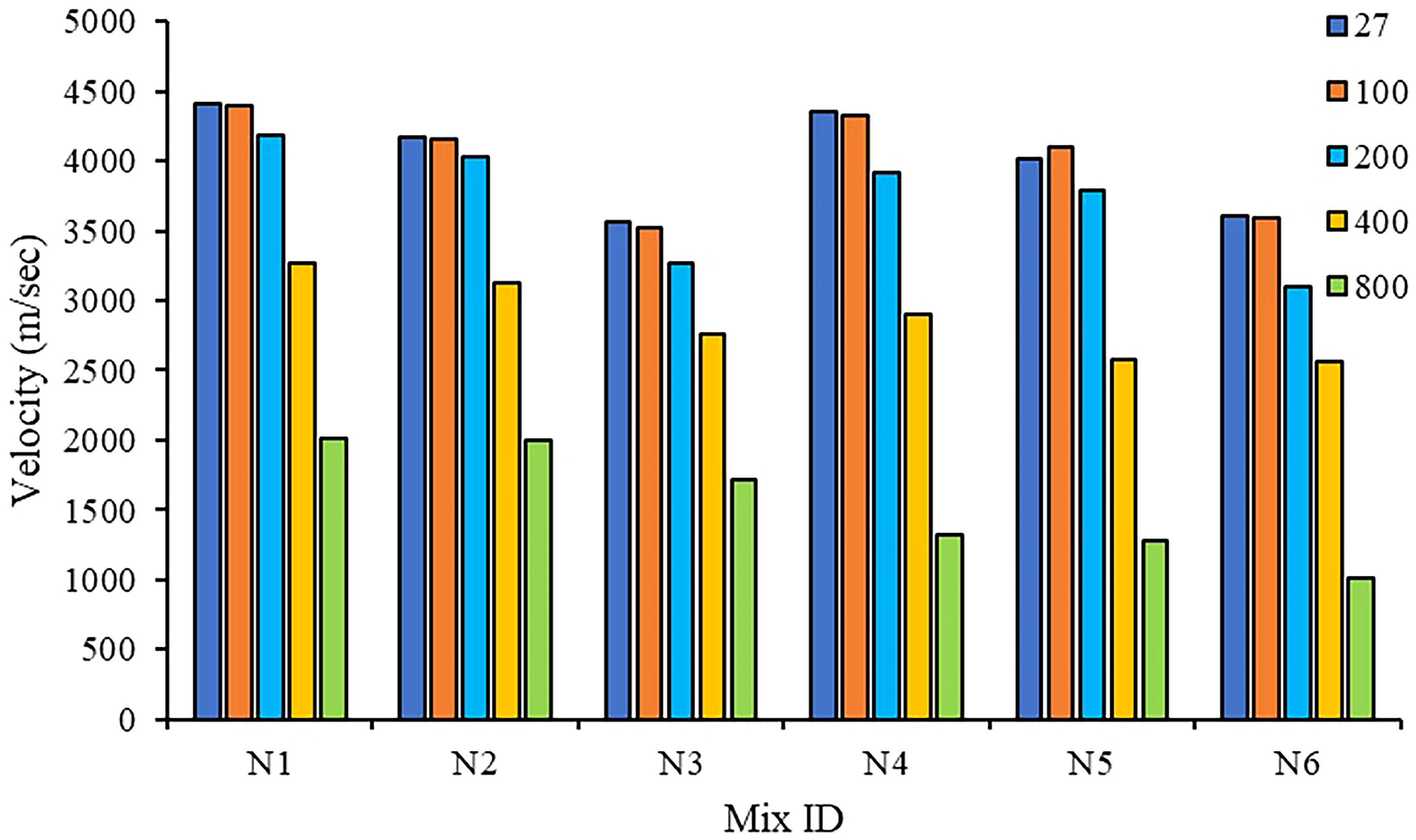
The results displayed in Figure 17 illustrate the UPV test outcomes for different concrete mixes. These results reveal a direct correlation between the UPV propagation speed in a material and its porosity, which in turn depends on density. As the compactness and density of concrete decrease, both UPV and concrete strength decrease correspondingly [24, 62]]. Regarding to the wave transmission time through the specimens that were examined, it is noteworthy that the incorporation of 1% steel fibre and 0.5% PP fibre has an insignificant impact.
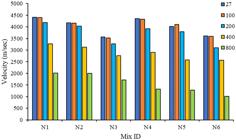
The UPV reduces significantly with rising temperatures. The introduction of PPF adversely affects concrete’s pulse velocity, especially under high temperatures. When PPF is heated beyond its melting temperature of 162°C, it causes the concrete to produce scattered channels or perforations. A decrease in concrete’s pulse velocity is the result of cracks that develop inside the specimen as a result of thermal expansion and dehydration. Reduced pulse velocity is a direct result of an increase in micro pathways, fissures, or fractures.
According to IS 13311 standards, concrete can be categorised based on its pulse velocity: above 4.5 km/sec as excellent, 3.5 to 4.5 km/sec as good, 3 to 3.5 km/sec as medium quality, and below 3 km/sec as doubtful. Similar to strength results, the UPV method highlights a substantial decline in concrete quality post-exposure to elevated temperatures. At 27°C, the categorization is excellent; at 200°C, it becomes good; and between 400°C and 800°C, it turns doubtful. It effectively predicts concrete strength loss and thermal/microcrack development after exposure to high temperatures, which is evident in the SEM images depicting microcracks. At 800°C, the wave transmission distance increases, with waves struggling to traverse the specimen adequately. These findings underscore the suitability of the UPV test in assessing the degradation of fire-exposed concrete structures. Regarding lightweight aggregate concrete, UPV values for expanded clay aggregate specimens (N2, N3, N5, and N6) were lower compared to N1 and N4 at 27°C, aligning with the unit weight values of the mixtures. ECA led to decreased unit weights due to its more porous structure, resulting in reduced UPV for these specimens. This trend persisted at 100°C, 200°C, 400°C, and 800°C. However, UPV values for N2, N3, N5, and N6 mixtures surpassed those of N1 and N4 at 800°C because the N1 mixture, composed of natural aggregate, was more vulnerable to high temperatures than lightweight concrete mixes.
3.7. Microstructure morphology
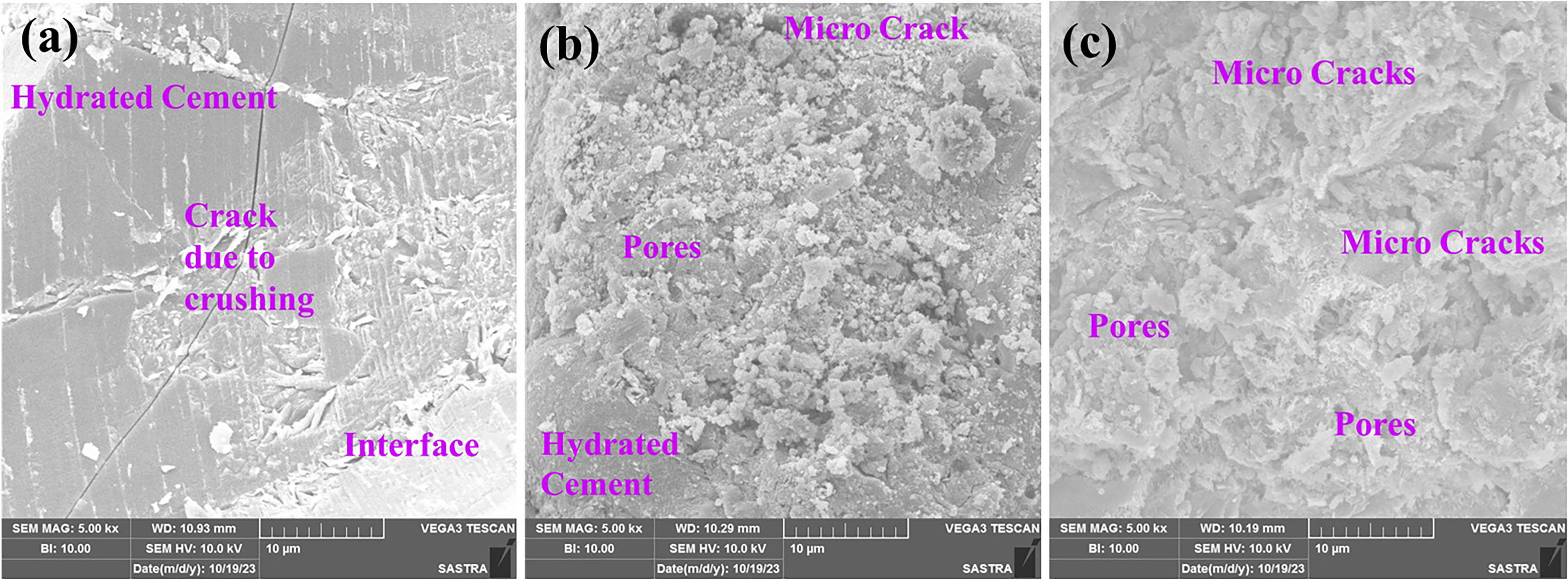
A SEM analysis was used to evaluate the morphology of concrete mixtures to assess the detrimental impact of intense heat on the cellular structure of concrete. The SEM micrographs are presented in the Figure 18. These micrographs provide insightful findings into the thermal deterioration mechanisms of concrete when exposed to extreme temperatures. The data obtained from the images can provide valuable insights on concrete’s structural soundness and enduring nature when subjected to high temperatures. This knowledge is essential for applications that need fire resistance in structures, especially in high-temperature industrial operations.
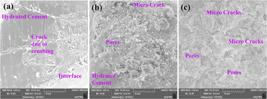
At 27°C the morphology of the mix was found to be compact. A compact structure was observed in the case of concrete exposed to 400°C also. However, the presence of pores and micro-cracks were evident. At 800°C, a complete deterioration of the internal structure of concrete was observed. The reduction in compressive strength of concrete due to exposure to elevated temperatures can be directly connected to the observations made from SEM micrographs. The development and expansion of micro-cracks, as well as the formation of larger pores, play a vital part in the deterioration of concrete’s strength. Similar observations were made in the previous studies [63, 64]].
4. CONCLUSIONS
The residual mechanical characteristics of lightweight concrete with expanded clay aggregates were investigated in this research. Fibrous and non-Fibrous mixes were formulated and are fully and partially replaced with ECA. After exposure to temperatures of 100°C, 200°C, 400°C, and 800°C. The study presents findings on various aspects of the concrete mixes, including visual observations, compressive strength, mass loss, split tensile strength, non-destructive testing (UPV), and the development of a regression model for predicting compressive strength. The main findings are listed below:
-
Visual observations indicated fewer thermal cracks on the surface of specimens containing expanded clay aggregates compared to those with normal aggregates, suggesting superior thermal stability due to internal voids within the ECA.
-
A temperature-dependent mass loss was observed for both NWC and LWC up to 400°C, with LWC losing more mass than traditional concrete. However, ECA leads to lesser weight loss at elevated temperatures (800°C) compared to NWA. The significance of both the ECA content and the type of fibre in enhancing the thermal endurance of concrete is underscored by the fact that the incorporation of fibre reinforcement aids in reducing mass loss as a result of the superior thermal stability of steel fibres.
-
The results of the UPV test indicated that the quality of concrete was significantly reduced due to exposure to high temperatures.
-
Compressive strength results were used to ascertain the outcomes of UPV tests. A significant drop in compressive strength with the substitution of natural aggregate by expanded clay aggregates, showing a 25% decrease with 50% substitution and a substantial 79% decline with full replacement. However, adding fibres, comprising 1.5% of the mix, led to significant strength enhancements, with increases of 11%, 20%, and 22% for 0%, 50%, and 100% substitution of ECA, respectively.
-
The split tensile strength reduction trend was analogous to that in the case of compressive strength. The fibrous mix with 100% NWA replaced with ECA exhibited better strength retention in split tension after exposure to 800°C, which was around 52% of that of its strength at ambient conditions.
-
Clear indications of microstructural weakening were observed from the SEM micrographs, which ascertained the strength decay trends observed in mechanical strength studies.
Based on the experimental results, a fibre-reinforced mix with 50% NWA replaced with ECA is recommendable for high-temperature exposed lightweight elements as its post-exposure performance was better than the other mixes with ECA.
5. ACKNOWLEDGMENTS
The authors are grateful to the management of SASTRA Deemed University for their support.
6. BIBLIOGRAPHY
- [1] MINDESS, S., YOUNG, J.F., Concrete, London, Pearson, 2003.
-
[2] AHMED, M., ISLAM, S., NAZAR, S., et al., “A comparative study of popular concrete mix design methods from qualitative and cost-effective point of view for extreme environment”, Arabian Journal for Science and Engineering, v 41, n. 4, pp. 1403–1412, 2016. doi: http://doi.org/10.1007/s13369-015-1946-9.
» https://doi.org/10.1007/s13369-015-1946-9 -
[3] WU, H., LIANG, C., XIAO, J., et al., “Early‐age behavior and mechanical properties of cement‐ based materials with various types and fineness of recycled powder”, Structural Concrete, v 23, n. 2, pp. 1253–1272, 2022. doi: http://doi.org/10.1002/suco.202000834.
» https://doi.org/10.1002/suco.202000834 -
[4] KOKSAL, F., GENCEL, O., KAYA, M., “Combined effect of silica fume and expanded vermiculite on properties of lightweight mortars at ambient and elevated temperatures”, Construction & Building Materials, v. 88, pp. 175–187, 2015. doi: http://doi.org/10.1016/j.conbuildmat.2015.04.021.
» https://doi.org/10.1016/j.conbuildmat.2015.04.021 -
[5] KADHAR, S.A., GOPAL, E., SIVAKUMAR, V., “An experimental study on strength and durability properties of self-compacting and self-curing concrete using light weight aggregates”, Matéria, v. 28, n. 3, e20230156, 2023. doi: http://doi.org/10.1590/1517-7076-rmat-2023-0156.
» https://doi.org/10.1590/1517-7076-rmat-2023-0156 -
[6] JÓŹWIAK-NIEDŹWIEDZKA, D., “Scaling resistance of high performance concretes containing a small portion of pre-wetted lightweight fine aggregate”, Cement and Concrete Composites, v 27, n. 6, pp. 709–715, 2005. doi: http://doi.org/10.1016/j.cemconcomp.2004.11.001.
» https://doi.org/10.1016/j.cemconcomp.2004.11.001 -
[7] RAMPRADHEEP, G.S., SIVARAJA, M., “Experimental investigation on self-compacting self-curing concrete incorporated with the light weight aggregates”, Brazilian Archives of Biology and Technology, v. 59, n. spe2, e161075, 2016. doi: http://doi.org/10.1590/1678-4324-2016161075.
» https://doi.org/10.1590/1678-4324-2016161075 -
[8] KADHAR, S.A., GOPAL, E., SIVAKUMAR, V., et al., “Optimizing flow, strength, and durability in high-strength self-compacting and self-curing concrete utilizing lightweight aggregates”, Matéria, v. 29, n. 1, e20230336, 2024. doi: http://doi.org/10.1590/1517-7076-rmat-2023-0336.
» https://doi.org/10.1590/1517-7076-rmat-2023-0336 -
[9] RASHAD, A.M., “Lightweight expanded clay aggregate as a building material: an overview”, Construction & Building Materials, v. 170, pp. 757–775, 2018. doi: http://doi.org/10.1016/j.conbuildmat.2018.03.009.
» https://doi.org/10.1016/j.conbuildmat.2018.03.009 - [10] MAGHSOUDI, A.A., MOHAMADPOUR, S., MAGHSOUDI, M., “Mix design and mechanical properties of self compacting light weight concrete”, International Journal of Civil Engineering, v 9, n. 3, pp. 230–236, 2011.
-
[11] BOCCA, P., ROSSETTI, U., “Investigation on the cracking behaviour of lightweight concrete”, Matériaux et Constructions, v 11, n. 4, pp. 261–268, 1978. doi: http://doi.org/10.1007/BF02551770.
» https://doi.org/10.1007/BF02551770 -
[12] SHEN, D., JIANG, J., SHEN, J., et al., “Influence of prewetted lightweight aggregates on the behavior and cracking potential of internally cured concrete at an early age”, Construction & Building Materials, v. 99, pp. 260–271, 2015. doi: http://doi.org/10.1016/j.conbuildmat.2015.08.093.
» https://doi.org/10.1016/j.conbuildmat.2015.08.093 -
[13] DABBAGHI, F., NASROLLAHPOUR, S., DEHESTANI, M., et al., “Optimization of concrete mixtures containing lightweight expanded clay aggregates based on mechanical, economical, fire-resistance, and environmental considerations”, Journal of Materials in Civil Engineering, v 34, n. 2, pp. 04021445, 2022. doi: http://doi.org/10.1061/(ASCE)MT.1943-5533.0004083.
» https://doi.org/10.1061/(ASCE)MT.1943-5533.0004083 - [14] BODNÁROVÁ, L., HELA, R., HUBERTOVÁ, M., et al., “Behaviour of lightweight expanded clay aggregate concrete exposed to high temperatures”, International Journal of Civil and Environmental Engineering., v 8, n. 12, pp. 1210–1213, 2014.
- [15] NOVÁKOVÁ, I., BODNÁROVÁ, L., STAVAŘ, T., et al., “Evaluation of disruption of concrete caused by exposure to high temperatures by initial surface absorption test”, Journal of Engineering and Applied Sciences, v 10, n. 15, pp. 6299–6304, 2015.
-
[16] MUÑOZ-RUIPEREZ, C., RODRÍGUEZ, A., GUTIÉRREZ-GONZÁLEZ, S., et al., “Lightweight masonry mortars made with expanded clay and recycled aggregates”, Construction & Building Materials, v. 118, pp. 139–145, 2016. doi: http://doi.org/10.1016/j.conbuildmat.2016.05.065.
» https://doi.org/10.1016/j.conbuildmat.2016.05.065 -
[17] AYDIN, S., “Development of a high-temperature-resistant mortar by using slag and pumice”, Fire Safety Journal, v 43, n. 8, pp. 610–617, 2008. doi: http://doi.org/10.1016/j.firesaf.2008.02.001.
» https://doi.org/10.1016/j.firesaf.2008.02.001 -
[18] HUANG, Z., LIEW, J.Y.R., LI, W., “Evaluation of compressive behavior of ultra-lightweight cement composite after elevated temperature exposure”, Construction & Building Materials, v. 148, pp. 579–589, 2017. doi: http://doi.org/10.1016/j.conbuildmat.2017.04.121.
» https://doi.org/10.1016/j.conbuildmat.2017.04.121 -
[19] ESEN, Y., KURT, A., “Effect of high temperature in concrete for different mineral additives and rates”, KSCE Journal of Civil Engineering, v 22, n. 4, pp. 1288–1294, 2018. doi: http://doi.org/10.1007/s12205-017-1224-3.
» https://doi.org/10.1007/s12205-017-1224-3 -
[20] LI, Z., DING, Z., “Property improvement of Portland cement by incorporating with metakaolin and slag”, Cement and Concrete Research, v 33, n. 4, pp. 579–584, 2003. doi: http://doi.org/10.1016/S0008-8846(02)01025-6.
» https://doi.org/10.1016/S0008-8846(02)01025-6 -
[21] TOPÇU, İ.B., “Semi lightweight concretes produced by volcanic slags”, Cement and Concrete Research, v 27, n. 1, pp. 15–21, 1997. doi: http://doi.org/10.1016/S0008-8846(96)00190-1.
» https://doi.org/10.1016/S0008-8846(96)00190-1 -
[22] GO, C.G., TANG, J.R., CHI, J.H., et al., “Fire-resistance property of reinforced lightweight aggregate concrete wall”, Construction & Building Materials, v. 30, pp. 725–733, 2012. doi: http://doi.org/10.1016/j.conbuildmat.2011.12.081.
» https://doi.org/10.1016/j.conbuildmat.2011.12.081 -
[23] AL-SIBAHY, A., EDWARDS, R., “Thermal behaviour of novel lightweight concrete at ambient and elevated temperatures: experimental, modelling and parametric studies”, Construction & Building Materials, v. 31, pp. 174–187, 2012. doi: http://doi.org/10.1016/j.conbuildmat.2011.12.096.
» https://doi.org/10.1016/j.conbuildmat.2011.12.096 -
[24] KRISHNA, A., KALIYAPERUMAL, S.R.M., KATHIRVEL, P., “Compressive strength and impact resistance of hybrid fiber reinforced concrete exposed to elevated temperatures”, Structural Concrete, v 23, n. 3, pp. 1611–1624, 2022. doi: http://doi.org/10.1002/suco.202100566.
» https://doi.org/10.1002/suco.202100566 -
[25] ABID, S.R., ABBASS, A.A., MURALI, G., et al., “Post-high-temperature exposure repeated impact response of steel-fiber-reinforced concrete”, Buildings., v 12, n. 9, pp. 1364, 2022. doi: http://doi.org/10.3390/buildings12091364.
» https://doi.org/10.3390/buildings12091364 -
[26] KRISHNA, A., KALIYAPERUMAL, S.R.M., “Effect of elevated temperature on strength and ductility of axially loaded hybrid fiber reinforced concrete columns”, Structures., v. 34, pp. 3548–3556, 2021. doi: http://doi.org/10.1016/j.istruc.2021.09.099.
» https://doi.org/10.1016/j.istruc.2021.09.099 - [27] DABBAGHI, F. Residual mechanical properties of concrete containing lightweight expanded clay aggregate (LECA) after exposure to elevated temperatures, Structural Concrete, n. December 2020, pp. 1–23, 2021.
-
[28] BAO, J., ZHENG, R., SUN, Y., et al., “A state-of-the-art review on high temperature resistance of l ightweight aggregate high-strength concrete”, Journal of Building Engineering, v. 69, pp. 106267, 2023. doi: http://doi.org/10.1016/j.jobe.2023.106267.
» https://doi.org/10.1016/j.jobe.2023.106267 - [29] BUREAU OF INDIAN STANDARD, IS 1489 (part 1), Portland-pozzolana cement-specification, New Delhi, pp. 1–7, 1991.
- [30] BUREAU OF INDIAN STANDARD, IS 383, coarse and fine aggregate for concrete-specification, New Delhi, 2016.
- [31] BUREAU OF INDIAN STANDARD, IS 3025 (part 1), methods of sampling and test (physical and chemical) for water and wastewater, New Delhi, 1987.
- [32] BUREAU OF INDIAN STANDARD, IS 456, plain concrete and reinforced, New Delhi, pp. 1–114, 2000.
- [33] BUREAU OF INDIAN STANDARD, IS 10262, concrete mix proportioning – guidelines (second revision), New Delhi, pp. 1–42, 2019.
- [34] BUREAU OF INDIAN STANDARD, IS 1199, methods of sampling and analysis of concrete, v. 2720, New Delhi, 1999.
- [35] BUREAU OF INDIAN STANDARD, IS 516, method of tests for strength of concrete, New Delhi, 1959.
- [36] BUREAU OF INDIAN STANDARD, IS 5816, Indian standard Splitting tensile strength of concrete-method of test, New Delhi, pp. 1–14, 1999.
- [37] BUREAU OF INDIAN STANDARD, IS 13311, method of non-destructive testing of concret, part 1: ultrasonic pulse velocity, New Delhi, pp. 1–14, 1992.
-
[38] KADHAR, S.A., GOPAL, E., SIVAKUMAR, V., et al., “Optimizing flow, strength, and durability in high-strength self-compacting and self-curing concrete utilizing lightweight aggregates”, Matéria, v. 29, n. 1, e20230336, 2024. doi: http://doi.org/10.1590/1517-7076-rmat-2023-0336.
» https://doi.org/10.1590/1517-7076-rmat-2023-0336 -
[39] SHAFIGH, P., CHAI, L.J., MAHMUD, H.B., et al., “A comparison study of the fresh and hardened properties of normal weight and lightweight aggregate concretes”, Journal of Building Engineering, v. 15, pp. 252–260, 2018. doi: http://doi.org/10.1016/j.jobe.2017.11.025.
» https://doi.org/10.1016/j.jobe.2017.11.025 -
[40] HASSANPOUR, M., SHAFIGH, P., MAHMUD, H., “Lightweight aggregate concrete fiber reinforcement: a review”, Construction & Building Materials, v. 37, pp. 452–461, 2012. doi: http://doi.org/10.1016/j.conbuildmat.2012.07.071.
» https://doi.org/10.1016/j.conbuildmat.2012.07.071 -
[41] TOPÇU, İ.B., CANBAZ, M., “Effect of different fibers on the mechanical properties of concrete containing fly ash”, Construction & Building Materials, v 21, n. 7, pp. 1486–1491, 2007. doi: http://doi.org/10.1016/j.conbuildmat.2006.06.026.
» https://doi.org/10.1016/j.conbuildmat.2006.06.026 -
[42] FIGUEIREDO, A.D., CECCATO, M.R., “Workability analysis of steel fiber reinforced concrete using slump and Ve-Be test”, Materials Research, v 18, n. 6, pp. 1284–1290, 2015. doi: http://doi.org/10.1590/1516-1439.022915.
» https://doi.org/10.1590/1516-1439.022915 -
[43] DÜZGÜN, O.A., GÜL, R., AYDIN, A.C., “Effect of steel fibers on the mechanical properties of natural lightweight aggregate concrete”, Materials Letters, v 59, n. 27, pp. 3357–3363, 2005. doi: http://doi.org/10.1016/j.matlet.2005.05.071.
» https://doi.org/10.1016/j.matlet.2005.05.071 -
[44] QADER, D.N., HARIDHARAN, M.K., MURALI, G., et al., “Experimental investigation of a sustainable reinforced cantilever concrete slab exposed to different intensity of temperatures”, Journal of Materials Research and Technology, v. 23, pp. 2371–2388, 2023. doi: http://doi.org/10.1016/j.jmrt.2023.01.180.
» https://doi.org/10.1016/j.jmrt.2023.01.180 -
[45] LIU, X., WU, T., YANG, X., et al., “Properties of self-compacting lightweight concrete reinforced with steel and polypropylene fibers”, Construction & Building Materials, v. 226, pp. 388–398, 2019. doi: http://doi.org/10.1016/j.conbuildmat.2019.07.306.
» https://doi.org/10.1016/j.conbuildmat.2019.07.306 -
[46] LI, J., WAN, C., NIU, J., et al., “Investigation on flexural toughness evaluation method of steel fiber reinforced lightweight aggregate concrete”, Construction & Building Materials, v. 131, pp. 449–458, 2017. doi: http://doi.org/10.1016/j.conbuildmat.2016.11.101.
» https://doi.org/10.1016/j.conbuildmat.2016.11.101 -
[47] YOO, D.-Y., KIM, S., PARK, G.-J., et al., “Effects of fiber shape, aspect ratio, and volume fraction on flexural behavior of ultra-high-performance fiber-reinforced cement composites”, Composite Structures, v. 174, pp. 375–388, 2017. doi: http://doi.org/10.1016/j.compstruct.2017.04.069.
» https://doi.org/10.1016/j.compstruct.2017.04.069 -
[48] WU, Z., SHI, C., HE, W., et al., “Effects of steel fiber content and shape on mechanical properties of ultra high performance concrete”, Construction & Building Materials, v. 103, pp. 8–14, 2016. doi: http://doi.org/10.1016/j.conbuildmat.2015.11.028.
» https://doi.org/10.1016/j.conbuildmat.2015.11.028 -
[49] CAMPIONE, G., MIRAGLIA, N., PAPIA, M., “Mechanical properties of steel fibre reinforced lightweight concrete with pumice stone or expanded clay aggregates”, Materials and Structures, v 34, n. 4, pp. 201–210, 2001. doi: http://doi.org/10.1007/BF02480589.
» https://doi.org/10.1007/BF02480589 -
[50] MURALI, G., ABID, S.R., AMRAN, M., et al., “Combined effect of multi-walled carbon nanotubes, steel fibre and glass fibre mesh on novel two-stage expanded clay aggregate concrete against impact loading”, Crystals, v 11, n. 7, pp. 720, 2021. doi: http://doi.org/10.3390/cryst11070720.
» https://doi.org/10.3390/cryst11070720 -
[51] XIAO, J., XIE, Q., XIE, W., “Study on high-performance concrete at high temperatures in China (2004-2016): an updated overview”, Fire Safety Journal, v 95, pp. 11–24, 2018. doi: http://doi.org/10.1016/j.firesaf.2017.10.007.
» https://doi.org/10.1016/j.firesaf.2017.10.007 -
[52] TAO, J., YUAN, Y., TAERWE, L., “Compressive strength of self-compacting concrete during high-temperature exposure”, Journal of Materials in Civil Engineering, v 22, n. 10, pp. 1005–1011, 2010. doi: http://doi.org/10.1061/(ASCE)MT.1943-5533.0000102.
» https://doi.org/10.1061/(ASCE)MT.1943-5533.0000102 -
[53] SALLI BIDECI, Ö., “The effect of high temperature on lightweight concretes produced with colemanite coated pumice aggregates”, Construction & Building Materials, v. 113, pp. 631–640, 2016. doi: http://doi.org/10.1016/j.conbuildmat.2016.03.113.
» https://doi.org/10.1016/j.conbuildmat.2016.03.113 -
[54] RASHAD, A.M., BAI, Y., BASHEER, P.A.M., et al., “Chemical and mechanical stability of sodium sulfate activated slag after exposure to elevated temperature”, Cement and Concrete Research, v 42, n. 2, pp. 333–343, 2012. doi: http://doi.org/10.1016/j.cemconres.2011.10.007.
» https://doi.org/10.1016/j.cemconres.2011.10.007 -
[55] PENG, G.-F., HUANG, Z.-S., “Change in microstructure of hardened cement paste subjected to elevated temperatures”, Construction & Building Materials, v 22, n. 4, pp. 593–599, 2008. doi: http://doi.org/10.1016/j.conbuildmat.2006.11.002.
» https://doi.org/10.1016/j.conbuildmat.2006.11.002 -
[56] SIDERIS, K.K., MANITA, P., “Residual mechanical characteristics and spalling resistance of fiber reinforced self-compacting concretes exposed to elevated temperatures”, Construction & Building Materials, v. 41, pp. 296–302, 2013. doi: http://doi.org/10.1016/j.conbuildmat.2012.11.093.
» https://doi.org/10.1016/j.conbuildmat.2012.11.093 -
[57] SANCHAYAN, S., FOSTER, S.J., “High temperature behaviour of hybrid steel-PVA fibre reinforced reactive powder concrete”, Materials and Structures, v 49, n. 3, pp. 769–782, 2016. doi: http://doi.org/10.1617/s11527-015-0537-2.
» https://doi.org/10.1617/s11527-015-0537-2 -
[58] VARONA, F.B., BAEZA-BROTONS, F., TENZA-ABRIL, A.J., et al., “Residual compressive strength of recycled aggregate concretes after high temperature exposure”, Materials, v 13, n. 8, pp. 1981, 2020. doi: http://doi.org/10.3390/ma13081981. Pubmed PMID: 32340391.
» https://doi.org/10.3390/ma13081981 -
[59] AMIN, M.N., KHAN, K., “Mechanical performance of high-strength sustainable concrete under fire incorporating locally available volcanic ash in Central Harrat Rahat, Saudi Arabia”, Materials, v 14, n. 1, pp. 21, 2020. doi: http://doi.org/10.3390/ma14010021. Pubmed PMID: 33374583.
» https://doi.org/10.3390/ma14010021 -
[60] KRISHNA, D.A., PRIYADARSINI, R.S., NARAYANAN, S., “Effect of elevated temperatures on the mechanical properties of concrete”, Procedia Structural Integrity, v. 14, pp. 384–394, 2019. doi: http://doi.org/10.1016/j.prostr.2019.05.047.
» https://doi.org/10.1016/j.prostr.2019.05.047 -
[61] DABBAGHI, F., DEHESTANI, M., YOUSEFPOUR, H., et al., “Residual compressive stress–strain relationship of lightweight aggregate concrete after exposure to elevated temperatures”, Construction & Building Materials, v. 298, pp. 123890, 2021. doi: http://doi.org/10.1016/j.conbuildmat.2021.123890.
» https://doi.org/10.1016/j.conbuildmat.2021.123890 -
[62] TOPÇU, İ.B., BILIR, T., “Effects of slag fineness on durability of mortars”, Journal of Zhejiang University. Science A, v 8, n. 11, pp. 1725–1730, 2007. doi: http://doi.org/10.1631/jzus.2007.A1725.
» https://doi.org/10.1631/jzus.2007.A1725 -
[63] DEMIREL, B., KELEŞTEMUR, O., “Effect of elevated temperature on the mechanical properties of concrete produced with finely ground pumice and silica fume”, Fire Safety Journal, v 45, n. 6–8, pp. 385–391, 2010. doi: http://doi.org/10.1016/j.firesaf.2010.08.002.
» https://doi.org/10.1016/j.firesaf.2010.08.002 -
[64] AKCA, A.H., ÖZYURT ZIHNIOĞLU, N., “High performance concrete under elevated temperatures”, Construction & Building Materials, v. 44, pp. 317–328, 2013. doi: http://doi.org/10.1016/j.conbuildmat.2013.03.005.
» https://doi.org/10.1016/j.conbuildmat.2013.03.005