 Nanoemulsion of essential oil from Baccharis reticularia antifungal effect on Aspergillus flavus and Aspergillus parasiticus
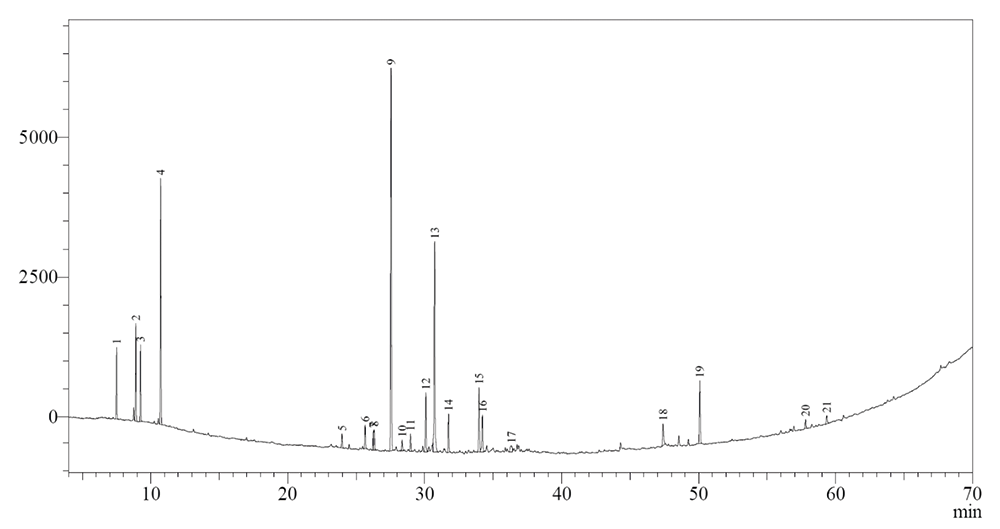
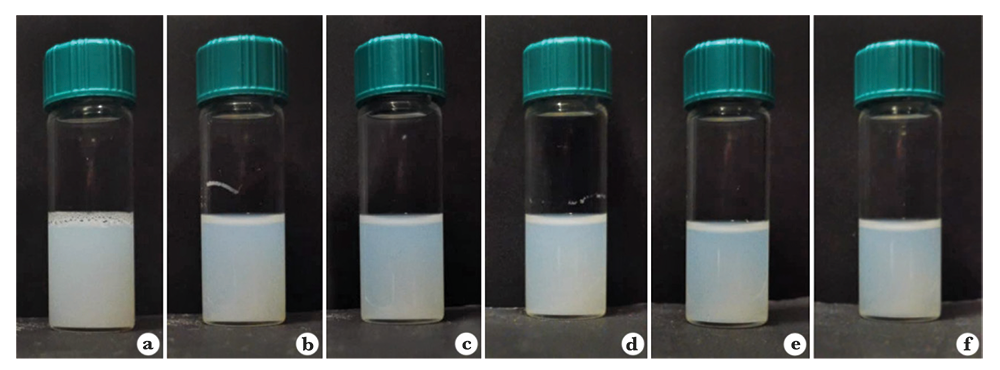
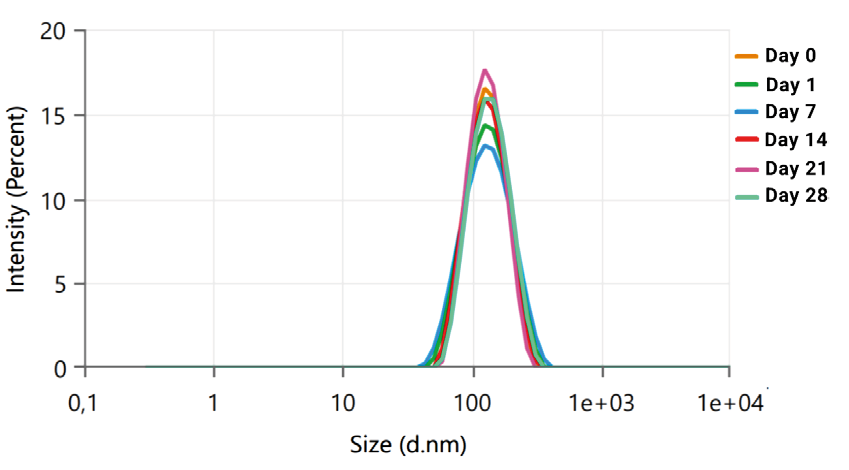
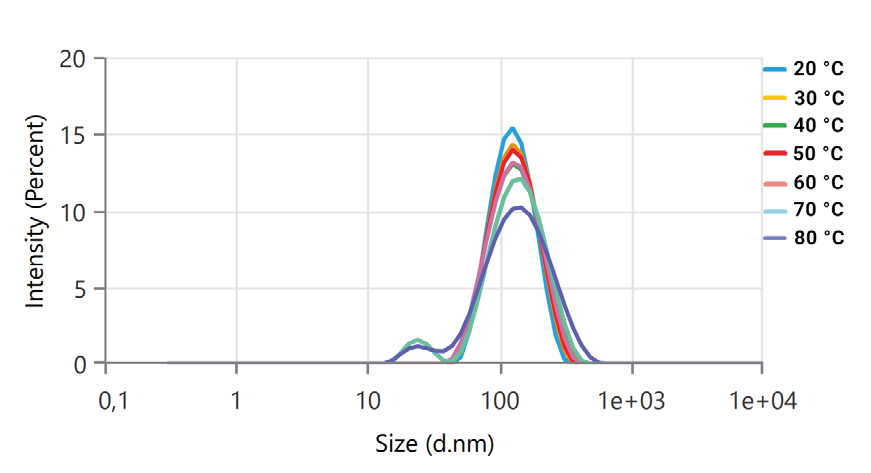
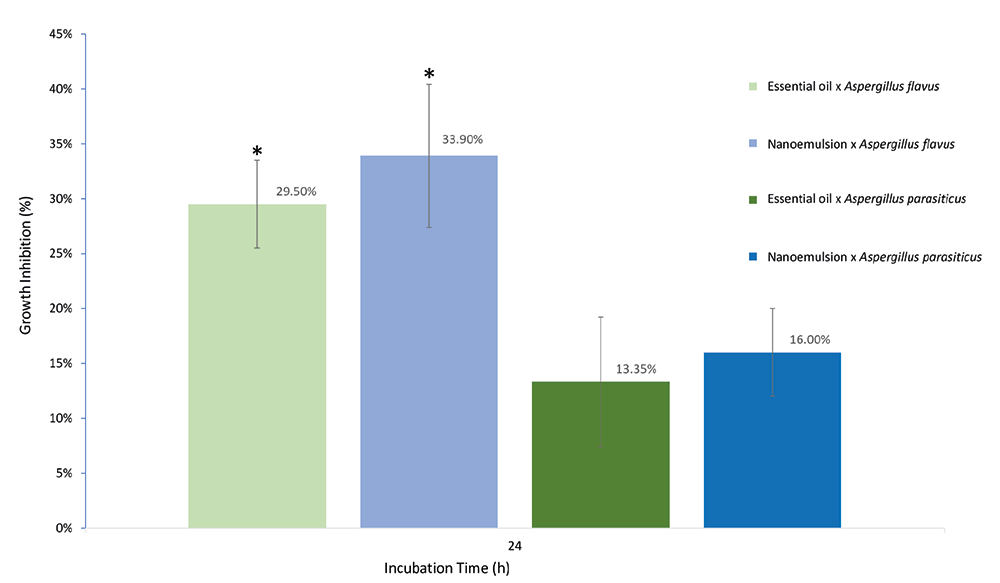
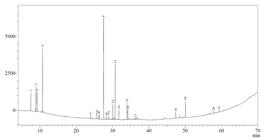
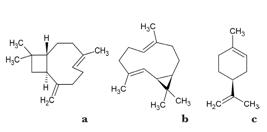
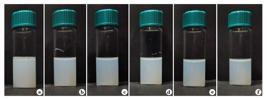
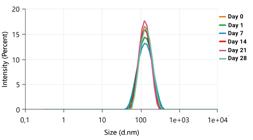
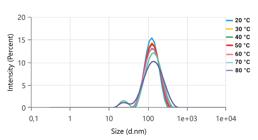
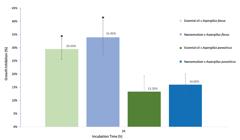
Filamentous fungi are potential food contaminants due to their production of mycotoxins, making essential to control their growth through environmentally sustainable strategies. Essential oils have emerged as promising alternatives; however, their application is limited due to their lipophilicity. In this context, nanoemulsion systems are advantageous for improving their dispersion and efficacy. This study aimed to develop and characterize a nanoemulsion based on Baccharis reticularia essential oil and evaluate its antifungal activity against strains of Aspergillus species. The essential oil yielded 0.33%, with 21 identified compounds, with β-caryophyllene being the major component (26.37%). The resulting nanoemulsion had an average droplet size of 113.1 ± 1.45 nm, a polydispersity index of 0.190 ± 0.015, and a zeta potential of -19.74 ± 1.45 mV after preparation. For A. flavus, the essential oil inhibited 29.5%, while its nanoemulsion enhanced the inhibition by 33.9% within the first 24h. However, for A. parasiticus, no growth inhibition was observed. The findings of this study highlight the potential of nanoemulsions as a sustainable strategy for controlling A. flavus. The observed colloidal stability and antifungal activity indicate their potential contribution to eco-friendly food preservation approaches. Future perspectives for the work include evaluating the nanoemulsion antifungal efficacy under post-harvest storage conditions to confirm its practical applicability.
Key words:
Asteraceae; nanotecnology; nanodispersion; pesticide
 Thumbnail
 Thumbnail
 Thumbnail
 Thumbnail
 Thumbnail
 Thumbnail