
 EFFECTIVENESS OF MEDIASTINAL DRAIN MILKING IN POSTOPERATIVE CARDIAC SURGERY: A RANDOMIZED CLINICAL TRIAL
ABSTRACT
Objectives: To verify the effectiveness of milking mediastinal drains in patients undergoing cardiac surgery in preventing hematic occlusion and postoperative complications.
Method: This is a randomized, controlled, parallel, triple-blind clinical trial conducted with 80 adult patients from a public hospital in northern Brazil, allocated in a 1:1 ratio, 40 in the control group (without mediastinal drain pumping) and 40 in the intervention group (with mediastinal drain pumping). Both groups were assessed for drain occlusion, drained volume, time to drain removal, and occurrence of complications. BioEstat® 5.3 was used for data analysis, adopting a significance level of α = 0.05 and a 95 % Confidence Interval. The study followed the Consolidated Standards of Reporting Trial recommendations and was registered in the Brazilian Clinical Trials Registry - REBEC (RBR-38mm3wn).
Results: No cases of hematic occlusion were observed. The mean volume drained in the first 12 hours was approximately 1.5 times higher in the intervention group (355.1 ml vs. 236.6 ml p=0.0075). The mean time to drain removal was 2.8 days (SD: 0.9 days) and, in W-MDP group, 3.1 days (SD: 1.1 days). The control group had a higher rate of complications compared to the intervention group (35.0 % and 17.5 %, p=0.0005), highlighting arrhythmias (55 % and 27.5 %, p=0.0231).
Conclusions: Mediastinal drain placement in the postoperative period of cardiac surgery is associated with greater drainage in the first 12 hours and a lower incidence of postoperative complications, including arrhythmias.
DESCRIPTORS:
Thoracic Surgery; Chest Tubes; Randomized Controlled Trial; Nursing Care; Cardiac Tamponade
RESUMO
Objetivos: verificar a efetividade da ordenha de drenos de mediastino em pacientes submetidos à cirurgia cardíaca na prevenção de oclusão hemática e complicações pós-operatórias.
Método: ensaio clínico randomizado, controlado, paralelo e triplo cego, realizado com 80 pacientes adultos de um hospital público do norte do Brasil, alocados na proporção 1:1, sendo 40 no grupo controle (sem ordenha de dreno mediastinal) e 40 no grupo intervenção (com ordenha de dreno mediastinal). Ambos os grupos foram avaliados quanto à oclusão do dreno, volume drenado, tempo para retirada do dreno e ocorrência de complicações. Para análise dos dados foi utilizado o software BioEstat® 5.3, adotado nível de significância de α=0,05 e intervalo de confiança de 95 %. O estudo seguiu as recomendações do Consolidated Standards of Reporting Trial e foi cadastrado no Registro Brasileiro de Ensaios Clínicos - REBEC (RBR-38mm3wn).
Resultados: nenhum caso de oclusão hemática foi observado. O volume médio drenado nas primeiras 12 horas foi aproximadamente 1,5 vezes maior no grupo intervenção (355,1 ml vs. 236,6 ml p=0,0075). O tempo médio para retirada do dreno foi de 2,8 dias (DP: 0,9 dias) e no Grupo S-ORD foi de 3,1 dias (DP: 1,1 dias). O grupo controle apresentou maior taxa de complicações comparada ao grupo intervenção (35,0 % e 17,5 %, p=0,0005), destacando as arritmias (55 % e 27,5 %, p=0,0231).
Conclusões: a ordenha do dreno mediastinal no pós-operatório de cirurgia cardíaca está associada a maior drenagem nas primeiras 12 horas e menor incidência de complicações pós-operatórias, incluindo arritmias.
DESCRITORES:
Cirurgia torácica; Tubos torácicos; Ensaio clínico controlado aleatório; Cuidados de enfermagem; Tamponamento cardíaco
RESUMEN
Objetivo: Verificar la efectividad de los drenajes mediastínicos de ordeño en pacientes sometidos a cirugía cardíaca para prevenir la oclusión hemática y las complicaciones postoperatorias.
Método: Ensayo clínico aleatorizado, controlado, paralelo y triple ciego, realizado con 80 pacientes adultos de un hospital público del norte de Brasil, asignados en proporción 1:1, 40 en el grupo control (sin ordeño de drenaje mediastínico) y 40 en la intervención grupal (con ordeño de drenaje mediastínico). Ambos grupos fueron evaluados con respecto a la oclusión del drenaje, el volumen drenado, el tiempo para retirar el drenaje y la aparición de complicaciones. Para el análisis de los datos se utilizó el software BioEstat® 5.3, adoptando un nivel de significancia de α=0,05 y un intervalo de confianza del 95 %. El estudio siguió las recomendaciones de los Estándares Consolidados de Informes de Ensayos y fue registrado en el Registro Brasileño de Ensayos Clínicos - REBEC (RBR-38mm3wn).
Resultados: No se observaron casos de oclusión hemática. El volumen promedio drenado en las primeras 12 horas fue aproximadamente 1,5 veces mayor en el grupo de intervención (355,1 ml vs. 236,6 ml p=0,0075). El tiempo medio para retirar el drenaje fue de 2,8 días (DE: 0,9 días) y, en el grupo S-ORD, fue de 3,1 días (DE: 1,1 días). El grupo control tuvo mayor tasa de complicaciones respecto al grupo de intervención (35,0 % y 17,5 %, p=0,0005), destacando las arritmias (55 % y 27,5 %, p=0,0231).
Conclusión: El ordeño del drenaje mediastínico en el postoperatorio de cirugía cardíaca se asocia con mayor drenaje en las primeras 12 horas y menor incidencia de complicaciones postoperatorias, incluidas arritmias.
DESCRIPTORES:
Cirugía Torácica; Tubos Torácicos; Ensayo Clínico Controlado Aleatorio; Atención de Enfermería; Taponamiento Cardíaco
INTRODUCTION
According to the World Health Organization1, cardiovascular diseases (CVDs) are the leading cause of death in the world, and it is estimated that in Brazil, in 2023, 398,756 people will die from CVD, accounting for approximately 26 % of deaths in the country, with a mortality rate of 195 per 100,000 inhabitants. In the state of Amazonas, the mortality rate from CVDs was 101 per 100,000 inhabitants2,3.
Individual risk factors related to CVD include a wide range of behaviors, the main ones being smoking, excessive salt consumption, high blood pressure, dyslipidemia, diabetes mellitus, obesity, lack of physical activity and genetic predisposition to certain cardiovascular conditions. Moreover, social changes related to epidemiological transitions occur concomitantly, which modify populations’ living and illness patterns4-7 .
Cardiovascular surgeries are part of the treatments provided for CVDs. These procedures can be minimally invasive or non-invasive, and are the surgical treatment of pathologies related to the heart and thoracic aorta. Cardiac surgery involves several surgical techniques and a variety of physiological changes that can have an impact on recovery and the postoperative period. As in any other specialty, pre-existing comorbidities in patients, such as anemia, diabetes or kidney disease, have a greater effect on the outcome. Other factors such as surgery urgency, complexity and duration, and extracorporeal circulation (ECC) have a great influence on recovery, as complex surgeries require long ECC times, use of hypothermia, reduced cerebral perfusion and blood loss, which potentially increase adverse events and prolong recovery8.
Among the possible complications of cardiac surgeries, mediastinal drain occlusion also stands out, usually controlled by mediastinal drainage. However, obstruction of these drains can lead to blood retention after surgery, causing cardiac tamponade and atrial fibrillation. Milking the mediastinal drain in the postoperative period of cardiac surgery has been a procedure used to ensure drain patency and avoid serious complications9.
Although the indications for mediastinal drain placement are well documented in literature, there is a lack of robust evidence on best practices for maintaining or restoring drain patency during care, especially in Intensive Care Units (ICUs). Studies report that intensive care teams have performed mediastinal drain milking, although this drain manipulation technique has not demonstrated effective and safe benefits in maintaining its patency. They indicate potential harm to patients due to the high negative pressures exerted during the maneuver, such as excessive bleeding, ventricular dysfunction, and trauma to adjacent tissue, and it can only be performed when there is visible clot formation10-13. Other authors state that the rate of obstruction of mediastinal drains is low, regardless of the manipulation protocol performed14.
Therefore, no clinical or physiological advantages have been demonstrated in the use of manipulation compared to no mediastinal drain manipulation. In this regard, a systematic review, with few studies found, does not indicate a significant difference in facilitating mediastinal drainage and permeabilization, when the drains are routinely milked or when milking is not performed at any time. And no difference was observed in heart rate, tamponade or the need for surgical reapproach. However, it is highlighted that there is a lack of primary studies on the subject. In this same study, when comparing the standard drain milking techniques and continuous clearance, they showed that the continuous clearance technique was associated with significantly lower rates of reintervention due to bleeding or cardiac tamponade. These results highlight the importance of negative pressure mediastinal drain patency, as an effective practice in the prevention of postoperative complications in cardiac surgeries.9 Another study indicates that chest tube obstruction due to blood clots is a significant concern, occurring in up to 36 % of patients. This obstruction can result in blood pooling around the heart or lungs, increasing the need for reinterventions for treatment10.
Therefore, different milking methods are recommended for drain manipulation and permeability. Some milking methods are described, such as milking, which involves squeezing, twisting or crushing the tubing; stripping technique, which consists of holding the drain with one hand so that it does not move, and, with the other, squeezing the drain “in a clamp”, lower down, between the thumb and index finger, compressing and dragging it downwards to, through negative pressure, remove fluid and clots collected in the chest area; fanfolding, in which the drain is “folded” in order to increase the negative pressure; and, finally, tapping, which consists of gently tapping the drain in a rhythmic manner with a clamp to facilitate the drainage of blood through narrowing in the connection system15.
Although it includes standards and routines of cardiovascular surgery services, there is no consensus in literature regarding the principles of milking the mediastinal drainage system and the moment of its indication, which leads to the belief that decisions made empirically and/or guided by personal experience prevail rather than evidence-based practice16,17. Considering the lack of randomized clinical trials comparing the execution or not of drain milking, to support or refute its effectiveness in preventing complications and given the uncertainty regarding the performance of this procedure, this study aimed to verify the effectiveness of milking mediastinal drains in patients undergoing cardiac surgery in preventing hematic occlusion and postoperative complications.
This study adopts the concept of effectiveness, which refers to the ability of a procedure to generate the expected results under real clinical practice conditions. Despite postoperative care guidelines for cardiac surgeries, there is a lack of randomized clinical trials that provide robust evidence on the use of mediastinal drains, a common but poorly standardized practice. This study contributes to filling this gap by providing new evidence on the impact of this technique in preventing serious complications, such as arrhythmias and cardiac tamponade.
METHOD
This is a randomized, controlled, parallel, triple-blind clinical trial, conducted in Brazil at a public tertiary hospital in the state of Amazonas, in 2019. The study was approved by the Universidade Federal do Amazonas Research Ethics Committee (REC) and conducted in accordance with the Declaration of Helsinki. This trial was registered in the Brazilian Registry of Clinical Trials - REBEC (RBR-38mm3wn). All patients signed an Informed Consent Form before participating.
The study included adult patients undergoing any type of cardiac surgery by median sternotomy who had mediastinal drainage installed. Based on this, patients aged 18 years or older and in the immediate postoperative period of any cardiac surgery by median sternotomy with mediastinal drain inserted were included. Patients with mediastinal drainage inserted after surgical reapproach (reoperation) for any reason were excluded.
Eligible patients were randomized 1:1 to intervention and control groups. Randomization was performed using an online browser available at http://www.randomization.com and stored on a secure server. Participant recruitment was performed by the main investigator and two other trained investigators, with patients admitted to preoperative surgical and cardiology clinics who would undergo cardiac surgery by median sternotomy with mediastinal drain placement. In the postoperative ICU, a researcher revealed the allocated randomization arm. Patients were blinded. The main investigator and the statistician were also blinded to the group to which each patient belonged.
The CONsolidated Standards Of Reporting Trial (CONSORT)10 recommendations were followed, which addresses the information required in topics for reproducing the study.
The primary outcome of this study was total mediastinal drain hematic occlusion after cardiac surgery. The secondary outcome was postoperative patient complications.
Data were collected using a printed form specifically developed by the main investigator and subsequently digitized. Participants’ confidentiality was maintained by using identification numbers. To avoid loss or error in identifying participants, each participant was also identified with the unit registration number and medical record number.
The form included age, sex, date of birth and a field to record whether or not there was drain hematic occlusion, drainage volume in ml/h and per day postoperatively, total volume drained and date of drain removal (primary variables). The occurrence of arrhythmias and postoperative complications, such as complete atrioventricular block and low postoperative cardiac output syndrome, as well as the time of drain removal (secondary variables), were also recorded.
After standardization and training, nursing professionals who were members of the study team performed milking in the intervention group. Both the primary and secondary variables of both groups were measured by team members, using an individualized form for each randomized patient.
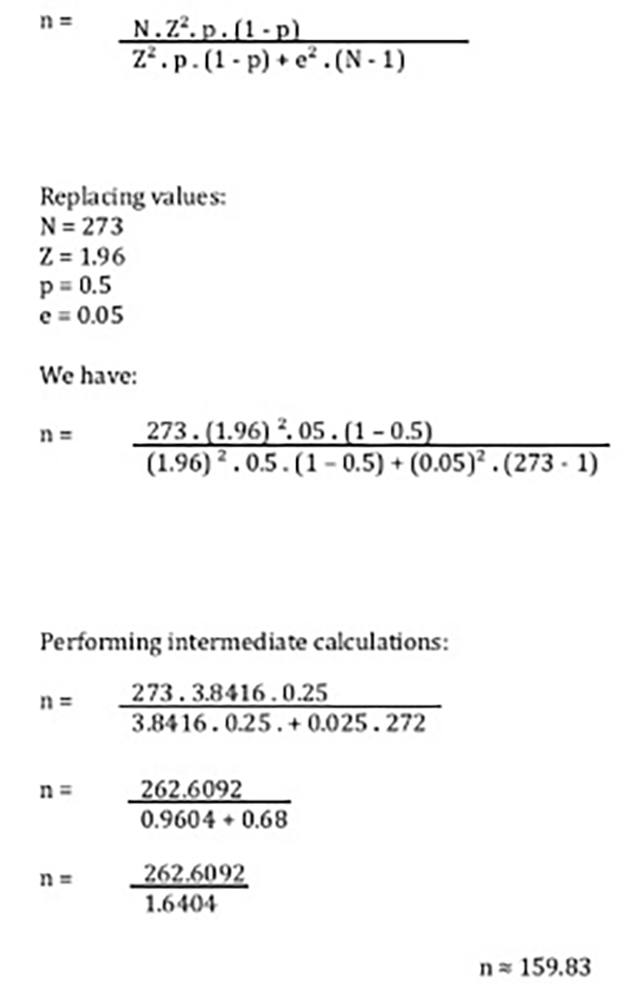
The sample size calculation was based on cardiac surgeries with mediastinal drain placement performed on adult patients at the institution, with an average of 273 procedures in the last two years, according to official data from the surgical center. Using this population, a tolerable sampling error of 5 % and a test power of 85 % were considered. All confidence intervals (CI) were estimated at the 95 % confidence level.
For the calculation, the sampling formula for finite populations with known standard deviation was used, applied both manually and with the BioEstat® 5.3.
The minimum annual sample size calculated was approximately 160 patients, resulting in a statistically representative quarterly sample of approximately 53 patients, as shown in Figure 1. For simplicity, this was rounded to 52 patients.
During the four-month period from February to June 2019, data were collected from 80 patients, exceeding the minimum sample size calculated. This larger sample size was beneficial to the study, as it increased the reliability of results in the randomized clinical trial and allowed for more detailed analyses. The discrepancy between the calculated number and the number collected is due to the fact that most patients agreed to participate in the study, as stated in CONSORT.18
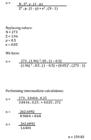
Sampling formula for finite populations with known standard deviation. Manaus, Amazonas, Brazil, 2024.
The intervention group was called WI-MDP (with mediastinal drain pumping), and the mediastinal drain was removed according to the current ICU standardization, using stripping every hour in the first 12 hours after surgery, every 2 hours until the end of the first postoperative day, and every 6 hours until the drain was removed. The drains were positioned rigorously to avoid kinks and hanging loops.
In the control group (without mediastinal drain pumping - W-MDP), the drain was not milked at any time. The drains were also rigorously positioned in order to prevent kinks and hanging loops.
For data analysis, the groups were compared regarding drain hematic occlusion, volume drained per hour and in total, and drain removal date. Complications related to milking/non-milking included the frequency at which they were observed and the type in the postoperative period, such as total atrioventricular block, low postoperative cardiac output syndrome, and arrhythmias.
Hemodynamic stability was assessed by mean blood pressure, heart rate, need for intra-aortic balloon pump and use of vasoactive drugs. The need for blood transfusion and duration of invasive mechanical ventilation were also compared between WI-MDP and W-MDP. The occurrence of cardiac tamponade and early pericardial effusion was also assessed, with cardiac tamponade being assessed by clinical criteria and, if necessary, confirmed by echocardiogram.
Statistical analysis was conducted by a specialized researcher from the Centro Universitário Metropolitano da Amazônia and the Fundação Santa Casa de Misericórdia do Pará. Moreover, she was a visiting professor of biostatistics in the Professional Master’s Program in Surgery at the Universidade Federal do Amazonas (UFAM). Data were organized and analyzed using Microsoft Office Excel® 2016. Categorical variables were described by absolute and relative frequencies, arithmetic mean and standard deviation. Categorical variables were assessed using G-tests, chi-square and Fisher’s exact test to verify adherence in the general sample analysis and independence in the comparison between study groups. The normality of numerical variables was verified by the Shapiro-Wilk test. For parametric variables, independent Student’s t-test was applied, while for variables with nonparametric distribution, Kruskal-Wallis test was used. All analyses were performed using BioEstat® 5.3. The significance level adopted was α = 0.05 (5 %).
RR was used to compare the occurrence of postoperative complications between WI-MDP and W-MDP. This measure was calculated by dividing the complication rate in the group that did not receive drain pumping (W-MDP) by the complication rate in the group that did receive pumping (WI-MDP). An RR greater than 1 indicates that the risk of complications is higher in W-MDP compared to WI-MDP, whereas an RR less than 1 suggests a reduced risk in the intervention group. To assess the precision of these estimates, 95 % CIs were calculated, and p-values were obtained to determine statistical significance.
RESULTS
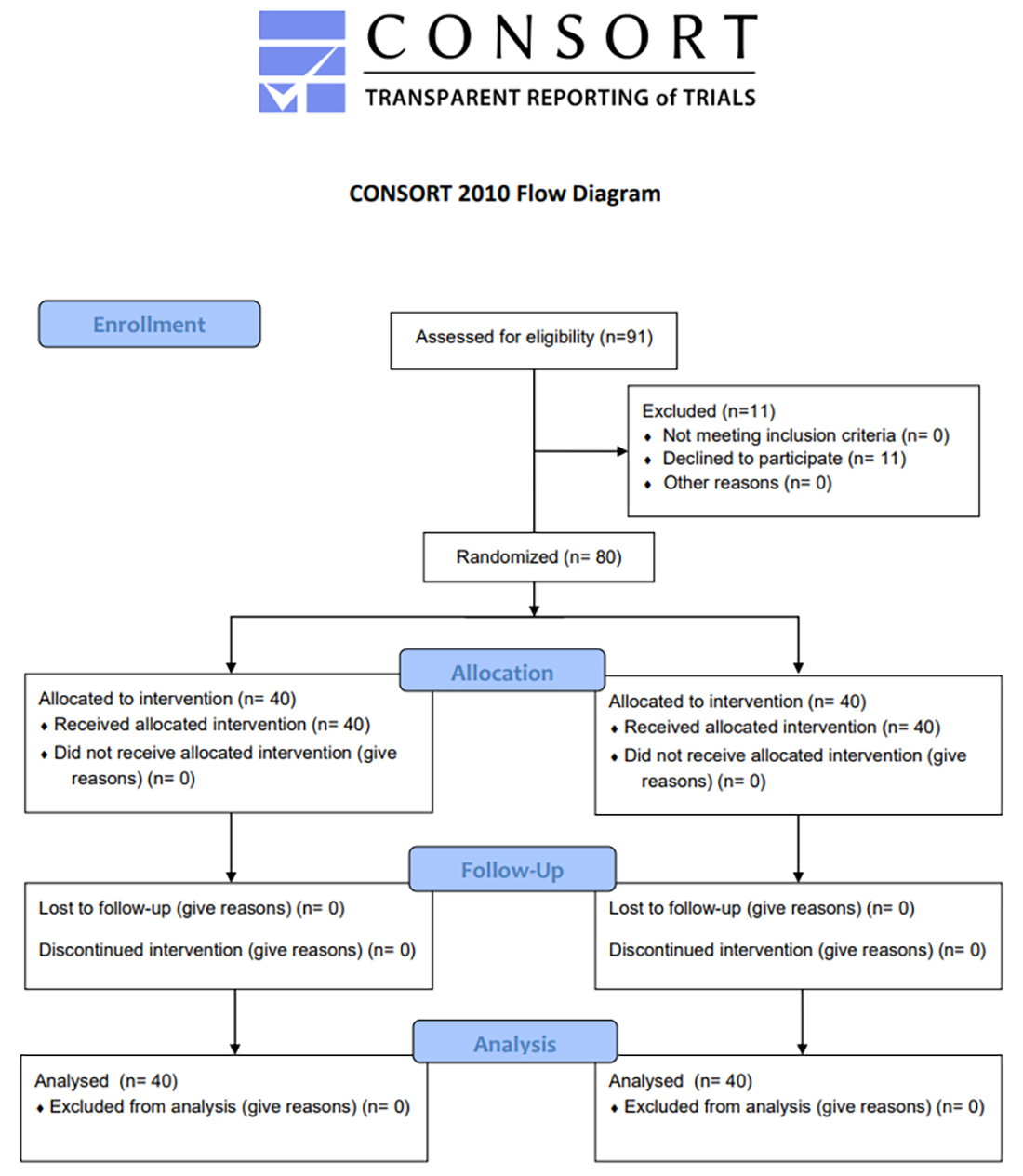
As shown in Figure 2, CONSORT18 flowchart, a total of 91 patients were elected to participate in the study, of which 11 refused and 80 consented to participate by signing an Informed Consent Form before surgery. They were randomized to receive drain pumping (WI-MDP (n = 40)) and to remain without drain pumping (W-MDP (n = 40)). Of the 80 randomized patients, all completed follow-up.
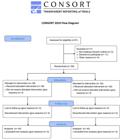
Study stage flowchart diagram according to Consolidated Standards of Reporting Trial. Manaus, Amazonas, Brazil, 2019-2020.
Most participants were male, with a mean age of 56.6 years. Among the previous diseases presented by patients, hypertension (HT) showed the highest proportion (71.3 %) in relation to the other conditions, followed by type 2 diabetes mellitus (2DM) (32.5 %). Regarding the surgical recommendation, myocardial revascularization was the predominant procedure (73.75 %), followed by aortic and mitral valve replacements (11.25 % and 12.5 %, respectively). Among the diagnoses, coronary artery disease (CAD) was the most frequent (57.0 %), followed by ischemic cardiomyopathy (11.25 %). The results indicated that there was no difference between participant characteristics when comparing the groups, as shown Table 1.
Sociodemographic and clinical characteristics of patients with mediastinal drain, randomized into control (W-MDP) and intervention (WI-MDP) groups. Manaus, Amazonas, Brazil, 2019-2020 (n=80).
The results of the analysis of the primary outcome indicated that there were no cases of mediastinal drain occlusion in any of the groups studied. Both WI-MDP and W-MDP showed a total absence of this outcome.
As for the secondary outcome, as shown Table 2, the mean volume of mediastinal secretion drained during the period showed a statistically significant difference (p = 0.0075), by the Kruskal Wallis test, in the first 12 hours after surgery, where a greater mean quantity was observed in WI-MDP in relation to W-MDP (355.1 ml and 236.6 ml, respectively). From the 1st to the 4th day after surgery, W-MDP presented a greater mean volume than WI-MDP, but without statistical significance. RR is not a measure commonly applied to differences in mean volumes; however, the ratio between the means of the drained volumes was calculated to obtain a relative understanding of the difference between groups and to demonstrate the methodological rigor adopted in this study. It was identified that the mean volume of secretion drained in the first 12 hours was approximately 1.5 times greater in WI-MDP in relation to W-MDP. CIs were calculated for the mean drained volume in each group: WI-MDP: 355.1 ml ± 262.5 ml (95 % CI: 92.6 to 617.6 ml); W-MDP: 236.6 ml ± 195.7 ml (95 % CI: 40.9 to 432.3 ml).
Drain removal was more frequent between the second and third day in the groups analyzed (85.0 % and 72.5 %). In WI-MDP, the mean time for drain removal was 2.8 days (SD: 0.9 days), and in W-MDP, it was 3.1 days (SD: 1.1 days).
There were statistically significant complications between groups (p=0.0005), being proportionally higher in W-MDP (35.0 %) from the immediate postoperative period until the third postoperative day than in WI-MDP, in which there were complications in 7 patients (17.5 %), all in the immediate postoperative period (c).
There was no statistically significant difference (p = 0.4717) regarding the nature of the different complications presented in the studied groups. However, total atrioventricular block had the highest occurrence (52.4 %), followed by low postoperative cardiac output syndrome (28.6 %). When the occurrence of arrhythmias was analyzed, it was found that there was a difference between groups (p = 0.0231). In WI-MDP, 11 patients (27.5 %) presented arrhythmias, whereas in W-MDP there were 22 patients (55.0 %), as shown Table 3.
Time of drain removal and postoperative complications in the control (W-MDP) and intervention (WI-MDP) groups. Manaus, Amazonas, Brazil, 2019-2020 (n = 80).
The RR for overall complications was also 2.0 (95 % CI: 0.93 to 4.29), suggesting a higher risk of complications in W-MDP compared to WI-MDP, with a difference of 35.0 % versus 17.5 %, respectively. Furthermore, the RR for arrhythmias in W-MDP compared with the intervention group (WI-MDP) was 2.0 (95 % CI: 1.11-3.59), indicating that W-MDP had a higher risk of arrhythmias than WI-MDP, as shown in Table 4. This result suggests a statistically significant difference between groups regarding arrhythmias.
DISCUSSION
The Global Burden of Disease (GBD) study, an ongoing multinational collaboration, provides comparable and consistent estimates of population health over time. The study used all available population-based data sources on incidence, prevalence, case-fatality, mortality and health risks to produce estimates for 204 countries and territories from 1990 to 2019. Specifically, the study showed that CVDs remain the leading cause of death worldwide19.
The burden of CVD is ongoing and has been increasing over decades in almost all countries. However, the age-standardized rate of CVD has begun to increase in some places where it had previously declined. In 2019, total disability-adjusted life years (DALYs) lost from CVD were higher in men than in women. The pattern and sex differences are most striking between the ages of 30 and 60 years19. Regarding the age profile of the sample in this study, there was a predominance of male individuals and an average age of 56.6 years.
The Brazilian Society of Cardiology (In Portuguese, Sociedade Brasileira de Cardiologia - SBC), in the Myocarditis Guideline, indicates that the presence of classic risk factors (HT, dyslipidemia, obesity, sedentary lifestyle, smoking, diabetes and family history) increases the probability of CVD, with emphasis on CAD, and the occurrence of these should guide primary and secondary prevention actions.20
Several other factors, including sociodemographic, ethnic, cultural, dietary and behavioral issues, may also explain the differences in the burden of CVD between populations and their trends over the decades. The most frequent underlying diseases (which are also CVD risk factors) previously diagnosed in the population studied here are HT and 2DM. HT is the most prevalent chronic disease worldwide, affecting approximately one-third of the adult population, with a higher prevalence in low- and middle-income countries.21,22
CAD, presumably of atherosclerotic origin, is the leading cause of morbidity and mortality for individuals with 2DM. HT and dyslipidemia often coexist in individuals with 2DM and are clear risk factors for CAD, in addition to diabetes itself conferring an independent risk. The literature on the subject highlights that there are great benefits when multiple cardiovascular risk factors are addressed simultaneously.23
Heart failure is another important cause of morbidity and mortality from CVDs. A study conducted in the United States of America indicates that hospitalization rates for heart failure (adjusted for age and sex) were twice as high in people with 2DM compared to those without 2DM.24 As for surgical indications in the study, it was observed that there is a predominance of CAD, ischemic cardiomyopathy and valvular heart disease. The SBC also indicates a higher prevalence of acute myocarditis in men.20
Regarding the type of surgery, values above 70 % indicate a high prevalence of coronary artery bypass grafting (CABG). CABG is considered the gold standard therapy, recommended for patients with unstable angina and high levels of CAD. In recent decades, this procedure has been considered the most classic and most widespread when it comes to revascularization. It plays an essential role in CAD treatment by reducing anginal symptoms, improving physical capacity and quality of life, and increasing survival, especially in patients with higher cardiovascular risk.25 The SBC, in its latest (although old) guideline on the subject, also identifies myocardial revascularization as the main cardiovascular surgery in the world.26
The study population was in the postoperative period of cardiac surgeries, and the results of the statistical analysis of the primary outcome indicated that there were no cases of mediastinal drain occlusion in either group (WI-MDP and W-MDP). This result suggests that the milking technique used in WI-MDP neither increased nor decreased the risk of drain occlusion when compared to W-MDP. This finding is in line with a systematic review that also found no studies that showed a significant difference in the rate of mediastinal drain obstruction in different milking techniques.14
The secondary outcomes studied showed that there was a statistically significant difference in the mean volume of mediastinal secretion drained in the first 12 hours postoperatively between groups. WI-MDP had a higher mean drainage volume than W-MDP. This suggests that drain pumping may be more effective in the initial removal of fluids from the mediastinal space. From the first to the fourth postoperative day, W-MDP had a higher mean drainage volume than WI-MDP, but this difference was not statistically significant. The ratio between the mean volumes drained in the first 12 hours indicates that WI-MDP had greater drainage compared to W-MDP, which may be relevant in the immediate postoperative management to prevent complications.
Neither group had cases of cardiac tamponade or pericardial effusion, indicating that both approaches were safe in this regard. Perioperative bleeding complications have been a major obstacle since the birth of modern cardiac surgery. Today, patients typically bleed 300 mL to 400 mL during and 400 mL to 600 mL after standard procedures such as CABG or aortic valve replacement. It is noteworthy that excessive bleeding is common and occurs in approximately 5 % to 15 % of patients.27
Drain removal was observed more frequently between the second and third postoperative day in the groups analyzed, being higher in WI-MDP compared to W-MDP. The mean time for drain removal was shorter in WI-MDP compared to W-MDP, although statistical analysis indicated that this difference was not significant. During the second postoperative day, it was observed that WI-MDP had a higher risk of performing drain removal compared to W-MDP. However, on the third postoperative day, this difference was reduced. These results support those found in the only study with a similar design that also found no significant difference in drain permanence between groups.28
However, W-MDP had a mean time to drain removal that slightly exceeded the expected mean of two days, which may negatively impact the length of stay in the ICU and hospital costs. The results of this study demonstrated that postoperative complications occurred more frequently in W-MDP, evidencing a significant difference in relation to WI-MDP, indicating a higher risk of complications in this group.
In the present trial, complications were predominantly cardiovascular, with complete atrioventricular block being the most common complication, followed by low postoperative cardiac output syndrome. WI-MDP presented all complications in the immediate postoperative period, while W-MDP had complications up to the third postoperative day, with a significant difference.
Although the RR for overall complications indicates a difference between groups, CI includes the null risk, the high upper limit suggests that this difference may still have clinical relevance. A higher proportion of complications was observed in W-MDP compared to WI-MDP, indicating a potential association between the absence of drain pumping and increased complications. This trend, although not conclusive, reinforces the importance of future studies with greater sample power to confirm the clinical relevance of this finding.
The literature differs on the main complications of the postoperative period of cardiac surgery. In this study, the occurrence of arrhythmias was statistically significant in W-MDP. The RR for arrhythmias in W-MDP indicated that patients without milking have a higher risk of arrhythmias than those with milking. These findings differ from the results found in a randomized clinical trial conducted in 198628 which found no significant difference in the incidence of arrhythmias between groups.
In the present study, the greater mediastinal drainage observed in WI-MDP may have prevented the occurrence of arrhythmias, unlike W-MDP, where mediastinal fluid accumulation may have contributed to atrial stimulation and ventricular pressure. The findings indicate that the mediastinal drain milking technique does not impact the occlusion rate, but may significantly increase drainage volume in the first 12 hours postoperatively. This higher drainage volume in WI-MDP may be beneficial in rapidly removing accumulated fluid, potentially reducing the risk of complications such as cardiac tamponade.
However, the difference in drain removal time between groups was not statistically significant, although WI-MDP showed a tendency toward earlier removal, which may impact the length of ICU stay and hospital costs. These results may guide future practices and studies on mediastinal drain management in the postoperative period of cardiac surgery, emphasizing the importance of careful and personalized management for each patient.
The findings of this study highlight the importance of mediastinal drain milking in reducing postoperative complications and the occurrence of arrhythmias. The milking technique has been shown to be effective in preventing fluid accumulation in the mediastinum, potentially reducing pressure on the heart, aiding patient stability in the first days after surgery, and preventing serious cardiovascular complications. However, clinical practice should consider patients’ individuality, and future studies should continue to explore the mechanisms by which drain milking influences postoperative outcomes.
As a limitation, we highlighted the lack of studies that can compare the different techniques to support or refute their effectiveness in preventing cardiovascular problems after cardiac surgery. Another limitation was not testing different levels of milking, determining a minimum and maximum number of milkings per day in the group that received the intervention.
CONCLUSION
The findings of this study indicate that milking the mediastinal drain in the postoperative period of cardiac surgery is associated with a greater drainage volume in the first 12 hours and a lower incidence of postoperative complications and arrhythmias. Regarding the primary outcome, there was no drain hematic occlusion in either group.
REFERENCES
-
1. World Health Organization (WHO). Discussion Paper on the development of an implementation roadmap 2023-2030 for the WHO Global Action Plan for the Prevention and Control of NCDs 2023-2030 [Internet]. 2023[cited 2024 Mar 24]. Available from: https://www.who.int/publications/m/item/implementation-roadmap-2023-2030-for-the-who-global-action-plan-for-the-prevention-and-control-of-ncds-2023-2030
» https://www.who.int/publications/m/item/implementation-roadmap-2023-2030-for-the-who-global-action-plan-for-the-prevention-and-control-of-ncds-2023-2030 -
2. Fundação de Vigilância em Saúde do Amazonas Dra. Rosemary Costa Pinto (FVS-RCP). Boletim Epidemiológico de mortalidade por Doenças Crônicas Não Transmissíveis no estado do Amazonas. Situação epidemiológica da mortalidade por Doenças Crônicas Não Transmissíveis no estado do Amazonas [Internet]. 2023(cited 2024 Oct 22). Available from: https://www.fvs.am.gov.br/media/publicacao/Boletim_n.16_2023_4_1.pdf
» https://www.fvs.am.gov.br/media/publicacao/Boletim_n.16_2023_4_1.pdf -
3. Brasil. Ministério da Saúde. Datasus. Informações de Saúde. Informações epidemiológicas e morbidade. Mortalidade - desde 1996 pela CID-10 [Internet]. 2023 [cited 2024 Jul 04]. Available from: https://datasus.saude.gov.br/mortalidade-desde-1996-pela-cid-10
» https://datasus.saude.gov.br/mortalidade-desde-1996-pela-cid-10 -
4. He FJ, Tan M, Ma Y, MacGregor GA. Salt reduction to prevent hypertension and cardiovascular disease: JACC State-of-the-Art Review. J Am Coll Cardiol [Internet]. 2020[cited 2024 Apr 28];75(6):632-47. Available from: https://doi.org/10.1016/j.jacc.2019.11.055
» https://doi.org/10.1016/j.jacc.2019.11.055 -
5. Kraus WE, Powell KE, Haskell WL, Janz KF, Campbell WW, Jakicic JM, et al. Physical activity, all-cause and cardiovascular mortality, and cardiovascular disease. Med Sci Sports Exerc [Internet]. 2019 [cited 2024 Apr 29];51(6):1270-81. Available from: https://doi.org/10.1249/MSS.0000000000001939
» https://doi.org/10.1249/MSS.0000000000001939 -
6. Powell-Wiley TM, Poirier P, Burke LE, Després JP, Gordon-Larsen P, Lavie CJ, et al. Obesity and cardiovascular disease: A scientific statement from the American Heart Association. Circulation [Internet]. 2021 [cited 2024 Apr 29];143(21):e984-1010. Available from: https://doi.org/10.1161/CIR.0000000000000973
» https://doi.org/10.1161/CIR.0000000000000973 -
7. Teo KK, Rafiq T . Cardiovascular risk factors and prevention: A perspective from developing countries. Can J Cardiol [Internet]. 2021 [cited 2024 May 2];37(5):733-43. Available from: https://doi.org/10.1016/j.cjca.2021.02.009
» https://doi.org/10.1016/j.cjca.2021.02.009 -
8. Yousuf MS, Samad K, Ahmed SS, Siddiqui KM, Ullah H. Cardiac surgery and blood-saving techniques: An update. Cureus [Internet]. 2022 [cited 2024 May 2];14(1):e21222. Available from: https://doi.org/10.7759/cureus.21222
» https://doi.org/10.7759/cureus.21222 -
9. St-Onge S, Chauvette V, Hamad R, Bouchard D, Jeanmart H, Lamarche Y, et al. Active clearance vs conventional management of chest tubes after cardiac surgery: A randomized controlled study. J Cardiothorac Surg [Internet]. 2021 [cited 2024 Mar 29];16(44):1-9. Available from: https://doi.org/10.1186/s13019-021-01414-0
» https://doi.org/10.1186/s13019-021-01414-0 -
10. Engelman DT, Ben Ali W, Williams JB, Perrault LP, Reddy VS, Arora RC, et al. Guidelines for perioperative care in cardiac surgery: Enhanced recovery following surgical society recommendations. JAMA Surg[Internet]. 2019[cited 2024 May 3];154(8):755-66. Available from: https://doi.org/10.1001/jamasurg.2019.1153
» https://doi.org/10.1001/jamasurg.2019.1153 -
11. Vistarini V, Gabrysz-gorget F, Beaulieu, Y, Perralt P. Tamponade relief by active clearence of chest tubes. Ann Thorac Surg [Internet]. 2016 [cited 2024 May 2];101(3):1159-63. Available from: https://doi.org/10.1016/j.athoracsur.2015.10.098
» https://doi.org/10.1016/j.athoracsur.2015.10.098 -
12. Branco CSP, Pereira HO. Cuidados de enfermagem ao paciente pós-operatório imediato de cirurgia de revascularização do miocárdio. Enf Rev [Internet]. 2016 [cited 2024 May 3];19(1):72-84. Available from: https://periodicos.pucminas.br/index.php/enfermagemrevista/article/view/11639/10314
» https://periodicos.pucminas.br/index.php/enfermagemrevista/article/view/11639/10314 -
13. Day TG, Perring R, Gofton K. Is manipulation of mediastinal chest drains useful or harmful after cardiac surgery? Interact Cardiovasc Thorac Surg [Internet]. 2008 [cited 2024 May 3];7(5):888-90. Available from: https://doi.org/10.1510/icvts.2008.185413
» https://doi.org/10.1510/icvts.2008.185413 -
14. Silva LDC, Brito LL. Manipulação de drenos mediastinais e pleurais: existe evidência científica? J Manag Prim Health Care [Internet]. 2016[cited 2024 Apr 30];6(1):86-102. Available from: https://www.jmphc.com.br/jmphc/article/view/236
» https://www.jmphc.com.br/jmphc/article/view/236 -
15. Wallen M, Morrison A, Gillies D, O’Riordan E, Bridige C, Stoddart F. Mediastinal chest drain clearance for cardiac surgery. The Cochrane Database Syst Rev [Internet]. 2009 [cited 2024 Apr 30];2002(4):CD003042. Available from: https://doi.org/10.1002/14651858.CD003042.pub2
» https://doi.org/10.1002/14651858.CD003042.pub2 -
16. Darras M, Schneider C, Marguerite S, Oulehri W, Collange O, Mertes PM, et al. Early chest tube removal on the 1st postoperative day protocol of an enhanced recovery after cardiac surgery programme is safe. Eur J Cardiothorac Surg [Internet]. 2024 [cited 2024 Oct 22];65(3):ezae092. Available from: https://doi.org/10.1093/ejcts/ezae092
» https://doi.org/10.1093/ejcts/ezae092 -
17. Santos APA, Camelo SHH, Santos FC, Leal LA, Silva BR. O enfermeiro no pós-operatório de cirurgia cardíaca: competências profissionais e estratégias da organização. Rev Esc Enferm USP [Internet]. 2016 [cited 2024 Apr 30];50(3):474-81. Available from: https://doi.org/10.1590/S0080-623420160000400014
» https://doi.org/10.1590/S0080-623420160000400014 -
18. Cuschieri S. The CONSORT statement. Saudi J Anaesth [Internet]. 2019 [cited 2024 Apr 30];13 Suppl 1:S27-30. Available from: https://doi.org/10.4103/sja.SJA_559_18
» https://doi.org/10.4103/sja.SJA_559_18 -
19. Roth GA, Mensah GA, Johnson CO, Addolorato G, Ammirati E, Baddour LM, et al. Global Burden of Cardiovascular Diseases and Risk Factors, 1990-2019: Update From the GBD 2019 Study. J Am Coll Cardiol [Internet]. 2020 [cited 2024 May 3];76(25):2982-3021. Available from: https://doi.org/10.1016/j.jacc.2020.11.010
» https://doi.org/10.1016/j.jacc.2020.11.010 -
20. Montera MW, Marcondes-Braga FG, Simões MV, Moura LAZ, Fernandes F, Mangine S, et al. Diretriz de Miocardites da Sociedade Brasileira de Cardiologia - 2022. Arq Bras Cardiol [Internet]. 2022 [cited 2024 Apr 30];119(1):143-211. Available from: https://doi.org/10.36660/abc.20220412
» https://doi.org/10.36660/abc.20220412 -
21. Perumareddi P. Prevention of hypertension related to cardiovascular disease. Prim Care [Internet]. 2019 [cited 2024 Apr 30];46(1):27-39. Available from: https://doi.org/10.1016/j.pop.2018.10.005
» https://doi.org/10.1016/j.pop.2018.10.005 -
22. Zhou B, Perel P, Mensah GA, Ezzati M. Global epidemiology, health burden and effective interventions for elevated blood pressure and hypertension. Nat Rev Cardiol [Internet]. 2021 [cited 2024 May 2];18(11):785-802. Available from: https://doi.org/10.1038/s41569-021-00559-8
» https://doi.org/10.1038/s41569-021-00559-8 -
23. ElSayed NA, Aleppo G, Aroda VR, Bannuru RR, Brown FM, Bruemmer D, et al. Erratum. 10. Cardiovascular disease and risk management: Standards of Care in Diabetes-2023. Diabetes Care [Internet]. 2023 [cited 2024 May 25];46 Suppl 1:S158-90. Diabetes Care. 2023; 46(4):898. Available from: https://doi.org/10.2337/dc23-er04
» https://doi.org/10.2337/dc23-er04 -
24. McAllister DA, Read SH, Kerssens J, Livingstone S, McGurnaghan S, Jhund P, et al. Incidence of Hospitalization for Heart Failure and Case-Fatality Among 3.25 Million People With and Without Diabetes Mellitus. Circulation Care [Internet]. 2018 [cited 2024 May 25];138(24):2774-86. Available from: https://doi.org/10.1161/CIRCULATIONAHA.118.034986
» https://doi.org/10.1161/CIRCULATIONAHA.118.034986 -
25. Dong L, Kang Y, An X. Short-Term and Mid-Term Clinical Outcomes Following Hybrid Coronary Revascularization Versus Off-Pump Coronary Artery Bypass: A Meta-Analysis. Arq Bras Cardiol [Internet]. 2018 [cited 2024 Jun 06];110(4):321-30. Available from: https://doi.org/10.5935/abc.20180044
» https://doi.org/10.5935/abc.20180044 -
26. Brick AV, Souza DSR, Braile DM, Buffolo E, Lucchese FA, Silva FP de V, et al. Diretrizes da cirúrgia de revascularização miocárdica valvopatias e doenças da aorta. Arq Bras Cardiol [Internet]. 2004 [cited 2024 Jun 18];82:1-20.Available from: https://doi.org/10.1590/S0066-782X2004001100001
» https://doi.org/10.1590/S0066-782X2004001100001 -
27. Hansson EC, Jeppsson A. Antiplatelet therapy, platelet function testing, and bleeding compli-cations in cardiac surgery patients. Semin Thromb Hemost [Internet]. 2017 [cited 2024 Jun 18];43(07):699-05. Available from: https://doi.org/10.1055/s-0037-1603366
» https://doi.org/10.1055/s-0037-1603366 -
28. Lim-Levy F, Babler SA, Groot-Kosolcharoen J, Kosolcharoe P, Kroncke GM. Is milking and stripping chest tubes really necessary? Ann Thorac Surg [Internet]. 1986 [cited 2024 Jun 17];42(1):77-80. Available from: https://doi.org/10.1016/s0003-4975(10)61841-3
» https://doi.org/10.1016/s0003-4975(10)61841-3
NOTES
-
ORIGIN OF THE ARTICLE
Article extracted from the dissertation “Ordenha de dreno mediastinal em pós-operatório de cirurgia cardíaca: um ensaio clínico randomizado”, from the Professional Master’s Degree in Surgery, Graduate Program in Surgery, Universidade Federal do Amazonas, in 2020.
-
FUNDING
Universidade do Estado do Amazonas - UEA. Intervention of the Fundação Universitas de Estudos Amazônicos - FUEA. Universidade Federal de Santa Catarina - UFSC, Process and term: Administrative Process nº 01.02.011304.023981/2022-77 Agreement Term nº 022/2023.
-
APPROVAL OF ETHICS COMMITTEE IN RESEARCH
Approved by the Ethics Committee in Research of the Universidade Federal do Amazonas Research Ethics Committee, CAAE 04317918.6.0000.5020, Opinion 3.139.678.
-
TRANSLATED BY
Letícia Belasco.
-
DATA AVAILABILITY
The dataset that supports the findings of this study is not publicly available.
Edited by
The dataset that supports the findings of this study is not publicly available.

 Source: adapted from CONSORT 2010 checklist of information to include when reporting a randomized trial.