 HEALTH INTERVENTION PROJECTS: STRATEGIC ACTION TO COMBAT CHRONIC AND NON-COMMUNICABLE DISEASES
ABSTRACT
Objective: to assess the impact of Intervention Projects in the care of people with Chronic Non-Communicable Conditions in relation to the goals of the "Non-Communicable Diseases and Injuries 2021-2030" Plan.
Method: ex-post-facto impact assessment study, in which 337 Intervention Projects developed by health professionals who graduated from the Specialization Course in Care for People with Chronic Non-Communicable Diseases, in Santa Catarina, Brazil, between May 2022 and July 2023, were analyzed. The projects were structured in light of the Experiential Learning Theory as a framework and adopted content analysis through the software Atlas.Ti®.
Results: the projects met several objectives of the "Non-Communicable Diseases" Plan in reducing obesity, increasing physical activity, and improving eating habits in children and adults. Most interventions focused on educational initiatives, of health promotion, helping to transform workplaces and healthcare practices. A local impact on health indicators was also highlighted, emphasizing the relevance of training based on practical experience.
Conclusion: intervention projects have a significant impact on combating Chronic and Non-Communicable Diseases, contributing to the goals and reaffirming the role of educational strategies in professional qualification and the transformation of health practices.
DESCRIPTORS:
Health Strategy; Health Policy; Chronic diseases; Learning; Health Education; Health Assessment
RESUMO
Objetivo: Avaliar o impacto de Projetos de Intervenção no atendimento a pessoas com Condições Crônicas Não-Transmissíveis em relação às metas do Plano "Doenças e Agravos Não-Transmissíveis 2021-2030".
Método: Estudo de avaliação de impacto do tipo ex-post-facto, no qual foram analisados 337 Projetos de Intervenção desenvolvidos pelos profissionais de saúde egressos do Curso de Especialização em Atenção às Pessoas com Doença Crônica Não-Transmissível, em Santa Catarina, Brasil, entre maio de 2022 e julho de 2023. Os projetos foram estruturados à luz da Teoria da Aprendizagem Experiencial como referencial e adotaram análise de conteúdo pelo software Atlas.Ti®.
Resultados: Os projetos atenderam a diversos objetivos do Plano "Doenças e Agravos Não-Transmissíveis" na redução da obesidade, no aumento da atividade física e na melhoria dos hábitos alimentares em crianças e adultos. A maior parte das intervenções concentrou-se em iniciativas educativas, de incentivo à saúde, auxiliando na transformação nos locais de trabalho e nas práticas de assistência. Ressaltou-se ainda um impacto local em indicadores de saúde, enfatizando a relevância de uma formação fundamentada na vivência prática.
Conclusão: Os projetos de intervenções apresentam impacto relevante no enfrentamento das Doenças Crônicas e Agravos Não-Transmissíveis, contribuindo para as metas e reafirmando o papel das estratégias educativas na qualificação profissional e na transformação das práticas em saúde.
DESCRITORES:
Estratégia de Saúde; Política de Saúde; Doenças crônicas; Aprendizagem; Educação em Saúde; Avaliação em Saúde
RESUMEN
Objetivo: Evaluar el impacto de los Proyectos de Intervención en la atención a personas con Enfermedades Crónicas No Transmisibles en relación a los objetivos del Plan “Enfermedades y Lesiones No Transmisibles 2021-2030”.
Método: Estudio de evaluación de impacto del tipo ex post facto, en el que se analizaron 337 Proyectos de Intervención desarrollados por profesionales de la salud egresados del Curso de Especialización en Atención a Personas con Enfermedades Crónicas No Transmisibles, en Santa Catarina, Brasil, entre mayo de 2022 y julio de 2023.Los proyectos fueron estructurados a la luz de la Teoría del Aprendizaje Experiencial como referencia y se adoptó el análisis de contenido por software Atlas.Ti®.
Resultados: Los proyectos cumplieron varios objetivos del Plan de “Enfermedades No Transmisibles” en reducir la obesidad, aumentar la actividad física y mejorar los hábitos alimentarios en niños y adultos. La mayoría de las intervenciones se centraron en iniciativas educativas, de promoción de la salud, ayudando a transformar los lugares de trabajo y las prácticas de atención sanitaria. También se destacó el impacto local en los indicadores de salud, enfatizando la relevancia de la capacitación basada en la experiencia práctica.
Conclusión: Los proyectos de intervención tienen un impacto significativo en el combate a las Enfermedades Crónicas y No Transmisibles, contribuyendo al logro de los objetivos y reafirmando el papel de las estrategias educativas en la cualificación profesional y en la transformación de las prácticas de salud.
DESCRIPTORES:
Estrategia de salud; Política de Salud; Enfermedades crónicas; Aprendizaje; Educación en salud; Evaluación de salud
INTRODUCTION
Chronic and Non-Communicable Diseases (CNCDs) are one of the main causes of morbidity and mortality in Brazil, posing a major challenge to the healthcare system. The Strategic Action Plan to Combat Non-Communicable Diseases in Brazil, 2021-2030 (Plano DANT), was developed by the Ministry of Health, after almost a decade of the implementation of actions planned for the period 2011-2022, with the objective of facing these challenges through specific strategies and goals aimed at the prevention and control of Chronic Non-Communicable Conditions (CNCDs). Among the established goals, the following stand out: reducing childhood and adult obesity; increasing physical activity; improving eating habits; reducing the consumption of ultra-processed and sweetened foods and alcoholic beverages; reducing smoking; reducing mortality from air pollution; and increasing HPV vaccination coverage1.
This study analyzes the Intervention Projects (IP) arising from the Final Paper (TCC) for the Specialization Course in Care for People with Chronic and Non-Communicable Diseases (CNCDs) by graduated health professionals. The specialization, focused on care for people with Chronic Non-Communicable Conditions (CNCDs), was driven by the NCD policy in the context of Primary Health Care. This methodology stands out for its pedagogical value, which allows professionals to reflect on their practices and acquire new knowledge and redefine their activities.
Permanent Health Education (PHE) is a strategy that integrates learning into the work process to transform health practices. Primary Health Care (PHC) has proven to be a powerful space for the consolidation of PHE, as it promotes reflection and learning based on the local singularities of the territory. PHE is an important strategy for transforming the reality of PHC, reinventing work and, consequently, transforming practices2.
Monitoring health indicators, whether of disease or of health coverage, is essential to keep the population's health under observation. Aggregate estimates have their value, but they end up hiding significant inequalities within population subgroups. In addition to the obvious ongoing investment in research and improvement of health systems, health surveys and services should be encouraged to collect information on different dimensions of inequality: skin color, ethnicity, gender, migration status, region of residence, among many other possibilities. The Sustainable Development Goals (SDGs) themselves already suggest that reliable and up-to-date data should be available to allow for a broader view of health inequalities3.
Projects focused on Chronic Health Conditions were, therefore, designed to promote significant changes in the health environments where these professionals work, reflecting a critical commitment to improving their lived reality within the Health Care Network. They also propose alternatives and shared resolution strategies for CNCD in the workplace, enabling the development of proposals that play a crucial role in achieving goals and are relevant to local and regional realities. There are several methodological strategies to facilitate health workers’ learning. When thinking about PHE, active teaching methods should be considered as a priority and meaningful learning should be sought, that is, learning that considers the prior knowledge of the people involved in the process4. Professional health training in Brazil has been marked by the transition from a uniprofessional model to interprofessional training, aimed at meeting the needs of Brazilian Public Health Network (SUS) users4. Interprofessionality in health and the practice of Interprofessional Education (IPE) have provided a new perspective for the practices of reorienting health training and work4.
These projects allowed the development of proposals that play a fundamental role in the realization of these objectives and are aligned with the participants’ local and regional realities. The analysis of projects in light of the Experiential Learning Theory (ELT) emphasizes the importance of practical experience in consolidating theoretical knowledge, essential for the continuous professional development of those involved. The process of reorienting health training and work, aiming to overcome challenges in the production of health services5, differs from traditional professional education by producing knowledge from interactions with other professionals and unique collaborative attitudes and skills6.
In the context of the course and Intervention Projects, this focus on experiential learning allows for continuous professional development, where people leverage their work experience and translate it into advanced skills and competencies to address public health challenges. This approach seeks to encourage the learning process not only to foster theoretical knowledge, but also to promote the integration of innovative and effective practices into the daily lives of professionals, and to enable professionals to manage and minimize complex health problems. Therefore, the analysis was carried out in light of the Experiential Learning Theory (ELT)7, which emphasizes the importance of practical experience for the consolidation of theoretical knowledge.
METHOD
Ex-post-facto impact assessment research, in which 337 Intervention Projects developed by graduates of a Specialization Course in Care for People with Chronic and Non-Communicable Diseases (CNCDs) carried out between 2022 and 2023, at the Federal University of Santa Catarina, free of charge, were analyzed. Its target audience was healthcare professionals: nurses, nutritionists, pharmacists, doctors, dentists, physiotherapists, among others.
Data collection and analysis of the Course Final Paper (TCC) were carried out from October 2023 to March 2024, in the form of an “Intervention Project Synthesis” in the reality in which they work as professionals. This information included: project title, professional's area of activity, project theme, type of proposed intervention, context of reality, identification and justification of problems, feasibility, objectives, intervention methodology, and expected results.
The analysis focused on the extent to which projects contribute to achieving the goals and policies of the Plano DANT 2021-2030, using ELT7 as a theoretical basis.
Experiential Learning Theory is a pedagogical approach that emphasizes the relevance of direct experience as a basis for learning and the development of practical skills. This skill is crucial for intellectual and professional development, as it enables the person to specialize in the formulation of theories and models that can be applied in different situations, promoting continuous and effective learning7.
The adoption of ELT in this study was based on its ability to promote dynamic and contextualized learning, relevant for the training of health professionals capable of dealing with the complex challenges of NCD. ELT contributed to defining the themes of the Intervention Projects, allowing students to use their practical experiences to identify and develop innovative solutions suited to their local and regional realities. This methodology made the projects not only theoretical, but also highly applicable and effective with regard to public health. The projects were categorized according to the plan's specific goals, such as reducing obesity, increasing physical activity, improving eating habits, and reducing tobacco and alcohol consumption, diabetes, and other health problems.
Data collection and organization
Based on ELT7, the Specialization Course presented as a proposal for the Final Paper the development of IP, integrated into the reality in which the graduated professionals work. These IPs materialize the experiential learning cycle and presuppose the development of skills to cope with Chronic Conditions. Thus, the IPs were adopted as objects of analysis for the ex post facto evaluation of data extracted from the IP.
Data analysis
The first stage consisted of importing the 337 IP Summaries of the graduates, formatted, grouped and coded using the Google Forms®. The information related to the characterization of the graduates was subjected to simple descriptive analysis, while the remaining ones were subjected to content analysis in the following stages: material pre-analysis and exploration, followed by coding and categorization and, finally, treatment of the results, inference, and interpretation. For this stage of data organization, the software Atlas.Ti® version 24.1.1.30183 was adopted.
Ex-post-facto impact assessment was carried out considering the association between the objectives declared in the IP and the indicators of the Plano DANT 2021-2030. This approach allowed us to verify, based on the documentary analysis of the 337 IPs, the alignment between the objectives and strategies of the proposed interventions and the goals established in the Plan, inferring their potential impact based on the consistency of the proposals, relevance to the territory, feasibility, methodological coherence, and capacity for transformation in the context of Primary Health Care. The interpretative analysis also considered the description of expected results, which were classified and grouped into analytical categories, allowing for the establishment of links between the proposed actions and the potential impacts in tackling CNCD.
Ethical aspects
The research was submitted to and approved by the Human Research Ethics Committee of the Federal University of Santa Catarina. Ethical precepts were respected in accordance with Resolution No. 466/2012 of the National Health Council and its complementary provisions. There are no conflicts of interest declared in the development of this research. The textual excerpts were obtained from readings of the 337 Intervention Projects, and were coded to preserve anonymity, from IP 1 to IP 337.
RESULTS
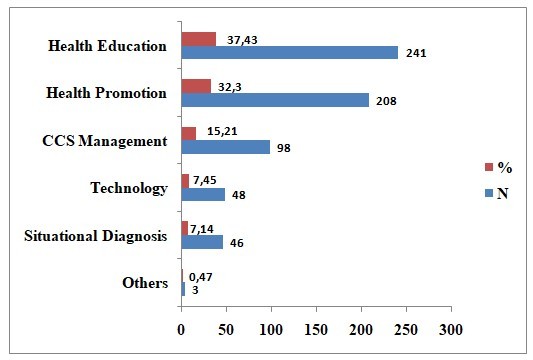
Evaluation of data related to interventions for chronic non-communicable conditions indicates that they are fundamental in the control and prevention of these diseases. Most measures target health education, representing 37.43 %, followed by health promotion with 3.3 %. Health management is the third largest field of intervention, with a share of 15.21 %. Technological interventions in health correspond to 7.45 % of the total and reflect investments made in innovation and the use of technological tools to improve monitoring, treatment, and management of problems. Situational diagnosis represents a smaller percentage: 7,14 %. In contrast, activities categorized as "others" constitute only 0.47 % of the total; this clearly demonstrates that a large part of the activities are concentrated in specific strategic areas (Figure 1).
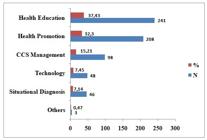
Distribution of interventions proposed by graduates in their field of activity, in the Specialization Course in Care for People with Chronic Non-Communicable Diseases, in the State of Santa Catarina - Florianópolis, Brazil, 2024. (n=337).
Different strategies for health promotion and prevention of Chronic Conditions in the State of Santa Catarina were listed by graduates, being identified and analyzed through the 337 IPs. Among these, initiatives to reduce childhood and adolescent obesity stood out, representing 8.0 % of the total, with measures to promote healthy habits in the basic health sector. Combating obesity in adults was the focus of 17.3 % of the projects, with an emphasis on education to prevent and improve the population's quality of life. The promotion of physical activity, which represented 18.5 % of the projects, included the implementation of the program Academia da Saúde, aimed at the appropriate management of chronic conditions. Increasing fruit and vegetable consumption and reducing highly processed food consumption were the main themes at 7.0-15.6 %, demonstrating a holistic approach to promoting healthy eating habits. Other related projects included reducing the consumption of sweeteners and alcoholic beverages and reducing the prevalence of smoking, which represented 13.4 %, 7.2 % and 12.0 % of the projects, respectively. However, there were less common initiatives, such as reducing air pollution-related mortality and increasing HPV vaccination rates, each representing 0.2 % and 0.4 % of projects, as shown in Chart 1.
Health Intervention Goals, Illustration of Intervention Projects (IP) and Expected Impacts on the performance of the Specialization Course in Care for People with Chronic Non-Communicable Diseases in the State of Santa Catarina - Florianópolis, Brazil, 2024. (n=644).
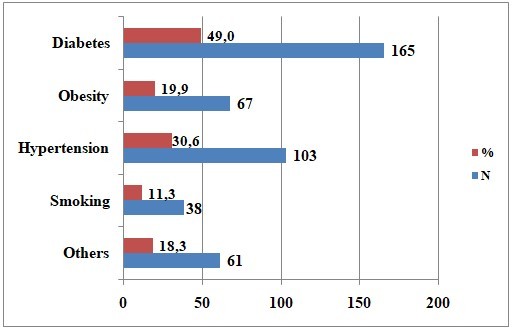
Data on CNCD interventions show the distribution of the most common and high-impact conditions. Interventions targeting diabetes (49 %) and arterial hypertension (30.6 %) represent the majority; obesity, 19.9 % of interventions, is considered an important risk factor for several chronic diseases such as diabetes and arterial hypertension, which deserves attention. Anti-smoking measures represent 11.3 %, highlighting the importance of addressing this risky behavior, which is a leading cause of chronic conditions such as cancer and cardiovascular disease. These data reinforce the relevance of these conditions in the context of Plano DANT. Other interventions, totaling 18.3 %, include various activities that address different aspects of CNCDs (Figure 2).
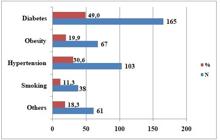
Distribution of topics presented by graduates, in their field of activity, of the Specialization Course in Care for People with Chronic Non-Communicable Diseases in the State of Santa Catarina - Florianópolis, Brazil, 2024. (n=337).
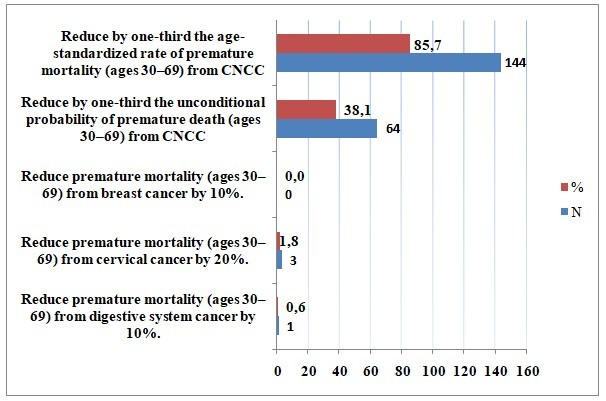
The data that follow show the goals presented to reduce standardized mortality from CNCDs, in which 85.7 % of resources are directed towards this objective. This focus reflects the priority of non-diseases, which cause high morbidity and premature mortality. Another important focus is reducing the absolute probability of premature death, which represents 38.1 % of efforts, indicating a concern with reducing mortality and premature mortality from cancer (Figure 3).
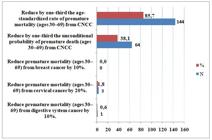
Distribution of target indicators for the CNCD, based on the Intervention Projects presented by graduates in their field of activity of the Specialization Course in Care for People with Chronic Non-Communicable Diseases by area of activity in the State of Santa Catarina - Florianópolis, Brazil, 2024. (n=337).
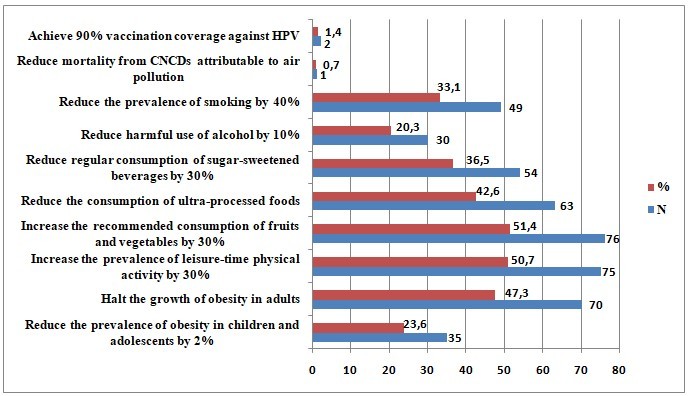
The analysis of the data below demonstrates a comprehensive focus on different strategies to address CNCDs. The dominance of physical activity and the recommended consumption of fruits and vegetables, with 50.7 % and 51.4 % of dedication, respectively, demonstrates evidence of promoting healthy lifestyle habits. The significant reduction of obesity and control of its growth are also priorities, with 23.6 % and 47.3 %. The reduction in the consumption of ultra-processed foods and the excessive consumption of alcohol, with 36.5 % and 20.3 %, demonstrate an integrated approach, which encompasses not only the promotion of healthy behaviors, but also the reduction of risky behaviors (Figure 4).
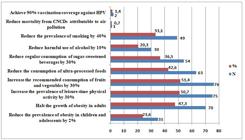
Distribution of goals for CNCD risk factors, based on the IPs presented by graduates of the Specialization Course in Care for People with Chronic Non-Communicable Diseases, in their field of activity, by area of activity in the State of Santa Catarina - Florianópolis, Brazil, 2024. (n=337).
It was also noted that 99.4 % are directed to interventions related to Non-Communicable Chronic Conditions, which stand out for the economic viability, social desirability, and political acceptability of these interventions. The projects analyzed (IPs) include activities such as promoting healthy habits in the primary care sector, health education for obesity prevention, and encouragement of changes in eating habits that pose a risk of high blood pressure, DM, smoking, neoplasms, and other comorbidities.
Thus, the impact assessment was carried out based on the expected results described in the Intervention Projects and their alignment with the strategic objectives of the Plano DANT. Although this is not a direct empirical measurement of health outcomes, it was observed that the proposals indicate strong transformative potential in terms of qualifying care practices, reorganizing work processes, and incorporating educational practices, aspects recognized as having impact in the context of public health. The analysis allowed us to conclude that the IPs have theoretical and methodological adherence to the plan's goals, configuring themselves as viable and effective strategies in tackling CNCDs in the territories where they were developed.
DISCUSSION
The main objectives of the actions analyzed include: reducing the incidence of obesity in adults, promoting healthy eating habits, and encouraging regular physical activity. These objectives are consistent with the goals established by the national plan, which aims to reduce premature mortality from CNCD by 1/3 by 2030, increase the prevalence of healthy practices, such as the consumption of fruits and vegetables, by 30 %, and significantly reduce the consumption of ultra-processed foods and sweetened beverages. Obesity is one of the most common diseases and is the main risk factor for the occurrence of other non-communicable diseases, such as hypertension, diabetes, heart disease, and cancer. Obesity can be prevented and controlled, especially through the adoption of healthy behaviors, such as increasing physical activity and healthy eating patterns8.
The implementation of physical activity programs, such as the Program Academia da Saúde, and the promotion of in natura food consumption demonstrate the commitment to reducing morbidity and mortality rates associated with CNCDs and to improving the population's quality of life, in accordance with the Ministry of Health's 2021-2030 Strategic Action Plan1. These efforts are essential to achieving the goals of reducing childhood and adult obesity, as well as reducing the incidence of diseases related to poor diet and a sedentary lifestyle, as established in the national plan.
The prevalence of overweight and obesity has increased steadily over the past 50 years, with global obesity rates tripling since 1975, reaching pandemic proportions. Overweight and obesity are predominantly the result of a sustained positive energy balance, resulting from a combination of excessive dietary energy intake (mainly due to poor eating habits) and reduced energy expenditure (due to lack of physical activity and prolonged sedentary activities)9.
Obesity, considered a global epidemic due to its progressive increase in recent decades in many developed and developing countries, is one of the most important global health problems today, being associated with several Chronic Non-Communicable Conditions (CNCD), such as cardiovascular diseases, DM, kidney diseases and musculoskeletal disorders, as well as several types of cancer.
The strongest available evidence concerned direct associations between greater exposure to ultra-processed foods and higher risks of all-cause mortality, cardiovascular disease-related mortality, outcomes from common mental disorders, overweight and obesity, and type 2 diabetes. Evidence for associations of ultra-processed food exposure with asthma, gastrointestinal health, some cancers, and intermediate cardiometabolic risk factors remains limited and warrants further investigation10.
Precision nutrition is critical to formulating effective, personalized dietary plans for susceptible individuals or groups of individuals from diverse ethnicities and populations. To develop personalized or stratified eating plans, whether to maintain optimal health or to treat metabolic diseases, it is necessary to understand how an individual responds to diet or nutrients and the factors accounting for this variation in response. These areas of nutrition fall under the scope of precision nutrition11.
Health promotion, which is one of the strategies for managing obesity, increases the knowledge, attitudes and behavioral practices of obese people to motivate them to lose weight through a healthy lifestyle, such as implementing good eating habits and performing regular physical activities8. Short-term, multicomponent interventions may be effective in achieving clinically meaningful weight loss in overweight or obese adults. Short- and long-term options could increase opportunities for people to initiate lifestyle changes and facilitate the selection of a program that best fits their schedules, needs, and available resources12.
Educational measures, treatment, control of risk factors (such as smoking and alcoholism), promotion of healthy behaviors (healthy eating and physical activity), and management of CNCDs are a challenge for public health13. Health promotion extends the perspective of health to complete well-being, making health sectors responsible for the quality of life of the population - who excludes this responsibility from the health sector - and expands it beyond a healthy lifestyle, based on popular emancipation and participation, considering the social determination in which each person is inserted14.
Another significant number in the results was related to the goal of reducing the prevalence of smoking by 40 %. Currently, there are more than one billion smokers worldwide, making tobacco the second most commonly used psychoactive substance15. Nicotine is complex and multifaceted, encompassing historical, pharmacological, biological, and behavioral dimensions. It is a highly addictive and dangerous substance. Governments, health organizations, and society at large must prioritize public health initiatives to combat tobacco use and reduce associated risks. By implementing comprehensive strategies, we can protect individuals from the harmful effects of tobacco and strive for a healthier future for all15.
Current smoking is detrimental to cardiopulmonary function, muscular endurance, flexibility, and balance performance in older men. Quitting smoking can not only prevent chronic diseases, but also improve the effects of smoking on overall body flexibility and static balance performance, which can reduce the risk of falls and disability16. Systematically, research that applied the Smoking Cessation Program (PCT) of the National Cancer Institute (INCA/MS) in Brazil showed the potentialities and limitations of this public policy. Considering the complexity and multifactorial nature of smoking, the proposed intervention has the potential to be directed towards treating the three types of dependence involved (psychological, behavioral and physical), seeking to address the disease in its entirety. This becomes a great challenge, as smoking behavior involves a habit formed and practiced over years associated with the smoker's routine (behavioral dependence), in addition to the pleasure triggered by the action of nicotine on the brain (physical dependence) and the reasons that elicit and maintain this behavior (psychological dependence)17.
Screening, brief intervention, and referral to treatment (SBIR/T) are an integrated health promotion approach that systematically links screening, counseling/brief intervention, and referral activities to provide timely support to individuals for behavior change of modifiable risk factors and to reduce the risk of adverse outcomes. This involves identifying patients with risk factors (e.g., tobacco use, alcohol abuse, or insufficient physical activity)18. Brief intervention (BI) involves a conversation between a health care professional and the person at risk about the health impacts of these risk factors and to determine the patient's readiness to change behavior and, if appropriate, providing informational materials to the patient to encourage risk-reduction actions. Referral is the process of connecting the patient to available services in the community to support health behavior change18.
The analysis of the 337 projects revealed a significant contribution to several goals established by the Plano DANT 2021-2030. This finding is in line with the Experiential Learning Theory7, which values the practical application of theoretical knowledge as a means of consolidating learning and promoting effective changes in professional practice. Learning, from a social constructivist perspective, is built through continuous interactions between members of an organization. Furthermore, learning is reinforced when applied to real-life situations, so that the individual interacts with the environment and is able to learn from their experience and reflection on it19.
Project contributions to the Plano DANT goals
The intervention projects addressed several goals of the Plano DANT, with emphasis on the practice of physical activity, which was the focus of 22.19 % of the projects. This result is consistent with international literature that indicates the importance of physical activity in the prevention and control of CNCDs. Excess weight and obesity significantly increase cardiometabolic risk throughout life, while in adulthood they are also associated with a high risk of morbidity and mortality from chronic non-communicable diseases, mainly cardiovascular diseases, type 2 diabetes mellitus, musculoskeletal diseases, and certain types of cancer. In addition to the consequences for physical health, obesity also has a significant impact on mental health, as individuals with excess body weight often suffer from stigmatization and social isolation, which is associated with chronic stress and depression9.
The goal of halting the growth of adult obesity was addressed by 20.75 % of projects, highlighting the need for community and educational interventions to combat this growing problem. Obesity is a risk factor for several CNCDs and, according to the World Health Organization (WHO), its prevalence continues to increase globally. Interventions focused on health promotion and nutritional education, such as those developed in the projects analyzed, are essential to reversing this trend.
Projects aimed at reducing the consumption of ultra-processed foods and sweetened beverages were also significantly represented (18.73 % and 16.14 %, respectively). There is growing evidence linking obesity to changes in eating habits, primarily due to the consumption of low amounts of vegetables, fruits, and grains; a steady increase in the intake of processed foods; increased consumption of sugary drinks and other sugary items; and eating out20. Therefore, interventions aimed at nutritional education and the promotion of healthy eating habits are fundamental to achieving the goals of the Plano DANT.
Risk factors for the development of CNCDs can be classified as modifiable or non-modifiable. Modifiable factors include obesity, high blood pressure, type 2 diabetes, high cholesterol, a sedentary lifestyle, stress, excessive alcohol consumption, and smoking. It is worth noting that the high rate of CNCDs in Brazil is largely related to the lifestyle adopted by the population, with interference from social determinants and economic factors, since CNCDs mainly affect populations with low levels of education and income, who are more exposed to risk factors and have less access to health services21. Despite widespread recognition of the multiple health benefits of physical activity, including the prevention and control of obesity, an overwhelming majority of children and adolescents are not sufficiently active to obtain these benefits. At the same time, young people are significantly affected by the rapid global increase in sedentary lifestyles and suboptimal dietary patterns during key stages of development22.
A healthy diet and adequate physical activity levels should be considered priority interventions to reduce the incidence of non-communicable diseases, including cardiovascular diseases. The findings of a Randomized Controlled Trial (RCT) that included 1,279 participants in 7 European countries to determine the effects of personalized advice on physical activity showed that although physical activity levels based on self-reports increased to a greater extent with more personalized nutritional advice, there was no difference between the effect of personalized advice in promoting changes in physical activity levels and conventional guidelines when physical activity was measured objectively23.
Due to the relevance of Chronic Conditions in the population context, systematic monitoring is essential to understand how morbidity and mortality profiles develop over time and space in Santa Catarina and the introduction of health promotion and disease prevention measures aimed at these groups.
Relevance of Kolb's experiential learning theory
The theory emphasizes that learning is a cyclical process involving four stages: concrete experience, reflective observation, abstract conceptualization, and active experimentation7. The analysis was carried out in light of the ELT7,24, which highlights the importance of direct experience, critical reflection, formulation of concepts and practical application of knowledge for meaningful learning.
This model values the practical application of theoretical knowledge, allowing learners to consolidate their knowledge and promote effective changes in professional practice. The projects analyzed in the study, which include the promotion of healthy habits, health education, and encouragement of physical activity, incorporate principles of experiential learning by allowing participants to directly apply the knowledge acquired in practical and relevant contexts. For example, interventions aimed at preventing obesity and promoting healthy eating involve the creation of educational materials and the training of knowledge disseminators, which encourages reflection on eating practices and the adoption of behavioral changes.
Furthermore, physical activity programs, such as the Program Academia da Saúde, and nutritional education projects for adolescents demonstrate how the practical application of knowledge can lead to a better understanding of the benefits of healthy lifestyles and the promotion of lasting behavioral changes. These programs not only teach the theoretical concepts related to health and well-being, but also provide opportunities for individuals to experience and implement these concepts in their own lives. In Brazil, different institutions and researchers have sought to contribute to the consolidation of concepts and topics related to Physical Activity (PA) and health25. This resulted in the creation of programs and strategies, such as multidisciplinary teams (currently called e-Multi), and the Program Academia da Saúde, which also boosted the inclusion of Physical Education professionals (PEP) in the Brazilian health system26-27.
This integration between theory and practice, characteristic of experiential learning, is present in Chart 1 analyzed, when graduates are challenged to put into practice the concepts and thought processes developed through the construction of models. This aspect is in line with Kolb's perspective24, that active experimentation is essential to the learning process, allowing students to validate and improve the knowledge acquired. Knowledge arising from the individual's experiential transformation occurs through practice, in the case of adult learning, becoming more effective when directly and profoundly experienced7.
Thus, the approach adopted in the analyzed projects, which emphasizes health education and the promotion of healthy practices through concrete and reflective actions, reflects the principles of ELT7,24, promoting significant learning and effective changes in professional practice and in the individuals’ lives. The application of ELT7 was fundamental for the development of intervention projects, as it emphasizes the importance of practical experience in consolidating theoretical knowledge and promoting behavioral changes. The projects analyzed demonstrated how health professionals applied theories learned during their specialization to real-world work situations, creating interventions that not only aim to achieve public health goals but also improve professional practice and the quality of care provided.
Contributions to the Plano DANT
The intervention projects are consistent with the strategies established by the Plano DANT, directly contributing to the goals of reducing obesity, promoting physical activity, improving eating habits, and reducing the consumption of substances that are harmful to health. These projects represent a significant effort to address CNCDs in an integrated and evidence-based manner, reflecting best practices recommended by international literature. Population coverage by Primary Care teams has been considered a care organizer and a structuring axis of programs and projects, consolidating itself as a fundamental indicator and one of the factors responsible for reducing mortality rates from CNCD by approximately 20 %28.
The ELT7,24 is supported by the results when highlighting the importance of reflection and analysis of experience in the learning process. The organization and analysis of the Intervention Projects reveal that trainees, when involved in building their skills, are motivated to reflect on their experiences, identify important aspects, define characteristics and share opinions, conjecture about the theoretical-practical concepts experienced in the community in which they worked during the development of their intervention projects. This point is in line with Kolb's view7-24, that active experimentation is fundamental to the learning process, allowing graduates to validate and improve the knowledge acquired.
Health promotion actions should include implementation of intra and intersectoral public policies that facilitate healthy practices, such as adequate nutrition, reduced salt in foods, public spaces to support physical activity, smoke-free environments, regulation of alcohol advertising, and others. Lifestyle and behavioral factors strongly influence the chances of preventing or developing diseases and their complications. A person's overall lifestyle is the combination of individual behaviors that can be adverse, neutral, or beneficial to health. Although the benefits of stopping harmful behaviors and developing beneficial behaviors have been well established, successful behavior modification and lifestyle improvements remain a challenge for patients and healthcare professionals29.
Furthermore, investment in primary health care and in access to medium and high complexity technologies is required, when necessary, aiming at the comprehensive care of people with CNCDs30. In view of the above, the importance of encouraging the development of diagnostic and intervention studies with users of health services with CNCDs is highlighted, as it is essential to recognize the peculiarities of each context in the regions of the State of Santa Catarina, so that health care programs for these individuals can be designed, implemented, and evaluated in a focused and strategic manner30.
Behavior and lifestyle play a significant role in improving or deteriorating health outcomes for many of the most common medical conditions seen across different medical specialties. Although behavior modification and lifestyle improvements are challenging, they are possible and should be a priority for healthcare teams. For best results, behavior modification strategies should be an interprofessional collaboration with valuable input from professionals with different backgrounds and scopes of practice29.
Therefore, the projects analyzed not only contribute to improving health in Santa Catarina, but are also aligned with national objectives to combat CNCD, thus reinforcing the importance of an integrated and multisectoral approach to promoting population’s health and well-being.
This study has some limitations, including reliance on adult-reported data, which may introduce response bias. Moreover, this analysis focused only on programs developed by health professionals and did not cover other interventions for CNCDs. Future research could investigate the implementation and long-term outcomes of these programs, as well as their replicability in different contexts and populations. Further studies may also explore the integration of other learning theories and teaching methods to improve the education of healthcare professionals.
CONCLUSION
Intervention projects developed by healthcare professionals specializing in caring for people with CNCD have demonstrated a significant contribution to the objectives established by the Plano DANT 2021-2030. Using Experiential Learning Theory, the projects integrated theory and practice, thus promoting improvements in professional practice and population’s health. These results underscore the importance of educational strategies based on practical experiences for the training of health professionals and for the implementation of effective public health policies. Additionally, considering the capacity of this strategy, which incorporates learning into the work process, to modify health practices and, consequently, improve the quality of care, it becomes even more promising.
ACKNOWLEDGMENT
LITES - Laboratório Interdisciplinar de Tecnologias Educacionais em Saúde.
REFERENCES
-
1. Brasil. Ministério da Saúde. Plano de ações estratégicas para o enfrentamento das doenças crônicas e agravos não transmissíveis no Brasil 2021-2030 [Internet]. 2021[cited 2024 Jun 28]. Available from: https://www.gov.br/saude/pt-br/centrais-de-conteudo/publicacoes/svsa/doencas-cronicas-nao-transmissiveis-dcnt/09-plano-de-dant-2022_2030.pdf/view
» https://www.gov.br/saude/pt-br/centrais-de-conteudo/publicacoes/svsa/doencas-cronicas-nao-transmissiveis-dcnt/09-plano-de-dant-2022_2030.pdf/view -
2. Pereira LKM, Silva JA, Valentim RAM, Lima TGFMS, Nésio FM Jr, Caitano AR, et al. Impacts of continuing education on Primary Health Care professionals-A scoping review protocol. PLoS One [Internet]. 2025 [cited 2025 Jun 2];20(1):e0312963. Available from: https://doi.org/10.1371/journal.pone.0312963
» https://doi.org/10.1371/journal.pone.0312963 -
3. Wehrmeister FC, Wendt AT, Sardinha LMV. Inequalities and Chronic Non-Communicable Diseases in Brazil. Epidemiol Serv Saúde [Internet]. 2022 [cited 2024 Jun 28];31(Spe1):e20211065. Available from: https://doi.org/10.1590/SS2237-9622202200016.especial
» https://doi.org/10.1590/SS2237-9622202200016.especial -
4. Margoto P, Galavote HS, Resse L, Souza LO, Cola JP. Interprofessionality in academic training: Faculty perspectives in Health-related programs. Rev Bras Pesqui Saúde [Internet]. 2024 [cited 2025 Apr 16];26(1):e42404. Available from: https://doi.org/10.47456/rbps.v26i1.42407
» https://doi.org/10.47456/rbps.v26i1.42407 -
5. Souza LRCV, Ávila MM. Opportunities and barriers for interprofessional education in the context of undergraduate health courses. Res Soc Dev[Internet]. 2021[cited 2025 Jun 02];10(9):e4310917618. Available from: https://doi.org/10.33448/rsd-v10i9.17618.8
» https://doi.org/10.33448/rsd-v10i9.17618.8 -
6. Marti GF, Tortorelli AP, Boges LAC, Marques FRB, Martins AM, Almeida RGS. Collaboration of Interprofessional Education to the PET-Health program for student training. Saúde Pesp [Internet]. 2024 [cited 2025 Jun 02];17(1):e-12113. Available from: https://doi.org/10.17765/2176-9206.2024v17n1.e12113
» https://doi.org/10.17765/2176-9206.2024v17n1.e12113 - 7. Kolb DA. Experiential learning: Experience as the source of learning and development. New Jersey, (US): Prentice Hall; 1984.
-
8. Fitriadi Y, Danawati W, Sutomo AH. Health promotion intervention delivered by trained community health workers (CHWs) for obesity prevention and control among adult people: A scoping review protocol. Br Med J Open [Internet]. 2023 [cited 2024 Jun 28];13(12):e072822. Available from: https://doi.org/10.1136/bmjopen-2023-072822
» https://doi.org/10.1136/bmjopen-2023-072822 -
9. Moschonis G, Trakman GL. Overweight and Obesity: The Interplay of Eating Habits and Physical Activity. Nutrients [Internet]. 2023 [cited 2024 Jun 28];15(13):2896. Available from: https://doi.org/10.3390/nu15132896
» https://doi.org/10.3390/nu15132896 -
10. Lane MM, Gamage E, Du S, Ashtree DN, McGuinness AJ, Gauci S, et al. Ultra-processed food exposure and adverse health outcomes: Umbrella review of epidemiological meta-analyses. Br Med J [Internet]. 2024 [cited 2024 Jun 28];384:e077310. Available from: https://doi.org/10.1136/bmj-2023-077310
» https://doi.org/10.1136/bmj-2023-077310 -
11. Voruganti VS. Precision Nutrition: Recent Advances in Obesity. Physiology[Internet]. 2023 [cited 2024 Jun 28];38(1):42-50. Available from: https://doi.org/10.1152/physiol.00014.2022
» https://doi.org/10.1152/physiol.00014.2022 -
12. Rotunda W, Rains C, Jacobs SR, Ng V, Lee R, Rutledge S, et al. Weight loss in short-term interventions for physical activity and nutrition among adults with overweight or obesity: A systematic review and meta-analysis. Prev Chronic Dis [Internet]. 2024 [cited 2024 Jun 28];21:E21. Available from: https://doi.org/10.5888/pcd21.230347
» https://doi.org/10.5888/pcd21.230347 -
13. Silva DSM, Assumpção D, Francisco PMSB, Yassuda MS, Neri AL, Borim FSA. Chronic non-communicable diseases considering sociodemographic determinants in a cohort of older adults. Rev Bras Geriatr Gerontol[Internet]. 2022[cited 2024 Jun 28];25(5):e210204. Available from: https://doi.org/10.1590/1981-22562022025.210204.pt
» https://doi.org/10.1590/1981-22562022025.210204.pt -
14. Ilona K, Louise H. Addressing the digital determinants of health: Health promotion must lead the charge. Health Promot Int [Internet]. 2023 [cited 2024 Jun 28];38(3):daad059. Available from: https://doi.org/10.1093/heapro/daad059
» https://doi.org/10.1093/heapro/daad059 -
15. Reitsma MB, Kendrick PJ, Ababneh E, Abbafati C, Abbasi-Kangevari M, Abdoli A, et al. Spatial, temporal, and demographic patterns in prevalence of smoking tobacco use and attributable disease burden in 204 countries and territories, 1990-2019: A systematic analysis from the Global Burden of Disease Study 2019. Lancet [Internet]. 2021 [cited 2024 Jun 28];397:2337-60. Available from: https://doi.org/10.1016/S0140-6736(21)01169-7
» https://doi.org/10.1016/S0140-6736(21)01169-7 -
16. Hung YC, Lee PF, Lin CF, Su YJ, Hsieh JW, Lin YJ, et al. Associations between smoking status and health-related physical fitness and balance ability among older males in Taiwan. Medicina [Internet]. 2023 [cited 2024 Jun 28];59(7):1350. Available from: https://doi.org/10.3390/medicina59071350
» https://doi.org/10.3390/medicina59071350 -
17. Lopes FM, Moraes CA, Rodrigues G, Cardozo L, Bezerra JFO, SzupszynskiK PDR. Effect of Smoking Cessation Program: A review of this public policy for tobacco dependence. Estud Psicol [Internet]. 2023 [cited 2024 Jun 28];40:e210170. Available from: https://doi.org/10.1590/1982-0275202340e210170
» https://doi.org/10.1590/1982-0275202340e210170 -
18. Adhikari K, Teare GF, Belon AP, Lee B, Kim MO, Nykiforuk C. Screening, brief intervention, and referral to treatment for tobacco consumption, alcohol misuse, and physical inactivity: An equity-informed rapid review. Public Health [Internet]. 2024 [cited 2024 Jun 28];226:237-47. Available from: https://doi.org/10.1016/j.puhe.2023.11.001
» https://doi.org/10.1016/j.puhe.2023.11.001 -
19. Kolb AY, Kolb DA. Experiential learning theory as a guide for experiential educators in higher education. Exper Learn Teach High Educ [Internet]. 2022[cited 2024 Jun. 28];1(1):38. Available from: https://doi.org/10.46787/elthe.v1i1.3362
» https://doi.org/10.46787/elthe.v1i1.3362 -
20. Alsulami S, Baig M, Ahmad T, Althagafi N, Hazzazi E, Alsayed R, et al. Obesity prevalence, physical activity, and dietary practices among adults in Saudi Arabia. Front Public Health [Internet]. 2023 [cited 2024 Jun 28];11:1124051. Available from: https://doi.org/10.3389/fpubh.2023.1124051
» https://doi.org/10.3389/fpubh.2023.1124051 -
21. Estrela FM, Cruz MA, Gomes NP, Oliveira MAS, Santos RS, Magalhães JRF, et al. Covid-19 and chronic diseases: Impacts and developments before the pandemic. Rev Baiana Enferm [Internet]. 2020 [cited 2024 Jun 28];34:36559. Available from: https://doi.org/10.18471/rbe.v34.36559
» https://doi.org/10.18471/rbe.v34.36559 -
22. Jayasinghe S, Hills AP. Strategies to Improve Physical Activity and Nutrition Behaviours in Children and Adolescents: A Review. Nutrients [Internet]. 2023 [cited 2024 Jun 28];15(15):3370. Available from: https://doi.org/10.3390/nu15153370
» https://doi.org/10.3390/nu15153370 -
23. Antwi J. Precision Nutrition to Improve Risk Factors of Obesity and Type 2 Diabetes. Curr Nutr Rep [Internet]. 2023 [cited 2024 Jun 28];12(4):679-69. Available from: https://doi.org/10.1007/s13668-023-00491-y
» https://doi.org/10.1007/s13668-023-00491-y - 24. Kolb DA. Experiential Learning: Experience as the Source of Learning and Development. Upper Saddle River, NJ(US): Pearson FT Press; 2015.
-
25. Porto LGG, Azevedo MR, Molina GE, Guedes DP, Nahas MV, Hallal PC, et al. Physical activity and health: A historical and conceptual approach. Rev Bras Ativ Fís Saúde [Internet]. 2023 [cited 2024 Jun 28];28:e0293. Available from: https://doi.org/10.12820/rbafs.28e0293
» https://doi.org/10.12820/rbafs.28e0293 -
26. Vieira LA, Caldas LC, Lemos EC, Malhão TA, Carvalho FFB. Temporal analysis of the inclusion of Physical Education Professionals and Residents in the Brazilian Unified Health System (SUS) from 2009 to 2021. Ciênc Saúde Coletiva[Internet]. 2023 [cited 2024 Jun 28];28(3):837-50. Available from: https://doi.org/10.1590/1413-81232023283.14092022
» https://doi.org/10.1590/1413-81232023283.14092022 -
27. Dutra RP, Viero VSF, Knuth AG. Insertion of physical education professionals in the Unified Health System: temporal analysis (2007-2021). Rev Bras Ativ Fís Saúde [Intetrnet]. 2023 [cited 2024 Jun 28];28:14856. Available from: https://rbafs.org.br/RBAFS/article/view/14856
» https://rbafs.org.br/RBAFS/article/view/14856 -
28. Suplici SER, Souza S, Zamprogna K, Cunha A, Laurindo D. Mortalidade prematura por doenças crônicas não transmissíveis e cobertura da atenção básica: análise dosindicadores. Rev Enferm UFSM [Internet]. 2021 [cited 2024 Jun 28];11:e24. Available from: https://doi:10.5902/2179769244513
» https://doi:10.5902/2179769244513 -
29. Espinosa-Salas S, Gonzalez-Arias M. Behavior Modification for Lifestyle Improvement. In: StatPearls [Internet]. Treasure Island, FL(US): StatPearls Publishing; 2025 [acesso 2024 Jun 28]. Available from: https://doi.org/10.1371/journal.pone.0312963
» https://doi.org/10.1371/journal.pone.0312963 -
30. Brasil. Secretaria de Estado da Saúde. Diretoria de Vigilância Epidemiológica. Barriga Verde: informativo epidemiológico, setembro de 2022. Doenças crônicas não transmissíveis[Internet]. 2022 [cited 2024 Jun 28]. Available from: https://dive.sc.gov.br/phocadownload/boletim-barriga-verde/doencas-cronicas-nao-transmissiveis/BBV-DCnT-2022-v2.pdf
» https://dive.sc.gov.br/phocadownload/boletim-barriga-verde/doencas-cronicas-nao-transmissiveis/BBV-DCnT-2022-v2.pdf
NOTES
-
ORIGIN OF THE ARTICLE
Extracted from the dissertation - Post-qualification skills of health professionals to address chronic conditions in the face of the experiential learning model,presented to the Graduate Program in Nursing, at the Universidade Federal de Santa Catarina, in 2024.
-
FUNDING INFORMATION
National Council for Scientific and Technological Development - CNPq no. (443751/2020-0) and Santa Catarina Research Foundation - FAPESC (2022TR001898).
-
APPROVAL OF ETHICS COMMITTEE IN RESEARCH
Approved by the Research Ethics Committee of the Universidade Federal de Santa Catarina, opinion no. 6.078.402/2023, Certificate of Presentation for Ethical Assessment 66635322.0.0000.0121.
-
TRANSLATED BY
Denise Costa Rodrigues.
-
DATA AVAILABILITY
The intervention projects are available to the public in the UNASUS collection.
The intervention projects are available to the public in the UNASUS collection.