Introduction to subtitling and presentation of the film “El camino de Xico” (2020)
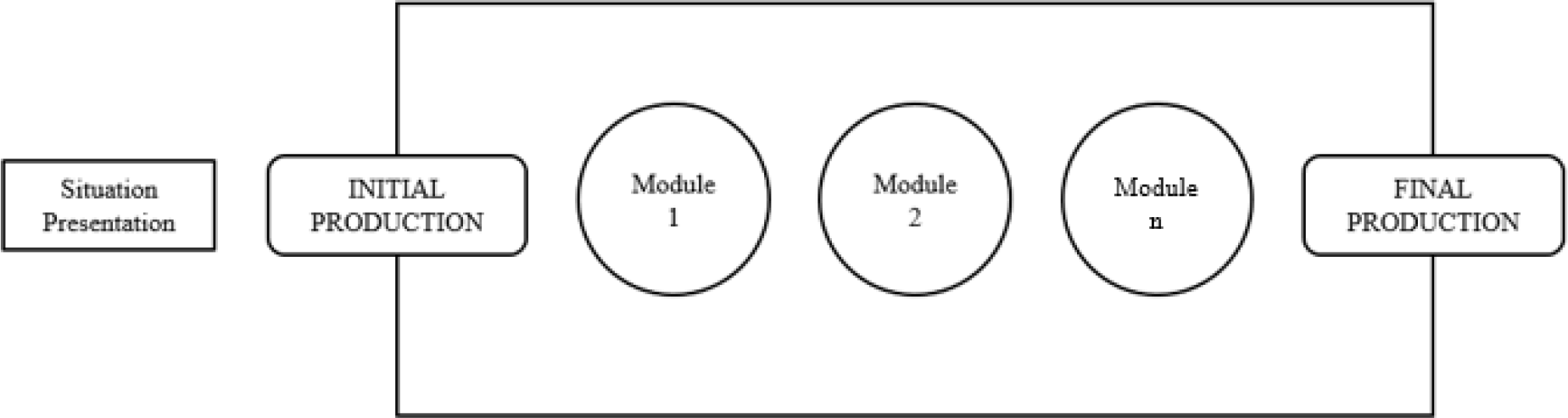
(Class 01 - 90 minutes) |
For a pre-viewing activity, discuss key aspects of Mexican culture, drawing on students’ prior knowledge. Ask if they have seen any other films or shows set in Mexico. What were they? Where did they watch them, and were they subtitled or dubbed? Then, show the film’s poster to prompt their expectations about the story and themes.
Watch the trailer of the film “El camino de Xico” (2020) with the students, available on YouTube, first with automatic subtitles and audio in Spanish2. Discuss with them any themes or aspects of Mexican culture they anticipated or did not expect based on the film trailer.
Discuss the overall comprehension of the film trailer, addressing the cultural, linguistic, and non-verbal aspects present in the excerpt, along with verbal elements that can only be understood by reading the Spanish subtitles.
Discuss relevant issues related to subtitling practice. Ask students about their familiarity with this AVT mode and how often they watch Spanish-language content with subtitles, whether in Portuguese or Spanish.
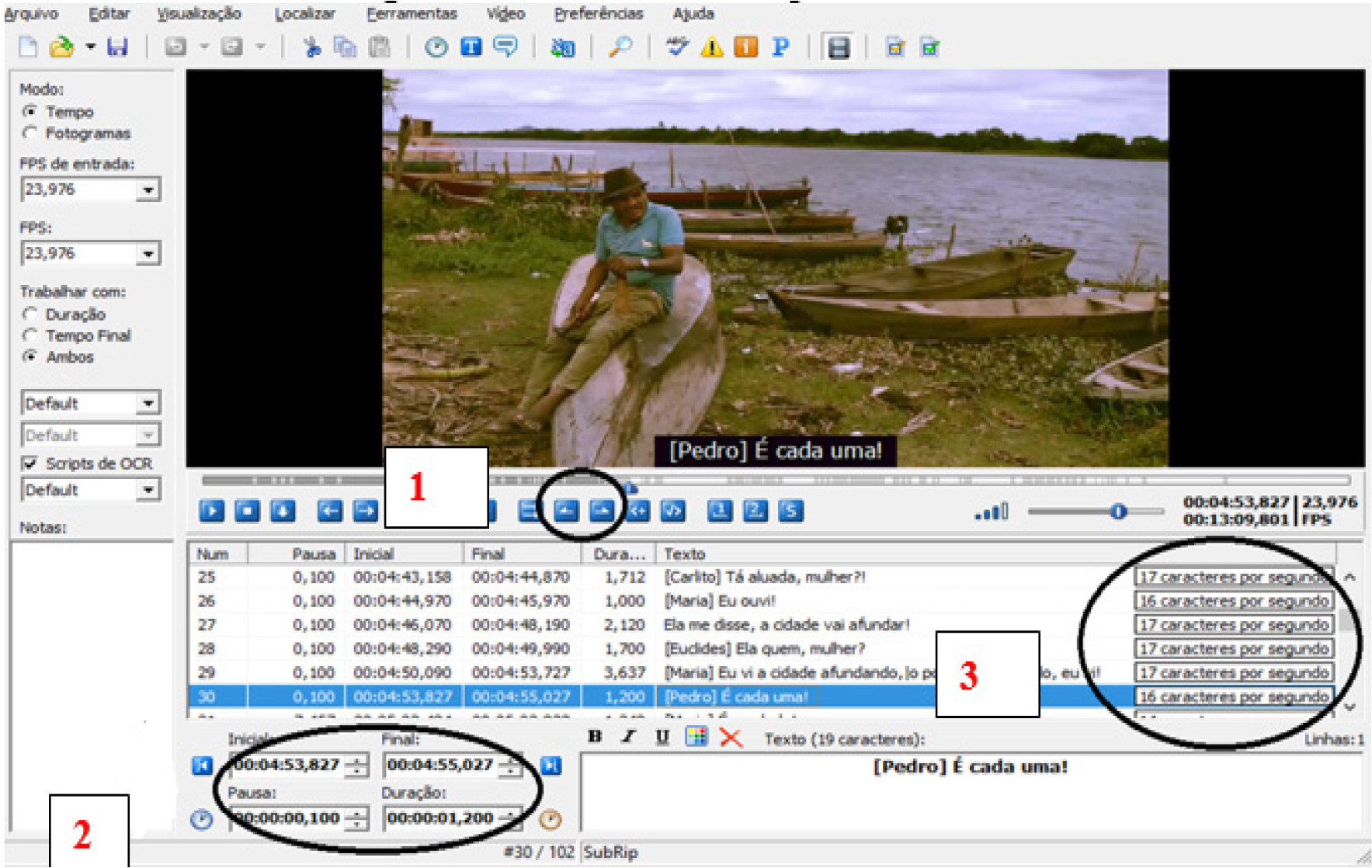
Introduce the subtitling program, Subtitle Workshop 6.0b.
Present the subtitle reading speed table, which outlines 180 words per minute, along with the idea of synchronization in subtitling. Additionally, discuss the concepts of text segmentation and text reduction. |
Introducing the production situation
(Class 02 - 90 minutes) |
Comment on the film production, review its technical information and synopsis, make predictions about the story, and activate students’ previous knowledge about Mexico and its culture.
Watch the film, with audio and subtitles in Spanish, available on Netflix or YouTube. The movie has a runtime of 85 minutes and can be shown to students in the classroom so they can watch it together. |
Introducing the production situation
(Class 03 - 90 minutes) |
Encourage students to conduct research using smartphones or computers with internet access to explore Mexican cultural issues, particularly topics that are addressed in the film. After their research, have them share their most noteworthy findings with the class.
Divide the students into groups and give them time to select scenes for the subtitling task. Each scene should be approximately 2 to 3 minutes long and as self-contained as possible. Check if the chosen scenes are appropriate for the task, taking into account the language used; scenes that showcase explicit cultural phenomena are preferred.
Once the scenes have been selected, distribute pre-translation questions based on Nord’s framework (2012, 2016), adapted and explained below. Students can then work in their groups to answer these questions, focusing on the task of translating the film into subtitles. |
First subtitling task: technical aspects.
(Class 04 - 90 minutes) |
Create the subtitles. Students can work in groups to create subtitles taking into consideration their variety of Brazilian Portuguese. The subtitling software program used should allow students to generate notes that can be shared, being possible for them to review, refine, and revise the subtitles collaboratively.
Proofread the subtitles, taking into account technical aspects of subtitling, such as subtitle reading speed, minimum and maximum on-screen duration and synchronization. |
Linguistic and cultural issues in translation into subtitles
(Class 05 - 90 minutes) |
Collect the subtitle files produced by the students and discuss their translation strategies and choices, as well as the linguistic aspects of the subtitles, that is, text reduction and segmentation. This review should be flexible enough to avoid hindering the students’ translation task.
Review the translation of variable linguistic forms, such as tú vs. vos, past tense usage, vocabulary, and other regional expressions.
Observe intercultural elements, focusing on similarities between Brazilian and Mexican cultures. |
Second subtitling task, revision, and socialization
(Class 06 - 90 minutes) |
Have groups exchange their translated subtitles, asking them to review and propose any needed revisions. These exchanges can use the notes generated by the subtitling software program.
Conclude the lesson with a discussion of the revised subtitling proposals, where groups justify their choices. Students may present their reflections in a diary format. |

 A DIVERSIDADE LINGUÍSTICA NO ENSINO DE ESPANHOL COMO LÍNGUA ESTRANGEIRA: PROPOSTA DE SEQUÊNCIA DIDÁTICA A PARTIR DA LEGENDAGEM DO FILME “EL CAMINO DE XICO”
 Thumbnail
 Thumbnail
 Source: Adapted from Dolz, Noverraz and Schneuwly (
 Source: Subtitle Workshop 6.0b interface screenshot