Sea-level variability and its impacts on coastal flooding in Baía de Todos os Santos (13oS)
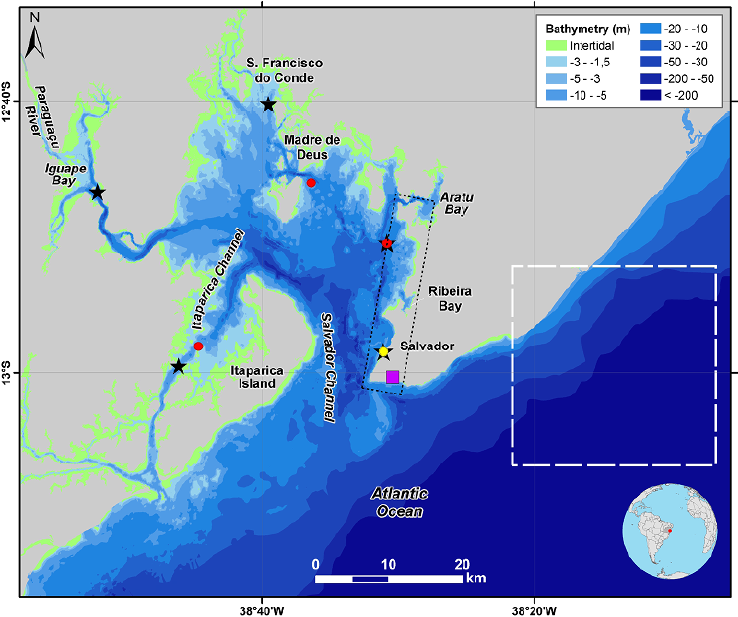
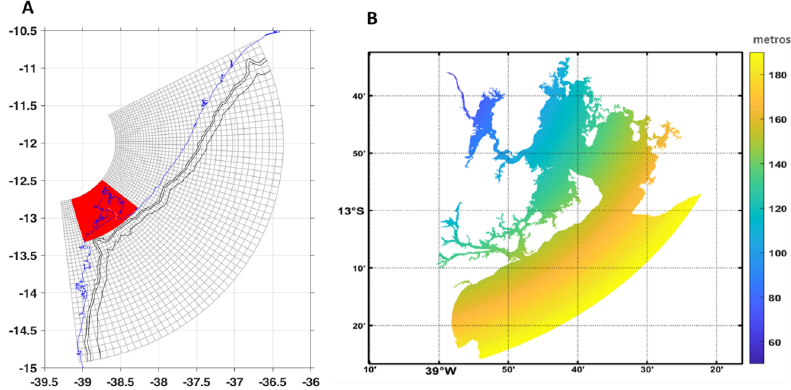
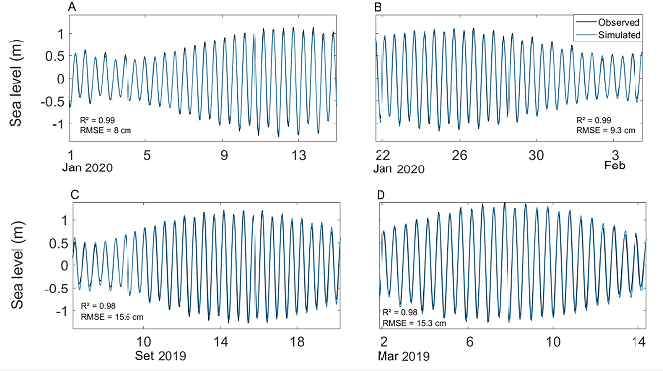
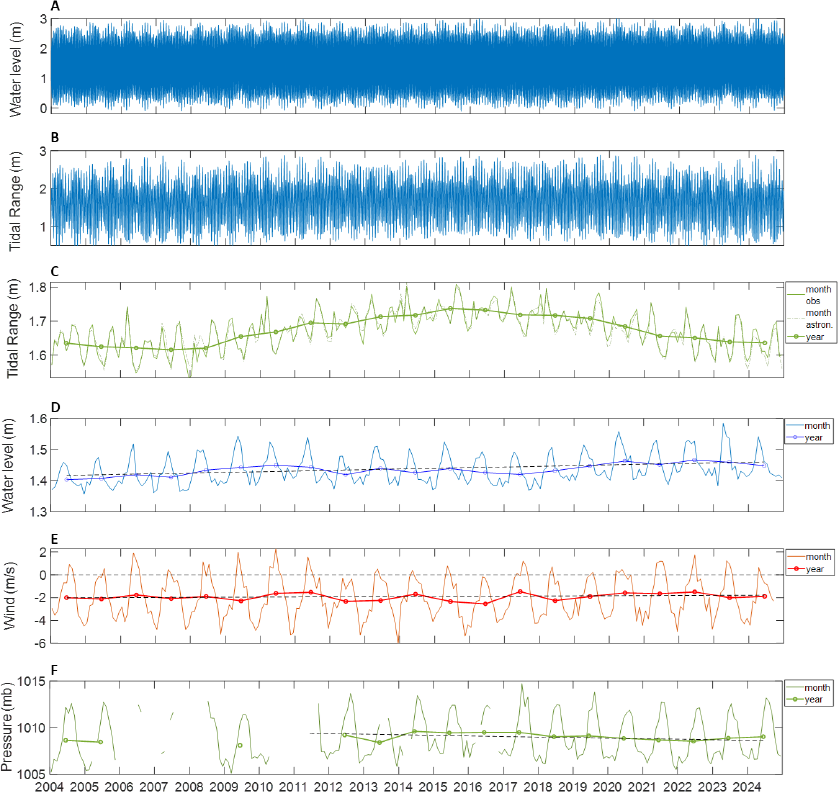
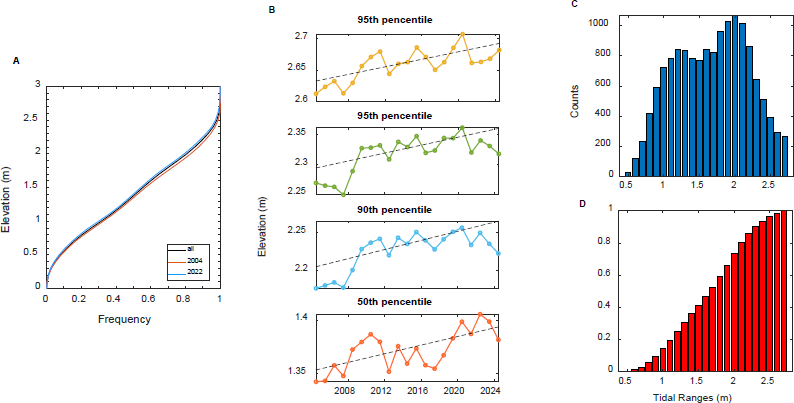
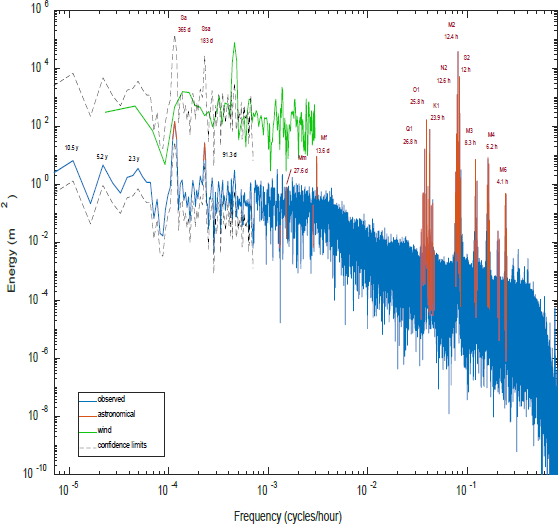
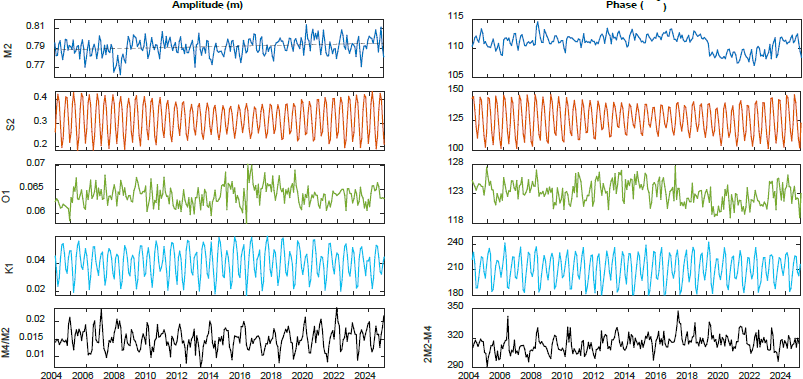
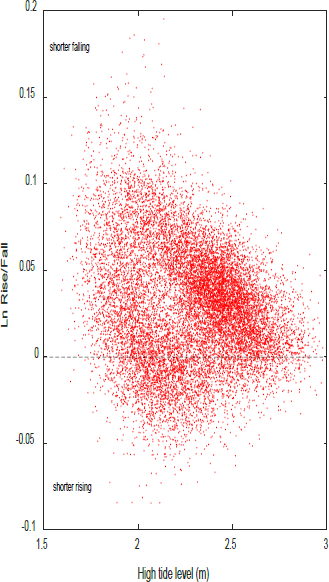
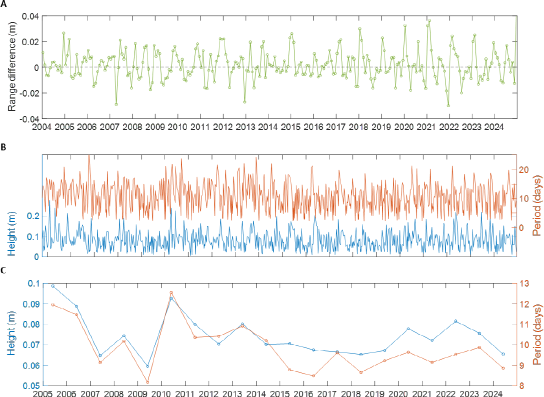
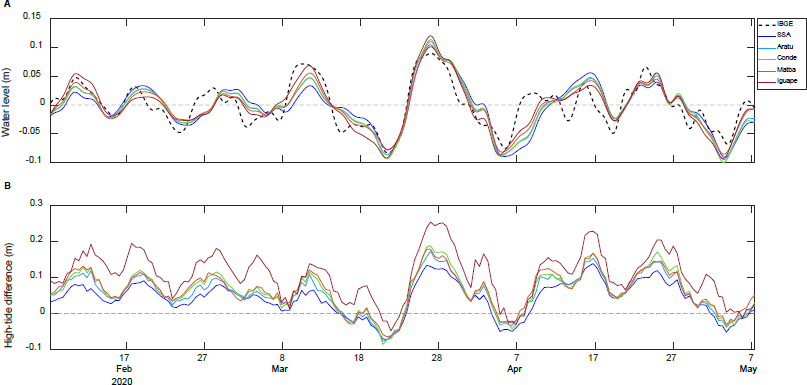
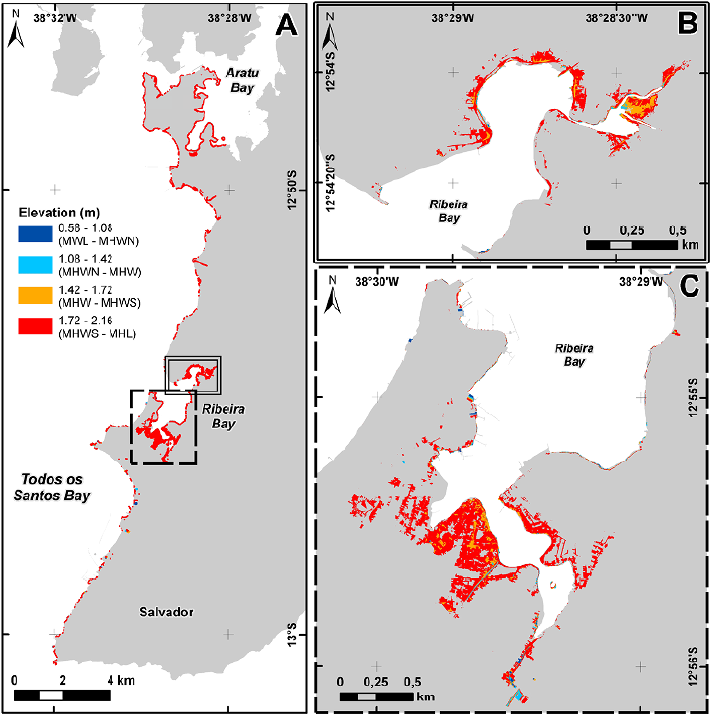
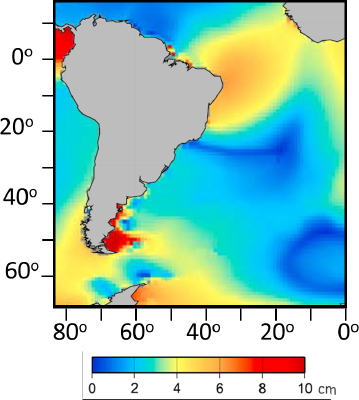
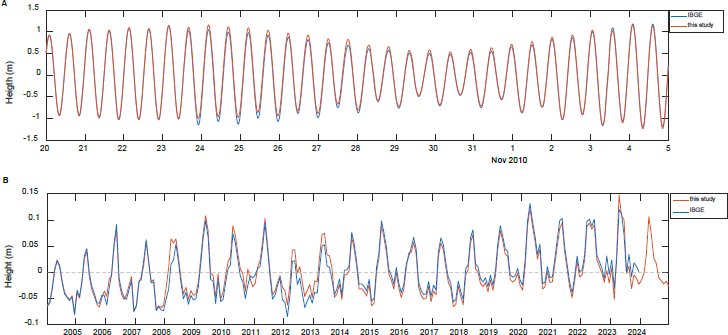
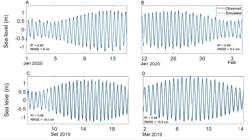
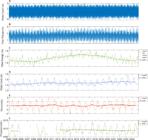
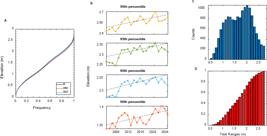
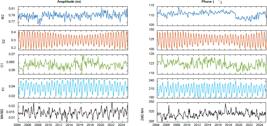
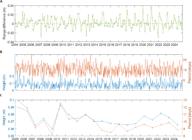
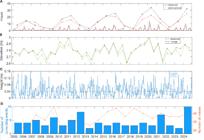
This study uses 21 years (2004-2024) of water level measurements carried out by the IBGE’s Brazilian Continuous Monitoring Network (RBMC), in association with the Global Sea Level Observing System (GLOSS), with the aim of quantifying the temporal variability of the water level, identifying long-term trends in mean sea level, and determining the present spatial extent of tidal inundation of the suburban areas of Salvador. Harmonic, statistical, and spectral analyses, complemented by numerical modeling of the hydrodynamics, show that the sea level is rising at a rate of 2.15 mm/yr and the inundation time is increasing. Important seasonal variability is observed, with higher mean sea levels occurring in April and May driven mainly by the wind stress, whose interannual variation also causes alternating interannual MSL trends. The data indicate an increase in the frequency and severity of extreme high sea level events, regularly associated with the passage of subtidal waves that have become higher and more frequent over the years. Numerical simulations showed that subtidal oscillations tend to be amplified inside the estuary, likely increasing the severity of inundation events. A suburban area of 0.497 km2 along the bay margin of Salvador, with poor infrastructure, experiences more intense tidal inundation approximately every 4.4 years.
Keywords:
Subtidal oscillations; Sea-level rise; Numerical model; Monitoring
 Thumbnail
 Thumbnail
 Thumbnail
 Thumbnail
 Thumbnail
 Thumbnail
 Thumbnail
 Thumbnail
 Thumbnail
 Thumbnail
 Thumbnail
 Thumbnail
 Thumbnail
 Thumbnail
 Thumbnail