
 Risk factors and assessment methods for screening childhood-onset fluency disorders: a scoping review
ABSTRACT
Purpose To map the state of the art regarding risk factors and assessment methods employed in the screening of fluency disorders in preschool children.
Research strategies A scoping review was conducted in accordance with the Joanna Briggs Institute guidelines and the PRISMA-ScR checklist. The guiding question was: What are the risk factors and assessment methods used in the screening of fluency disorders (stuttering and cluttering) in preschoolers, as reported in the international literature? The PCC strategy guided the search, using MeSH descriptors and free terms across the Lilacs, PubMed/Medline, Scopus, and ScienceDirect databases, from 2020 to 2025, with no language restrictions.
Selection criteria Original full-text articles addressing at least one research question were included. Exclusion criteria comprised non-scientific or secondary publications, studies without abstracts, those outside the conceptual or population scope, and those involving co-occurring disorders.
Data analysis Data were analyzed descriptively and synthesized narratively.
Results A total of 2,091 publications were identified; after duplicate removal and eligibility screening, 11 articles were included. No studies on risk factors for cluttering were found. For stuttering, 14 predictive risk factors were mapped, related to body functions and structures as well as contextual factors. Only two standardized screening tools were identified, both developed in Brazil: the Developmental Stuttering Risk Protocol and the Developmental Stuttering Screening Instrument.
Conclusion Evidence on risk factors for cluttering in preschoolers is lacking. For stuttering, biological and contextual factors emerged as key predictors. Most available assessment methods are restricted to use by speech-language pathologists, highlighting gaps and opportunities for future research.
Keywords:
Risk Factors; Stuttering; Childhood-Onset Fluency Disorder; Child Development; Child Health; Speech-Language Pathology; Scoping Review
RESUMO
Objetivo Mapear o estado da arte sobre os fatores de risco e métodos avaliativos utilizados no rastreamento dos transtornos da fluência em pré-escolares.
Estratégia de pesquisa Revisão de escopo conforme o Instituto Joanna Briggs e checklist PRISMA-ScR. A questão norteadora foi: Quais os fatores de risco e métodos avaliativos utilizados no rastreamento dos transtornos da fluência (gagueira e taquifemia) em pré-escolares na literatura internacional? A estratégia PCC orientou a busca com descritores MESH e termos livres nas bases Lilacs, Pubmed/Medline, Scopus e ScienceDirect, entre 2020 e 2025, sem restrição de idioma.
Critérios de seleção Incluíram-se artigos originais disponíveis na íntegra que respondessem a pelo menos uma questão de pesquisa. Excluíram-se publicações não científicas, secundárias, sem resumo, fora do escopo conceitual e populacional, ou com co-ocorrência de outros transtornos.
Análise dos dados Os dados foram analisados descritivamente e sintetizados narrativamente.
Resultados Identificaram-se 2.091 publicações, após remoção de duplicatas e aplicação dos critérios, 11 artigos foram incluídos. Não foram encontrados estudos sobre fatores de risco para taquifemia. Para a gagueira, mapeou-se 14 fatores de risco mais preditivos relacionados às funções e estruturas do corpo e fatores contextuais. Apenas dois instrumentos padronizados de rastreamento foram identificados, ambos brasileiros: Protocolo de Risco para Gagueira do Desenvolvimento e Instrumento de Rastreio para a Gagueira do Desenvolvimento.
Conclusão Estudos sobre fatores de risco para taquifemia em pré-escolares mostram-se ausentes. Para a gagueira, fatores biológicos e contextuais se destacam. A maioria dos métodos avaliativos disponíveis são limitados ao uso do fonoaudiólogo, evidenciando lacunas para pesquisas futuras.
Descritores:
Fatores de Risco; Gagueira; Transtorno da Fluência com Início na Infância; Desenvolvimento Infantil; Saúde da Criança; Fonoaudiologia; Revisão de Escopo
INTRODUCTION
The most well-known fluency disorders with onset in childhood are stuttering and cluttering. Involuntary disfluencies primarily characterize stuttering, and these primary symptoms compromise the usual and automatic flow of speech(1). In addition, secondary behaviors may be present, such as the substitution or avoidance of words, in an attempt to minimize fluency difficulties(2). Cluttering is characterized by a speech rate perceived as fast and/or irregular, accompanied by at least one of the following symptoms: increased occurrence of disfluencies, most of which are not typical of stuttering; coarticulation between sounds; and pauses in atypical positions(3).
Both disorders affect speech timing patterns, have a strong genetic component with heritability characteristics, and show a predominance of persistence in males(4-6). In addition, stuttering and cluttering can occur in isolation or coexist(7). Despite the prevalence of childhood-onset fluency disorders affecting approximately 5% of the preschool population(8) in cases of stuttering, and up to 1.2% in adolescents in cases of cluttering(9), their diagnosis is still challenging and often delayed.
For this reason, experts advise that the fundamental initial step in assessing childhood fluency is to carefully investigate risk factors for the development of these disorders(10,11). The more risk factors a child has, the greater the chance that the child will need specialized monitoring(12-14). Speech-language pathology clinical guidelines recommend assessing risk factors for childhood-onset fluency disorders in children under six years of age as a basis for decision-making(15,16).
Risk factors are predictive markers of future health problems, important for guiding diagnostic and therapeutic decisions(17). In stuttering, among the various risk factors identified in the literature, we can mention: male sex, caregiver complaints, family history, age of onset of the disorder, and duration of the complaint, among others(11-14,18-21). In cluttering, some risk factors are similar to those in stuttering, such as sex and family history, but it differs in considering disorganized language planning and the absence or low perception of communicative difficulty(22,23).
However, despite both conditions being fluency disorders that begin in childhood, no formal instruments are available to screen for them together. As stuttering is the most studied fluency disorder, there is a noticeable effort by the scientific community to screen for it, as exemplified by the instruments: Protocolo de Risco para a Gagueira do Desenvolvimento (PRGD - Developmental Stuttering Risk Protocol)(24) and the Instrumento de Rastreio para a Gagueira do Desenvolvimento (IRGD - Developmental Stuttering Screening Instrument)(25). However, this is not observed with regard to cluttering, as there are no instruments to identify it early in the preschool population.
The assessment methods predominantly used in screening risk factors for stuttering and cluttering advocate specialized clinical assessment, with instruments for the exclusive use of speech-language pathologists, such as the PRGD(24), for preschoolers and school-aged children, and the Cluttering Inventory-Revised (PCI-r)(26), for school-aged children and adolescents, which makes multiprofessional screening actions unfeasible. Given that the Brazilian public health system establishes screening policies for communicative disorders in early childhood(27-29), it remains unclear which risk factors should be considered for screening preschoolers for stuttering and cluttering, and which assessment methods would be most appropriate for such an investigation.
Given this scenario, it is necessary to identify and synthesize the available research on risk factors and assessment methods for screening fluency disorders with onset in childhood. This need aims to provide an overview of the topic, identify gaps and trends, and identify common terms, which aligns with a scoping literature review approach. Thus, we encounter the following research question: What are the risk factors and screening assessment methods used to identify fluency disorders (stuttering and cluttering) in preschoolers in the international literature? The objective of this scoping review was to map the state of the art regarding risk factors and assessment methods used in screening for fluency disorders in preschoolers.
METHOD
Protocol and register
We developed this scoping review (SR) of the literature according to the methodology proposed by the Joanna Briggs Institute (JBI), in line with the recommendations of the Reporting Items for Preferred Systematic Reviews and Meta-Analyses extension for Scoping Reviews (PRISMA-ScR) guide. One indication for conducting an SR is when the aim is to identify the main characteristics or factors related to a concept(30), as in the present research. The protocol of this SR was registered on the Open Science Framework platform(31).
Research questions
To guide the formulation of the guiding question for this review, the study adopted the Population, Concept, and Context (PCC) strategy. Thus, the following was defined: population: preschool children with fluency disorders (stuttering and/or cluttering), aged between 2 and 5 years and 11 months; concept: risk factors and assessment/screening; and context: international scientific literature. Therefore, the following primary research question (RQ) was obtained: What are the risk factors and assessment methods used in the screening of fluency disorders in preschool children in the international literature? The secondary research questions chosen were: What risk factors were identified? (RQ1); What assessment methods were used? (RQ2); What limitations were described in the studies? (RQ3); What suggestions were mentioned by the authors for new research in the area? (RQ4).
Eligibility criteria
Publications that did not qualify as scientific articles were excluded, such as: letters to the editor, book chapters, abstracts from scientific event proceedings, opinion articles; secondary articles (literature reviews); articles without abstracts; articles outside the conceptual and population scope of interest; or with co-occurrence of other disorders, such as: intellectual disability, neuromotor dysfunction, Attention Deficit Hyperactivity Disorder (ADHD), Autism Spectrum Disorder (ASD), and trisomy 21 (Down syndrome). There was no exclusion based on language, ethnicity, race, sex, gender, or geographic location.
Therefore, the selection included scientific articles available in full, published between 2020 and 2025, and that answered at least one research question. Technical and empirical articles that proposed to discuss theoretical models and/or clinical guidelines for assessing risk factors for the population of interest were also included.
The age range of children up to 5:11 years was delimited as it corresponds to the critical period for the emergence of fluency disorders with onset in childhood(32). The temporal scope of the publications was limited to the last five years to ensure the information collected was based on the most recent scientific evidence in the literature. Only articles available in full were selected, enabling data collection for the SR and achieving the proposed objective. It was decided to include technical and empirical articles to expand the data on risk factors and to understand the guidelines for assessing these factors. The presence of other disorders co-occurring with fluency disorders was excluded so that the risk factors and assessment methods identified would be related exclusively to the population of interest, i.e., preschool children diagnosed with or at risk for stuttering and cluttering.
Databases
The databases used were Lilacs (Literatura Latino-Americana e do Caribe em Ciências da Saúde), Medical Literature Analysis and Retrieval System (PubMed/Medline), Scopus, and ScienceDirect. The search was conducted on June 30, 2025. The ResearchGate platform was used to actively search for the authors of selected articles that were not available in full after the screening stage, to preserve the sample of studies screened and selected for full-text reading and analysis in the eligibility stage. This active search took place on July 31, 2025.
Search strategies
Initially, the most frequently used and cited words in diagnostic manuals and clinical guidelines in the area were identified to refer to the concepts and populations of interest in this SR. Therefore, the electronic search strategy was defined as combinations of MESH (Medical Subject Headings) descriptors and free terms, in English, considered relevant to the research, and adapted to the search standards established in each database, as shown in Chart 1.
The validation of the search strategy followed the steps recommended by the Joanna Briggs Institute and the PRISMA-ScR checklist: 1) preliminary search for articles, to verify the sensitivity and specificity of the strategy; 2) reading some abstracts of articles with potential for inclusion in the review; and 3) validation by a speech-language pathologist specializing in Fluency, not involved in the research team. In this way, it was possible to identify the need for adjustments to the search term combination, obtain suggestions for improvement, and conclude the validation of the chosen search strategy.
Selection of studies
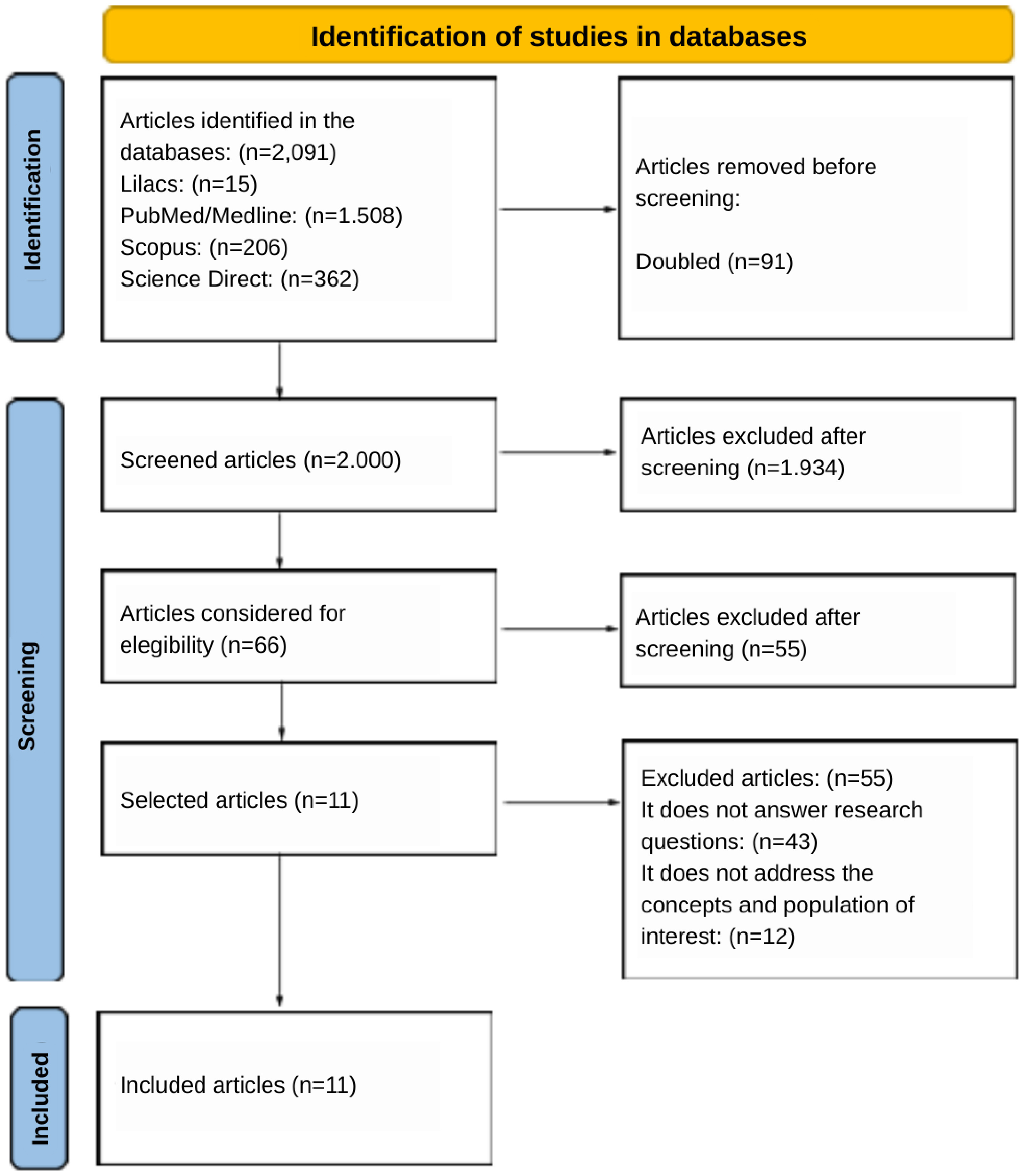
The selection of articles took place in four stages (Figure 1): identification, screening, eligibility, and inclusion. The Rayyan software was used for the first three stages(33). The main investigator coordinated the use of the software and was responsible for training two independent reviewers, both doctoral speech-language pathologists with expertise in fluency. The reviewers participated in the screening, eligibility, and inclusion stages. The reviewers were trained during the screening stage on 42 articles. After the training, the SR began. Decisions on any disagreements were resolved by consensus to ensure the quality of decision-making and included the participation of a third reviewer when necessary.

The first stage (identification) was carried out by the main investigator, including controlling duplicate publications and quantitatively identifying the articles to be analyzed using database searches. The second stage (screening) was carried out by applying the exclusion criteria, by reading the title, abstract, and keywords. The third stage (eligibility) involved analyzing the inclusion criteria by reading the full article.
Data extraction, analysis and synthesis
In the fourth stage, inclusion, we extracted the responses to the research questions from each selected article. A Microsoft Excel spreadsheet form, previously developed and calibrated by the team, was used to extract data. The data were collected independently and blindly by the trained reviewers and subsequently consolidated by the principal investigator. The variables for which data were collected in each stage of the review process were:
-
Identification: total number of publications identified; total number of publications identified by database; total number of duplicate publications; total number of publications selected by database (after eliminating duplicates).
-
Screening: type of publication; possibility of addressing the concepts and population of interest; presence of comorbidity(ies) in the population of interest.
-
Eligibility and Inclusion: availability of the full article; risk factors; evaluation methods; limitations described; suggestions made.
-
Characterization of included articles: title; year of publication; database; journal; author(s); objective; language; country; target audience; age; sample size (if applicable); type of research (according to the level of scientific evidence).
Specifically regarding the risk factors and assessment methods variables extracted in the eligibility and inclusion stages, a terminological standardization process was necessary for the analysis and synthesis of the results. The terms used to designate the risk factors and assessment methods used in the included articles were grouped by the team based on the following criteria: 1) similarity of meaning, and; 2) selection of preferred terms, favoring the most frequent and current ones in the literature. Thus, it was possible to develop a controlled vocabulary of the review in a table and use the standardized terms in the synthesis of the results.
Although a critical evaluation of the included articles was not carried out, in line with the objectives of scoping reviews, all articles were characterized in terms of their level of evidence using the Agency for Healthcare Research and Quality (AHRQ)(34) to explain their methodological quality. The results were analyzed descriptively, synthesized narratively, and presented in figures and tables. The implications for clinical practice and future research were also discussed.
RESULTS
Selection of studies
Through electronic database searches, it was possible to retrieve 2,091 publications, with 15 in Lilacs, 1,508 in PubMed/Medline, 206 in Scopus, and 362 in ScienceDirect. 91 duplicate publications were excluded. 2,000 publications were screened by titles, abstracts, and keywords. After applying the exclusion criteria, 1,934 publications were excluded. 66 articles were selected for full-text reading; of these, after applying the inclusion criteria, 55 articles were excluded. At the end of the eligibility stage, 11 articles were included in the SR for analysis, qualitative synthesis, and description of the results (Figure 1).
Characterization of included articles
Five articles were obtained from the Scopus database, four from Lilacs, one from PubMed/Medline, and one from ScienceDirect. Six studies were Brazilian(12,13,18,20,25,35), two were American(14,21), two were Dutch(11,36), and one was Japanese(19), with publication years ranging from 2021 to 2025. Only three articles were classified as theoretical studies (levels VI and VII of evidence)(11,25,36); the others(12-14,18-21,35) were distributed from level III to level VI of the Agency for Healthcare Research and Quality (AHRQ) classification of scientific evidence(34). The study population ranged in age from 2 to 12 years, both sexes, with sample sizes ranging from 30 to 2,055 participants. All included articles considered children who stutter as the population of interest. No studies were found that focused on screening and/or risk assessment for cluttering in preschoolers (Table 1).
Risk factors for stuttering in preschoolers
After standardizing the terms used in the articles to designate risk factors, 27 risk factors for stuttering in the preschool population were identified. The ten most frequently cited risk factors were: positive family history of stuttering (with or without recovery) (n=10)(11-14,18,19,21,25,35,36); high frequency of disfluencies typical of stuttering (n=8)(12-14,19-21,25,35); duration of stuttering (n=8)(11-14,18,21,25,35); negative reaction of the child to their own speech (n=7)(11-13,18,25,35,36); age of the child at the onset of stuttering (n=6)(11,13,14,19,21,35); male sex (n=6)(11,13,14,19,21,35); speech tension (effort to speak) (n=6)(12,13,18,19,25,35); negative social reaction to the child's speech (extended family, school and others) (n=6)(12,13,18,25,35,36); worse performance on standardized articulatory/phonological assessment (n=6)(11,14,18,21,35,36); and complaint of stuttering (n=5)(12,18-20,25) (Table 2).
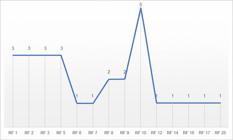
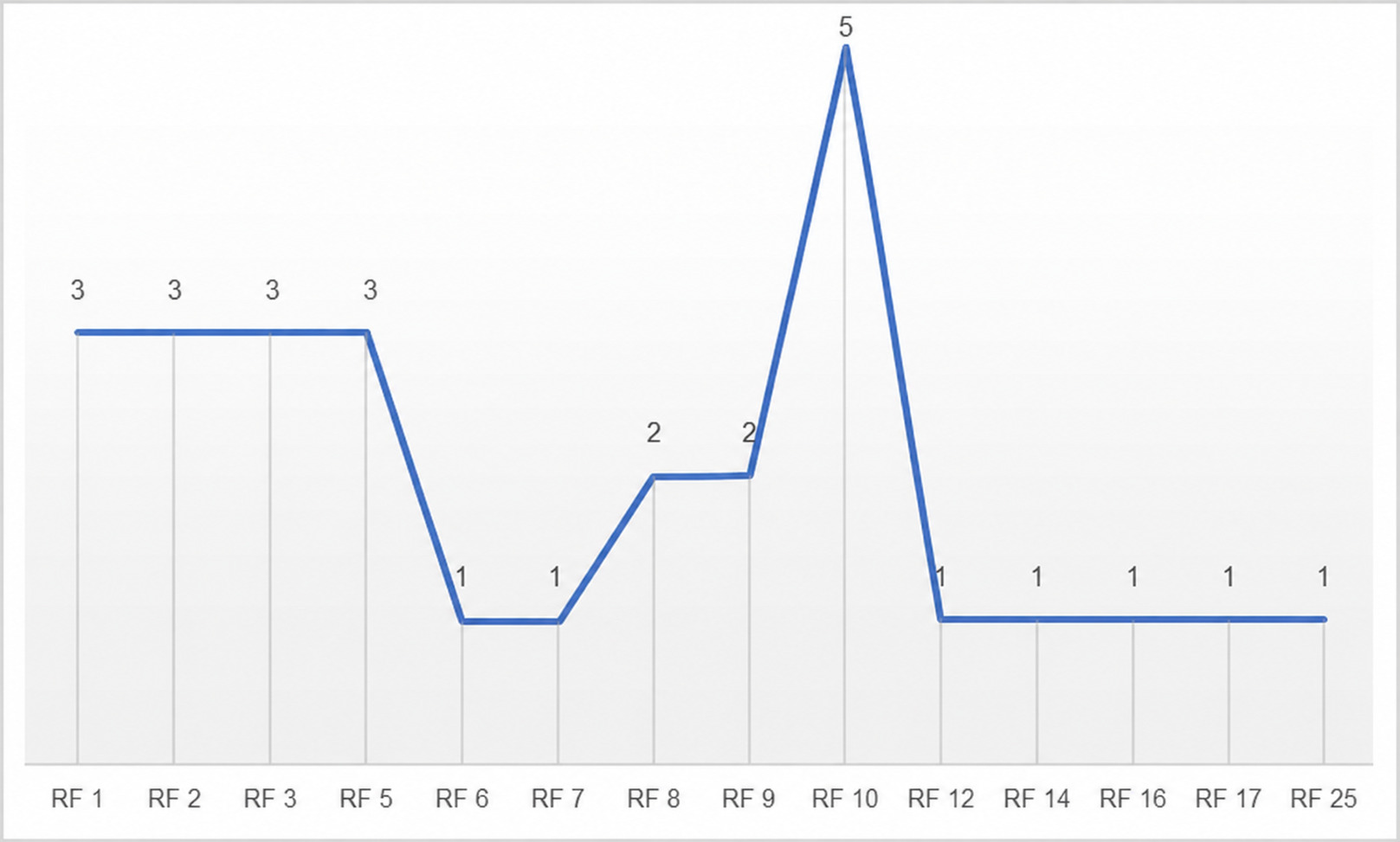
Of the eleven articles included, eight investigated which risk factors were most predictive of stuttering. Thus, of the 27 risk factors identified, 14 were most predictive of stuttering. The following seven risk factors were cited as being most predictive of stuttering: complaint of stuttering (n=5)(12,13,18-20); positive family history of stuttering (with or without recovery) (n=3)(11,19,21); child's age at onset of stuttering (n=3)(11,14,18); duration of stuttering (n=3)(11,13,14); high frequency of typical stuttering disfluencies (n=3)(18,20,21); negative social reaction to the child's speech (extended family, school and others) (n=2)(12,13); and poorer performance on standardized articulatory/phonological assessment (n=2)(14,21) (Figure 2).
Assessment methods used to screen for stuttering in preschoolers
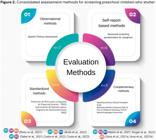
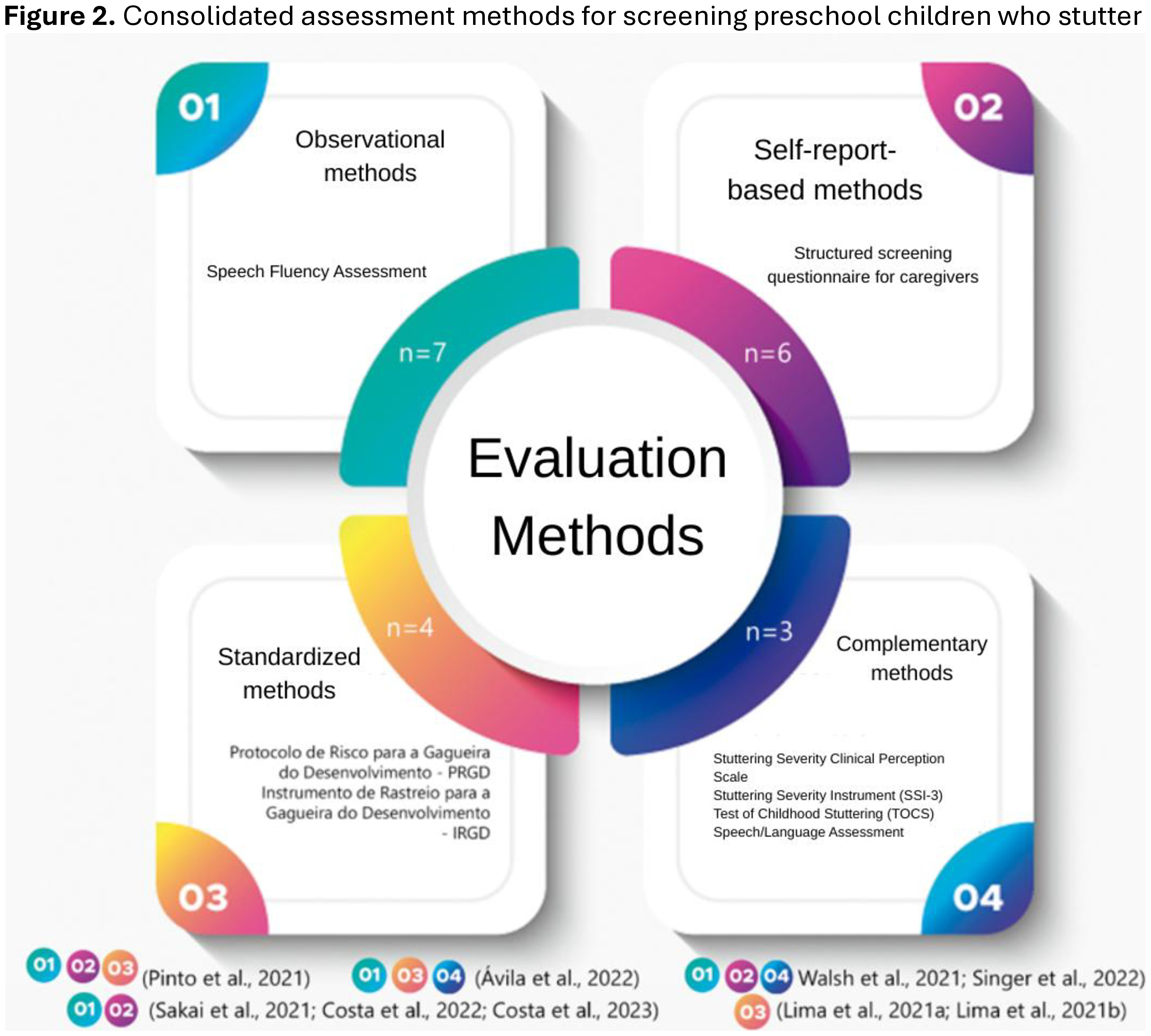
After standardizing the terms used in the articles to designate the assessment methods used in stuttering screening in preschoolers, four groups of methods were observed, namely: observational methods (n=7)(13,14,18-21,35), based on the procedures necessary for assessing speech fluency; self-report-based methods (n=6)(13,14,18-21), using a structured screening questionnaire for caregivers; standardized methods for stuttering screening (n=4)(12,18,25,35), based on the use of formal instruments for this purpose; and complementary methods (n=3)(14,21,35), based on the use of perceptual-clinical severity scales of stuttering (n=1)(21), the application of the Stuttering Severity Instrument-3 (SSI-3) (n=2)(14,35), the Test of Childhood Stuttering (TOCS) (n=1)(14), and the assessment of speech and/or language (n=1)(21) (Figure 3).
Observational and self-report-based methods were the most commonly used in the studies analyzed, and the Stuttering Severity Instrument-3 (SSI-3) was the most frequently used in studies that used complementary methods. A tendency was observed across most studies (n=11) to combine multiple assessment methods in their data collection procedures. The combination of assessment methods was used both for screening for risk factors and for confirming the stuttering diagnosis in the studied population.
In studies that used standardized methods for stuttering screening in preschoolers, only two formal instruments were identified, both Brazilian: the Protocolo de Risco para a Gagueira do Desenvolvimento (PRGD - Developmental Stuttering Risk Protocol)(18,35); and the Instrumento de Rastreio para a Gagueira do Desenvolvimento (IRGD - Developmental Stuttering Screening Instrument)(12,25). Studies that used the PRGD combined the instrument with a structured screening questionnaire for caregivers(18), a speech fluency assessment(18,35), and the application of the Stuttering Severity Instrument-3 (SSI-3)(35). In comparison, the study that used the IRGD used only this instrument for stuttering screening in preschoolers as the sole data-collection procedure(12). All assessment methods identified in this SR (except the standardized method using the IRGD) involve procedures that must be performed exclusively by the speech-language pathologist (Table 2).
It should also be noted that the search strategy used in this SR did not identify the recent screening instruments for stuttering in preschoolers, namely: the US instrument, Childhood Stuttering Screening for Physicians (CSS-P™)(37); and the Chilean instrument, called Instrumento para la Detección Temprana de Tartamudez(38). These standardized instruments were not included in the sample for two reasons: the CSS-P was not published in a journal that could be indexed in any database, only in a book chapter; and the article that published the Chilean instrument did not present descriptors compatible with those combined in the search strategies adopted in this SR, which made it impossible to retrieve them from the databases.
Main limitations and suggestions mentioned in the reviewed literature
In general, the studies included in this SR shared limitations, mainly regarding sample size and representativeness, the absence of fully validated standardized instruments, and reliance on parental reports without direct clinical confirmation, factors that compromise the generalizability of the findings and may introduce bias. It is also highlighted the need to incorporate additional risk measures, since there is a possibility that risk estimators change with advancing age(12-14,19-21,35), the necessity to carry out longitudinal follow-up of children to obtain the analysis of the permanent outcome, and the lack of a gold standard for diagnostic assessment for children in the risk group (Table 2).
The suggestions identified emphasize the need for methodological strengthening, through the expansion of samples and age diversification of children, the performance of more robust psychometric analyses, the application of instruments for stuttering screening by different professionals, and their exploration in digital formats, to facilitate multiprofessional use and collective screening of children at risk for stuttering(12,21). The improvement of existing instruments was also suggested, either through the incorporation of new variables, the empirical validation of theoretical models, or the refinement of the severity and impact scales of stuttering (Table 2).
DISCUSSION
Identifying risk factors for childhood-onset fluency disorders is relevant for clinical decision-making regarding diagnosis and the design of preventive and therapeutic approaches. Therefore, this SR analyzed and synthesized 11 scientific articles published in the international literature to map the state of the art on risk factors and assessment methods used in screening for fluency disorders in preschoolers.
Absence of risk factors for cluttering in preschoolers?
Although the electronic search strategies adopted in this SR included the descriptor “cluttering”, no studies focused on screening and/or risk assessment for cluttering in preschool children were identified. Therefore, all the results of this SR refer to risk factors for stuttering and to the assessment methods used to screen for this fluency disorder in preschoolers. This result might be associated with the lack of agreement regarding the diagnostic criteria for cluttering, the scarcity of consolidated scientific evidence, and the later diagnosis of this disorder(39,40).
However, it is observed that some risk factors identified in this SR are compatible with clinical characteristics observed in cluttering, among them: male sex(11), alteration in speech rate, impairment in speech intelligibility, pneumophonoarticulatory incoordination(12,18,25,35), presence of other disfluencies (repetition of non-monosyllabic words)(12,25), and presence of comorbidities(11,18,19,35). Since cluttering is also a fluency disorder that begins in childhood, the question arises: could the observation of these risk factors for stuttering also screen for cluttering risk in preschoolers? If so, some results from this screening may indicate a false-positive risk of stuttering.
Thus, children at risk for cluttering could be identified as children at risk for stuttering. The identification of common risk factors for stuttering and cluttering in assessment methods exclusively for stuttering screening underscores the need to update formal instruments for screening fluency disorders with onset in childhood. For example, a study that aimed to explore the applicability of the IRGD in the educational context concluded that the instrument's application enabled the identification of preschoolers at risk for fluency disorders, not just for stuttering(41).
The value of the stuttering complaint reported by parents/guardians
The high frequency of typical stuttering disfluencies in children's speech has been identified as an important risk factor for chronic stuttering by most of the studies analyzed(12-14,19-21,25,35). Many researchers and clinicians describe stuttering as characterized by prolongations, blocks, and repetitions of speech(6,42), and that a percentage of typical stuttering disfluencies ≥ 3% is a risk indicator for persistent stuttering(43). However, the isolated analysis of this characteristic is not sufficient to establish the diagnosis, as certain populations, such as bilingual children, may yield false-positive diagnoses of stuttering(44). In addition, stuttering shows high variability in its manifestations and may exhibit different disfluency frequencies depending on the interlocutors involved in different communicative moments and situations(45).
The presence of typical stuttering disfluencies in a child's speech raises concern among parents/guardians, who seek clinical care to confirm the diagnosis. In general, parents' and guardians' reports are highly accurate(46). In this sense, the complaint reported by parents/guardians, based on the observation of the high frequency of typical stuttering disfluencies, is an indispensable tool for research and clinical practice(45). Among the most predictive risk factors for stuttering, the complaint was the most frequently cited in this SR(12,13,18-20), which gives due weight to reports from parents/guardians and highlights the need to welcome and actively listen to families whose children have a complaint of stuttering.
Stuttering, its genetic basis, and the importance of the time factor
Among the risk factors identified in the 11 studies analyzed, a positive family history of stuttering was the most frequent(11-14,18,19,21,25,35,36) and considered one of the most predictive(11,19,21). Stuttering is highly heritable, with distinct genetic variants shared among family members that impact the risk of the disorder(6). Genetic transmission models of stuttering are consistent with high polygenicity, suggesting a complex genetic architecture(6), but epigenetic processes influence gene expression throughout life(47). Therefore, the growth patterns of the central nervous system and the final phenotype (e.g., stuttering versus non-stuttering) are not fixed at birth, but emerge throughout development, through the interaction of genes, epigenetic processes, and experience(36,47).
Time, in turn, is a fundamental variable for stuttering, which has been considered in the field of Neuroscience as a neural timing disorder(48), due to the presence of deficits in the temporal synchrony necessary for the precise coordination of electrical and chemical impulses in the central nervous system, fundamental for information processing. The onset of stuttering symptoms occurs during the neurodevelopmental period(32). Therefore, it is necessary to identify the disorder as close to the onset of its symptoms as possible, so that appropriate speech therapy intervention is early and successful(25,49,50). The more time passes for a child who stutters, the more their age and the duration of stuttering increase, while their chances of recovery decrease(47), since the persistence of typical stuttering disfluencies for at least twelve months was a prevalent risk factor for most of the studies analyzed(11-14,18,21,25,35).
Does the reaction of others to the speech of a child who stutters matter?
Although both the child's negative reaction to their own speech(11-13,18,25,35,36) and the negative social reaction to the child's speech (extended family, school and others)(12,13,18,25,35,36) have been identified in the reviewed literature as risk factors for stuttering, the negative social reaction stands as the most predictive of stuttering(12,13). This finding underscores the need to screen for stuttering risk within a broader care perspective, where the domains of contextual factors are considered alongside those of body functions and structures, according to the International Classification of Functioning, Disability and Health (ICF)(51).
Identifying negative social reactions from family, school, and others regarding a child's speech as a predictive risk factor for stuttering underscores the environment's role during neurodevelopment, which is influenced by experience(36,47). Furthermore, it emphasizes the importance of health education practices as tools for social transformation, capable of reducing the risk of triggering or maintaining stuttering among children. Therefore, care for children who stutter needs a broader perspective that also addresses contextual factors, including, for example, fluency-promotion guidelines for families, schools, and other social sectors.
Impaired speech is a sign of a higher risk for stuttering: why?
Among the risk factors analyzed as most predictive of stuttering, the following were observed: poorer performance on standardized articulatory/phonological assessment(14,21) and below-average language development(14). But why would the presence of such linguistic alterations increase the risk of a preschooler stuttering? One possible explanation is to assume that stuttering is a fluency disorder that begins in childhood(32) and that fluency is a linguistic skill(52). According to the Teoria Integrada da Fluência (TIF - Integrated Fluency Theory), fluency is a skill of linguistic competence; that is, it is part of the set of mental capacities and skills that make any person capable of producing and understanding language(52).
Both children and adults with stuttering present sensory-perceptual difficulties that reflect atypical patterns of development, whether in the production or comprehension of language(53,54). The presence of structural alterations in the dorsal pathway of the language circuit in adults who stutter also provides support for the idea that stuttering is related to an impairment in the bidirectional mapping between the auditory and articulatory cortices, supported by the dorsal pathways(55). The dorsal pathway is fundamental for the organization of words in sequence and for the generation of sentences(56), as well as being specialized in the perceptual and phonological processing of spoken language through the analysis of acoustic complexity, disambiguation of sounds, and functional integration with auditory processing(57).
Given this scenario, since language acquisition transitions from a prosodic and distributional analysis of speech material to a syntactic analysis of linguistic utterances, according to the phonological bootstrapping hypothesis(58), the TIF hypothesizes that: since fluency is a linguistic skill, its typical development is directly related to optimal processes of identification and access to formal features1 , while stuttering, being a fluency disorder, is related to difficulties in the representation of formal features, mainly the categorical feature, in the mental lexicon2 and/or in accessing them during online computation(52). Difficulties in these acquisitional requirements for language development can affect language comprehension and production, as well as hinder the initialization of the child's computational system3 , hindering the implementation of syntax and the process of categorical identification of words, as typical development requires(60).
The conceptual proposal regarding what constitutes fluency and the hypotheses put forward by the TIF were experimentally verified, and the theory proved to be testable and potentially high in explanatory power, as the findings confirmed the hypotheses(52). Therefore, the observation obtained in this SR, that risk factors related to impairments in language development are more predictive of stuttering(14,21), is convergent with the theoretical assumption of fluency as a linguistic skill(52). This fact should sensitize the speech-language pathology community to implement language assessment mechanisms in their practice with preschoolers who complain of stuttering, both in comprehension and in language production. Therefore, actions to screen for stuttering risk also involve investigating language alterations in child development.
The scarcity of formal instruments for stuttering screening and Brazil's leading role in this area
This study identified a significant scientific gap, the scarcity of screening instruments for risk factors for fluency disorders in preschoolers. Among the standardized methods mapped, only two instruments were identified: the PRGD(18,35) and the IRGD(12,25). Both instruments were developed by Brazilian researchers, placing Brazil as a country scientifically committed to early screening for stuttering. This is possibly because the country's public health system has a national health promotion policy, aimed at building actions that enable it to respond to social health needs(61). This policy encourages the development of health promotion and prevention actions at all levels of care, with emphasis mainly on primary care(61).
In Brazil, health professionals working in primary health care and educators working in early childhood education are responsible for monitoring child development and identifying the first symptoms of changes in the child's health(62,63). There is a bill in progress in the country(64) that recognizes the need to guarantee children who stutter the right to early diagnosis and treatment. Therefore, the screening instruments to be applied in Brazil need to be multiprofessional, since child health care is decentralized. In this sense, the findings of this SR identified that only the IRGD demonstrated this characteristic.
The findings also showed that several assessment methods were combined to identify risk factors and diagnose stuttering in the studies analyzed. This information corroborates previous descriptions of stuttering as a multifactorial disorder, for which a multidimensional assessment is most appropriate to determine the factors that may be contributing to the instability observed in the child's fluency(21,36,47).
A single risk factor is not enough
There is a tendency to analyze risk factors in association, that is, the analysis of multiple domains is advocated in the assessment of a child's risk of developing persistent stuttering, since this point was made by most studies(11,13,14,19-21). Analyzing a risk factor in isolation is not considered a predictive indicator of stuttering, as children may present different risk factor profiles(20,21). Studies have shown that, in isolation, the complaint and the degree of severity, for example, were not predictive of eventual persistence or recovery in preschoolers(20,21). When the analysis was carried out considering multiple factors, the presence of at least two predictive factors was significantly associated with a high risk of developing persistent stuttering(14,21).
The identified risk factors can be causal, triggering, or maintaining factors of stuttering, and predictive risk analysis in preschool children should be cumulative, meaning that multiple risk factors should be considered(14,19,20), and not just one factor in isolation. Experts recommend that the greater the number of identified risk factors, the earlier the child should be referred for specialized care(11,14). Therefore, instruments for stuttering screening should be developed from a multifactorial perspective, with items covering multiple domains, so that the risk analysis is cumulative and personalized to each child's profile.
Present and future of fluency disorder screening
The current landscape of fluency disorder screening is marked by two significant gaps: the lack of studies investigating risk factors for cluttering in preschoolers and the scarcity of standardized instruments for stuttering screening in this population, with assessment methods still predominantly dependent on speech-language pathologists. In contrast, a wide diversity of risk factors described in the literature is observed, which reveal significant advances by integrating, in addition to biological factors, clinically relevant contextual variables, such as personal factors (inherent to the child) and environmental factors (inherent to the extended family, school, and others).
The perspectives for future studies should prioritize the development and validation of screening instruments for fluency disorders, by including cluttering as a direct target disorder in early investigation, expanding and diversifying the sample, and incorporating digital technologies that enable large-scale early screening by different professionals. These advances are fundamental to improving the assessment methods used, thereby providing greater accuracy in screening for fluency disorders in early childhood. In addition to promoting both early identification and timely access to healthcare for children with fluency disorders.
Limitations, practical recommendations, and clinical implications of this scoping review
This scoping review had limitations, including the limited number of databases consulted and the heterogeneity of the study samples, which made it difficult to compare results. There was also a concentration of publications from certain research groups, resulting in repeated methodologies and similar risk factors. The predominance of studies on stuttering, with little investigation of cluttering, limits the generalizability of the findings and underscores the need to expand the evidence base on fluency disorders in early childhood.
Despite the limitations, the review makes important contributions by systematizing data that can guide the development and validation of screening instruments for fluency disorders in childhood. The main risk factors associated with the persistence of stuttering, along with the critical analysis of assessment methods, stand out, offering practical support for the early identification and clinical monitoring of preschool children.
The findings of this review reinforce that early stuttering screening should consider several combined risk factors – such as parental complaints, family history, high frequency of typical stuttering disfluencies, duration, and the child's age at onset – which serve as warning signs for referral to speech-language pathology evaluation. The adoption of multidisciplinary screening protocols can broaden the scope of screening and promote earlier and more effective interventions.
We recommend that assessment instruments be updated and validated for different sociocultural contexts, incorporating variables related to cluttering and the ICF. The use of digital technologies to expand early detection and the development of research that considers the diversity of risk factors and populations are also beneficial, strengthening the existing empirical basis.
The results of this research have direct application in health and education practices, providing support for public policies and preventive actions to promote children's fluency. Screening based on multiple risk factors and family context supports prevention strategies and provides time for early, effective interventions.
CONCLUSION
This scoping review identified evidence focused on risk factors and assessment methods for stuttering in preschoolers, but lacked specific studies on cluttering. The main risk factors included parental complaints, family history, high frequency of typical disfluencies, duration, and age of onset of stuttering. A scarcity of internationally standardized and validated instruments was found, with only two formal Brazilian protocols (PRGD and IRGD). The need to develop methods accessible to different professionals and contexts, as well as to expand early screening, is highlighted. We identified a scientific gap regarding cluttering and recommend studies that address its factors and assessment methods in childhood.
-
1
Features are the values and information encoded in the lexicon of a language, such that each lexical item consists of a composite of features. Formal features guide the computational system regarding the syntactic relationships that a given lexical item should establish with others within the sentence in which it is inserted. One of the functions of the categorical formal feature is to determine the distributional position of an item in the sentence(59).
-
2
Mental lexicon, here, is conceived as a repository of knowledge of a phonological, semantic, pragmatic, and stylistic nature about linguistic items(59).
-
3
A computational system, also known as mental grammar or syntax, is responsible for extracting information from the mental lexicon to derivatively construct syntactic representations through computational operations(59).
-
Study conducted at Universidade Estadual Paulista “Júlio de Mesquita Filho” – UNESP - Marília (SP), Brasil.
-
Financial support:
nothing to declare.
-
Data Availability:
Research data is available in the body of the article.
-
Use of artificial intelligence-assisted technology
No artificial intelligence tools were used in the preparation of this manuscript.
References
-
1 Neef NE, Chang SE. Knowns and unknowns about the neurobiology of stuttering. PLoS Biol. 2024;22(2):e3002492. https://doi.org/10.1371/journal.pbio.3002492 PMid:38386639.
» https://doi.org/10.1371/journal.pbio.3002492 -
2 WHO: World Health Organization. ICD-11: International Classification of Diseases 11th revision: the global standard for diagnostic health information [Internet]. Geneva: WHO; [cited 2025 Apr 14]. Available from: https://icd.who.int/en
» https://icd.who.int/en - 3 St. Louis KO, Schulte K. Defining cluttering: the lowest common denominator. In: Ward D, Scutt KS, editors. Cluttering: a handbook of research, intervention and education. London: Psychology Press; 2011. p. 233-53.
- 4 Alm PA. The dual premotor model of stuttering and cluttering. In: Filatova YO, editor. Theoretical issues of fluency disorders. Los Angeles: L. Beliakova; 2010. p. 55-72.
-
5 Tomisato S, Mori T, Asano K, Iimura D, Yada Y, Takahashi S, et al. Speech characteristics that differentiate stuttering and cluttering in Japanese speakers. Front Psychol. 2024;15:1408929. https://doi.org/10.3389/fpsyg.2024.1408929 PMid:39610452.
» https://doi.org/10.3389/fpsyg.2024.1408929 -
6 Polikowsky HG, Scartozzi LC, Shaw DM, Pruett DG, Chen HH, Petty LE, et al, and the 23andMe Research Team. Large-scale genome-wide analyses of stuttering. Nat Genet. 2025;57(8):1835-47. https://doi.org/10.1038/s41588-025-02267-2 PMid:40721530.
» https://doi.org/10.1038/s41588-025-02267-2 -
7 Perrucini DS, Cardoso ACV, Moura RBO, Lorena MCM, Buzzeti PBMM, Oliveira CMC. Efeito da retroalimentação auditiva atrasada na fala e leitura de taquifêmicos. Audiol Commun Res. 2017;22(0):e1795. https://doi.org/10.1590/2317-6431-2016-1795
» https://doi.org/10.1590/2317-6431-2016-1795 -
8 Unicomb R, Kefalianos E, Reilly S, Cook F, Morgan A. Prevalence and features of comorbid stuttering and speech sound disorder at age 4 years. J Commun Disord. 2020;84:105976. https://doi.org/10.1016/j.jcomdis.2020.105976 PMid:32092590.
» https://doi.org/10.1016/j.jcomdis.2020.105976 -
9 Van Zaalen Y, Reichel IK. Prevalence of cluttering in two European countries: a pilot study. Perspect ASHA Spec Interest Groups. 2017;2(17):42-9. https://doi.org/10.1044/persp2.SIG17.42
» https://doi.org/10.1044/persp2.SIG17.42 -
10 Onslow M, Lowe R, Jelčić Jakšić S, Ratner NB, Chmela K, Lim V, et al. The Fifth Croatia Stuttering Symposium: part I. Treatments for early stuttering. J Fluency Disord. 2024;79:106022. https://doi.org/10.1016/j.jfludis.2023.106022 PMid:37995385.
» https://doi.org/10.1016/j.jfludis.2023.106022 -
11 Tonnis MS, van Ormondt J. Jonge stotterende kinderen: klinisch redeneren met behulp van een praktijkgericht stroomschema. Stem Spraak Taalpathol. 2022;27:61-74. https://doi.org/10.21827/32.8310/2022-61
» https://doi.org/10.21827/32.8310/2022-61 -
12 Lima MM, Cordeiro AA, Queiroga BA. Developmental Stuttering Screening Instrument: evidence of sensitivity and accuracy measures. Rev CEFAC. 2021;23(5):e20212359221. https://doi.org/10.1590/1982-0216/20212359221
» https://doi.org/10.1590/1982-0216/20212359221 -
13 Costa JB, Ritto AP, Juste F, Sassi FC, Andrade CRF. Risk factors for the development of persistent stuttering: what every pediatrician should know. Int J Environ Res Public Health. 2022;19(9):5225. https://doi.org/10.3390/ijerph19095225 PMid:35564619.
» https://doi.org/10.3390/ijerph19095225 -
14 Singer CM, Otieno S, Chang SE, Jones RM. Predicting persistent developmental stuttering using a cumulative risk approach. J Speech Lang Hear Res. 2022;65(1):70-95. https://doi.org/10.1044/2021_JSLHR-21-00162 PMid:34902288.
» https://doi.org/10.1044/2021_JSLHR-21-00162 - 15 NVLF: Nederlandse Vereniging voor Logopedie en Foniatrie. Overzicht aanbevelingen Richtlijn Stotteren bij kinderen, adolescenten en volwassenen. Woerden: NVLF; 2020.
-
16 ASHA: American Speech-Language-Hearing Association. Practice portal – fluency disorders: Stuttering assessment [Internet]. Rockville: ASHA; 2025 [cited 2025 Sep 6]. Available from: https://www.asha.org/practice-portal/clinical-topics/fluency-disorders/
» https://www.asha.org/practice-portal/clinical-topics/fluency-disorders/ -
17 Pedrosa ML, Campos CEA. Implicações da utilização do conceito de risco para a prática em APS. Rev Bras Med Fam Comunidade. 2006;2(5):30-42. https://doi.org/10.5712/rbmfc2(5)24
» https://doi.org/10.5712/rbmfc2(5)24 -
18 Pinto GC, Juste F, Costa JB, Ritto AP, Andrade CRF. The influence of heredity on the predictor variables of chronic developmental stuttering. Audiol Commun Res. 2021;26:e2457. https://doi.org/10.1590/2317-6431-2020-2457
» https://doi.org/10.1590/2317-6431-2020-2457 -
19 Sakai N, Hara Y, Miyamoto S, Kikuchi Y, Kobayashi H, Takeyama T, et al. Multiple-community-based epidemiological study of stuttering among 3-year-old children in Japan. Folia Phoniatr Logop. 2025;77(1):44-58. https://doi.org/10.1159/000539172 PMid:38697051.
» https://doi.org/10.1159/000539172 -
20 Costa JB, Juste F, Ritto AP, Sassi FC, Andrade CRF. Analysis of cumulative risk predictors for persistent stuttering: family perception and amount of speech disruptions. CoDAS. 2023;35(6):e20220206. https://doi.org/10.1590/2317-1782/20232022206pt PMid:37971052.
» https://doi.org/10.1590/2317-1782/20232022206pt -
21 Walsh B, Christ S, Weber C. Exploring relationships among risk factors for persistence in early childhood stuttering. J Speech Lang Hear Res. 2021;64(8):2909-27. https://doi.org/10.1044/2021_JSLHR-21-00034 PMid:34260279.
» https://doi.org/10.1044/2021_JSLHR-21-00034 -
22 Scott K. Cluttering symptoms in school-age children by communicative context: a preliminary investigation. Int J Speech Lang Pathol. 2019;22(2):174-83. https://doi.org/10.1080/17549507.2019.1637020 PMid:31284778.
» https://doi.org/10.1080/17549507.2019.1637020 -
23 Santana BA, Oliveira CMC. Achados relevantes da história clínica de taquifêmicos. Rev CEFAC. 2014;16(6):1860-70. https://doi.org/10.1590/1982-0216201420213
» https://doi.org/10.1590/1982-0216201420213 - 24 Andrade CRF. Gagueira infantil: risco, diagnóstico e programas terapêuticos. Barueri, SP: Pró-Fono; 2012. Protocolo de Risco para a Gagueira do Desenvolvimento (PRGD); p. 133-140.
-
25 Lima MM, Cordeiro AAA, Queiroga BAM. Developmental Stuttering Screening Instrument: development and content validation. Rev CEFAC. 2021;23(1):e9520. https://doi.org/10.1590/1982-0216/20212319520
» https://doi.org/10.1590/1982-0216/20212319520 -
26 Van Zaalen-Op ’t Hof Y, Wijnen F, Jonckere PH. Differential diagnostic characteristics between cluttering and stuttering: part one. J Fluency Disord. 2009;34(3):137-54. https://doi.org/10.1016/j.jfludis.2009.07.001 PMid:19948269.
» https://doi.org/10.1016/j.jfludis.2009.07.001 - 27 Brasil. Ministério da Saúde. Secretaria de Atenção à Saúde. Departamento de Ações Programáticas Estratégicas. Diretrizes de atenção da triagem auditiva neonatal. Brasília: Ministério da Saúde; 2012.
- 28 Brasil. Ministério da Saúde. Secretaria de Atenção à Saúde. Departamento de Ações Programáticas Estratégicas. Diretrizes de atenção à reabilitação da pessoa com transtornos do espectro do autismo (TEA). Brasília: Ministério da Saúde; 2014.
- 29 Brasil. Ministério da Saúde. Nota Técnica Conjunta nº 52/2023/CACRIAD/CGACI/DGCI/SAPS/MS e CGSB/DESCO/SAPS/MS. Brasília: Ministério da Saúde; 2023.
-
30 Munn Z, Peters MD, Stern C, Tufanaru C, McArthur A, Aromataris E. Systematic review or scoping review? Guidance for authors when choosing between a systematic or scoping review approach. BMC Med Res Methodol. 2018;18(1):143. https://doi.org/10.1186/s12874-018-0611-x PMid:30453902.
» https://doi.org/10.1186/s12874-018-0611-x -
31 OSF: Open Science Framework. Mapeamento dos fatores de risco e métodos avaliativos para rastreamento dos transtornos da fluência de pré-escolares: uma revisão de escopo [Internet]. 2025 [cited 2025 Sep 11]. Available from: https://osf.io/bt69k/overview
» https://osf.io/bt69k/overview - 32 APA: American Psychiatric Association. Diagnostic and statistical manual of mental disorders (DSM-5-TR). 5th ed. Washington (DC): American Psychiatric Association; 2022.
-
33 Ouzzani M, Hammady H, Fedorowicz Z, Elmagarmid A. Rayyan: a web and mobile app for systematic reviews. Syst Rev. 2016;5(1):210. https://doi.org/10.1186/s13643-016-0384-4 PMid:27919275.
» https://doi.org/10.1186/s13643-016-0384-4 -
34 Stillwell SB, Fineout-Overholt E, Melnyk BM, Williamson KM. Evidence-based practice, step by step: searching for the evidence. Am J Nurs. 2010;110(5):41-7. https://doi.org/10.1097/01.NAJ.0000372071.24134.7e PMid:20520115.
» https://doi.org/10.1097/01.NAJ.0000372071.24134.7e -
35 Ávila NSF, Juste F, Costa JB, Andrade CRF. Treatment clinical trial – three types – for children with fluency disorders and stuttering. CoDAS. 2021;34(2):e20200264. https://doi.org/10.1590/2317-1782/20212020264 PMid:34705998.
» https://doi.org/10.1590/2317-1782/20212020264 -
36 Franken MCJ, Oonk LC, Bast BJEG, Bouwen J, De Nil L. Erasmus Clinical Model of the Onset and Development of Stuttering 2.0. J Fluency Disord. 2024;80:106040. https://doi.org/10.1016/j.jfludis.2024.106040 PMid:38493582.
» https://doi.org/10.1016/j.jfludis.2024.106040 -
37 Yaruss JS, McGill L. Childhood Stuttering Screening for Physicians (CSS-P™): supporting accurate referral of young children who stutter [Internet]. In: 2022 Joint World Congress on Stuttering and Cluttering; 2022 May; Montréal. Proceedings. Montréal: IFA/ISA/ICA; 2022 [cited 2025 Sep 2]. Available from: https://theifa.org/images/2022_JWC/Yaruss2.pdf
» https://theifa.org/images/2022_JWC/Yaruss2.pdf -
38 Sandoval Y, Garcia V, Roco-Videla A, Rojas C. Construction and validation of an instrument for early detection of stuttering in children between 2 and 2 years 11 months based on speech motor control and linguistic skills. Data Metadat. 2024;3:391. https://doi.org/10.56294/dm2024.391
» https://doi.org/10.56294/dm2024.391 - 39 St Louis KO, Myers FL, Bakker K, Raphael LJ. Understanding and treating cluttering. In: Sander RW, Osborne CA, editors. Stuttering and other fluency disorders. New York (NY): Thieme; 2007. p. 297-325.
- 40 Howell P, Davis S. The epidemiology of cluttering with stuttering. In: Ward D, Scott S, editors. Cluttering: a handbook of research, intervention and education. East Sussex (UK): Psychology Press; 2011. p. 69-89.
- 41 Moura KIS. Instrumento de identificação de risco para gagueira do desenvolvimento - IRGD: explorações sobre a aplicabilidade no contexto educacional [dissertation]. Recife: Universidade Federal de Pernambuco; 2022.
-
42 Alencar PBA, Palharini TA, Silva LM, Oliveira CMC, Berti LC. Indicadores de fluência da fala na gagueira e no transtorno fonológico. CoDAS. 2020;32(2):e20190002. https://doi.org/10.1590/2317-1782/20192019002 PMid:32267336.
» https://doi.org/10.1590/2317-1782/20192019002 -
43 Sawyer J, Yairi E. The effect of sample size on the assessment of stuttering severity. Am J Speech Lang Pathol. 2006;15(1):36-44. https://doi.org/10.1044/1058-0360(2006/005) PMid:16533091.
» https://doi.org/10.1044/1058-0360(2006/005) -
44 Byrd CT, Bedore LM, Ramos D. The disfluent speech of bilingual Spanish–English children: considerations for differential diagnosis of stuttering. Lang Speech Hear Serv Sch. 2015;46(1):30-43. https://doi.org/10.1044/2014_LSHSS-14-0010 PMid:25215876.
» https://doi.org/10.1044/2014_LSHSS-14-0010 -
45 Laiho A, Elovaara H, Kaisamatti K, Luhtalampi K, Talaskivi L, Pohja S, et al. Stuttering interventions for children, adolescents, and adults: a systematic review as a part of clinical guidelines. J Commun Disord. 2022;99:106242. https://doi.org/10.1016/j.jcomdis.2022.106242 PMid:35751980.
» https://doi.org/10.1016/j.jcomdis.2022.106242 -
46 Franken MCJ, Koenraads SP, Holtmaat CE, van der Schroeff MP. Recovery from stuttering in preschool-age children: 9 year outcomes in a clinical population. J Fluency Disord. 2018;58:35-46. https://doi.org/10.1016/j.jfludis.2018.09.003 PMid:30309634.
» https://doi.org/10.1016/j.jfludis.2018.09.003 -
47 Smith A, Weber C. How stuttering develops: the multifactorial dynamic pathways theory. J Speech Lang Hear Res. 2017;60(9):2483-505. https://doi.org/10.1044/2017_JSLHR-S-16-0343 PMid:28837728.
» https://doi.org/10.1044/2017_JSLHR-S-16-0343 -
48 Busan P, Ben GD, Russo LR, Bernardini S, Natarelli G, Arcara G, et al. Stuttering as a matter of delay in neural activation: A combined TMS/EEG study. Clin Neurophysiol. 2019;130(1):61-76. https://doi.org/10.1016/j.clinph.2018.10.005 PMid:30476712.
» https://doi.org/10.1016/j.clinph.2018.10.005 - 49 Sander RW, Osborne CA. Stuttering: understanding and treating a common disability. Am Fam Physician. 2019;100(9):556-60. PMid:31674746.
-
50 Leclercq AL, Waelkens V, Roelant E, Allegaert M, Verhaegen I, Claes K, et al. Treatment for preschool age children who stutter: protocol of a randomised, non-inferiority parallel group pragmatic trial with Mini-KIDS, social cognitive behaviour treatment and the Lidcombe Program-TreatPaCS. PLoS One. 2024;19(7):e0304212. https://doi.org/10.1371/journal.pone.0304212 PMid:38990808.
» https://doi.org/10.1371/journal.pone.0304212 - 51 WHO: World Health Organization. International classification of functioning, disability and health (ICF). Geneva: WHO; 2001.
-
52 Correia DV, Weissheimer J, Estivalet GL, Ferrari JF No. Processamento de classes de palavras em adultos com e sem gagueira: um estudo sobre a testabilidade da teoria integrada da fluência. Letrônica. 2023;16(1):e44428. https://doi.org/10.15448/1984-4301.2023.1.44428
» https://doi.org/10.15448/1984-4301.2023.1.44428 -
53 Wieland EA, McAuley JD, Dilley LC, Chang SE. Evidence for a rhythm perception deficit in children who stutter. Brain Lang. 2015;144:26-34. https://doi.org/10.1016/j.bandl.2015.03.008 PMid:25880903.
» https://doi.org/10.1016/j.bandl.2015.03.008 -
54 Liu M, Xing Y, Zhao L, Deng N, Li W. Abnormal processing of prosodic boundary in adults who stutter: an ERP study. Brain Cogn. 2018;128:17-27. https://doi.org/10.1016/j.bandc.2018.10.009 PMid:30423511.
» https://doi.org/10.1016/j.bandc.2018.10.009 -
55 Kronfeld-Duenias V, Amir O, Ezrati-Vinacour R, Civier O, Bem-Shachar M. Dorsal and ventral language pathways in persistent developmental stuttering. Cortex. 2016;81:79-92. https://doi.org/10.1016/j.cortex.2016.04.001 PMid:27179916.
» https://doi.org/10.1016/j.cortex.2016.04.001 -
56 Ries SK, Piai V, Perry D, Griffin S, Jordan K, Henry R, et al. Roles of ventral versus dorsal pathways in language production: an awake language mapping study. Brain Lang. 2019;191:17-27. https://doi.org/10.1016/j.bandl.2019.01.001 PMid:30769167.
» https://doi.org/10.1016/j.bandl.2019.01.001 -
57 Stemmer B. Lateralization of language as demonstrated by brain imaging procedures. Catherines. 2016;13(2):398-409. https://doi.org/10.1016/B978-0-08-097086-8.54029-X
» https://doi.org/10.1016/B978-0-08-097086-8.54029-X -
58 Correa MLS. Aquisição e processamento da linguagem: uma abordagem integrada sob a ótica minimalista. Gragoatá. 2011;16(30):55-75. https://doi.org/10.22409/gragoata.v16i30.32923
» https://doi.org/10.22409/gragoata.v16i30.32923 - 59 Kenedy E. Curso básico de linguística gerativa. São Paulo: Contexto; 2013.
-
60 Correa LMS, Augusto MRA. Possible loci of SLI from a both linguistic and psycholinguistic perspective. Lingua. 2011;121(3):476-86. https://doi.org/10.1016/j.lingua.2010.10.011
» https://doi.org/10.1016/j.lingua.2010.10.011 - 61 Brasil. Ministério da Saúde. Política Nacional de Promoção da Saúde. Brasília (DF): Ministério da Saúde; 2010.
-
62 Brasil. Ministério da Saúde. Secretaria de Atenção à Saúde. Departamento de Atenção Básica. Rastreamento [Internet]. Brasília (DF): Ministério da Saúde; 2010 [cited 2025 Sep 7]. (Série A. Normas e Manuais Técnicos. Cadernos de Atenção Básica; 29). Available from: https://bvsms.saude.gov.br/bvs/publicacoes/caderno_atencao_primaria_29_rastreamento.pdf
» https://bvsms.saude.gov.br/bvs/publicacoes/caderno_atencao_primaria_29_rastreamento.pdf -
63 Brasil. Lei nº 9.394, de 20 de dezembro de 1996. Estabelece as diretrizes e bases da educação nacional [Internet]. Diário Oficial da União; Brasília: 1996 [cited 2020 Mar 6]. Available from: http://www.planalto.gov.br/ccivil_03/leis/l9394.htm
» http://www.planalto.gov.br/ccivil_03/leis/l9394.htm -
64 Brasil. Projeto cria política para diagnóstico e tratamento da gagueira na primeira infância [Internet]. Brasília: Agência Câmara de Notícias; 2023 [cited 2025 Sep 8]. Available from: https://www.camara.leg.br/noticias/1099826-projeto-cria-politica-para-diagnostico-e-tratamento-da-gagueira-na-primeira-infancia
» https://www.camara.leg.br/noticias/1099826-projeto-cria-politica-para-diagnostico-e-tratamento-da-gagueira-na-primeira-infancia
Edited by
-
Editor:
Ana Carolina Constantini.
Research data is available in the body of the article.

 Source: Prepared by the authors, 2025.
 Source: Prepared by the authors, 2025
 Caption: RF 1 = Positive family history of stuttering (with or without recovery); RF 2 = High frequency of disfluencies typical of stuttering; RF 3 = Duration of stuttering; RF 5 = Child's age at the onset of stuttering; FR 6 – Male sex; RF 7 = Speech tension (effort to speak); RF 8 = Negative social reaction to the child's speech (extended family, school, and others); RF 9 = Worse performance on standardized articulatory/phonological assessment; RF 10 = Complaint of stuttering; RF 12 = Impairment in speech intelligibility; RF 14 = Presence of physical concomitants (body and/or facial movements); RF 16 = Below-average language development; RF 17 = Presence of comorbidities; RF 25 = Severity of stuttering. Source: Prepared by the authors, 2025